- What Is Solar Control Window Film?
- How Film Tackles Heat, Glare, and UV Rays
- The Financial Case: Calculating Your ROI on Solar Film
- Will It Make My Rooms Dark? Debunking Common Myths
- Why Professional Installation Matters
- Solar Film in Action: Real-World Scenarios
- Frequently Asked Questions
What Is Solar Control Window Film?
At its core, solar control window film is an advanced material designed to manage the sun’s energy as it passes through your windows. Think of it as a high-tech filter, engineered to let in the light you want while blocking the heat and harmful rays you don’t. It’s a thin, multi-layered sheet of polyester that, once installed on your glass, immediately goes to work improving your building’s performance and comfort.
A Thin Film with a Powerful Job
- A Scratch-Resistant Coating: The outermost layer, designed to protect the film from everyday wear, tear, and cleaning.
- High-Clarity Polyester Layers: These provide a stable, distortion-free foundation for the film.
- The Technology Layer: This is the heart of the film. It contains advanced materials, like ceramic particles or precious metals, that reject solar heat and UV radiation.
- A Strong Adhesive: This bonds the film securely to the glass, creating a seamless, durable connection.
- A Protective Liner: This is removed by the installer just before application.

When sunlight hits your window, this sophisticated system sorts the energy. It reflects or absorbs the invisible infrared rays that create heat and blocks over 99% of the ultraviolet (UV) rays that cause fading and skin damage. The result is a cooler, safer, and more comfortable indoor environment.
Though it may look simple, modern window film is a marvel of material science. Each film is a lamination of several micro-thin layers, all working together to deliver a powerful result. A typical high-performance film includes:
It’s Not Just Tint: High-Performance vs. Basic Films
When people hear “window film,” they often picture the dark, dyed tint seen on cars. While that is one type of film, it’s a world away from the architectural solar control films we use to solve energy and comfort problems. It’s crucial to understand the difference.
Basic, dyed films are the simplest form of window tinting. They use dye to absorb a small amount of solar energy, which provides some glare reduction. Their primary method of heat control is absorption. This means the film and glass get hot, and that heat eventually radiates into your room, making them far less effective at keeping you cool.
High-performance films, on the other hand, are engineered to reject solar energy, not just absorb it. They use advanced technologies to reflect unwanted solar radiation away from the glass before it can turn into heat. This approach is dramatically more efficient and allows these films to deliver significant energy savings and a real return on your investment.
Understanding Key Materials: Ceramic and Spectrally Selective Films
Within the high-performance category, two of the most effective and popular choices for modern properties are ceramic and spectrally selective films.
Ceramic Films: The All-Around Performer
Ceramic films represent a major leap forward in film technology. They are made with microscopic, non-metallic ceramic nanoparticles embedded in the film.
Because they don’t contain any metal, they won’t interfere with cell phone signals, Wi-Fi, or other electronic communications.
This makes them a perfect, high-clarity solution for modern homes and connected commercial spaces, offering fantastic heat rejection and durability without a shiny, reflective look.

Spectrally Selective Films: The Ultimate in Performance and Clarity
If you want the highest level of performance without changing the look of your windows, spectrally selective films are the answer. This is the most advanced technology available, offering an unparalleled combination of heat rejection and visual clarity. These films are engineered to precisely target and reject a huge portion of heat-producing infrared light while letting in the maximum amount of natural daylight. The film is often so clear it’s virtually invisible, making it the ideal choice for retail storefronts, historic buildings, or homes where you want to preserve a beautiful view.
How Film Tackles Heat, Glare, and UV Rays
Your windows are the primary source of solar heat gain in your home or office. While they provide beautiful natural light, they also create problems like uncomfortable hot spots, frustrating glare, and costly sun damage. Modern solar control window film is engineered to solve these issues at the source.
The Science of Heat Rejection: Lowering Your Energy Bills
The uncomfortable heat you feel from the sun isn’t just from the light you see, it’s largely caused by invisible infrared (IR) radiation. This is where modern energy saving window film truly shines. Today’s advanced films are spectrally selective, meaning they are designed to specifically target and reflect infrared heat while allowing plenty of visible light to pass through.
By rejecting up to 80% or more of the sun’s heat, the film keeps your interior spaces cooler and more comfortable. Your air conditioning system doesn’t have to work nearly as hard to maintain the desired temperature, which directly translates into lower monthly HVAC costs. It’s a passive cooling solution that works all day long.
Winning the Battle Against Glare: Enhancing Comfort and Usability
Intense glare can make a room almost unusable. It washes out computer and television screens, causes eyestrain, and forces you to close the blinds, sacrificing your view and natural light. Solar control film is the perfect solution for glare reduction.
It works by diffusing and reducing the intensity of the visible light entering your windows, cutting harsh glare by up to 85% or more. This makes it significantly more comfortable to work on a laptop, watch a movie, or simply relax in a sun-filled room without squinting. For commercial spaces, reducing glare enhances employee productivity and creates a more pleasant experience for customers.

A Shield for Your Assets: The Power of 99% UV Protection
The same ultraviolet (UV) rays that cause sunburn are also the primary culprit behind the fading of your valuable interiors. Hardwood floors, carpets, furniture, draperies, and artwork are all susceptible to irreversible damage from constant UV exposure.
A quality uv protection window film acts like a powerful sunscreen for your property, blocking over 99% of harmful UVA and UVB rays. This powerful fading protection significantly slows down the fading process, preserving the color and integrity of your furnishings and flooring for years to come. Think of it as an essential layer of defense for your most valuable assets.
The Financial Case: Calculating Your ROI on Solar Film
While the immediate benefits of comfort and protection are clear, solar window film is also one of the most cost-effective upgrades you can make. It’s an investment that provides a tangible return by lowering operating costs and preventing future expenses.
Quantifying Energy Savings: How Film Pays for Itself
The single largest factor in the return on investment (ROI) for solar film is direct energy savings. By reducing solar heat gain, you can cut your cooling costs by as much as 30%.
While exact figures depend on your climate, glass type, and building orientation, the impact is immediate and measurable on your monthly utility bills.
For many property owners, the cumulative energy savings allow the initial investment in window film to pay for itself in just a few years.

The Hidden Value: Protecting Your Property from Fading
The financial benefits of solar film extend beyond your energy bill. Consider the high cost of replacing a faded sofa or refinishing a sun-damaged hardwood floor. These are significant expenses that can often be completely avoided. By blocking 99% of UV rays, window film acts as an insurance policy against this type of depreciation. This “hidden value” of asset protection is a critical part of the overall financial equation.
How Film Performance Lowers Utility Costs
The connection between film performance and lower bills is based on clear, measurable metrics. A key specification for any solar film is its Total Solar Energy Rejected (TSER). This number represents the total percentage of solar energy (UV, visible light, and infrared) blocked by the film. The higher the TSER, the less heat gets in and the less your air conditioner has to run.
When you install a high-performance film, you are fundamentally improving the insulating capability of your existing windows. This direct reduction in heat gain means your AC unit has a smaller job to do, which is precisely how the film generates savings on your utility bill, and may even help your property qualify for an ENERGY STAR rating.
Will It Make My Rooms Dark? Debunking Common Myths
One of the biggest hesitations we hear from property owners is the fear that solar control film will turn their bright, welcoming spaces into dim caves. It’s a valid concern, but it’s largely based on outdated perceptions of window tinting. Let’s look at the reality of modern technology.
Myth 1: All Window Film Makes Your Space Dark
This might have been true decades ago, but today’s technology is far more sophisticated. The idea that darker means better performance is no longer accurate.
Modern films can selectively block a huge amount of infrared light (heat) and UV light (fading) while allowing most of the visible light to pass through.
You can have a heat blocking window film that is virtually undetectable yet still rejects over 50% of the sun’s total energy.
You get to keep your natural light and your views while solving your heat problems.
Understanding Visible Light Transmission (VLT)
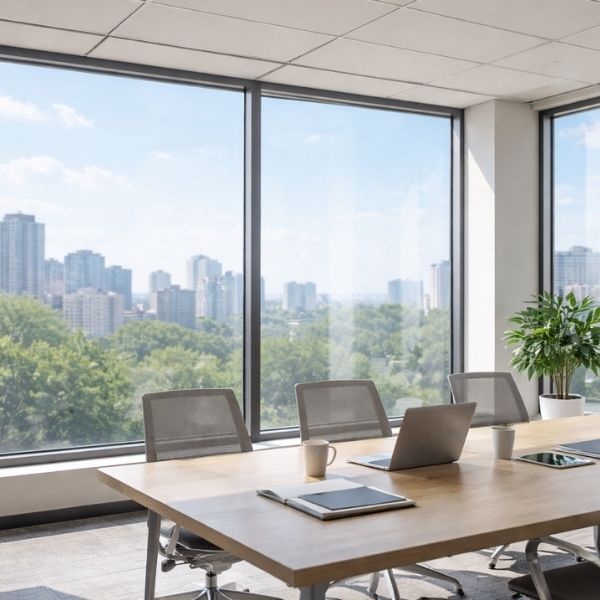
To help you choose, films are rated by their Visible Light Transmission, or VLT. This is the percentage of visible light that passes through the film. A higher VLT film (e.g., 60-70%) is very light, while a lower VLT film (e.g., 20-30%) offers more glare control. The key takeaway is that you have a choice. You don’t have to sacrifice a bright interior to gain control over heat and energy costs.
Myth 2: The Film Will Bubble, Peel, or Discolor
The image of a car with bubbly, purple tint is a classic sign of a low-quality, failed film. Professional-grade architectural films are a completely different product. They are manufactured with advanced, durable adhesives designed to form a permanent bond with the glass. Modern films use stable materials like ceramic that don’t discolor. When installed correctly by a trained technician, high-quality film is designed to last for decades without bubbling, peeling, cracking, or turning purple.
Why Professional Installation Matters
Once you understand that modern film is a powerful tool, the next step is selecting the right one and having it installed correctly. This is where professional expertise becomes invaluable, turning a good product into a perfect solution.
Matching the Film to Your Needs
There isn’t one “best” window film, only the best film for your unique situation. A consultation with an expert can help you navigate the options, but here’s a quick overview:
- Spectrally-Selective Films: The premium, nearly invisible option. They offer exceptional heat rejection with maximum natural light, perfect for storefronts or rooms where you want to preserve views.
- Ceramic Films: A fantastic all-around choice. They provide excellent heat rejection without using metals, so they won’t interfere with cell phone or Wi-Fi signals.
- Dual-Reflective Films: These films offer the highest levels of heat rejection by pairing a reflective outer layer with a more neutral inner layer, providing significant daytime privacy and heat control.
The Critical Role of a Professional Consultation
Choosing the right film is only half the battle. A professional installation ensures that the film performs as promised and lasts for its full lifespan.
An experienced consultant does more than just show you samples. They’ll analyze factors like the direction your windows face, the type of glass you have (to prevent thermal stress), your primary goals, and your budget.
This diagnostic approach guarantees you get a solution tailored to your problems. The installation itself is a craft that requires precision, training, and the right tools to ensure a flawless, permanent bond to the glass.

Solar Film in Action: Real-World Scenarios
Seeing how solar control window film solves real-world problems is where its value truly becomes clear. Let’s walk through a few common scenarios.
Scenario: The West-Facing Residential Living Room
The Problem: You have a beautiful living room, but from 3 PM onwards, the intense afternoon sun turns the space into a sauna. The AC runs constantly, you have to keep the blinds shut, and the glare makes it impossible to watch TV. You’ve also noticed your new hardwood floors are starting to look faded.
The Solution: Applying a spectrally selective solar control film is a game-changer. This film blocks a huge percentage of infrared heat without dramatically darkening the window. The room immediately feels cooler, allowing your AC to cycle off more often and lowering your energy bill. The film also cuts harsh glare, so you can open your blinds and enjoy the natural light. Most importantly, by blocking over 99% of damaging UV rays, the film protects your floors and furniture from fading.
Scenario: The Modern Commercial Office Building
The Problem: A property manager is dealing with complaints in an office with floor-to-ceiling glass. Employees near the windows are battling heat and glare, while those further inside are too cold. This temperature imbalance forces the building’s HVAC system to work overtime, leading to sky-high energy costs.
The Solution: Installing a high-performance solar control film across the building’s glass creates a more uniform temperature by significantly reducing solar heat gain. This eases the load on the HVAC system, resulting in immediate and substantial energy savings. For employees, the reduced glare and improved comfort boost productivity and morale.
Scenario: Protecting a Retail Storefront Display
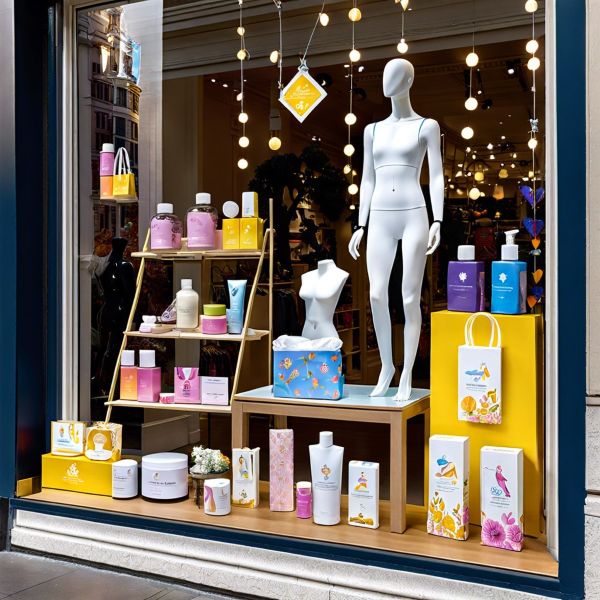
The Problem: A boutique owner’s products in the storefront display are fading rapidly under the daily assault of sunlight. This constant sun damage leads to inventory loss. The heat pouring through the large glass front also makes the entrance of the store uncomfortably warm.
The Solution: Applying a UV protection window film is one of the most cost-effective forms of insurance for a retail business. These films block 99.9% of UV rays, which is the primary cause of fading. This drastically slows the degradation process, preserving the merchandise. By also rejecting a significant amount of solar heat, the film helps maintain a cooler, more inviting atmosphere that encourages shoppers to enter and linger.
Contact CoolVu today for a free estimate and find out how solar control window film can be tailored to your space.
Frequently Asked Questions
How long does solar control window film last?
Professionally installed, high-quality architectural window film is designed to be a long-term solution. It’s manufactured with durable materials and strong adhesives to prevent peeling, bubbling, or discoloration. You can expect your film to last for decades, and most products come with a manufacturer’s warranty of 15 years or more for commercial applications and a lifetime warranty for residential ones.
Will window film damage my double-pane windows?
This is a common and important question. A professional consultation is critical to prevent this. Certain types of high-absorption films can cause thermal stress on specific kinds of glass, particularly older or less robust double-pane units (IGUs). An experienced installer will assess your glass type and recommend a film that is safe and effective for your specific windows, ensuring there’s no risk of damage. Low-E coatings are also a factor an expert will consider.
Can I still get heat reduction if I like my room to be bright?
Absolutely. This is one of the biggest advancements in modern window film technology. Spectrally selective and light ceramic films are engineered to be virtually clear, allowing a very high percentage of natural light (Visible Light Transmission) to pass through. At the same time, they target and reject a massive amount of invisible infrared (heat) and UV rays. You can solve your heat problem without sacrificing the bright, sunny feel of your room.
How much money can I really save with energy saving window film?
The amount you save depends on several factors, including your climate, your building’s orientation, your current utility rates, and the type of film you choose. However, it’s common for property owners to see a reduction in cooling costs of up to 30%. For many, the investment in solar control window film can pay for itself in energy savings within just 2 to 5 years, all while providing added comfort and protection.