
Table of Contents
The Quest for the Universal ‘Best’ and Why It’s a Misconception
Many business owners embark on the journey for solar control window film with a natural question: “Which film is the best?” This pursuit of a single, universally superior product is, however, a fundamental misconception. The effectiveness of any given film isn’t a standalone attribute; it’s intricately linked to the specific challenges and goals of your commercial property.
What performs exceptionally well in one building with south-facing windows and intense afternoon sun might be overkill or insufficient for another with different orientations, occupancy patterns, or aesthetic requirements.
The sheer variety of window film technologies available today—from spectrally selective to low-emissivity films—means that a one-size-fits-all solution simply doesn’t exist.
True value comes from a precise match between the film’s capabilities and your building’s unique solar signature. Without a thorough assessment, even a high-quality film could lead to suboptimal results, leaving energy savings untapped or comfort issues unresolved.

Defining Success: What Commercial Property Owners Truly Need from Window Film
For a commercial property owner, success with window film extends far beyond just “blocking the sun.” It translates directly into tangible business benefits and a clear return on investment. The ultimate goal is to optimize the building’s environment while enhancing its operational efficiency and protecting its assets.
Consider these critical outcomes that define a successful window film solution:
- Significant Energy Cost Reduction: Lowering HVAC demands by reducing heat gain during warmer months and retaining heat during colder periods.
- Enhanced Occupant Comfort: Eliminating hot spots and creating a more uniform temperature throughout the space, leading to increased employee productivity and tenant satisfaction.
- Protection of Interior Assets: Shielding valuable merchandise, furnishings, artwork, and equipment from the damaging effects of ultraviolet (UV) radiation.
- Improved Aesthetics and Glare Control: Maintaining natural light while mitigating harsh glare that can cause eye strain and hinder computer work.
- Increased Property Value: Contributing to a more sustainable and energy-efficient building profile, appealing to environmentally conscious tenants and buyers.
These are the real metrics of success, and achieving them requires a strategic approach, not a guess at the “best” product.
Setting the Strategic Framework for Informed Decision-Making
Making an informed decision about solar control window film involves shifting focus from product features to performance outcomes. This begins with a comprehensive understanding of your building’s current energy profile, its existing challenges, and your specific objectives. A strategic framework empowers you to ask the right questions and evaluate solutions based on quantifiable data, not just marketing claims.
This framework involves:
- Identifying specific pain points: Are your energy bills too high? Are certain areas uncomfortably hot? Is merchandise fading?
- Analyzing building characteristics: Window type, orientation, existing shading, HVAC system efficiency, and local climate all play a role.
- Defining measurable goals: What percentage of energy savings do you aim for? What level of glare reduction is acceptable?
- Understanding key performance metrics: Moving beyond vague promises to evaluate films based on their proven technical specifications.
Addressing Common Misconceptions About Commercial Window Tinting
Many business owners hold outdated or incomplete understandings of what modern window film can achieve. Dispelling these myths is crucial for making effective, investment-savvy decisions.
- Myth 1: Darker film means better heat rejection. While often true, modern spectrally selective films can achieve significant heat rejection with minimal impact on visible light, maintaining brighter interiors.
- Myth 2: Window film is purely aesthetic or just for privacy. While films can offer these benefits, their primary commercial value often lies in energy efficiency, UV protection, and glare reduction, directly impacting your bottom line.
- Myth 3: All window films are the same. There’s a vast technological difference between basic dyed films and advanced ceramic or low-e films, impacting performance, durability, and cost-effectiveness.
- Myth 4: Window film is an expense, not an investment. When properly specified and installed, window film delivers a measurable return on investment through energy savings, asset protection, and enhanced occupant comfort, often with a rapid payback period.
Unlocking True Performance: Key Metrics Beyond Marketing Claims
To truly evaluate the potential of a solar control window film solution for your business, it’s essential to look beyond general marketing claims and understand the specific, quantifiable metrics that define performance. These technical specifications provide the objective data needed to make an informed investment decision, directly correlating to energy savings, comfort, and asset protection.
Demystifying TSER: Total Solar Energy Rejected and Its Impact on Energy Efficiency
One of the most critical metrics for energy savings is Total Solar Energy Rejected (TSER). This percentage indicates how much of the sun’s total solar energy—including visible light, infrared, and ultraviolet rays—is prevented from entering your building through the windows. A higher TSER value means more solar energy is rejected, directly translating to less heat gain and a reduced workload for your air conditioning system.
For a business owner, a higher TSER directly impacts your bottom line by:
- Lowering HVAC Costs: Less heat entering means your cooling systems don’t have to work as hard, leading to significant reductions in electricity consumption.
- Improving Internal Comfort: By reducing the overall heat load, TSER contributes to more consistent and comfortable indoor temperatures, eliminating hot spots near windows.
- Contributing to Sustainability Goals: High TSER films reduce your building’s energy footprint, supporting environmental initiatives and potentially qualifying for green building certifications.
Understanding SHGC: Solar Heat Gain Coefficient Explained for Business Owners
Closely related to TSER, the Solar Heat Gain Coefficient (SHGC) measures the fraction of incident solar radiation that is admitted through a window, both directly transmitted and absorbed then re-radiated inward. Unlike TSER, where a higher number is better, for SHGC, a lower number indicates greater effectiveness in reducing heat gain. An SHGC of 0.25, for example, means that only 25% of the sun’s heat makes it into the building.
Understanding SHGC is vital because it quantifies the heat passing through your windows. A lower SHGC value means:
- Reduced Cooling Loads: Directly impacts how much energy your cooling system needs to expend, providing measurable cost savings.
- Enhanced Thermal Comfort: Fewer fluctuations in indoor temperature, creating a more stable and pleasant environment for employees and customers.
- Optimized Building Performance: Allows for more efficient use of space by minimizing areas that become excessively hot due to sun exposure.
The Importance of VLT: Visible Light Transmission for Interior Aesthetics and Productivity
Visible Light Transmission (VLT) is the percentage of visible light that passes through the window film and into your building. This metric is crucial for balancing heat rejection with the need for natural illumination. While a lower VLT (darker film) generally correlates with higher heat rejection and glare reduction, it can also reduce natural light, potentially requiring more artificial lighting and altering the interior aesthetic.
When considering VLT, business owners need to weigh:
- Maintaining Natural Light: Maximizing daylight can reduce the need for artificial lighting, offering further energy savings and creating a more pleasant work environment.
- Interior Aesthetics: The VLT value significantly influences how your building’s interior looks and feels, affecting mood and ambiance.
- Employee Productivity: Adequate, glare-free natural light is proven to boost morale and productivity, reducing eye strain and improving focus.
- Merchandise Presentation: For retail spaces, VLT impacts how products are displayed and perceived by customers.

The “ideal” VLT depends on the specific use of the space and the existing lighting conditions, highlighting the need for a tailored approach.
Protecting Your Investment: The Critical Role of UV Rejection and Glare Reduction
Beyond energy efficiency and comfort, high-performance window films offer significant benefits in asset protection and creating a more functional environment through UV Rejection and Glare Reduction.
UV Rejection refers to the percentage of harmful ultraviolet rays that the film blocks. UV radiation is a primary cause of fading and deterioration of interior furnishings, merchandise, artwork, and flooring. By rejecting 99% or more of UVA and UVB rays, window film acts as an invisible shield, dramatically extending the lifespan of your interior assets and preserving their value. This is particularly critical for retail, museums, offices with valuable equipment, and any space where asset preservation is a priority.
Glare Reduction addresses the problem of harsh, uncomfortable brightness that often accompanies direct sunlight. Excessive glare can:
- Reduce Productivity: Causing eye strain, headaches, and making it difficult to view computer screens or read documents.
- Diminish Comfort: Forcing occupants to squint or seek shade, making certain areas of the building unusable during peak sun hours.
- Impact Customer Experience: Creating an unwelcoming or uncomfortable environment for visitors and clients.
Effective glare reduction enhances the usability and comfort of your commercial space, improving both employee well-being and customer satisfaction.
The Science of Solar Control: Comparing Leading Film Technologies
Understanding the diverse range of solar control window films available is the first step toward making an informed decision for your commercial property. However, simply knowing the types is not enough; the true advantage comes from understanding how each technology addresses specific challenges, which a professional CoolVu assessment expertly deciphers.
Traditional Approaches: Dyed and Metalized Films for Basic Heat and Glare Control
Early innovations in solar control film predominantly featured dyed and metalized constructions. Dyed films achieve glare reduction by absorbing visible light, much like sunglasses. While effective at dimming a bright space, their heat rejection capabilities are often limited, and the dyes can fade over time, diminishing performance and appearance. Metalized films, on the other hand, incorporate thin layers of metal that actively reflect solar energy. These films are generally more effective at reducing heat gain than dyed options. However, their highly reflective nature can sometimes alter a building’s exterior aesthetic and, in some cases, interfere with cellular or radio signals. While these traditional films offer basic solutions, modern commercial needs often demand more sophisticated performance.
Advancements in Technology: The Rise of Ceramic Window Film
A significant leap forward in window film technology arrived with ceramic films. These advanced films utilize microscopic, non-metallic ceramic particles embedded within layers of durable polyester. Unlike metalized films, ceramic films reject heat through absorption and re-emission rather than reflection.
Key benefits of ceramic window films include:
- Superior Heat Rejection: They block a substantial amount of infrared (heat) energy, leading to cooler interiors.
- Low Reflectivity: They maintain a natural window appearance, both from inside and out, without the mirror-like finish of some metalized films.
- No Signal Interference: Being non-metallic, they do not disrupt cell phone, GPS, or radio frequencies.
- Exceptional Durability and Color Stability: Ceramic particles are highly stable, resisting fading and maintaining performance for many years.
- High Visible Light Transmission: Many ceramic films offer impressive clarity, allowing ample natural light while significantly reducing heat.
For businesses seeking a balance of high performance, aesthetic preservation, and long-term reliability, ceramic films often present a compelling solution.
Precision Engineering: Exploring Spectrally Selective Films for Optimal Balance
Spectrally selective films represent the pinnacle of solar control engineering. These innovative films are designed to selectively filter specific portions of the solar spectrum. This means they can allow a high percentage of visible light to pass through, preserving natural brightness and views, while simultaneously blocking a very high percentage of infrared (heat) and ultraviolet (UV) radiation.
The advantage of spectrally selective technology is its ability to:
- Maximize Natural Light: Reduce the need for artificial lighting, contributing to energy savings and improved interior ambiance.
- Significantly Reduce Heat Gain: Keep indoor temperatures comfortable without sacrificing light.
- Provide Extensive UV Protection: Shield interiors from damaging UV rays, preventing fading of merchandise, furniture, and flooring.
- Maintain Clear Views: With minimal impact on visibility, these films are ideal for storefronts, office buildings, and properties where aesthetic integrity is paramount.
When the goal is to achieve remarkable heat and UV rejection with minimal alteration to a building’s appearance or natural light levels, spectrally selective films are often the top recommendation from an expert assessment.
Year-Round Efficiency: The Benefits of Low-E Window Film for Commercial Buildings
Beyond managing summer heat, many commercial properties face challenges with heat loss during colder months. Low-E (Low-Emissivity) window films are engineered to address this year-round energy efficiency need. These films feature microscopic metallic coatings that act as an insulator, reflecting heat.
The dual action of Low-E films offers substantial benefits:
- Summer Performance: They reflect solar heat away from the building, keeping interiors cooler and reducing air conditioning loads.
- Winter Performance: They reflect interior heat back into the building, minimizing heat loss through windows and lowering heating costs.
- Enhanced Insulation: Effectively improve the insulating properties of existing windows, converting standard glass into a more energy-efficient barrier.

For commercial buildings in climates with distinct heating and cooling seasons, a Low-E film application can deliver significant, consistent energy savings throughout the year, directly impacting your operational bottom line.
How Film Construction and Materials Influence Durability and Long-Term Performance
The effectiveness and longevity of any window film solution are not solely dependent on its core technology, but also on the quality of its construction and materials. A high-performance film is a multi-layered product, typically comprising:
- Durable Polyester Substrate: The foundational layer providing strength and optical clarity.
- Advanced Adhesive Systems: Critical for strong, bubble-free adhesion and long-term durability without peeling or blistering.
- UV Inhibitors: Integrated into the film layers to protect both the film itself and interior furnishings from UV degradation.
- Scratch-Resistant Coatings: Applied to the outer surface to protect against daily wear and tear, maintaining clarity and appearance.
The selection of superior-grade materials and precision manufacturing ensures that the film maintains its optical clarity, solar control properties, and aesthetic appeal for many years, providing a reliable return on investment. A professional CoolVu assessment considers these critical construction details, ensuring the recommended film stands the test of time in a commercial environment.
Tailoring Solutions: How to Assess Your Commercial Property’s Unique Needs
Understanding the array of film technologies is essential, but identifying the right film for your specific property requires a thorough, professional assessment. This is where the CoolVu expert advantage truly shines, translating complex variables into a clear, actionable plan that delivers tangible business benefits.
Analyzing Your Building’s Solar Exposure and Architectural Design
Every commercial building is unique, and its interaction with the sun is dictated by numerous factors. A professional assessment begins with a detailed analysis of your property’s solar dynamics.
This includes:
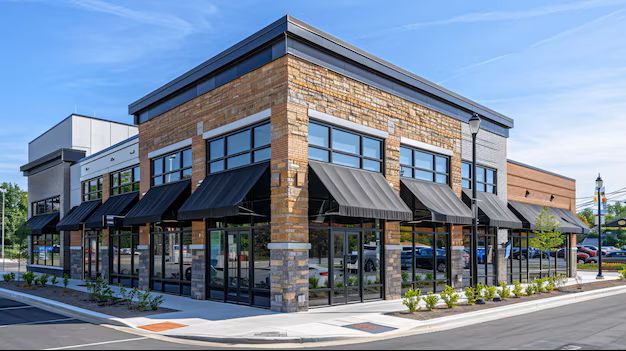
- Building Orientation: Identifying which facades face North, South, East, and West, as each experiences different levels and types of solar exposure throughout the day and year.
- Window Specifications: Evaluating the size, type (single, double, or triple pane), and existing glazing materials of your windows.
- Architectural Features: Considering any external shading elements like overhangs, awnings, or adjacent structures that naturally block sunlight.
- Interior Layout: Understanding how sunlight penetrates specific areas and impacts different spaces within your building.
This foundational analysis ensures that any film recommendation is perfectly aligned with the building’s inherent solar challenges, not just a generic solution.
Identifying Specific Operational Challenges: Hot Spots, Glare, and Fading Inventory
Beyond structural analysis, a successful film application directly addresses your business’s day-to-day operational pain points. A CoolVu professional consults with you to identify and prioritize these challenges.
Common issues include:
- Uncomfortable Hot Spots: Areas within the building that become excessively warm, leading to discomfort for employees or customers and increased strain on HVAC systems.
- Disruptive Glare: Intense brightness on computer screens, within retail displays, or in common areas, reducing productivity and customer satisfaction.
- Fading and Damage to Inventory/Interiors: Harmful UV rays causing irreversible damage to merchandise, display items, flooring, and furnishings, leading to financial loss.
- Privacy Concerns: Specific areas requiring visual obscurity from outside.
By pinpointing these challenges, the film selection process becomes targeted, ensuring the solution directly improves your operating environment and protects your assets.
Quantifying the Impact: Estimating Potential Energy Savings for Your Business
For a business owner, any capital investment must demonstrate a clear return. A professional CoolVu assessment goes beyond comfort and protection; it quantifies the potential financial benefits.
This involves:
- Utility Bill Analysis: Reviewing historical energy consumption data to establish a baseline.
- Performance Modeling: Utilizing specialized software to simulate the energy savings achievable with specific film technologies under your building’s unique conditions.
- ROI Calculation: Providing a clear projection of potential energy cost reductions, helping you understand the payback period and long-term savings of your investment.
This data-driven approach empowers you to make a financially sound decision, demonstrating how window film is not just an expense, but a strategic investment in your building’s efficiency and your business’s profitability.
Enhancing Occupant Comfort and Productivity Through Strategic Film Selection
While energy savings are a tangible benefit, the enhancement of internal comfort and productivity is equally vital for a thriving commercial environment. A tailored window film solution contributes significantly to these ‘softer’ but impactful returns.
Strategic film selection can lead to:
- Consistent Interior Temperatures: Eliminating hot spots and maintaining a more stable climate, ensuring employee and customer comfort.
- Reduced Eye Strain and Improved Focus: Minimizing glare on screens and surfaces, leading to better concentration and reduced fatigue for staff.
- Improved Employee Morale: A more comfortable and visually pleasant workspace contributes to higher job satisfaction and productivity.
- Enhanced Customer Experience: A welcoming, glare-free, and temperate environment encourages longer visits and positive interactions in retail or service-based businesses.
These improvements directly translate to a more engaged workforce and a more appealing environment for your clientele, bolstering your business’s overall success.
Addressing Security and Safety Concerns with Specialized Window Films
Beyond solar control, many businesses have inherent security and safety needs for their glass facades. A comprehensive assessment by a CoolVu expert also considers these critical aspects, recommending specialized films where appropriate.
These films offer distinct advantages:
- Safety Films: Designed to hold shattered glass fragments together upon impact, significantly reducing the risk of injury from accidental breakage or flying debris during storms.
- Security Films: Thicker and more robust, these films create a formidable barrier, delaying forced entry attempts by criminals and protecting against smash-and-grab incidents. They reinforce glass, making it much harder to penetrate.
- Privacy Films: While some solar control films offer a degree of daytime privacy, specialized decorative or opaque films can provide complete visual obscurity for sensitive areas or create unique aesthetic elements.
By integrating safety and security considerations into the overall assessment, a CoolVu professional offers a holistic solution that not only optimizes energy performance and comfort but also enhances the resilience and protection of your commercial property.
Beyond Energy Savings: Calculating the Tangible ROI of Premium Window Film
While the immediate thought might be to reduce utility bills, the true value of high-performance solar control window film extends far beyond simple energy savings. For a business owner, this investment is a strategic decision that impacts the bottom line in multiple, measurable ways. Understanding these diverse benefits is key to calculating a comprehensive return on investment (ROI).
Deconstructing Your Investment: Costs Versus Long-Term Value Creation
Investing in premium window film isn’t merely an expense; it’s a capital improvement designed to generate value over many years. The initial cost of materials and professional installation is balanced by a continuous stream of savings and advantages. This includes not only direct energy cost reductions but also enhanced property value, prolonged asset life, and improved human comfort and productivity, all contributing to a robust financial return.
Detailed Energy Cost Reductions: A Practical Approach to Estimating Savings
Estimating energy savings requires a precise, data-driven approach, not a generic assumption. A professional assessment considers several critical factors unique to your property:
- Solar Heat Gain Coefficient (SHGC): This measures how much solar heat is admitted through a window. A lower SHGC means less heat enters your building, reducing the load on your cooling systems.
- Total Solar Energy Rejected (TSER): This is the percentage of total solar energy (visible light, infrared, and ultraviolet) that is rejected by the film and glass system. A higher TSER indicates greater heat rejection.
- Building Orientation and Window-to-Wall Ratio: The direction your windows face and their proportion to your wall space significantly impact solar heat gain.
- Local Climate and Utility Rates: Regional temperatures, sun exposure hours, and the cost of electricity or natural gas directly influence potential savings.
- Existing HVAC System Efficiency: An expert evaluates how your current heating, ventilation, and air conditioning system will benefit from reduced demand.
By analyzing these variables, a professional can provide a realistic projection of annual energy cost reductions, translating directly into tangible savings on your utility statements.
Valuing the Intangibles: Improved Employee Productivity and Tenant Satisfaction
The comfort of your indoor environment directly correlates with productivity and satisfaction. Excessive heat and harsh glare from untreated windows can lead to:
- Decreased Focus: Employees struggling with glinting screens or uncomfortable temperatures are less efficient.
- Increased Complaints: Uncomfortable tenants or employees often result in higher turnover rates or strained relationships.
- Reduced Morale: A consistently uncomfortable environment can negatively impact overall workplace or living satisfaction.
By mitigating these issues, solar control window film creates a more stable, comfortable environment, fostering better concentration, reducing eye strain, and contributing to a positive atmosphere. This “intangible” benefit often translates into lower operational costs through reduced absenteeism, higher employee retention, and easier tenant acquisition and retention.
Asset Protection: Mitigating UV Damage to Inventory and Interior Furnishings
Ultraviolet (UV) radiation is a significant cause of fading and degradation of interior assets. This applies to:
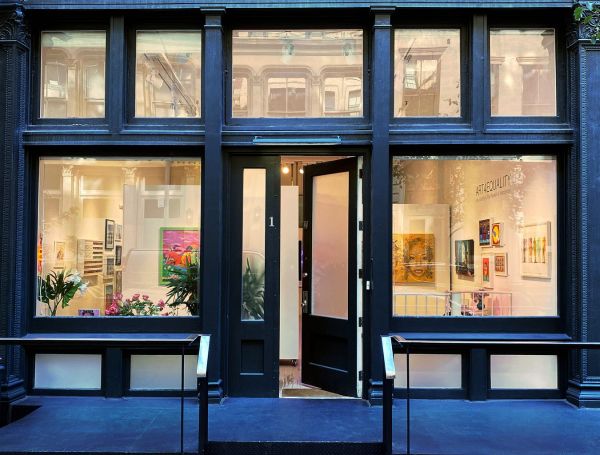
- Retail Merchandise: Products displayed near windows can quickly lose value due to sun damage.
- Office Furniture: Desks, chairs, and carpeting exposed to sunlight fade and deteriorate over time.
- Artwork and Decor: Valued pieces can be irreversibly damaged by prolonged UV exposure.
High-performance window films block over 99% of harmful UV rays, acting as a crucial protective barrier. This significantly extends the lifespan of your inventory, furnishings, and interior finishes, deferring costly replacements and preserving their aesthetic and financial value.
Extending Equipment Lifespan: Reduced Strain on HVAC Systems and Maintenance Costs
When your building’s interior temperatures are consistently high due to solar heat gain, your HVAC system must work harder and run longer to maintain comfort. This continuous, intensive operation leads to:
- Increased Wear and Tear: Components are subjected to greater stress, accelerating their degradation.
- More Frequent Breakdowns: Higher operational demand can lead to unexpected failures and costly emergency repairs.
- Shorter Lifespan: The overall longevity of your expensive HVAC equipment is reduced, necessitating premature replacement.
By significantly reducing the heat load, solar control window film alleviates this strain. Your HVAC system operates more efficiently, less frequently, and under less duress, thereby extending its operational lifespan, reducing maintenance requirements, and deferring expensive capital expenditures for system replacement.
Understanding Payback Periods and Capital Investment Considerations
For any capital investment, understanding the payback period is essential. This is the time it takes for the savings generated by the investment to equal the initial cost. For premium window film, this calculation integrates:
- Initial film and installation costs.
- Annual energy savings.
- Reduced maintenance on HVAC systems.
- Value retained from protected assets.
- Benefits of improved comfort and productivity.
Many high-performance films offer remarkably short payback periods, often ranging from 2 to 5 years, making them an attractive proposition for business owners seeking a rapid and measurable return on their capital. After this period, the continuous savings represent pure profit, directly contributing to your business’s financial health.
The Indispensable Value of Expert Consultation and Professional Installation
The path to maximizing the ROI of solar control window film is paved with expertise. While the market offers a dizzying array of products, achieving true long-term value and optimal performance is not a do-it-yourself task or an off-the-shelf purchase. It demands a specialized, tailored approach—precisely the service that defines the CoolVu expert advantage.
Why Off-the-Shelf Solutions Fall Short for Complex Commercial Properties
Commercial properties present a unique set of challenges that generic window film solutions simply cannot address effectively. Unlike residential windows, commercial glazing often varies significantly in type, size, and orientation, and the operational demands of a business—be it a retail storefront, an office complex, or a hospitality venue—are distinct. Attempting to apply a universal film without a comprehensive understanding of these nuances will inevitably lead to suboptimal results, failing to deliver the expected energy savings or comfort improvements. This can transform what should be a smart investment into a costly disappointment.
The Role of a Comprehensive On-Site Assessment in Achieving Optimal Results
The foundation of a successful window film application is a meticulous, on-site assessment. This isn’t just about measuring windows; it’s a deep dive into your building’s specific solar dynamics and operational needs. A qualified expert will:
- Analyze Sun Exposure: Identify which windows receive the most intense direct sunlight, considering seasonal changes and building orientation.
- Evaluate Glass Type: Different types of glass (e.g., single-pane, double-pane, low-e) interact differently with solar film.
- Assess Existing HVAC Systems: Understand the current cooling and heating load and how film can alleviate it.
- Discuss Business Objectives: Determine whether the primary goal is maximum energy savings, glare reduction, UV protection for inventory, or a balance of all.
- Identify Problem Areas: Pinpoint specific hot spots, areas of excessive glare, or zones experiencing significant temperature fluctuations.
This thorough evaluation forms the blueprint for a truly customized solution, ensuring that the chosen film precisely targets your building’s unique challenges.
Navigating Film Selection: Expert Guidance in Matching Technology to Needs
The vast selection of window film technologies—from spectrally selective to ceramic, reflective to low-emissivity—can be overwhelming. Each film boasts distinct properties, such as varying levels of Total Solar Energy Rejected (TSER), Solar Heat Gain Coefficient (SHGC), and Visible Light Transmittance (VLT). An expert guides you through this complexity by:
- Explaining Performance Metrics: Clarifying what TSER, SHGC, and VLT mean for your specific application and energy goals.
- Recommending Optimal Film Types: Matching a film’s technical specifications to the architectural style, window orientation, and functional requirements of each area of your building.
- Considering Aesthetic Impact: Ensuring the chosen film complements your building’s exterior appearance and interior light levels.
This nuanced guidance ensures you select a film that not only performs optimally but also aligns perfectly with your business’s operational and aesthetic objectives.
The Precision of Professional Installation for Guaranteed Performance and Longevity
Even the highest quality window film will underperform if not installed with precision and expertise. Professional installation is critical for several reasons:
- Seamless Application: Preventing air bubbles, creases, or misalignment that can detract from aesthetics and performance.
- Maximized Adhesion: Ensuring the film bonds correctly to the glass for long-term durability and effectiveness.
- Warranty Validation: Many manufacturer warranties are contingent upon professional installation, safeguarding your investment.
- Safety and Efficiency: Trained installers work efficiently and safely, minimizing disruption to your business operations.
Professional installation guarantees that the film achieves its advertised performance characteristics and maintains its integrity for years, ensuring your investment pays off over its entire lifespan.
From Consultation to Implementation: Partnering with Specialists for Strategic Advantage
The journey from identifying a problem to realizing substantial, measurable benefits from window film is a sophisticated process. It requires more than just buying a product; it demands a partnership with specialists who possess deep industry knowledge and a proven methodology. From the initial, in-depth consultation and tailored film selection to meticulous professional installation and ongoing support, partnering with experts provides a strategic advantage. It transforms a potential capital expense into a reliable, long-term asset that enhances energy efficiency, protects valuable assets, and significantly improves the comfort and productivity of your commercial space.
Conclusion: Key Takeaways and Next Steps
Recapping the Journey to Informed Solar Control Film Selection
The quest for the “best” solar control window film reveals a foundational truth: such a singular product does not exist. Instead, optimal performance, energy savings, and a tangible return on investment are only achieved when the right film technology is precisely matched to a building’s unique solar challenges and operational goals. We’ve seen how various factors, from a film’s Total Solar Energy Rejected (TSER) to its Solar Heat Gain Coefficient (SHGC) and Visible Light Transmittance (VLT), play critical roles. Understanding these metrics is crucial, but equally important is recognizing that their ideal values are contextual. An informed decision moves beyond simply comparing product specifications to considering the holistic needs of a commercial property.
The Strategic Investment in High-Performance Window Film for Your Business
Implementing high-performance window film is not merely an expense; it is a strategic capital investment designed to yield significant and measurable business benefits. For the astute business owner, this translates directly into a reduced operational footprint through lower energy consumption and diminished HVAC wear and tear. Beyond the critical energy cost savings, the investment protects valuable inventory, furnishings, and interior assets from the damaging effects of UV radiation, extending their lifespan and preserving their aesthetic appeal. Furthermore, by creating a more comfortable and glare-free environment, high-performance films contribute to improved employee productivity, enhanced customer experience, and increased tenant satisfaction. These are all vital components of a thriving and profitable enterprise.
Partnering for Long-Term Savings, Comfort, and Property Value Enhancement
The benefits of a professionally selected and installed high-performance window film extend far beyond immediate energy savings. They represent a commitment to long-term operational efficiency and property value enhancement. Over years, the consistent reduction in heat gain and UV exposure safeguards your building’s interior, reducing maintenance costs and delaying capital expenditures on replacements. A more comfortable and climate-controlled interior positively impacts tenant retention in commercial properties and fosters a more appealing atmosphere for retail and office spaces. Ultimately, this strategic upgrade contributes to a higher perceived value and improved marketability of your commercial asset, establishing it as a modern, energy-efficient, and desirable location for years to come.
Your Next Steps Towards an Optimized and Energy-Efficient Commercial Property
Armed with a deeper understanding of solar control window film technologies and their profound business advantages, your most impactful next step is to secure an expert consultation. This process moves beyond theoretical knowledge to practical, tailored solutions. A qualified professional will conduct a thorough on-site assessment, analyzing your building’s specific architectural design, window orientation, existing glazing, energy consumption patterns, and unique business requirements. Based on this comprehensive evaluation, they will recommend a customized film solution engineered to address your particular challenges and maximize your return on investment. This personalized approach ensures that you don’t just buy a film, but rather invest in a precisely formulated solution designed to deliver unparalleled energy efficiency, comfort, and asset protection for your commercial property.
MORE POSTS:
- Security Window Film Cost Explained – What drives pricing differences, from film thickness and protection level to window conditions and installation complexity.
- From Product to Profitable Solution – How selling sun control film as a complete energy and comfort upgrade creates scalable entrepreneurial opportunities.
- Eco-Friendly Window Film and Energy Efficiency – Why sun control film reduces heat, cuts operating costs, and improves comfort in commercial and residential spaces.
- Commercial Energy Efficiency Explained – Why solar control window film reduces HVAC strain, operating costs, and premature interior asset depreciation.
- Solar Control Film Pricing Explained – Why “price per square foot” is misleading and what really drives the total investment for commercial buildings.