Table of Contents
The Growing Need for Enhanced Business Security
In today’s dynamic environment, businesses face an evolving array of security challenges. From opportunistic smash-and-grab burglaries to more deliberate acts of vandalism or even active threats, the vulnerability of unprotected glass has become a critical concern. Windows, while essential for natural light and aesthetics, represent the weakest point in a building’s security envelope, offering an easy entry point for intruders and a potential hazard during unforeseen incidents. This escalating landscape necessitates a proactive approach to protecting commercial properties, employees, and assets.
Shifting Perspective: From Expense to Essential Investment
For many business owners, security upgrades are often viewed as a necessary expense. However, when it comes to security window film, it is more accurately categorized as an essential investment. Unlike traditional security measures that focus on detection or deterrence, high-performance security film actively reinforces your building’s primary weak points, transforming standard glass into a formidable barrier. Framing it as an investment allows for a proper evaluation of its return, measured not just in financial savings from prevented losses, but also in the invaluable peace of mind, enhanced safety for occupants, and the continuity of business operations it provides.
The Unseen Costs of Inaction: Risks to Assets, Employees, and Reputation
Opting to forgo enhanced window security can lead to significant, often underestimated, costs. Beyond the immediate financial impact of stolen inventory or damaged property, businesses can incur substantial expenses related to:
- Operational Downtime: Cleaning up shattered glass, replacing windows, and addressing security breaches can halt business operations for hours or even days, resulting in lost revenue.
- Employee and Customer Safety: Unprotected glass can shatter into dangerous shards during an impact, posing a severe threat of injury or worse. The psychological impact of a security incident can also lead to decreased employee morale and productivity.
- Reputational Damage: A highly visible security breach can erode public trust, making customers and partners question the safety of your premises. This can lead to a long-term decline in business.
- Legal Liabilities: Failing to implement reasonable security measures could expose a business to legal claims in the event of an incident involving injury or loss on its property.
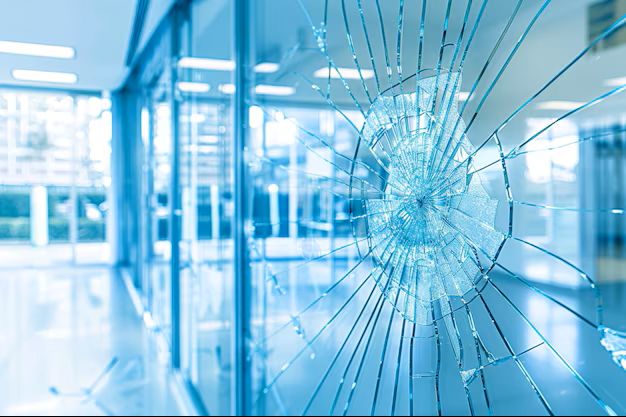
These unseen costs underscore that the true “price” of security extends far beyond the initial purchase. The investment in robust security film becomes a strategic decision that protects against a cascade of potential negative outcomes.
Deconstructing the Investment: Core Factors Influencing Security Window Film Cost
Understanding what drives the cost of security window film is key to making an informed decision. It’s not a one-size-fits-all solution; rather, it’s a tailored security upgrade whose pricing reflects the level of protection needed and the specific challenges of the installation.
Film Type and Thickness: The Foundation of Protection (Mils Explained)
The primary determinant of security film cost and performance is its thickness, measured in “mils” (a mil equals one-thousandth of an inch). This foundational characteristic directly correlates with the film’s ability to resist impact and delay forced entry.
- Standard Security Films (4-6 mil): These provide basic fragment retention, holding glass together upon impact, preventing dangerous shards from flying inward. They offer a modest delay for smash-and-grab attempts.
- Enhanced Security Films (8-14 mil): Designed for a higher level of protection, these thicker films significantly increase the time and effort required to breach a window, making them ideal for deterring determined intruders and mitigating damage from severe weather or accidental impacts.
- High-Performance/Blast Mitigation Films (15+ mil): These multi-layered, robust films are engineered to withstand extreme forces, including those from bomb blasts. They are often applied in high-security environments where structural integrity and occupant safety are paramount under severe threats.
As the mil thickness increases, so does the material cost due to the greater amount of specialized polymer layers and advanced adhesive technology involved.
Performance Specifications: Anti-Intrusion, Shatterproof, and Bomb Blast Protection
Beyond thickness, the film’s specific performance specifications dictate its suitability for various threats and, consequently, its cost. Different films are engineered with distinct properties to meet specific security needs.
- Anti-Intrusion Films: These are primarily designed to create a tough, tear-resistant barrier that delays forced entry by making the glass much harder to break through, buying valuable time for occupants to react or for authorities to arrive.
- Shatterproof Films (or Fragment Retention Films): Their core function is to hold broken glass fragments securely to the film’s adhesive layer upon impact, preventing dangerous shards from becoming airborne projectiles, which is crucial for safety during accidents or attacks.
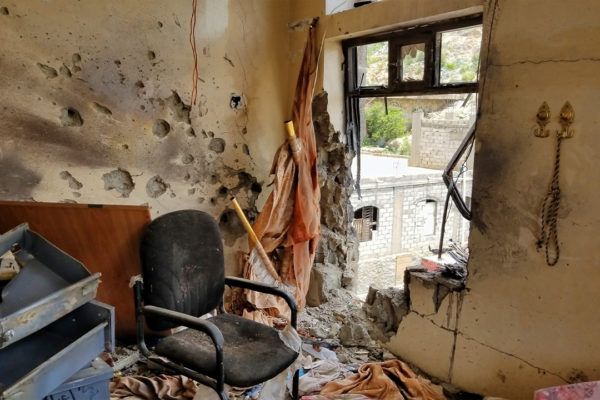
- Bomb Blast Protection Films: These represent the pinnacle of security film engineering. They are specifically tested and certified to withstand extreme pressure waves generated by explosions, keeping the glass within the frame and preventing catastrophic structural failure and deadly debris. Achieving these stringent performance levels requires advanced material science, multi-ply construction, and specialized adhesives, contributing to their higher price point.
Window Characteristics: Size, Shape, Accessibility, and Existing Conditions
The physical attributes of the windows themselves play a significant role in determining installation complexity and overall cost. These factors directly impact labor time, material waste, and the need for specialized equipment.
- Size and Shape: Larger windows naturally require more film material. Custom or unusual shapes, such as arches or intricate designs, demand precise cutting and more specialized installation techniques, increasing labor hours.
- Accessibility: Windows located at significant heights, in hard-to-reach areas, or within active operational zones may require specialized equipment like scaffolding, lifts, or unique safety protocols, adding to labor and equipment costs.
- Existing Conditions: The condition of the current glass can influence preparation time. Older, pitted, or poorly maintained glass may require extensive cleaning or specific preparation methods. Additionally, the presence of existing film that needs removal will add to the overall labor. The type of glass (annealed, tempered, laminated) also dictates specific installation techniques and film compatibility.
Advanced Technologies and Brands: Innovations in Glass Fragmentation Mitigation
The security film market benefits from continuous innovation, with leading brands investing heavily in research and development to produce superior products. These advanced technologies contribute to the overall cost but deliver enhanced performance and longevity.
- Multi-Layered Construction: Many high-performance films feature multiple distinct layers, each engineered for specific functions like tear resistance, energy absorption, or UV rejection.
- Advanced Adhesive Systems: Proprietary adhesive formulations are critical for securely bonding the film to the glass and ensuring it holds fragments effectively under extreme stress. These adhesives are designed for long-term durability and optical clarity.
- Optical Clarity: Maintaining visual integrity while adding robust security is a key innovation. High-quality films ensure no distortion or haze, preserving natural light and views.
Reputable brands that offer these advanced features and back their products with extensive testing and robust warranties typically command a higher price. This premium reflects their proven efficacy, superior material science, and commitment to long-term performance.
Additional Components: Edge Retention Systems and Attachment Methods
For security film to perform effectively against more severe threats, particularly forced entry or blast events, the film alone is often insufficient. Its integrity must be maintained within the window frame. This is where edge retention systems and advanced attachment methods become critical, adding to the overall investment but ensuring the system’s effectiveness.
- Edge Retention Systems: These are mechanical or structural methods designed to bond the security film directly to the window frame. Without them, even the strongest film can allow the entire piece of filmed glass to be pushed out of the frame under significant impact. Common methods include:
- Structural Silicone: A specialized adhesive that creates a strong, flexible bond between the film and the frame, absorbing impact energy.
- Mechanical Anchors: Metal or composite systems that physically clamp the film to the frame, providing maximum resistance against forced removal.
- Attachment Methods: The choice of attachment method depends heavily on the desired level of security. Basic film installations may not require edge retention, but as the threat level increases (e.g., from simple smash-and-grab to deliberate forced entry or blast protection), these components become non-negotiable.
Implementing these additional components requires specialized materials, precise engineering, and skilled installation labor, significantly impacting the overall cost. However, they are vital for ensuring that the security film system truly functions as intended, providing comprehensive protection rather than just a superficial layer.
Beyond the Price Tag: Understanding the True Value of Protection
When evaluating security window film, focusing exclusively on the per-square-foot price can be a misleading approach. The true measure of its cost-effectiveness lies in the comprehensive value it delivers, which extends far beyond the initial purchase price. This value is fundamentally tied to the level of protection it provides, the expertise of its installation, and its capacity to safeguard your business operations and, most importantly, your people.
Calculating the Return on Investment (ROI) for Security Film
Calculating the return on investment for security film extends beyond traditional financial metrics. It involves assessing both tangible savings and invaluable intangible benefits. While direct cost savings from preventing a specific incident might be hard to predict, the film’s consistent protective presence acts as a highly effective risk management tool, preventing potentially catastrophic losses.
- Avoided Costs: This includes preventing losses from theft, vandalism, property damage, and the costs associated with repairs, replacements, and increased insurance premiums.
- Reduced Downtime: An incident can bring operations to a halt. Security film helps contain damage, allowing for faster recovery and continuity of business, minimizing lost revenue.
- Enhanced Safety and Morale: Protecting employees and customers from harm fosters a safer environment, which can lead to increased productivity, reduced liability, and a stronger reputation.
- Asset Protection: Safeguarding valuable inventory, equipment, and sensitive data from external threats ensures business assets remain intact and operational.
Mitigating Risk: Preventing Theft, Vandalism, and Operational Disruptions
Security window film fundamentally alters the risk profile of your commercial property by transforming ordinary glass into a formidable barrier. It significantly deters opportunistic criminals and slows down determined intruders, buying critical time for law enforcement to respond. This provides practical window protection from burglars by making forced entry slower, louder, and far less predictable.
- Deterrence: The visible presence of security film can make a property less appealing to vandals or burglars, who often seek easy targets.
- Physical Barrier: In the event of an attempted break-in or vandalism, the film holds shattered glass securely in place, preventing immediate entry and creating a robust obstacle. This extended breach time is often enough to deter intruders who rely on quick access.
- Reduced Damage: Beyond preventing entry, the film minimizes the extent of damage from impacts, extreme weather, or even internal accidents, reducing cleanup costs and repair time.
Ensuring Business Continuity and Operational Resilience
The ability to maintain operations following an incident is paramount for any business. Security window film plays a critical role in fostering this operational resilience by mitigating the impact of unexpected events.
A broken window, especially in a public-facing business, can lead to immediate closure, lost sales, and significant repair costs.
By holding glass fragments together, security film helps preserve the building envelope, preventing exposure to elements, securing assets, and maintaining a professional appearance even after an impact.
This allows businesses to address the damage more systematically, often without needing to cease operations entirely, thereby minimizing financial losses and disruption to customer service.
The Human Element: Protecting Employees and Customers
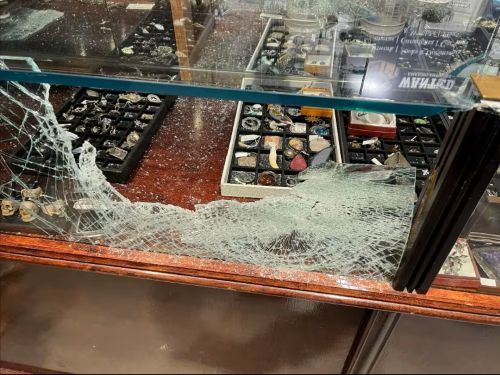
While financial and operational benefits are critical, the most profound value of security window film lies in its capacity to protect human life. Business owners bear a significant responsibility for the safety and well-being of their employees and customers. In scenarios ranging from active threats and severe weather to accidental impacts, standard glass can become a deadly hazard.
Security film acts as a vital safety net, preventing glass from shattering into dangerous shards that can cause severe injury or worse. This protection is invaluable, offering peace of mind to everyone within the premises. Investing in advanced security measures like window film demonstrates a clear commitment to safety, enhancing trust, boosting employee morale, and potentially reducing liability risks.
Navigating the Landscape of Cost: Typical Ranges for Commercial Security Film
Understanding the typical cost ranges for commercial security film requires acknowledging that “cost” is directly proportional to the level of protection and complexity of installation. It is not a uniform price, but rather a spectrum reflecting varying degrees of material strength, adhesive technology, and specialized application requirements. The per-square-foot price serves as a baseline, but the total investment hinges on numerous project-specific factors.
Basic Safety and Glass Fragmentation Protection
At the entry level, basic safety and glass fragmentation films are designed primarily to hold glass together upon impact, preventing dangerous shards from scattering. These films are typically thinner, often 4 to 6 mil thick, and are excellent for mitigating everyday hazards such as accidental impacts, minor vandalism, or preventing injuries from spontaneous glass breakage. They represent a foundational layer of protection, transforming standard annealed glass into a safer component of your building. The cost for these films is generally the most accessible, making them a cost-effective choice for general safety enhancements where high-level intrusion deterrence is not the primary concern.
Enhanced Anti-Intrusion and Forced Entry Deterrence
Stepping up in capability, enhanced anti-intrusion films focus on delaying or deterring forced entry attempts. These films are thicker, commonly ranging from 8 to 14 mil, and feature more robust adhesive systems designed to withstand sustained impacts. They are engineered to significantly increase the time it takes for an intruder to gain access through a window, providing crucial minutes for security personnel or law enforcement to respond. These films are ideal for businesses looking to protect valuable assets, deter smash-and-grab thefts, and bolster their overall security posture. The increased material thickness, specialized adhesive, and potentially more intensive installation contribute to a higher, yet highly justifiable, cost compared to basic fragmentation films.
High-Level Blast Mitigation and Advanced Security Solutions
The highest tier of security window film offers advanced protection, including blast mitigation and extreme forced entry resistance. These solutions involve multi-ply films, often 15 mil or thicker, sometimes combined with specialized attachment systems that anchor the film directly to the window frame. These films are rigorously tested to withstand powerful forces, such as those from explosive blasts, severe weather events, or determined, tool-assisted intrusion attempts. They are typically employed in high-security environments, government buildings, financial institutions, or facilities housing critical infrastructure. The engineering complexity, specialized materials, and highly precise, often labor-intensive, installation requirements place these solutions at the upper end of the cost spectrum, reflecting their unparalleled protective capabilities.
Understanding Per Square Foot Pricing in Context
While per-square-foot pricing is a common metric in the industry, it’s essential to understand its limitations and contextualize it within the broader scope of your security investment. A lower per-square-foot price might seem appealing, but if it represents an inferior film or inexperienced installation, the true cost in terms of inadequate protection, compromised performance, and potential reinstallation can be far higher.
- Material Quality and Thickness: Thicker, multi-ply films with advanced adhesive systems inherently cost more per square foot but deliver superior performance.
- Installation Complexity: Windows with intricate shapes, difficult access, or specific attachment system requirements will increase labor costs, which are typically factored into the overall project price, not just the film material.
- Warranty and Support: Reputable providers offer comprehensive warranties that cover both the film and the installation, reflecting confidence in their products and services. This support is an invaluable part of the total investment.
- Provider Expertise: The knowledge and experience of the installation team directly impact the film’s effectiveness. Proper preparation, precise application, and adherence to manufacturer specifications are critical for the film to perform as designed in a real-world incident.
Focusing solely on the per-square-foot cost without considering these critical factors risks underinvesting in a solution that may not provide the intended level of protection, ultimately compromising safety and yielding a poor return on investment.
The Critical Role of Expert Installation: Why It’s Non-Negotiable
While the quality of the film itself is paramount, its real-world effectiveness hinges almost entirely on the quality of its installation. Professional application is not merely a cosmetic concern; it is the fundamental factor determining whether your security film performs as intended during a critical incident. Focusing solely on material cost without accounting for expert installation is a significant oversight that can compromise your entire investment in security.
The Link Between Professional Installation and Film Performance
The protective capabilities of security window film—its ability to resist impacts, deter forced entry, and contain shattered glass—are directly proportional to how flawlessly it adheres to the glass and integrates with the existing window frame. A film incorrectly applied or improperly bonded will not provide the manufacturer’s specified level of protection. This means that even the most robust, high-performance film becomes functionally equivalent to a far less secure option if installation standards are not met.
Complexities of Commercial Security Film Application
Commercial security film application is a highly specialized skill, far removed from standard window tinting. Installers must navigate a range of challenges unique to commercial environments. These include working with diverse glass types and thicknesses, often in large, heavy panes. The process requires meticulous surface preparation, precise cutting to integrate seamlessly with various frame types, and expert handling to avoid air bubbles, creases, or contaminants that weaken the film’s integrity. The architectural nuances of different buildings also present unique challenges, demanding adaptable and experienced problem-solving.
The Importance of Trained and Certified Installers for Optimal Adhesion and Durability
The core of security film effectiveness lies in its superior adhesion. Trained and certified installers possess the expertise to ensure a molecular-level bond between the film and the glass. They understand the specific curing times, environmental conditions, and application techniques required for optimal adhesion, which maximizes the film’s ability to absorb and dissipate impact energy. This professional care also guarantees the film’s durability, preventing premature peeling, bubbling, or degradation that would necessitate costly re-application long before its expected lifespan.
The Risks and Hidden Costs of Subpar or DIY Installation
Opting for a lower-cost, inexperienced, or do-it-yourself installation often leads to a false sense of security and significant hidden costs. Initial savings are quickly negated by potential issues such as:
- Compromised Protection: The film may fail to perform in an actual security incident, leaving assets and personnel vulnerable.
- Aesthetic Imperfections: Bubbles, creases, and uneven edges are not just unsightly; they indicate poor adhesion that compromises strength.
- Reduced Lifespan: Poor installation can lead to premature wear and tear, requiring early replacement.
- Voided Warranties: Many film manufacturers will not honor warranties if the product was not installed by a certified professional.
- Costly Rectification: The expense of removing poorly installed film and having it correctly reapplied often far exceeds the initial “savings.”
Leveraging Industry Expertise: Decades of Experience and Robust Training Standards
True value in security film installation comes from providers with deep industry expertise. Leading commercial window experts have decades of experience navigating diverse building types and security requirements. They invest significantly in robust training programs, certifying their installers in the latest techniques and best practices. This commitment to ongoing education ensures that every installation meets the highest standards, offering business owners not just a product, but a proven security solution backed by skilled professionals.
Securing an Accurate Estimate: What to Look for in a Quote
Understanding the cost of security window film requires a thorough and transparent quotation process. A reputable provider will offer a comprehensive estimate that details all factors contributing to the final investment, moving beyond a simple per-square-foot figure. This detailed approach ensures clarity and helps you compare proposals accurately, securing the best value for your specific security needs.
The Importance of a Thorough On-Site Assessment
An accurate and reliable quote for commercial security film cannot be generated from a simple phone call or a set of architectural drawings. A thorough on-site assessment is an indispensable first step. During this visit, experts evaluate several critical factors:
- Glass Type and Condition: Identifying single-pane, double-pane, tempered, or annealed glass, and any existing damage.
- Window Frame Integrity: Assessing the condition and material of frames to ensure proper film anchorage.
- Accessibility and Logistical Challenges: Determining if specialized equipment (scaffolding, lifts) or extensive preparation is needed.
- Existing Security Vulnerabilities: Understanding specific threats to tailor the film solution.
- Measurement Accuracy: Precisely measuring each window opening to minimize waste and ensure perfect fit.

This detailed evaluation allows the provider to recommend the most appropriate film and installation method, directly impacting the final cost and efficacy.
Detailed Cost Breakdowns: Film, Labor, Hardware, and Warranty
A comprehensive quote should break down the total cost into distinct components, providing transparency and allowing you to understand where your investment is allocated. Look for clear line items such as:
- Film Material Cost: Itemized by type and square footage, often with different films for varying threat levels.
- Labor Costs: Reflecting the hours and expertise required for surface preparation, application, and finishing.
- Attachment Systems/Hardware: If required for enhanced security, such as anchoring systems that bind the film to the window frame.
- Preparation and Clean-Up: Costs associated with ensuring a pristine environment for installation and thorough post-installation cleaning.
- Warranty Information: Details on what is covered and for how long.
Understanding Warranty Coverage and Manufacturer Guarantees
A robust warranty is a critical component of your security film investment. It provides peace of mind and protection against product defects and installation flaws. Reputable manufacturers offer comprehensive guarantees on the film itself, often covering against bubbling, peeling, or demetallization for a specified period. Equally important is the installer’s warranty, which should cover the quality of the application. Always clarify:
- What specific issues are covered?
- What is the duration of the film and installation warranties?
- What are the conditions for voiding the warranty?
- Who is responsible for handling a warranty claim?
A strong warranty reflects a provider’s confidence in their product and workmanship.
Key Questions to Ask Prospective Commercial Window Experts
To ensure you are making an informed decision and selecting a reliable provider, ask these crucial questions during the quotation process:
- “Can you provide a detailed breakdown of all costs, including film, labor, and any necessary hardware?”
- “What specific type of security film are you recommending for my property, and why is it the best fit for our threat assessment?”
- “Are your installers certified and specifically trained in security film application, and how much experience do they have?”
- “What kind of warranty do you offer on both the film product and the installation itself?”
- “Can you provide references from other commercial clients who have used your security film services?”
- “What is your process for surface preparation and ensuring optimal adhesion?”
- “How do you handle post-installation follow-up and any potential issues?”
These questions will help you gauge their expertise, transparency, and commitment to providing a high-quality, long-lasting security solution.
Conclusion: Making an Informed Decision for Your Business’s Safety
Reaffirming the Value of Quality Security Window Film
As we have explored, the cost of security window film is not a simple per-square-foot commodity price. Instead, it represents a strategic investment in a multilayered defense system. The true value lies in the advanced engineering of the film itself, the precision of its installation, and its proven ability to withstand significant impact and delay unauthorized entry. This combination directly translates into enhanced protection for your property, assets, and most importantly, the people within your building.
A high-quality security film, professionally installed, effectively transforms vulnerable glass into a formidable barrier. It goes beyond mere aesthetics, offering tangible benefits that mitigate risks from smash-and-grab burglaries, natural disasters, active threats, and even accidental glass breakage. Understanding these protective capabilities helps business owners see beyond the initial expenditure to the comprehensive safety solution being acquired.
Empowering Business Owners to Evaluate Quotes with Confidence
Equipped with this knowledge, business owners can approach security film quotes with a discerning eye, moving past a sole focus on the bottom line. Evaluating proposals effectively means understanding what components contribute to the overall cost and, critically, to the film’s performance. It’s about scrutinizing the details to ensure you are investing in a solution that genuinely delivers the protection your business needs.
When reviewing quotes, consider these key aspects:
- Film Specifications: Inquire about the film’s thickness (measured in mils), its tear resistance, and its adhesive strength. Different threats require different film profiles.
- Installation Expertise: Understand the installer’s experience with security film, their training, and their adherence to manufacturer specifications. Proper edge attachment systems are critical for performance.
- Warranty and Support: A comprehensive warranty on both the film and the installation reflects confidence in the product and workmanship. Inquire about post-installation support and maintenance recommendations.
- On-Site Assessment Detail: A thorough quote will reflect a detailed understanding of your specific vulnerabilities and window types, rather than a generic pricing model. This indicates a tailored solution.
- Total System Approach: Ensure the proposal considers your overall security posture, including how the film integrates with existing security measures.
The Long-Term Benefits of a Strategic Security Investment
Investing in quality security window film, including bullet resistant film is a forward-thinking decision that yields substantial long-term benefits beyond immediate protection. It significantly reduces the potential for costly property damage and the disruption associated with security breaches. By enhancing the physical security of your premises, you are also safeguarding operational continuity, which is invaluable in today’s business environment.
Beyond the tangible asset protection, there are profound benefits related to the safety and peace of mind of your employees and customers. A secure environment fosters confidence, enhances morale, and helps maintain your business’s reputation as a safe place to work and visit. This strategic investment demonstrates a proactive commitment to safety, positioning your business for resilience and sustained success in an unpredictable world.
Speak to a CoolVu consultant today to assess your security investment.
MORE POSTS:
- UV Damage in Commercial Buildings – How ultraviolet radiation silently degrades interiors, inventory, building materials, and employee comfort over time.
- Who Installs Window Security Film – Why businesses are actively searching for certified professionals as security risks and glass vulnerabilities rise.
- Commercial Windows & Hidden Costs – How solar heat, UV exposure, and inefficient glass impact energy, comfort, and assets, and how window film solves it.
- Architectural Window Film in New Construction – Why architects integrate film to meet energy codes, sustainability goals, and design intent.