Table of Contents
Devaluing Merchandise: The Cost of Faded Inventory and Display Goods
While often invisible to the naked eye, the cumulative impact of ultraviolet (UV) radiation penetrating commercial windows is a significant, ongoing financial drain for businesses. It’s not merely an aesthetic issue; it’s a direct assault on your assets, operational efficiency, and overall profitability. Understanding this pervasive threat is the first step toward implementing a strategic, protective solution.
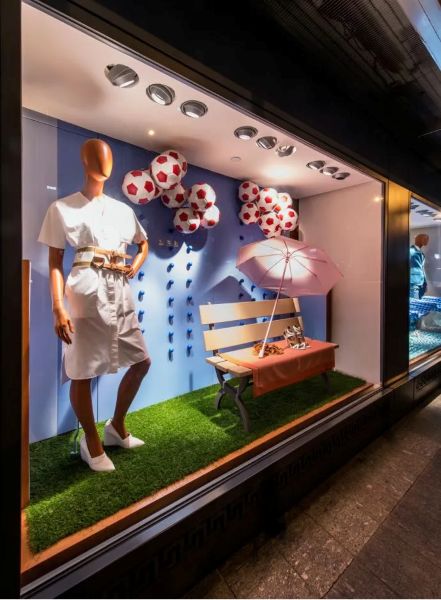
For any business showcasing products, the sun’s relentless UV rays pose an immediate and tangible threat to inventory value. Retail stores, art galleries, furniture showrooms, and automotive dealerships all face the same challenge: direct sunlight causes irreversible fading and degradation of merchandise. This isn’t just a minor cosmetic flaw; it directly impacts a product’s perceived quality and salability.
Imagine a vibrant textile display or a rich leather sofa in a showroom. Over time, exposure to unfiltered UV light will cause dyes to break down, leading to bleached spots, discolored patches, and a generally worn appearance.
Customers are less likely to pay full price for items that appear aged or damaged.
This forces businesses to discount otherwise perfect merchandise, resulting in lost revenue or, in severe cases, the complete write-off of unsellable goods.
The cost of replacing prematurely damaged display items, coupled with the profit margin lost on discounted sales, can accumulate into substantial, avoidable expenses each year.
Deterioration of Interiors: Protecting Flooring, Furnishings, and Fixtures
Beyond merchandise, the interior of your commercial space itself is under constant attack from UV radiation. Over time, sunlight can inflict significant damage on a wide array of materials, diminishing the aesthetic appeal and structural integrity of your premises. This includes, but is not limited to:
- Flooring: Hardwood floors can bleach, warp, or crack, while carpets and rugs will fade unevenly, developing unsightly patterns where the sun consistently hits. This drastically shortens their lifespan.
- Upholstery and Fabrics: Office chairs, waiting room sofas, restaurant booth seating, and decorative drapes all suffer from sun exposure. Fabrics lose their color and become brittle, while leather can crack and dry out, requiring premature replacement or costly reupholstering.
- Artwork and Displays: Valuable paintings, photographs, and even commercial signage or informational posters can fade, their colors muted and details lost, affecting their professional presentation and potential value.
- Wooden Fixtures: Desks, cabinets, and shelving units made of wood or veneer can undergo discoloration, drying, and cracking, necessitating expensive repairs or full replacements.
The cumulative effect of this damage is a perpetually aging interior that projects an unprofessional image to clients and contributes to a less pleasant working environment for employees. The ongoing expenses associated with early replacement or extensive refurbishment of these elements are a direct, yet often overlooked, cost of unprotected windows.
Structural Compromises: Long-Term Effects on Building Materials and Aesthetics
The damaging reach of UV rays extends even to the structural and aesthetic components of your building itself. While less immediately apparent than faded merchandise, this long-term degradation can lead to significant maintenance costs and a diminished property value. UV radiation accelerates the breakdown of various building materials:
- Sealants and Caulking: Window sealants and exterior caulking are particularly vulnerable. UV light causes them to dry, crack, and lose elasticity, compromising their ability to keep out moisture and air. This can lead to leaks, drafts, and increased energy expenditure.
- Paint and Finishes: Interior paint, wallpapers, and protective finishes on walls and trim near windows can fade, peel, or become discolored, requiring more frequent repainting and refurbishment cycles.
- Plastics and Vinyl: Components like window frames, blinds, or signage made from certain plastics or vinyl can become brittle, discolored, and ultimately break down under prolonged sun exposure, impacting both function and appearance.
These unseen compromises not only detract from the building’s overall aesthetic appeal but can also lead to more serious structural issues over time, increasing long-term maintenance burdens and potentially impacting the property’s market value. Protecting these elements is a critical aspect of maintaining your commercial property as a valuable asset.
Human Element: Addressing Employee Discomfort, Health Concerns, and Productivity Loss
Beyond the material and structural damage, unfiltered UV rays and excessive solar heat profoundly impact the most valuable asset in any business: its people. The “human element” suffers directly, leading to reduced comfort, potential health risks, and a tangible dip in productivity.
- Employee Discomfort: Intense glare from windows forces employees to squint, reposition their workstations, or constantly adjust blinds, disrupting focus and causing eye strain. Hot spots near windows can make certain areas of the office unbearable, leading to a loss of usable space and general discomfort.
- Health Concerns: While glass blocks UVB rays, a significant portion of UVA rays can still penetrate, contributing to skin damage and increasing the risk of certain skin conditions for those regularly exposed near windows. Prolonged exposure can also contribute to eye fatigue and headaches.
- Productivity Loss: Discomfort and health concerns directly translate into reduced efficiency. Employees who are constantly battling glare, feeling too hot, or experiencing eye strain are less focused and perform at a suboptimal level. This directly impacts workflow, increases errors, and ultimately affects your business’s output and profitability.
Investing in UV protection isn’t just about preserving property; it’s about fostering a comfortable, healthy, and productive environment for your team. By mitigating these human-centric issues, businesses can improve employee morale, reduce sick days, and boost overall operational efficiency, demonstrating a clear return on investment.
Understanding the Shield: What Exactly is Professional UV Blocking Window Film?
For business owners, understanding what constitutes professional UV blocking window film is critical to making an informed investment. This isn’t merely a decorative tint; it’s a meticulously engineered protective layer designed with specific performance objectives for commercial environments. The distinction between a professional-grade solution and a consumer-level product is profound, impacting both immediate efficacy and long-term return on investment. Many businesses also explore security film for windows when they want additional glass retention, safety, and protection benefits alongside UV control.
The Science Behind the Block: How Films Filter Harmful Ultraviolet Radiation (UVA and UVB)
The sun emits various forms of radiation, and both UVA and UVB rays are detrimental to commercial interiors and human health. UVA rays penetrate deeper, contributing to fading and aging of materials, while UVB rays are primarily responsible for sunburn and accelerate degradation. Professional UV blocking window films are engineered at a molecular level to selectively absorb or reflect these specific wavelengths. High-quality films typically block an impressive 99% or more of both UVA and UVB radiation, creating an invisible barrier that dramatically mitigates their harmful effects without significantly altering the view or natural light entering your space.
Not All Films Are Equal: Differentiating Professional-Grade Solutions from Consumer Products
The market offers a wide spectrum of window film products, but assuming they all perform equally is a costly misconception. The ‘commercial window experts’ understand that professional-grade films are in a league of their own compared to consumer-grade, DIY options.
- Material Quality: Professional films utilize superior, multi-layered polyester construction with advanced UV inhibitors embedded during manufacturing, ensuring durable and consistent performance. Consumer films often use thinner materials that degrade quickly.
- Adhesion Technology: Commercial films feature robust, pressure-sensitive adhesive systems designed for long-term durability and resistance to environmental stress, preventing bubbling, peeling, and delamination common with inferior products.
- Performance Metrics: Professional solutions come with verifiable performance data regarding UV rejection, solar heat gain coefficient, and glare reduction, backed by manufacturer warranties, offering predictable and reliable results.
- Installation Expertise: Crucially, professional films are installed by trained technicians using specialized tools and techniques to ensure a flawless application, maximizing film performance and aesthetic integration. DIY films are notoriously difficult to apply without imperfections.
Choosing a professional solution means investing in a product and service designed for commercial longevity and optimal performance, ensuring your business reaps the full benefits of this protective technology.
Beyond Basic Tinting: Exploring Core Components and Advanced Film Technologies
Many associate window film solely with tinting, which primarily reduces visible light. However, professional UV blocking films offer far more sophisticated capabilities. Their construction is a complex interplay of various components:
- Polyester Substrates: Multiple layers of clear, strong polyester form the backbone of the film, providing durability and optical clarity.
- UV Absorbers: Specialized chemicals embedded within the film layers absorb harmful UV radiation before it can pass through the glass.
- Adhesive System: A high-performance adhesive ensures a strong, long-lasting bond to the glass, resisting extreme temperatures and humidity.
- Scratch-Resistant Coatings: A durable top layer protects the film from daily wear and tear, maintaining its appearance and performance over time.
- Performance Layers: Depending on the film type, additional layers of metal, ceramics, or other proprietary materials are integrated to specifically target solar heat (infrared radiation) without necessarily darkening the glass. This allows for clear, spectrally selective films that offer significant heat rejection.
These advanced technologies enable films to provide comprehensive solar control, addressing multiple challenges simultaneously, often with minimal impact on natural light levels.
How UV Blocking Film Works: Reducing Solar Heat Gain and Glare Simultaneously
The effectiveness of professional UV blocking film extends beyond just halting damaging ultraviolet rays. These films operate through a combination of absorption, reflection, and transmission control to deliver a multi-pronged benefit:
- UV Radiation Control: As discussed, specialized layers absorb or reflect UVA and UVB rays, preventing them from entering the commercial space. This is crucial for protecting interiors from fading and degradation.
- Solar Heat Gain Reduction: Many professional films are engineered with spectrally selective or metallic layers that reject significant amounts of infrared (IR) radiation, which is the primary source of solar heat. By reducing the amount of heat entering through windows, the film lessens the workload on your HVAC system especially when using blockout protective window film.
- Glare Mitigation: Films can also reduce the intensity of visible light transmission, effectively cutting down harsh glare that can cause eye strain and make screens difficult to view. This improves comfort and productivity for occupants without sacrificing too much natural light.
This simultaneous action makes professional window film a highly efficient solution for creating a more stable, comfortable, and protected interior environment.
Beyond Aesthetics: The Multi-Faceted ROI of Professional UV Blocking Film
While often perceived as an aesthetic enhancement, the financial and operational advantages of professional UV blocking film position it as a strategic investment. Its value extends far beyond improving appearances, directly contributing to a healthier bottom line and a more productive business environment. This is where the ‘commercial window experts’ truly demonstrate how this solution becomes a fundamental business decision.
Significant Energy Savings: Optimizing Climate Control and Reducing HVAC Loads
One of the most tangible benefits of professional UV blocking window film is its direct impact on energy consumption. By significantly reducing solar heat gain—the amount of heat that passes through your windows—these films dramatically lower the demand on your heating, ventilation, and air conditioning (HVAC) systems. This translates into:
- Reduced Utility Bills: Businesses can see energy cost reductions of 15-30% or more, depending on climate, window exposure, and film type, year after year.
- Extended HVAC Lifespan: A less strained HVAC system operates more efficiently and experiences less wear and tear, delaying costly repairs and replacements.
- Improved Temperature Consistency: By minimizing heat penetration, the film helps maintain more stable and comfortable indoor temperatures, reducing the need for constant thermostat adjustments.
These savings represent a clear and measurable return on investment, making the film a financially prudent choice.
Preserving Capital: Protecting Your Valued Assets and Interior Investments
The relentless exposure to UV radiation is a silent destroyer of commercial assets. Over time, sunlight causes fading, discoloration, and deterioration of almost everything it touches. Professional UV blocking film acts as an essential shield, preserving the integrity and appearance of your interior investments:
- Furnishings and Fixtures: Upholstery, carpets, curtains, and artwork retain their vibrant colors and structural integrity for much longer.
- Retail Inventory: Products displayed near windows avoid sun damage, preventing costly markdowns or unsalable goods.
- Flooring: Hardwood, laminate, and vinyl flooring are protected from premature fading and warping.
- Office Equipment: Even electronics and documents can suffer long-term damage from prolonged UV exposure.
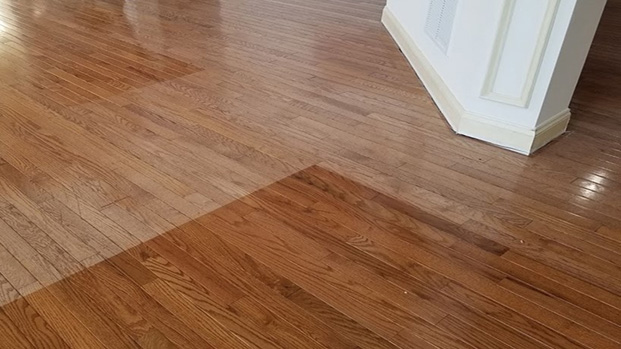
By extending the lifespan and maintaining the aesthetic value of these assets, businesses can significantly delay replacement costs, preserving capital that can be allocated to other growth initiatives.
Enhancing Occupant Comfort: Mitigating Glare and Eliminating Hot Spots for Better Environments
A comfortable environment is a productive one. Professional UV blocking films play a pivotal role in creating a more pleasant and functional commercial space by:
- Reducing Glare: Intense sunlight can cause significant glare on computer screens, presentations, and even printed materials, leading to eye strain, headaches, and reduced productivity. Films effectively cut down this glare, improving visibility and comfort.
- Eliminating Hot Spots: Areas near windows often become uncomfortably hot, creating uneven temperatures throughout a building. By rejecting solar heat, films eliminate these “hot spots,” ensuring a more consistent and comfortable temperature distribution.
This enhanced comfort contributes directly to employee well-being, reducing complaints, improving focus, and fostering a more inviting atmosphere for clients and customers.
Boosting Business Operations: Contributing to Employee Well-being and Customer Experience
The effects of a more comfortable and protected environment ripple through a business, positively impacting operational efficiency and customer satisfaction.
- Employee Productivity: Employees who are comfortable, free from glare, and not battling hot or cold spots are more likely to be focused, engaged, and productive. Reduced discomfort can lead to fewer breaks and increased job satisfaction.
- Improved Customer Experience: For businesses like retail stores, restaurants, or hospitality venues, a pleasant and well-regulated indoor environment encourages customers to stay longer, browse more comfortably, and enjoy their experience, potentially increasing sales and repeat visits.
- Professional Image: A well-maintained and comfortable space reflects positively on your business’s professionalism and attention to detail, reinforcing your brand image.
Investing in occupant well-being and a superior customer experience is a direct investment in the success and reputation of your business.
Security and Safety Enhancements: Adding an Extra Layer of Protection for Commercial Buildings
While primarily known for UV and heat control, many professional-grade window films offer an often-overlooked secondary benefit: enhanced security and safety. Though not a substitute for dedicated security films, even standard professional films can provide an additional layer of protection.
- Shatter Resistance: In the event of accidental breakage, severe weather, or an attempted break-in, the film holds shattered glass fragments together. This significantly reduces the risk of injury from flying glass and maintains the integrity of the window opening for a longer period.
- Deterrent to Forced Entry: The added layer of film makes it more difficult and time-consuming for intruders to gain entry through glass windows, acting as a potential deterrent and providing valuable extra moments for security systems to respond.

This dual functionality means that professional UV blocking film not only protects your assets from the sun but also contributes to the overall safety and security infrastructure of your commercial property, providing peace of mind.
Navigating Your Options: Choosing the Right UV Film for Your Commercial Space
Selecting the right UV blocking window film for your commercial property is a strategic decision, not a generic purchase. Understanding the different types of professional films and their performance metrics is crucial to making an informed investment that aligns with your business goals and protects your assets effectively.
Types of Professional Films: Understanding Spectrally Selective, Ceramic, and Dyed Options
Professional-grade window films are engineered with specific properties to address various needs, far surpassing the capabilities of consumer-grade alternatives.
- Spectrally Selective Films: These advanced films are designed to selectively filter portions of the solar spectrum. They allow a high percentage of visible light to pass through, maintaining natural brightness, while significantly blocking infrared heat and harmful UV rays. This makes them ideal for businesses that prioritize maintaining clear views and ample natural light while maximizing heat and UV rejection.
- Ceramic Films: Utilizing microscopic ceramic particles, these films are non-metallic, ensuring no signal interference for electronics. They are highly durable, resistant to fading, and offer excellent heat rejection and UV blockage. Ceramic films provide a balanced solution, delivering strong performance without altering the exterior appearance of your windows or creating a reflective look.
- Dyed Films: While often used for glare reduction and privacy, dyed films primarily absorb solar energy rather than reflecting it. Their UV blocking capabilities can vary, and they generally offer less heat rejection compared to spectrally selective or ceramic options. These are often chosen for aesthetic purposes or where UV protection is a secondary concern to light control. For optimal asset protection and energy savings, businesses typically look to more advanced film types.
Performance Metrics: Interpreting UV Rejection, Visible Light Transmittance, and Solar Heat Gain Coefficient
To accurately assess a film’s suitability, business owners must understand key performance indicators. These metrics provide a quantifiable basis for comparison, moving beyond subjective claims to data-backed decisions.
- UV Rejection (UVR): This percentage indicates how much harmful ultraviolet radiation the film blocks. For asset protection, especially for inventory, furnishings, and interior finishes, a UVR of 99% or higher is paramount. This directly prevents fading, degradation, and long-term damage caused by sun exposure.
- Visible Light Transmittance (VLT): Expressed as a percentage, VLT measures the amount of visible light that passes through the film. A higher VLT means more natural light enters your space. Balancing VLT with other performance metrics is key to maintaining a bright interior while controlling glare and heat.
- Solar Heat Gain Coefficient (SHGC): The SHGC quantifies the fraction of incident solar radiation that is admitted through a window, either directly transmitted or absorbed and re-radiated inward. A lower SHGC indicates less solar heat enters the building, directly translating to reduced cooling loads and significant energy savings. For businesses focused on lowering utility costs, minimizing SHGC is a primary objective.
Tailoring Solutions: Matching Film Characteristics to Specific Property Needs and Business Goals
There is no one-size-fits-all solution for commercial window film. The optimal choice depends heavily on your business’s unique environment, operational priorities, and financial objectives.
Consider the following factors when selecting a film:
- Type of Business: A retail establishment with display windows might prioritize high UV rejection to protect merchandise, while an office building might focus on glare reduction and energy efficiency for employee comfort.
- Exposure and Orientation: Windows facing south or west experience more intense solar exposure, demanding films with higher heat and UV rejection properties.
- Interior Assets: If you have valuable artwork, sensitive electronics, or delicate furnishings, maximum UV blockage is non-negotiable to prevent irreversible damage.
- Energy Consumption: Businesses with high HVAC costs will benefit most from films with a low SHGC, leading to demonstrable reductions in energy usage and operational expenses.
- Aesthetics and Privacy: Some businesses may require films that offer enhanced privacy or a specific aesthetic without compromising performance.
The Importance of Professional Consultation: Expert Guidance for Optimal Selection
Navigating the complexities of film types and performance metrics underscores the critical need for professional consultation. Commercial window experts possess the knowledge and experience to accurately assess your property’s specific challenges and recommend a tailored solution. They understand how different films interact with various glass types, building codes, and manufacturer warranties. An expert consultation ensures that the chosen film not only meets your immediate needs but also provides long-term value and optimal performance, directly protecting your investment.
The Foundation of Performance: Why Professional Installation is Non-Negotiable
While choosing the right film is paramount, its effectiveness is entirely dependent on the quality of its installation. Professional installation is not merely a convenience; it is the cornerstone of ensuring the film performs as designed, validates its warranty, and delivers the long-term value your business expects.
DIY vs. Professional: The Critical Difference in Longevity, Efficacy, and Warranty
The temptation to opt for a do-it-yourself (DIY) approach for window film might seem like a cost-saving measure, but for commercial applications, it invariably leads to costly oversights.
- Longevity and Efficacy: DIY films are often thinner, less durable, and prone to bubbling, peeling, or premature discoloration due to improper surface preparation and application techniques. This compromises the film’s UV blocking and heat rejection capabilities, meaning your assets remain vulnerable, and energy savings are never fully realized. Professional installation utilizes high-quality, commercial-grade films applied by trained technicians, ensuring a flawless finish and maximum performance for years.
- Warranty: Manufacturer warranties for high-performance window films are almost always contingent upon professional installation. A DIY job voids these warranties, leaving your business exposed to replacement costs should the film fail prematurely. Professional installers provide not only manufacturer warranties but often also their own labor warranties, offering comprehensive protection for your investment.
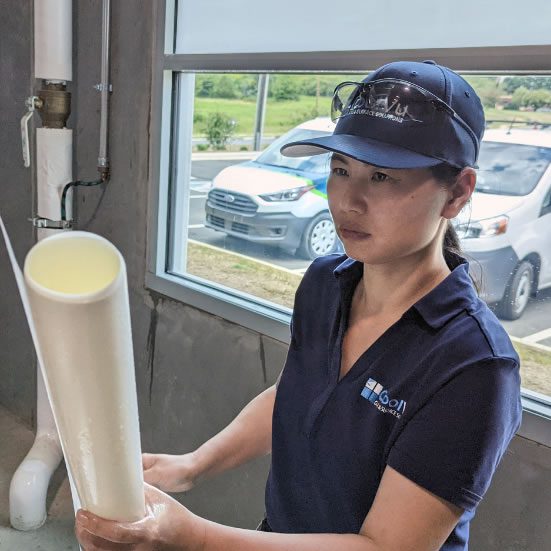
Ensuring Warranty and Performance: The Role of Expert Application and Adherence to Standards
Professional installation ensures that your window film investment is fully protected and performs to its maximum potential.
- Manufacturer Compliance: Expert installers adhere strictly to manufacturer guidelines, including specific cleaning protocols, precise cutting, and exact application techniques that optimize film adhesion and durability. This compliance is essential for validating the film’s warranty and guaranteeing its advertised performance metrics.
- Specialized Tools and Environment Control: Professionals use specialized tools and understand how to control environmental factors like dust and humidity, which are critical for a blemish-free and long-lasting application. This level of precision is virtually impossible to achieve in a typical DIY scenario.
Industry Standards and Best Practices: What to Expect from Commercial Window Experts
When engaging commercial window experts, you should anticipate a comprehensive service that goes beyond simply applying film.
- Thorough Assessment: Experts will conduct a detailed site survey to identify specific glass types, assess sun exposure, and understand your building’s unique requirements.
- Certified Technicians: Reputable firms employ certified technicians who undergo continuous training in the latest application techniques and product innovations.
- Quality Assurance: A commitment to quality assurance means careful inspection post-installation to guarantee a perfect finish and optimal performance.
- Insurance and Licensing: Professional installers are fully insured and licensed, protecting your business from liability during the installation process.
Long-Term Value: Maximizing Return on Investment Through Quality Workmanship
The cost-effectiveness of professional window film installation is realized over its lifespan through sustained benefits. Quality workmanship ensures the film maintains its integrity and performance, continually contributing to your business’s bottom line. This means consistent UV protection for your assets, reliable energy savings from reduced HVAC strain, and enhanced occupant comfort without the need for costly re-applications or repairs. Professional installation transforms a potential expense into a durable, strategic asset, maximizing your return on investment and solidifying the financial wisdom of this crucial business decision.
Conclusion: Protecting Your Bottom Line with Smart UV Protection
Reaffirming the Investment: UV Film as a Strategic Business Asset
The cumulative damage from ultraviolet radiation is a silent but significant drain on commercial profitability. What might initially appear as a mere aesthetic improvement, the installation of professional UV blocking window film is, in fact, a crucial strategic investment. It directly contributes to the long-term financial health and operational efficiency of any commercial enterprise. Ignoring this pervasive threat is not just an oversight; it’s a costly decision that impacts everything from inventory value to employee productivity and energy consumption.
Professional-grade UV film transforms your commercial windows from vulnerable points into protective barriers. By significantly blocking up to 99% of harmful UV rays, these films safeguard the substantial investments made in interior furnishings, product displays, valuable inventory, and critical equipment. Furthermore, they play an undeniable role in enhancing the comfort and well-being of your staff and customers, creating a more pleasant indoor environment. This direct protection against degradation, coupled with notable energy savings from reduced heat gain, cements UV film as a fundamental component of responsible business management.
Key Takeaways for Commercial Property Owners
For any business owner, understanding the tangible benefits of UV blocking window film is essential for making informed decisions. The data consistently supports its efficacy and economic value. Consider these critical points:
- Asset Preservation: UV radiation is the primary cause of fading, cracking, and deterioration of interiors. Professional film acts as an invisible shield, extending the lifespan and maintaining the value of your assets.
- Energy Efficiency: Many advanced UV films also offer significant heat rejection properties, which can lead to a noticeable reduction in cooling costs, contributing directly to your operational budget savings.
- Enhanced Comfort: A more stable indoor temperature and reduced glare create a more comfortable environment for employees and clients, potentially boosting productivity and customer satisfaction.
- Professional Versus DIY: The effectiveness and longevity of UV film depend entirely on the quality of the product and the precision of its installation. Generic, off-the-shelf films and amateur application often result in poor performance, bubbling, peeling, and a short lifespan, ultimately proving to be a false economy.
- Long-Term ROI: The initial investment in professional UV film quickly pays for itself through energy savings, reduced maintenance costs, and the extended life of your interior assets, offering a compelling return on investment.
The Path Forward: Partnering with Expertise for Lasting Protection and Value
The choice of UV blocking window film is a nuanced one, requiring an understanding of various film technologies, local building codes, and precise installation techniques. This is where the importance of partnering with commercial window experts becomes paramount. An experienced provider offers not just a product, but a comprehensive solution tailored to your specific property’s needs. They possess the knowledge to recommend the optimal film type for your window specifications and sun exposure, ensuring maximum efficacy and compliance.
Engaging with a professional service guarantees that your investment is protected by expert installation, proper adherence, and manufacturer warranties, which are typically voided with DIY applications. These experts bring a deep understanding of commercial-grade materials designed for durability and high performance, offering solutions that DIY alternatives simply cannot match. By choosing a reputable commercial window film specialist, you secure a partnership that delivers lasting protection, verifiable energy savings, and sustained comfort, thereby safeguarding your business’s bottom line for years to come.
Contact us at CoolVu for Expertise for Lasting Protection and Value.
MORE POSTS:
- Choosing the Best Window Security Film – What is the best window security film, why thickness alone isn’t enough, and how anchoring and expert installation define true protection.
- UV Blocking Window Film and Plants – Protect interiors from UV damage while keeping indoor plants healthy and thriving.
- How Security Window Film Works – The science behind reinforcing glass, absorbing impact, containing shards, and turning windows into protective barriers.
- Furniture Fading Explained – The hidden impact of UV exposure on interiors and why standard windows don’t stop it.