Table of Contents
The Dual Dilemma: Preserving Interiors vs. Nurturing Greenery
For property owners, the dilemma often feels stark: protect valuable interiors and furnishings from the relentless assault of UV radiation, or ensure indoor plants receive the light they need to thrive. It’s a common misconception that these two goals are mutually exclusive, forcing a difficult choice between preserving your home or business assets and nurturing your beloved greenery. This perceived conflict creates a significant concern, especially for those who cherish both their vibrant indoor landscapes and the longevity of their investments.
This perceived conflict creates a significant concern, especially for those who cherish both their vibrant indoor landscapes and the longevity of their investments. Modern window films can even be engineered with feather friendly patterns that help prevent bird collisions, allowing property owners to protect interiors, plants, and local wildlife simultaneously.
Unpacking the Common Concern: Does Window Film Starve Plants of Light?
The core of this apprehension lies in the belief that installing window film, particularly UV blocking film, will indiscriminately reduce all light passing through your windows, effectively “starving” your plants of the energy they need for photosynthesis.
This concern is understandable; after all, we associate sunlight with plant growth, and anything that diminishes sunlight seems counterproductive.
Many envision a thick, dark barrier that transforms a bright space into a dim one, rendering plant life unsustainable. However, this perspective overlooks the sophisticated science behind modern window film technology and the specific wavelengths of light plants truly require.

Setting the Record Straight: A Glimpse into the True Impact of Modern Films
Modern, high-quality UV blocking window films are not blanket light removers. Instead, they are engineered to be highly selective, targeting and filtering out specific, harmful wavelengths of light while allowing beneficial light to pass through. Think of it like sunscreen for your windows and plants. Just as sunscreen protects your skin from damaging UV rays while still allowing you to enjoy the warmth and light of the sun, advanced window films act as a protective layer for your indoor environment. They shield your interiors from the destructive components of sunlight without creating an environment that inhibits plant health.
The Science of Light and Life: Why Plants Don’t Need UV
Decoding the Electromagnetic Spectrum: More Than Meets the Eye
To truly understand how window films protect without harming plants, we first need to appreciate the nature of sunlight itself. What we perceive as sunlight is actually a complex mix of electromagnetic radiation, encompassing a wide range of wavelengths. Only a small fraction of this spectrum is visible to the human eye, which we call visible light (the colors of the rainbow). Beyond what we can see, sunlight also contains invisible wavelengths, such as:
- Ultraviolet (UV) radiation: Shorter wavelengths than visible light, responsible for sun damage to skin and fading to materials.
- Infrared (IR) radiation: Longer wavelengths than visible light, primarily responsible for the heat we feel from the sun.
Each of these components plays a different role, and crucially, plants do not utilize all of them equally – or at all – for their vital processes.
Photosynthetically Active Radiation (PAR): The True Fuel for Plant Growth
For plants, not all light is created equal. The specific portion of the electromagnetic spectrum that plants use for photosynthesis, the process by which they convert light energy into chemical energy, is known as Photosynthetically Active Radiation (PAR). PAR primarily falls within the visible light spectrum, roughly between 400 and 700 nanometers.
- Plants most efficiently absorb light in the blue (400-500 nm) and red (600-700 nm) regions of the spectrum.
- Green light (500-600 nm) is largely reflected, which is why most leaves appear green to our eyes.
High-quality window films are designed to transmit these essential PAR wavelengths, ensuring your plants receive the energy they need to grow strong and healthy.
The Role (or Non-Role) of UVA and UVB in Plant Photosynthesis
Here’s the critical distinction: the harmful ultraviolet (UV) radiation that causes fading in furniture and contributes to skin damage in humans (UVA, 315-400 nm, and UVB, 280-315 nm) is largely irrelevant to plant photosynthesis. While some plant species may exhibit minor physiological responses to UV light, such as changes in pigment production or leaf thickness, UV rays do not serve as a primary energy source for their growth. In fact, excessive exposure to UVA and especially UVB can actually be detrimental to plants, leading to DNA damage, stunted growth, and reduced photosynthetic efficiency, similar to how it can harm human cells. Modern window films effectively block these non-essential and potentially harmful UV rays, creating a more benign environment for both your furnishings and your flora.
Analogies for Understanding: Sunlight as a Plant’s “Nutritional Meal”
Consider sunlight as a “nutritional meal” for your plants. This meal contains many components, some essential, some beneficial in moderation, and some downright harmful.
- PAR (Visible Light): This is the main course, the protein, carbohydrates, and essential vitamins plants absolutely need to live and grow. It’s the primary energy source.
- UV Radiation (UVA & UVB): These are like empty calories or even toxins. While they are part of the “meal,” they don’t provide energy for photosynthesis and can, in excess, cause harm.
- Infrared (IR) Radiation: This is the warmth, much like a cozy blanket. While important for temperature regulation, it’s not directly used for energy by the plant’s core metabolic processes.
Modern UV blocking window films act like a discerning chef, selectively removing “empty calories” and “toxins” (UV rays), cutting “excess heat” (IR rays), and delivering the “nutritious core” (PAR) fresh and abundant.This allows your plants to thrive without the added stress of unnecessary or damaging radiation.
Beyond the Block: How Modern Window Films Enhance Plant Environments
The Engineering Behind Spectral Selectivity: How Films Filter Light
Modern window films are far more sophisticated than simple dark tints. Their design relies on advanced engineering to achieve what’s known as “spectral selectivity.” This means they are precisely formulated to interact with specific parts of the light spectrum—ultraviolet (UV), visible light, and infrared (IR)—in different ways. Think of it like a finely tuned filter, not a universal block. These films allow the wavelengths essential for plant life to pass through while significantly reducing those that cause harm or unwanted heat.
Targeting Harmful UV: Protection for Plants, People, and Property
One of the primary benefits of high-quality window films is their exceptional ability to block ultraviolet radiation. UV rays, though invisible to the human eye, are highly energetic and can cause significant damage at a cellular level. For plants, this translates to oxidative stress, DNA damage, and premature aging of leaves, often manifesting as yellowing or browning. For people, UV contributes to skin damage and eye strain, and for interiors, it accelerates fading of furniture, flooring, and artwork. By targeting and neutralizing these harmful rays, window films provide a comprehensive layer of protection, safeguarding your indoor greenery, your health, and your valuable furnishings simultaneously.
Maintaining Essential Visible Light Transmission (VLT) for Optimal Growth
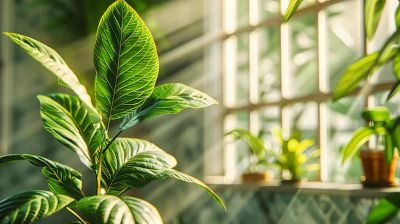
While UV light is detrimental, visible light is absolutely vital for plants. It is the fuel for photosynthesis, the process by which plants convert light energy into chemical energy for growth. A common misconception is that blocking UV also means blocking essential visible light. However, modern spectrally selective films are engineered to allow a high percentage of visible light to transmit through, often with minimal discernible change to the clarity of your windows. This ensures your plants receive the necessary light wavelengths to thrive, supporting robust photosynthesis without the accompanying harmful radiation.
Regulating Interior Conditions: Reducing Heat Stress for Plants
Beyond UV, another critical component of the light spectrum is infrared (IR) radiation, which is primarily responsible for heat gain through windows. Excessive indoor temperatures and rapid fluctuations can severely stress plants, leading to wilting, increased water demand, and stunted growth. High-performance window films excel at rejecting a significant portion of IR radiation, effectively moderating indoor temperatures. This creates a more stable and cooler microclimate for your plants, reducing the burden on your HVAC system and fostering a more comfortable, predictable environment for optimal plant health.
Cultivating a Healthier Home: The Surprising Advantages of UV Film for Indoor Plants
Preventing Sun Scorch and Leaf Burn: A Common Plant Ailment
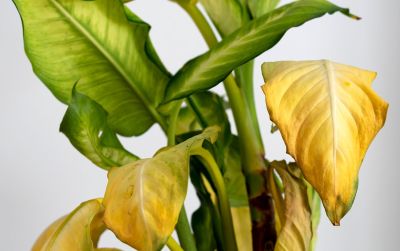
Intense, unfiltered sunlight commonly causes sun scorch and leaf burn in indoor plants. This damage appears as bleached, yellowed, or crispy brown patches on leaves, often indicating cellular breakdown from excessive heat and light energy. Modern window films act as a protective barrier, diffusing harsh direct light and filtering out the most damaging components.
This mitigates the risk of sun scorch, allowing plants to photosynthesize efficiently without suffering from the intensity that can often be overwhelming, particularly for species not native to full, direct sun.
Creating a Stable Microclimate: Consistent Temperatures for Thriving Flora
Plants flourish in consistent conditions, and drastic temperature swings can be a significant source of stress. Window films contribute to a stable indoor microclimate by reducing solar heat gain during the day and, in some cases, minimizing heat loss at night. This consistency is crucial for plant metabolism, ensuring that biochemical processes can occur optimally without the added energy expenditure required to adapt to fluctuating temperatures. A predictable environment fosters stronger root systems, healthier foliage, and more vigorous growth overall.
Enhancing Plant Vigor and Longevity: Reduced Stress Leads to Healthier Plants
By alleviating the multiple stressors of harmful UV radiation, excessive heat, and potential sun scorch, window films allow plants to direct their energy more efficiently toward growth and maintenance rather than constant recovery. Reduced stress means plants can develop stronger cellular structures, produce more robust foliage, and flower more prolifically. This not only enhances their overall vigor and aesthetic appeal but also contributes to their longevity, allowing your cherished indoor plants to thrive and beautify your space for years to come.
Broadening Plant Selection: Expanding Options Beyond Low-Light Varieties
Many property owners feel limited to choosing only low-light tolerant plant varieties for spaces that receive abundant natural light, fearing damage to more sensitive species. With the protective benefits of UV and IR-rejecting window films, this constraint is significantly eased. Areas that once caused stress for sun-loving plants can become ideal environments. This broadens your options for plant selection, empowering you to introduce a wider array of species and create more diverse and vibrant indoor gardens without worry.
The Synergistic Benefits: Protecting Plants While Preserving Your Investments
Ultimately, the installation of high-quality UV blocking window film offers a truly synergistic benefit. It allows you to cultivate a healthier, more vibrant indoor garden while simultaneously safeguarding your significant investments in furnishings, flooring, and artwork from sun-induced fading and deterioration. You no longer have to choose between protecting your property and providing a thriving environment for your plants. Instead, you create an optimized indoor ecosystem where both your botanical and material assets are preserved and flourish under the same protective canopy.
Selecting Your Plant’s Best Ally: Expert Guidance on Window Film Choices
Choosing the right window film for your property involves more than just aesthetics or basic UV protection. When indoor plants are part of your ecosystem, the selection process becomes a precise blend of science and horticultural understanding. The good news is that advancements in film technology offer a tailored solution for nearly every scenario, ensuring your plants thrive.
Identifying Your Needs: Plant Types, Window Exposure, and Aesthetic Goals
Before selecting a film, it’s crucial to assess the unique demands of your indoor environment. Think of it as prescribing the right care for your green companions.
- Plant Types: Different plants have varying light requirements. A sun-loving succulent needs a different light environment than a shade-tolerant fern. Understanding your plant collection—whether they are high-light, medium-light, or low-light tolerant—will guide your film choice.
- Window Exposure: The orientation of your windows dramatically impacts light intensity and duration. South-facing windows typically receive the most intense direct sunlight throughout the day, while north-facing windows offer more consistent, indirect light. East-facing windows get strong morning sun, and west-facing windows endure harsh afternoon light. Your film choice can temper these extremes, creating a more uniform, plant-friendly zone.
- Aesthetic Goals: Beyond plant health, consider your personal or commercial aesthetic. Do you want to maintain crystal-clear views, add a layer of privacy, or significantly reduce glare for improved screen visibility? Modern films offer a spectrum of finishes, from virtually invisible to subtly tinted or frosted, allowing you to achieve both plant welfare and interior design objectives.
Key Film Specifications to Consider: VLT, UV Rejection, and Heat Reduction
Understanding a few key specifications will empower you to make an informed decision. These metrics are not just technical jargon; they are the scientific indicators of how a film will interact with your light, heat, and, most importantly, your plants.
Visible Light Transmittance (VLT)
VLT measures the percentage of visible light that passes through the film. This is the light spectrum essential for photosynthesis, the process by which plants convert light energy into chemical energy. Contrary to common apprehension, a film with high UV rejection can still have a high VLT, meaning your plants receive ample visible light while being shielded from harmful UV. Think of it like a high-SPF sunscreen that lets you see clearly without burning.
UV Rejection
This metric indicates the percentage of ultraviolet (UVA and UVB) rays blocked by the film. High-quality window films typically reject 99% or more of these damaging rays. For plants, this means preventing leaf scorching, discoloration, and overall stress, just as it protects your skin, furnishings, and flooring. This is the cornerstone of the film’s protective power for your plants and interior assets.
Heat Reduction (Total Solar Energy Rejected – TSER)
TSER measures the total amount of solar energy (visible light, ultraviolet, and infrared) rejected by the film. Films with high TSER significantly reduce heat gain through windows, creating a more stable indoor temperature. This is incredibly beneficial for plants, preventing the extreme temperature fluctuations that can stress them, reduce soil moisture too quickly, or lead to wilting. A stable thermal environment promotes consistent growth and reduces the need for constant environmental adjustments.
Why Expertise Matters: Partnering with Seasoned Professionals
Selecting and installing the optimal window film is not a do-it-yourself task. The nuances of light spectrums, thermal performance, and architectural considerations demand a professional touch.
Seasoned CoolVu professionals thoroughly assess your specific needs, from your Fiddle Leaf Fig’s light demands to your south-facing office’s glare issues.
An experienced installer possesses the technical knowledge to recommend films that balance VLT, UV rejection, and heat reduction precisely for your unique environment. They can also provide insights into different film technologies, ensuring optimal performance and longevity.
Their expertise minimizes guesswork, guaranteeing that your investment not only protects your interiors but also fosters a flourishing environment for your plants.

Illustrative Scenarios: Matching Film to Diverse Interior Environments
To illustrate how these factors come together, consider a few common scenarios:
- The Sun-Drenched Sunroom: For a sunroom filled with high-light plants like citrus trees or succulents, a film with high UV rejection, significant heat reduction (high TSER), and a moderate to high VLT is ideal. This film mitigates the harshness of direct sun, preventing scorching and excessive heat buildup, while still providing abundant visible light for robust growth.
- The North-Facing Office with Delicate Foliage: An office with north-facing windows and shade-loving plants like peace lilies or ferns benefits from a film with maximum UV rejection and very high VLT. Since north light is less intense, the goal is to filter out harmful UV without impeding the already softer visible light, creating a stable, gentle environment.
- The East-Facing Residential Living Room: For a living room with east-facing windows experiencing strong morning sun, a film balancing high UV rejection, moderate heat reduction, and a VLT that suits your aesthetic preference would work well. This setup protects plants from the early intense light and preserves furniture, all while maintaining clear views.
- The West-Facing Commercial Space: A commercial space with west-facing windows needs a film with excellent UV and heat rejection to combat the intense afternoon sun, which can scorch plants and overheat the interior. A slightly lower VLT might also be chosen here to reduce glare for occupants without compromising plant health.
Thriving After Installation: Nurturing Your Plants with New Window Film
Once your high-quality UV blocking window film is installed, you’ve fundamentally upgraded your indoor plant environment. This isn’t just a protective measure; it’s a foundational enhancement that enables your plants to thrive more consistently.
Initial Observations: Adjusting to a Brighter, More Stable Environment
In the days and weeks following film installation, your plants will subtly begin to adjust to their new, more stable surroundings. You might notice a reduction in leaf scorch on plants previously exposed to harsh direct sun, or a general appearance of more vibrant foliage. The dramatic temperature swings near windows, which often stress plants, will be significantly minimized. This consistency is key to their well-being, allowing them to expend less energy on environmental adaptation and more on growth. It’s a quiet reassurance that your plants are now in a safer, more predictable home.
Monitoring Plant Health: Signs of Adaptation and Continued Growth
Observing your plants closely will confirm the positive impact of the window film. Healthy adaptation manifests in several ways. Look for consistent new growth, such as new leaves emerging and expanding without browning edges or yellowing. The existing foliage should maintain its vibrant color, free from the bleached or faded appearance that can indicate UV damage. You might also notice a more stable moisture level in the soil, as reduced solar heat gain means less rapid evaporation. These are all indicators that your plants are benefiting from the protected and moderated light environment.
Optimizing Plant Placement: Leveraging the Film’s Benefits
One of the most exciting advantages of installing window film is the newfound flexibility in plant placement. Previously, plants susceptible to direct sunlight might have needed to be placed several feet from the window or shielded by curtains. With UV blocking film, you can often move these plants closer to the light source, maximizing their access to essential visible light without the risk of UV damage or overheating. This allows you to redesign your interior plantscapes, placing plants where they can truly flourish and contribute to the aesthetic of your space, even in what were once considered “problem” areas near windows.
Long-Term Care Considerations: Watering, Feeding, and Pruning in a Protected Space
While window film creates an optimal growing environment, it does not replace the fundamental elements of plant care. Your regular routines for watering, feeding, and pruning remain vital for long-term plant health.
- Watering: You might find that your plants require slightly less frequent watering than before, due to the reduced heat and evaporation near the windows. Always check the soil moisture before watering, adjusting your schedule as needed to prevent over or under-watering.
- Feeding: Continue with your established fertilization schedule, providing the necessary nutrients for continued growth and vitality. The stable environment created by the film ensures that these nutrients are used efficiently by the plant.
- Pruning: Regular pruning to remove dead or yellowing leaves, shape the plant, and encourage new growth is still essential. The film simply ensures that the healthy growth you encourage is sustained in a protected space.
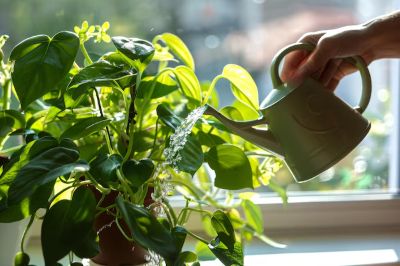
Ultimately, the window film acts as a powerful environmental stabilizer, making your plant care efforts even more effective and leading to healthier, more robust indoor greenery.
Conclusion: Nurturing Growth, Protecting Assets, and Dispelling Doubts
Reaffirming the Myth-Busting Truth: Film as a Plant Protector
The widespread concern that UV blocking window films will harm indoor plants is, in fact, a pervasive myth. As we have explored, modern, high-quality window films are engineered to selectively filter out the most damaging components of sunlight—primarily UV radiation and excessive infrared heat—while allowing the essential visible light spectrum, also known as Photosynthetically Active Radiation (PAR), to pass through. This targeted filtration acts as a protective shield for your indoor greenery. Far from depriving plants, these films actively safeguard them from common issues like leaf scorching, dehydration, and stress, fostering a more stable and conducive environment for their overall health and vitality.
The Double Benefit: Healthier Plants and Preserved Interiors
Installing advanced UV blocking window film presents a compelling dual advantage for any property owner. On one hand, mitigating harmful UV rays allows your indoor plants to thrive, leading to stronger growth and a vibrant appearance without the risk of sun damage. This consistency in their environment reduces the physiological stress that often impacts indoor plants exposed to unfiltered, intense sunlight. On the other hand, the very same films are diligently working to preserve your valuable interior assets.
Consider the protective impact:
- For Your Plants: Reduced risk of leaf burn, more stable growing conditions, and a decreased need for constant repositioning to avoid harsh light.
- For Your Interiors: Protection against the fading and degradation of furniture, flooring, artwork, and textiles, significantly extending their lifespan and maintaining their aesthetic appeal.
This synergy means you no longer have to choose between protecting your furnishings and nurturing your plants; you can achieve both with a single, intelligent solution.
The Future of Indoor Gardening: Smart Solutions for Thriving Greenery
In an era where smart home solutions and sustainable practices are paramount, integrating UV blocking window films represents a forward-thinking approach to indoor gardening.
These films contribute significantly to creating a more controlled and optimized indoor climate. By moderating light intensity and reducing heat gain, they minimize the dramatic temperature fluctuations that can stress plants and increase the demand on HVAC systems.
This leads to a more consistent growing environment, which is crucial for the long-term health of diverse plant species, from delicate orchids to robust fig trees.
It’s an intelligent investment in both your property’s efficiency and the flourishing ecosystem within your home or business.
Your Expert Partner in Plant-Safe Window Film Solutions
Navigating the specifications of various window films to find the ideal balance for your unique needs—protecting interiors, ensuring plant health, and optimizing energy efficiency—can seem complex. This is where expert guidance becomes invaluable. As specialists in high-quality uv blocking window film solutions, we are committed to providing precise, data-driven recommendations tailored to your specific requirements. We understand the nuances of light spectrums and their effects, ensuring that the film recommended will effectively mitigate harmful elements while preserving the essential light necessary for photosynthesis. Partnering with an experienced provider ensures you receive not just a product, but a comprehensive solution that supports both your indoor greenery and the longevity of your interior investments.
Contact CoolVu today for your free window film assessment and enjoy the beauty of your indoor plants.
More Interesting Posts:
- Architectural Window Film in New Construction – Why architects integrate film to meet energy codes, sustainability goals, and design intent.
- Balancing Privacy and Natural Light – How window film replaces blinds and curtains with brighter, modern solutions.
- CoolVu Transitional Window Film – Why adaptive film enhances comfort, efficiency, and aesthetics throughout the day.
- Best Clear UV Blocking Window Film – How high-performance, invisible window films protect interiors, reduce heat, prevent fading, and maintain natural light.
- Nano-Ceramic Film Technology Explained – How microscopic ceramic particles deliver high TSER, IR rejection, and UV protection without darkening or reflectivity.