Table of Contents
The Modern Vulnerability: Addressing Security Gaps in Commercial Properties
In today’s commercial landscape, businesses face an evolving array of security challenges. While advanced alarm systems and surveillance cameras are essential, they primarily serve as detection and deterrence tools. The physical integrity of a property often remains overlooked, with windows presenting a particularly vulnerable point. Standard glass, by its nature, is brittle and easily compromised by impact, whether from an intentional break-in attempt or an unforeseen natural event. This inherent weakness can lead to significant asset loss, property damage, prolonged business interruption, and serious safety risks for employees and customers.
Beyond Conventional Measures: Introducing Advanced Glass Reinforcement
Traditional security measures, while important, often address the symptoms rather than the root cause of vulnerability at the glass surface.
Burglar bars can detract from aesthetics and pose fire safety concerns, while simply replacing standard glass with thicker panes offers only marginal improvement against determined attacks or severe impacts.
Advanced window security film offers a more sophisticated and effective solution. It acts as an invisible, continuous membrane that fundamentally transforms the performance of existing glass, creating a resilient barrier that works in conjunction with other security protocols to provide comprehensive protection.
The Argument for Proactive Protection: From Deterrence to Damage Mitigation
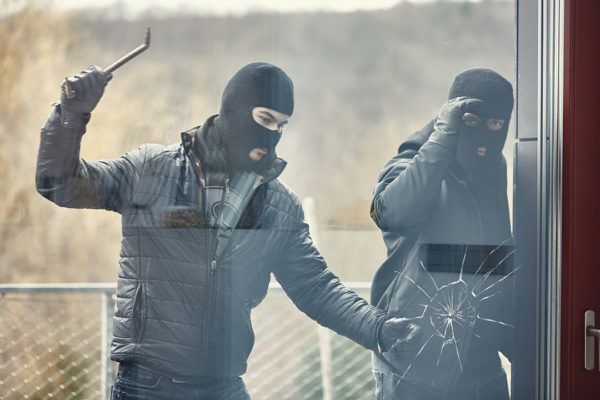
Investing in window security film represents a proactive approach to property protection, moving beyond mere response to active prevention and mitigation. The visible presence of security film on windows can act as a deterrent, as criminals often seek the easiest targets. More importantly, in the event of an impact, the film holds shattered glass firmly in place, significantly slowing forced entry attempts and creating a much harder barrier to breach. This critical delay provides invaluable time for security personnel or law enforcement to respond. Beyond criminal acts, this mitigation capability extends to protecting against flying debris during storms, accidental impacts, or even blast events, thereby reducing repair costs, preventing inventory loss, and safeguarding occupants. The return on investment through loss prevention and enhanced safety is substantial, securing a business’s operational continuity and peace of mind.
What Exactly is Window Security Film? Defining a Core Security Solution
Window security film is far more than a decorative or privacy-oriented tint; it is an engineered product designed for impact resistance and glass retention. It is a sophisticated multi-layered laminate applied to the interior surface of existing windows, transforming ordinary glass into a robust protective shield. This technology has been rigorously tested and proven effective in a variety of high-stakes environments, from government buildings to retail storefronts.
Deconstructing the Layers: The Composition of Advanced Security Film
The effectiveness of advanced security film lies in its meticulously engineered composition. These films are typically constructed from multiple micro-layers of strong, optically clear polyester, bonded together with robust adhesives. Each layer contributes to the film’s overall strength and performance.
- High-Tensile Polyester Layers: These form the core strength of the film, providing exceptional tear and puncture resistance.
- Pressure-Sensitive Adhesive: A critical component that bonds the film securely to the glass, ensuring that shattered fragments remain attached to the film rather than scattering.
- Scratch-Resistant Coating: An outer layer that protects the film itself from everyday wear and tear, maintaining optical clarity and longevity.
- UV Inhibitors: Integrated into the film to block harmful ultraviolet rays, protecting interiors from fading and contributing to energy efficiency.
The Science of Strength: Understanding Polyester Film and Adhesives
The remarkable strength of security film stems from the synergy between its high-strength polyester and specialized adhesive system. When glass is struck, the brittle nature of the material causes it to shatter. However, with security film applied, the aggressive, pressure-sensitive adhesive grabs onto the glass fragments, preventing them from flying inward or outward. The polyester layers then absorb the energy of the impact, dissipating it across the film’s surface rather than allowing it to concentrate and lead to a clean breach. This combination turns a fragile pane of glass into a flexible, resilient membrane that can withstand repeated blows, significantly delaying or even preventing entry.
More Than Just a Barrier: Distinguishing True Safety Glazing
It is crucial to differentiate true security film from standard window tinting, which primarily offers privacy, glare reduction, or basic UV protection. While some tints may have minimal impact resistance, they are not engineered or tested to the same rigorous standards as security film. True safety glazing, a category that security film helps achieve, refers to glass products designed to minimize injury upon breakage. Security films can upgrade existing glass to meet recognized safety glazing codes and standards, such as those for human impact safety. This means that in the event of an accident or attack, the film not only deters entry but also significantly reduces the risk of laceration injuries from flying glass shards.
A Legacy of Innovation: How Security Film Evolved Over Decades of Experience
The technology behind window security film has a rich history, continually advancing since its initial development. Early applications were often driven by military and government needs for blast mitigation, protecting occupants from injuries caused by flying glass during explosions. Over the decades, continuous innovation in polymer science and adhesive technology has led to increasingly stronger, clearer, and more durable films. Today’s security films are the product of extensive research and development, refined through real-world applications and rigorous testing to offer unparalleled protection for commercial properties against a broad spectrum of threats. This evolution underscores its status as a mature, dependable, and highly effective safety solution.
How Does Security Film Work to Strengthen Glass? The Mechanics of Impact Resistance
Window security film is an expertly engineered solution designed to reinforce one of a building’s most vulnerable components: its glass. It works by transforming ordinary panes into a more resilient barrier, leveraging several key mechanical principles to resist and mitigate damage from various impacts. This isn’t just about applying a layer; it’s about fundamentally altering the glass’s response to stress.
Transforming Vulnerability: How Film Prevents Glass Shard Scatter
The most immediate and dangerous consequence of shattered glass is the proliferation of sharp fragments. In an impact event, unprotected glass can explode inwards or outwards, creating a severe hazard to occupants, merchandise, and equipment. Security film addresses this critical vulnerability by holding these fragments together. Instead of shattering into dangerous projectiles, the glass, once broken, largely remains within its frame, contained by the film. This transformation from a chaotic, dangerous breakage to a more controlled, cohesive event is pivotal for safety and damage control.
The Power of Adhesion: Binding Glass Fragments Upon Impact
Central to the film’s effectiveness is its robust adhesive layer. This high-performance adhesive forms a strong, molecular bond with the glass surface. When an impact occurs, causing the glass to fracture, this adhesive actively works with the film material to bind the broken pieces together. It prevents them from detaching and scattering. This powerful adhesion ensures that even severely damaged glass maintains a degree of structural integrity, delaying intrusion and greatly reducing the risk of injury from flying shards.
Unpacking Tensile Strength and Break Strength: Engineering for Resilience
The physical properties of security film are key to its performance. Two important characteristics are:
- Tensile Strength: This refers to the film’s ability to resist being pulled apart or stretched without breaking. High tensile strength means the film can absorb significant force and flex without tearing, distributing the impact load over a wider area.
- Break Strength: This measures the maximum stress a material can withstand before fracturing. Security films are engineered with exceptional break strength, meaning they can endure substantial direct impact before reaching their failure point.
By combining these properties, security film effectively increases the overall resilience of the glass. It strengthens the entire pane, making it far more resistant to penetration and catastrophic failure than unprotected glass.
From “Shatterproof” to “Anti-Shatter”: Clarifying Performance Expectations
It is important to clarify that security film does not render glass “shatterproof” in the absolute sense. Given sufficient force, glass will still break. However, the correct term that accurately describes its performance is “anti-shatter.”
This distinction highlights the film’s primary role: to prevent the shattering of glass into dangerous, uncontained fragments. The film contains the broken glass within the window frame, maintaining a protective barrier even after the glass itself has fractured.
This critical difference is what provides protection against intrusion, weather events, and accidental breakage.
The Impact Absorption Principle: Dissipating Force Effectively
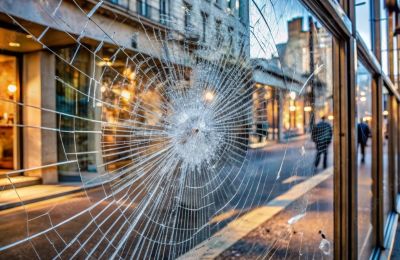
When a force strikes a window treated with security film, the film acts as a flexible, energy-absorbing membrane. Instead of the force being concentrated at the point of impact, leading to immediate localized failure, the film works to dissipate that energy across its entire surface. This spreading of kinetic energy helps to:
- Reduce localized stress: Preventing the immediate formation of large cracks or holes.
- Prolong resistance: Increasing the time and effort required to breach the window.
- Maintain structural integrity: Ensuring that even if the glass breaks, a protective barrier remains in place.
This principle makes treated windows significantly more resistant to repeated impacts, providing crucial minutes that can deter intruders or protect occupants during an emergency.
Key Benefits for Business Owners: Beyond Just Security, Maximizing ROI
For business owners, investing in window security film goes far beyond a simple security measure; it represents a strategic decision that delivers a significant return on investment (ROI). It’s about protecting assets, ensuring continuity, and enhancing the safety of everyone within the premises.
Deterring Forced Entry and Smash-and-Grab Attempts
One of the most compelling benefits of security film for commercial properties is its ability to deter and resist forced entry. Opportunistic criminals often target easily accessible windows for “smash-and-grab” operations, relying on speed to enter, steal, and escape. Security film transforms this equation. By making glass significantly harder and more time-consuming to breach, it acts as a powerful deterrent. The prolonged resistance means more noise, more effort, and ultimately, more time for law enforcement or security personnel to respond, often causing criminals to abandon their attempts altogether. This direct protection translates into reduced inventory loss, avoided property damage, and greater peace of mind.
Mitigating Damage from Natural Disasters and Severe Weather
Businesses located in areas prone to severe weather, such as hurricanes, tornadoes, or hailstorms, face considerable risk from flying debris. Untreated windows are often the first point of failure, leading to massive internal damage from wind, rain, and pressure changes. Security film provides a vital layer of protection by keeping the glass intact, even when broken. This preserves the building envelope, preventing wind and water ingress and significantly reducing secondary damage to interiors, equipment, and inventory. This proactive measure can mean the difference between minor repairs and catastrophic business interruption.
Enhancing Occupant Safety: Protection from Accidental Breakage and Blast Events
Beyond intentional threats, security film also enhances safety in everyday operations and in the face of unforeseen catastrophic events.
- Accidental Breakage: In busy commercial environments, accidental impacts can occur. The film ensures that if a window breaks, the shards remain contained, protecting employees, customers, and visitors from injury.
- Blast Mitigation: In extreme circumstances, such as an explosion, the primary cause of injury is often flying glass fragments. Security film’s ability to hold glass together effectively mitigates this risk, significantly enhancing the safety of occupants by preventing dangerous shrapnel from spreading.
Bolstering Operational Continuity and Reducing Downtime
Every moment a business is unable to operate due to damage represents lost revenue and increased expenses. Security film plays a crucial role in maintaining operational continuity. By resisting damage from crime or natural disasters, it helps businesses avoid or significantly reduce:
- Costly repairs: Less extensive damage means quicker, more affordable fixes.
- Inventory loss: Protected windows mean merchandise remains secure.
- Business interruption: Avoiding prolonged closures keeps operations running smoothly.
This proactive protection minimizes downtime, safeguarding a business’s revenue stream and reputation.
Unseen Advantages: UV Rejection and Energy Efficiency Contributions
While often installed for security, many high-performance security films offer additional, valuable benefits that contribute to a business’s bottom line and overall environment. These “unseen advantages” include:
- UV Rejection: Many films block a significant percentage of harmful UV rays. This protects interior furnishings, flooring, and merchandise from fading and degradation, extending their lifespan and reducing replacement costs.
- Energy Efficiency: Some security films also incorporate solar control properties. By reducing heat gain through windows, they can lower cooling costs in warmer months, leading to tangible energy savings and a more comfortable interior environment for employees and customers alike.
These combined benefits underscore security film as a multifaceted investment that provides both overt protection and subtle, long-term operational advantages.
Security Film vs. Standard Window Tint: Decoding the Critical Differences
The perception that all window films offer similar benefits is a common one, yet it obscures a fundamental truth: not all films are created equal. While standard window tint primarily addresses solar control and aesthetics, security film is an entirely different class of product, engineered with specific protection objectives in mind. Understanding this distinction is crucial for any business owner looking to make an informed investment in their property’s resilience.
Composition and Construction: A Fundamental Divergence
The core difference between security film and standard window tint lies in their very make-up. Standard window tints typically consist of a single layer of dyed or metallized polyester (PET) film, designed to reject solar heat, reduce glare, and provide privacy. Their construction prioritizes optical clarity and solar performance.
In contrast, security film is a multi-layered marvel of engineering. It features significantly thicker, high-tensile polyester layers, often bonded together with specialized, aggressive adhesives. This robust construction is designed to absorb impact, resist penetration, and, most importantly, hold shattered glass together within the window frame. This isn’t just a thicker tint; it’s a structural enhancement for your glass.
Performance Metrics: Strength, Safety, and Solar Control Capabilities
When evaluating performance, security films demonstrate superior capabilities in critical areas. Their primary function is to enhance the structural integrity of glass. This means they are rated for:
- Impact Resistance: Designed to withstand direct blows, delaying forced entry attempts.
- Shatter Protection: In the event of breakage, the film holds glass fragments firmly together, preventing dangerous shards from flying inward and reducing injury risk.
- Penetration Resistance: The multi-layered construction makes it far more difficult for objects to pass through the glass.
While security films excel in strength and safety, many modern options also incorporate advanced solar control properties. This means a single security film can provide the protective benefits of a robust barrier while simultaneously offering UV rejection, glare reduction, and energy efficiency, similar to a high-quality solar film.

Misconceptions and Clarifications: Why “Tint” Doesn’t Equal “Security”
One of the most persistent misconceptions is that simply tinting windows makes them more secure. While a darker tint can offer privacy, deterring opportunistic observers, it does little to prevent a determined intruder from gaining entry. A standard tinted window will shatter just as easily as an untinted one, releasing dangerous glass shards.
The key differentiator is the film’s thickness and the specialized adhesive system designed to absorb impact energy and bond the glass to the film. Without these engineered properties, a film is merely a solar solution, not a security enhancement. Security is about structural integrity and delay, not just opacity.
The Purpose-Driven Design: When to Choose One Over the Other
Understanding the distinct purposes of each film type guides the right selection for a commercial property.
- Standard Window Tint: Ideal for businesses primarily seeking:
- Energy cost reduction from solar heat rejection.
- Glare reduction for improved comfort and productivity.
- UV protection to prevent fading of interiors and merchandise.
- Enhanced aesthetic appeal and daytime privacy.
- Security Window Film: The essential choice for properties where:
- Protection against forced entry and smash-and-grab theft is paramount.
- Safety from flying glass due to natural disasters (storms) or accidents is critical.
- Mitigation of damage from blasts or active threats is a concern.
- Enhancing the overall resilience and safety of the building envelope is the goal.
It is worth noting that hybrid films exist, combining security features with advanced solar control, offering a comprehensive solution for diverse needs.
Understanding Investment Value: Prioritizing Protection Over Aesthetics Alone
For a business owner, any investment must demonstrate clear value. While standard window tint offers a return through energy savings and improved comfort, the value proposition of security film is fundamentally different and often more profound. It represents an investment in protection, loss prevention, and business continuity.
Consider the potential costs averted by security film:
- Reduced Theft and Vandalism: By delaying entry, security film deters criminals, minimizing inventory loss, property damage, and the associated downtime for repairs and police reports.
- Enhanced Safety and Reduced Liability: Preventing glass from shattering into dangerous projectiles reduces injury risks for employees and customers, potentially lowering insurance claims and liability exposures.
- Business Continuity: In the event of an incident like a storm or attempted break-in, the ability of security film to keep the building envelope intact can significantly reduce cleanup time and allow the business to resume operations faster.
- Peace of Mind: Knowing your property, assets, and personnel are better protected provides invaluable peace of mind, allowing business owners to focus on their core operations.
Security film is more than an aesthetic upgrade; it’s a critical infrastructure investment that safeguards against a spectrum of threats, delivering a significant return on investment through averted losses and enhanced safety.
Real-World Resilience: Tailored Applications for Robust Commercial Protection
Window security film isn’t a one-size-fits-all solution, but rather a versatile tool that can be strategically applied to address specific vulnerabilities across a wide range of commercial environments. Its real value is demonstrated in its ability to provide tailored protection, transforming standard glass into a formidable barrier against diverse threats.
Fortifying Retail Spaces: Preventing Smash-and-Grab and Burglaries
Retail storefronts, with their large glass displays, are inherently vulnerable targets for smash-and-grab theft and burglaries. Security film provides a crucial layer of defense for these businesses. By holding shattered glass together, it significantly delays forced entry, giving law enforcement more time to respond and often deterring criminals who rely on quick access. This protection minimizes inventory loss, reduces property damage, and helps maintain a sense of security for employees and customers.
Securing Office Buildings: Protecting Assets and Personnel
Office buildings house valuable intellectual property, sensitive data, and, most importantly, personnel. Security film enhances the integrity of the building perimeter, guarding against unauthorized entry and protecting internal assets. It acts as a deterrent to vandalism and can delay access during critical incidents, providing occupants with precious time to implement safety protocols or evacuate. Beyond external threats, it also safeguards against accidental glass breakage within the building, protecting employees from injury.
Safeguarding Educational and Government Facilities: Enhanced Safety Protocols
Educational institutions and government buildings are often high-traffic, public-facing entities that require enhanced security measures. Window security film plays a vital role in their safety protocols by reinforcing vulnerable points of entry and providing protection against a range of threats. It can mitigate risks from attempted intrusions, accidental impacts, and even provide an additional layer of defense in active threat scenarios, delaying access and containing flying glass during incidents.
Bolstering Healthcare Environments: Critical Infrastructure Protection
Healthcare facilities demand an environment that prioritizes patient safety, confidentiality, and the integrity of critical medical equipment and records. Security film provides a discreet yet powerful safeguard. It can protect sensitive areas like pharmacies, data centers, and patient rooms from forced entry, while also preventing glass fragmentation in patient-occupied spaces during accidental breakage or other incidents. This ensures a more secure and stable environment for both patients and staff.
Blast Mitigation and Anti-Terrorism Applications: High-Stakes Environments
In high-stakes environments, such as critical infrastructure, government complexes, or buildings in high-risk zones, the threat of explosive devices is a serious concern. Specialized blast mitigation films are engineered to absorb and dissipate the immense energy from an explosion. Instead of glass shattering into deadly projectiles, the film holds the fragments together within the window frame, significantly reducing injuries and structural damage caused by the blast wave and flying debris. This proactive measure is a cornerstone of modern anti-terrorism security strategies.
Storm Damage Protection: Preparing for the Unpredictable in Vulnerable Regions
For businesses in regions prone to severe weather events like hurricanes, tornadoes, or high winds, storm damage protection is not a luxury but a necessity. Windows are often the most vulnerable point during such events, susceptible to impacts from flying debris. Security film reinforces these windows, helping them withstand extreme pressures and impacts. By keeping the glass intact, it prevents the building envelope from being breached, thereby protecting the interior from water damage, wind damage, and maintaining structural integrity, which is crucial for rapid recovery and business continuity after a storm.
The Foundation of Performance: Why Professional Installation is Non-Negotiable
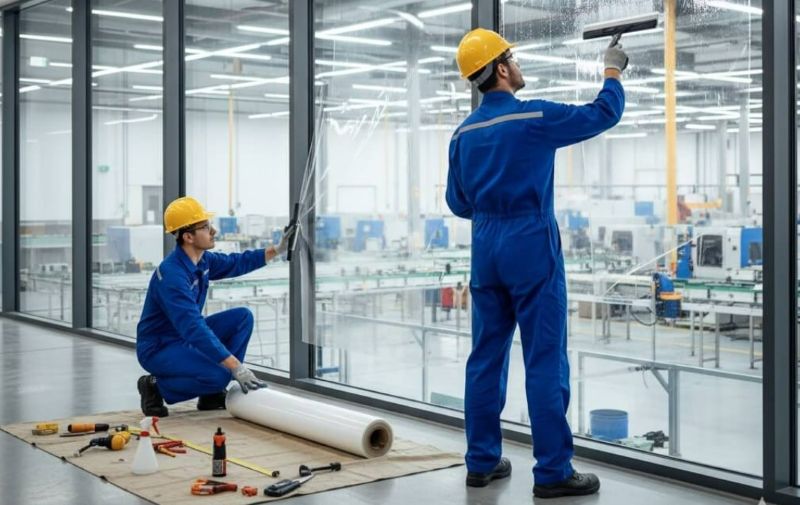
While the quality and engineering of window security film are paramount, its ultimate effectiveness hinges entirely on professional installation. This is not a product suitable for do-it-yourself attempts, as the nuances of application directly dictate the film’s ability to withstand significant impacts and perform its life-saving functions. The integrity of the film and, by extension, the building’s security, relies on meticulous attention to detail and specialized expertise during every step of the installation process.
The Expert Difference: Precision, Adhesion, and Edge Retention
Professional installers bring a level of precision that is critical for security film to function as intended. They understand that proper adhesion is not merely about sticking the film to the glass; it involves intricate surface preparation, exact cutting, and a bubble-free application that ensures a complete bond. This seamless integration is what allows the film to effectively hold shattered glass fragments together, transforming a vulnerable pane into a resilient, cohesive barrier. Crucially, experts also master edge retention, ensuring the film’s edges are properly sealed and anchored, preventing premature peeling or degradation that would compromise the entire system under stress.
Beyond DIY: Understanding the Complexities of Application
The application of security film is far more intricate than general window tinting. It demands specialized tools, techniques, and an understanding of the material’s properties and curing requirements.
Amateur installation often overlooks critical aspects such as the correct pre-cleaning protocols, precise measurements, the management of air and water trapped between the film and glass, and the specific anchoring methods (like wet glazing or mechanical attachment systems) required for high-level security applications.
These complexities mean that an improperly installed film may appear correct visually but will catastrophically fail when subjected to the very forces it was designed to mitigate, rendering the investment useless.
The Role of Certification and Industry Standards for Optimal Performance
Optimal performance of security film is intrinsically linked to adherence to industry standards and certified installation practices. Professional installers often hold certifications that validate their knowledge of these standards, which can include specific application techniques for blast mitigation, forced entry resistance, or hurricane protection. These certifications ensure that the film is installed in a manner consistent with manufacturer specifications and performance ratings, allowing the product to meet its engineered capabilities. Without this foundational knowledge and commitment to best practices, the film may not meet critical safety requirements or pass inspections, leaving properties vulnerable.
Protecting Your Investment: Ensuring Longevity and Warranty Compliance
Engaging professional installers safeguards not only the immediate performance of the security film but also the long-term value of your investment. Proper installation prevents common issues such as bubbling, peeling, or hazing, which can occur with amateur application and significantly reduce the film’s lifespan and aesthetic appeal. Furthermore, many manufacturers’ warranties for high-performance security films explicitly require professional installation by certified technicians. This protects the owner against potential future costs for repairs or replacements and ensures that the film continues to perform effectively for its intended duration, providing peace of mind and sustained security.
The CoolVu Advantage: Leveraging Proven Expertise and Comprehensive Support
CoolVu franchisees are equipped with comprehensive training and ongoing support designed to ensure every installation meets the highest standards of quality and performance. This commitment to excellence means that businesses partnering with CoolVu benefit from a network of skilled professionals who are adept at navigating the complexities of security film application. By leveraging CoolVu’s proven expertise, clients receive not just a product, but a complete, professionally installed security solution that maximizes durability, effectiveness, and warranty compliance. This dedication to superior service underpins CoolVu’s reputation as a trusted authority in high-value window solutions, empowering franchisees to deliver unparalleled property protection.
Conclusion: Key Takeaways and Next Steps for Enhanced Property Protection
The journey to enhancing property protection through advanced window solutions culminates in understanding their multifaceted value and ensuring their expert deployment. The information presented underscores that security film is far more than an aesthetic enhancement; it is a critical component of modern building resilience.
Recap: Window Security Film as an Indispensable Infrastructure Upgrade
We have explored how window security film represents an indispensable infrastructure upgrade, meticulously engineered to strengthen the weakest links in any property—its glass. From mitigating the immediate threat of smash-and-grab burglaries to offering robust defense against natural disasters and even sophisticated blast incidents, this film transforms standard windows into formidable barriers. Its value extends beyond mere deterrence, actively contributing to public safety and asset protection.
Reaffirming the Thesis: Resilient Barriers for Vulnerable Points
Our central thesis remains clear: window security film is a critical infrastructure upgrade that transforms a building’s most vulnerable points into a resilient barrier. It is this transformation, moving from fragile glass to a robust, impact-resistant surface, that underpins the significant return on investment and enhanced safety it provides. The film works tirelessly, often unnoticed, to maintain the structural integrity of windows under duress.
The Strategic Advantage: ROI Through Loss Prevention and Enhanced Safety
For business owners, the strategic advantage of investing in professional security film installation is clear. It offers a tangible return on investment through substantial loss prevention, reducing the financial and emotional toll of theft, damage, and business interruption. Beyond the balance sheet, the enhanced safety for employees, customers, and occupants is invaluable, fostering an environment of security and peace of mind. This proactive approach to protection minimizes risks and secures assets, both human and material.
Partnering for Protection: Connecting Business Needs with Expert Solutions
Achieving this level of sophisticated protection requires partnering with experts who understand the nuances of security film technology and its precise application. Businesses need commercial window experts who can assess unique vulnerabilities and provide tailored solutions. Such partnerships ensure that the chosen film is appropriate for the specific threats, installed to the highest standards, and maintained for optimal, long-term performance. It’s about connecting pressing business needs with reliable, expert solutions.
The Future of Security: Empowering Franchisees with a High-Value Product Line
Looking ahead, the demand for advanced security solutions will only grow, positioning window security film as a high-value product line. For prospective CoolVu franchisees, this represents a unique opportunity to enter a market with significant potential, offering a product that delivers undeniable benefits and addresses critical pain points for businesses and property owners. Empowering franchisees with a proven system, comprehensive training, and continuous support ensures they can meet this demand, establishing themselves as trusted providers of essential safety and security upgrades.
MORE POSTS:
- Balancing Privacy and Natural Light – How window film replaces blinds and curtains with brighter, modern solutions.
- CoolVu Transitional Window Film – Why adaptive film enhances comfort, efficiency, and aesthetics throughout the day.
- Sun Solar Window Tinting – How advanced window films improve energy efficiency, protect interiors, enhance comfort, and create high-value business opportunities.
- Understanding UV Damage – How UV radiation harms home interiors and personal health, highlighting the need for protective solutions.
- UV Damage in Commercial Buildings – How ultraviolet radiation silently degrades interiors, inventory, building materials, and employee comfort over time.