
Table of Contents
Tempered Glass in Commercial Safety
For any commercial property owner, understanding the materials that comprise your building is not merely an academic exercise, it is a fundamental aspect of risk management, occupant safety, and asset protection.
Tempered glass stands as a cornerstone in modern construction, particularly within commercial settings. Its widespread use is driven by its enhanced strength and, more critically, its unique safety characteristics upon breakage.
This material directly impacts your building’s safety profile, influencing liability considerations and compliance with various building codes.
Knowing its properties helps you make informed decisions about maintenance, upgrades, and overall security, ensuring a safer environment for employees, customers, and visitors alike. So, what is tempered glass used for in commercial properties, and why is it so important?
Setting the Standard: The Evolution of Safety Glass
The concept of safety glass emerged from a critical need to reduce injuries caused by shattered panes. Early forms of glass were brittle and fractured into dangerous, jagged shards, posing significant risks in homes, vehicles, and commercial establishments. The early 20th century saw the development of processes to create glass that would either resist breaking or break in a less hazardous manner. Tempered glass, specifically, gained prominence due to its ability to withstand greater impacts and its distinctive breakage pattern. This innovation rapidly became a standard, and eventually a mandatory requirement, in applications where human safety from glass fragments was paramount. This evolution underscores a continuous commitment to enhancing building integrity and occupant well-being.
The Science Behind Strength: How Tempered Glass is Engineered
From Basic Glass to Safety Standard: The Tempering Process Explained
The transformation of ordinary annealed glass into robust tempered glass is a precise, two-stage thermal process. Initially, a standard pane of glass is cut to size, then heated to extreme temperatures, often exceeding 1,100 degrees Fahrenheit (600 degrees Celsius), softening it significantly. Immediately after, the heated glass undergoes a rapid cooling process, known as quenching. This is achieved by blasting both surfaces with high-pressure air.
This rapid cooling causes the outer surfaces of the glass to cool and contract much faster than the inner core. As the core slowly cools and attempts to contract, the already solidified outer layers are put into compressive stress, while the core remains in tensile stress. This creates a balanced internal stress system, effectively pre-stressing the glass. This inherent surface compression is what gives tempered glass its remarkable strength, making it approximately four to five times stronger than annealed glass of the same thickness.
The Unique Breakage Pattern: Why Tempered Glass Crumbles Safely
Perhaps the most critical characteristic of tempered glass, especially from a safety perspective, is its unique breakage pattern. When ordinary annealed glass shatters, it breaks into large, dangerously sharp, dagger-like shards that can cause severe lacerations. In contrast, when the internal stresses of tempered glass are compromised, it shatters into thousands of small, relatively dull, granular, cube-like pieces.
This unique property is a direct result of the balanced internal stress built during the thermal tempering process. When the surface compression is overcome, the energy stored within the glass is released all at once, fragmenting the entire pane into harmless particles. This dramatically reduces the risk of injury from sharp edges, which is why tempered glass is mandated in applications like shower enclosures, vehicle windows, and many commercial building windows and glass doors where impact is a possibility.
Decoding the Difference: Tempered Glass vs Laminated Glass
While both tempered glass and laminated glass are categorized as safety glass, they achieve their safety objectives through distinct mechanisms and are designed for different primary applications. Understanding these differences is crucial for effective property management and safety planning.
- Tempered Glass As discussed, this glass is strengthened through a thermal process, making it resistant to impact and causing it to break into small, blunt fragments. Its primary safety benefit is minimizing injury from sharp glass pieces. However, once broken, it leaves a large, open void, compromising security and environmental control.
- Laminated Glass This type of safety glass consists of two or more panes of glass bonded together with an interlayer, typically made of polyvinyl butyral (PVB) or SentryGlas. When laminated glass is broken, the glass fragments adhere to the interlayer, preventing them from scattering and maintaining the integrity of the glass pane within its frame. Its key advantages include enhanced security against forced entry, protection from flying debris, sound reduction, and significant UV protection, even after impact.
While tempered glass excels in mitigating injury from glass fragments, laminated glass offers superior security, containment, and sound-dampening qualities. Many modern building designs incorporate a combination of both types of safety glass, strategically placed to address specific safety, security, and performance requirements throughout a commercial property.
Navigating Safety and Compliance: Tempered Glass Regulations for Business Owners
For any commercial property owner, understanding the foundational safety features of your building is not just good practice, it is a legal and ethical imperative. Tempered glass, a critical component in modern construction, is subject to specific regulations designed to protect occupants from injury. Navigating these requirements effectively helps ensure compliance, mitigates risk, and provides peace of mind.
Essential Building Codes and Standards for Commercial Properties
Building codes serve as the bedrock for construction safety, dictating the minimum standards for materials and design. When it comes to glass, these codes primarily aim to prevent injuries that can arise from broken or improperly installed panels. For commercial properties, this often means specific applications of tempered glass are mandated.
These safety glass regulations are typically found within broader building codes like the International Building Code (IBC) in the United States, along with safety standards from organizations such as the Consumer Product Safety Commission (CPSC). These codes specify areas where ordinary annealed glass poses an unacceptable risk due to its tendency to break into large, sharp shards. Common areas requiring tempered glass include:
- Doors and sidelights Any glass panel in or immediately adjacent to a door where human impact is likely.
- Windows near walking surfaces Windows close to the floor or within a certain proximity to doors, stairs, or ramps.
- Wet environments Glass enclosures for showers, bathtubs, or swimming pools.
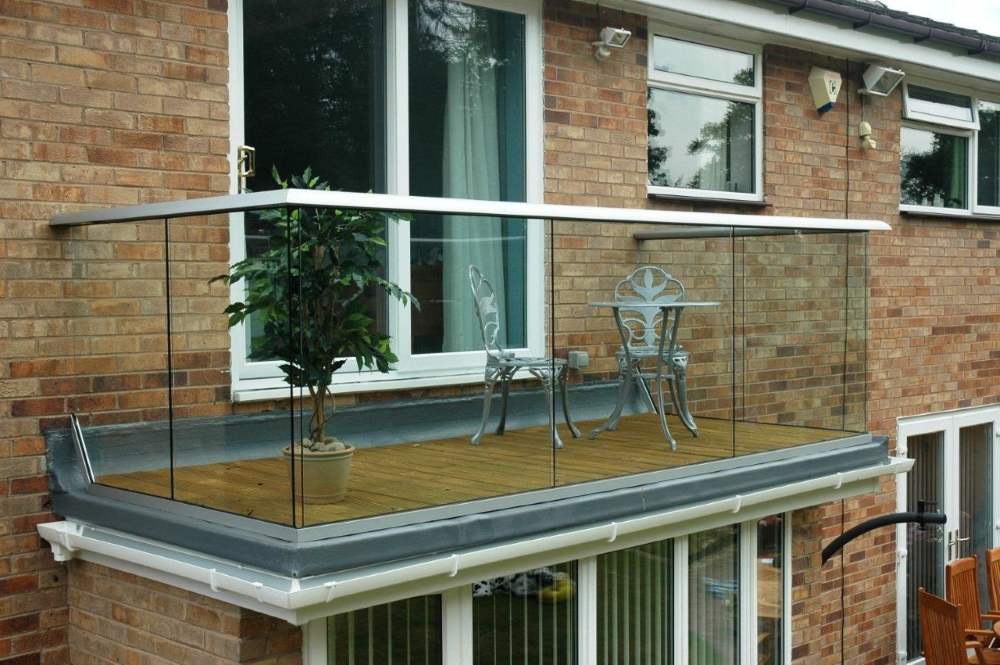
- Guardrails and balconies Glass used as protective barriers on elevated structures, such as balustrades.
- Skylights and overhead glazing To prevent dangerous shards from falling if broken.
Adhering to these essential building codes is not merely a bureaucratic hurdle, it is a fundamental aspect of creating a safe environment for employees, customers, and visitors. This contributes directly to overall commercial window safety.
Identifying Tempered Glass in Your Property: A Practical Guide
As a property owner, it is crucial to know whether the existing glass in your commercial building meets these safety standards. While you may not be a glass expert, there are practical ways to identify tempered glass. The most common method involves checking for specific markings.
Most tempered glass panels will have a small, sandblasted or etched stamp in one of the corners. This mark, often called a “bug” or “logo,” typically includes the manufacturer’s name, the tempering plant’s location, and a statement confirming that the glass meets specific safety standards, for example, “TEMPERED,” or “CPSC 16 CFR 1201.” This stamp is applied before the tempering process and cannot be removed without damaging the glass.
If no stamp is visible, it can be challenging to distinguish tempered glass from annealed glass with the naked eye. However, a less scientific but observable characteristic is how it behaves when it breaks. Untempered glass shatters into large, jagged pieces. Tempered glass, by design, breaks into small, relatively harmless, pebble-like fragments. While you would not intentionally break a pane of glass to identify it, observing its breakage pattern if an incident occurs can provide confirmation. For existing installations without clear markings, consulting with a qualified glazier or a window film professional can provide definitive answers and ensure your property’s compliance.
The Cost of Non-Compliance: Risks and Liabilities for Property Owners
Ignoring tempered glass regulations carries significant financial and operational risks for any business owner. The “cost” of non-compliance extends far beyond potential fines, it touches upon liability, insurance, and reputation.
- Legal Penalties and Fines Building code violations can lead to hefty fines, cease-and-desist orders, or even mandates for costly retrofits. Local authorities have the power to shut down operations until deficiencies are corrected, leading to lost revenue and operational disruptions.
- Increased Liability and Injury Claims If an injury occurs due to improperly installed or non-compliant glass, the property owner can face substantial liability. Lawsuits seeking compensation for medical expenses, lost wages, and pain and suffering can be financially devastating and severely damage a business’s standing.
- Insurance Implications Many commercial insurance policies require properties to meet current building codes. Non-compliance could lead to denied claims, increased premiums, or even the cancellation of coverage, leaving your business exposed to uninsured losses.
- Reputational Damage News of a safety incident due to negligence can quickly tarnish a business’s reputation, eroding customer trust and employee morale. Rebuilding that trust can be a long and arduous process, impacting long-term profitability.
Proactive compliance is always the more cost-effective and responsible approach. Understanding where tempered glass is required and ensuring its proper installation protects your assets, your occupants, and your business’s future.
Everyday Protection: What Is Tempered Glass Used for in Commercial Spaces?
Beyond regulatory mandates, tempered glass is a ubiquitous feature in commercial properties due to its enhanced safety and durability. Its unique characteristics make it the ideal choice for a wide array of applications where conventional glass would pose an unacceptable risk. Recognizing these common installations helps property owners understand the inherent safety benefits and where additional enhancements might be most valuable.
High-Traffic Areas: Storefronts, Entrances, and Public Spaces
Commercial properties, by their nature, experience a constant flow of people, making impact resistance a paramount concern. Tempered glass is the material of choice for these high-traffic zones because of its ability to withstand impacts without shattering dangerously.
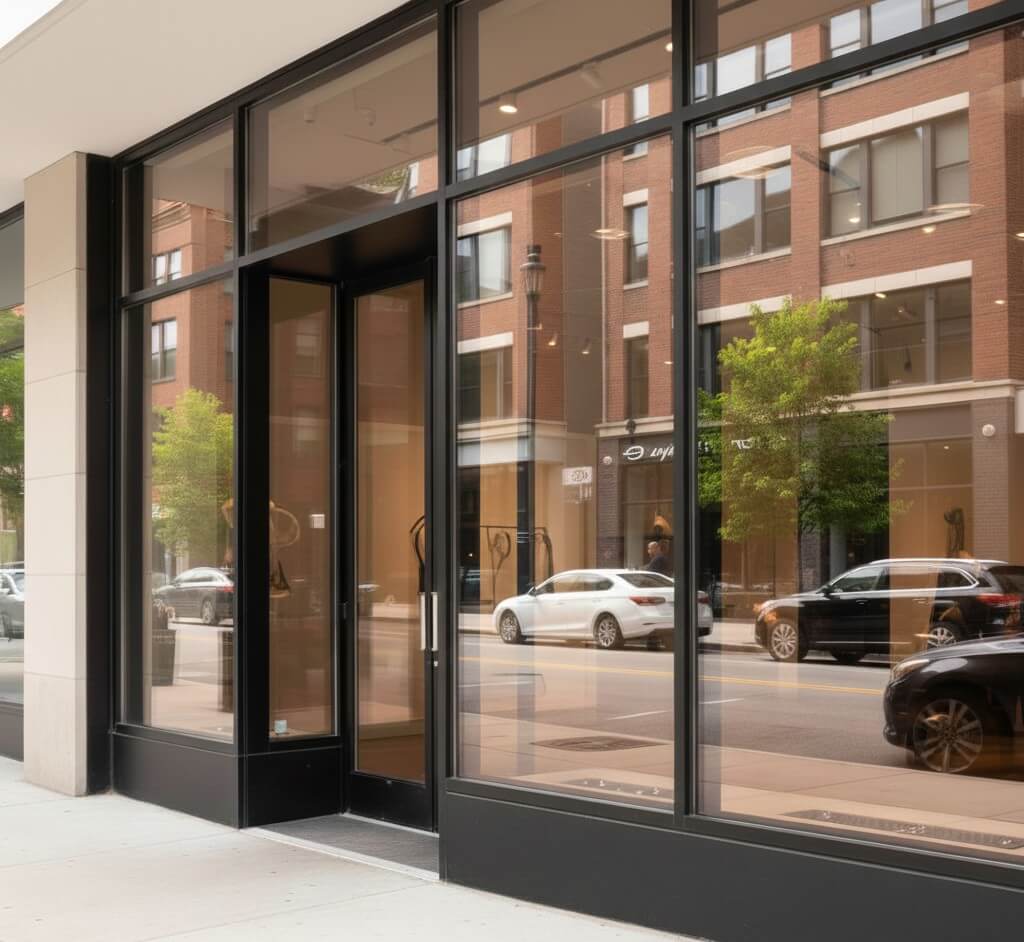
- Storefront Windows These large panes are often at street level, vulnerable to accidental impacts from shopping carts, pedestrians, or even deliberate attempts at forced entry. Tempered glass provides a baseline level of safety by reducing the risk of large, dangerous shards during breakage.
- Glass Doors and Entryways Whether automatic sliding doors, heavy pivot doors, or interior access doors, these elements are subject to continuous contact. Tempered glass ensures that if a door is struck, it breaks safely.
- Public Waiting Areas and Lobbies Windows and partitions in these spaces are frequently exposed to accidental bumps or falls. The use of tempered glass significantly reduces the risk of severe lacerations if the glass breaks.
While tempered glass offers inherent safety, these high-traffic areas are also prime candidates for enhancement with professional window films. Security window film, for instance, can bond to tempered glass, holding shattered fragments in place during an impact, further delaying forced entry or containing breakage from vandalism. Solar control films can also contribute to comfort and energy efficiency in these often sun-exposed areas.
Structural and Decorative Applications: Railings, Partitions, and Skylights
Tempered glass extends its utility far beyond traditional windows and doors, playing crucial roles in both the structural integrity and aesthetic design of commercial interiors and exteriors.
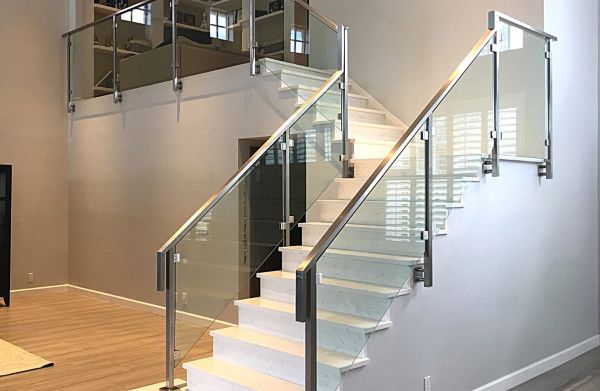
- Glass Railings Used on balconies, staircases, and open mezzanine levels, glass railings provide unobstructed views while serving as vital safety barriers. Here, tempered glass’s strength is essential to prevent falls and withstand lateral pressures.
- Interior Glass Partitions In modern office designs, tempered glass creates open, light-filled workspaces while offering sound attenuation. These partitions, often full-height, benefit from tempered glass’s safety features if an accidental impact occurs.
- Skylights and Overhead Glazing Providing natural light, skylights must withstand environmental stresses and ensure that, in the rare event of breakage, fragments do not fall on occupants below. Tempered glass, often in laminated assemblies, is critical for these overhead applications.

In these structural and decorative roles, the inherent strength and safe breakage pattern of tempered glass are non-negotiable for commercial window safety. For skylights, specialized films can also add UV protection, reducing heat gain and preventing interior fading, while adding another layer of shatter resistance.
Specialized Use Cases: From Office Interiors to Industrial Settings
The versatility and safety characteristics of tempered glass mean its presence extends into a multitude of specialized environments within commercial and industrial sectors.
- Office Furniture and Fixtures Beyond partitions, tempered glass is frequently used for desk surfaces, conference tables, and display cases, offering a durable and safe surface for daily interaction.
- Retail Display Cases and Shelving Retailers rely on the clarity and strength of tempered glass to showcase merchandise securely. Its resistance to scratching and safe breakage are crucial for both product protection and customer safety.
- Gymnasiums and Sports Facilities Glass walls in squash courts or as protective barriers around gym equipment often use tempered glass to withstand high-impact activities.
- Industrial and Laboratory Environments In specific industrial settings, tempered glass is used in machinery guards, viewing panels, or laboratory enclosures where resistance to impact or thermal stress is required to protect workers.
Across all these varied applications, the fundamental benefit remains the same: enhanced safety through superior strength and a predictable, less hazardous breakage pattern. Understanding the prevalence of tempered glass in your commercial property underscores its importance, and it opens the conversation for how advanced window film solutions can further elevate protection, efficiency, and compliance.
Beyond Business: Residential Applications of Tempered Glass
While often associated with commercial and public spaces, tempered glass plays an equally critical role in ensuring safety and durability within residential properties. Understanding its presence and function in a home environment is essential for any property owner, whether for renovation planning or simply enhancing overall safety and property value.
Enhancing Home Safety: Shower Enclosures, Patio Doors, and Tabletops
Within a typical home, tempered glass is frequently found in areas where human contact and potential impact are more likely. Its unique ability to break into small, dull fragments rather than sharp, dangerous shards makes it the material of choice for several key applications:
- Shower and Bathtub Enclosures These are perhaps the most common residential uses, where tempered glass prevents serious injury in the event of a slip or fall against the enclosure.
- Patio Doors and Sliding Glass Doors These large glass panels are subjected to daily use and potential impacts from pets, children, or even outdoor elements. Tempered glass provides a crucial safety buffer, minimizing harm if the glass breaks.
- Glass Tabletops and Shelving Often used in dining rooms, coffee tables, and display units, these surfaces benefit from the strength and safety profile of tempered glass, reducing the risk of hazardous breakage during accidental drops or impacts.
- Certain Window Panes Building codes often mandate tempered glass for windows close to doors, floors, stairways, and other high-traffic or impact-prone areas.
In each of these instances, tempered glass offers a foundational level of protection, significantly reducing the risk of severe lacerations that standard annealed glass would pose.
The Importance of Knowing Your Home’s Glass for Renovation and Safety
For homeowners and property managers, knowing which types of glass are installed in a residence is more than just a trivial detail, it is a critical piece of information for both safety and any planned renovations. Tempered glass cannot be cut, drilled, or altered after its manufacturing process, meaning any customization must be done before tempering. Attempting to modify tempered glass will cause it to shatter.
This understanding is vital for:
- Renovation Planning Before embarking on projects that involve altering existing glass structures, such as shower enclosures or custom tabletops, verifying the glass type prevents costly mistakes and ensures compliance with safety standards.
- Insurance and Liability Awareness of your property’s safety features, including the use of tempered glass, can be relevant for insurance purposes and demonstrating due diligence in maintaining a safe environment.
- Future Upgrades Recognizing where tempered glass is present allows for informed decisions regarding potential enhancements, such as the application of window films for added security, privacy, or energy efficiency, which can further elevate the performance of existing glass.
Maximizing Safety and Performance: The Strategic Role of Window Films
While tempered glass offers substantial safety improvements over standard glass, its properties can be further enhanced through the strategic application of advanced window film solutions. These films unlock new levels of security, efficiency, and protection, turning a strong foundation into a truly resilient and high-performing asset.
Addressing Tempered Glass’s Vulnerabilities: Beyond Basic Safety
Tempered glass is engineered for safety upon impact, breaking into small, relatively harmless pieces. However, this characteristic also means that once broken, even into small fragments, the entire pane fails. The opening created can still be an entry point for intruders, or the shattered glass, while less sharp, still poses a clean-up hazard and a potential fall-out risk. Furthermore, tempered glass alone offers no inherent protection against solar heat gain, damaging UV rays, or privacy concerns. It is a safety solution for breakage, not necessarily a comprehensive security or performance solution for the entire glass pane’s lifespan.
Reinforcing Strength: How Security Window Films Enhance Tempered Glass
Security window films are specifically designed to complement the inherent strength of tempered glass, transforming it into a much more robust barrier. These films, often composed of multiple layers of polyester with strong adhesives, effectively laminate the glass surface.
When tempered glass equipped with security film is subjected to impact:
- Holds Fragments Together Instead of shattering and falling out of the frame, the film holds the broken glass fragments together, maintaining the integrity of the glass pane within the frame.
- Increased Resistance This composite structure significantly increases the glass’s resistance to repeated impacts, making it far more difficult for intruders to gain access quickly. The film creates a “catch and hold” effect, absorbing impact energy and turning a quick smash-and-grab into a prolonged, noisy effort that often deters criminals.
- Reduced Injury Risk Even if the glass eventually gives way, the film contains the shards, preventing them from flying inward and causing injury to occupants or damage to property.
Beyond Impact Resistance: Additional Benefits for Property Owners
The advantages of enhancing tempered glass with window films extend far beyond just security and impact resistance. Modern film technology offers a versatile range of solutions that address multiple property owner concerns:
- UV Protection Many films block up to 99% of harmful UVA and UVB rays, protecting interior furnishings, artwork, and merchandise from fading, and safeguarding occupants from skin damage.
- Energy Efficiency Solar control films can drastically reduce heat gain during warmer months and heat loss in colder months, leading to lower energy consumption and reduced utility bills. This also helps maintain more consistent indoor temperatures, enhancing comfort.
- Glare Reduction Films can significantly cut down on uncomfortable glare, improving visibility on screens and creating a more comfortable environment for occupants without sacrificing natural light.
- Privacy Enhancement Reflective or frosted films offer varying degrees of privacy, preventing unwanted views into a property while still allowing light to enter.
- Aesthetic Improvement Films can also be used for decorative purposes, adding a stylish touch or branding elements to glass surfaces without the need for expensive custom glass.
Professional Installation: Ensuring Optimal Performance and Longevity
The full benefits of security and performance window films are realized only through expert, professional installation. Unlike DIY kits, commercial-grade window films require specialized tools, precise cutting, and an intricate application process to ensure a flawless finish, maximum adhesion, and long-term durability.
Professional installers are trained to:
- Prepare the Surface Properly Thorough cleaning and surface preparation are crucial for film adhesion and clarity.
- Apply Without Imperfections Bubbles, creases, and misalignment not only look unprofessional but can also compromise the film’s structural integrity and effectiveness.
- Ensure Correct Edge Sealing For security films, proper edge sealing is vital to maximize resistance to impact and peeling.
- Adhere to Manufacturer Specifications Professional installation ensures that warranties remain valid and that the film performs as designed under various environmental conditions.
Investing in professional installation guarantees that the enhancement to your tempered glass is not just effective, but also a lasting and valuable addition to your property’s safety, efficiency, and aesthetic appeal.
Conclusion: Protecting Your Investment with Informed Glass Solutions
Key Takeaways for Property Owners
Understanding what is tempered glass used for in your commercial property is foundational to ensuring safety and compliance. It is a robust material designed for critical safety applications, offering superior strength and a unique fracture pattern that minimizes injury risk upon breakage. However, merely meeting building codes is often just the beginning of truly securing and optimizing your asset. For property owners, the key takeaways regarding tempered glass and its enhancement can be summarized as follows:
- Tempered Glass Is a Safety Feature, Not an Impenetrable Barrier While significantly stronger than annealed glass, it can still break. Its primary safety benefit is its fragmentation into small, dull pieces, reducing laceration hazards.
- Vulnerability to Specific Impacts Tempered glass is susceptible to damage from sharp, concentrated impacts, particularly at its edges. This means it can fail under certain conditions, creating immediate safety and security concerns.
- Energy Efficiency and UV Concerns Standard tempered glass offers little to no protection against solar heat gain, glare, or harmful UV radiation. These factors can lead to increased energy costs, discomfort for occupants, and fading of interior furnishings.
- Enhancement Is Key to Holistic Protection Relying solely on the inherent properties of tempered glass overlooks significant opportunities for improved security, energy performance, and occupant well-being.
Proactive Steps Towards Enhanced Property Safety and Efficiency
Armed with a deeper understanding of tempered glass, property owners can take proactive steps to move beyond basic compliance and achieve superior protection and operational efficiency. The goal is to maximize the performance of your existing glass infrastructure.
- Assess Current Glass Assets Begin by identifying where tempered glass is installed in your property, particularly in high-traffic areas, near doors, or in large expanses. Consider its age and current condition.
- Evaluate Security Needs Analyze potential vulnerabilities. Could an intruder gain entry through a tempered glass pane? What would be the consequence of accidental breakage in a public area? Security films are a direct enhancement for these scenarios, improving commercial window safety.
- Address Energy Consumption and Comfort Observe areas experiencing excessive heat gain, glare, or fading. Solar control films can drastically improve comfort, reduce HVAC load, and protect interiors from UV damage, contributing to significant energy savings.
- Consider Multi-Functional Solutions Many advanced window films offer a combination of benefits, such as enhanced security alongside solar control or UV protection. Choosing the right film means addressing multiple concerns with a single, effective application.
The Value of Expert Partnership in Glass and Film Solutions
Navigating the complexities of glass types, building codes, and the vast array of window film technologies requires specialized knowledge. For property owners, partnering with experienced professionals is not just a convenience, it is essential for optimal outcomes.
- Tailored Recommendations An expert partner can assess your specific property needs, budget, and local regulations to recommend the most suitable film solutions. This ensures that the chosen film aligns perfectly with your objectives, whether it is security, energy efficiency, aesthetic enhancement, or a combination.
- Professional Installation The performance and longevity of window film are heavily dependent on precise, professional installation. Experts possess the tools, training, and techniques to apply films flawlessly, ensuring maximum effectiveness and upholding warranty standards. Improper installation can compromise the film’s benefits and lifespan.
- Compliance and Peace of Mind A knowledgeable partner understands relevant building codes and safety standards, ensuring that any film application not only enhances your property but also maintains or improves its compliance. This reduces liability risks and provides invaluable peace of mind.
- Long-Term Asset Protection By investing in professional-grade film applications through an expert partnership, you are not just making a temporary upgrade, you are fortifying your property’s glass infrastructure for years to come, protecting occupants, assets, and your bottom line.
Frequently Asked Questions
What is the main purpose of tempered glass?
The main purpose of tempered glass is to provide enhanced safety upon breakage. Unlike regular glass which shatters into dangerous, sharp shards, tempered glass is designed to break into small, blunt, pebble-like pieces, significantly reducing the risk of injury. It also offers increased strength compared to annealed glass.
Where is tempered glass most commonly required by building codes?
Tempered glass is most commonly required in applications where there is a high risk of human impact or potential injury from broken glass. This includes glass doors and panels adjacent to doors, windows near walking surfaces or floors, shower enclosures, glass used in guardrails or balustrades, and overhead glazing like skylights.
What are the key differences between tempered glass vs laminated glass?
Tempered glass is strengthened by a thermal process and breaks into small, dull fragments for safety. Laminated glass consists of two or more panes bonded by an interlayer, which holds glass fragments in place if broken. Tempered glass excels in fragment safety, while laminated glass offers superior security, containment, and sound reduction.
Can window films really make tempered glass more secure?
Yes, security window films significantly enhance the security of tempered glass. While tempered glass breaks safely, it still leaves an open void. Security films bond to the glass, holding the broken fragments together in the frame, creating a much tougher barrier against forced entry and reducing the risk of fallout from accidental breakage.
Why should a commercial property owner consider professional window film installation?
Professional window film installation is crucial for optimal performance and longevity. Experts possess specialized tools and training for precise application, ensuring maximum adhesion, a flawless finish, and adherence to manufacturer specifications. This preserves product warranties and guarantees the film performs as designed for security, energy efficiency, and other benefits.
Find your local CoolVu installer: www.coolvu.com
MORE POSTS:
- Protecting Commercial Glass – What is security window film and how it transforms vulnerable windows into impact-resistant security barriers.
- Does Window Security Film Work? – How engineered film strengthens glass, delays forced entry and protects occupants when it matters most.
- Understanding Commercial Security Window Film – How engineered, multi-layered films strengthen glass and delay forced entry.