Table of Contents
Understanding the Real Threat: How Blast Events Cause Harm in Commercial Settings
When discussing security measures, it is vital to move beyond abstract fears and gain a clear understanding of the actual mechanics of a blast event and its specific dangers in a commercial environment. This clarity allows for the implementation of truly effective protective strategies, rather than investing in solutions based on incomplete information or an exaggerated sense of absolute protection. Our focus must shift to mitigating the real, quantifiable threats that blast incidents pose to people and property. The pursuit of blast proof windows often falls into the trap of overspending for an unachievable ideal.
The Devastating Physics of a Pressure Wave: Beyond the Initial Explosion
A blast event, whether accidental or intentional, generates a sudden, immense release of energy. This creates a high-pressure shockwave that radiates outwards at supersonic speeds. This initial pressure wave is incredibly powerful, capable of exerting enormous force on building facades, walls, and most notably, large expanses of glass. It is not merely the initial sound or visible explosion that causes damage. It is the invisible, rapidly expanding pressure wave of compressed air that does the most structural harm.
This pressure wave interacts with buildings in complex ways:
- Direct Impulse: The initial, high-intensity push on surfaces.
- Negative Pressure Phase: Following the initial positive pressure, a vacuum effect pulls outwards, often causing additional damage.
- Dynamic Loading: The oscillating forces can cause materials to flex and fracture repeatedly.
These forces, though momentary, can overwhelm the structural integrity of conventional glass and its framing systems, even in buildings seemingly far from the blast’s epicenter.
The Primary Danger: Exploding Glass Fragments as Deadly Projectiles
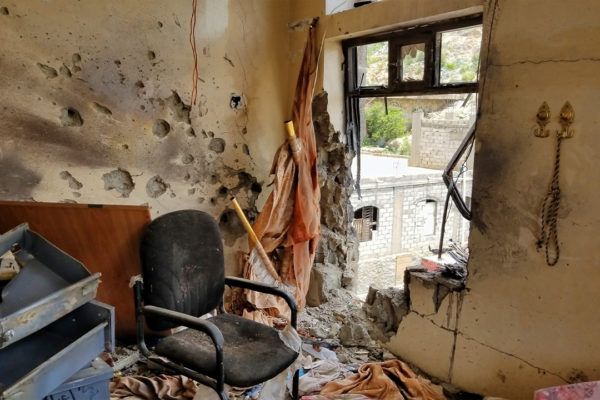
While the sheer force of a blast can cause structural collapse, the overwhelming majority of injuries and fatalities in commercial buildings during a blast event are not from the direct explosion or building collapse. Instead, they are caused by fragments of shattered glass. When a pressure wave impacts a standard window, the glass instantly shatters into thousands of sharp, fast-moving shards.
These glass fragments become deadly projectiles, traveling at high velocities deep into occupied spaces. They can cause severe lacerations, penetrative injuries to vital organs, and permanent disfigurement. The danger is amplified by the fact that glass shards can travel hundreds of feet from the initial point of impact, affecting individuals who believed themselves to be at a safe distance. Therefore, effective blast mitigation strategies must prioritize containing these lethal fragments.
Vulnerability Assessments: Identifying Glass-Related Risks in Your Commercial Property
To effectively protect employees and assets, business owners must first understand their specific vulnerabilities. A comprehensive vulnerability assessment goes beyond a general security audit and specifically evaluates the role of glass in your building’s protective schema. It is about identifying where and how glass poses the greatest risk.
Key areas to consider during an assessment include:
- Extent of Glass: The total surface area of exterior glass, including windows, doors, and curtain walls.
- Occupancy Proximity: How close employees, customers, or critical assets are to glazed surfaces.
- Glass Type: Whether existing glass is annealed, heat-strengthened, or tempered, none of which are designed for blast resistance.
- Framing Systems: The strength and condition of window frames, which play a crucial role in holding glass in place during an event.
- External Threats: An evaluation of potential external blast threats and their likely standoff distances from your property.
Understanding these factors is the first step toward implementing targeted, cost-effective solutions that genuinely enhance safety without resorting to unnecessary and prohibitively expensive window replacement, especially in the pursuit of “blast proof” alternatives.
The Strategic Solution: Advanced Blast Mitigation Film Over “Blast Proof Windows”
Why Full Window Replacement for Blast Proof Windows Is Often Impractical and Unnecessary
Many business owners, when confronted with the need for enhanced security, instinctively consider replacing their existing windows with what they perceive as “blast proof windows.” However, this approach is often both impractical and unnecessary for most commercial properties. True blast proofing, in the absolute sense, is an engineering feat of immense complexity and cost, typically reserved for critical infrastructure with extreme threat profiles. For most commercial properties, attempting to replace an entire window system to achieve this level of protection involves exorbitant expenses, significant disruption to operations, and a lengthy installation process. Furthermore, such replacements may offer only marginal improvements over existing glass without addressing the core hazard in an efficient manner.
The Core Concept of Blast Mitigation: Containing the Threat at the Source
Rather than striving for an elusive “blast proof” standard, the strategic and effective solution lies in blast mitigation. This concept focuses not on preventing glass from breaking under extreme pressure, which is often inevitable, but on managing the primary hazard when it does. The most significant danger in a blast event is not the initial pressure wave itself. It is the thousands of deadly glass fragments that can become airborne projectiles. Blast mitigation aims to contain these fragments at the source, preventing them from causing injury, fatality, or extensive property damage. By addressing this specific threat, businesses can achieve a profound level of safety and security without the prohibitive costs of full window replacement.
Commercial Security Window Film: A Modern, Cost-Effective and Effective Defense
This is where advanced commercial security window film emerges as a modern, highly cost-effective, and exceptionally effective defense. Far from being a mere aesthetic upgrade, these specialized films are engineered solutions designed specifically to enhance the resilience of existing glass. They offer a practical alternative that avoids the massive investment and operational downtime associated with replacing entire window systems. By strategically applying these films, business owners can transform ordinary glass into a robust protective barrier. This approach demonstrates how protective window film can play a critical role in reducing glass-related hazards while enhancing overall building security, directly addressing the core concerns of safety and asset protection with a proven method.
How Blast Mitigation Film Works: Engineering Safety for Your Building
The Science Behind Anti-Shatter Window Film: Reinforcing Glass Against Impact
At its core, blast mitigation film operates on a principle of reinforcement. These films are multi-layered polyester laminates, often incorporating proprietary adhesives that form a molecular bond with the glass surface. This unique composition dramatically increases the glass’s tensile strength and elasticity. When subjected to sudden, extreme forces such as an explosion, the film distributes the stress across a wider area, preventing the immediate and catastrophic shattering that would occur with unprotected glass. This engineering effectively upgrades the structural integrity of your windows, making them far more resistant to various impacts.
Containing the Danger: How High-Tensile Strength Film Holds Glass Together During an Event
The true genius of high-tensile strength film reveals itself in the moments immediately following an impact or blast. Even if the glass itself fractures under the immense pressure, the film’s exceptional strength ensures that the broken shards remain adhered to the film layer. Instead of disintegrating into lethal projectiles, the glass shatters into a safe, contained unit, often remaining within the window frame. This containment is critical in minimizing casualties and injuries, transforming a potential showering of deadly glass into a much less dangerous, pliable membrane.
Anchoring Systems: Securing the Film and Glass to the Window Frame for Maximum Protection
While the film itself is remarkably effective at holding glass fragments together, for true blast mitigation, an integrated anchoring system is indispensable. These systems are crucial for maintaining the entire assembly within the window frame during an extreme event.
- Wet Glaze Systems: These involve applying a structural sealant around the edges of the film-protected glass, bonding the film directly to the window frame. This creates a continuous, flexible barrier that absorbs and distributes blast energy. This method is often preferred for bomb blast window film applications requiring maximum security.
- Mechanical Attachment Systems: For even greater protection, mechanical systems use robust attachments, such as metal battens or structural brackets, to physically secure the film-reinforced glass to the frame. These systems are designed to withstand significant dynamic loads, ensuring the entire window unit stays intact and prevents catastrophic breaching. This approach is sometimes referred to as a daylight anchoring system.
The choice of anchoring system depends on the specific threat assessment and desired level of protection.
Industry Standards and Testing: Verifying Performance through GSA and ASTM F1642
The performance of blast mitigation films and their anchoring systems is not left to conjecture. It is rigorously verified through industry-recognized standards and testing protocols.
- GSA (General Services Administration) Standards: These government benchmarks classify a window system’s ability to resist blast effects, ranging from “no hazard” (minimal glass fragment hazard) to “high hazard” (significant glass fragment hazard). Reputable blast mitigation films are tested to meet specific GSA standards levels, indicating their proven performance against various blast scenarios.
- ASTM F1642: This American Society for Testing and Materials standard specifies the test method for assessing the glazing system’s resistance to air blast loading. It details the procedures for exposing windows to simulated explosions and evaluating the resulting damage and fragment hazard.
Compliance with these standards provides a clear, objective measure of a product’s effectiveness and offers peace of mind that the chosen solution has been independently validated for its protective capabilities.
Understanding PSI and Pressure Wave Resistance in Blast Mitigation Film
When discussing blast mitigation, the term “PSI” (pounds per square inch) is fundamental. It quantifies the peak overpressure. This is the additional pressure exerted by a pressure wave above ambient atmospheric pressure that a window system can withstand. Blast mitigation films are engineered and tested to resist specific PSI levels, corresponding to different blast threat scenarios. For instance, a film and anchoring system might be rated to prevent hazardous fragmentation at a certain PSI from a defined distance. Understanding these ratings allows for the selection of a solution tailored to the specific security needs and potential threats faced by a commercial property. It is important to note that higher PSI resistance typically correlates with thicker films and more robust anchoring systems, ensuring a comprehensive defense against pressure waves. This is a key aspect of glass hazard mitigation.
Key Considerations for Choosing and Implementing a Blast Mitigation Solution
When approaching the critical decision of enhancing your commercial property’s security against blast threats, a thorough understanding of the available solutions and their implementation nuances is essential. The objective is not merely to install a product, but to engineer a robust defense system that integrates seamlessly with your existing infrastructure and provides reliable protection.
Evaluating Film Specifications: Thickness, Tensile Strength, and Manufacturer Reputation
The effectiveness of security film in mitigating blast hazards hinges significantly on its core specifications. Thickness is a primary factor, typically measured in mils (thousandths of an inch). Generally, a thicker film offers greater resistance and energy absorption. However, thickness alone is not the sole determinant of performance. Tensile strength, which measures the film’s ability to resist breaking under tension, is equally crucial. A higher tensile strength indicates a stronger material capable of holding glass fragments together more effectively during an impact event.
Beyond these technical specifications, the reputation of the manufacturer holds considerable weight. Reputable manufacturers invest heavily in research, development, and rigorous testing, often subjecting their films to stringent government and independent laboratory blast simulations. Choosing films from established, trusted brands ensures that the product has undergone validated performance assessments and adheres to industry standards, offering a predictable level of protection.
Installation Expertise: Why Professional Application is Non-Negotiable for Effective Mitigation
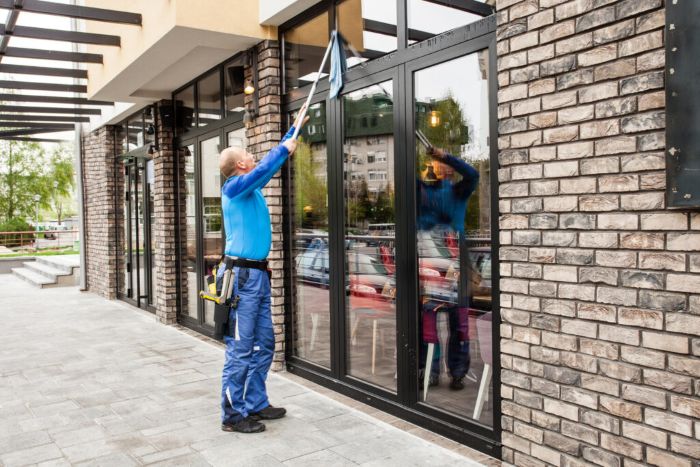
Improper installation can lead to premature delamination, reduced tensile strength, and compromised adhesion, rendering the anti-shatter window film ineffective when subjected to a pressure wave. Certified installers possess the specialized tools, training, and experience to correctly apply these sophisticated materials, ensuring that every square inch of the film performs as designed. This expertise guarantees that the film will maintain its integrity and hold glass fragments securely within the window frame during an event, preventing them from becoming deadly projectiles.
Even the most advanced security film will fail to perform its intended function if improperly installed. Professional application is not merely about aesthetic appeal. It is fundamental to the film’s structural integrity and blast mitigation capabilities. Precise cutting, meticulous cleaning of the glass, and bubble-free adhesion are critical to ensure a complete bond between the film and the glass surface.
Integrating Security Film with Your Existing Building Infrastructure
Security film is not a standalone solution. Its maximum effectiveness is realized when integrated thoughtfully with your building’s existing window system and overall infrastructure. The goal is to create a unified system where the film, glass, and window frame work together to absorb and dissipate blast energy. This integration often involves assessing the condition of your window frames, the type of glazing, and the building’s structural components to ensure compatibility and optimal performance.
Unlike full window replacement, which can involve significant structural modifications and disruption, advanced security films are designed to augment existing windows. This approach minimizes interference with the building’s original design and structural integrity while enhancing its resilience against external threats. The integration process should always consider the specific characteristics of your property to ensure a tailored and effective solution.
Understanding Wet Glaze vs. Daylight Anchoring Systems for Enhanced Security
To truly achieve blast mitigation, the security film must be firmly anchored to the window frame. Without proper anchoring, even the strongest film will tear away from the frame under extreme blast pressure, allowing the glass fragments it contains to be propelled inward. Two primary methods are employed for this crucial anchorage:
- Wet Glaze Anchoring: This method involves applying a structural silicone sealant around the perimeter of the filmed glass, directly bonding the film and glass package to the window frame. Once cured, this creates a resilient, flexible bond that can absorb significant blast energy, preventing the filmed glass from dislodging from the frame. Wet glazing is often considered the most robust solution for high-level blast mitigation.
- Daylight Anchoring Systems: These systems use mechanical or adhesive attachments to secure the film directly to the window frame, typically without visible structural silicone. They are often chosen for applications where aesthetic considerations are paramount or where the existing frame design makes wet glazing impractical. While highly effective, the choice between wet glaze and daylight anchoring systems depends on the specific threat level, window configuration, and desired aesthetic outcome.
Both methods aim to keep the glass within the window opening, but their application and specific benefits differ. A qualified professional will assess your property’s needs to recommend the most appropriate and effective anchoring system.
Comparing Security Film to Other Options: Laminated Glass and Polycarbonate Shields
While security film is a highly effective and cost-efficient blast mitigation solution, it is important to understand its position relative to other available options:
- Laminated Glass: This consists of two or more panes of glass bonded together with an interlayer, typically PVB (polyvinyl butyral). Laminated glass offers inherent security benefits, as the interlayer holds shards together when broken. While effective for some levels of forced entry and impact, achieving blast mitigation with laminated glass often requires significantly thicker and heavier units, leading to high material costs, complex installation, and potential structural implications for existing frames. It is also a complete window replacement, which contradicts the core thesis of augmenting existing windows.
- Polycarbonate Shields: These are extremely strong, transparent plastic sheets that can be installed over existing windows or as part of a new glazing system. Polycarbonate offers superior impact resistance, making it excellent for forced entry and ballistic protection. However, it can be significantly more expensive than security film, prone to scratching, and may yellow over time due to UV exposure. Its thermal expansion properties also require specialized installation to prevent bowing or warping.
Security film presents a compelling balance of enhanced protection, cost-effectiveness, and minimal disruption compared to these alternatives, especially when addressing the primary hazard of flying glass fragments from a blast event in existing commercial properties. It upgrades the performance of your current windows without requiring their costly and time-consuming replacement.
Incorporating Forced Entry Resistance with Blast Mitigation Capabilities
The strategic advantage of advanced security film extends beyond blast mitigation, offering a significant enhancement in forced entry resistance. The same properties that enable the film to hold glass fragments together during an explosive event also make it far more difficult for intruders to break through a window quickly.
When struck, filmed glass may crack, but the film holds the shards securely in place, maintaining a robust barrier. This significantly increases the time and effort required for an intruder to gain access, often deterring them entirely or providing crucial extra minutes for security personnel or law enforcement to respond. By investing in a high-performance security film with an appropriate anchoring system, business owners can simultaneously address two critical security concerns: mitigating the deadly effects of a blast and fortifying against unauthorized access, offering a dual-purpose solution that maximizes value.
Is Blast Mitigation Film the Right Choice for Your Commercial Property?
Deciding on the optimal security enhancements for your commercial property requires a clear understanding of your specific needs and the solutions available. Blast mitigation film offers a strategic and practical pathway to significantly improve safety without the extensive cost and disruption typically associated with full window replacements.
Assessing Your Specific Security Needs, Risk Profile, and Budget Constraints
Every commercial property faces a unique set of security challenges. Before implementing any solution, it is vital to conduct a comprehensive assessment of your specific security needs. This involves evaluating your property’s location, identifying potential threats, such as proximity to high-value targets, critical infrastructure, or public spaces, and understanding the vulnerability of your existing glazing. Consider your company’s unique risk profile, including the presence of sensitive data, valuable assets, or high-occupancy areas.
Budget constraints are, of course, a practical reality for any business owner. While ensuring safety is paramount, finding a solution that delivers maximum impact within financial parameters is key. Advanced security films offer a cost-effective alternative to complete window replacement, allowing businesses to achieve robust blast mitigation and forced entry protection without exorbitant capital expenditures or prolonged operational interruptions. A detailed assessment will help align your security goals with a realistic budget.
Long-Term Value: Enhanced Protection, Cost-Effectiveness, and Operational Continuity
Investing in blast mitigation film provides substantial long-term value that extends far beyond immediate cost savings. The enhanced protection offered by these films significantly reduces the risk of injury and fatality from flying glass during a blast event, safeguarding employees, customers, and visitors. This improved safety environment contributes to greater peace of mind and reinforces a commitment to corporate responsibility.
From a cost-effectiveness standpoint, security film represents a fraction of the cost of replacing entire window systems with blast-resistant glass. This means a higher return on investment for security improvements. Furthermore, the installation process for security film is far less disruptive, allowing for operational continuity during application. Minimal downtime translates directly into sustained productivity and revenue, preserving business operations that would otherwise be halted by extensive construction. The durability and long lifespan of quality films, often backed by comprehensive warranties, ensure that this protective measure remains effective for years to come.
The Expertise Advantage: Partnering with Seasoned Professionals in Glass and Surface Solutions
Successfully implementing a blast mitigation solution requires specialized knowledge and experience. The complexity of assessing risk, selecting the appropriate film and anchoring system, and executing a flawless installation means that partnering with seasoned professionals is not merely beneficial, it is essential. Experts in glass and surface solutions bring a deep understanding of material science, building dynamics, and threat analysis.
These professionals can accurately evaluate your property’s unique vulnerabilities, recommend solutions tailored to your specific risk profile and budget, and ensure that the installation meets the highest industry standards for effectiveness. Their expertise provides confidence that your investment in security film will yield the intended protective outcome, standing as a reliable defense against unpredictable threats.
A Proven Track Record: What to Look for in an Installation Partner and System
When selecting an installation partner for your blast mitigation needs, a proven track record is paramount. You should look for a company that demonstrates a history of successful installations, particularly in commercial or government settings where security standards are rigorously applied. Key indicators of a reputable partner include:
- Certifications and Training: Ensure installers are factory-trained and certified by leading film manufacturers for blast mitigation applications.
- Experience: Inquire about their experience with similar commercial properties and the specific challenges those projects presented.
- Comprehensive Assessment: A reliable partner will conduct a thorough site assessment, not just offer a one-size-fits-all solution.
- Anchoring System Expertise: They should be proficient in both wet glaze and mechanical anchoring systems and be able to recommend the most appropriate one for your specific window frames and threat levels.
- Transparent Documentation: Expect clear documentation of film specifications, warranty information, and compliance with relevant safety standards.

Choosing a partner with a strong reputation and verifiable success stories ensures that your property receives the highest level of protection, installed with precision and backed by trusted expertise. This strategic decision contributes directly to the resilience and safety of your commercial enterprise.
Conclusion: Securing Your Business with Smart, Strategic Solutions
Recapping the Argument: Strategic Mitigation Over the Illusion of Blast Proof Windows
Throughout this discussion, a central truth has emerged: the concept of truly “blast proof windows” for commercial properties is largely an illusion, often leading to costly and impractical pursuits. Our focus must shift from attempting to entirely prevent the immense forces of a blast to intelligently mitigating its most dangerous consequences. The primary hazard in any blast scenario involving glazed openings is not the initial pressure wave itself, but the thousands of razor-sharp glass fragments propelled at high velocities. These fragments pose an immediate and severe threat to human life and property within the structure.
A strategic approach acknowledges this reality, prioritizing solutions that effectively manage and contain these deadly projectiles. Investing in systems that promise complete invulnerability to a blast is not only financially prohibitive but also distracts from the core mission of protecting occupants and assets. The wisest course of action involves adopting proven methods that directly address the mechanism of injury and destruction.
The Unmistakable Value of Advanced Security Film for Commercial Properties
Advanced security window film stands out as an exceptionally valuable and strategic solution for commercial properties seeking robust blast mitigation. Unlike the extensive and expensive process of full window replacement, these films integrate seamlessly with existing glazing systems, offering a high level of protection with minimal disruption. They are designed to hold shattered glass fragments firmly within the window frame, transforming a potentially lethal shower of shards into a more contained and manageable situation.
The benefits extend beyond immediate safety. Implementing security film provides a cost-effective alternative that delivers significant protective capabilities without the astronomical price tag associated with specialized glazing units or structural modifications. This practical approach not only enhances security but also allows business owners to allocate resources more efficiently, ensuring comprehensive safety measures are in place where they are most needed. It is a proven, reliable method that safeguards lives and minimizes property damage, directly addressing the core concerns of any responsible business owner.
Taking the Next Step: Consulting with Blast Mitigation Experts for a Tailored Plan
Understanding the strategic advantage of advanced security film is the first step. Implementing it effectively requires expert guidance. Each commercial property presents unique architectural considerations, security vulnerabilities, and operational needs. A generic solution will fall short of providing optimal protection. Therefore, the next critical step is to engage with experienced blast mitigation experts.
These specialists possess the knowledge and tools to conduct thorough assessments of your property’s specific glazing systems and potential threat profiles. They can recommend a tailored security film solution, considering factors such as glass type, frame integrity, building occupancy, and desired threat levels. Collaborating with certified professionals ensures that your investment in security film is maximized, providing the most effective and appropriate level of protection for your business. This partnership is vital for translating general knowledge into a precise, actionable security strategy.
Frequently Asked Questions
What are blast proof windows, and are they necessary for my business?
The term “blast proof windows” typically refers to windows designed to withstand extreme forces, but achieving absolute “blast proofing” is often impractical and prohibitively expensive for most commercial properties. A more strategic and cost-effective approach is blast mitigation, which focuses on managing the effects of a blast, particularly by containing dangerous glass fragments.
How does blast mitigation film protect against explosions?
Blast mitigation film, also known as anti-shatter window film or bomb blast window film, works by reinforcing existing glass. It is a multi-layered polyester laminate applied to windows. When an explosion occurs, the film holds shattered glass fragments together, preventing them from becoming deadly projectiles. This significantly reduces the risk of injury and property damage.
Is commercial security window film effective against forced entry as well?
Yes, advanced commercial security window film significantly enhances forced entry resistance. The same properties that enable the film to hold glass together during a blast also make it much harder for intruders to break through a window quickly, delaying access and providing valuable response time for security personnel.
What industry standards verify the performance of blast mitigation film?
The performance of blast mitigation film is verified through rigorous testing protocols like GSA standards and ASTM F1642. These standards assess a glazing system’s ability to resist air blast loading and classify its effectiveness in reducing glass fragment hazards, ensuring the film meets proven protective capabilities.
Do I need to replace my windows to install blast mitigation film?
No, one of the key advantages of advanced security film is that it is designed to augment your existing windows. This means you do not need to undertake costly and disruptive full window replacements. The film is professionally applied to your current glass, often combined with anchoring systems like wet glaze or daylight anchoring systems, to create a robust defense.
Learn more at www.coolvu.com
MORE POSTS:
- CoolVu Transitional Window Film – Why adaptive film enhances comfort, efficiency, and aesthetics throughout the day.