Table of Contents
Antimicrobial Sprays: Quick Disinfection, Temporary Protection
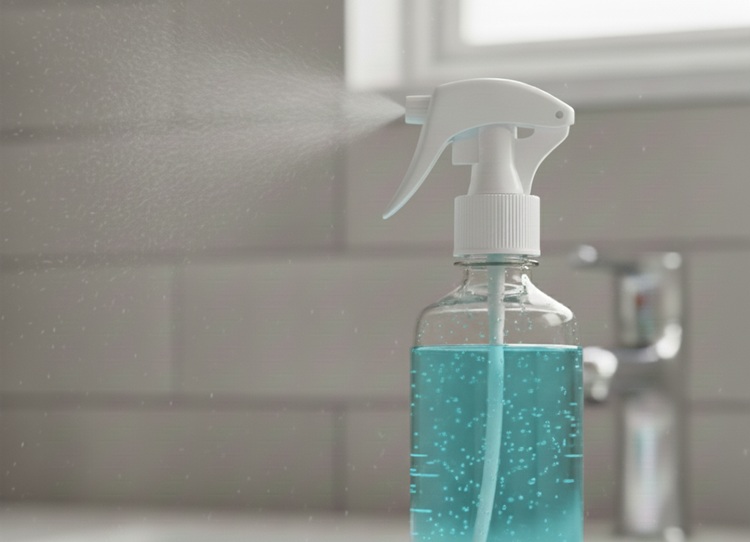
Antimicrobial sprays are one of the most common ways businesses disinfect surfaces. Most owners are already familiar with them. These sprays are chemical disinfectants made to kill or slow the growth of germs like bacteria and viruses.
They use different active ingredients, such as:
- Quaternary ammonium compounds (often called “quats”)
- Alcohols like ethanol or isopropanol
- Hydrogen peroxide
- Chlorine-based chemicals
Each ingredient works differently. Some break down a germ’s outer layer, others damage proteins, and some interfere with how cells function. The result is the same: the germs are destroyed.
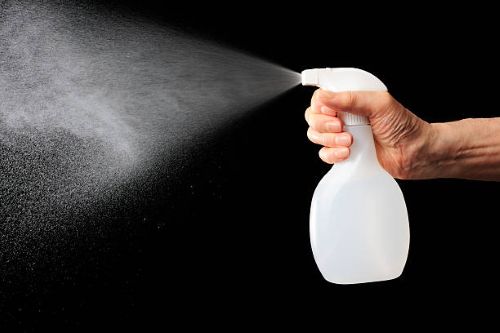
Sprays are usually applied by hand. Staff spray the surface and wipe it down to spread the solution evenly. This is done as part of regular cleaning routines and is meant to disinfect surfaces right away.
However, sprays only work when they stay on the surface for a specific amount of time. Once they dry, are wiped away, or the surface is touched again, their protection is mostly gone.
The Appeal of Simplicity and Lower Upfront Cost
Many business owners choose antimicrobial sprays because they seem simple and affordable. They are easy to buy, widely available, and don’t require special equipment. The process feels quick: spray, wipe, and move on.
Because the upfront cost is low, sprays often look like the most practical option—especially for businesses with tight budgets or those trying to solve hygiene concerns quickly. This initial affordability is one of the biggest reasons sprays are so popular.
The Hidden Costs: Reapplication, Labor, and Inconsistent Results
While sprays look inexpensive at first, they come with ongoing costs that add up quickly. The biggest issue is that sprays don’t last. Once the surface is touched, their antimicrobial effect is mostly gone. That means high-touch areas—like door handles, checkout counters, and shared desks—need to be sprayed again and again, sometimes multiple times a day.
This creates labor costs. Employees must be trained, scheduled, and monitored to keep up with frequent reapplication. All that time spent spraying and wiping is time taken away from other important tasks.
There’s also inconsistency. Some areas get missed, contact time isn’t always long enough, and surfaces can be re-contaminated minutes after cleaning. Even with good intentions, protection can be uneven and unreliable.
EPA Registration and What Spray Claims Really Mean
When choosing antimicrobial sprays, it’s important to understand EPA registration. In the U.S., the Environmental Protection Agency approves disinfectants and lists exactly which germs they kill and under what conditions.
However, claims like “kills 99.9% of bacteria” only apply if:
- The surface is already clean
- The spray stays wet for a specific time (often 5–10 minutes)
These claims do not mean the surface stays protected all day. Once the spray dries or someone touches the surface, the protection ends. Most sprays are designed for short-term disinfection, not ongoing protection. This is an important detail many businesses overlook.
Durability and Longevity: The ‘Set-It-and-Forget-It’ Advantage of Antimicrobial Film
While short-term cleaning is important, smart businesses think long term. This is where antimicrobial film is very different from sprays. Film offers a true “set-it-and-forget-it” solution.
Why Antimicrobial Film Lasts for Years, Not Hours
Sprays start losing effectiveness almost immediately after use. In busy areas, their protection may last only minutes or hours.
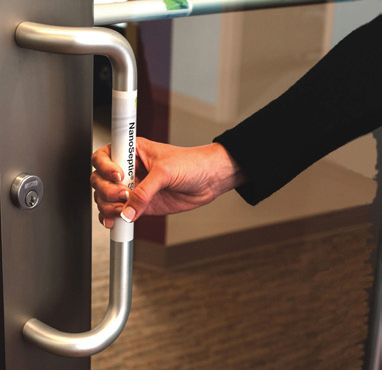
Antimicrobial film works differently. The antimicrobial agents are built directly into the material. Once installed, the film works continuously—24/7—for years. There’s no need for constant reapplication.
Instead of reacting to contamination, the film actively prevents germs from growing all the time.
Film Performance in High-Traffic Commercial Spaces
Commercial environments experience constant use, cleaning, and physical wear. Antimicrobial films are designed to handle these conditions. They include scratch-resistant layers and strong adhesives that allow them to stay intact on surfaces like door handles, countertops, touchscreens, and kiosks. Unlike sprays that can be wiped away, film creates a physical barrier that remains in place. This helps protect both the surface underneath and the antimicrobial properties of the film itself, even with frequent contact and cleaning.
Operational Efficiency: Saving Time, Labor, and Resources
The long lifespan of antimicrobial film creates noticeable operational benefits. Because the film does not need to be reapplied daily, businesses spend far less time and money on surface sanitizing tasks. Staff no longer need to repeatedly disinfect the same areas, which lowers labor costs and simplifies daily routines. The need to constantly monitor when a surface was last cleaned is also reduced. As a result, surface hygiene becomes a long-term asset instead of an ongoing burden.
Lifespan, Warranties, and Long-Term Value
High-quality antimicrobial films typically last several years, often three to five years or longer. Many manufacturers provide warranties when the film is professionally installed, offering reassurance that the product will perform as expected. These warranties help turn surface protection into a predictable, long-term investment rather than a recurring expense.
Cost Comparison: Antimicrobial Film vs. Spray
When evaluating cost, it is important to look beyond the initial price. Antimicrobial sprays may seem cheaper at first, but their true cost includes frequent repurchasing, daily labor for application, training, and inconsistent results that can require even more cleaning. Over time, these ongoing costs can become significant and difficult to predict.
Antimicrobial film, on the other hand, is a one-time investment that provides long-term value. From a financial planning perspective, this makes it easier to budget and often results in greater overall savings.
Return on Investment of Antimicrobial Film
The return on investment for antimicrobial film comes from its ability to reduce ongoing costs while delivering continuous protection. Businesses save money by reducing labor, cutting down on cleaning products, and minimizing disruptions caused by illness. A healthier environment can lead to fewer sick days, better productivity, and stronger customer confidence. Over the lifespan of the film, these benefits often outweigh the initial installation cost.
The Importance of Continuous Protection
Continuous protection is one of the biggest advantages of antimicrobial film. Because the film works around the clock, it reduces the spread of germs on high-touch surfaces at all times, not just right after cleaning. This helps protect employees, reassures customers, and supports a strong reputation for cleanliness and safety.
Why Professional Installation Matters
The performance and durability of antimicrobial film depend heavily on proper installation. While some DIY options exist, they are rarely suitable for commercial spaces.
Poor adhesion, bubbles, peeling, uneven coverage, and shortened lifespan are common issues with self-installed films. In many cases, improper installation can also void manufacturer warranties.
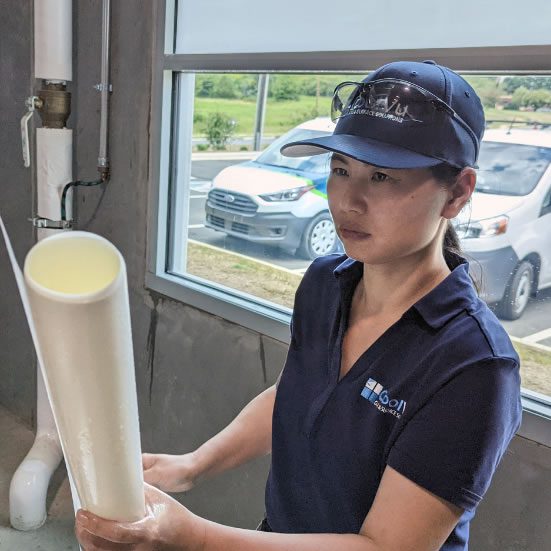
Professional installers bring the experience and precision needed for successful application. They carefully prepare surfaces, measure and cut the film accurately, and apply it smoothly without imperfections.
They also understand how environmental factors like temperature and humidity affect adhesion. This level of care ensures the film lasts as long as intended.
Quality Assurance and Proven Expertise
Working with professional installers also provides added protection for your investment. Reputable providers stand behind their work and use manufacturer-approved products that come with warranties. Their experience across many commercial environments allows them to recommend the right solution for your specific needs and avoid common problems. This proven expertise leads to consistent, high-quality results.
Making a Smart, Informed Decision
Choosing a surface protection solution affects your budget, daily operations, and brand reputation. Antimicrobial film should be viewed not just as a hygiene product, but as a strategic investment. It helps improve customer confidence, supports employee well-being, and simplifies operations by reducing repetitive cleaning tasks.
Different environments, such as offices, healthcare facilities, retail spaces, and hospitality settings, have different needs. A professional assessment ensures the film is applied where it will deliver the most value and protection.
Clearing Up Common Misunderstandings
Many people assume all antimicrobial products work the same way, but this is not true. Sprays provide temporary disinfection, while films deliver long-term, continuous protection. Understanding this difference is essential for making informed decisions about surface hygiene.
Moving From Reactive to Proactive Hygiene
Choosing antimicrobial film represents a shift from reacting to contamination to preventing it. Instead of constantly cleaning after germs appear, the film works continuously to stop microbial growth. This proactive approach strengthens infection control, protects health, and shows a clear commitment to safety.
Conclusion: A Safer, Smarter Future with Antimicrobial Film
Antimicrobial sprays offer quick, short-term results, but they require constant effort and ongoing costs. Antimicrobial film provides long-lasting protection, consistent performance, and clear financial benefits over time. It reduces labor, lowers operational expenses, and creates a safer environment every day.
For businesses looking to move beyond temporary solutions, antimicrobial film offers a sustainable, low-maintenance approach to surface protection. It supports long-term efficiency, strengthens reputation, and helps ensure a healthier future for employees and customers alike.
Frequently Asked Questions
What is the primary difference between antimicrobial film and antimicrobial spray?
The primary difference lies in their longevity and mechanism. Antimicrobial sprays offer immediate, but temporary, disinfection, with their effects diminishing once dry or touched. In contrast, antimicrobial film provides continuous, 24/7 active protection for years, as its antimicrobial agents are integrated into the film’s durable material structure.
How does antimicrobial film’s lifespan compare to that of antimicrobial sprays?
Antimicrobial film offers significantly longer protection, typically lasting three to five years or more, often backed by manufacturer warranties. Antimicrobial sprays, however, require frequent reapplication, sometimes daily or hourly, to maintain surface hygiene, as their efficacy is short-lived.
Is investing in antimicrobial film considered a capital expenditure or an operational cost?
Professionally installed antimicrobial film is a capital expenditure, representing a one-time, predictable investment in a long-term asset. This contrasts with antimicrobial sprays, which are recurring operational costs due to continuous product purchases and associated labor for reapplication.
Why is professional installation crucial for antimicrobial film?
Professional installation ensures optimal performance, durability, and warranty validity. Experts provide meticulous surface preparation, precise measurement and application to avoid issues like bubbling or peeling, and environmental control, guaranteeing the film adheres correctly and provides consistent, long-lasting commercial surface protection.
On what types of high-touch surfaces is antimicrobial film most effective?
Antimicrobial film is highly effective on high-touch surfaces found in commercial environments. These include door handles, countertops, public touch screens, elevator buttons, point-of-sale terminals, and shared workstations. Its continuous action on these frequently contacted areas significantly enhances infection control and surface hygiene.
Find your local CoolVu installer: www.coolvu.com
The question isn’t whether surfaces will be touched. The question is whether they’ll still be protected afterward.
MORE POSTS:
- UV Blocking Window Film and Plants – Protect interiors from UV damage while keeping indoor plants healthy and thriving.
- Solar Control Window Film as a Business Strategy – Why entrepreneurs should view window film as a high-value architectural upgrade, not a commodity.
- Beyond the Glass: The Need for Bathroom Privacy – How personal space and comfort make bathroom privacy a non-negotiable requirement.
- Beyond Frosted Glass – How decorative window film has evolved into a strategic, high-value business solution.
- High-Risk Retail Reality for Dispensaries – Why cannabis businesses face elevated threats from smash-and-grabs, robberies, and regulatory pressure.