Table of Contents
The Persistent Challenge of Surface Contamination in Commercial Environments
Maintaining a hygienic environment in commercial spaces is a continuous, often uphill, battle. High-traffic areas, shared equipment, and frequently touched surfaces such as door handles, countertops, touchscreens, and elevator buttons serve as potential hubs for microbial transmission. Despite diligent cleaning efforts, which are inherently intermittent, these surfaces can quickly become recontaminated within hours, posing a consistent risk to public health and business operations. This reality underscores the limitations of traditional cleaning alone and highlights the need for advanced solutions for antimicrobial surface protection.
The Business Owner’s Dilemma: Balancing Hygiene, Cost, and Efficacy
For business owners, the pursuit of optimal hygiene is complicated by several factors. There is a constant need to balance the imperative of protecting customers and employees with the practicalities of operational costs and resources. Traditional cleaning protocols, while essential, are labor-intensive and have a finite period of effectiveness.
The question then arises: how can a business maintain a consistently cleaner environment without escalating expenses or compromising operational flow? This is where innovative commercial hygiene solutions are often met with skepticism, demanding clear evidence of efficacy and a demonstrable return on investment. The common question for any new technology is, “Does antimicrobial film really work?”
Introducing Antimicrobial Film: What It Claims to Offer
Antimicrobial film emerges as a promising answer to this dilemma, offering a layer of continuous protection for high-touch surfaces. Its primary claim is the ability to actively reduce the presence of bacteria and viruses on contact, even between routine cleanings. This translates to a more consistently hygienic environment, potentially lowering the risk of pathogen transmission and enhancing overall public safety. However, understanding how these films deliver on their promise requires a deeper look into the underlying science behind surface protection technology.
The Science Behind the Shield: How Antimicrobial Film Works
Understanding the Core Technology: Ion Exchange and Material Properties
At its core, antimicrobial film leverages advanced material science, often incorporating microscopic active agents directly into the film’s structure during manufacturing. The most common and effective of these agents are metallic ions, particularly silver ions and copper ions. These ions are not merely coated onto the surface. They are embedded within the film, allowing for a sustained release and interaction with microbes. The film itself acts as a durable, transparent barrier, designed to withstand daily wear and tear while continuously performing its antimicrobial function.
The Role of Silver Ions and Copper Ions in Pathogen Inactivation
Silver and copper ions have been recognized for their antimicrobial properties for centuries. In modern applications like antimicrobial films, these metallic ions are engineered for controlled release. When bacteria, viruses, or fungi come into contact with the film, the embedded ions are activated by moisture and begin their work.
- Silver Ions: These ions target multiple vital functions within microbial cells. They interfere with cellular respiration, disrupt DNA replication, and damage the cell membrane, preventing pathogens from multiplying and ultimately leading to their inactivation.
- Copper Ions: Copper ions operate through a similar multi-pronged attack. They generate reactive oxygen species that cause widespread cellular damage, denature proteins crucial for microbial function, and compromise the integrity of the cell wall, effectively neutralizing the threat.
Mechanism of Action: Disrupting Bacterial and Viral Life Cycles
The inactivation process orchestrated by these metallic ions is highly effective and multi-faceted. When a microbe lands on an antimicrobial film, the silver and copper ions present in the film’s surface environment interact with the pathogen.
- For Bacteria: The ions penetrate the bacterial cell wall, disrupting its structural integrity and causing leakage of essential cellular components. Inside the cell, they bind to proteins and DNA, inhibiting metabolic processes and replication, rendering the bacteria unable to survive or reproduce.
- For Viruses: While viruses are not “living” in the traditional sense, they are still vulnerable. The metallic ions denature the proteins that form the viral capsid and interfere with the viral genetic material (RNA or DNA), preventing the virus from infecting host cells and replicating. This effectively inactivates the virus, breaking the chain of transmission.
This continuous assault on microbial viability is what provides the ongoing protective benefit, reducing pathogen load on surfaces between conventional cleaning cycles.
Differentiating Active vs. Passive Antimicrobial Properties
It is crucial for business owners to understand the distinction between active and passive antimicrobial properties when evaluating surface protection solutions.
- Passive Antimicrobial Properties: These typically refer to surfaces that are inherently resistant to microbial growth due to their material composition, often making it harder for microbes to adhere or proliferate. However, they do not actively kill or inactivate pathogens on contact.
- Active Antimicrobial Properties: This is where advanced films stand out. Active antimicrobial films contain specific agents, like silver and copper ions, that continuously and proactively engage with microbes upon contact. They are designed to disrupt and inactivate bacteria and viruses, thereby significantly reducing the microbial load on the surface without relying solely on manual cleaning. This active mechanism provides a superior and continuous layer of hygiene, distinguishing it from general self-cleaning films.
Does Antimicrobial Film Really Work? Examining the Evidence and Efficacy
The question “Does it really work?” is a foundational one for any business owner considering new investments. When it comes to antimicrobial films, the answer is a resounding yes, supported by rigorous scientific testing and real-world performance data. This is not about marketing claims. It is about verified efficacy.
Scientific Validation: Interpreting ASTM E2180 and Other Industry Standards
The effectiveness of antimicrobial films is not a matter of anecdotal evidence, but of quantifiable scientific validation. A key standard in this assessment is ASTM E2180, an internationally recognized test method developed by ASTM International. This standard precisely measures the antimicrobial activity of immobilized antimicrobial agents under dynamic contact conditions. It is designed to provide a reliable indicator of how effective a surface or material is at inhibiting microbial growth over time.
Films that pass ASTM E2180, and similar industry-specific standards, have been independently verified to actively reduce microbial populations on their surface. These tests demonstrate the film’s ability to interfere with bacterial and fungal growth, often by disrupting cell walls or inhibiting metabolic processes. Such validations provide a critical layer of assurance that these films perform as intended, offering a continuous defense against microbial proliferation and surface contamination.
Real-World Performance: Data and Studies on Reduction of Surface Contamination
Beyond laboratory conditions, the practical application of antimicrobial films has shown significant reductions in surface contamination in commercial environments. Studies consistently demonstrate that high-touch surfaces treated with these films exhibit substantially lower microbial loads compared to untreated surfaces. This reduction is not merely theoretical. It translates into fewer viable pathogens present on often-touched areas like door handles, counters, and keypads.
This continuous action means that even between scheduled cleanings, the film is actively working to minimize the survival and spread of bacteria and other microbes. The presence of fewer microbes on surfaces directly contributes to a healthier environment, reducing the potential for indirect contact transmission and supporting overall hygiene efforts. This is a core benefit of modern commercial hygiene solutions.
Addressing the “Self-Cleaning” Misconception: Continuous Protection vs. Complete Sterilization
It is crucial to clarify a common misconception: antimicrobial films are not “self-cleaning” in the sense that they eliminate the need for traditional cleaning. They do not magically remove dirt, grime, or organic matter. Instead, their benefit lies in providing continuous protection by actively reducing microbial populations on their surface.
Think of it as an invisible layer of defense that is always on duty, working 24/7 to inhibit microbial growth. This is distinct from complete sterilization, which aims to eliminate all forms of microbial life. Antimicrobial films enhance hygiene by reducing the presence of microbes that survive and multiply between regular cleanings and disinfections. They are a powerful supplement, not a replacement, for established cleaning protocols.
The Role of Antimicrobial Film in a Multi-Layered Hygiene Strategy
In today’s commercial landscape, a robust hygiene strategy requires multiple layers of defense. Antimicrobial film is a vital component within such a comprehensive approach, working in conjunction with other critical measures for facility management:
- Routine Cleaning and Disinfection: These films complement, rather than substitute, regular manual cleaning and EPA-approved disinfection. They manage microbial growth during the intervals between these procedures.
- Hand Hygiene: Encouraging frequent handwashing and sanitizer use remains paramount.
- Air Filtration and Ventilation: Addressing airborne pathogens through effective HVAC systems and increased fresh air exchange is another key layer.
By integrating antimicrobial films, businesses add an “always-on” protective layer to their surfaces. This creates a more resilient environment, where the combined effect of all hygiene efforts provides a superior level of safety for employees and customers alike. It is a strategic enhancement that strengthens the overall hygiene ecosystem of any commercial building.
Strategic Applications and Tangible Benefits for Commercial Spaces
Implementing antimicrobial film is not just about adopting a new product. It is about strategically enhancing safety and operational efficiency within your commercial space. The benefits extend beyond immediate hygiene, offering a tangible return on investment for discerning business owners.
Identifying High-Touch Surfaces: Where Antimicrobial Film Delivers Maximum Impact
To maximize the efficacy and value of antimicrobial film, strategic placement on high-touch surfaces is key. These are the areas that employees and customers interact with most frequently, making them prime candidates for microbial accumulation and transmission. Identifying and treating these points ensures the film is deployed where it can have the greatest impact.
Common high-touch surfaces include:
- Door Handles and Push Plates: Both entry and exit points and internal doors.
- Handrails: Staircases, escalators, and accessible ramps.
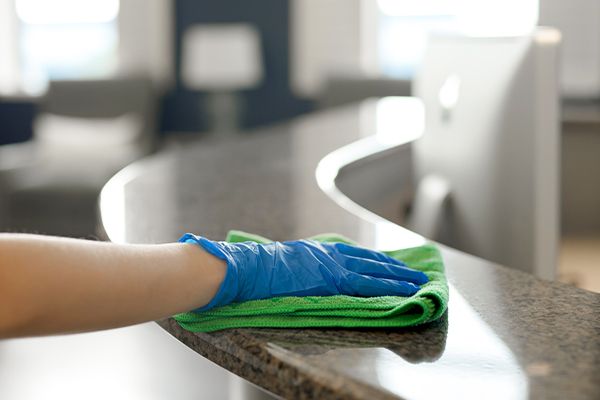
- Countertops and Reception Desks: Especially those where transactions occur or visitors gather.
- Payment Terminals and Keypads: Point-of-sale devices, ATMs, and access keypads.
- Light Switches and Elevator Buttons: Frequently pressed by many individuals.
- Shared Equipment Controls: Copiers, vending machines, and shared office appliances.
- Tables and Seating Areas: In waiting rooms, break rooms, and dining establishments.
Focusing film application on these surfaces creates a continuous antimicrobial barrier at the most critical points of interaction, significantly reducing the microbial load where it matters most. This is a prime example of effective hygiene protocols.
Enhancing Hygiene Protocols Across Diverse Commercial Settings
The adaptability of antimicrobial films makes them a valuable asset for a wide array of commercial environments, each with unique hygiene challenges. From bustling retail spaces to quiet professional offices, these films integrate seamlessly, reinforcing existing protocols.
- Healthcare Facilities: Augmenting stringent disinfection routines in waiting areas, nurses’ stations, and patient rooms.
- Restaurants and Food Service: Protecting order counters, self-serve stations, and dining surfaces.
- Retail Stores: Safeguarding changing room handles, checkout lanes, and product display interaction points.
- Corporate Offices: Improving shared workstations, meeting room tables, and common area surfaces.
- Educational Institutions: Enhancing classroom desks, library tables, and dormitory common areas.
In each setting, the film acts as an invisible, proactive layer of protection, working around the clock to support a cleaner, safer environment for everyone who enters.
Beyond Hygiene: The ROI of Antimicrobial Surface Protection for Businesses
For business owners, the decision to invest in antimicrobial film extends beyond simply “doing the right thing” for hygiene. There is a clear return on investment (ROI) derived from both tangible and intangible benefits.
- Reduced Risk of Illness: By lowering microbial counts on surfaces, businesses can contribute to fewer instances of illness among employees and customers. This can translate to reduced absenteeism, maintained productivity, and a healthier workforce.
- Enhanced Customer Confidence and Brand Reputation: In an era where hygiene is top-of-mind, visibly proactive measures like antimicrobial film communicate a strong commitment to safety. This builds trust, enhances your brand image, and can differentiate your business from competitors.
- Operational Efficiency: While films do not replace cleaning, they can allow cleaning staff to focus more intensively on other areas, as the film continuously mitigates microbial growth on treated surfaces. This can optimize resource allocation within facility management.
- Compliance and Safety Standards: Staying ahead of evolving health standards and expectations demonstrates leadership and responsibility, potentially averting future compliance challenges.
Illustrative Scenarios: How Businesses Integrate Film for Improved Safety and Image
Consider a few practical examples of how businesses successfully integrate antimicrobial film:
- The Busy Café: A café owner applies film to their order counter, self-serve coffee station, and table surfaces. Customers notice the “Enhanced Hygiene Zone” signage, feel more comfortable dining in, and are more likely to return. Staff also report fewer instances of common cold transmission among themselves.
- The Modern Office Building: A property manager installs antimicrobial film on all elevator buttons, communal door handles, and shared kitchen surfaces. Occupants appreciate the added layer of protection, which contributes to a positive perception of management’s commitment to well-being in the commercial building.
- The Fitness Center: Treadmill handles, weight machine grips, and locker room benches are covered with film. Members feel more secure using shared equipment, improving their overall experience and loyalty to the gym.
These scenarios highlight how the integration of antimicrobial film provides both a measurable improvement in surface hygiene and a significant boost to a business’s reputation and customer relations.
Contributing to a Healthier Environment for Employees and Customers
Ultimately, the deployment of antimicrobial film is a strategic step towards fostering a fundamentally healthier environment. For employees, it means working in a space where management has invested in their well-being, potentially leading to increased morale and reduced sick days. For customers, it translates into a sense of security and peace of mind when interacting with your establishment. By proactively managing surface hygiene, businesses demonstrate a profound commitment to the health and safety of everyone who walks through their doors, reinforcing trust and long-term relationships.
Setting Realistic Expectations: What Antimicrobial Film Can’t Do
While the scientific evidence supporting high-quality antimicrobial films is robust, it is crucial to approach this technology with realistic expectations. Understanding its limitations is just as important as recognizing its benefits, ensuring businesses make informed decisions and integrate these films effectively into their hygiene strategies.
Not a Replacement for Regular Cleaning and Disinfection Protocols
Antimicrobial films are a powerful supplementary tool, not a substitute for standard cleaning and disinfection.
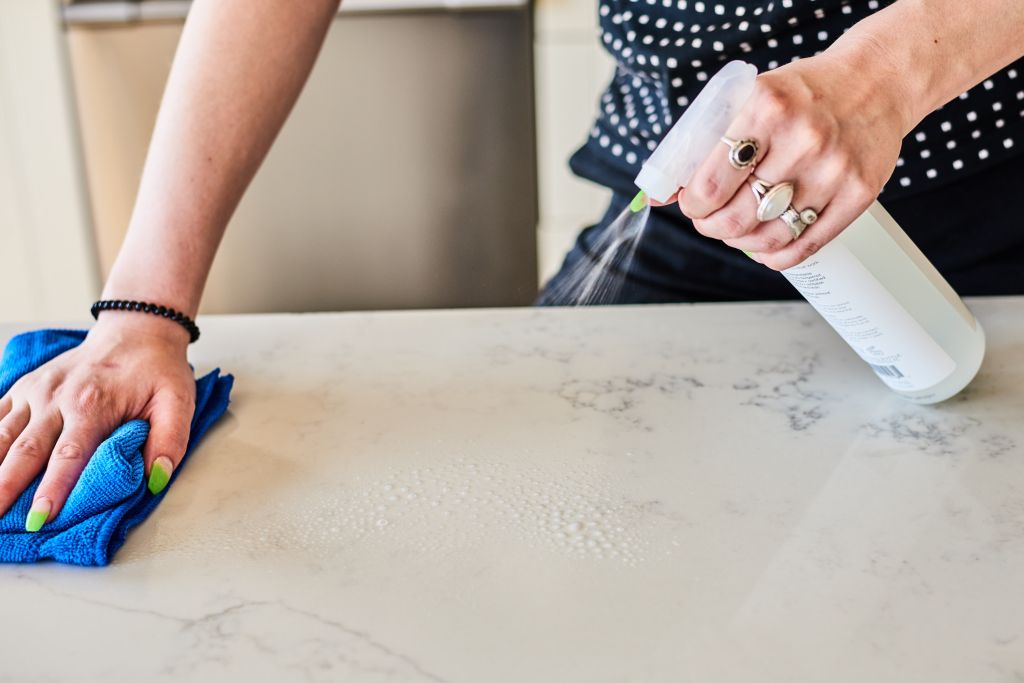
Regular cleaning physically removes dirt, dust, grime, and a significant portion of microbial contaminants from surfaces. Disinfection then targets and kills remaining pathogens.
Antimicrobial films work continuously between these cleaning cycles, actively reducing microbial populations on the surface. They provide an additional layer of defense, but they do not eliminate the fundamental need for thorough, routine cleaning.
Limits of Protection: Understanding Environmental and Application Variables
The efficacy of antimicrobial films can be influenced by various environmental and application-specific factors. For instance, films applied to surfaces subject to constant, heavy abrasion may experience reduced longevity or performance. Similarly, exposure to harsh industrial chemicals not intended for use with the film could compromise its antimicrobial properties or physical integrity. Understanding the specific environment where the film will be applied, including typical usage, cleaning practices, and potential stressors, is essential for selecting the right product and ensuring its long-term effectiveness.
Addressing Misconceptions: Debunking the “Magic Bullet” Myth
One common misconception is that applying antimicrobial film creates a sterile, perpetually germ-free surface. This is inaccurate. Antimicrobial films work by creating an environment hostile to microbial growth, significantly reducing the presence of bacteria, viruses, and fungi on the surface. They are engineered to inhibit growth and reduce microbial load, not to sterilize. This continuous action helps maintain a cleaner surface state between manual cleanings, but it does not mean the surface is immune to all contamination or that it never needs to be cleaned again. It is a critical component of an integrated hygiene approach, providing ongoing defense against microbial proliferation. They are a commercial hygiene solution, not a complete eradication method.
The Importance of Proper Installation and Maintenance for Long-Term Efficacy
The performance and longevity of any antimicrobial film are inextricably linked to its professional installation and ongoing maintenance. Improper application can lead to bubbling, peeling, or incomplete adhesion, which compromises the film’s protective qualities and aesthetic appeal.
- Professional Installation: Ensures optimal adhesion, proper alignment, and a seamless finish, maximizing the film’s contact with the surface and its continuous antimicrobial action.
- Adherence to Maintenance Guidelines: Following manufacturer recommendations for cleaning and care is crucial. Using appropriate, non-abrasive cleaning agents and methods helps preserve the film’s integrity and its active antimicrobial compounds, ensuring sustained efficacy over its intended lifespan.
Choosing a High-Quality Antimicrobial Film: Expert Guidance for Informed Decisions
Selecting the right antimicrobial film is pivotal for achieving the desired protective benefits and maximizing your investment. With a growing market, distinguishing between products requires a discerning eye and an understanding of key performance indicators.
Key Performance Indicators: What to Look for in a Superior Film Product
When evaluating antimicrobial films, focus on objective, verifiable performance metrics.
- Microbial Reduction Rates: Look for films that demonstrate a high percentage of microbial reduction (e.g., 99.9% or higher) against a broad spectrum of common pathogens, including bacteria, viruses, and fungi.
- Active Antimicrobial Agent: Understand the type of antimicrobial technology employed (e.g., silver ions, copper ions, or other scientifically validated compounds) and its mechanism of action.
- Durability and Scratch Resistance: The film should withstand daily use without easily scratching or degrading, preserving both its appearance and its protective layer.
- Adhesion Strength: Strong, long-lasting adhesion is critical to prevent peeling or lifting, which can create weak points and compromise efficacy.
- Optical Clarity: For transparent applications, superior optical clarity ensures the film does not noticeably alter the appearance of the underlying surface.
Understanding Durability, Longevity, and Maintenance Requirements
A high-quality antimicrobial film should offer a clearly stated expected lifespan under typical conditions, often ranging from several years to a decade, depending on the product and application. Inquire about its resistance to common wear and tear, UV exposure (for outdoor applications), and household or commercial cleaning agents. Furthermore, clarity on specific maintenance guidelines is essential. Products that require complex or proprietary cleaning solutions may add unnecessary operational costs or risks. Opt for films that are resilient and can be cleaned using standard, gentle methods without compromising their antimicrobial properties.
The Importance of Third-Party Certifications and Testing
To genuinely address the question, “Does antimicrobial film really work?”, look for products backed by independent, third-party laboratory testing and certifications. These validations provide objective proof of efficacy, ensuring the film’s claims are scientifically substantiated and not merely marketing assertions. Standards such as ISO 22196 (for measuring antibacterial activity on plastics and other non-porous surfaces) or JIS Z 2801 are common benchmarks. These certifications confirm that the product has undergone rigorous testing by impartial experts, giving business owners confidence in its performance. This transparency is key to building trust in surface protection technology.
Leveraging Industry Expertise: What CoolVu’s Three Decades of Experience Teaches
Decades of experience in the film industry have taught us the critical importance of vetting products rigorously. It is not just about what a manufacturer claims, but what performance can be consistently delivered in real-world scenarios. Our extensive background allows us to identify films that combine cutting-edge antimicrobial technology with superior physical properties, ensuring they not only perform as advertised but also integrate seamlessly and durably into commercial environments. This experience translates into a refined understanding of what genuinely constitutes a high-quality, reliable antimicrobial surface protection solution.
The Value of Professional Consultation and Installation for Optimal Results
The full benefits of antimicrobial films are realized through a combination of expert product selection and professional installation. A professional consultation assesses your specific needs, identifying high-touch surfaces, environmental factors, and traffic patterns to recommend the most appropriate film solution. This tailored approach prevents overspending on unsuitable products and ensures optimal coverage.
Moreover, professional installation guarantees precise application, minimizing waste, maximizing adhesion, and ensuring the film’s active antimicrobial properties are fully engaged from day one. This expertise translates directly into enhanced surface protection, extended film longevity, and a superior return on your investment in your facility management strategy.
Conclusion: Continuous Protection as a Foundation for Commercial Hygiene Success
Reinforcing the Thesis: A Proven Tool, Not a Panacea
The journey through the science and application of antimicrobial films unequivocally supports our core premise: while not a magic bullet capable of eliminating all cleaning responsibilities, scientifically-engineered antimicrobial film is a proven, effective tool that provides continuous surface protection between cleanings. It stands as a critical component of a modern commercial hygiene strategy. These films are not designed to replace diligent cleaning and disinfection protocols, but rather to enhance them significantly. They offer a vital layer of passive, ongoing protection, actively working to mitigate microbial growth on high-touch surfaces in the periods when traditional cleaning cannot.
Understanding this distinction is crucial. Antimicrobial films empower businesses to maintain a higher standard of hygiene than ever before, providing an invisible shield against common pathogens. They act as a proactive measure, continuously reducing the microbial load on frequently contacted surfaces, thereby contributing to healthier environments for both employees and customers. This continuous action bridges the gap between manual cleaning cycles, offering peace of mind and an elevated level of safety that reactive cleaning alone cannot achieve. So, to answer “Does antimicrobial film really work?” with confidence, the answer is a resounding yes, as a strategic part of broader hygiene protocols.
Key Takeaways for the Skeptical Business Owner
For the business owner meticulously evaluating new investments and seeking clear, tangible returns, the benefits of advanced antimicrobial surface protection are grounded in both science and practical efficacy. Addressing the fundamental question, “Does it really work?” requires a look at several key factors:
- Scientifically Validated Efficacy: Independent laboratory testing consistently demonstrates the ability of these films to actively reduce bacteria and viruses on treated surfaces. This is not a marketing claim; it is a verifiable scientific outcome based on established methodologies.
- Continuous, Passive Protection: Once applied, the film works 24/7 without further intervention. This means your surfaces are continuously protected, even immediately after someone touches them and before the next cleaning cycle.
- Enhanced Safety and Confidence: By reducing microbial transmission routes, these films contribute directly to a safer environment for everyone using your facility. This translates into increased confidence for customers and employees alike, a valuable asset in today’s health-conscious world.
- Complementary, Not Replacement: Antimicrobial films seamlessly integrate with existing cleaning regimens, elevating their effectiveness without requiring a complete overhaul of current protocols. They add a layer of continuous protection, extending the impact of your cleaning efforts.
- Long-Term Investment in Health and Reputation: Investing in advanced surface protection is an investment in the long-term health and safety of your space, which directly impacts your business’s reputation and customer loyalty. It is a visible commitment to well-being that resonates with modern consumers.
The Future of Commercial Hygiene: Integrating Advanced Surface Protection Technology
The landscape of commercial hygiene is rapidly evolving beyond traditional cleaning paradigms. The future demands a multi-layered approach that combines meticulous manual efforts with innovative, continuously active technologies. Advanced surface protection films are not merely a novel addition; they are becoming an integral component of this next-generation hygiene strategy. While these products serve a different purpose than security film for windows, both demonstrate how specialized film technologies can provide continuous protection for commercial environments.
This integration represents a strategic shift from purely reactive cleaning to a holistic system of ongoing prevention. Embracing technologies like antimicrobial films positions businesses at the forefront of health and safety innovation, demonstrating a commitment to creating environments that are not just clean, but actively protective. It is about building a robust defense against unseen threats, transforming facility hygiene from a periodic task into a continuous state of readiness for your commercial building.
Partnering for a Healthier Tomorrow: Your Next Steps Towards Enhanced Facility Safety
Embarking on this journey to enhance your facility’s safety and hygiene does not have to be a complex undertaking. The first step towards integrating advanced surface protection technology is to assess your specific needs and high-traffic areas. Consider the surfaces that receive the most frequent contact – door handles, push plates, countertops, touchscreens, and railings are often prime candidates for antimicrobial film application.
Partnering with knowledgeable experts is crucial to ensure optimal implementation and effectiveness. This collaboration allows for a tailored approach, identifying the most impactful applications for your unique business environment. By taking these proactive steps, you not only fortify your premises against microbial threats but also solidify your reputation as a responsible business prioritizing the well-being of its community.
Frequently Asked Questions
What does “antimicrobial film” mean, and how does it work?
Antimicrobial film is a specialized material embedded with active agents, typically silver ions and copper ions. When microbes like bacteria and viruses come into contact with the film, these ions interfere with their cellular processes, effectively inactivating them. This provides continuous surface protection, actively reducing pathogens on the film’s surface between cleanings.
Does antimicrobial film replace the need for regular cleaning?
No, antimicrobial film does not replace regular cleaning and disinfection protocols. It is a supplementary tool that provides continuous protection by reducing microbial loads on surfaces between cleaning cycles. It acts as an additional layer of defense to enhance overall commercial hygiene, not to eliminate the need for manual cleaning to remove dirt and grime.
How can I be sure that antimicrobial film really works?
Reliable antimicrobial films are backed by rigorous scientific testing from independent third-party laboratories, adhering to international standards like ASTM E2180. These tests provide objective, verifiable data on the film’s ability to reduce microbial populations. Look for products with clear certifications and proven efficacy against a broad spectrum of pathogens.
What types of surfaces are best for applying antimicrobial film?
Antimicrobial film is most effective when applied to high-touch surfaces that people frequently interact with. Common applications include door handles, push plates, countertops, reception desks, payment terminals, light switches, elevator buttons, and shared equipment controls in various commercial settings. Strategically treating these areas maximizes the film’s impact on surface contamination.
What is the typical lifespan of an antimicrobial film?
The lifespan of an antimicrobial film varies depending on the product quality, manufacturer, and environmental conditions. High-quality films are designed for durability and often last several years, sometimes up to a decade, under normal wear and tear. Proper professional installation and adherence to maintenance guidelines are essential to ensure the film’s longevity and sustained efficacy.
Find your local CoolVu installer for all antimicrobial solutions: www.coolvu.com
MORE POSTS:
- Antimicrobial Sprays vs. Film – Why sprays give quick disinfection but require constant reapplication, labor, and perfect contact time to work.
- Choosing the Right Film & Installation Matters – A breakdown of key performance metrics and why expert assessment and professional installation maximize long-term ROI.
- Commercial Window Film Types – How solar, security, decorative, and specialty films address different business needs.
- Bulletproof Glass Film for Enhanced Security – Helps keep broken glass bonded together to slow access and limit flying debris.