
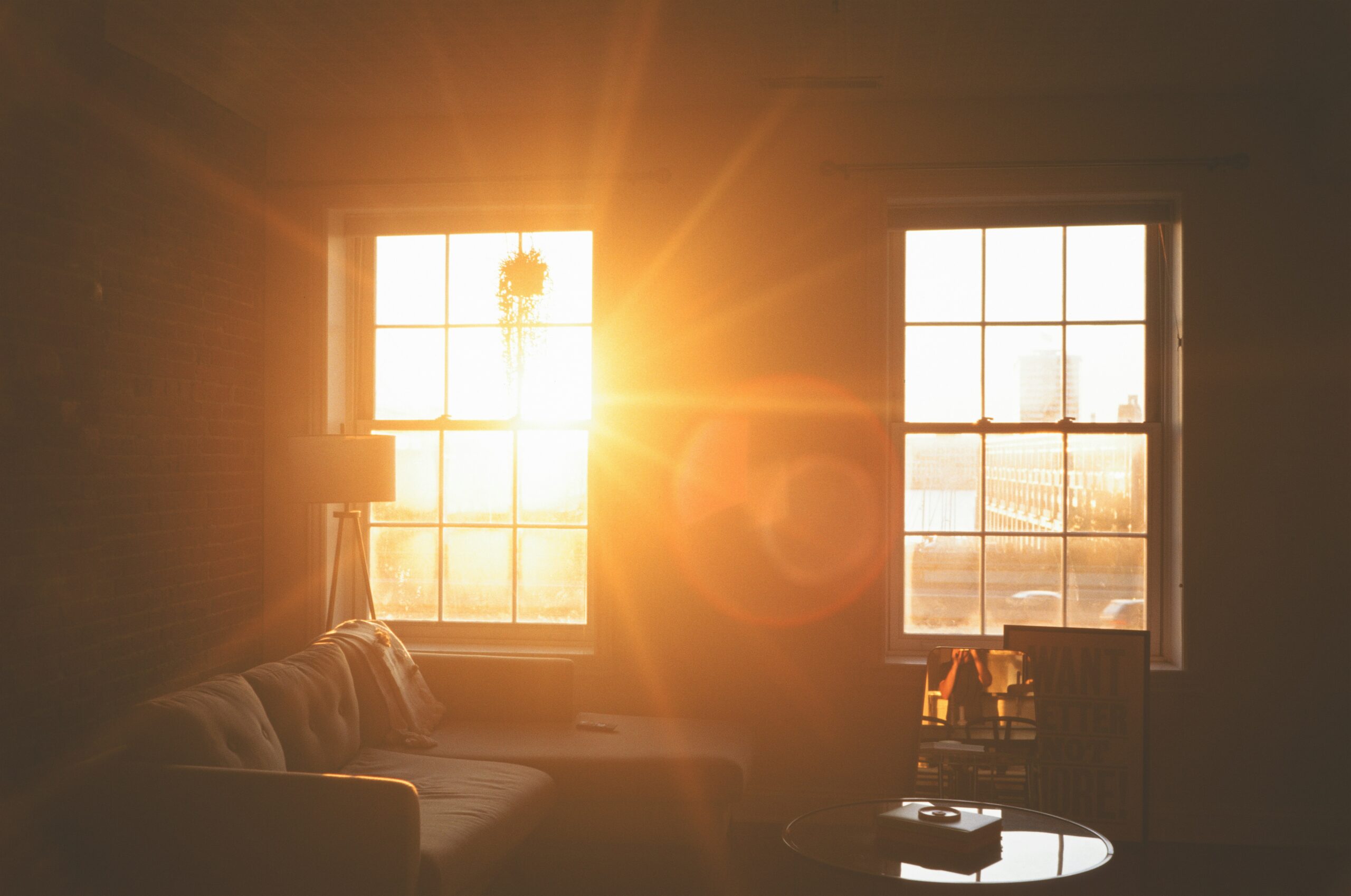
You spent good money on a large, beautiful TV. The picture quality is stunning—at night. But during the day, sunlight streaming through your windows makes the screen nearly unwatchable. You see more reflection than content. Colors wash out. Details disappear. The expensive display you purchased might as well be turned off.
This frustration is universal in homes with windows near entertainment areas. The same natural light that makes your living room pleasant also creates TV glare, rendering it useless during daylight hours.
Understanding why this happens and why common solutions don’t work requires knowing how modern TV screens interact with light.
Why Modern TVs Are Particularly Vulnerable
The Glossy Screen Problem:
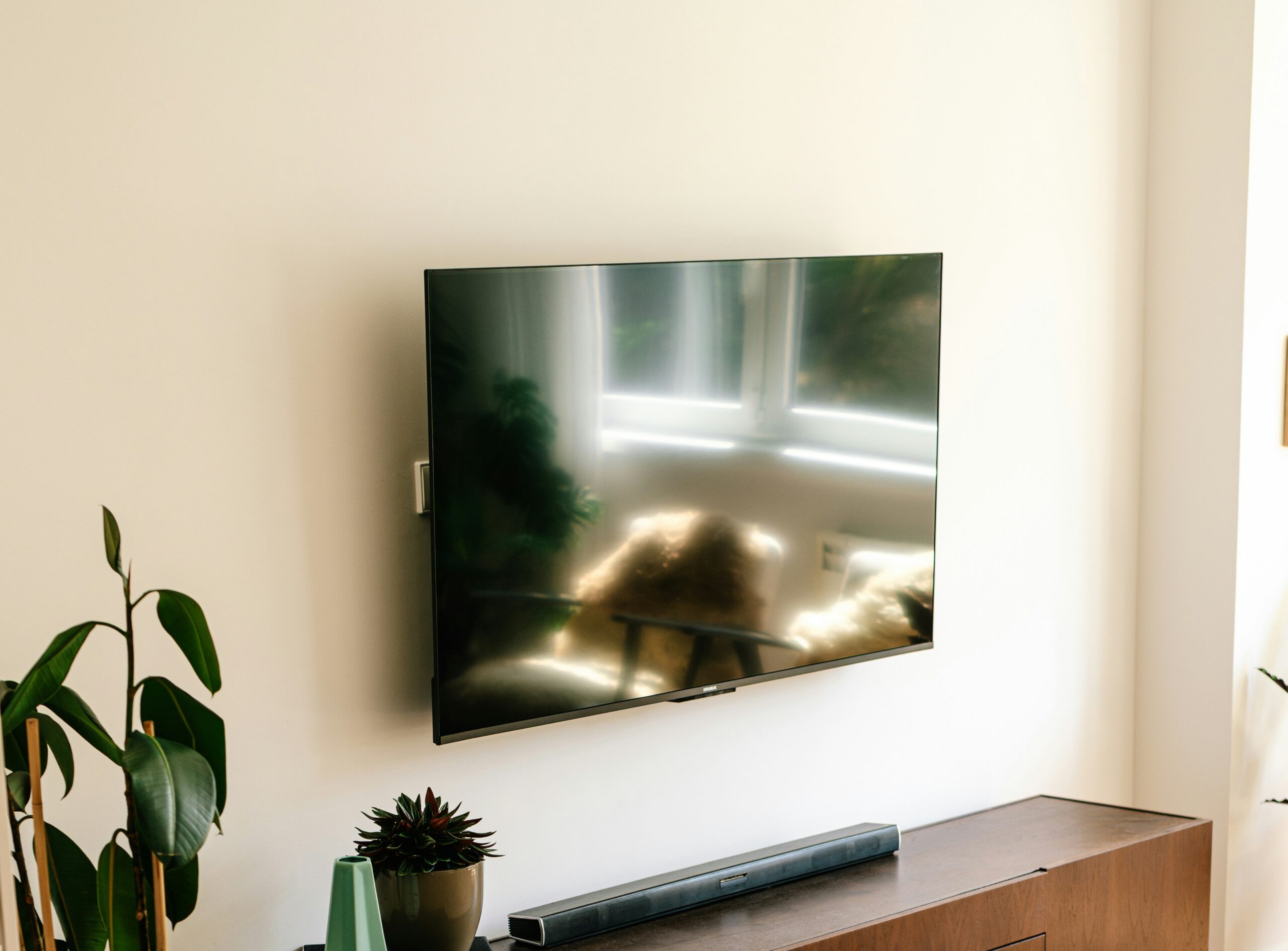
Today’s flat-panel TVs use glossy, reflective surfaces to enhance color saturation and image depth. When viewing content in ideal conditions, this produces stunning picture quality. But glossy screens also act as mirrors, reflecting whatever light sources face them.
Unlike older matte-screen TVs that diffused reflections, modern displays create sharp, clear reflections of windows, lamps, and other light sources. The brighter the ambient light, the more pronounced the reflection.
The Size Factor:
Contemporary TVs are massive compared to previous generations. A 65-75 inch screen presents a huge reflective surface- it’s essentially a mirror mounted on your wall. More surface area means more opportunity for light to bounce off and create visible reflections.
The Brightness Competition:
Screen glare occurs when ambient light reflecting off your display is brighter than the image the TV is trying to show. During daylight hours, sunlight streaming through windows easily outcompetes even the brightest TV backlight.
Research on visual comfort confirms that direct light reflecting off screens creates distracting reflections that impair viewing quality, causing eye strain and reducing image clarity.
The Window-TV Configuration Problem
Direct Sunlight Paths:
The worst glare occurs when sunlight has a direct path from window to screen to your viewing position. This creates three problematic scenarios:
Windows Behind the TV: Sunlight hits the screen surface directly, creating a bright glare layer over the entire display. Your TV essentially becomes a window showing the reflection of the room behind you.
Windows Behind Your Seating: Light travels over your shoulder and reflects off the TV screen back toward you. You see your window reflected in the display.
Windows to the Side: Angular sunlight strikes the screen and reflects toward viewing positions, creating hot spots and washed-out areas across part of the display.
Time-of-Day Challenges:
The sun’s position changes throughout the day and year. A TV placement that works fine in the morning might become unwatchable during the afternoon or evening as the sun’s angle shifts. East-facing windows create morning glare. West-facing windows cause afternoon and evening problems. South-facing windows deliver consistent all-day challenges.
The Reflection Multiplier:
It’s not just direct sunlight. Bright outdoor scenes reflecting off the TV create visibility problems. Clouds, trees, cars moving past windows… all of these reflect on glossy screens and compete with the image you’re trying to watch.
Why Common Solutions Don’t Work
Repositioning the TV: Modern room layouts often don’t allow this. Fixed architecture, multiple windows, furniture constraints, and wiring limitations restrict placement. Even when possible, repositioning often sacrifices optimal viewing angles or room flow.
Closing Curtains: Blocks glare but creates darkness that requires artificial lighting, reduces views, demands constant management, and makes homes look unoccupied. The cure becomes worse than the disease.
Adjusting TV Settings: Cranking up brightness helps marginally but doesn’t eliminate reflections. It also reduces display lifespan, distorts colors, wastes energy, and causes eye strain from overly bright screens.
Anti-Glare Screen Protectors: These diffuse reflections but reduce sharpness, mute colors, create installation challenges, and make expensive displays look cheaper. You traded glare for degraded picture quality.
The Root Cause: Uncontrolled Window Light
What’s Actually Happening:
TV glare isn’t a TV problem; it’s a lighting problem. The issue is sunlight entering through windows with enough intensity to reflect off your screen, making it brighter than the image the display produces.
Modern homes maximize natural light with large windows. This creates bright, pleasant spaces, but also introduces intense light that causes reflections on every glossy surface (including TV screens).
The Physics:
Light travels in straight lines. When bright sunlight enters through a window, it bounces off reflective surfaces in the room. Your TV’s glossy screen reflects this light directly back toward viewers, creating the glare layer that washes out the image beneath.
The fundamental issue: Too much uncontrolled light entering through windows during hours when you want to watch TV.
The Source Control Approach
Prevention vs. Compensation:
Traditional solutions try to compensate for glare after light has already entered the room- adjusting the TV, blocking views, or accepting degraded image quality. A more effective approach controls the light at its point of entry: the windows themselves.
Window Light Management:
Research on glare reduction confirms that controlling light before it enters living spaces provides more effective solutions than attempting to manage it after entry. Window treatments that reduce harsh sunlight while maintaining natural light create viewing-friendly environments without sacrificing brightness or views.
The Selectivity Principle:
The goal isn’t to block all light- that’s what curtains do. The goal is to reduce harsh, direct sunlight that causes reflections while preserving the natural brightness that makes rooms pleasant during the day.
Modern window treatment technology can be selective: cutting glare-causing intense light while maintaining overall room brightness and clear views outside.
What Actually Works
Effective solutions reduce direct sunlight intensity before it enters the room, maintain natural light so rooms stay pleasant, preserve clear views outside, and work consistently regardless of sun angle or time of day; no constant adjustment needed. Some homeowners also choose smart window film to reduce glare while adding on-demand privacy.
Benefits Beyond TV: The same excessive sunlight that reflects off screens also creates hot spots near windows, causes eye strain for reading or computer use, fades furniture and floors through UV exposure, and forces HVAC systems to work harder. Addressing window light provides multiple benefits beyond watchable TV screens.
Assessing Your Glare Situation
Identify patterns: Note when glare is worst (morning, afternoon, evening) to determine which windows cause problems. Consider room usage. If you primarily watch evenings, daytime glare may be less critical.
Test changes: Try different seating positions, note better times of day, experiment with partial window coverings, and evaluate whether TV repositioning is feasible.
This assessment clarifies whether you need comprehensive solutions or if simple adjustments might suffice.
The Bottom Line
If you can’t watch your TV during the day without fighting glare, and your room has windows near the screen, you’re experiencing the predictable result of modern glossy displays in naturally-lit spaces.
This isn’t solved by cranking up brightness, tolerating degraded image quality, or living in a cave with closed curtains. The TV you purchased for its stunning picture quality should be watchable whenever you want to use it.
The solution requires addressing what’s actually happening: controlling the harsh, direct sunlight entering through windows (the light source creating the reflections) while maintaining the natural brightness and views that make your living space pleasant.
Your expensive TV shouldn’t be unusable half the day. Natural light and good viewing experiences aren’t mutually exclusive.
Control Window Glare Without Blocking Views
CoolVu specializes in residential glare control solutions that reduce harsh window light while maintaining natural brightness and clear views. We understand the balance between natural light and viewing comfort.
Free Residential Assessment Includes:
- Window-TV glare pattern analysis
- Sun angle and timing evaluation
- Light control options and specifications
- Before/after viewing experience projections
Find your local CoolVu installer: www.coolvu.com
Your TV should work during the day—not just at night.