

You’ve noticed the pattern. Your bedroom is always warmer than the rest of the house. Or maybe it’s the home office that feels like a sauna while the living room stays comfortable. The thermostat reads a reasonable temperature, but one specific room consistently feels 10-15 degrees hotter.
You adjust the thermostat down. The hot room barely improves, but now the rest of your house feels too cold. You close vents in cooler rooms to redirect airflow. Still hot. You run the AC constantly. Your energy bill climbs, but the problem room stays uncomfortably warm.
This frustrating temperature inconsistency is one of the most common complaints homeowners experience. Understanding why it happens, and why simply turning down the thermostat doesn’t fix it, requires knowing something about how buildings gain and lose heat unevenly.
The Solar Heat Gain Factor
Window orientation creates hot spots. The single biggest cause of dramatically hotter rooms is solar heat gain through windows. Not all rooms receive equal sun exposure.
South-Facing Rooms: Receive consistent, direct sun throughout the day, especially during summer when the sun’s arc is higher. These spaces accumulate heat continuously.
West-Facing Rooms: Experience intense afternoon sun (2-6 PM) when outdoor temperatures are already at their daily peak. The combination of hot outdoor air and direct solar radiation creates the most severe temperature spikes.
East-Facing Rooms: Get morning sun but typically cool down by afternoon as the sun moves. Less problematic than west-facing exposure.
North-Facing Rooms: Receive minimal direct sunlight, staying naturally cooler year-round.
Research on uneven home temperatures consistently identifies solar heat gain through windows as a primary culprit, with south and west-facing rooms heating up fastest, especially during afternoon hours.
How Much Heat Are We Talking About?
Standard glass allows approximately 70-75% of solar radiation to pass through. A typical bedroom window receiving direct afternoon sun can admit 500-800 watts of thermal energy—equivalent to running a space heater continuously in that room. Your HVAC system then must work to remove this constantly-entering heat.
Why Your HVAC System Can’t Compensate
The Thermostat Location Problem
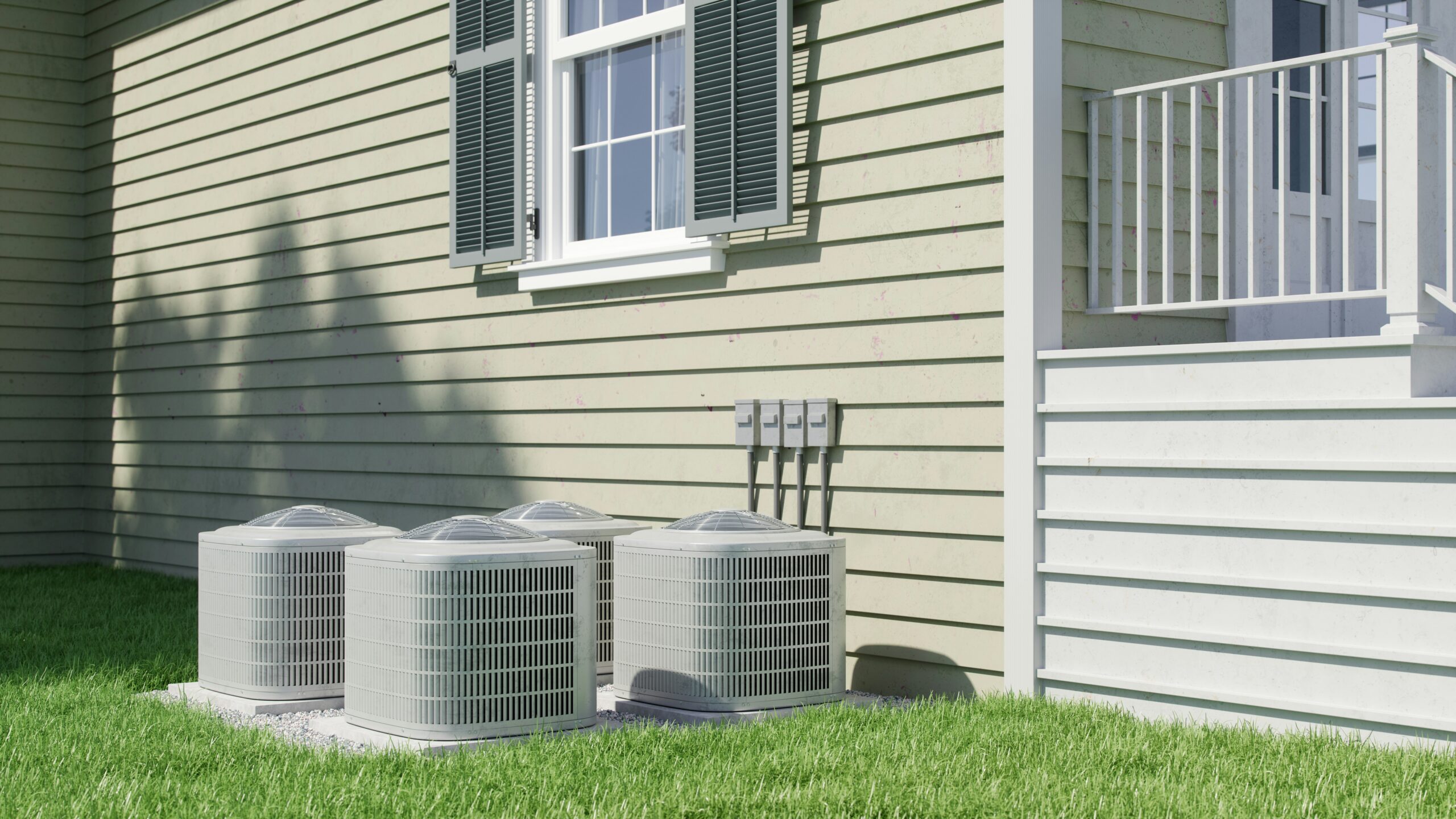
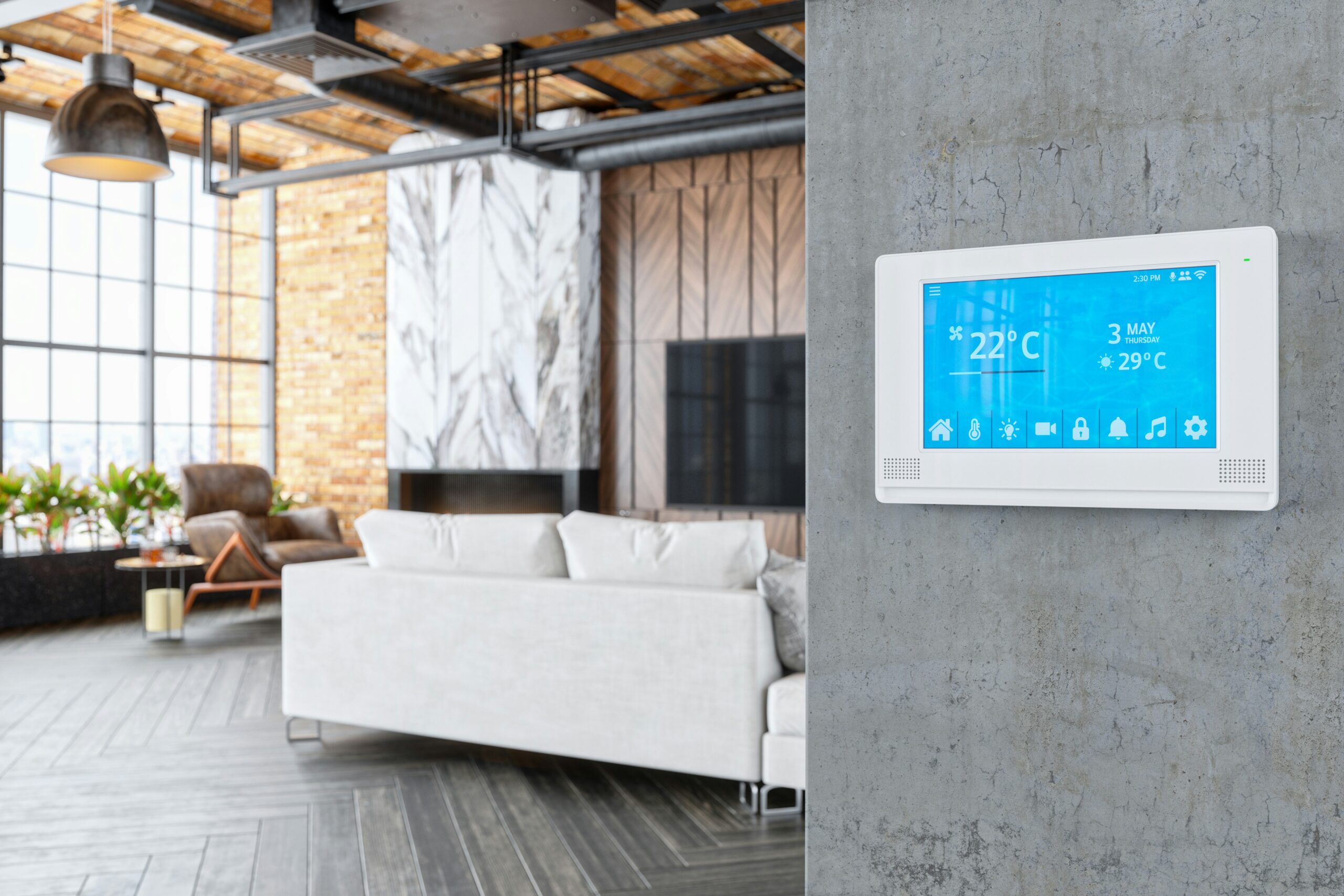
Your central air conditioning system operates based on temperature readings from one location: the thermostat. It cools until that specific spot reaches the set temperature, then stops.
If your thermostat is mounted in a hallway or living room that stays naturally cooler, the system shuts off before adequately cooling sun-exposed rooms. Those spaces never reach comfortable temperatures because the HVAC thinks the job is complete.
Sized for Average Load
HVAC systems are designed to handle the home’s overall cooling load under typical conditions. They’re not sized to overcome extreme localized heat gain in individual rooms. A bedroom with massive afternoon solar heat gain creates a cooling demand that exceeds the capacity allocated to that zone.
Airflow Distribution
Central air systems distribute cooled air through ductwork designed for balanced airflow across all rooms. But if one room requires significantly more cooling than others due to solar gain, the standard duct sizing and airflow may be insufficient—even if vents are fully open.
Research confirms that rooms with extensive windows often overheat due to solar heat becoming trapped inside, increasing both discomfort and energy bills as systems struggle to compensate.
The Compounding Factors
Beyond solar gain, other issues worsen temperature imbalances.
Poor Insulation: Older homes allow heat transfer through the building envelope, compounding window solar gain.
Second Floor Physics: Heat rises. Upper floors accumulate warmth from below plus their own window solar gain—making second-floor south/west bedrooms the hottest rooms.
Electronics: Home offices with computers and monitors generate considerable additional heat.
Ductwork Issues: Leaky or poorly designed ducts deliver reduced airflow to specific rooms.
Why “Obvious” Solutions Don’t Work
Closing Vents: Increases system pressure, potentially causing duct leaks and reduced efficiency. The hot room rarely improves.
Lowering Thermostat: Overcools rooms near thermostat while hot room still doesn’t reach set temperature. Wastes energy.
Adding Fans: Circulate air but don’t remove heat. Room stays objectively hot despite air movement sensation.
Curtains/Blinds: Blocks heat but eliminates natural light, requires constant management, makes rooms feel dark.

The Root Cause: Uncontrolled Solar Radiation
What’s Really Happening
Temperature inconsistencies between rooms usually aren’t due to HVAC, insulation, or ductwork problems, though these can compound the issue. The primary cause is localized heat gain in specific rooms, most often from solar radiation passing through windows.
Your HVAC system was sized assuming relatively even heat distribution throughout the home. But when one room receives intense afternoon sun, that assumption breaks down. The system cannot overcome the continuous solar heat injection occurring in that space.
The Physics
Solar radiation entering through glass heats surfaces in the room—floors, furniture, walls. These surfaces then radiate heat to the surrounding air. Meanwhile, outdoor hot air conducts through walls and windows. The cooling system fights to remove heat while the sun continuously adds more.
This creates a losing battle: cooling capacity versus solar heat gain. The room with significant window exposure always runs warmer because heat enters faster than the system removes it.
The Prevention Approach
Addressing Heat at Its Entry
Traditional approaches try to compensate after heat has entered—running AC longer, increasing airflow, accepting discomfort. A more effective strategy prevents heat entry at the source: the windows.
Research on temperature imbalances confirms that controlling solar heat gain through window treatments significantly reduces internal temperatures, creating more balanced cooling throughout homes.
Selective Control
The goal isn’t blocking all light- that’s what heavy curtains do. The goal is to reduce the intense, heat-producing solar radiation while maintaining natural brightness that makes rooms pleasant during the day.
Modern window solutions can be selective: blocking infrared heat radiation while allowing visible light through. This addresses the root cause of temperature inconsistency without sacrificing natural light or requiring constant management.
Beyond HVAC: Multiple Benefits
Controlling solar heat gain provides benefits beyond temperature balance: reduced energy consumption and costs, improved comfort throughout home, extended HVAC equipment lifespan, and better sleep quality in bedrooms that stay consistently cool.
Diagnosing Your Specific Situation
Identify the Pattern
Track when the room is hottest (time of day), which direction windows face, how much glass area exists, and whether the problem is consistent year-round or seasonal.
Note Temperature Differences
Use a thermometer to measure actual temperature differences between rooms during peak heat times. Knowing whether you’re dealing with 5-degree, 10-degree, or 15-degree differences helps assess severity.
Consider Contributing Factors
Is the hot room on a second floor? Does it have multiple or large windows? Is it west or south-facing? Does it contain heat-generating electronics? Understanding all factors helps determine appropriate solutions.
The Bottom Line
If one room in your house consistently feels significantly hotter than others, and it has windows facing south or west, you’re experiencing the predictable result of solar heat gain overwhelming that room’s cooling capacity.
This isn’t fixed by running AC constantly, closing vents, or accepting discomfort. Your HVAC system can’t overcome continuous heat injection from uncontrolled solar radiation.
The solution requires addressing what’s actually happening: preventing excessive solar heat from entering through windows—the heat source creating the imbalance—while maintaining natural light that makes rooms livable during the day.
Temperature consistency throughout your home shouldn’t require ice-cold thermostats, sky-high energy bills, or living with closed curtains. Effective solutions address the root cause, not the symptoms.
Balance Your Home’s Temperature
CoolVu specializes in residential solar heat control for rooms experiencing excessive temperature gain. We understand thermal dynamics and design solutions that address localized heat sources while maintaining natural light.
Free Home Assessment Includes:
- Room-by-room temperature pattern analysis
- Window orientation and solar exposure evaluation
- Heat gain calculations
- Solution recommendations for balanced comfort
Find your local CoolVu installer: www.coolvu.com
Every room in your home should be comfortable—not just the ones away from windows.