- Is Window Glare Sabotaging Your Workplace?
- The Hidden Costs of Glare in the Workplace
- Common ‘Fixes’ for Window Glare and Why They Fall Short
- The Science of Window Film: How It Reduces Eye Strain
- Beyond Eye Strain: The Full Spectrum of Window Film Benefits
- Choosing the Right Anti-Glare Film for Your Business
- The CoolVu Advantage: Professional Installation for Lasting Results
- Conclusion: A Clearer Vision for Your Business’s Future
- Frequently Asked Questions
Is Window Glare Sabotaging Your Workplace?
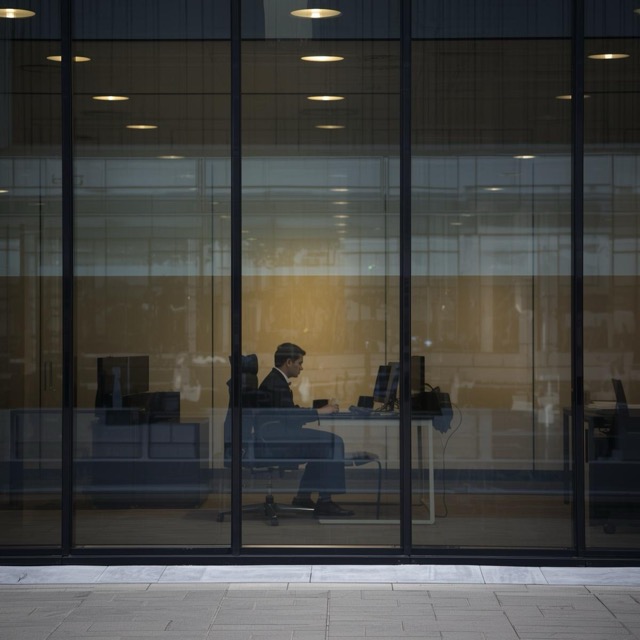

You invested in an office with large, beautiful windows, envisioning a bright, energetic space that would inspire your team. Yet, you find yourself fielding complaints about headaches, fielding requests to move desks, and watching as blinds are drawn, plunging your expensive real estate into artificial gloom. This is a common and frustrating scenario for business owners. The very feature you thought was an asset has become a source of daily friction, but the problem is more than just an annoyance. It’s a scientifically recognized issue impacting your team’s health and your company’s bottom line.
Understanding the Link Between Bright Windows and Employee Complaints
If you’re noticing an uptick in complaints about eye fatigue, dryness, or headaches, particularly in the afternoon, look to your windows. The human eye is remarkable, but it struggles when faced with extreme differences in brightness, a condition known as high visual contrast. An employee trying to focus on a digital screen while a blast of intense, uncontrolled sunlight streams in from their periphery is forcing their eyes into a constant, unwinnable battle.
Their pupils are trying to contract to manage the bright window light, while simultaneously trying to dilate to see the relatively dim screen clearly. This constant adjustment strains the delicate muscles in and around the eye. The result is not just a feeling of discomfort, but a cascade of physical symptoms that directly lead to employee complaints.
The Science of Digital Eye Strain and Computer Vision Syndrome
This phenomenon is so widespread it has a clinical name: Computer Vision Syndrome (CVS), or more broadly, Digital Eye Strain. According to the American Optometric Association, it is a collection of eye and vision-related problems that result from prolonged computer, tablet, and cell phone use. Key symptoms include:
- Eyestrain and fatigue
- Headaches
- Blurred vision
- Dry eyes
- Neck and shoulder pain
The characters on a digital screen are made of pixels, which lack the clearly defined edges of printed text. This makes it harder for our eyes to maintain focus. When you add window glare into this equation, it acts as “visual noise.” Glare reflects off the screen, washing out the already-blurry pixels and forcing the eye’s focusing system to work even harder to find a sharp edge. This excessive muscular effort is the primary driver of CVS and the physical complaints that follow.
Why Natural Light Becomes a Problem, Not a Perk
Natural light is overwhelmingly positive for workplace well-being, boosting mood and regulating circadian rhythms. So why is it causing problems? The issue is never the presence of natural light, but the lack of control over it. A window becomes a problem when it delivers light in a way that is too intense, too direct, or too variable.
Throughout the day, the sun’s position changes, altering the angle and intensity of light entering the office. This turns a desirable perk into an unpredictable variable that your employees must constantly adapt to. The core issue is the extreme contrast ratio between the bright light from the window (which can exceed 10,000 lux) and the comfortable brightness for a computer screen (around 200-300 lux). When the eye is forced to process both simultaneously, the “perk” becomes a physiological “problem.”
The Hidden Costs of Glare in the Workplace
While employee comfort is a valid concern on its own, the consequences of unchecked window glare extend directly to your company’s financial health. The minor, persistent discomfort your team feels translates into measurable drains on productivity, morale, and ultimately, revenue. Understanding these hidden costs is the first step toward justifying a strategic solution.
Measuring the Impact on Employee Productivity and Focus
Discomfort is a distraction. Every time an employee squints to see their screen, rubs their tired eyes, gets up to adjust a blind, or simply pauses their work to recover from a moment of visual discomfort, their concentration is broken. These are not just minor inconveniences; they are micro-interruptions that shatter deep focus and prevent employees from achieving a state of flow.
Research consistently shows that environmental factors are critical to productivity. A study from Cornell University’s Department of Design and Environmental Analysis found that workers in environments with optimized natural light reported an 84% drop in symptoms like eye strain, headaches, and blurred vision. This suggests that the opposite, a poorly controlled light environment, is actively hindering your team’s ability to perform at their peak. A small but persistent reduction in an employee’s effective output can add up to hundreds of lost work hours per year across your organization.
How Glare Affects Team Morale and Workplace Comfort
The physical effects of glare are only part of the story. The struggle for visual comfort can quickly sour an office atmosphere. It often creates a divide between employees sitting near the windows, who bear the brunt of the glare, and those in the interior of the office. This can lead to resentment and daily negotiations over who has to suffer for the sake of a “bright” office.
Furthermore, the most common “solution,” closing the blinds, is a morale killer. It defeats the entire purpose of having windows, creating a dark, cavernous environment that can feel more like a bunker than a modern workplace. This gloomy atmosphere is demotivating and can contribute to a sense of being disconnected from the outside world, negatively impacting mood and overall job satisfaction.
The Financial Drain: Errors, Absenteeism, and Reduced Output
Ultimately, the persistent issues of glare-induced discomfort manifest on your profit and loss statement. This financial drain can be broken down into three key areas:
- Increased Error Rates: Visually fatigued employees make more mistakes. For roles that require attention to detail, such as accounting, data entry, or quality control, a simple transposition of numbers or an overlooked detail can lead to costly rework, client dissatisfaction, and direct financial loss.
- Health-Related Absenteeism: Chronic headaches, migraines, and severe eye strain are legitimate health issues. Employees suffering from these symptoms are more likely to use sick days to recover. This absenteeism represents a direct cost in lost labor and potential project delays.
- Reduced Overall Output: The highest cost is often “presenteeism”—employees who are physically at work but operating at a reduced capacity. If glare and eye strain reduce an employee’s efficiency by just 10%, it’s the equivalent of losing over 20 workdays per year for that single employee. Multiplied across a team, this invisible drain on output represents a substantial hidden expense.
Common ‘Fixes’ for Window Glare and Why They Fall Short
When employees report headaches and difficulty focusing due to window glare, the immediate impulse is to find a quick fix. Business owners are resourceful problem-solvers, and several common tactics are often deployed. However, these solutions typically trade one problem for another, failing to address the root cause while introducing new costs and compromises to the work environment.
The Problem with Blinds and Shades: Creating a Cave-Like Office
The most intuitive solution to excessive sunlight is to block it. Blinds and shades are a default choice for this reason. When glare becomes unbearable, the slats are angled, or the shade is drawn, and the immediate problem is solved. The relief, however, comes at a high cost.
Plunging an office into darkness sacrifices one of the most valuable assets for employee well-being and productivity: natural light. Numerous studies, including one from the Cornell University Department of Design and Environmental Analysis, have shown that workers in daylighted office environments report an 84% drop in symptoms of eye strain, headaches, and blurred vision. By closing the blinds, you eliminate glare but also eliminate the energizing, mood-boosting benefits of daylight. This creates a dim, cave-like atmosphere that can decrease alertness and morale, forcing a reliance on harsh artificial lighting, which can contribute to eye fatigue on its own. It’s an all-or-nothing approach that forces a daily choice between glare and gloom.
Do Anti-Glare Screen Filters Really Work?
Another common tactic is to address the symptom at its endpoint: the computer screen. Anti-glare screen filters are plastic or glass panels that affix directly to a monitor to diffuse reflections. In a targeted way, they can be effective at reducing the direct glare visible on an employee’s screen.
Yet, this is a band-aid, not a cure. While the screen itself may be less reflective, the employee’s eyes are still contending with the overwhelming brightness flooding the room. Their pupils are forced to constantly adjust between the dimmer screen and the intensely bright window in their peripheral vision, a primary cause of eye fatigue. Furthermore, these filters can sometimes degrade screen clarity or color accuracy, prompting users to increase screen brightness, which can negate the intended benefit. It’s an individual, often costly, solution that does nothing to improve the overall comfort and quality of the workspace for everyone.
Rearranging the Office: A Temporary and Impractical Solution
A seemingly free solution is to simply move people and furniture. The logic is sound: if a desk is in a sunbeam, move the desk. In practice, this is a logistical nightmare. Most office layouts are designed to optimize workflow, team collaboration, and space. Forcing a layout to conform to the sun’s path is fundamentally inefficient.
This strategy also ignores a simple astronomical fact: the sun moves. A workspace that is comfortable in the morning can become an unusable “hot spot” by the afternoon. What begins as a one-time rearrangement devolves into a constant, disruptive shuffle as seasons change and sun angles shift. This approach puts the transient patterns of the sun in charge of your office’s operational design, a compromise that is neither sustainable nor productive.
The Science of Window Film: How It Reduces Eye Strain
While the fixes above are temporary reactions, a truly effective solution must be proactive and address the problem at its source. This is where the science of modern window film provides a strategic advantage. Instead of blocking light indiscriminately or patching a symptom, advanced window films are engineered to precisely filter the light that passes through your windows. They are an architectural enhancement that resolves the conflict between enjoying natural light and suffering from its negative side effects.
How Spectrally Selective Films Filter Light, Not the View
At the heart of this technology are spectrally selective window films. These are not simply tinted pieces of plastic; they are highly sophisticated products featuring dozens of micro-layers designed to target specific wavelengths of the sun’s energy. The solar spectrum is composed of UV light (which causes fading), infrared light (which is felt as heat), and visible light (which allows us to see).
Spectrally selective films can differentiate between these. They are engineered to block a massive percentage of infrared and UV rays while allowing a high amount of natural, visible light to pass through. This achieves what blinds and shades cannot:
- It dramatically tames glare and heat.
- It allows for the transmission of pleasant, useful daylight.
- It preserves the clarity and color of your view to the outside.
The result is a room that feels bright and open, but without the harshness that causes squinting and eye fatigue.
Blocking Harmful UV Rays to Protect Eyes and Assets
Beyond controlling visible light and heat, professional window films provide a critical layer of protection by blocking up to 99.9% of harmful ultraviolet (UV) radiation. This has a direct benefit for employee health, as cumulative exposure to UV rays is a known contributor to long-term eye damage.
This UV protection also serves as a powerful tool for asset preservation. The same UV radiation that harms our eyes is the primary driver of fading and degradation in office interiors. Your furniture, carpets, wood flooring, and artwork are all susceptible to irreversible sun damage. By installing UV-blocking window film, you are not only investing in your team’s well-being but also safeguarding the significant financial investment you’ve made in your office’s interior furnishings.
Taming Glare: The Technology Behind Visual Comfort
Glare is, in essence, an issue of contrast. It occurs when a source of light is excessively brighter than the surrounding environment, forcing the iris to constrict and muscles in the eye to work overtime. This constant, stressful adjustment is what leads to visual discomfort and strain.
Modern window films are designed to manage this contrast. They reduce the sheer intensity of the light entering the window, diffusing it to create a softer, more uniform illumination across the workspace. Think of it as replacing a bare, glaring lightbulb with a high-quality frosted one. The amount of light filling the room remains plentiful, but the painful, distracting bright spot is gone. This controlled light creates an environment of “visual comfort,” where eyes can remain relaxed, allowing employees to focus on their work without a physical battle against their environment.
Beyond Eye Strain: The Full Spectrum of Window Film Benefits

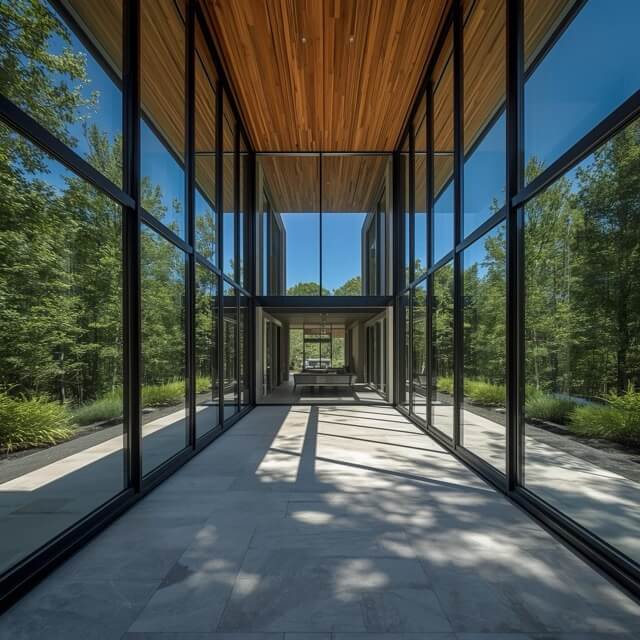
While resolving glare and protecting your team’s vision is a significant victory for productivity, the return on investment for professional window film extends far beyond that single issue. It’s a strategic upgrade that addresses multiple operational pain points simultaneously, turning your windows from a liability into a high-performing asset.
Reducing Solar Heat Gain for Lower Energy Bills
Uncontrolled sunlight doesn’t just create glare; it floods your office with solar heat. This forces your HVAC system to work overtime, especially in rooms with large, sun-facing windows. The result is not only inconsistent and uncomfortable temperatures for your employees but also a significant and preventable inflation of your monthly energy bills.
Modern window films are engineered to be spectrally selective. This means they can intelligently block a massive portion of the sun’s heat-producing infrared light while allowing a high percentage of natural visible light to pass through. By rejecting up to 79% of solar heat, these films stabilize indoor temperatures, reduce the load on your cooling systems, and deliver tangible savings on energy costs year after year.
Protecting Your Interior Furnishings from Fading
The same UV radiation that is harmful to our skin is also the primary culprit behind the fading of your office interiors. Over time, sunlight streaming through untreated windows will bleach and degrade expensive assets like carpets, wood desks, upholstered chairs, and valuable artwork. This slow degradation makes your workspace look worn and dated, eventually necessitating costly replacements.
High-quality commercial window films act as a powerful shield, blocking over 99% of harmful ultraviolet (UV) rays. By installing window film, you are effectively preserving the capital you have already invested in your office’s furniture and decor. It’s a proactive measure that extends the life of your assets and maintains the professional, polished appearance of your business environment.
Enhancing Building Aesthetics and Privacy
From the outside, a collection of half-drawn blinds, shades, and personal “solutions” can create a chaotic and unprofessional appearance. Professionally installed window film, however, provides a sleek, uniform look that enhances your building’s exterior aesthetic.
Furthermore, window films offer a range of privacy options without sacrificing light. Frosted films can be used in conference rooms or ground-floor offices to obscure views while still bathing the space in soft, diffused light. For other applications, subtle tints can add a modern, sophisticated look. This allows you to create designated private spaces and a cohesive design language throughout your property, moving beyond the binary choice of either full exposure or a dark, closed-off room.
Choosing the Right Anti-Glare Film for Your Business
With the benefits clearly established, the next step is selecting the right film. This is not a one-size-fits-all decision. The effectiveness of the solution depends entirely on matching the film’s technical specifications to the unique challenges of your building and the needs of your team.
Understanding Key Metrics: Visible Light Transmission (VLT) and Glare Reduction
When comparing window films, you will encounter a few key performance metrics. Understanding them is crucial for making an informed decision.
- Visible Light Transmission (VLT): This is the percentage of visible light that passes through the filmed window. A lower VLT number means less light comes in, which is effective for extreme glare but can darken a room significantly. A higher VLT preserves more natural light. The goal is to find the sweet spot that cuts glare without making your space feel like a cave.
- Glare Reduction: This metric, expressed as a percentage, directly tells you how much the film will cut down on blinding glare. A higher percentage indicates more effective glare control, which is the primary goal for reducing digital eye strain.
Finding the ideal balance between these two metrics is the key to solving the eye strain problem while maintaining a bright, positive work environment.
Matching the Film to Your Building’s Specific Needs
The optimal window film for a north-facing lobby will be very different from what’s needed for a west-facing wall of offices where employees work on computers all afternoon. To choose effectively, you must consider several factors:
- Window Orientation: Which direction do your problem windows face? East and west-facing windows experience the most intense, direct glare in the morning and afternoon, respectively.
- Space Function: The needs of a computer-intensive workspace are different from those of a breakroom, a retail floor, or a waiting area.
- Exterior Aesthetics: Do you need to maintain a specific look to comply with building regulations or your own brand standards?
- Glass Type: The type of glass in your windows (single-pane, dual-pane, treated) can influence which films are safe and appropriate to install.
Why a Professional Consultation is Critical for Optimal Results
Attempting to select a film based on product sheets alone can lead to a costly misstep. You might choose a film that is too dark, that doesn’t adequately cut glare, or that isn’t compatible with your window glass, potentially even causing thermal stress damage.
A professional consultation is the most important step in the entire process. An experienced consultant will visit your site to:
- Analyze the specific sources and angles of glare.
- Measure light and heat levels.
- Assess your building’s orientation and window types.
- Discuss your goals for aesthetics, privacy, and energy savings.
This hands-on analysis ensures you get a solution perfectly tailored to your needs. A professional not only recommends the right product but also guarantees a flawless installation, maximizing your return on investment and permanently solving your glare problem the first time.
The CoolVu Advantage: Professional Installation for Lasting Results
Understanding that advanced window film is the right solution is the first step. Ensuring it is applied correctly is what guarantees its long-term performance and value. While a do-it-yourself approach may seem like a way to cut costs, it often leads to subpar results that undermine the very benefits you seek to gain.
The Difference Between DIY and Professional Application
The allure of a quick fix with off-the-shelf film kits is understandable, but the reality rarely matches the expectation. DIY films are prone to bubbling, peeling at the edges, and collecting dust and debris underneath, creating a distracting and unprofessional appearance. These issues not only negate the aesthetic benefits but can also compromise the film’s glare-reducing properties.
Professional installation is a craft. Certified technicians use specialized tools, proprietary application techniques, and an exacting process to ensure the film bonds perfectly to the glass at a microscopic level. This results in a flawless, optically clear finish that is virtually invisible. A professional application is the difference between a temporary patch and a permanent, architectural upgrade to your building.
Our Process: From Consultation to Flawless Installation
We understand that any project in your commercial space needs to be efficient, predictable, and minimally disruptive. Our entire process is designed around this principle, providing a seamless experience from your first inquiry to the final inspection.
- Initial Consultation: We begin by listening. A CoolVu expert will visit your space to understand your specific challenges, from the angle of the sun to the layout of your workstations. We assess your windows and discuss your goals for comfort, productivity, and energy efficiency.
- Customized Recommendation: Based on the consultation, we recommend the specific anti-glare film that best suits your needs and budget. We provide clear data on performance and transparent pricing so you can make an informed decision.
- Precision Scheduling and Preparation: We work with you to schedule the installation at a time that causes the least disruption to your business operations, such as after hours or on weekends. Our team arrives fully prepared to protect surrounding surfaces and furniture.
- Expert Installation: Our certified installers meticulously clean and prepare each window pane before applying the film. They use a proprietary method to ensure a perfect, bubble-free application that will last for years.
- Final Quality Check: After the installation is complete, we conduct a thorough walkthrough and quality inspection to ensure every window meets our high standards and your complete satisfaction.
A Proven Track Record in Commercial Buildings
CoolVu has extensive experience working with business owners and property managers across a wide range of industries. From high-rise corporate offices and street-level retail storefronts to healthcare facilities and restaurants, we have addressed nearly every type of glare and solar heat challenge.
This experience means we not only know how to install window film, but we also understand the unique operational and environmental demands of a commercial setting. We appreciate the importance of maintaining a professional appearance, ensuring employee comfort, and delivering a clear return on your investment.
Conclusion: A Clearer Vision for Your Business’s Future
Choosing how to manage your workspace environment is a significant decision. It directly impacts your team’s health, your operational efficiency, and your company’s bottom line. By now, it should be clear that not all solutions to window glare are created equal.
Recapping the True Cost of Unmanaged Window Glare
Ignoring persistent window glare is not a neutral choice. It is a decision that carries hidden but substantial costs. The daily struggle with screen reflections and intense brightness leads to documented drops in productivity, an increase in data entry errors, and a rise in employee complaints of headaches and fatigue. Over time, this chronic discomfort can contribute to lower morale and higher employee turnover, which are expenses no business can afford.
The Superior ROI of a Permanent, Professional Solution
Temporary measures like closing the blinds may seem free, but they trade natural light for a dark, cave-like atmosphere that hinders collaboration and energy. Constantly adjusting personal workspaces is a recurring productivity drain.
In contrast, professional anti-glare window film is a one-time investment that delivers continuous returns. It permanently solves the glare problem without sacrificing the view or the uplifting benefits of natural daylight. The resulting boost in employee focus, accuracy, and well-being translates directly into improved output and a healthier company culture. This makes it one of the most effective capital improvements you can make for your people and your profits.
Taking the Next Step Toward a More Productive Workplace
You have identified the problem and explored the solutions. Now is the time to take action and provide your team with a workspace that is comfortable, productive, and designed for success. A brighter, more focused future for your business is just a conversation away.
Contact CoolVu today to schedule a no-obligation consultation. A local expert can provide a personalized assessment of your space and demonstrate how our advanced window films can create a clearer vision for your business.
Frequently Asked Questions
Frequently Asked Questions
Can’t I just use a desk lamp or change my monitor settings to stop the glare?
While adjusting brightness helps, it doesn’t solve the “contrast” problem. If the window behind or beside your monitor is significantly brighter than the screen, your pupils will constantly fluctuate between the two light levels. This “pupillary hyperactivity” is the primary cause of eye fatigue, which window film eliminates by normalizing the light levels.
Does anti-glare film make the office feel like it’s sunset all day?
Not at all. Modern spectrally selective films are designed to be “high-transmission.” They filter out the specific wavelengths that cause blinding glare and heat while allowing plenty of natural, visible light to pass through. Your office stays bright and energetic, just without the painful “hot spots.”
Will this affect the colors on my professional design monitor?
High-quality architectural films are “color-neutral.” Unlike cheap DIY tints that can have a purple or blue hue, professional films maintain the natural color integrity of the light. This is crucial for creative offices, galleries, or any workplace where color accuracy is a priority.
How does window film compare to “computer glasses” or screen filters?
Blue-light glasses and screen filters are individual, reactive “band-aids.” They only protect one person or one device. Window film is a systemic, environmental solution that protects every person and every screen in the room simultaneously by treating the light at its source.
Is the film easy to clean if it gets fingerprints or dust?
Yes. Once cured, the film has a durable, scratch-resistant coating. You can clean your windows using a soft microfiber cloth and standard, ammonia-free glass cleaner. It requires no more maintenance than a standard window pane.