If your windows give neighbors, sidewalks, or direct sun too much access to your room, window film can be a quick upgrade without replacing the glass. The right film can add privacy, reduce glare, protect furniture, and create a more comfortable space while still letting in light.
Table of Contents
Looking for Privacy Film for Windows Near Me? Start Here
You are probably searching for “privacy film for windows near me” because curtains feel bulky, blinds block too much natural light, or a street-facing room needs more privacy without losing its open feel.
Window film is a thin covering applied directly to existing windows. It changes how sunlight, visibility, glare, and heat pass through glass. Depending on the product you choose, it can provide daytime privacy, UV blocking, heat reduction, decorative style, or total blocking for a bathroom, bedroom, office, or media room.
The best solution depends on the room, the view, the amount of sun, and whether you want a temporary static cling product or a longer-term adhesive film.
What Is Window Film and How Does It Work?
Window film is usually a thin polyester or vinyl layer applied to smooth glass. Most films use static cling or adhesive backing. Static systems rely on water and static to hold the film in place, while adhesive products bond more permanently.
Window films are applied using a liquid solution for positioning. This lets you slide the film into place before using tools to press out water and bubbles.
A film can change function in several ways:
- privacy window film blurs or blocks the view
- decorative window film adds pattern, color, or texture
- heat control window film helps manage sunlight and heat
- UV blocking window film filters harmful ultraviolet light
- reflective tint reduces glare and visibility from outside
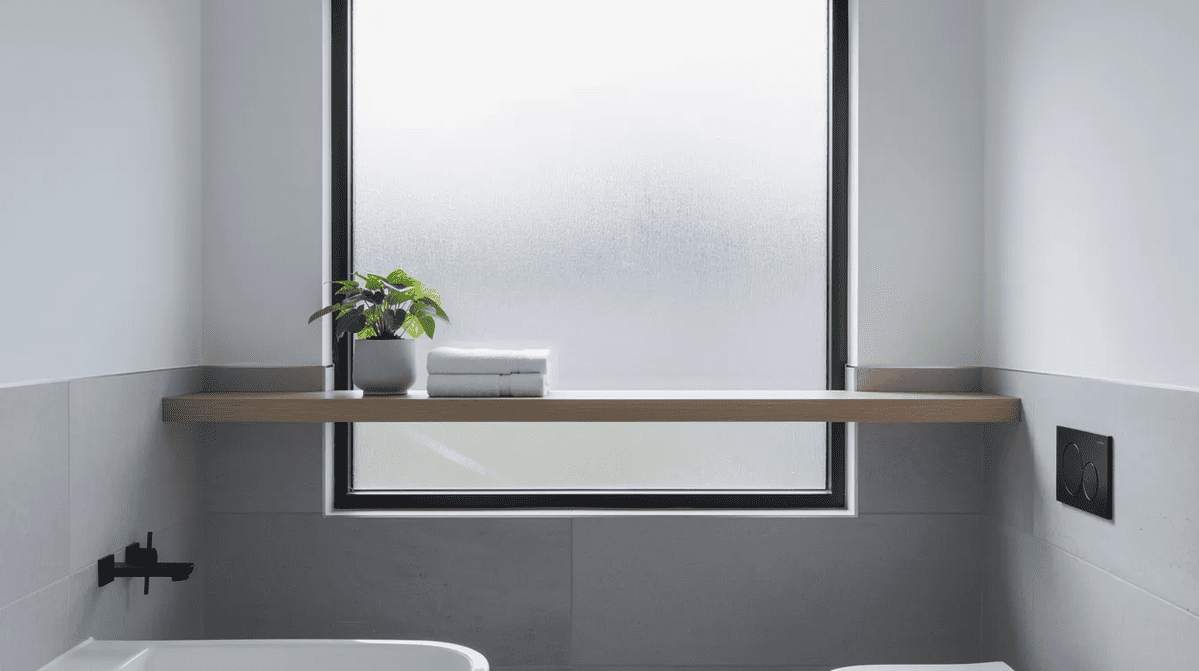
For example, frosted window film blurs details while allowing daylight in, making it useful for a privacy window in a bathroom. In street facing rooms, a darker or reflective film can reduce glare from the outside world while preserving some view.
Main Types of Window Film You Can Buy Near You
Before you shop, compare the main film categories so you can match the product to the project.
- Privacy window film: Frosted, patterned, and translucent films soften visibility. Light diffusion involves scattering light to blur shapes, so people may see shadows but not clear details. Frosted window film provides privacy while allowing natural light.
- One way window film: One way window film provides daytime privacy with a mirrored effect. It works best when the outside is brighter than the inside. This is common on living room windows exposed to direct sun.
- Decorative window film: Decorative window films enhance aesthetic appeal with various designs, including stained-glass looks, geometric layouts, linen textures, and subtle etched patterns. These films add style and moderate privacy.
- Blackout and room-darkening film: Blackout window film is ideal for media rooms and sleeping areas. Light absorption blocks sunlight completely, providing total privacy, but it also removes the view and can make the space feel darker.
- Static cling and adhesive styles: Static cling window film is removable and reusable for renters. Adhesive films are usually better when you want a longer-lasting finish on high-use glass.
How to Choose the Right Privacy Window Film for Each Room
Different rooms need different balances of privacy, light, heat control, and comfort.
- Bathroom: Choose frosted or patterned window privacy film. It should obscure silhouettes and details while letting daylight pass. For shower glass, select a product rated for smooth glass and moisture exposure.
- Bedrooms: If you want soft morning light, select frosted or tinted films. If you work nights or need deep sleep, blackout film may be the better match.
- Living room and street-facing windows: One way window film can improve daytime privacy and reduce glare. Add UV blocking to protect furniture, cabinets, flooring, and artwork from fading.
- Home offices: In 2025 and beyond, more renovations focus on calm home offices with glare control. A medium tint can make televisions and monitors easier to see without cutting off the outside view.
- Entry doors and sidelights: Decorative film can create an upgraded sign of style at the front of the home while limiting visibility into the entry.
A quick example: if your sofa sits in harsh summer sunlight, a reflective or heat-control film can shield fabric and improve comfort. If your kitchen cabinets are fading near a window, UV protection may deliver more value than a heavy tint.

Attachment Types: Static Cling vs. Adhesive Films
How the film sticks affects installation, removability, and long-term use.
Static cling films use no glue. Static cling systems make window films easy to install and removable without residue. Static cling films are removable and reusable for renters, seasonal decor, or a temporary privacy project.
Self-adhesive films are more permanent. They are often a better choice for long-term privacy, heat control, and large panes that get daily sun exposure.
Both options can offer UV blocking, daytime privacy, color, pattern, and glare reduction. Before purchase, check the product page for surface rules, especially if your glass is textured, coated, or unusually shaped.
Performance Features: UV Blocking, Heat Control, and Daytime Privacy
Modern window films do more than hide a room from view. They manage sunlight, heat, and fading.
UV blocking can filter up to 99% of UV rays in many quality films, helping protect hardwood, rugs, fabrics, and furniture. This does not stop every cause of fading, but it reduces one major source.
Heat control window film reduces energy costs by blocking sunlight. Reflective and solar films can reduce solar heat gain in summer, while some low-e products also help reduce heat loss in winter.
Visible light transmission (VLT) helps compare brightness after installation. A high VLT lets more light pass through; a low VLT creates a darker room. If you want natural light, do not choose by privacy alone.
Daytime privacy has limits. At night, one-way films reverse the mirror effect when interior lights are on. That means people outside may see in unless you also use curtains, blinds, or a more opaque privacy film.
DIY vs. Professional Installation for Window Privacy Film
Many static cling films are DIY-friendly. Window films can be installed in under 30 minutes on a small, simple pane, especially a bathroom window or sidelight.
Basic DIY steps:
- Clean the glass thoroughly.
- Measure the glass, not the frame.
- Cut slightly oversized, then trim.
- Spray the liquid solution.
- Apply the film and squeegee bubbles out.
- Trim edges with a sharp blade.
A window film application kit includes a squeegee and knife. Good tools matter because dust, trapped air, and cuts that are too small are common reasons films fail.
Professional installation makes sense for large panes, high windows, specialty solar films, or full-home upgrades. A local pro can reduce waste, improve edge finishing, and help select a film that will not stress insulated or coated glass.
How to Find Quality Window Films Near You
Once you know the room and film type, move from research to purchase. Local stores can be useful because you can see samples, compare brightness, and check pickup availability.
Menards offers a variety of window films for purchase. Walmart has a dedicated section for window films online. Ace Hardware stocks 124 different window film items. Artscape provides a range of window films for home use. Window film application kits are available at Ace Hardware.
Before you add anything to cart, measure each window in inches, read reviews, compare pricing, and select a roll size that gives you room for trimming. Many retailers offer same-day pickup or quick delivery, even when the full selection is not on the shelf in your local shop.
Care, Cleaning, and Longevity of Window Films
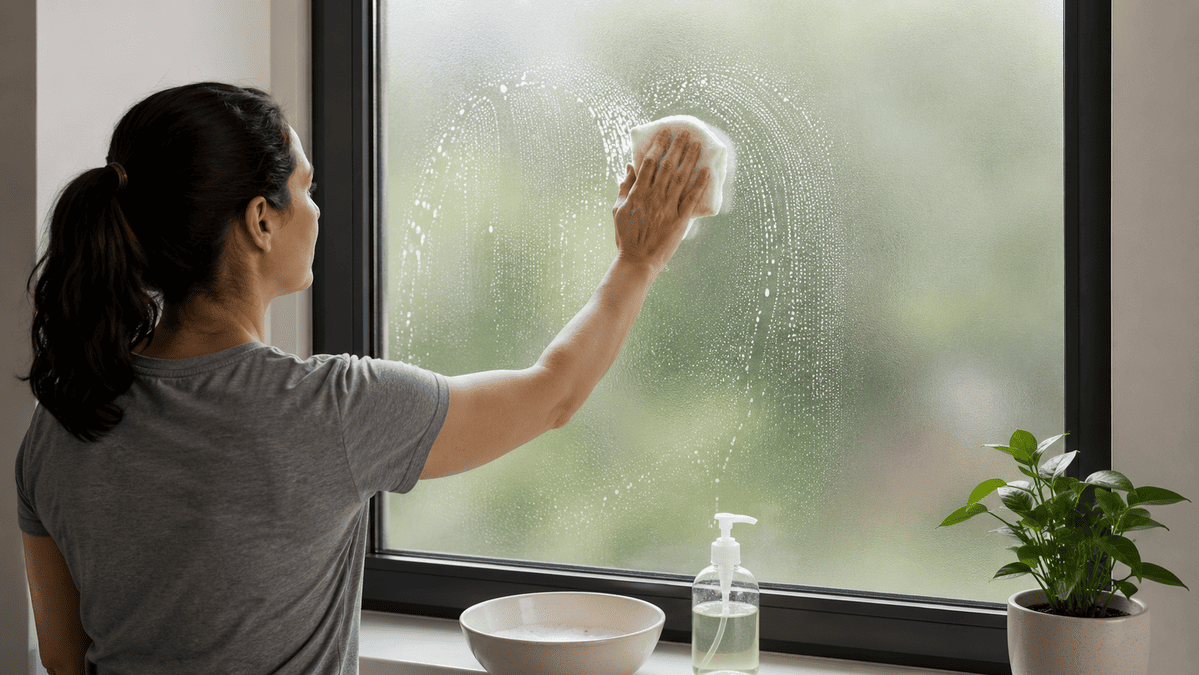
Quality films can last for years when installed correctly and cleaned gently. Use a soft cloth or sponge with mild soapy water.
Avoid razor blades, ammonia, abrasive pads, and harsh chemicals. These can scratch the film, weaken adhesive, or dull the finish.
Many interior films last around 5–10 years, though direct sun, humidity, product quality, and installation technique all affect lifespan. Check edges for lifting and remove or replace film when peeling, bubbling, or discoloration appears.
FAQs About Privacy Window Film Near Me
Does one way window film work at night?
No. One way window film depends on the brighter side becoming more reflective. At night, one-way films reverse the mirror effect when interior lights are on, so curtains may still be needed.
Will static cling film damage glass or leave residue?
Static cling window film is removable and reusable for renters. When used on smooth, suitable glass, it usually removes cleanly without adhesive residue.
Can privacy film be used in bathrooms and showers?
Yes, privacy films can work well in a bathroom if the surface is smooth glass. Choose moisture-friendly frosted or patterned film and avoid applying it to textured glass unless the label says it is compatible.
Can window film protect floors and fabrics from fading?
Yes. UV blocking window film filters harmful ultraviolet light, which helps protect floors, fabrics, cabinets, and furniture from fading.
How do I know how much light the film will let in?
Look for Visible Light Transmission, or VLT. A 70% VLT film keeps the room brighter, while a 10% VLT film creates much darker visibility and stronger tint.
Conclusion: Make Your Windows Work Harder for Your Home
Window film can turn plain glass into a more private, comfortable, and effective part of your home. It can improve privacy, add decorative style, reduce glare, provide UV blocking, and help with energy costs.
Start with the rooms that need privacy most. Measure your windows, choose between static cling and adhesive, then select the right balance of visibility, sunlight, heat control, and design.
Ready to upgrade your space? Explore our window film selection, compare styles, and choose the product that helps your home feel more private, protected, and comfortable.