Table of Contents
Understanding the Solar Spectrum: UV, Visible Light, and Infrared Components
Understanding how solar control window film works reveals its profound impact on your commercial property’s efficiency and comfort. It’s not magic, but rather precise engineering that leverages fundamental principles of light and heat dynamics to create a more controlled indoor environment. This scientific approach is what transforms a simple window treatment into a strategic operational asset, much like how privacy windows for bathrooms are designed to balance light control with discretion in specialized spaces.
Sunlight, as we perceive it, is actually a complex blend of different forms of energy, each with distinct characteristics. To truly appreciate solar control film, it’s helpful to understand these primary components of the solar spectrum:
- Ultraviolet (UV) Light: This invisible component of sunlight is responsible for fading, deterioration, and skin damage. While it doesn’t directly contribute to heat, its destructive potential for interiors and human health is significant.
- Visible Light: This is the portion of the spectrum that our eyes can perceive, illuminating our spaces. While essential for visibility, excessive visible light leads to glare, eye strain, and hot spots.
- Infrared (IR) Light: Another invisible component, infrared light is primarily responsible for the heat we feel from the sun. It’s the silent contributor to rising indoor temperatures, forcing HVAC systems to work harder.
Advanced solar control films are meticulously designed to manage each of these components selectively, addressing specific challenges without compromising the benefits of natural light.
The Mechanism of Heat Rejection: Reflection, Absorption, and Transmission Principles
Modern solar control films operate on sophisticated principles to manage solar energy. Instead of merely darkening a window, these films actively manipulate how solar radiation interacts with your building’s glass. This involves a combination of three key mechanisms:
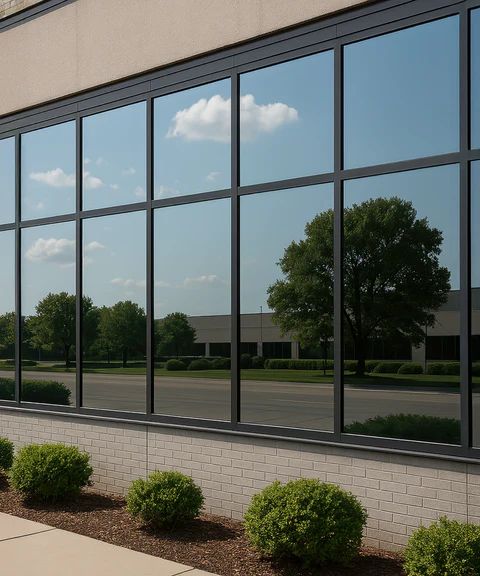
- Reflection: High-performance films incorporate metallic or ceramic layers that literally bounce a significant portion of solar energy away from the building. This is the most efficient method for preventing heat gain, as the energy never even enters the glass.
- Absorption: Some films are engineered to absorb a portion of solar energy. This absorbed energy is then largely re-radiated outwards, away from the interior of the building. This process effectively reduces the amount of heat that passes through the glass into your space.
- Transmission: This refers to the amount of solar energy that passes directly through the window and the film. The goal of solar control film is to significantly reduce unwanted transmission of UV and IR light while optimizing the transmission of beneficial visible light.
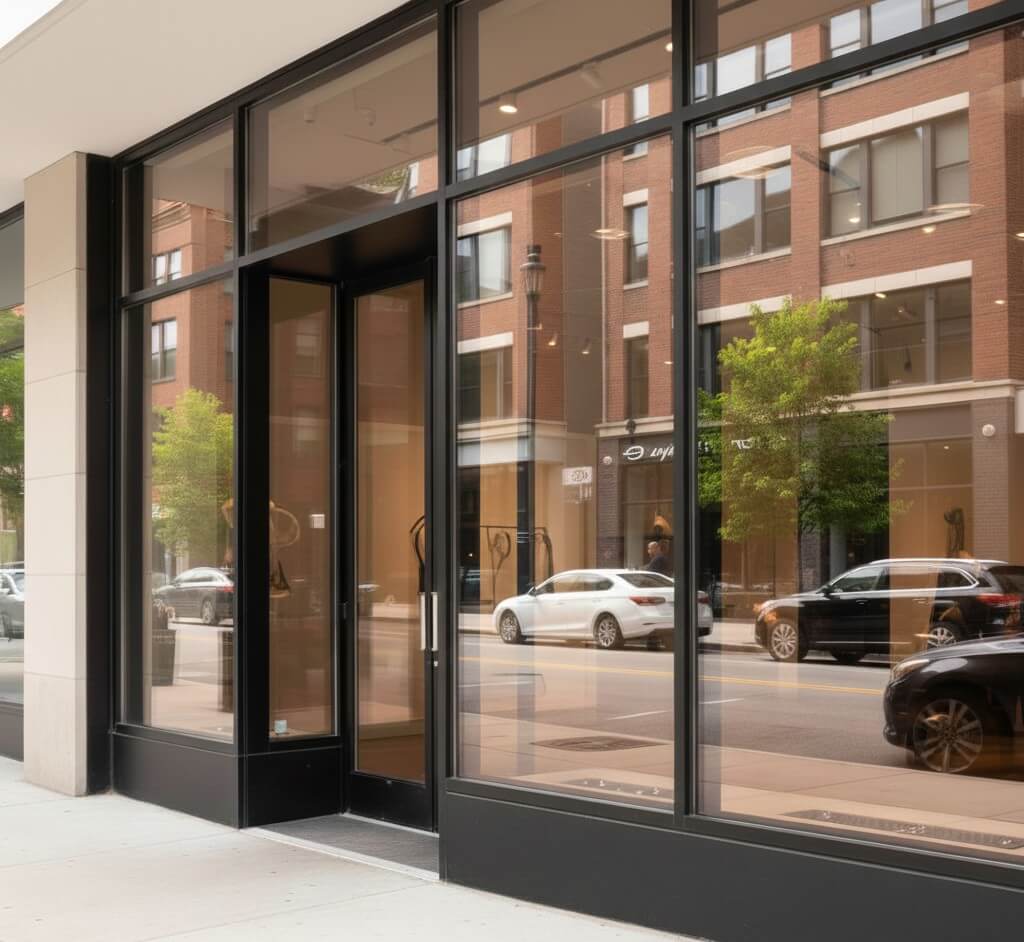
By carefully balancing these principles, solar control films deliver a noticeable and immediate reduction in solar heat gain, leading to more stable indoor temperatures and reduced reliance on air conditioning.
Blocking Harmful UV Rays: Protecting Assets, Merchandise, and Occupants from Deterioration
One of the most critical, yet often unseen, benefits of solar control film is its exceptional ability to block harmful UV radiation. Standard windows offer minimal UV protection, allowing these damaging rays to penetrate deep into your commercial space.
The implications of unchecked UV exposure are substantial:
- Asset Preservation: Furnishings, flooring, artwork, and electronics are all susceptible to premature fading, discoloration, and material degradation when exposed to UV light. Solar control film acts as an invisible shield, dramatically extending the lifespan and aesthetic appeal of your valuable interior assets, reducing replacement costs over time.
- Merchandise Protection: For retail businesses, UV protection is paramount. Products displayed near windows can quickly lose their vibrancy or even become damaged, leading to reduced sales and inventory write-offs. Film protects your inventory, ensuring products retain their original quality and appeal.
- Occupant Well-being: Prolonged exposure to UV radiation is a known health risk, contributing to skin damage and increasing the risk of certain eye conditions. By filtering out virtually all harmful UV rays, these films create a healthier and safer environment for employees and customers alike.
Managing Visible Light: Glare Reduction for Enhanced Productivity and Comfort
While natural light is desirable, excessive visible light can lead to uncomfortable glare, especially on computer screens and polished surfaces. This not only causes eye strain and headaches but also significantly impacts productivity.
Solar control films are engineered to selectively reduce glare without excessively darkening your interiors. They achieve this by:
- Diffusing Brightness: The film’s composition can scatter intense light, transforming harsh direct sunlight into softer, more diffused ambient light.
- Optimizing Light Levels: Films are available in various tints and specifications, allowing you to choose the ideal level of visible light transmittance to create a comfortable, productive environment free from distracting hotspots.
This controlled management of visible light ensures your commercial space remains bright and inviting, while simultaneously eliminating the common complaints associated with excessive glare, leading to improved employee focus and customer satisfaction.
Introducing Key Performance Metrics: SHGC, VLT, and Advanced UV/IR Rejection Explained
When evaluating solar control film, understanding a few key performance metrics will empower you to make informed decisions for your property. These figures provide a clear, objective measure of a film’s capabilities:
- Solar Heat Gain Coefficient (SHGC): This metric quantifies how much solar heat passes through a window. It ranges from 0 to 1; a lower SHGC indicates less solar heat gain, directly translating to reduced cooling loads and lower energy bills. It’s a critical indicator of a film’s heat rejection effectiveness.
- Visible Light Transmittance (VLT): Expressed as a percentage, VLT indicates how much visible light passes through the film. A higher VLT means more light enters your space, while a lower VLT provides more privacy and glare reduction. Balancing VLT with your specific lighting needs is essential for comfort and aesthetics.
- UV Rejection: Also presented as a percentage, this metric specifies how much ultraviolet light the film blocks. High-performance films typically offer 99% or greater UV rejection, providing superior protection against fading and health risks.
- Infrared (IR) Rejection: This percentage indicates how effectively the film blocks the invisible infrared rays responsible for heat. While not always listed as a standalone number, films with high IR rejection significantly contribute to cooler interiors and energy savings, showcasing advanced technological design.
By comparing these metrics, business owners can precisely match a film’s capabilities to their specific energy-saving, comfort, and protection goals, ensuring a strategic and effective investment.
Beyond Energy Savings: The Multifaceted Business Advantages of Solar Film Investment
While the immediate financial relief from reduced energy bills is often the first benefit business owners recognize, the value of modern solar control window film extends far beyond simple cost savings. In certain environments where adaptable privacy is equally important as energy efficiency, businesses may also incorporate smart glass film to create on-demand opacity for conference rooms, healthcare spaces, or executive offices. This advanced technology delivers a comprehensive suite of advantages that strategically enhance your commercial property’s operational efficiency, protect its assets, and improve the daily experience for everyone inside.
Dramatically Reducing HVAC Costs and Overall Energy Consumption
The most direct and measurable benefit of installing solar control window film is its profound impact on your heating, ventilation, and air conditioning (HVAC) expenses. Traditional windows are significant conduits for solar heat gain, forcing HVAC systems to work harder, especially during warmer months. Solar control films are engineered to reject a substantial portion of the sun’s infrared energy before it enters your building. This reduction in heat load translates directly into less demand on your cooling systems, leading to lower energy consumption and significant savings on your utility bills. It’s an investment that consistently pays dividends by optimizing one of your largest operational costs.
Protecting Valuables: Preventing Fading and Deterioration of Interiors and Inventory
Ultraviolet (UV) radiation is a silent, destructive force that contributes to the fading and deterioration of virtually everything exposed to sunlight. From office furniture, carpets, and artwork to retail merchandise, display items, and interior finishes, UV rays can dramatically shorten their lifespan and diminish their appearance.
Modern solar control films are designed to block up to 99% of harmful UV radiation. This exceptional UV protection safeguards your valuable assets, preserving their color, texture, and structural integrity, thereby extending their life and protecting your investment in your business’s interior and inventory.

Enhancing Employee Productivity and Customer Comfort Through Optimal Indoor Environments
An uncomfortable indoor environment can significantly detract from both employee productivity and customer satisfaction. Excessive heat, uneven temperatures, and harsh glare from direct sunlight create distractions and discomfort. Solar control window films create a more stable and pleasant indoor climate by maintaining consistent temperatures across different areas of a building and drastically reducing glare on computer screens and work surfaces. This leads to fewer complaints, improved focus for employees, and a more inviting and enjoyable experience for your customers, ultimately contributing to a more positive and productive business atmosphere.
Improving Building Security, Privacy, and Aesthetics
Solar control films offer more than just thermal benefits; they also contribute to the practical and visual aspects of your commercial property.
- Enhanced Security: Certain film types can add an extra layer of protection to your windows, making them more resistant to shattering. In higher-risk environments, bullet proof window tint may be specified as part of an upgraded glazing protection strategy. In the event of an impact, the film holds shattered glass fragments together, which can deter smash-and-grab attempts and protect occupants from flying glass shards.
- Increased Privacy: For businesses requiring discretion, specialized solar films can provide varying degrees of daytime privacy, obscuring views from the outside without significantly compromising the view from within. This is particularly valuable for offices, medical facilities, or street-level retail spaces.
- Modernized Aesthetics: Films can instantly update the exterior appearance of your building, creating a uniform and sophisticated look. This can enhance your business’s curb appeal and project a professional image to clients and visitors.
Contributing to Sustainability Goals and Elevating Your Corporate Image
In today’s market, demonstrating a commitment to environmental responsibility is increasingly important for businesses. Investing in solar control window film is a tangible step towards reducing your carbon footprint. By significantly lowering your building’s energy consumption, you contribute to decreased greenhouse gas emissions. This commitment can be proudly highlighted in your corporate sustainability reports, resonate with environmentally conscious customers and employees, and potentially qualify your business for various energy efficiency incentives or certifications, further elevating your brand’s reputation and appeal.
Not All Films Are Created Equal: Differentiating Solar Control from Standard Window Tint
It is crucial for business owners to understand that “window tint” is a broad term. There is a distinct difference between a basic aesthetic window tint and a high-performance solar control window film. Recognizing this distinction is key to making an informed investment that truly addresses your commercial property’s needs.
Key Functional Differences: Performance-Driven Engineering Versus Aesthetic Alteration
Traditional window tints, often seen on vehicles, are primarily designed to darken glass for privacy or a cosmetic change. While they may offer some minor heat reduction simply by blocking light, their core engineering is not focused on energy efficiency. Solar control window films, conversely, are engineered with advanced materials and technologies specifically to manage solar energy. Their primary function is to reject heat, block harmful UV rays, and reduce glare while often allowing maximum visible light transmission. They are a performance-driven solution, not merely an aesthetic one.
Understanding Diverse Material Compositions and Technological Innovations
The superior performance of solar control films stems from their complex construction. Unlike simple dyed films, modern solar control films often incorporate multiple layers, including:
- Precious Metals: Microscopic layers of silver, gold, or other metals are vacuum-deposited onto the film, acting as highly effective solar reflectors.
- Ceramics: Advanced ceramic particles can selectively block infrared heat while maintaining high visible light transmission.
- UV Inhibitors: Specialized layers are integrated to absorb and block nearly all UVA and UVB radiation.
- Scratch-Resistant Coatings: Durable top layers ensure longevity and easy maintenance.

These innovations allow films to achieve impressive levels of heat rejection and UV protection, often surpassing what is achievable with traditional window treatments or standard glass.
Why Commercial Properties Demand Specialized Solar Control Solutions for Lasting Impact
Commercial properties face unique challenges that necessitate specialized solar control solutions. The sheer scale of window surface areas, coupled with the constant demands for occupant comfort, asset protection, and energy efficiency, means that generic tinting will not suffice. Businesses require films that deliver consistent, quantifiable performance over many years, standing up to rigorous daily use and diverse environmental conditions. Specialized solar control films offer engineered precision, durability, and a guaranteed long-term return on investment that basic tints cannot match, ensuring lasting impact on both your bottom line and your operational environment.
Tailoring Solutions: Exploring Different Types of Solar Control Films for Commercial Applications
The diverse needs of commercial properties mean that a single “one-size-fits-all” film is rarely the optimal choice. Understanding the various types of solar control films available allows business owners to select a tailored solution that precisely addresses their specific challenges and goals.
Spectrally Selective Films: Precision for Optimal Light Transmission and Heat Management
Spectrally selective films represent a significant advancement in window film technology. These films are engineered to selectively filter parts of the solar spectrum. They allow a high percentage of visible light to pass through, preserving natural daylight and maintaining clear views, while simultaneously rejecting a high percentage of infrared (heat-generating) radiation. This makes them ideal for businesses that want to drastically reduce heat gain and glare without significantly darkening their interiors or altering the natural appearance of their windows.
Low-Emissivity (Low-E) Films: Enhancing Year-Round Insulation and Energy Performance
Low-emissivity, or Low-E, films go beyond just rejecting solar heat. They are designed with a metallic coating that helps to regulate temperature throughout the year by reducing the transfer of heat through the glass in both directions. In warmer months, Low-E films reflect solar heat away from the building. In colder months, they reflect interior heat back into the room, preventing it from escaping through the windows. This dual action provides year-round insulation, making them particularly effective for climates with distinct seasonal temperature variations, leading to energy savings in both cooling and heating.
Dual-Action Films: Combining Benefits for Comprehensive Environmental Control
For commercial properties seeking the most robust and versatile solutions, dual-action films offer a comprehensive approach to environmental control. These films integrate the benefits of both spectrally selective and Low-E technologies, often with additional features. They provide superior heat rejection, excellent UV protection, glare reduction, and year-round insulation properties. This combined performance maximizes comfort, energy savings, and asset protection, making them a strategic choice for businesses looking for a single solution to address multiple environmental challenges.
Aesthetic Options: Balancing Performance with Architectural Design Requirements
The performance benefits of solar control film do not come at the expense of aesthetics. Modern films are available in a wide array of options to complement any architectural style or design preference. This includes:
- Clear Films: Nearly invisible films that offer significant UV and heat rejection without changing the glass appearance.
- Tinted Films: Available in various shades to add privacy and reduce brightness.
- Reflective Films: Offer a mirrored appearance from the outside, enhancing privacy and maximizing heat reflection.
- Photochromic film: Automatically adjusts its tint in response to sunlight, offering dynamic light control while preserving architectural intent.
- Decorative Films: Can mimic etched glass or provide patterned designs for aesthetic appeal or branding.
The right film can enhance a building’s exterior while delivering crucial performance, ensuring that form and function are perfectly balanced.

Considerations for Different Commercial Environments: Retail, Office, Hospitality, and Beyond
Selecting the optimal solar control film requires considering the specific operational needs and goals of each commercial environment.
- Retail Stores: Often prioritize clear visibility for display windows to showcase merchandise, while still needing strong UV protection to prevent inventory fading. Spectrally selective films are frequently a good fit.
- Office Buildings: Focus on glare reduction for computer screens, consistent temperature control for employee comfort, and energy efficiency. Films with a balance of heat rejection and visible light transmission are key.
- Hospitality (Hotels, Restaurants): Emphasize guest comfort, aesthetic appeal, and energy cost management. Films that offer privacy, reduce heat, and maintain an inviting atmosphere are preferred.
- Healthcare Facilities: Require strict UV protection for patients and equipment, glare reduction, and sometimes privacy, while maintaining a bright, sterile environment.
- Educational Institutions: Benefit from improved comfort for students and staff, reduced energy bills, and protection for learning materials.
A professional assessment can help identify the ideal film type and installation strategy for your unique commercial property.
Measuring Success: Quantifying the Return on Investment of Solar Control Film
For any business owner, an investment is only as good as its measurable return. While the immediate benefits of solar control window film—such as reduced glare and improved comfort—are often noticeable, the true power of this upgrade lies in its quantifiable financial and operational advantages. Understanding these metrics transforms solar film from a perceived expense into a strategic asset that actively contributes to your bottom line and overall property value.
Calculating Direct Energy Cost Savings: A Tangible Financial Benefit
One of the most immediate and significant returns on investment from solar control window film comes from its ability to dramatically reduce energy consumption. By rejecting a substantial portion of the sun’s solar heat, these films effectively lower the workload on your HVAC systems.
This direct heat reduction means air conditioning units run less frequently and less intensely, leading to a noticeable drop in electricity usage, particularly during peak operating hours and warmer months.
Many commercial properties report savings ranging from 15% to 30% on their cooling costs after installing high-performance films. These are not merely estimations; these savings are tangible line items on your monthly utility bills. Over time, these consistent reductions in energy expenditure accumulate, turning a smart initial investment into continuous operational savings year after year.

Assessing Indirect Benefits: Asset Preservation, Increased Productivity, and Tenant Satisfaction
Beyond the direct energy savings, solar control film delivers a suite of indirect benefits that contribute significantly to a property’s overall value and operational efficiency. These benefits, though sometimes harder to precisely quantify in dollars, profoundly impact your business’s long-term health and success.
- Asset Preservation: The sun’s ultraviolet (UV) rays are a primary culprit behind fading and degradation of interior furnishings, merchandise, artwork, and even electronic equipment. Solar control films block up to 99% of harmful UV rays, acting as an invisible shield for your valuable assets. This protection extends the life of carpets, display items, office furniture, and interior finishes, significantly delaying the need for costly replacements or repairs.
- Increased Productivity: An uncomfortable work environment, plagued by excessive heat or blinding glare, is detrimental to employee focus and morale. By creating a more stable, cooler, and glare-free space, solar control films enhance occupant comfort. This improved environment can lead to fewer complaints, reduced eye strain, and ultimately, a more productive workforce. Employees who are comfortable are better able to concentrate and perform their duties effectively.
- Tenant and Customer Satisfaction: For retail spaces, restaurants, or multi-tenant commercial buildings, comfort directly translates to satisfaction. Customers linger longer in a comfortable setting, potentially increasing sales. Tenants in office buildings are more likely to renew leases when their workspace is consistently pleasant, reducing vacancy rates and turnover costs. A comfortable environment reflects positively on your business’s commitment to quality and care.
Understanding the Payback Period and Long-Term Value Creation
The payback period for solar control window film is often surprisingly short, especially when considering its comprehensive benefits. This is the time it takes for the accumulated savings—primarily from reduced energy costs—to equal the initial investment in the film and installation. Depending on your climate, energy rates, and the specific film chosen, many businesses find their investment recouped within just a few years.
Once the initial investment is paid back, the film continues to generate savings and provide protection for its entire lifespan, which can be 10 to 15 years or even more with proper care and quality products. This translates into many years of pure savings, reduced maintenance, and enhanced property aesthetics and comfort. Furthermore, a building with modern, efficient upgrades like solar control film often commands a higher market value and offers improved marketability, showcasing a commitment to sustainability and modern amenities.
The Strategic Imperative: Why Solar Control is a Prudent Investment, Not Just an Expense
Viewing solar control window film merely as an expense misses its true potential as a strategic business advantage. It is a proactive investment in operational efficiency, asset protection, and occupant well-being. In today’s competitive landscape, businesses are constantly seeking ways to optimize costs, enhance employee performance, and attract discerning clients or tenants. Contacting CoolVu for a free estimate is the first step toward understanding how solar control film can deliver these advantages for your property.
It is a tangible step towards sustainability goals, reducing your carbon footprint through decreased energy consumption. It safeguards your interior investments, preserving their appearance and extending their utility. Most importantly, it cultivates an environment where people feel better, work smarter, and appreciate their surroundings more. This multifaceted impact firmly establishes solar control film as a prudent, long-term investment that delivers continuous returns, solidifying its role as a modern business essential.
MORE POSTS:
- How Solar Control Window Tint Film Works – The science of controlling heat, glare, and UV using reflection, absorption, and performance metrics like SHGC/VLT.
- Home Heat & Glare Problem Explained – Why unprotected windows create hot spots, glare, higher cooling bills, and fading damage throughout the home.
- Ceramic Film Performance Metrics Explained – How TSER, VLT, IR rejection, and UV protection define real solar control and energy savings.
- Nano-Ceramic Film Technology Explained – How microscopic ceramic particles deliver high TSER, IR rejection, and UV protection without darkening or reflectivity.
- Switchable Smart Film for Glass Partitions – How smart glass film turns clear office, medical, and classroom glass into instant frosted privacy at the flip of a switch.