Table of Contents
- What Is Security Film for Windows?
- Understanding Security Window Film Technology
- Security Film Benefits and Applications
- Selection Criteria and Installation Process
- Common Challenges and Solutions
- Conclusion and Next Steps
- Frequently Asked Questions
What Is Security Film for Windows?
Security film for windows is a multi-layer polyester barrier bonded to glass that holds shattered glass together when broken, significantly delaying forced entry and reducing injury from flying glass shards. This window film technology transforms how glass windows behave under impact, making them a cost-effective option for enhancing protection without full window replacement and reducing potential property damage.
This guide covers both residential and commercial applications of security films, including product selection criteria, installation methods (professional and DIY), thickness considerations, and ongoing maintenance requirements. Whether you’re a homeowner concerned about break ins, a business owner protecting storefronts from vandalism, or a facility manager evaluating building safety compliance, this content addresses your specific security needs.
Window security matters because glass windows remain one of the most vulnerable entry points in any building. Break in attempts, natural disasters like hurricanes and earthquakes, harmful UV rays damaging interior furnishings, and accidents causing glass breaking all present real risks. Security window film provides an added layer of defense against these threats at a fraction of the cost of impact-rated glass replacement.
Direct answer: Security film is a polyester barrier with strong adhesive that bonds to glass, holding broken glass fragments in place when shattered. This delays intruders attempting forced entry and prevents flying glass shards from causing injuries during storms or accidents.
Key outcomes from this guide:
- Understanding different security film types and their specific applications
- Knowing how to select the right window film thickness for your risk level
- Comparing professional versus DIY installation with realistic cost expectations
- Learning proper maintenance to maximize film lifespan (10-20 years)
- Setting realistic expectations about what security films can and cannot do
Understanding Security Window Film Technology
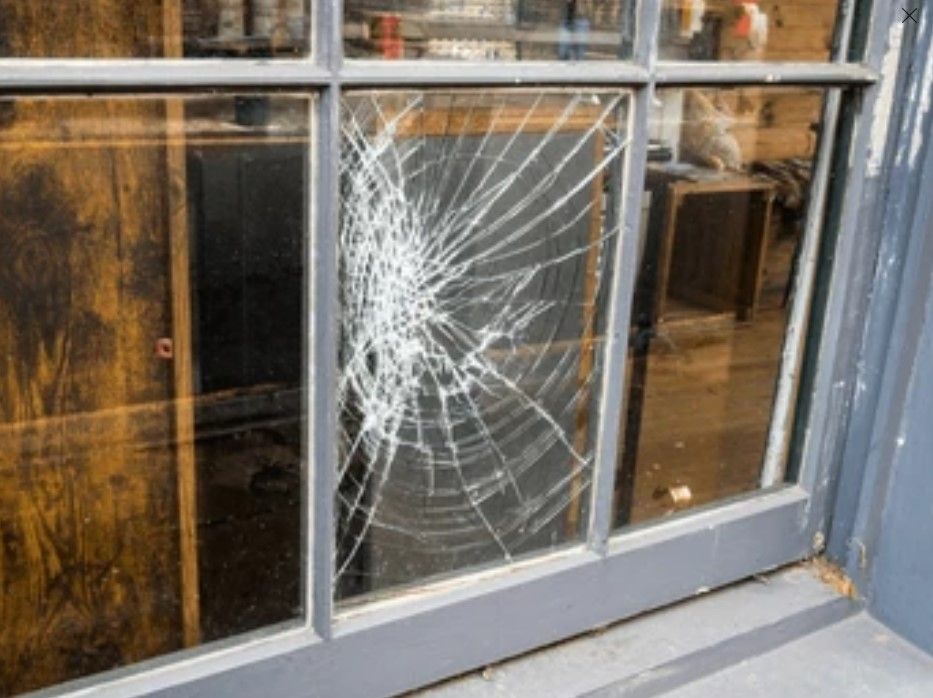
Security window film is a specialized polyester sheet—typically multiple layers of polyethylene terephthalate (PET)—applied to interior glass surfaces with pressure-sensitive adhesive. Its primary protective function is glass retention: when the glass breaks, the film holds shattered glass together, preventing fragmentation and maintaining the window as a barrier against intruders or environmental hazards, similar to other security window films used in homes, schools, and businesses.
This technology addresses modern security needs by providing a retrofit solution for existing glass windows. Rather than replacing windows entirely, security films upgrade standard annealed or tempered glass to meet safety glazing standards and delay unauthorized entry through glass breaking.
Film Construction and Materials
Modern security films utilize advanced polyester layer construction, often engineered as hundreds of microscopic layers rather than a single thick sheet. This micro-layered approach maximizes tear resistance and flexibility under stress while maintaining optical clarity for natural light transmission.
Thickness measurements range from basic 4-mil (approximately 100 micrometers) films to heavy-duty 14-15 mil options:
- 4-mil films: Entry-level protection, primarily for human impact safety compliance
- 7-8 mil films: Standard security grade for residential windows
- 12-15 mil films: High-performance options for commercial buildings and elevated threat levels
The adhesive technology is equally critical to performance. Strong adhesive bonds must secure film to glass and, crucially, anchor the film-glass assembly to the window frame. Without proper edge attachment through wet glazing (structural silicone) or mechanical anchors, even thicker films fail to prevent glass from dislodging under impact. The adhesive typically cures over 30 days, with bond strength increasing throughout this period.
Film performance depends on three interconnected factors: tear resistance of the polyester layers, adhesive bond strength, and frame attachment quality. A thinner film with superior adhesive and proper edge sealing often outperforms a thicker film with inadequate installation.
Types of Security Films
Clear security films provide virtually invisible window protection without altering your building’s appearance. These films maintain high visible light transmission while blocking harmful UV rays. Clear films are ideal when aesthetics matter—residential windows, retail storefronts, and heritage buildings benefit from protection that preserves outside views and natural light. Most clear films meet ANSI Z97.1 and CPSC safety glazing standards, including products such as Armorcoat safety film.
Tinted security films combine protection with daytime privacy and solar control benefits. By incorporating pigments or ceramic particles, these films reduce glare, decrease heat gain, and limit visibility from outside while maintaining security performance, much like dedicated solar window film solutions. The trade-off involves slightly reduced clarity and altered light transmission. Tinted options work well for sun-exposed commercial facades and residential windows where privacy matters.
Specialized films for blast resistance and extreme weather undergo rigorous testing for hurricanes, tornadoes, and explosive threats. These products require certification to standards like ASTM E1886/E1996 for missile impact or GSA TS01 for blast mitigation. Films rated for hurricane protection—such as Missile Level C (approximately 140 mph wind speeds)—must include proper edge retention systems to perform as tested.
Ballistic-resistant options exist but require clarification: true bullet resistance generally requires laminated glass assemblies engineered specifically for ballistic threats, not retrofit film alone on standard glass. Claims about bulletproof window film should be verified against UL 752 or NIJ ballistic standards, and most experts note that film retrofits on typical glass cannot reliably stop gunfire, though specialized bullet resistant window film and glazing systems can significantly delay forced entry in high-risk environments such as schools.
The relationship between film type and intended use determines proper selection. Residential security against burglary requires different specifications than commercial blast mitigation or hurricane code compliance.
Security Film Benefits and Applications
Security films deliver protection across multiple threat categories, from deliberate intrusion attempts to accidental glass breaking. Understanding these applications helps determine the right window film for your specific situation.
Break-In and Vandalism Protection
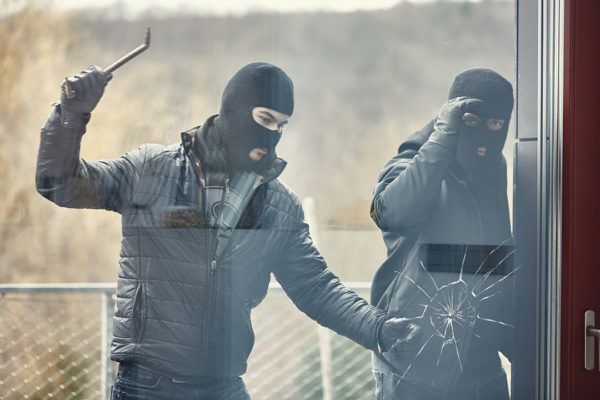
Security films deter intruders by fundamentally changing how glass behaves during break in attempts. When struck, the glass cracks but remains held together by the film, forcing intruders to spend significantly more time and effort removing glass pieces rather than simply stepping through a broken window.
Impact resistance testing simulates real-world attacks using steel balls, hammers, and axe swings. The European EN 356 standard rates films from P1A (basic protection) through P5A (extended manual attack resistance) based on repeated impacts. Films meeting P2A or higher provide meaningful intrusion delay against common burglary tools.
Delay times vary based on film thickness, adhesive quality, and frame attachment:
- Low forced entry rating: approximately 5 minutes delay
- Medium forced entry rating: approximately 15 minutes delay
- High forced entry rating: approximately 30 minutes delay
This delay proves critical because most burglaries are opportunistic—extending forced entry time by even a few minutes dramatically reduces break in success rates as the risk of detection increases.
Natural Disaster and Accident Safety
During storms, earthquakes, and high winds, security films prevent glass from becoming dangerous projectiles. Even when glass shatters, the film contains fragments within the frame, reducing the risk of flying glass shards causing injuries to occupants.
Hurricane and windstorm protection requires films tested to ASTM E1886/E1996 standards, which simulate missile impacts and cyclic wind pressures. Quality security films rated for Missile Level C can withstand wind-driven debris at approximately 140 mph. However, in certain jurisdictions like Florida, retrofit film alone may not satisfy building code requirements for hurricane windows—full impact-rated assemblies may be required for code compliance.
Earthquake safety benefits from glass containment: when seismic activity causes glass breaking, filmed windows maintain their barrier function longer, protecting occupants from shards and helping preserve the building envelope temporarily.
Security films also help existing windows meet safety glazing building codes (ANSI Z97.1, CPSC 16 CFR 1201) for locations like doors, sidelights, and areas near floors where human impact accidents occur.
UV Protection and Energy Benefits
Beyond security, window film provides substantial protection against harmful UV rays. Quality security films block 99% to 99.9% of UV radiation, dramatically reducing fading and deterioration of interior furnishings, carpets, artwork, and merchandise caused by UV damage to furniture and finishes.
Energy savings compound over time. Tinted security films can reduce solar heat gain by approximately 60%, lowering cooling costs during warm months, similar to architectural window tinting films designed for energy efficiency. By rejecting heat before it enters your space, these films decrease air conditioning loads while maintaining comfortable interior temperatures and helping save money.
Additional benefits include:
- Reduced glare on screens and work surfaces
- Decreased potential damage to UV-sensitive materials, especially when combined with solar window film that further reduces heat and glare
- Lower risk of injury from accidental glass contact
- Extended lifespan of interior finishes and fabrics
These multi-layered benefits make security films valuable even when break-in risk is low, providing year-round return on investment through energy cost reduction and asset protection.
Selection Criteria and Installation Process
Choosing the right window film requires matching film specifications to your security needs, glass types, and budget constraints. Equally important is deciding between professional installation and DIY approaches.
Choosing the Right Film Thickness and Type
Film thickness selection depends on several factors: threat level, window size, frame strength, and applicable standards or building codes.
4-mil films provide basic safety protection suitable for low-risk areas. These films meet human impact safety standards and offer modest intrusion delay. Applications include interior glass partitions, residential windows in low-crime areas, and locations where safety code compliance (rather than security) is the primary goal.
8-mil films represent standard security grade for most residential applications. This thickness delivers meaningful intrusion delay, good UV protection, and compatibility with typical residential windows. For homeowners seeking protection against opportunistic break ins without commercial-grade investment, 8-mil clear or tinted films offer balanced performance.
12-14 mil films deliver maximum protection for high-risk commercial buildings, storefronts in high-crime areas, and facilities requiring extended forced entry resistance. These thicker films require robust frame attachment systems—wet glazing with structural silicone or mechanical anchors—to realize their full protective potential, which is why many property owners rely on professional security window film installation services rather than DIY approaches for these applications.
Specialty blast-resistant and bullet-resistant options involve additional considerations. True ballistic resistance typically requires engineered laminated glass assemblies, not retrofit film alone. For blast mitigation, films must be tested and certified to GSA TS01, ISO 16933, or similar standards, and installed with appropriate frame attachment systems, often as part of broader bullet resistant window film and security upgrade projects for vulnerable facilities.
Standards and certifications to verify:
- ANSI Z97.1 / CPSC 16 CFR 1201: Human impact safety (US)
- EN 12600: Safety glazing (Europe)
- EN 356: Forced entry resistance (P1A through P5A ratings)
- ASTM E1886/E1996: Hurricane missile impact
- GSA TS01: Blast resistance
Professional vs DIY Installation Comparison
Installation quality directly determines security film performance. Poor installation—inadequate cleaning, improper edge sealing, or environmental issues—undermines even premium films.
| Factor | DIY Installation | Professional Installation |
|---|---|---|
| Material Cost | $3-5 per sq ft | Included in total |
| Total Cost | $3-5 per sq ft | $7-12+ per sq ft |
| Time Required | 2-4 hours per window | Under 1 hour per window |
| Warranty Coverage | Limited product warranty | Full installation warranty |
| Success Rate | 70-80% acceptable results | 95%+ optimal results |
| Edge Attachment | Typically inadequate | Structural silicone or anchors |
| Equipment Needed | Basic tools | Professional-grade tools |
| DIY installation makes sense for budget-conscious homeowners applying basic safety film to a limited number of windows where security performance isn’t critical. Success requires proper tools, meticulous surface preparation, controlled temperature (40-80°F), and patience during the 30-day curing period, whereas larger or more complex projects often benefit from professional window film installation to ensure performance and warranty coverage. |
Professional installation is essential when security performance matters. Certified installers ensure proper surface cleaning, correct adhesive application, and—critically—edge attachment to frames using structural sealants or mechanical systems. Professional installation also maintains full warranty coverage and provides documentation for insurance or code compliance purposes.
Decision factors:
- If you’re installing on more than 3-4 windows, professionals achieve better results faster
- If forced entry resistance is your primary goal, professional edge attachment is non-negotiable
- If code compliance or insurance documentation is required, professional installation is necessary
- If budget is severely limited but some protection is better than none, DIY on low-risk windows can be reasonable with the right tools
Common Challenges and Solutions
Understanding typical installation and performance issues helps set realistic expectations and enables proper troubleshooting.
Bubbling and Poor Adhesion
Problem: Air bubbles, moisture trapped beneath film, or edges peeling after installation.
Solutions:
- Clean glass thoroughly with mild soap or manufacturer-approved cleaner; avoid ammonia, alcohol, or harsh chemicals that leave film-impeding residue
- Control installation environment: maintain temperature between 40-80°F and moderate humidity
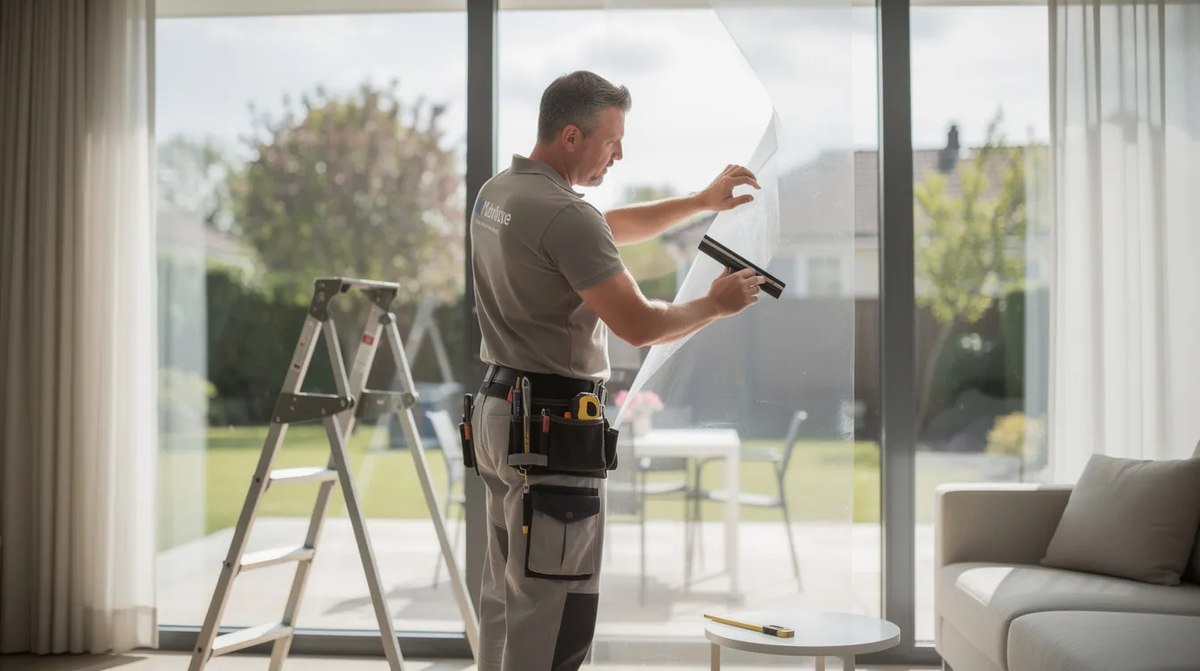
- Use proper squeegee technique, working from center outward to expel air and moisture
- Allow full 30-day curing period without disturbing film edges
- If bubbles persist after curing, professional assessment may be needed
Film Selection for Different Glass Types
Problem: Compatibility issues with tempered glass, laminated glass, low-E coatings, or insulated glass units can also arise when combining security products with privacy window film or other decorative films.
Solutions:
- Tempered glass: Generally compatible, but edge stress may cause issues with very thick films or dark tints
- Laminated glass: Film adds retention but must not interfere with existing glass interlayers; verify manufacturer compatibility
- Low-E coatings: Some films can cause thermal stress and adhesion problems; always verify manufacturer approval for low-E compatibility
- Double-pane insulated units: Thermal expansion differential requires careful film selection; avoid dark films that increase heat absorption
- When in doubt, obtain manufacturer written confirmation of compatibility before installation
Maintenance and Longevity Issues
Problem: Film degradation, edge lifting, optical clarity loss over time.
Solutions:
- Clean with ammonia-free cleaners and soft microfiber cloths only
- Avoid abrasive pads, scrapers, or harsh chemicals near film surfaces
- Inspect edges annually for lifting or sealant deterioration
- Maintain easy access for inspections
- Re-apply edge sealant if gaps appear between film and frame
- Replace film when: adhesion fails significantly, edges lift repeatedly, optical clarity deteriorates noticeably, or protective performance is compromised after impact
Expected lifespan: Quality security films properly installed typically last 10-20 years, depending on UV exposure, climate conditions, and maintenance practices, similar to many other security window film solutions on the market.
Conclusion and Next Steps
Security film for windows provides cost-effective protection against break ins, natural disasters, accidents, and UV damage. When properly selected and installed, these films transform vulnerable glass windows into resilient barriers that hold shattered glass together, delay intruders, contain fragments during storms, and block harmful UV rays from sunlight—all while preserving natural light and outside views.
The key to success lies in matching film specifications to your specific threats, ensuring professional-quality installation with proper edge attachment, and maintaining realistic expectations about what window film can achieve. Security films delay and deter, but they don’t make glass unbreakable or bulletproof.
Immediate next steps:
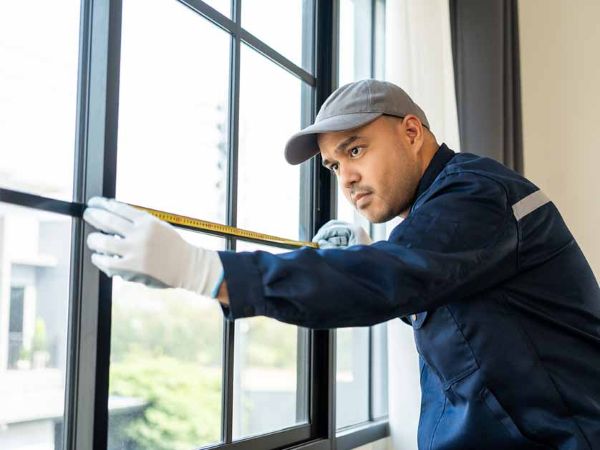
- Measure your windows and inventory glass types (annealed, tempered, low-E, etc.)
- Assess your primary threat: burglary deterrence, storm protection, UV damage, or code compliance
- Determine budget and decide between DIY (low-risk applications) or professional installation (security-critical applications)
- Request quotes from 2-3 certified installers, review your top picks, including specifications for edge attachment systems
- Verify film certifications match your requirements (EN 356 ratings, ASTM standards, etc.)
Related topics to explore: Comprehensive home security systems that integrate window film with alarms and cameras, impact-rated window replacement for new construction or major renovations, local building code requirements for safety glazing and hurricane protection in your jurisdiction, and how regional providers such as security window film and privacy film specialists in Salt Lake City or window tinting and security film experts in The Villages, Florida deliver these solutions in practice. You may also want to research emerging smart window film technologies that switch between clear and private states for dynamic light and privacy control.
Frequently Asked Questions
How long does security film last on windows?
Security film typically lasts 10-20 years when properly installed and maintained. Lifespan depends on film quality, UV exposure intensity, climate conditions, and adherence to proper cleaning practices. Premium films with strong adhesive and professional installation generally outlast budget options or DIY installations.
Can security film be removed without damaging glass?
Yes, security film can be removed, but the process typically leaves adhesive residue requiring additional cleaning with specialized solvents. Removal is easier on standard annealed glass than on coated surfaces. Low-E glass and other specialty coatings may sustain damage during removal. Professional removal minimizes risk but cannot guarantee zero residue.
What thickness of security film do I need for my home?
For typical residential security against opportunistic break ins, 8-mil film provides good protection. Homes in higher-crime areas or with larger windows may benefit from 12-mil options. Basic 4-mil films suit low-risk interior applications or safety code compliance. Selection should also consider frame strength—thicker films require robust edge attachment systems.
Does security film work on all types of windows?
Security film works on most glass types but requires compatibility verification. Standard annealed glass accepts all film types readily. Tempered glass works with most films but may experience edge stress with very thick or dark options. Low-E coatings require manufacturer-approved films to prevent thermal stress. Double-pane units need careful selection to avoid heat buildup. Always confirm compatibility before installation.
How much does professional security film installation cost?
Professional installation typically costs $7-12+ per square foot, including materials, labor, and edge attachment systems. Costs vary by region, film type, frame complexity, and whether structural silicone or mechanical anchors are required. High-security or blast-resistant installations may exceed these ranges. Request itemized quotes specifying film thickness, attachment method, and warranty terms.
Will security film affect my home’s appearance?
Clear security films are virtually invisible and maintain normal natural light transmission and outside views. You may notice very slight optical effects with thicker films (12+ mil) in certain lighting conditions. Tinted films intentionally alter appearance—reducing glare, adding daytime privacy, and changing light transmission. Reflective tints create mirror-like exterior appearance during daylight and increase exterior reflection.
Can security film prevent all break-ins?
No. Security film delays and deters but does not prevent all break ins. Determined intruders with sufficient time and tools can eventually breach filmed windows, though the film itself remains difficult to roll or tear away quickly. The value lies in extending forced entry time—often by 5-30 minutes depending on film and installation quality—which significantly increases detection risk and causes many intruders to abandon attempts. Security film works best as part of a layered security approach.
How do I clean and maintain security film?
Clean security film with ammonia-free cleaners and soft microfiber cloths only. Avoid abrasive pads, razor blades, or harsh chemicals. Never scrub edges aggressively. Inspect edges annually for lifting or sealant gaps. If edges begin peeling, have a professional assess whether re-sealing or replacement is needed. Proper maintenance extends film lifespan significantly.