
If your south-facing living room turns into a greenhouse by 2 PM or your home office screen washes out every afternoon, you already know that standard curtains and blinds are a compromise. Transition window tint for homes offers a different approach: film that adjusts itself throughout the day so you get natural light when conditions are mild and automatic shading when the sun bears down.
Table of Contents
- What Is Transition Window Tint for Homes?
- How Transitional Window Film Works (Photochromic Technology Explained)
- Benefits of Transition Window Tint for Homes
- Best Rooms and Use Cases for Transitional Window Film in Homes
- Transitional Film vs. Other Window Film Options
- Installation Process, Cost, and Getting a Free Estimate
- Maintenance, Durability, and Lifespan
- FAQs About Transitional Window Tint for Homes
- Why Choose Our Team for Transitional Window Film Installation
- Conclusion: Is Transition Window Tint Right for Your Home?
What Is Transition Window Tint for Homes?
Transition window tint is a type of transitional window film – also called photochromic window film or self-tinting film – that shifts from nearly clear to a tinted state when exposed to direct sunlight. Unlike regular static window tint that maintains a fixed visible light transmission all day, this film responds dynamically to lighting conditions. It allows maximum light in when it’s cloudy while providing shading when it’s sunny.
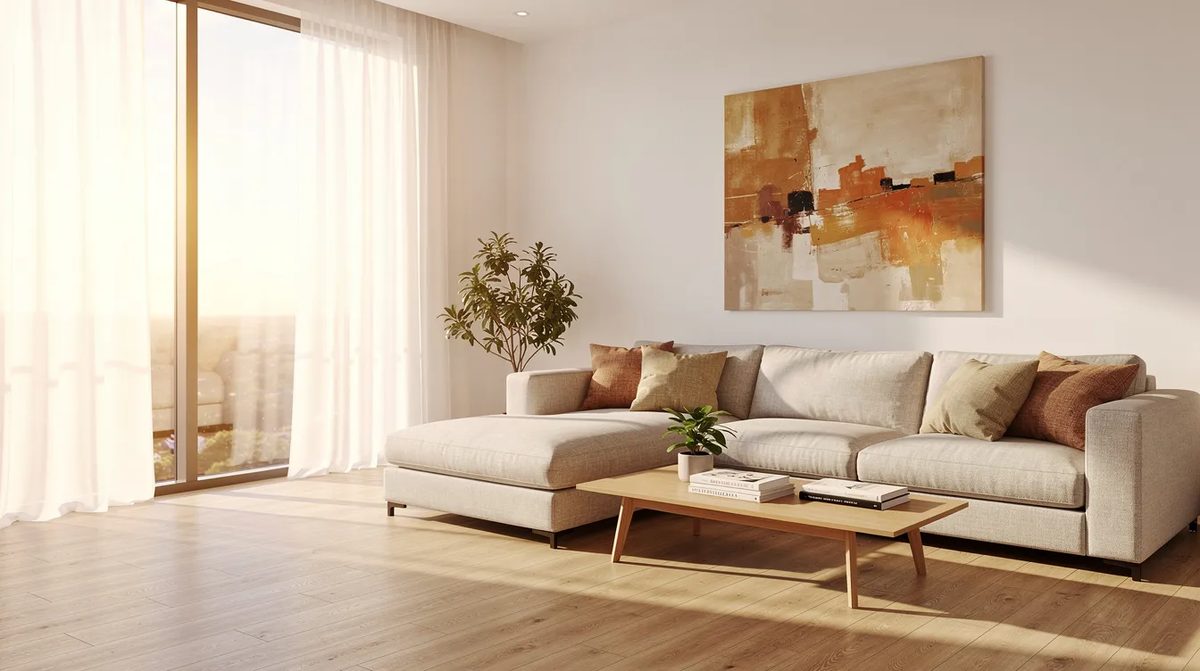
The film is applied directly to existing residential glass, not installed as a replacement window unit. That makes it a practical solution for retrofits, remodels, and homeowners who want to upgrade performance without the cost of new windows. It works on fixed panes, sliding doors, picture windows, and most standard residential glass, and mirrors the performance of CoolVu Transitional Window Films used in both residential and commercial projects.
Homeowners typically care about a few key performance numbers. Transitional window films block 99% of UV radiation and reduce over 80% of infrared heat gain through glass. Regular window tint has a fixed visible light transmission, while transition tint is dynamic – adapting to changing sunlight and providing automated climate control. The rest of this article covers how the technology works, where it delivers the biggest payoff, what it costs, and how to get a free estimate.
How Transitional Window Film Works (Photochromic Technology Explained)
Transitional film uses light-sensitive chemistry to respond to the sun’s UV radiation. Inside the film, photochromic molecules change their structure when UV intensity rises. The result: the film darkens in response to UV light exposure, reducing the amount of visible light and solar energy passing through the glass.
Photochromic tints adjust opacity based on UV exposure. Transitional films adapt to sunlight intensity within 30 seconds of strong sun hitting the surface, and photochromic films react to UV exposure within about 30 seconds as well, delivering many of the same benefits as solar window film in terms of heat and UV control. When the sun moves, clouds roll in, or the window falls into shade, the film gradually returns to its lighter state over several minutes. This automatic adjustment happens passively – the glass itself requires no electrical power, wiring, or switches, unlike electrochromic smart glass.
On cloudy days or at night, the film stays close to clear so you can enjoy natural light and preserve your interior views. Quality photochromic film also integrates advanced coatings – often ceramic or spectrally selective layers – for heat control and infrared rejection beyond just the visible tint change. That means the film is working to block heat and harmful UV rays even when it appears light.
Benefits of Transition Window Tint for Homes
Homeowners choose adaptive window tint for a combination of comfort, protection, and improved energy efficiency. Here is what the technology delivers in practice:
- Heat control: photochromic window tint blocks over 80% of infrared heat gain, keeping interiors cooler during hot months without permanently darkening your windows
- Glare reduction: these tints enhance comfort by reducing glare indoors, easing eye strain on screens in home offices, living rooms, and sunrooms during bright afternoons
- UV protection: the film blocks up to 99% of harmful UVA and UVB rays, protecting skin and slowing fading of furnishings, flooring, and artwork from UV exposure
- Daytime privacy: transition tint provides a high degree of privacy during bright daylight hours, and transitional films enhance daytime privacy by darkening in sunlight – giving your home a sleek exterior look without feeling closed off
- Energy savings: photochromic tints can reduce energy bills by lowering cooling costs, and photochromic films enhance energy efficiency by providing additional insulation against solar heat gain – they can lower energy bills by improving indoor temperature control
- Fade prevention: by cutting UV and a portion of visible light, the film extends the life of furniture, wood floors, and fabrics exposed to sun exposure
Beyond functionality, the aesthetics work in your favor. Windows appear clear in the morning and softly tinted under full sun, creating a modern appearance that avoids the always-dark look of static film. Photochromic tints can improve energy efficiency in buildings of all sizes, from single-family homes to commercial spaces.
Best Rooms and Use Cases for Transitional Window Film in Homes
Not every window in your home needs transitional film. The biggest payoff comes from targeting areas with strong or changing sunlight throughout the day.
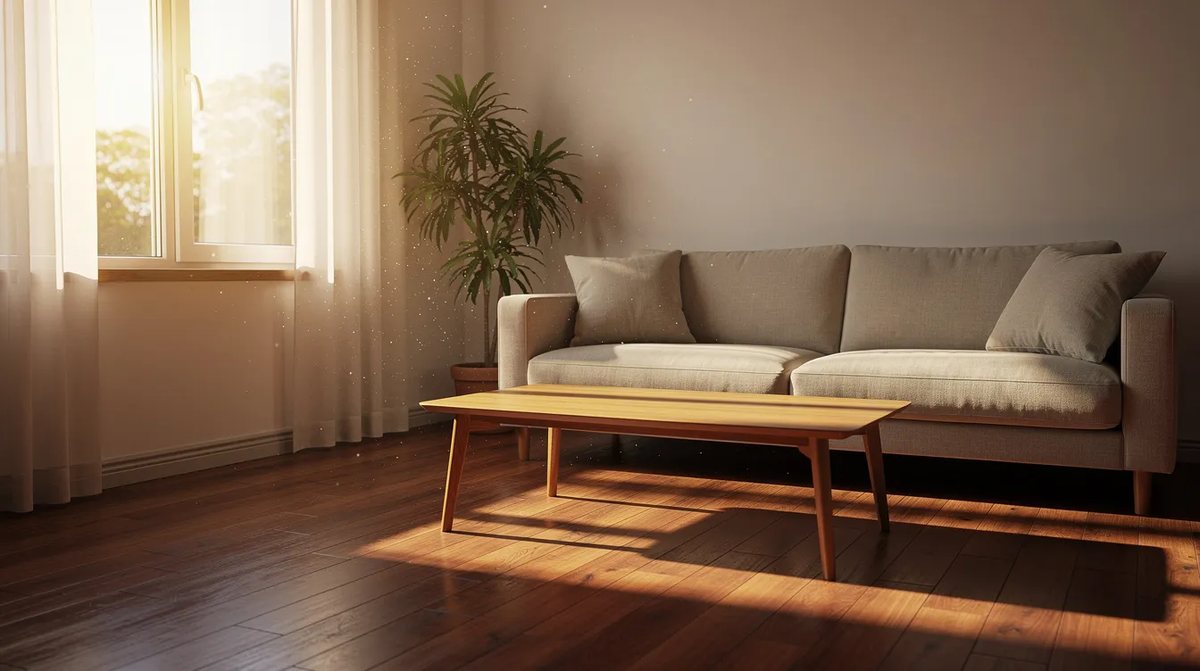
Prioritize these spaces: large south- or west-facing living room windows that create hot spots by afternoon, two-story foyer or stairwell windows where drapes are impractical, kitchen and dining areas with afternoon sun, home offices where monitor glare interferes with work, and bedrooms that get intense early-morning or late-afternoon light.
Transitional film is ideal for any space where you want to enjoy natural light in the morning but need relief from heat and intensity by midday – a sunroom is a classic example. It also makes sense on sliding glass doors and picture windows where maintaining an unobstructed view matters. In climates with wide daily swings in sunlight – think the southwestern sunbelt – the adaptive response delivers especially noticeable comfort gains.
Quality installations can pay for themselves within 3 to 5 years through reduced cooling costs, depending on window area, orientation, and local energy prices. A professional assessment helps identify which windows offer the biggest comfort and energy efficiency payoff so you invest where it counts.
Transitional Film vs. Other Window Film Options
Homeowners often compare transitional window film to standard tinted film and switchable smart film. Here is how they differ in practice.
Traditional tints maintain a fixed level of opacity regardless of conditions. They darken your windows the same amount at 7 AM as at high noon. Traditional tints do not adapt to changing light conditions, which means you sacrifice daylight on overcast mornings to get adequate shading on bright afternoons. Transitional film solves this by varying its tint level automatically based on UV intensity. Photochromic window tint blocks up to 99% of UV rays while still letting you control how much natural light enters throughout the day, and photochromic films block up to 99% of UV rays in both their clear and dark states.
Electrochromic or “smart” glass requires electrical wiring and a control system. It can be switched manually or programmed, which is useful when you need instant privacy – say, in an office or bathroom. But the cost, installation complexity, and potential failure points are significantly higher. This type of smart window film is primarily a privacy solution; its solar performance often trails behind quality photochromic film.
Some homeowners pair transitional film on exterior windows with interior shades for nighttime privacy, since any window film – transitional or static – becomes less private at night when interior lights are on. If your primary goal is reducing heat, glare, and UV without living behind permanently dark glass, transitional film is typically the stronger choice.
Installation Process, Cost, and Getting a Free Estimate
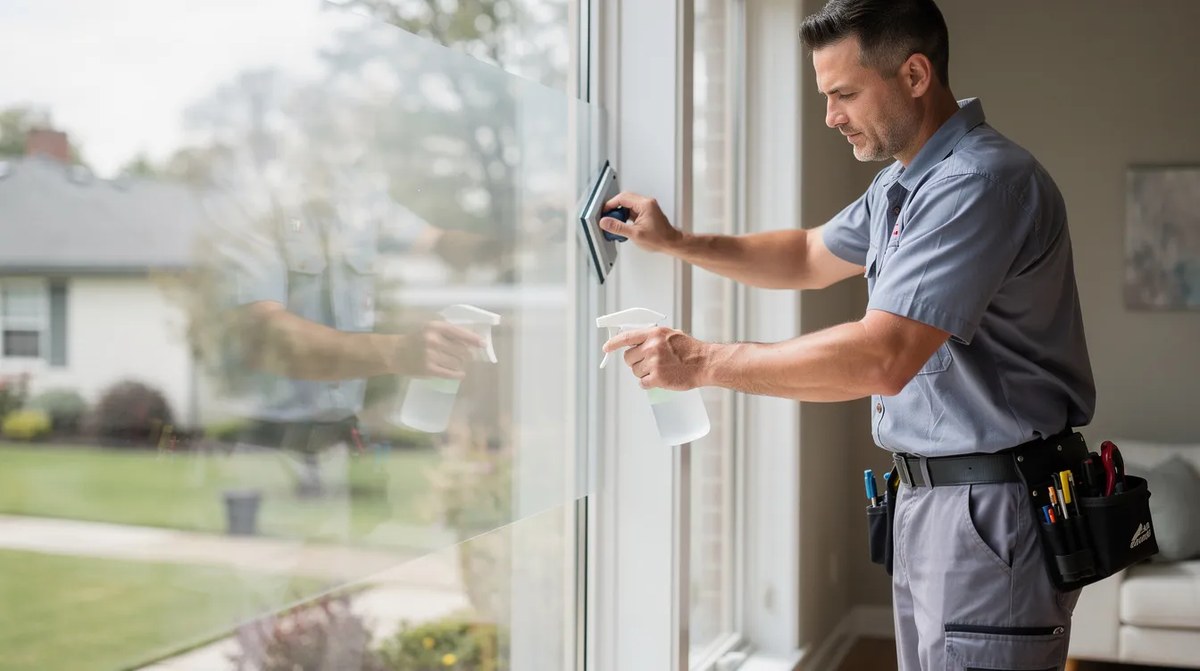
Transitional film installation follows a professional process similar to other advanced window films but demands careful handling of the photochromic material. Professional installation is recommended for photochromic window tint because photochromic window tint installation requires careful attention to detail, and experienced window tinting and window film installers can help ensure long-term performance. DIY installation can lead to bubbling or peeling issues, and improper installation can affect tint performance and longevity.
The typical process looks like this: an on-site consultation to measure glass and assess window orientation, film selection based on your priorities (maximum heat control, glare reduction, or balanced performance), thorough glass cleaning and surface prep, wet application and squeegeeing for adhesion, edge trimming and sealing, and a curing period before the film reaches full performance.
Most residential projects are completed in one to two days depending on window count and access. Furniture near windows may need to be moved temporarily. High second-story glass or removal of old film adds time.
Cost depends on the number and size of windows, the film’s performance level, and installation complexity. Expect higher-performance photochromic film to run more than basic dyed window tint, but it is typically comparable to or less than replacing glass with new high-performance windows. For reference, professional-grade solar control films generally fall in the $7 to $15 per square foot range installed.
Ready to see what transition window tint for homes would cost for your specific windows? Contact our team to request a free estimate – we will assess your glass, orientation, and goals before recommending a solution.
Maintenance, Durability, and Lifespan
Once installed, transitional window films are low-maintenance and built for long-term performance. Photochromic window tint can last over 10 years with proper care, and many premium products remain effective for 15 years or more depending on sun exposure and film grade.
Basic care is simple: wait the recommended curing period (typically a few days to a week) before cleaning, then use mild soap, water, and a soft microfiber cloth. Avoid ammonia-based cleaners and abrasive pads, which can damage the film’s surface. Over many years, you may notice a slight change in how quickly the film transitions, but quality film installed by a trained professional should not show peeling, bubbling, or major discoloration.
Many manufacturers offer multi-year or limited lifetime warranties covering defects like delamination, color change, and edge lifting. If you notice damage or unusual performance changes, contact your installer – localized panel replacement is usually possible without redoing an entire room. Photochromic films can reduce infrared heat by over 80% throughout their functional lifespan, maintaining meaningful heat control and UV protection year after year.
FAQs About Transitional Window Tint for Homes
Here are answers to the questions homeowners ask most often before choosing transitional film.
How dark does transitional window film get in its tinted state? The exact shade depends on the product you select. Most residential photochromic films shift to a moderate tint – enough to cut glare and heat significantly – without making rooms feel dark. Visible light transmission in the tinted state typically drops into a range that still allows comfortable indoor visibility and outdoor views. Your installer can show you samples in both clear and tinted state conditions so you know what to expect.
Will transitional film work on all types of home windows? It works on most standard residential glass including single-pane and many double-pane windows. However, specialty glass with existing low-E coatings or laminated layers may already filter UV, which can reduce how strongly the photochromic film reacts. A professional evaluation of your glass type is important before installation to ensure compatibility and avoid thermal stress on insulated units.
Does transitional window tint improve energy efficiency enough to lower bills? Results vary by climate, window orientation, and how much glass you cover. That said, photochromic tints can reduce energy bills by lowering cooling costs, and case studies on solar control films show 20 to 35 percent reductions in summer cooling expenses in high-sun regions. West- and south-facing windows typically deliver the largest savings.
Will my windows still look clear at night? Yes. When UV intensity drops – at night, on overcast days – the film returns to its lighter state, so windows appear close to clear. Keep in mind that when interior lights are on at night, any window (with or without film) can allow visibility from outside. Transitional film is not a nighttime privacy solution on its own; pairing it with shades or blinds handles that.
Can transitional film be removed or replaced later? Professional removal is straightforward. If your needs change or newer film technology becomes available, an installer can remove existing film and apply a replacement without damaging the glass. This flexibility makes transitional film a practical choice for homeowners who may want to upgrade settings or performance down the road.
Why Choose Our Team for Transitional Window Film Installation
We are not a one-size-fits-all supplier. Our installers are trained specifically on transitional and photochromic products, and every project starts with an in-home consultation to review your window orientation, glass type, and the specific comfort issues you want to solve. We recommend the right architectural window film for each room based on glare, heat, privacy goals, and how you actually use the space.
Our customers get clear upfront pricing, transparent timelines, and post-installation support for any questions about care or performance. We encourage you to review film samples on your actual windows during the consultation – seeing the film shift between its clear and tinted state in your own home builds confidence in your decision.
The goal is long-term comfort, protecting your furnishings and flooring from fading, improved safety from UV exposure, and measurable energy savings – not a hard sell.
Conclusion: Is Transition Window Tint Right for Your Home?
Transitional window film offers an adaptive way to create cooler, more comfortable rooms while cutting glare, blocking harmful UV rays, and preserving the daylight and views that make your home feel open. Unlike permanent dark glass, it responds to real-time conditions – giving you control without asking you to manage anything.
The main takeaway for homeowners: you get better protection from the sun’s UV radiation, improved energy efficiency without sacrificing aesthetics, and a building upgrade that requires no wiring or structural changes. An on-site evaluation is the fastest way to confirm which windows benefit most and which transitional film model fits your goals.
Ready to take the next step? Request a free estimate for transition window tint for homes and find out exactly what adaptive film can do for your space. A brighter, more comfortable home with smart window film is closer than you think.