Table of Contents
- Finding Trusted Window Tinting Professionals Near You
- Understanding Home Window Tinting
- Finding Quality Local Window Tinting Services
- Installation Process and Cost Analysis
- Common Challenges and Solutions
- Conclusion and Next Steps
- Frequently Asked Questions
Finding Trusted Window Tinting Professionals Near You
Finding reliable home window tinting near me requires evaluating local contractors for credentials, comparing film types and pricing, and understanding what quality installation looks like. Whether you’re searching for residential window tinting to reduce solar heat in sun-exposed rooms, exploring home window tinting solutions, or seeking privacy films for ground-floor windows, selecting the right local service makes the difference between lasting performance and early failure.
This guide covers everything homeowners need to know about locating and choosing window tinting services in their area. You’ll learn how to research contractors, verify their qualifications, understand different window films, navigate the installation process, and interpret cost estimates accurately. The content addresses homeowners in U.S. cities and suburbs considering retrofit tinting for existing glass—people who want improved comfort, lower energy bills, UV protection for furniture, and enhanced privacy without replacing their windows entirely.
Direct answer: To find and choose quality local window tinting services, research contractor credentials and reviews, understand the performance differences between film types (ceramic, metalized, dyed), compare itemized cost estimates, check local permit and HOA requirements, and confirm warranty terms before signing.
Key outcomes from this guide:
- Clear understanding of how ceramic, metalized, and dyed films perform differently and what each costs
- Specific criteria for evaluating local contractors—licenses, insurance, certifications, and references
- Step-by-step knowledge of the installation process from consultation through curing
- Regional cost factors that affect your project pricing
- Solutions for common obstacles like permit restrictions and comparing contractor quotes

Understanding Home Window Tinting
Residential window tinting involves applying thin polyester-based architectural window films designed for residential applications with specialized coatings onto existing glass surfaces to alter thermal and optical performance. These films block UV radiation, reduce solar heat gain, decrease glare, protect interiors from fading, and add privacy—all without replacing your windows or window treatments.
The relevance to homeowners is significant: untreated windows account for approximately 25-30% of residential heating and cooling energy loss. Quality window films can reduce cooling demand by 10-30% in sunny climates, creating measurable energy savings while improving daily comfort. For homeowners dealing with hot spots near west-facing windows or faded furniture in sun-drenched rooms, tinting offers a practical solution at a fraction of window replacement costs.
Types of Window Films Available Locally
Dyed films
Dyed films use a dyed interlayer that absorbs light, providing basic glare reduction and privacy at the lowest cost point. These films offer modest heat rejection (typically 30-45%) and work well for homeowners prioritizing appearance over maximum thermal performance. The trade-off: dyed films fade over time, with typical lifespans of 5-8 years.
Metalized and reflective films
Metalized and reflective films incorporate metallic particles or thin metal layers that reject heat through reflection and absorption. These films deliver strong heat rejection (often 60-80% of solar energy) with excellent durability lasting 10-15 years. The drawbacks include a reflective exterior appearance and potential interference with cell phone and Wi-Fi signals—considerations worth discussing with your local dealer.
Ceramic and nano-ceramic films
Ceramic and nano-ceramic films embed non-metallic ceramic nanoparticles that provide high infrared rejection without signal interference. These premium single and dual-layer ceramic window films maintain stable appearance, resist fading, and last 15-20+ years under proper conditions. The technology allows high visible light transmission while blocking significant heat—ideal for homeowners who want to preserve natural light while keeping interiors cool.
Spectrally selective and transitional window films
Spectrally selective and transitional window films represent advanced engineering designed to block specific wavelengths (infrared and UV) while allowing visible light through. These adaptive architectural films that automatically transition from clear to tinted states achieve high visible transmittance alongside meaningful heat reduction—excellent choices where daylight and clarity matter.
Decorative, frosted, and security window films
Decorative, frosted, and security window films serve specialized purposes: privacy and decorative window films designed for interior spaces, etched glass aesthetics, or holding glass fragments during breakage. Security films add a safety layer that can slow intruders and protect occupants from flying glass during storms or accidents, acting as security window films that help prevent theft, vandalism, and forced entry. In higher-risk environments, some homeowners and institutions consider ballistic and bullet-resistant window film systems as part of broader security upgrades. These residential window films can also complement existing blinds and shades.
For homeowners researching a guide to Glass Protection and Safety, security window films offer an effective way to strengthen existing glass, reduce the risk of injury from shattered fragments, and add an extra layer of protection against accidents, severe weather, vandalism, and forced-entry attempts.

Key Benefits for Homeowners
The practical benefits of solar window tinting films for homes extend across multiple areas:
UV protection is nearly universal—modern films block approximately 99% of harmful UV-A and UV-B radiation, protecting furniture, flooring, and artwork from fading while reducing skin exposure risks in sun-exposed rooms.
Energy efficiency improvements vary by film type and installation quality. Ceramic films rejecting 65%+ of infrared radiation can lower indoor temperatures in sunlit rooms by several degrees, reducing air conditioning loads and helping homeowners save energy throughout summer months.
Reducing glare transforms rooms where screens were previously unwatchable during daylight hours. For home offices and media rooms, this benefit alone often justifies the investment.
Privacy enhancement ranges from subtle (spectrally selective films that maintain outward visibility) to complete (frosted or decorative films that obscure vision entirely). Smart window films that switch between opaque and clear states on demand add another option for flexible privacy in select rooms. The right choice depends on your specific windows, doors, and comfort preferences.
Understanding these benefits prepares you to have informed conversations with local contractors about which film types align with your priorities.
Finding Quality Local Window Tinting Services
With benefits clearly defined, the next step involves identifying qualified contractors in your area who can deliver expert installation with appropriate materials and help maximize every space in your home.
Researching Local Contractors
Start your search using location-based queries on Google Maps for “residential window tinting” or “architectural window film installer.” Focus on businesses that specifically advertise home and architectural work rather than those exclusively serving automotive customers—the skills, tools, and materials differ significantly.
Local business directories like Yelp, Angi, and Houzz provide reviews, photos, and project galleries. Check social media and neighborhood Facebook groups for recommendations from nearby homeowners who’ve completed similar projects. Pay attention to whether contractors showcase residential portfolios with finished interiors rather than just vehicle work.
Verifying Credentials and Experience
Licensing requirements vary by state and municipality. Some jurisdictions require contractor licenses for glass or window film installation; others treat it as specialty work with different requirements. Contact your state or local licensing board to verify any license numbers contractors provide.
Insurance verification is non-negotiable. Ask for proof of general liability insurance and workers’ compensation coverage. Without these, you bear financial risk if property damage occurs during installation or an installer is injured on your premises.
Certifications from manufacturers like 3M, Eastman LLumar, or Avery Dennison indicate formal training and access to quality materials. Membership in the International Window Film Association (IWFA) suggests professional commitment. Certified installers typically demonstrate better technique and offer stronger warranty terms—both factors worth confirming before making your selection if you are interested in long-term performance.
Reading Reviews and Getting References
Online reviews provide valuable insight when read carefully. Look for recent feedback (within 6-12 months) that specifically addresses film quality—bubbles, clarity, edge finishing, and durability over time. Photos of completed work reveal installation precision better than star ratings alone.
Request references from residential clients in your area, ideally within your city or neighborhood. If possible, visit a nearby project to inspect edge work, film clarity, and overall appearance. Quality installers welcome this scrutiny because their work demonstrates competence and a professional form of installation.
Key contractor evaluation points:
- Transparency in quoting (specific film brands/models, performance specifications, warranty terms)
- Responsiveness to questions about preparation, old film removal, and cleanup
- Clear explanations for film recommendations based on your goals
- Professional communication throughout the inquiry process
These evaluation criteria prepare you to assess installation proposals with confidence.
Installation Process and Cost Analysis
Understanding what happens during installation and how contractors structure pricing helps you interpret quotes accurately and set realistic expectations for your project.
Typical Installation Steps
The installation process follows a predictable sequence that professional contractors execute with precision:
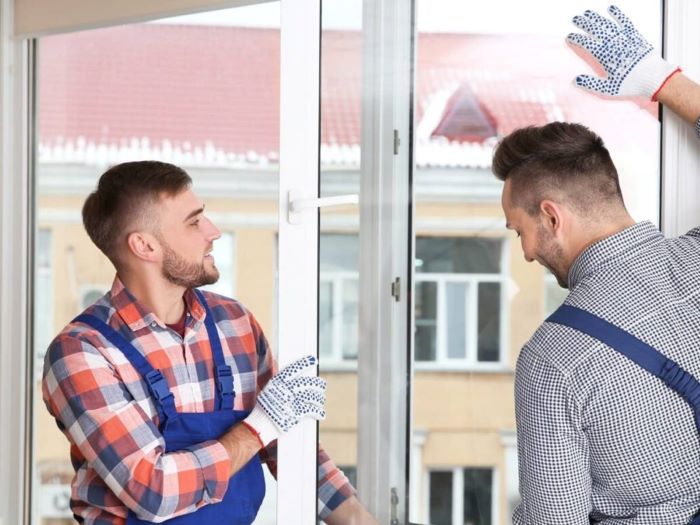
- Consultation and measurement – The contractor visits your home (or reviews detailed photos) to measure window sizes, count panes, assess glass types (single vs. double pane, existing low-e coatings), check sun orientation, and evaluate access requirements like ladders or scaffolding for upper floors.
- Film selection and proposal – Based on your goals—heat rejection, privacy, aesthetics, security—the contractor recommends appropriate films, presents performance data (visible transmittance, solar heat gain coefficient, IR rejection percentages), and provides estimates per square foot or per window.
- Surface preparation – Before application, installers remove any existing film, clean glass thoroughly inside and out, address coatings or residue, and ensure frame conditions support proper adhesion. Inadequate preparation leads to bubbling and peeling.
- Film application – Installers cut film to size, peel the backing, apply solution to the glass, position the film, squeegee out air and water, and trim edges with precision. Professional-grade tools and techniques distinguish quality installations from amateur attempts.
- Curing period – Film adhesives require time to bond fully—typically several days to two weeks depending on film type and climate. During curing, small bubbles and haziness may appear before clearing. Avoid cleaning or wiping aggressively during this window.
- Final inspection and warranty activation – The contractor inspects for blemishes, edge sealing integrity, and alignment before providing warranty documentation covering both manufacturer materials and installation labor.
Local Cost Comparison
Pricing for residential window tinting varies based on several factors worth understanding before comparing quotes:
| Factor | Lower Cost Range | Higher Cost Range | Notes |
|---|---|---|---|
| Film Type | Dyed: $6-7/sq ft | Ceramic: $8-12+/sq ft | Premium films cost more but last longer |
| Per Window (Standard) | $100-200 basic | $250-400+ ceramic | Prices assume typical residential sizes |
| Project Total (12-20 windows) | $1,000-2,000 | $2,500-4,500+ | Based on film type and window count |
| Access Difficulty | Ground floor: minimal | Multi-story/skylights: +20-30% | Scaffolding and special equipment add cost |
| Old Film Removal | N/A if no existing film | +$50-150/window | Removal requires additional labor |
| Window Style | Standard rectangular | Arched/bay/custom shapes | Complex shapes increase cutting time |
| Regional labor rates also affect pricing—window tinting services in major metropolitan areas typically cost more than in smaller markets. Minimum project fees apply to small jobs, making per-window costs higher when only treating a few windows. |
Interpreting pricing accurately: Ceramic films cost more upfront but deliver longer lifespan (15-20 years vs. 5-8 years for dyed) and greater energy savings. Calculate total cost of ownership rather than focusing solely on initial price. A ceramic installation at $3,500 lasting 18 years often beats a dyed installation at $1,800 requiring replacement after 7 years.
Ensure quotes itemize film brand and model, performance specifications, labor, removal of existing film, number of windows, edge sealing, cleanup, and warranty terms. Comparing itemized quotes reveals whether price differences reflect material quality or just margin.
Common Challenges and Solutions
Homeowners frequently encounter specific obstacles when pursuing local window tinting projects. Understanding these challenges in advance prevents frustration and improves outcomes.
Finding Qualified Local Installers
Homeowners in specific regions can also look for local window tinting services in Southern New Hampshire and similar area-focused providers that specialize in residential work.
Many installers focus primarily on automotive tinting and lack expertise with flat-glass architectural films. Some may misrepresent film capabilities or use lower-quality materials than quoted.
Solution: Ask specifically about experience with residential flat glass and architectural applications. Request portfolios of completed home projects. Confirm manufacturer certifications and ask which brands they install most frequently. Get multiple quotes to compare technical knowledge across contractors—the way installers explain film options reveals their expertise level and helps you enjoy a smoother selection process.
Understanding Local Permit Requirements
Some municipalities, historic districts, and HOAs restrict visible light transmission levels, reflective appearances, or mirrored finishes on residential windows. Violations can require costly removal.
Solution: Before hiring, contact your city planning department or building inspections office to clarify requirements. Review HOA covenants for aesthetic restrictions. Ask contractors whether previous clients in your district received approval and request written confirmation that proposed films comply with applicable regulations. Spectrally selective films with high visible transmittance and low reflectivity often satisfy both comfort goals and appearance restrictions without creating a shiny exterior appearance.
Comparing Quotes and Service Packages
Quotes vary widely in what they include: preparation quality, old film removal, warranty coverage, cleanup, and travel fees may or may not be bundled.
Solution: Require itemized quotes listing film brand and model, performance metrics (VT, SHGC, IR rejection), labor charges, removal costs, window count, complexity factors, and warranty duration for both materials and installation. When one quote seems significantly cheaper, examine what’s excluded. Sometimes lower material cost with higher labor produces similar totals but different long-term outcomes.
These solutions position you to navigate common obstacles effectively as you move toward project completion, especially when working with professional window tinting and window film installation services that offer streamlined assessments and installations.
Conclusion and Next Steps
Finding quality home window tinting near me comes down to systematic evaluation: research local contractors, verify credentials and insurance, compare detailed quotes, confirm warranty terms, and ensure compliance with local regulations. The investment pays dividends through energy savings, UV protection, enhanced privacy, and improved daily comfort—benefits that compound over the 10-20 year lifespan of quality installations and create a more enjoyable living environment.
Immediate next steps:
- List 3-5 local residential window tinting contractors using Google Maps and review platforms
- Contact each to request itemized quotes specifying film type, performance metrics, and warranty terms
- Verify licenses, insurance, and manufacturer certifications before scheduling consultations
- Check local permit requirements and HOA rules applicable to your property
- Compare quotes on an apples-to-apples basis, weighing total cost of ownership over initial price today
Related topics worth exploring include maintenance requirements for installed films (cleaning techniques that preserve longevity), warranty claim procedures, and seasonal timing considerations for optimal installation conditions.
Frequently Asked Questions
How much does home window tinting cost in my area?
Costs depend on your region, film type, and project scope. National averages range from $6-15 per square foot installed, with total projects for 12-20 windows typically running $1,000-4,500. Get multiple local quotes to understand market pricing in your city—labor rates vary significantly between metropolitan and smaller markets.
How long does professional window tinting installation take?
Most residential projects require several hours to a full day for average-sized homes with 10-20 windows. Larger homes or multi-story properties with difficult access may require 1-3 days. The curing period afterward extends several days to two weeks before films achieve final clarity and adhesion.
Do I need permits for residential window tinting?
Requirements vary by jurisdiction. Interior film applications rarely require permits, but exterior-facing reflective or mirrored finishes may need approval in some municipalities or historic districts. HOAs often have aesthetic rules requiring compliance. Check with local building officials and review any applicable covenants before installation.
What should I look for in a local window tinting contractor?
Verify state or local licenses, confirm general liability insurance and workers’ compensation coverage, and look for manufacturer certifications (3M, LLumar, etc.). Review recent online feedback specifically mentioning residential work quality. Request references from nearby homeowners and ask to see completed projects when possible.
How long do window tints typically last?
Lifespan varies by film type: dyed films last 5-8 years, metalized films 10-15 years, and ceramic/nano-ceramic films 15-20+ years under proper conditions. Quality installation and appropriate maintenance extend longevity—improper surface preparation or harsh cleaning products shorten it.
Can window tinting be removed if I don’t like it?
Yes, professional removal is possible but adds cost—typically $50-150 per window depending on film type and adhesive condition. Improper removal can damage glass or frames. Some contractors include old film removal in installation quotes; others charge separately. Clarify this before project start.
What warranty should I expect from local installers?
Quality installations include two warranties: manufacturer coverage (typically 10-20 years for ceramic films, less for dyed) addressing adhesive failure, fading, peeling, and bubbling; and installer labor warranty (usually 1-5 years) covering installation defects. Get both in writing before work begins.
Will window tinting affect my home’s resale value?
Quality installations with documented performance specifications can enhance value by demonstrating energy efficiency improvements and UV protection. Poorly applied films or tints that violate HOA rules may negatively impact marketability. Professional installations with transferable warranties and NFRC-rated performance data support value claims during resale.