If you have a clear bathroom window, exposed front door glass, or a street-facing home office, frosted film can solve the problem without replacing the pane. This guide explains how to buy, choose, install, and maintain frosted glass film locally so your next privacy project is simple, affordable, and effective.
Table of Contents
Why People Search “Frosted Glass Film Near Me” (Quick Answer First)
What Is Frosted Glass Film and How Does It Work?
Benefits of Installing Frosted Glass Film on Local Windows
Types of Frosted Window Films You’ll Find Near You
Where to Buy Frosted Glass Film Near Me
How to Choose the Right Frosted Glass Window Film for Each Room
Step-by-Step: Installing Frosted Film on Glass Windows
Maintenance, Durability, and When to Replace Window Films
Why Choose Our Window Film Experts for Local Supply and Installation
Frequently Asked Questions About Frosted Glass Film Near Me
Conclusion: Turn Any Clear Pane Into Private Frosted Glass
Why People Search “Frosted Glass Film Near Me” (Quick Answer First)
Most people search for “frosted glass film near me” because they need privacy fast and do not want to wait weeks for custom frosted glass. Local options can mean same-day pickup, fast delivery, or a professional installer who can measure and apply the window film for you.
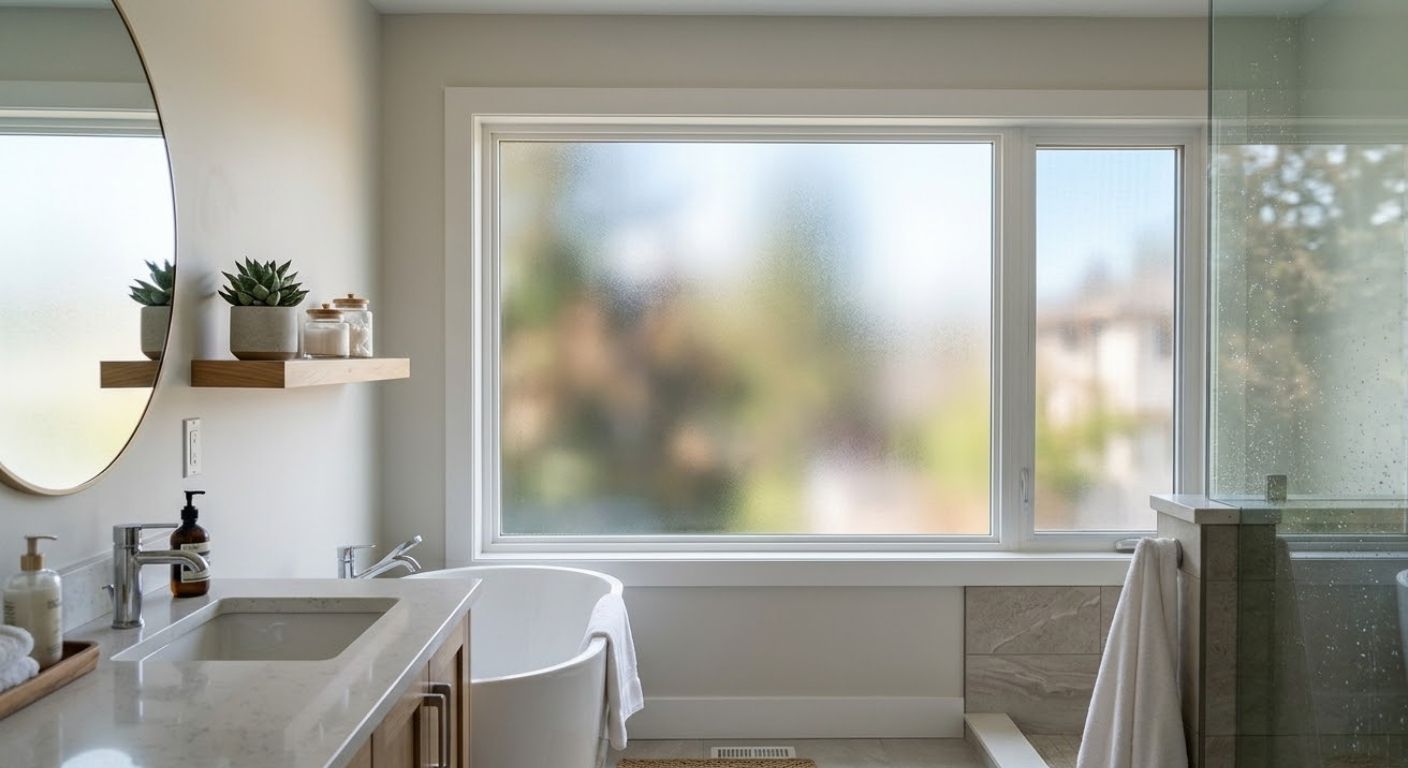
The most common goals are simple: improve privacy, keep daylight, avoid curtains or blinds, and finish an easy weekend diy project. Frosted glass film works especially well on bathroom windows, front doors with sidelights, street-level glass windows, glass cabinets, and small office partitions.
In 2026, local stores often stock privacy window film rolls in sizes like 17.5″ x 78.7″ and 24″ x 118″, similar to popular online products but available immediately. Shoppers usually compare in-store products with online choices to balance price, quality, convenience, return rules, and whether they can cancel or adjust an order before delivery.
What Is Frosted Glass Film and How Does It Work?
Frosted glass film is a thin vinyl or polyester window film applied directly to existing glass. It mimics the look of etched or sandblasted glass, creating a frosted glass appearance without permanent glazing work.
A frosted glass window film scatters light as it passes through the glass, which creates privacy while allowing light to enter the room. Frosted glass films can range from semi-transparent to completely opaque, so you can select a soft blur or a full privacy shield depending on the space.
The terms overlap, but there are differences. Frosted window privacy film usually refers to translucent or opaque film that blocks clear views. Privacy window film is broader and can include one-way, blackout, reflective, decorative, or frosted options.
There are two main application styles. Static cling films use static electricity and water to stick to surfaces, and many window films are made from non-adhesive vinyl material. Adhesive-backed frosted films use a pressure-sensitive permanent adhesive for a stronger, longer-term bond.
High-quality frosted glass films reject up to 99% of harmful UV rays. Frosted glass window films can block harmful UV rays, and these films allow natural light while blocking UV rays that contribute to sun damage on furniture, flooring, and artwork.
Benefits of Installing Frosted Glass Film on Local Windows
The biggest benefits are privacy, style, comfort, and cost savings. Frosted glass films are cost-effective compared to etched glass, and frosted glass film serves as a removable alternative to permanent frosted panes.
Specific advantages include:
- Enhanced privacy for bathroom windows, entry sidelights, and street-level glass.
- Maintains daylight, unlike blackout curtains, with a soft diffused glow.
- Can be cut to size with a basic utility knife, allowing custom shapes and patterns.
- Cost-effective upgrade versus frosted glass replacement panels or custom glazing.
- Easy to update or remove when moving or changing décor, especially static cling versions.
- UV reduction and glare control, protecting flooring, artwork, screens, and furniture.
Window films can provide up to 96% privacy protection, and frosted glass films provide 96% privacy protection in many product ratings. Full frosted films completely blur silhouettes while letting diffused natural light through, which is why they are a great solution for a bathroom, bedroom, or front entry.
Frosted glass films filter harsh sunlight reducing solar glare, which can make a home office or living room more comfortable. They also add a small security benefit: frosted glass films help hold shattered glass together in case of an impact, although they should not be confused with dedicated security glass.
For homeowners researching a guide to Glass Protection and Safety, it is important to understand that while frosted films are primarily designed for privacy, they can also help hold broken glass together after an impact, reducing hazards from loose shards and contributing to a safer indoor environment.
Homeowners, renters, and small offices love the flexibility. A single roll can protect privacy, improve appearance, and make a space feel more finished without a big remodel.
Types of Frosted Window Films You’ll Find Near You
Most nearby stores and suppliers carry a mix of plain, decorative, static, and adhesive frosted film options in rolls and precut sizes. Window films can enhance the aesthetic of any space, from a shower window to a storefront conference room.
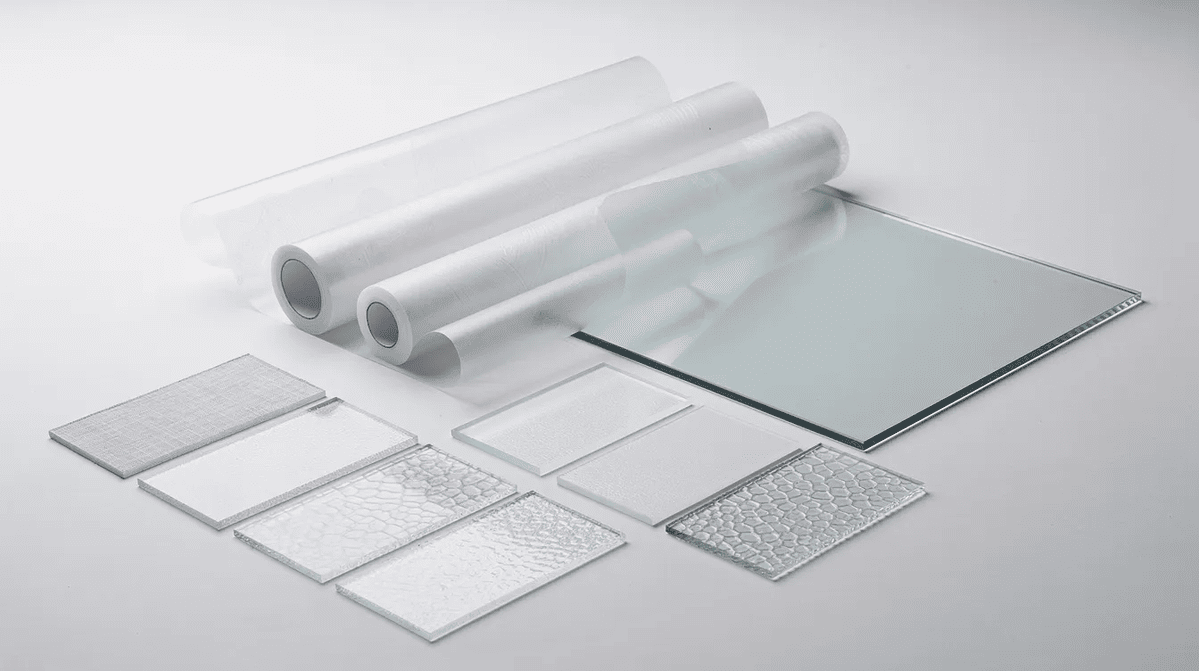
Common options include:
- Plain matte frosted glass film: a soft, uniform finish for maximum privacy, ideal for bathrooms and offices.
- Patterned frosted film: stripes, geometric shapes, or borders that create design interest while obscuring views. Patterned frosted films alternate between frosted and clear sections.
- Static cling privacy film: reusable, non-adhesive film that clings to glass with water; great for renters and temporary solutions.
- Adhesive frosted window film: a more permanent solution for busy areas like shopfronts, conference rooms, and glass partitions.
- 3D or textured window films: mimic etched lines or rain glass to add depth as well as privacy.
- Dual-function films: combine frosting with heat-blocking or UV-filtering coatings for sun-exposed glass.
Static cling window films are removable and reusable. Some frosted glass films are removable and reusable for easy application, especially when you want to try a look before committing.
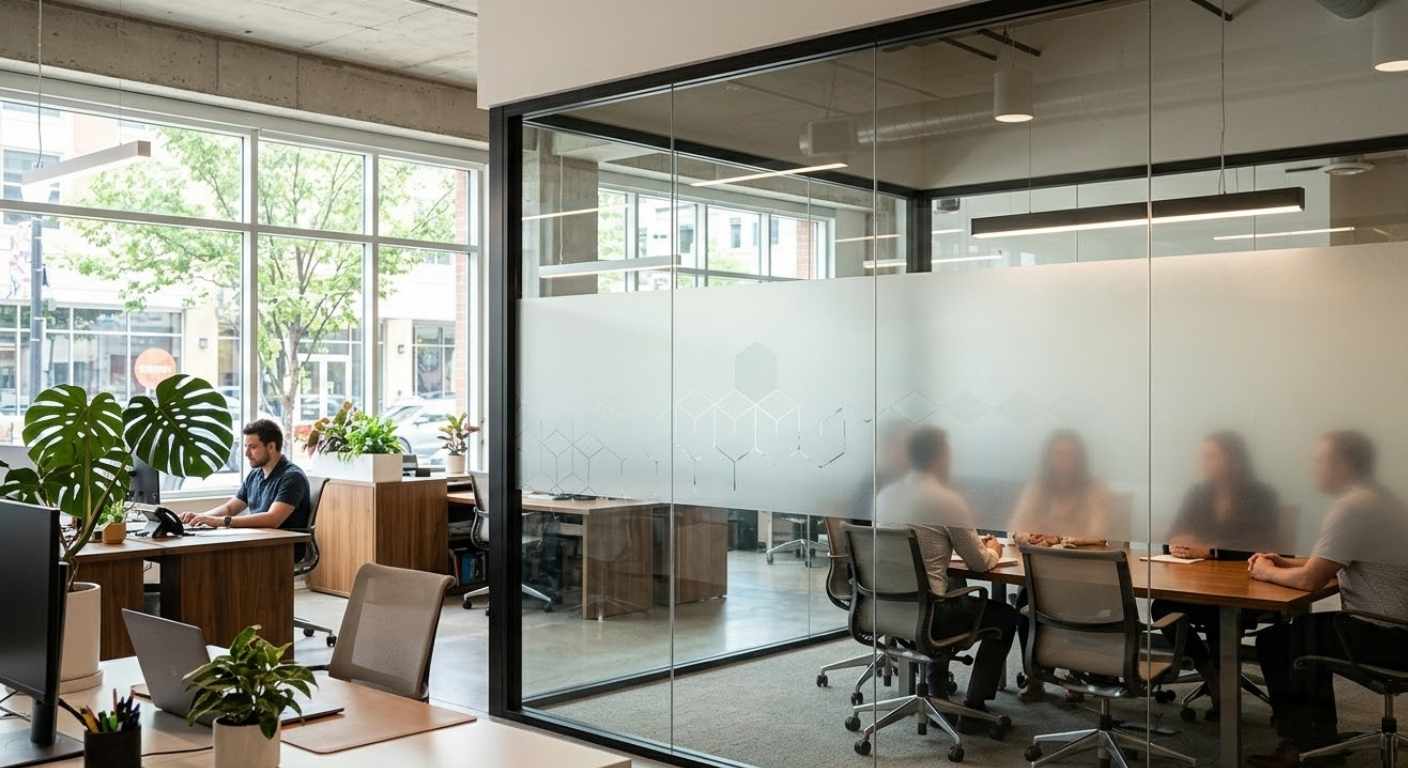
3M films provide a uniform etched-glass appearance and are used for commercial settings. Frosted glass films can also enhance aesthetics and branding for offices and storefronts, especially when a company wants to separate work zones without making the office feel closed off.
Most local inventories carry widths around 17–24 inches and lengths from 39 inches up to 118 inches, with larger sizes typically ordered in. Before visiting a store, measure the window glass only and add a little extra for trimming.
Where to Buy Frosted Glass Film Near Me
Local buyers usually compare general hardware stores, specialty window film suppliers, décor shops, and online retailers that ship quickly. The right source depends on whether you want fast pickup, expert advice, or the perfect decorative pattern.
Typical local sources include:
- General hardware and home-improvement stores that stock standard frosted films and window film kits.
- Local glass or glazing shops that can recommend compatible frosted film for existing glass windows.
- Paint and décor stores that focus on decorative window films and design-forward patterns.
- Mobile installers who carry samples in their vans and can handle both supply and installation.
Window films are available at Ace Hardware stores. Popular options for DIY-friendly static-cling films are available on Amazon and The Home Depot, and Amazon offers a variety of window films for purchase. Target sells frosted glass films starting at $11.99, while Walmart has window privacy films starting from $5.19. Window films can be ordered online for home delivery if local shelves are limited.
HIDBEA and Coavas offer top-rated static-cling films for DIY applications. If you bought a roll online, check the product page for privacy rating, size, application directions, and whether the film is reusable.
In 2026, shoppers often use store inventory apps, click-and-collect, and same-day delivery windows. If a product is out of stock, you may be able to add it to your cart, select another size, or choose a different pickup location.
Before you buy, hold a sample against real light in the store. A film that looks white and private on the shelf may pass more light than expected when placed against a sunny window outside.
How to Choose the Right Frosted Glass Window Film for Each Room
Not every room needs the same opacity, texture, or application method. The best choice depends on privacy, light, moisture, durability, and the style of the home.
Use this room-by-room guide:
- Bathroom windows: choose high-opacity frosted window privacy film or full-coverage matte white films. Moisture-resistant materials matter because humidity can lift cheap edges.
- Bedrooms: select films that give privacy at night but still let morning light in. If you need full blackout, pair frosted film with curtains.
- Home offices: use glare-reducing window tint or frosted film that diffuses light on screens while keeping a professional look.
- Front doors and sidelights: choose decorative frosted glass patterns that look good from the street while hiding direct views in.
- Interior glass partitions: use banded or partial-height frosting for offices and studios to keep an open feel with focused privacy zones.
Choose static cling when you need a renter-friendly, removable, reusable film for seasonal use or when experimenting with styles. Choose adhesive film for long-term, high-traffic, or commercial installations where peeling and tampering are concerns.
Also consider color tone. Cool white frost can look crisp and modern, while warmer frost may blend better with wood trim, beige tile, brass fixtures, or traditional doors.
Step-by-Step: Installing Frosted Film on Glass Windows
The application process for frosted glass films is a simple DIY project. Most people can finish a small bathroom or office window in under an hour with basic tools.
You will need:
- Frosted glass window film cut slightly larger than the glass area.
- Spray bottle with water and a few drops of mild dish soap.
- Squeegee or plastic card wrapped in a soft cloth.
- Measuring tape, pencil, and sturdy utility knife with a fresh blade.
- Clean microfiber cloth and glass cleaner, ammonia-free if required.
Follow these steps:
- Measure the glass and cut the film 1–2 cm larger on all sides.
- Clean the glass thoroughly to remove dust, grease, and old adhesive.
- Generously spray the glass surface with soapy water so the film can slide into position.
- Peel away the protective sheet or backing and apply the film to the wet glass starting at the top.
- Use the squeegee from the center outward to push out air bubbles and excess water.
- Finish trimming along the edges with the utility knife, using the window frame as a guide.
- Wipe the edges dry and leave the film untouched for 24–48 hours.
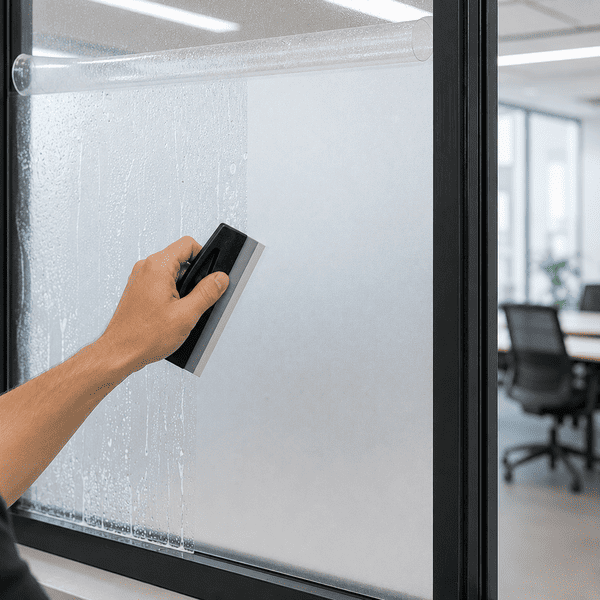
For many static cling products, installation requires only soapy water and no glue. Frosted films can be cut to fit any window size, which makes them useful for narrow sidelights, small bathroom panes, glass doors, cabinets, and unusual shapes.
Avoid three common mistakes: dry application, cutting too small, and pressing sharp tools directly into unprotected glass. Always follow the manufacturer’s directions before you start.
Maintenance, Durability, and When to Replace Window Films
Quality frosted glass film can last several years when cleaned gently and kept free from abrasion. The surface is durable, but it still needs better care than bare glass.
Basic maintenance:
- Clean gently with a soft cloth and mild, non-abrasive cleaner.
- Avoid harsh chemicals, scouring pads, and razor blades on the film surface.
- Do not place stickers or tape over the film, as removal can lift edges.
In 2026, typical interior privacy films last about 3–7 years depending on film quality, sun exposure, moisture, and cleaning habits. Static cling films may need occasional edge smoothing but remain reusable if stored flat.
Replace the film when you see discoloration, persistent air bubbles, edge lifting, scratches, or cloudy areas that affect clarity and appearance. The good news is that removing and replacing modern privacy film is generally straightforward and far cheaper than replacing the underlying glass windows.
Why Choose Our Window Film Experts for Local Supply and Installation
Our window film experts help homeowners and businesses choose practical frosted glass, decorative, and privacy solutions for real-world spaces. “Near me” does not have to mean figuring everything out alone.
What you can expect:
- Years of hands-on experience fitting frosted film on bathroom windows, offices, and shopfronts.
- Access to a curated range of privacy film and decorative frosted glass film, not just one generic style.
- Clear, up-front pricing on materials and installation, with itemized quotes based on window size and film type.
- Advice on choosing between static cling and adhesive film depending on whether the property is owned, rented, residential, or commercial.
- Flexible appointment windows, including evenings or weekends, for busy homeowners and small businesses.
Our process is simple. You share photos, rough measurements, and privacy goals; we recommend film styles and privacy levels; then we handle surface prep, precise cutting, clean edges, and aftercare guidance.
If you want a smooth finish without wasted material, professional installation can save time and help the final result look crisp.
Frequently Asked Questions About Frosted Glass Film Near Me
Here are the questions customers most often ask in 2026 about cost, coverage, privacy, and suitability.
Can I get enough privacy film locally for large bathroom windows and sliding doors?
Yes, but you may need a wider roll or a special order for large panes and sliding doors. Local stores often stock standard rolls, while installers and specialty suppliers can source larger widths for a cleaner result with fewer seams.
Is static cling frosted film secure enough for long-term use, or should I choose adhesive?
Static cling is fine for many indoor windows, rental homes, and low-touch areas. Adhesive film is better for long-term use, commercial glass, shopfronts, or any place where moisture, cleaning, or tampering could cause lifting.
Will frosted glass film still work if my window faces a bright streetlight at night?
Usually, yes, but choose high-opacity film if the room is brightly lit or the outside light is strong. For bedrooms and bathrooms, full frosted films are better than light decorative patterns because they reduce silhouettes more effectively.
How much does quality frosted film typically cost per square foot in my area?
DIY film often costs about $1–$2 per square foot for basic frosted or decorative products, while professional installation is commonly several times higher because it includes labor, prep, cutting, and finishing. Pricing varies by region, film quality, and window access; window film cost guides show how material and labor affect the final budget.
Can I install window films on textured or patterned glass, or does it need to be smooth?
Most privacy window film is designed for smooth glass. Static cling and adhesive films may not bond well to textured, pebbled, or heavily patterned glass, so check the label before you apply it.
Does window film affect the warranty on double-glazed or low-E glass?
It can if the wrong product is used. Always check manufacturer instructions for double-glazed, tempered, tinted, or low-E glass, and ask a local installer if you are unsure.
How difficult is it to remove privacy window film later without damaging the glass?
Static cling film is usually easy to remove and reuse. Adhesive film takes more time and may leave residue, but it can normally be removed safely from smooth glass with proper tools and patience.
Conclusion: Turn Any Clear Pane Into Private Frosted Glass
Modern frosted glass film can quickly turn exposed glass windows into private, attractive surfaces without new glazing. It lets in light, reduces glare, improves privacy, and gives you flexibility that permanent frosted panes cannot.
Measure your windows, choose the right opacity and style, then decide whether to start a simple DIY project or contact local window film experts for recommendations and installation. Because the film can be cut, repositioned, removed, or replaced over time, it is a low-risk upgrade you can adapt as your needs change.