- The Hidden Costs of Uncomfortable Windows
- Why Traditional Office Temperature Control Solutions Fall Short
- How Advanced Window Films Solve Glare and Hot Spots
- The Measurable ROI of Enhanced Occupant Comfort
- Choosing the Right Commercial Window Film for Your Business
- Conclusion: Transforming Window-Side Discomfort into a Strategic Advantage
- Frequently Asked Questions
The Hidden Costs of Uncomfortable Windows


While the complaints about window-side workspaces may seem like minor annoyances, they are often symptoms of deeper, more expensive operational issues. The frustration your employees feel is a leading indicator of tangible costs that impact your bottom line through lost productivity, wasted energy, and underutilized assets. These are not just comfort issues; they are financial liabilities hiding in plain sight.
How Glare and Hot Spots Sabotage Employee Productivity
An employee’s ability to focus is directly tied to their physical comfort. When unfiltered sunlight streams through windows, it creates two primary productivity killers: glare and hot spots.
Glare on computer screens forces employees to constantly squint, reposition their monitors, and contort their bodies, leading to eye strain, headaches, and physical fatigue. This isn’t just a momentary distraction; studies from organizations like the World Green Building Council link improved visual comfort directly to cognitive function. When your team is fighting the light, they aren’t concentrating on their tasks.
Simultaneously, solar heat gain creates intense hot spots, making window-adjacent desks unbearable. This thermal stress can reduce concentration and make employees feel sluggish and lethargic. The result is a cycle of inefficiency where employees take more frequent breaks, avoid their own desks, and lose valuable time trying to find a comfortable place to work.
The Link Between Thermal Comfort and Employee Morale
The battle over the office thermostat is more than a workplace cliché; it’s a significant drain on morale. When one side of the office is baking in the sun, the natural response is to lower the HVAC temperature. This creates a secondary problem: the employees away from the windows are now freezing.
This constant thermal imbalance creates an environment of frustration and complaint. It pits coworker against coworker and directs a steady stream of dissatisfaction toward management and facility teams. When employees feel that their basic comfort is being ignored, it erodes their sense of being valued and negatively impacts overall company culture. A workplace that feels physically uncomfortable soon becomes an emotionally taxing one.
Escalating HVAC Costs and Your Building’s Energy Footprint
Untreated windows act like giant heat collectors. According to the U.S. Department of Energy, heat gain through windows can be responsible for up to a third of a building’s cooling costs. Your HVAC system is forced to run longer and harder to fight this constant influx of solar energy, a battle that shows up directly on your monthly utility bills.
This isn’t just about cost. It represents a massive energy inefficiency. Your cooling system is trying to compensate for a structural weakness, pumping cooled air into a space that is simultaneously being heated by the sun. This cycle of wasted energy not only inflates your operational expenses but also significantly increases your building’s carbon footprint, a metric of growing importance for modern, socially-conscious businesses.
When Prime Real Estate Becomes Unusable Space
Perhaps the most overlooked cost is the loss of valuable real estate. The desks with the best views, the corner conference room with natural light, and the bright collaborative zones are often your most desirable—and expensive—square footage. Yet, if these areas are plagued by heat and glare, they become effectively unusable for significant portions of the day.
Take a moment to consider the cost. If a 200-square-foot area near your windows is consistently avoided by staff, you are paying rent or a mortgage on dead space. Those empty desks and abandoned meeting rooms represent a direct and measurable drain on your resources. By failing to control the indoor environment, businesses inadvertently devalue their own prime assets, turning what should be a powerful tool for recruitment and retention into a source of daily frustration and financial loss.
Why Traditional Office Temperature Control Solutions Fall Short
If your business has large windows, you are likely familiar with the daily battle for comfort. Employees near the glass are too hot while those in the interior are too cold. Sunlight creates blinding glare on computer screens, and your HVAC system runs constantly, driving up energy bills.
Many business owners accept this as an unavoidable cost of having a bright, modern workspace. They turn to familiar, yet ultimately inadequate, solutions that fail to address the root cause of the problem: uncontrolled solar energy entering the building. Before we explore the right solution, it is important to understand why these common approaches consistently fall short.
The Limitations of Blinds and Drapes: A Choice Between View and Comfort
Blinds and drapes are the most common response to solar heat and glare, but they present a frustrating compromise. When open, they do nothing to stop the sun’s heat from baking your office and creating distracting glare. When closed, they plunge your space into darkness, blocking the natural light and outdoor views that are proven to boost employee mood and productivity.
This “all or nothing” approach forces a choice between comfort and the very benefits you want from your windows. Furthermore, dark-colored blinds can absorb solar heat and radiate it back into the room, effectively turning your window into a large, inefficient radiator. This is a reactive measure that sacrifices one asset, natural light, to temporarily manage another, comfort.
Why Overworking Your HVAC System Isn’t a Sustainable Solution
When employees complain about heat, the most common instinct is to lower the thermostat. Unfortunately, your building’s HVAC system is engineered to maintain a consistent temperature throughout a large, open space. It is not designed for the surgical task of cooling isolated hot spots near windows.
The result is a costly and inefficient cycle.
- Uneven Temperatures: The HVAC system works overtime to cool the perimeter, making interior spaces uncomfortably cold and leading to a new wave of employee complaints.
- Skyrocketing Energy Costs: You are essentially paying to air condition the outdoors, as the system fights a losing battle against the constant influx of solar heat.
- Increased Equipment Strain: This constant, high-demand operation puts significant wear and tear on expensive HVAC components, leading to more frequent maintenance and a shorter lifespan for the entire system.
Relying on the HVAC system is not a solution. It is a financially unsustainable attempt to manage a problem at the wrong end of the chain.
The Ineffectiveness of Stop-Gap Measures and Temporary Fixes
In a desperate attempt to find relief, businesses often resort to a variety of temporary fixes. These can include rearranging office layouts to move desks away from windows, installing partitions, or providing employees with personal fans.
While well-intentioned, these measures are disruptive, unprofessional, and ultimately ineffective. They fail to address the fundamental problem and often create new ones, such as workflow interruptions or cluttered workspaces. They are symptoms of a building that is not performing as it should, treating the symptom rather than curing the underlying issue.
How Advanced Window Films Solve Glare and Hot Spots

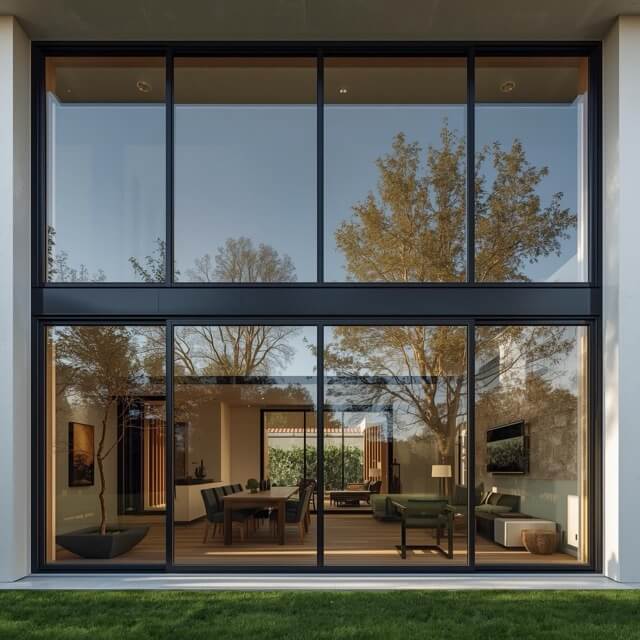
Instead of blocking light or over-cooling your entire building, modern window films offer a technologically advanced and strategic solution. They work directly at the source of the problem, the glass itself, to control the sun’s energy before it ever enters your space. This technology transforms your windows from a liability into a high-performance asset.
The Science of Solar Control: Rejecting Heat, Not Light
The sun’s energy is composed of three parts: visible light (what we see), infrared radiation (which we feel as heat), and ultraviolet (UV) radiation. Traditional solutions like blinds treat all three the same.
Advanced window films, however, are engineered to be spectrally selective. This means they can differentiate between the different parts of the solar spectrum. The technology is designed to reflect or absorb a huge percentage of the sun’s infrared heat while allowing a high level of pleasant, visible light to pass through. The result is a cooler, more comfortable space that remains bright and welcoming, solving the core problem without creating new ones.
From Basic Tints to Spectrally Selective Films: Three Decades of Innovation
The window films available today bear little resemblance to the dark, dyed films of the past. Early tints often bubbled, peeled, or turned purple over time because they primarily used dyes to absorb solar energy, a process that degraded the film.
Modern films are the product of decades of materials science innovation. Today’s leading products utilize sophisticated manufacturing processes, including:
- Sputter Coating: This process embeds microscopic layers of durable, stable metals and alloys into the film. These layers are engineered to reflect specific wavelengths of solar energy, providing powerful heat rejection without a dark or overly reflective look.
- Advanced Ceramics: Other top-tier films use nano-ceramic particles that are exceptional at absorbing infrared heat. Because they are non-metallic, these films are virtually invisible and do not interfere with cell phone signals.
These technologies have led to the creation of spectrally selective films that are nearly clear to the naked eye yet can reject over 50% of total solar energy. They allow businesses to maintain their building’s original architectural appearance while dramatically improving its performance.
Achieving Glare Reduction Without Sacrificing Natural Light
Solar glare is a significant drain on productivity. It causes eye fatigue, headaches, and makes it difficult to view computer monitors and other digital screens. Blinds solve this by creating darkness, but window film offers a more elegant solution.
Professionally installed window films can reduce glare by up to 85%, depending on the specific product chosen. They do this by filtering the intensity of visible light without blocking it. This tames harsh brightness and creates a soft, diffuse light that is perfectly suited for an office environment, allowing employees to work comfortably and effectively all day long.
Blocking 99% of UV Rays to Protect People and Property
One of the most powerful and consistent benefits across all quality solar control window films is the ability to block over 99% of harmful ultraviolet radiation. This provides two distinct and valuable forms of protection.
First, it protects your physical assets. UV rays are the single largest contributor to the fading of expensive office furniture, flooring, carpets, and artwork. By eliminating this threat, window film acts as a permanent insurance policy for your interior investments.
Second, it protects your people. Standard window glass only blocks a portion of UV rays, leaving employees seated near windows exposed to this radiation daily. Window film provides broad-spectrum skin protection, reinforcing your commitment to employee health and well-being.
The Measurable ROI of Enhanced Occupant Comfort
While employee complaints and tenant dissatisfaction are easy to recognize, the financial impact of an uncomfortable building is often underestimated. Investing in a more comfortable environment is not just an expense. It is a strategic decision that delivers a clear and measurable return through productivity, energy savings, and asset optimization.
Calculating the Productivity Gains from a Comfortable Environment
The link between comfort and productivity is well-documented. When employees are distracted by excessive heat, fighting glare on their screens, or shivering from cold drafts, their ability to concentrate plummets. These persistent micro-distractions erode focus and lead to tangible losses in output over time. Studies have consistently shown that when office temperatures move outside the optimal range, worker performance suffers.
By creating a thermally stable and glare-free environment with advanced window films, you remove these common barriers to performance. Employees can maintain focus for longer periods, leading to higher quality work and increased output. While the exact gain varies by industry and role, even a modest 1-2% increase in productivity across your workforce can translate into a significant financial return, often covering the cost of the film installation in a short period.
Quantifying Energy Savings and Reduced HVAC Strain
One of the most immediate and easily measured benefits of commercial window film is the reduction in energy consumption. Your building’s windows are a primary source of solar heat gain in the summer and heat loss in the winter. This forces your HVAC system to work harder and longer to maintain a set temperature, driving up utility costs.
Modern window films are engineered to combat this. For example, solar control films can reject up to 84% of the sun’s heat, dramatically reducing the cooling load on your building. This translates directly to lower energy bills, with many businesses reporting savings of 5% to 15% on their total energy costs. Furthermore, by easing the constant strain on your HVAC system, you can extend its operational lifespan and defer costly repairs or replacements.
Turning Uncomfortable Zones into Valuable, Productive Square Footage
Nearly every office building has them: the desks by the windows that are too hot in the afternoon, or the conference room that becomes a greenhouse during meetings. These areas effectively become unusable, representing wasted real estate that you still pay for in your lease or mortgage.
Strategic window film installation reclaims this lost territory. By neutralizing hot spots and cutting harsh glare, you transform these uncomfortable zones into prime, desirable workspaces. A desk that was once avoided becomes a sought-after spot with a view. This allows you to utilize your floor plan more efficiently, potentially accommodating more employees in the same footprint and maximizing the value of every square foot of your commercial property.
Enhancing Tenant Retention and Employee Satisfaction
In a competitive market, comfort is a key differentiator. For commercial property owners, a comfortable building leads to happier tenants who are more likely to renew their leases, reducing turnover costs and vacancy periods. For business owners, providing a comfortable work environment is a powerful tool for attracting and retaining top talent.
It sends a clear message that you value your employees’ well-being. This investment in their daily experience can boost morale, reduce absenteeism, and foster a more positive and productive company culture. In the long run, the soft ROI of high employee satisfaction and low turnover is just as valuable as the hard ROI of energy savings.
Choosing the Right Commercial Window Film for Your Business
Once you recognize the potential benefits, the next step is selecting the appropriate solution. The world of window films is diverse, and the right choice depends entirely on your building’s specific challenges and your business goals. Making an informed decision is key to maximizing your return on investment.
Navigating Your Options: Low-E, Spectrally Selective, and Security Films
Understanding the primary categories of commercial window film helps clarify which direction is best for your property.
- Low-E (Low Emissivity) Films: These are excellent all-season performers. In the summer, they reflect solar heat to keep your building cool. In the winter, they provide an insulating barrier that prevents indoor heat from escaping through the glass. This makes them ideal for climates with both hot summers and cold winters, providing year-round energy savings.
- Spectrally Selective Films: These films represent the pinnacle of modern window film technology. They are designed to be virtually invisible while blocking a massive amount of infrared heat and over 99% of damaging UV rays. This allows you to maintain the natural light and pristine views from your windows without the associated heat and glare, offering the best of both worlds.
- Security Films: While all films add a degree of shatter resistance, true security films are much thicker and stronger. They are engineered to hold glass fragments together in the event of impact, whether from extreme weather, accidents, or attempted break-ins. Many security films can also be combined with solar control properties for a multi-purpose solution.
The Importance of a Professional Building Assessment
Choosing the right film is not a one-size-fits-all process. A professional consultation is critical to ensure you get the best possible results. An expert will conduct a thorough assessment of your building, considering crucial factors such as:
- Window orientation and sun exposure
- Existing glass type and condition
- Specific occupant complaints and problem areas
- Your primary goals, whether they are energy savings, glare reduction, or security
This detailed analysis allows a professional to recommend a film that is precisely matched to your needs, ensuring optimal performance and a successful project.
What to Expect: A Non-Disruptive Installation Process
A common concern for business owners is the potential for operational disruption. Fortunately, window film installation is a remarkably clean, quiet, and efficient process. Professional installers work meticulously to prepare each window and apply the film with minimal impact on your day-to-day activities. The process requires no heavy machinery or loud noise. For many projects, installation can be scheduled during off-peak hours or weekends to eliminate any disruption to your employees or tenants.
Understanding a Proven Track Record in Commercial Properties
When selecting a provider, their experience is paramount. Ask for a portfolio of their work on commercial buildings similar to yours. A reputable company should be able to provide case studies, data on energy savings from past projects, and testimonials from other business owners. A proven track record demonstrates not only technical skill but also an understanding of the unique challenges and requirements of commercial installations. This ensures your investment is in capable and reliable hands.
Conclusion: Transforming Window-Side Discomfort into a Strategic Advantage
The persistent complaints, the thermostat battles, and the underutilized desks lining your windows are more than just daily annoyances. As we have explored, these issues represent a significant, yet often overlooked, drain on your business’s resources and potential.
Recapping the True Cost of Doing Nothing
Choosing to accept window-side discomfort as a fixed cost of doing business comes with a steep and accumulating price. This cost is not a single line item but a cascade of negative effects that quietly erode your bottom line. It manifests as higher energy bills from an HVAC system fighting a losing battle against solar heat gain. It appears in the form of diminished employee productivity, as glare and thermal stress make concentration difficult and drive staff away from valuable square footage.
Ultimately, the true cost of inaction is the acceptance of a suboptimal work environment. It means paying to heat and cool prime real estate that your team actively avoids, and it means failing to provide the comfortable, consistent conditions necessary for them to do their best work. This is a tangible, daily tax on your company’s efficiency and morale.
How Window Film Delivers Comfort, Savings, and Productivity
Modern window film technology offers a direct, powerful, and cost-effective countermeasure to this problem. Unlike disruptive renovations or insufficient window coverings, advanced architectural films are a strategic upgrade that works silently and effectively from the moment they are installed. They address the core issues at their source, transforming a building’s weaknesses into strengths.
By integrating this solution, you are not just adding a layer to your glass; you are fundamentally enhancing the performance of your entire workspace. The results are a comprehensive and interconnected set of benefits:
- Restored Employee Comfort: By rejecting a significant percentage of solar heat and cutting disruptive glare, window films create a stable, comfortable environment. This eliminates hot and cold spots, allowing employees to work effectively anywhere in the office, at any time of day.
- Verifiable Energy Savings: With the primary source of solar heat gain managed, your HVAC system no longer has to run constantly to compensate. This reduced load translates directly into lower energy consumption and significant cost savings year-round.
- Increased Productivity and Space Utilization: A comfortable environment is a productive one. When employees are not distracted by glare or thermal discomfort, they can focus better. Furthermore, you reclaim valuable, previously unusable window-side real estate, maximizing the return on your property investment.
- Protection of Interior Assets: Blocking over 99% of harmful ultraviolet rays does more than protect your team. It also safeguards your assets, preventing costly furniture, flooring, and equipment from fading and deteriorating prematurely.
Your Next Step Toward a More Comfortable and Efficient Workspace
Understanding the problem and seeing the solution is the first step. The next is to discover how this technology can be specifically applied to your unique environment. Every building has its own orientation, window-to-wall ratio, and operational challenges.
A professional building assessment is the most effective way to get a clear, data-driven plan. A qualified expert can analyze your specific needs, measure the impact of solar energy on your space, and recommend a tailored solution that aligns with your goals for comfort, savings, and productivity. This simple action provides the clarity needed to turn a persistent business headache into a measurable strategic advantage.
Frequently Asked Questions
How exactly does window film improve occupant comfort?
Window film acts as a thermal barrier that rejects up to 84% of solar heat gain. By stopping heat at the glass, it eliminates the “greenhouse effect” near windows and neutralizes uncomfortable hot spots, allowing employees to sit comfortably by the windows even in peak summer.
Can window film help solve the “thermostat wars” in our office?
Yes. In many offices, the HVAC is turned down to cool employees near windows, leaving interior staff freezing. Window film stabilizes temperatures across the entire floor plate, creating a uniform climate that reduces the need for extreme thermostat adjustments and keeps everyone comfortable.
Does glare reduction come at the cost of losing my view?
Not at all. Unlike blinds or drapes that must be closed to stop glare, advanced privacy and solar films tame harsh brightness and reflection while remaining optically clear. You can effectively improve occupant comfort by reducing eye strain without losing the natural light and outdoor views.
How does blocking UV rays benefit my employees?
While comfort is often associated with temperature, health is equally important. Window film blocks over 99% of harmful UV radiation. This protects employees from daily sun exposure at their desks and reinforces your commitment to a safe, wellness-focused work environment.
Is the installation process disruptive to a busy office?
Professional installation is clean, quiet, and requires no heavy machinery. It can often be performed in sections or during off-peak hours, ensuring you can improve occupant comfort with zero downtime or distraction for your team.