- Why Your Windows Drive Up Cooling Costs
- What is Thermal Window Film and How Does It Work?
- The Financial Case for Solar Control Window Film
- More Than Just Savings: Added Benefits of Commercial Window Film
- Key Metrics for Choosing the Right Film
- Why Professional Installation Is Crucial
- Conclusion: Thermal Window Film Slashes Cooling Costs
- Frequently Asked Questions
Why Your Windows Drive Up Cooling Costs
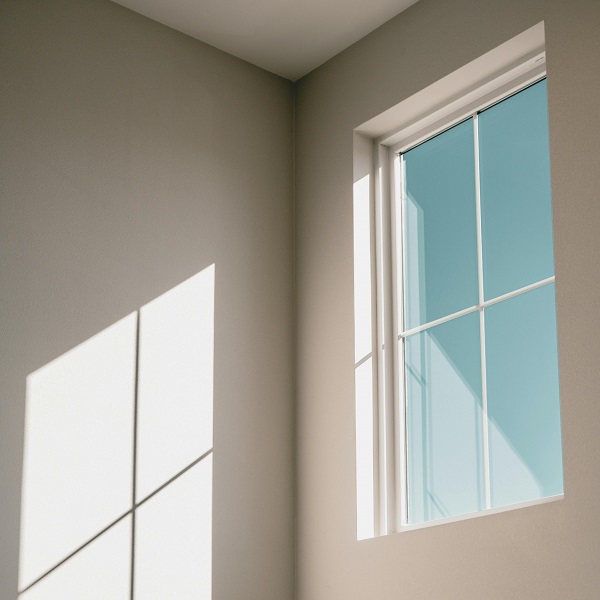

For business owners in hot climates, the monthly energy bill can feel like a frustrating, uncontrollable expense. You invest in efficient lighting and manage thermostat settings, yet summer cooling costs continue to climb. The culprit is often hiding in plain sight. Your building’s windows, while providing essential light and views, can act as massive gateways for solar heat, silently inflating your operational budget.
Standard commercial glass is a poor insulator against solar energy. It allows a significant portion of the sun’s thermal radiation, primarily invisible infrared light, to pass directly into your workspace. This is known as solar heat gain.
Once inside, this energy is absorbed by floors, furniture, and walls, which then radiate that heat into the room. This creates a greenhouse effect that traps heat and forces your air conditioning to work much harder to maintain a comfortable temperature. According to the U.S. Department of Energy, solar heat gain through windows can be responsible for up to one-third of a building’s cooling load. This represents a staggering and preventable expense.
This constant influx of solar heat triggers a costly cycle for your building’s most expensive mechanical asset, the HVAC system. It is forced to run longer and more frequently, leading to a direct increase in electricity consumption. This relentless strain also causes premature wear and tear on critical components, resulting in a higher likelihood of expensive emergency repairs and a significantly shortened lifespan for the entire system.
The Hidden Costs of an Uncomfortable Space
The financial impact extends far beyond your utility bill. An uncomfortably warm and glaring environment creates a cascade of hidden costs that negatively affect your bottom line.
- Reduced Productivity: An overly warm office leads to fatigue and loss of concentration. Intense glare on computer screens causes eyestrain and headaches, resulting in less focused, less productive employees.
- Negative Customer Experience: In a retail or hospitality setting, comfort is paramount. Customers are less likely to linger, browse, or enjoy their experience in a space that feels hot and stuffy, directly impacting sales.
- Asset Damage and Fading: Solar energy also carries damaging ultraviolet (UV) radiation. Over time, UV rays cause irreversible fading and degradation of storefront merchandise, office furniture, carpeting, and artwork, forcing you to incur premature replacement costs.
What is Thermal Window Film and How Does It Work?
Faced with these challenges, many business owners assume the only solutions are a prohibitively expensive window replacement or a massive HVAC overhaul. A more effective and high-return investment is the installation of modern thermal window film for hot climates. This is not the bubbly, purple tint of the past, but a sophisticated, high-performance material engineered to solve the specific problems caused by solar energy.
The Science Behind Modern Solar Control Window Film
At its core, commercial energy-saving film is an advanced laminate, typically made from durable polyester, that is professionally applied to the interior surface of your existing glass. Today’s films incorporate microscopic, transparent materials like ceramics or specialized metals designed to reflect or reject specific wavelengths of the sun’s energy, primarily heat-causing infrared and damaging ultraviolet rays.
The true genius lies in its spectrally selective properties. The film is engineered to be a barrier to infrared radiation, the part of the spectrum we feel as heat. By rejecting a high percentage of this invisible energy before it enters the building, the film keeps your interior significantly cooler. Crucially, it accomplishes this while allowing a high percentage of visible light to pass through. You can dramatically reduce heat gain without sacrificing natural light or making your space feel dark and enclosed.
The Evolution of Film Performance
The window film industry has seen dramatic technological progress, moving from basic solutions to highly advanced, durable products that deliver remarkable performance.
- First-Generation Films: These were primarily dyed or heavily metalized. While they reduced some heat, they often made windows highly reflective and were prone to discoloration.
- The Ceramic Breakthrough: The introduction of ceramic films was a major leap forward. Using nano-particles of non-conductive ceramic, manufacturers created films that rejected significant heat without the mirror-like appearance or signal interference of older metallic films.
- Today’s Advanced Films: The leading edge of technology now includes multi-layer, spectrally selective films. These products provide maximum heat rejection with pristine optical clarity, virtually invisible protection, and exceptional durability, ensuring a long-term return on investment.
The Financial Case for Solar Control Window Film
For any strategic business investment, the numbers must make sense. The decision to install thermal window film presents one of the clearest and most predictable returns on investment of any building upgrade you can make.
Estimating Your Potential Energy Savings
Pinpointing exact savings requires a professional assessment, but you can create a reliable preliminary estimate. Start by gathering your electricity bills from the past 12 to 24 months. Isolate the costs for the hottest summer months and compare them to the cooler spring or fall months. This difference gives you a rough idea of your building’s cooling load.
High-performance films can reject up to 80% or more of the solar energy that would normally pass through glass. By drastically reducing this heat load, your HVAC system runs less frequently and for shorter cycles. Industry studies consistently show that commercial buildings can see a reduction in cooling costs by up to 30% after installing high-quality heat-blocking window tint.
Understanding Payback Periods
The payback period is the time it takes for your accumulated energy savings to equal the initial cost of the film installation. For commercial thermal window film, this period is often much shorter than business owners expect, typically falling within a two to five-year range.
After the payback period is met, the continued energy savings translate directly into pure profit for the life of the film, which can often exceed 15 years. This makes it a capital improvement that begins paying you back almost immediately.
Lower Maintenance Costs and Longer Equipment Life
Your HVAC system is one of the most expensive pieces of equipment in your commercial property. The constant battle against solar heat accelerates wear and tear on essential components. Installing solar control window film directly mitigates this. This reduction in operational stress leads to:
- Fewer system failures and costly repairs.
- Lower annual maintenance expenses.
- A significantly extended operational lifespan for the entire unit.
Delaying a five-figure HVAC replacement by even two or three years can, by itself, pay for the entire window film project. This powerful financial benefit compounds the value of your initial investment.
More Than Just Savings: Added Benefits of Commercial Window Film
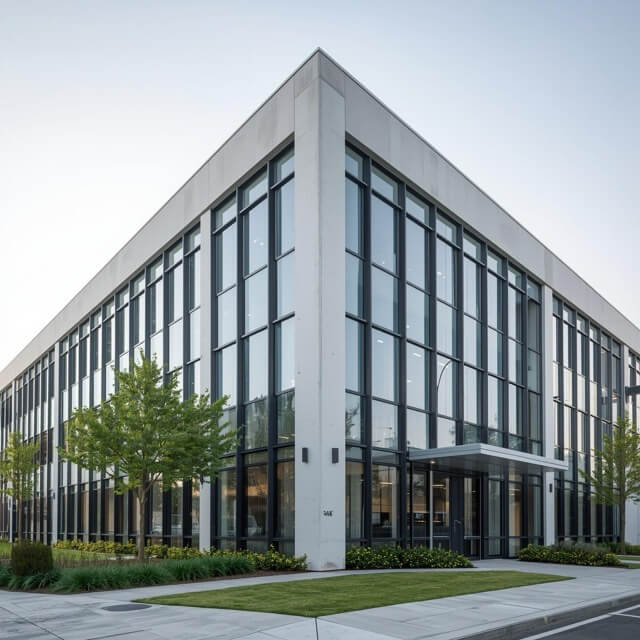
While the financial return is a primary driver, the additional benefits of solar control film create a more comfortable, productive, and valuable commercial environment.
Enhancing Comfort by Reducing Glare and Hot Spots
The areas next to large windows are often the most problematic in an office or retail space. Thermal window film stabilizes interior temperatures by rejecting heat at the glass, ensuring consistent comfort. It also dramatically reduces glare on computer screens and customer-facing displays without plunging the room into darkness. A more comfortable environment boosts employee morale and encourages patrons to stay longer.
Protecting Your Assets from UV Fading
The same sunlight that heats your space carries damaging UV radiation, the leading cause of fading for your valuable interior assets. Professionally installed solar control film is your best line of defense, blocking up to 99.9% of harmful UV radiation. This simple installation preserves the color and integrity of your furnishings, protects merchandise from becoming sun-bleached, and safeguards the investments you have made in your commercial space.
Improving Aesthetics and Privacy
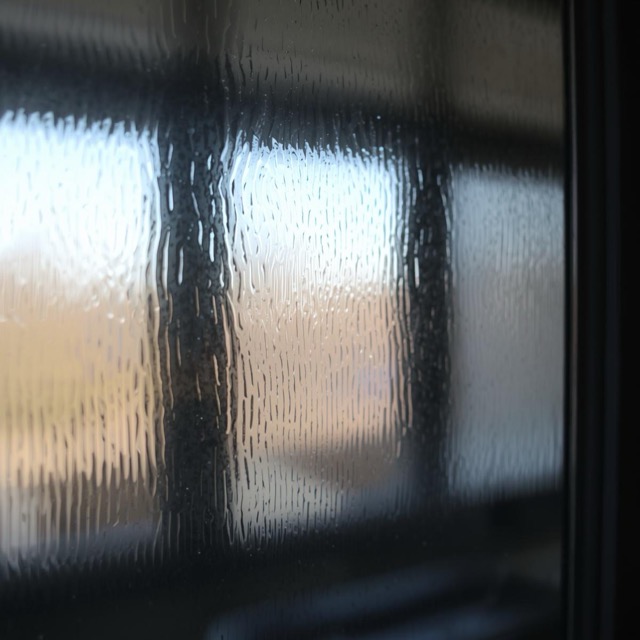
Modern window films can provide a significant aesthetic upgrade, delivering a sleek, uniform appearance that can modernize an older building’s facade. Unlike blinds or drapes, which block both light and view, films allow you to maintain natural light and an open feel. A wide array of films is available, from nearly invisible options to frosted and decorative films that can create privacy for conference rooms and street-level offices.
Key Metrics for Choosing the Right Film
Selecting the right thermal window film is a calculated decision based on standardized performance metrics. Understanding a few key terms allows you to cut through marketing claims and objectively compare products.
Solar Heat Gain Coefficient (SHGC)
The most important metric is the Solar Heat Gain Coefficient. SHGC measures the fraction of solar heat transmitted through your windows. The rating is a number between 0 and 1. A lower SHGC number indicates less solar heat is entering your space. For properties in sun-drenched regions, a low SHGC is paramount. Applying a high-performance film can cut the heat gain through your glass in half, directly reducing the load on your air conditioning system.
Infrared Rejection (IRR)
Infrared Rejection tells you how well a film targets the specific energy we feel as heat. Infrared light accounts for over 50% of the sun’s total energy. Advanced ceramic and spectrally-selective films can achieve IRR values of 90% or more. This means they are exceptionally effective at stopping heat without dramatically darkening your windows.
Visible Light Transmission (VLT)
Visible Light Transmission is the percentage of visible light that passes through the filmed window. This presents a strategic choice.
- Lower VLT films provide maximum glare reduction and privacy, ideal for offices with many computer screens.
- Higher VLT films preserve natural light, keeping storefronts and showrooms bright and inviting.
The goal is to reduce uncomfortable glare while preserving the desired level of natural light for your employees and customers.
Why Professional Installation Is Crucial
You can select a film with perfect performance metrics, but those numbers are only theoretical until the film is properly applied. The quality of the installation is just as critical as the quality of the film itself.
The Risks of Improper Application
Window film installation is a precision craft that requires training and specialized tools. Common DIY failures like bubbling, peeling edges, and contamination from dust create gaps in the thermal barrier, immediately compromising the film’s heat-blocking capabilities. An improper installation can lead to premature failure, erasing any potential savings.
Securing Your Warranty and Ensuring Effectiveness
Reputable window film manufacturers provide extensive warranties, but these are almost universally contingent upon installation by a certified professional. A professional ensures the glass is properly prepared and the film is applied according to the manufacturer’s exact specifications, thereby activating your warranty. This guarantees not only the longevity of the product but also its performance, ensuring you achieve the maximum possible energy savings.
The CoolVu Advantage: A Proven Record of Success
Choosing a partner with deep expertise is the final step in securing your investment. The CoolVu franchise network consists of trained and certified professionals who are not just installers, but consultants. They understand the unique challenges of local climates and can expertly guide you to select the optimal film for your business. With a nationwide history of successful commercial window tinting projects, CoolVu provides the reliability and proven process that business owners demand. This commitment to excellence ensures your project is executed flawlessly, delivering the cost-saving results you expect.
Conclusion: Thermal Window Film Slashes Cooling Costs
For business owners operating in sun-drenched climates, the installation of thermal window film is a strategic move that transforms windows from thermal liabilities into high-performance assets. By rejecting up to 80% of solar heat gain at the glass, this technology offers a measurable and predictable way to slash cooling costs, protect your expensive HVAC equipment from premature failure, and create a more productive environment for both staff and customers.
When you consider the rapid payback period and the long-term preservation of interior furnishings, the financial case for this upgrade becomes undeniable. Investing in professional film application is not just an expense; it is a permanent solution for reclaiming control over your operational budget.
Frequently Asked Questions
How much can I realistically save with thermal window film?
While savings vary based on your building’s specifics, window orientation, and local utility rates, many businesses see a reduction in cooling costs by up to 30%. This can result in a payback period of just two to five years, after which the savings contribute directly to your profitability for the life of the film.
Will window film make my business look dark?
Not at all. Modern film technology is spectrally selective, meaning it can block invisible heat (infrared) and UV rays while allowing a high percentage of visible light to pass through. You can choose from a wide range of films, from virtually clear to lightly tinted, to achieve the perfect balance of heat rejection and natural light for your space.
Is window film a better investment than new windows?
For the purpose of solar heat control, window film is often a far better investment. It provides comparable or even superior solar performance at a fraction of the cost of full window replacement. With a much shorter payback period, film offers a more financially agile and less disruptive solution for improving energy efficiency.
How long does commercial window film last?
Professionally installed, high-quality window films are extremely durable. They are manufactured with scratch-resistant coatings and advanced adhesives. Most commercial applications are backed by manufacturer warranties of 10 to 15 years and can often perform effectively for even longer.