- The “Glass Box” Problem: Why Your Sun-Drenched Office is So Uncomfortable
- The Hidden Costs of an Uncomfortable Office
- The Conventional “Fixes” and Why They Fail
- The Modern Solution: How Advanced Window Films Restore Comfort
- The CoolVu Advantage: Expertise in Transformation
- Conclusion: Reclaiming Your Space and Boosting Your Bottom Line
- Frequently Asked Questions
The “Glass Box” Problem: Why Your Sun-Drenched Office is So Uncomfortable


The modern aesthetic of expansive glass walls, floor-to-ceiling windows, and sunrooms is undeniable. It promises openness, connection to the outdoors, and an abundance of natural light. Yet, for many business owners, this architectural dream quickly becomes a daily management challenge. The very feature designed to enhance the workspace is often the primary source of discomfort, turning premier offices into spaces employees and clients actively avoid.
Understanding the Source of Discomfort in Glass-Heavy Spaces
The core of the issue lies in the basic physics of solar energy. Sunlight is more than just the light we see; it is a spectrum of energy that includes visible light, infrared radiation (which we feel as heat), and ultraviolet (UV) radiation. When this solar energy strikes a standard pane of glass, it doesn’t simply bounce off. A significant portion passes directly through, entering your office and fundamentally changing the environment.
This constant influx of solar energy is what creates the “glass box” effect. The heat becomes trapped inside, steadily raising the ambient temperature far beyond a comfortable level. The visible light becomes harsh and overwhelming, creating intense glare. Understanding this is the first step to finding a real solution, rather than just treating the symptoms.
The Unintended Consequences of Natural Light: Heat and Glare
While natural light is a sought-after feature, too much of it creates two significant problems that disrupt a professional environment. The first is excessive solar heat gain. As sunlight pours through the glass, it warms every surface it touches—desks, floors, and furniture. These objects then radiate that heat back into the room. The glass that lets the light in so easily is less effective at letting the resulting long-wave heat out, creating a greenhouse effect that your HVAC system struggles to overcome.
The second consequence is debilitating glare. Intense, uncontrolled sunlight reflecting off screens, documents, and surfaces causes significant visual discomfort. This leads to eyestrain, headaches, and the constant need to squint or reposition. Employees are forced to draw blinds or close curtains, which defeats the entire purpose of having large windows in the first place and creates an inconsistent, cave-like atmosphere.
Why Standard Windows Aren’t Enough to Ensure Comfort
Many modern buildings are constructed with double-pane or even triple-pane windows, which can lead property managers to believe they are already protected. While these windows are excellent for thermal insulation—slowing the transfer of heat during cold weather—they are often not designed to manage solar energy. Their primary function is to keep heat in or out, not to block the radiant heat from the sun.
Most standard windows, even high-quality ones, allow a large percentage of infrared and visible light to pass through. This means that on a sunny day, your office is still being bombarded with the primary sources of heat and glare. Your windows might be preventing the hot air outside from getting in, but they are doing little to stop the sun itself from baking your interior.
The Hidden Costs of an Uncomfortable Office
The discomfort caused by uncontrolled sun is more than just an annoyance. It carries high and often overlooked costs that directly impact your bottom line. These expenses show up not only on your utility bills but also in the efficiency of your team and the longevity of your physical assets.
The Financial Drain: Skyrocketing HVAC and Energy Costs
The most immediate and measurable cost is the strain on your heating, ventilation, and air conditioning (HVAC) system. When your office is experiencing significant solar heat gain, your AC unit is forced into a constant battle. It has to work overtime not just to cool the air, but to counteract the continuous wave of heat radiating from the windows.
This results in dramatically higher energy consumption, especially in buildings with large south and west-facing glass facades. The monthly utility bills for a sun-drenched office can be substantially higher than for a comparable, better-managed space. You are essentially paying a premium to cool a room that is being simultaneously heated by the sun.
The Human Toll: How Glare and Heat Impact Employee Productivity
An uncomfortable employee is an unproductive employee. When your team is dealing with persistent glare and fluctuating temperatures, their ability to focus and perform quality work diminishes significantly. This “human cost” translates directly into financial loss for the business.
Consider the daily impact on your staff:
- Reduced Concentration: Hot spots near windows and cold spots from overworked AC vents create distracting and uncomfortable work zones, breaking focus.
- Increased Errors: Glare on computer screens leads to eyestrain and fatigue, which are proven contributors to a higher rate of mistakes.
- Lost Time: Employees may take more frequent breaks to find a more comfortable area, step away from their screen, or adjust thermostats and blinds.
- Negative Morale: A persistently uncomfortable environment can lower team morale and even affect how clients perceive your business during meetings.
The Silent Damage: UV Rays and the Fading of Your Assets
Beyond the immediate issues of heat and glare, there is a silent and costly process of degradation happening every day. The ultraviolet radiation in sunlight is a powerful force that relentlessly breaks down materials over time. Standard glass blocks very little of these harmful UV rays, leaving your valuable interior assets exposed.
This slow but steady damage results in the fading and deterioration of nearly everything the sun touches. Over time, you will be forced to replace expensive items much sooner than expected. This includes:
- Office furniture, desk surfaces, and fabric chairs
- Hardwood flooring and carpets
- Custom cabinetry and finishes
- Valuable artwork, photographs, and branded displays
This UV damage represents a significant, long-term capital expense that many business owners fail to attribute to their untreated windows.
The Conventional “Fixes” and Why They Fail
When the afternoon sun turns a glass-walled conference room into a sauna, the most common reaction is to reach for the cord on the blinds or draw the curtains shut. This response is intuitive, but it is also deeply flawed. While these traditional window coverings provide a moment of relief, they introduce a new set of problems that ultimately defeat the purpose of having a modern, light-filled workspace.
Blinds and Curtains: Sacrificing Views for Temporary Relief
The primary appeal of a glass office or sun-drenched commercial space is the expansive view and the flood of natural light. These elements foster a connection with the outdoors, create an open and airy atmosphere, and are proven to boost mood and productivity. Yet, the moment blinds are closed to fight heat or glare, those benefits vanish.
Your office is plunged into artificial gloom, forcing you to turn on lights and severing the visual connection to the outside world. This creates a binary choice: suffer in a sweltering greenhouse or work in a darkened cave. Neither option is conducive to a comfortable or productive environment, and both options compromise the very aesthetic you invested in.
The Flaw in Blocking Light to Control Temperature
Beyond the aesthetic sacrifice, traditional window coverings are surprisingly inefficient at controlling temperature. Standard blinds and curtains are designed to block visible light, but they do little to manage the invisible infrared heat that makes up over half of the sun’s thermal energy.
Worse, they can create a “heat trap.” As sunlight passes through the glass, it is absorbed by the blinds or curtains. This absorbed energy then radiates back into the room as heat, getting trapped between the covering and the window. This effect can actually make the room hotter and force your HVAC system to work overtime, driving up energy costs without effectively solving the comfort issue.
Why These Old Solutions Undermine the Purpose of Glass Architecture
Ultimately, relying on blinds and curtains is a fundamental contradiction to the principles of modern glass architecture. You chose glass walls and large windows to create a sense of openness, transparency, and connection. Covering them with opaque barriers negates that entire investment.
These outdated solutions are a constant, manual battle against the sun that forces a daily compromise between comfort and the intended design of your space. For a business owner, this translates to frustrated employees, uncomfortable clients, and an office that fails to live up to its potential as a bright, welcoming, and inspiring place to be.
The Modern Solution: How Advanced Window Films Restore Comfort
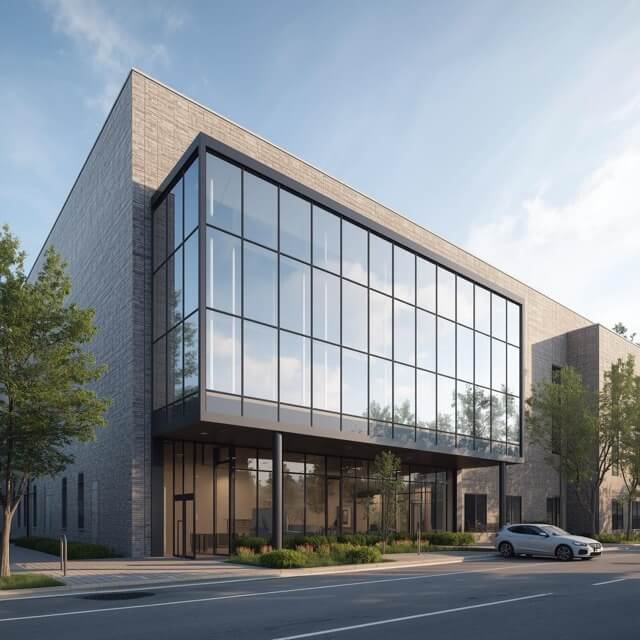
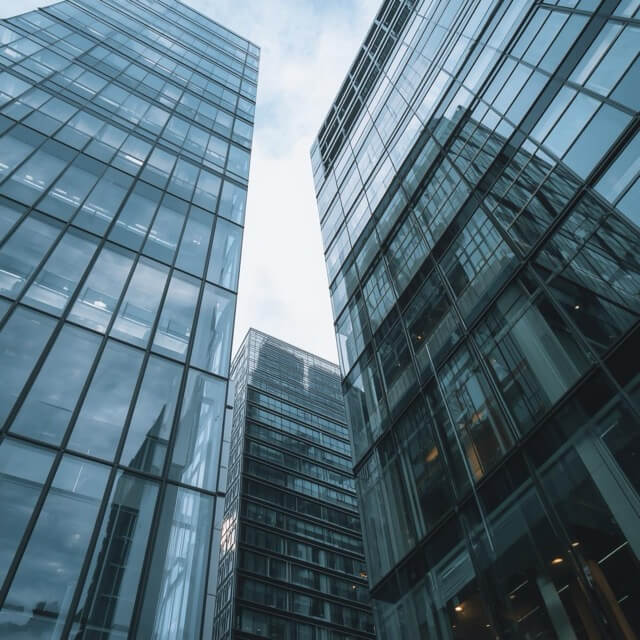
What if you could solve the problems of heat, glare, and UV damage without sacrificing the natural light and stunning views that define your space? This is precisely what advanced window films are engineered to do. Unlike bulky coverings that block everything, modern films are a high-tech, invisible solution that selectively filters sunlight to enhance comfort and efficiency.
Taming Solar Heat Gain Without Living in the Dark
The most immediate and noticeable benefit of professional window film is a dramatic reduction in solar heat gain. By rejecting a significant percentage of the sun’s thermal energy before it even enters the room, these films keep interior spaces cooler and more stable throughout the day.
This allows you to maintain a comfortable temperature without resorting to closing blinds and turning your office into a dark, isolated box. Natural light continues to pour in, employees remain comfortable and focused, and your HVAC system gets a much-needed break, leading to tangible savings on your monthly energy bills.
The Science of Spectrally Selective Films Explained Simply
The technology behind this performance is remarkably sophisticated yet easy to understand. Sunlight is composed of a spectrum of energy that includes more than just the light we see. The three key components to manage are:
- UV (Ultraviolet) Light: An invisible part of the spectrum that causes fading and skin damage.
- Visible Light: The part of the spectrum our eyes see, which determines the brightness of a room.
- IR (Infrared) Light: Another invisible part of the spectrum that we feel as heat.
Spectrally selective window films are engineered at a molecular level to act as an intelligent gatekeeper. They are designed to differentiate between these parts of the solar spectrum, primarily targeting and reflecting the invisible UV and IR rays while allowing a high percentage of visible light to pass through. The result is a solution that stops the heat and damage without significantly impacting the brightness or view.
Eliminating Disruptive Glare for Better Focus and Productivity
In a modern office, intense sunlight creates more than just heat; it creates debilitating glare. This harsh light reflects off screens, desks, and other surfaces, causing eye strain, headaches, and a significant drop in productivity as employees squint and struggle to see their work.
Window film is exceptionally effective at taming this glare. It works by diffusing and softening the intensity of the visible light that enters the space. It does not block the light entirely but simply takes the “edge” off, creating a more visually comfortable environment. This simple change allows your team to work effectively on computers and devices all day long, even in rooms with direct sun exposure.
Blocking Harmful UV Rays to Protect People and Property
While invisible, ultraviolet radiation is a constant threat. It is the single largest contributor to the fading and degradation of your valuable assets, including wood floors, office furniture, carpeting, and artwork. Over time, this damage can lead to costly replacement and refinishing projects.
High-quality window films act as a powerful shield, blocking over 99% of harmful UVA and UVB rays. This provides constant, transparent protection for your interior investments, preserving their color and integrity for years to come. It also offers a significant health benefit by protecting your employees and clients from the cumulative effects of UV exposure, similar to a broad-spectrum sunscreen for your building.
The CoolVu Advantage: Expertise in Transformation
Understanding the science behind advanced window films is the first step. The second, and arguably more critical step, is ensuring that science is applied perfectly to your unique environment. The difference between a satisfactory outcome and a truly transformative one lies in the expertise of the partner you choose. This is where the right consultation and installation process becomes as important as the film itself.
Why Professional Consultation is Critical for Optimal Results
Selecting the right window film is not a one-size-fits-all decision. The sheer number of options, from ceramic to spectrally selective films, can be overwhelming. A professional consultation moves beyond a simple product recommendation to a comprehensive analysis of your space and goals. An expert will assess key variables that you might not consider.
These variables include the building’s orientation, the specific type of glass in your windows, your primary objective, such as glare reduction for employees or heat rejection for energy savings, and even local climate patterns. A trained consultant can model how different films will perform in your specific environment, ensuring you achieve the perfect balance of natural light and comfort. This diagnostic approach guarantees your investment is tailored to solve your exact problem, preventing a costly mismatch between the product and your needs.
The Importance of Flawless Installation for Lasting Performance
Even the most technologically advanced window film will fail if it is not installed correctly. The performance and longevity of the film are directly tied to the quality of the application. Amateur or rushed installations are often plagued by issues that compromise both aesthetics and function, leading to bubbling, peeling edges, and contamination from dust and debris trapped under the film.
A flawless installation is a meticulous process that ensures the film performs as specified for its entire lifespan. This requires a controlled, clean environment and technicians with the skill to handle the material with precision. A professional installer properly prepares the glass, custom-trims the film for a perfect edge-to-edge fit, and uses proven techniques to ensure a smooth, durable bond. This attention to detail not only provides a crystal-clear view but also validates the manufacturer’s warranty, protecting your investment for years to come.
Leveraging Three Decades of Industry Experience to Solve Your Problem
In an industry with constantly evolving technology, experience is irreplaceable. With three decades of leadership and innovation in the window film space, we have encountered and solved nearly every challenge imaginable. This deep well of knowledge allows us to address complex situations that newer providers might not anticipate.
Our experience means we understand the subtle nuances of how different films interact with specific types of commercial glass, from standard tempered panes to complex low-e coated systems. We know how to navigate the unique requirements of historic buildings, high-rise offices, and expansive retail storefronts. This background enables us to preemptively solve problems, recommend the most effective long-term solutions, and ensure your project is completed efficiently and correctly the first time.
Our Proven Track Record: Delivering Comfort Across the Nation
Ultimately, the best measure of expertise is a history of successful results. Across the country, CoolVu has transformed thousands of commercial spaces, delivering on our promise to enhance comfort and efficiency without compromise. Our portfolio includes everything from single-room sun-drenched offices to entire corporate headquarters and national retail chains.
This extensive track record demonstrates our ability to deliver consistent, high-quality outcomes for businesses of every size. For our clients, the results are tangible: lower energy bills, a noticeable reduction in glare on screens, more comfortable and productive employees, and protected interiors free from UV damage. Choosing CoolVu means partnering with a nationally recognized leader trusted to solve the persistent problems of heat and glare in glass-heavy environments.
Conclusion: Reclaiming Your Space and Boosting Your Bottom Line
The decision to invest in your commercial property is always a balance between enhancing the environment and managing the budget. Advanced window films are unique in their ability to deliver a significant return on both fronts, transforming a problematic space into a productive and efficient one.
A Summary of Window Film’s Dual Benefits: Comfort and Savings
Ultimately, the value of window film is measured in two distinct but interconnected ways: the immediate improvement in the quality of your indoor environment and the long-term financial savings it generates. By addressing the core problems of solar energy, you are not just solving a nuisance, you are making a strategic upgrade to your property.
Here is a summary of the primary benefits:
- Enhanced Comfort and Productivity: By drastically reducing solar heat and irritating glare, window films create a more stable and pleasant environment. This allows employees to work more productively without battling eye strain and discomfort, and it ensures clients have a welcoming experience.
- Significant Energy Savings: Rejecting a high percentage of solar heat places less demand on your HVAC system. This directly translates to lower monthly cooling costs and a reduced carbon footprint, an advantage for both your budget and your brand’s reputation.
- Comprehensive UV Protection: The films act as a powerful shield, blocking over 99% of harmful ultraviolet rays. This protects your employees and clients from sun exposure while also preventing costly furniture, flooring, and merchandise from fading.
Moving Beyond Temporary Fixes to a Permanent Solution
For years, the default response to excessive sun has been to pull the blinds or draw the curtains. While this offers immediate shade, it’s a solution that fundamentally works against the very reason you have large windows: the view and the natural light. It closes off the space, blocks the connection to the outdoors, and often creates a gloomy interior that requires more artificial lighting.
This is where modern window film represents a paradigm shift. It is not a temporary fix but a permanent enhancement. Instead of creating a barrier between you and the outside world, it intelligently filters the light that enters your space. You can finally enjoy the open, airy feeling of your glass office without the associated discomfort and high energy bills. It’s about working with your building’s design, not fighting against it.
The Next Step: Scheduling Your Expert Consultation
Understanding how these benefits apply to your specific building, with its unique layout and sun exposure, is the final piece of the puzzle. A one-size-fits-all approach is not the answer. The right solution depends on factors like window orientation, glass type, and your primary goals, whether they are glare reduction for computer screens or maximum heat rejection in a sun-facing conference room.
The best way to move forward is with a professional assessment. Scheduling an expert consultation allows us to analyze your space, listen to your concerns, and provide tailored recommendations from a range of advanced film options. We can help you quantify potential energy savings and select the perfect film to reclaim your space, ensuring your investment meets your needs for years to come.
Frequently Asked Questions
How can window film help “improve comfort in sunrooms” without making them dark?
Unlike blinds or heavy curtains, modern spectrally selective films are engineered at a molecular level to act as an intelligent gatekeeper. They specifically target and reflect the heat-generating infrared spectrum while allowing high levels of visible light to pass through. This means you can significantly drop the temperature and improve comfort in sunrooms while maintaining the bright, airy feel of the space.
Does window film actually stop the “greenhouse effect” in glass-heavy offices?
Yes. The greenhouse effect occurs when short-wave solar energy enters through glass and is absorbed by interior surfaces, which then radiate it back as long-wave heat that cannot easily escape. High-performance films reject up to 97% of infrared heat before it even enters the room, which is the most effective way to improve comfort in sunrooms and offices.
Will adding film help with the intense screen glare in my glass office?
Absolutely. Intense sunlight creates debilitating glare that causes eyestrain and headaches. Window film works like a high-quality pair of sunglasses for your building; it diffuses and softens the intensity of incoming visible light. This takes the “edge” off the brightness to improve comfort in sunrooms and workspaces, allowing employees to see their monitors clearly all day.
How does blocking UV rays protect my office furniture and flooring?
Ultraviolet (UV) radiation is the leading cause of “photodegradation,” the chemical process that causes colors to fade and materials to become brittle. Professional-grade films block over 99% of UVA and UVB rays. This protection is a critical step to improve comfort in sunrooms for both people and property, preserving the life of your expensive hardwood floors, carpets, and upholstery.
Is the ROI on window film faster than replacing existing windows?
Yes, significantly. Full window replacement is a massive capital expense with a long payback period. In contrast, retrofitting existing glass with advanced film is a fraction of the cost and starts lowering HVAC energy consumption immediately. It is one of the most cost-effective ways to improve comfort in sunrooms while delivering a return on investment through reduced utility bills within just a few years.