Table of Contents
The Unsettling Discovery: Damaged Artificial Landscapes
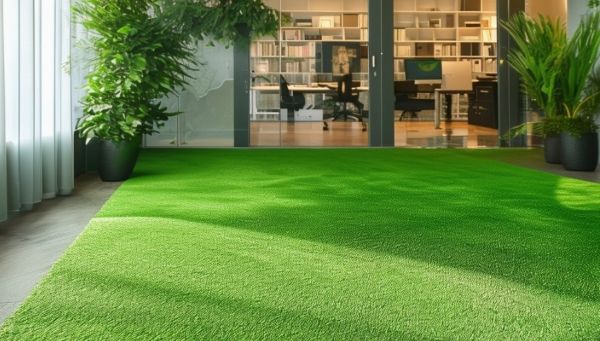
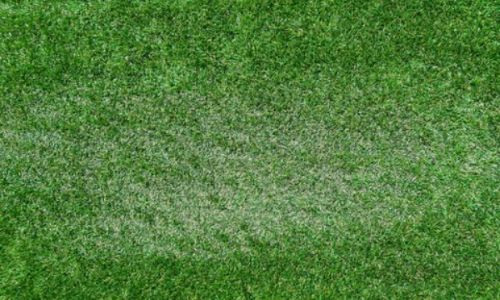
Many property owners who invest significantly in modern landscaping discover a frustrating and costly problem. They install state-of-the-art artificial turf, envisioning a lush, low-maintenance outdoor space. Yet, within weeks or months, unsightly burn marks, melted fibers, and discolored patches begin to appear. What begins as a minor anomaly often spreads rapidly, marring the meticulously crafted landscape. This unexpected degradation is more than just disappointing. It’s a stark indication of a deeper, critical issue demanding immediate, expert investigation.
Identifying the Culprit: Beyond Simple Sunlight
Your initial instinct might be to blame extreme heat or low-quality synthetic grass. However, the true adversary is far more nuanced than simple sunlight. The patterns of damage often reveal a specific, concentrated source of energy, typically emanating from nearby windows. This isn’t just the sun shining on your turf. It’s the sun’s energy being harnessed and amplified by modern architectural glass, focusing powerful beams of heat onto unsuspecting surfaces. Understanding this distinction is crucial to finding an effective and lasting solution.
The Investment at Risk: Protecting Your Property’s Value
The installation of artificial turf represents a substantial landscaping investment, chosen for its aesthetic appeal, durability, and minimal upkeep. When this investment begins to melt and degrade, it presents a significant financial liability.
Beyond the direct cost of repair or replacement, damaged turf detracts from your property’s curb appeal, potentially devaluing the entire premise. For commercial properties, this can impact client perceptions and tenant satisfaction.
Protecting your artificial landscape is not just about aesthetics. It’s about safeguarding your property’s overall value and ensuring the longevity of your investment.
The Urgency of Action: Why Delaying a Fix is Costly
Ignoring the initial signs of turf burn will only lead to more extensive and costly property damage. The concentrated solar reflections persist, often intensifying with the changing seasons and sun angles, continually attacking your artificial turf. Each day of delay means further degradation, potentially requiring full turf replacement rather than targeted repairs. This escalating damage underscores the critical need for immediate, decisive action with a proven solution, preventing what could become an even greater financial burden.
The Unseen Force: Understanding Destructive Solar Reflections and Turf Burn
Modern Window Technology: An Unintended Consequence
Paradoxically, the very advancements in window technology designed to improve energy efficiency have inadvertently contributed to this widespread problem. Modern windows often feature specialized coatings and glazing that reflect solar energy outwards, reducing solar heat gain inside a building. While excellent for interior climate control, this external solar reflection can become a potent, destructive force when aimed at susceptible materials like artificial turf. It’s an unintended consequence of otherwise beneficial innovation.
The Physics of Focused Energy: How Sunlight Becomes a Burn Hazard
The transformation of ambient sunlight into a turf-melting burn hazard is a matter of basic physics: the concentration of energy. Standard sunlight spreads its energy over a wide area, causing general warming. However, when sunlight strikes certain types of architectural glass, it can be redirected and converged into a much smaller, intensely energetic beam. This concentrated energy dramatically elevates temperatures in the focal point, far exceeding what artificial turf materials are designed to withstand, turning a passive reflection into an active threat.
Exploring Concave Reflection: The Magnifying Glass Effect
The primary mechanism behind turf burn is often referred to as the “magnifying glass effect.” While your windows may appear flat, even subtle imperfections or the inherent bowing of large glass panes can cause them to act like a concave lens. This slight curvature or specific installation angles effectively collects parallel rays of sunlight and funnels them into a single, highly concentrated beam. This phenomenon mirrors how a magnifying glass focuses sunlight to ignite tinder, delivering scorching temperatures to any material in its path.
The Role of Low-E Coatings in Amplifying Solar Intensity
Low-Emissivity (Low-E) coatings are a cornerstone of modern energy-efficient windows. These microscopically thin layers are designed to reduce heat transfer through glass, keeping interiors cooler in summer and warmer in winter. However, Low-E coatings achieve this efficiency by significantly increasing the glass’s reflectivity, particularly in the infrared spectrum. When sunlight reflects off a Low-E coated window, the reflected energy is not only concentrated by any concave effects but also amplified in its intensity, making the resulting heat beam exceptionally potent and destructive to artificial turf.
How Artificial Turf Materials React to Concentrated Heat
Artificial turf is typically manufactured from synthetic polymers like polyethylene or polypropylene. These materials are chosen for their durability, UV resistance, and aesthetic mimicry of natural grass. However, they possess relatively low melting points. When exposed to the superheated, concentrated solar reflections from modern windows, the fibers of artificial turf quickly reach temperatures far beyond their tolerance. This causes them to melt, frizz, distort, and even char, resulting in irreversible damage that compromises both the appearance and integrity of the synthetic landscape.
Beyond Aesthetics: The Significant Financial Liabilities of Ignoring Turf Damage
The visual degradation of artificial turf due to concentrated solar reflections is immediately apparent, but the damage extends far beyond mere aesthetics. Ignoring this pervasive problem translates directly into significant, recurring financial liabilities that can erode property value and necessitate costly, ongoing interventions. This isn’t merely an unfortunate inconvenience. It’s a structural flaw in property maintenance that demands professional attention.
The Expense of Repeated Turf Replacement and Repairs
The most immediate and obvious financial burden is the continuous need for turf replacement and repairs. Once artificial grass melts, it cannot be reversed. Affected sections must be cut out and replaced. This involves not only the high cost of new turf materials but also significant labor expenses for skilled technicians. If the root cause, the window reflection, remains unaddressed, this cycle of damage and replacement becomes an endless drain on resources, transforming a one-time investment into a perpetual budget line item.
Diminished Property Value and Curb Appeal
For commercial properties and high-end residences, curb appeal is directly tied to perceived value and client attraction. Melted, discolored, or uneven artificial turf detracts significantly from a property’s overall presentation. This visual impairment can deter potential clients or buyers, reduce lease desirability, and ultimately depress market value. A pristine exterior is an essential asset, and compromised landscaping signals a lack of maintenance and quality, reflecting poorly on the entire property.
Potential for Expanded Damage: Beyond Just Artificial Grass
The concentrated solar energy that melts artificial turf is not discriminatory. Its destructive power can extend to a variety of other exterior materials, creating an even broader spectrum of financial risk. This expanded damage can include:
- Vinyl Siding: Intense heat can warp, melt, or discolor vinyl siding on adjacent buildings.
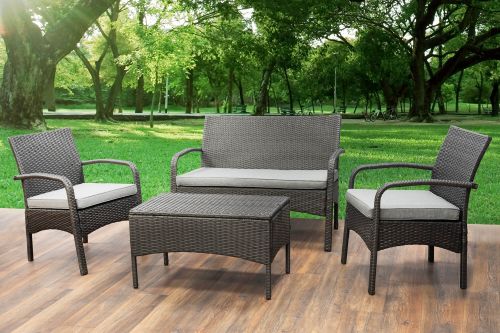
- Outdoor Furniture: Plastic or synthetic materials in outdoor chairs, tables, and cushions are highly susceptible to melting and structural damage.
- Vehicle Damage: Parked cars or trucks can suffer from melted dashboards, warped plastic trim, or blistering paint if exposed to prolonged, concentrated reflections.
- Pool Covers and Liners: Synthetic pool covers can be compromised, leading to costly replacements or repairs.
- Vegetation: While less common, extreme reflections can scorch natural plants and trees.
These additional damages amplify the financial implications, turning a turf problem into a comprehensive property hazard.
Insurance Implications and Unforeseen Costs
Property insurance policies typically cover damage resulting from sudden, unforeseen events, not gradual degradation caused by design flaws or environmental factors like concentrated solar reflections. As such, claims for turf or siding damage due to window glare are frequently denied, leaving property owners to bear the full cost of repairs out of pocket. Repeated instances of such damage, even if covered, could lead to increased premiums or even policy cancellation. These unforeseen, unbudgeted expenses can significantly disrupt financial planning and operational budgets.
Protecting Your Investment: A Proactive Approach to Property Maintenance
Given the substantial and multifaceted financial liabilities, addressing turf-melting window reflections is not an optional upgrade. It is a critical component of responsible property maintenance and asset protection. Proactively solving this issue safeguards not only your landscaping investment but also the integrity of your entire exterior, preserving curb appeal and avoiding the hidden, escalating costs associated with neglect. It’s about securing the long-term value and aesthetic quality of your property by applying a form of turf guard window film.
The Inadequacy of Standard Solutions: Why Generic Tints Fail to Protect Your Turf
In the face of turf damage, a common first thought might be to apply a standard window tint. However, this seemingly logical step is often misguided, as conventional window films are fundamentally designed for different purposes. Understanding why generic tints fail is crucial for preventing further damage and investing wisely in a lasting solution.
The Fundamental Difference: Solar Control vs. Reflection Mitigation
Standard window films are primarily engineered for “solar control,” aiming to reduce the amount of heat and UV radiation that enters a building. Their mechanism often involves absorbing solar energy or increasing the glass’s exterior reflectivity to bounce heat away from the interior. While excellent for energy efficiency indoors, this increased exterior reflectivity is precisely what exacerbates the turf melting problem. True “reflection mitigation,” on the other hand, requires a solution that either significantly reduces the exterior reflection or diffuses the concentrated light before it can harm exterior surfaces.
Interior Window Films: Ineffective Against Exterior Reflection Hazards
Many conventional window films are designed for interior application. When installed on the inside surface of a window, these films cannot effectively address the exterior reflection hazard. The phenomenon of concentrated solar energy that melts turf occurs outside the glass, where the window’s curvature and angles focus sunlight into an intense beam.
An interior film does nothing to alter the light path or intensity of this external reflection. It merely changes what happens to the light after it has already passed through the glass or after it has already reflected off the exterior surface and caused damage.
The Limitations of Conventional Window Tints and Coatings
Conventional window tints, whether dark or reflective, are not designed to neutralize the specific physics of concentrated solar reflections. In fact, many standard reflective films, by their very nature, can intensify the problem. They are engineered to send more solar energy back outside, which, when combined with architectural glass properties, can create even hotter “hot spots” on adjacent surfaces. Simply making a window darker or more reflective for interior comfort does not equate to safeguarding your exterior investments from this highly destructive phenomenon.
Why DIY Solutions Often Worsen the Problem or Offer False Security
The allure of a quick, inexpensive fix often leads property owners to attempt DIY solutions or choose readily available, general-purpose films. However, without a deep understanding of solar dynamics and film technology, these efforts often prove futile or, worse, detrimental.
- Incorrect Film Type: Applying an interior film or a standard solar control film will not solve the exterior reflection problem and might even worsen it.
- Improper Installation: Amateur installation can lead to bubbling, peeling, and a short lifespan, requiring early replacement.
- False Economy: The initial savings of a DIY approach are quickly negated by continued turf damage, the need for professional re-application, or even more severe damage to other property elements.
These attempts provide a false sense of security, delaying a proper solution while the damage accumulates.
Understanding the Specific Requirements for Preventing Turf Burn
Effectively preventing turf burn requires a specialized, scientifically engineered solution. The film must be designed not merely for solar control, but specifically for reflection mitigation and diffusion. Key requirements include:
- Exterior Application: The film must be applied to the exterior surface of the glass to intercept and manage the solar energy before it focuses into a concentrated beam.
- Anti-Reflective Properties: Instead of increasing reflectivity, the film should be designed to absorb or scatter solar energy without creating destructive hot spots.
- Durability: An exterior film must withstand harsh weather conditions, including UV exposure, temperature fluctuations, and moisture, to ensure long-term performance.
Only a solution that meets these specific criteria can truly neutralize the threat of window reflection burning grass and protect your significant property investments.
The Definitive Answer: Exterior Anti-Reflective Window Film to Protect Turf
Introducing Specialized Exterior Anti-Reflective Window Film
When confronted with the destructive power of concentrated solar reflections, standard window treatments simply fall short. The definitive solution lies in specialized exterior anti-reflective window film. Unlike common window tints designed primarily for interior heat and glare reduction, this advanced anti reflective window film for turf is engineered from the ground up to address the unique challenges of managing intense external solar reflections that damage artificial turf and other landscaping. It represents a precise, purpose-built defense against a highly specific and costly problem. Homeowners and property managers can also review our turf guard window film guide for additional insight into preventing artificial grass damage caused by concentrated reflected sunlight.
How Exterior Film Neutralizes Destructive Solar Reflections
The mechanism behind exterior anti-reflective film’s effectiveness is rooted in advanced optics. Rather than merely darkening a window or adding more reflectivity, these films are designed to neutralize the intense solar energy that causes turf melting. They achieve this by altering the light’s trajectory and intensity. Instead of concentrating solar rays into a damaging hot spot, the film either disperses the light across a wider area or absorbs specific wavelengths that contribute to the heat buildup. This prevents the formation of the laser-like focal points responsible for melting, effectively reducing the reflected energy to safe, non-damaging levels for your artificial turf and helping to stop window reflection melting turf.
The Engineering Behind Superior Reflection Control Materials
The development of superior reflection control materials involves cutting-edge engineering and materials science. These films are not simple sheets of colored plastic. They are complex, multi-layered structures, often featuring proprietary optical coatings. Each layer plays a critical role in how light interacts with the window surface. Engineers fine-tune these materials to selectively absorb or diffuse specific portions of the solar spectrum, ensuring that the film reduces destructive reflection without compromising the view from inside or the architectural aesthetic of the building. This precise control over light management is what sets these specialized solutions apart.
Long-Term Durability and Performance in Exterior Environments
Any solution applied to the exterior of a building must withstand the elements. Specialized exterior window film is engineered for long-term durability and performance in challenging outdoor environments. They are manufactured to resist:
- UV Degradation: Prolonged exposure to ultraviolet radiation can break down inferior materials. High-quality exterior films feature robust UV inhibitors.
- Weather Extremes: They maintain integrity through high winds, heavy rain, snow, and extreme temperature fluctuations.
- Scratching and Abrasion: A resilient topcoat protects against environmental wear and tear, ensuring consistent optical performance over many years.
This robust construction ensures that your investment provides lasting protection without frequent replacement or diminished effectiveness.
Comprehensive Protection for All Types of Artificial Turf and Landscaping
The beauty of a scientifically engineered anti-reflective film is its universal applicability to the turf-melting problem. Regardless of the brand, material composition, or color of your artificial turf, these films effectively mitigate the damaging solar reflections.
The protection extends beyond just turf. Concentrated solar energy can also damage other susceptible landscaping elements, including:
- Live plants and shrubs
- Vinyl siding on adjacent structures
- Plastic outdoor furniture
- Rubberized play surfaces
Implementing an exterior anti-reflective film provides comprehensive protection, safeguarding your entire outdoor environment from costly heat damage.
Safeguarding Your Landscape: Key Considerations for Selecting and Installing Anti-Reflective Film
Essential Features of High-Performance Anti-Reflective Window Film
Choosing the right anti-reflective film is paramount to achieving a lasting solution. High-performance films designed for turf protection exhibit several essential features:
- High Anti-Reflective Properties: The primary function, ensuring maximum reduction of concentrated reflection.
- Durability and Weather Resistance: Engineered for exterior exposure, standing up to UV rays, temperature swings, and precipitation.
- Optical Clarity: While reducing external reflection, the film should maintain clear, undistorted views from the inside.
- UV Stability: Resists fading, bubbling, and degradation over time, preserving both its appearance and effectiveness.
- Adhesive Strength: A robust adhesive system is crucial for long-term outdoor application, preventing peeling or delamination.
These attributes are non-negotiable for a successful, long-term defense against turf melting.
Understanding Different Film Technologies and Their Applications
The window film industry offers a wide array of technologies, and it is crucial to understand that not all films are created equal for every application. Many films are designed for interior heat rejection or privacy, which can sometimes exacerbate exterior reflection issues. Specialized anti-reflective films utilize unique compositions that either absorb the destructive solar energy or diffuse it harmlessly. Selecting the appropriate technology requires a nuanced understanding of:
- Spectral Selectivity: Which parts of the solar spectrum are being managed.
- Reflection vs. Absorption: Whether the film primarily disperses light or absorbs heat.
- Window Type: Compatibility with different glass types to prevent thermal stress or breakage.
A “one-size-fits-all” approach will not suffice for this complex problem. The correct application of specialized film technology is the only pathway to guaranteed results.
The Critical Importance of Professional Assessment and Installation
Attempting a DIY solution or relying on general contractors for anti-reflective film installation is a significant risk. The critical importance of professional assessment and installation cannot be overstated. Experts understand the nuances of solar dynamics and window film application, including:
- Precise Solar Analysis: Determining the exact angles and intensity of reflected sunlight throughout the day and year.
- Glass Compatibility: Ensuring the chosen film is safe for the specific window glass to prevent thermal stress fractures.
- Flawless Application: Exterior films require specialized techniques to ensure a bubble-free, long-lasting bond that stands up to outdoor elements.
- Optimized Performance: Correct installation maximizes the film’s anti-reflective properties, ensuring the turf is fully protected.
Improper installation can lead to premature failure of the film, costly reapplication, or worse, continued damage to your valuable landscaping investment.
Ensuring Longevity and Warranty Protection for Your Investment
When investing in a solution to protect your property, longevity and warranty protection are vital considerations. High-quality exterior anti-reflective films, when professionally installed, should come with a comprehensive manufacturer’s warranty. This warranty acts as a safeguard, ensuring that the film will perform as expected for many years. It covers against defects in material and workmanship, offering peace of mind and protecting your financial commitment. Always inquire about the warranty details, as it reflects the manufacturer’s confidence in their product’s durability and effectiveness in real-world conditions.
The Value of Partnering with Specialized Window Film Experts
For a problem as specific and costly as melting artificial turf, partnering with specialized window film experts is not merely a convenience. It is a necessity. These professionals possess the diagnostic tools, product knowledge, and installation expertise required to deliver a guaranteed solution. They understand the science behind concentrated solar reflections, can accurately assess your property’s unique challenges, and recommend the precise anti-reflective film technology needed. Engaging with experts ensures that you receive:
- Accurate Diagnosis: Pinpointing the exact cause and intensity of the reflection.
- Tailored Solutions: Recommending the most effective film for your specific windows and landscape.
- Expert Installation: Guaranteeing optimal performance and longevity of the film.
- Long-Term Support: Providing assurance through reputable warranties and ongoing service.
This partnership is key to protecting your significant landscaping investment and preventing future financial liabilities.
Conclusion: Reclaiming Your Landscape and Securing Your Investment
Recapping the Core Problem and Its Impact
We’ve dissected a problem that extends far beyond a simple aesthetic imperfection: the insidious melting of artificial turf and other property components due to concentrated solar energy. This phenomenon, often underestimated, represents a significant financial liability. Property owners witness their substantial investments in landscaping degrade, resulting in costly repairs and a diminished property value. It’s a frustrating cycle of damage and replacement that standard solutions simply cannot address.
Reinforcing the Efficacy of Specialized Exterior Anti-Reflective Film
The scientific principles are clear: standard window tints, designed primarily for interior heat rejection, absorb solar energy, often exacerbating the reflection problem. The only proven, long-term solution lies in specialized exterior anti-reflective film. This advanced material works by dispersing and diffusing concentrated sunlight, neutralizing the destructive hot spots before they ever reach your turf. It is engineered to withstand external elements while precisely managing solar glare, a capability traditional films lack.
The Assurance of an Expert-Led, Permanent Solution
Addressing turf-melting window reflections demands more than just a product. It requires a specialized approach backed by expertise. An expert-led installation ensures the correct window film to protect turf is selected and applied with precision, providing a permanent and effective barrier against solar concentration. This isn’t a temporary fix. It’s an enduring solution that safeguards your property from recurring damage, eliminating the cycle of repairs and replacement costs. Choosing a professional means choosing lasting peace of mind and protecting your investment.
Taking the Next Step Towards a Protected and Pristine Property
The path to reclaiming your landscape and securing your property’s value begins with proactive intervention. By implementing a scientifically-backed, exterior anti-reflective film, you prevent further damage to your artificial turf, siding, and other vulnerable materials. This solution restores the pristine appearance of your property, ensures the longevity of your outdoor investments, and eliminates the hidden financial drain caused by intense solar reflections. It transforms a frustrating problem into a resolved asset, allowing your property to look its best, year after year.
A Call to Action for Proactive Property Management
Protecting your property from the destructive effects of concentrated solar glare is a critical aspect of sound property management. Ignoring this issue means risking ongoing financial losses and compromising the integrity of your exterior spaces. For business owners and high-end homeowners who demand immediate, effective, and professional-grade fixes, the time for decisive action is now. Take the proactive step to safeguard your investment by consulting with experts in specialized exterior anti-reflective film solutions.
Frequently Asked Questions
What causes artificial turf to melt or burn?
Artificial turf melts or burns due to concentrated solar reflection, often referred to as the “magnifying glass effect.” Modern energy-efficient windows, particularly those with low-e coatings, reflect sunlight outwards. If the window has any concave characteristics or is at a specific angle, it can focus these solar reflections into an intense beam, creating hot spots that exceed the melting point of synthetic grass fibers.
Why don’t standard window tints prevent turf burn?
Standard window tints are primarily designed for interior solar control, meaning they reduce heat and UV entering the building. Many conventional films either absorb heat or increase the window’s exterior reflectivity. This increased exterior reflection can actually worsen the problem of turf burn by making the concentrated solar energy more intense. They are not engineered to diffuse or neutralize exterior reflections.
What is anti reflective window film for turf and how does it work?
Anti reflective window film for turf is a specialized exterior window film designed specifically to stop window reflection melting turf. Unlike standard tints, it works by either dispersing concentrated solar energy across a wider area or absorbing specific wavelengths of light that cause heat buildup. This prevents the formation of destructive focal points, effectively reducing reflected energy to safe, non-damaging levels for your artificial turf and other outdoor surfaces.
Can concentrated solar reflections damage other property elements besides artificial turf?
Yes, the intense solar reflections that cause artificial turf to melt are not limited to synthetic grass. They can cause significant property damage to various other exterior materials, including vinyl siding, plastic outdoor furniture, vehicle dashboards, pool covers and liners, and even some natural vegetation. This expanded damage significantly increases the financial liability for property owners.
Why is professional installation important for window film to protect turf?
Professional installation is critical for window film to protect turf because it ensures optimal performance and longevity. Experts conduct precise solar analysis, select the correct film compatible with your specific window glass (preventing thermal stress), and apply the exterior film flawlessly to withstand outdoor elements. Improper installation can lead to premature film failure, continued turf damage, and costly reapplication.
Find your local CoolVu installer: www.coolvu.com
MORE POSTS:
- UV Blocking Window Film and Plants – Protect interiors from UV damage while keeping indoor plants healthy and thriving.
- Beyond the Glass: The Need for Bathroom Privacy – How personal space and comfort make bathroom privacy a non-negotiable requirement.
- Standard Glass Security Liability – Why traditional commercial glass creates a dangerous illusion of protection.
- Your Business’s Silent Vulnerability – How standard windows create hidden security risks most businesses underestimate.
- Residential Window Film Business Opportunity – Why homeowner demand makes this a scalable, high-growth venture.
- Why Sun Control Is Critical – Unmanaged sunlight quietly increases energy costs and operational strain.
- Why Addressing Bird Collisions Matters – Impacts create ethical, regulatory, and reputational risks for property owners.