- Deconstructing the High Capital Expense of Full Window Replacement
- Calculating the ROI: Window Film vs. Replacement for Your Business
- Beyond Insulation: The Added Benefits of Modern Window Solutions
- What to Look for in a Commercial Window Film Expert
- Conclusion: A Smarter Strategy for Your Building’s Performance
- Frequently Asked Questions
Deconstructing the High Capital Expense of Full Window Replacement
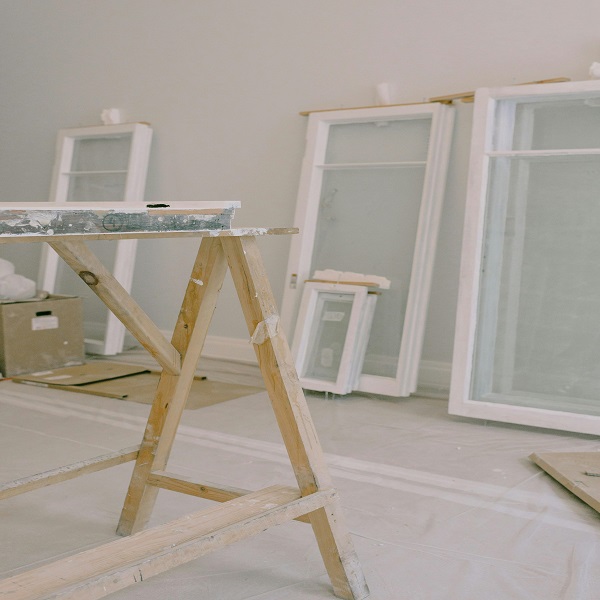
When faced with the high costs and clear discomfort of poorly performing windows, many business owners default to a single, seemingly obvious conclusion: it’s time for a full replacement. This solution is often presented by contractors as the only way to achieve a meaningful upgrade. However, this belief is a capital-intensive myth.
For a vast majority of commercial buildings, the windows themselves are structurally sound. The problem isn’t the glass or the frame, but its inability to manage solar energy. Pursuing a full-scale replacement without first analyzing a more targeted solution can be a monumental and often unnecessary financial decision. It’s crucial to look past the “rip and replace” mindset and evaluate the true costs, disruptions, and alternatives.
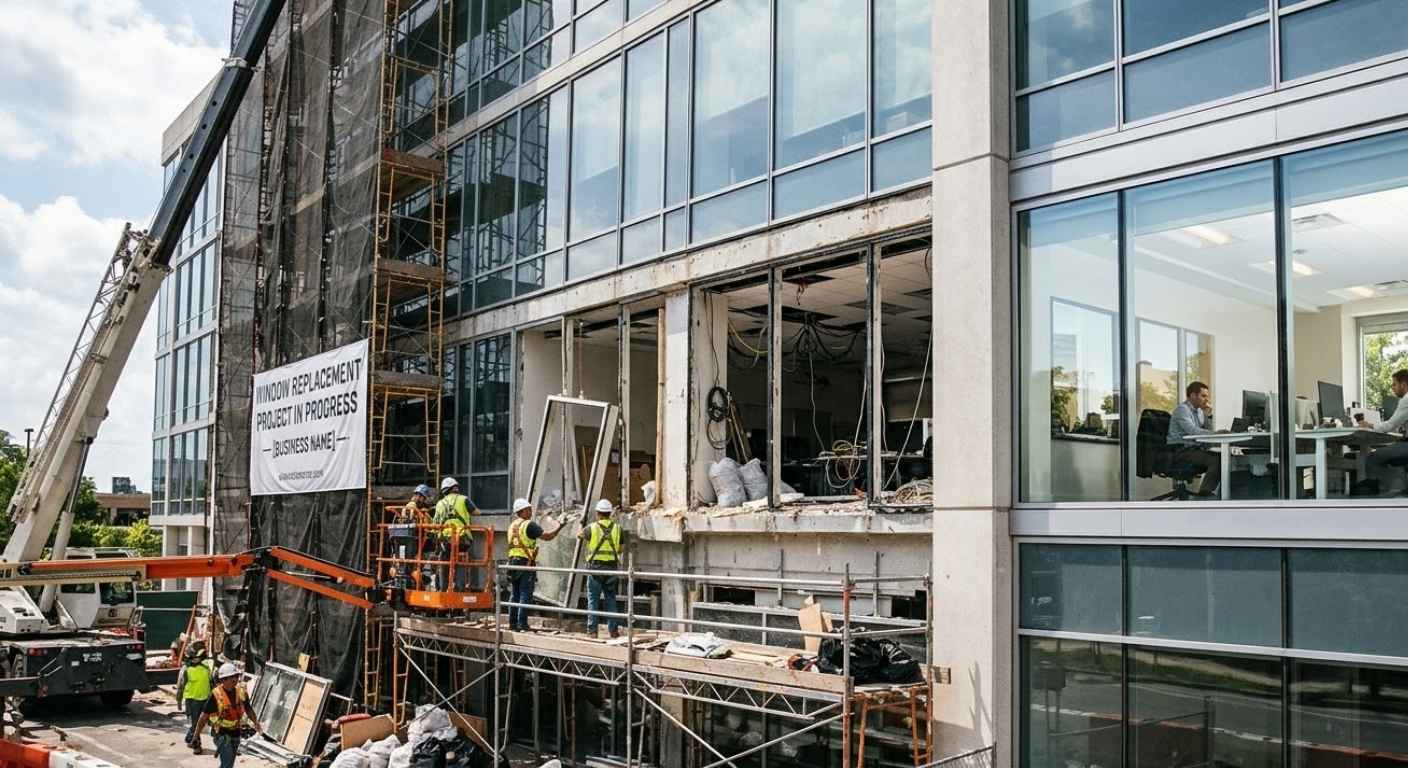
The most immediate and jarring aspect of a full window replacement project is the direct cost. This isn’t a minor operational expense; it is a significant capital expenditure that can impact your budget for years. The per-window cost for commercial-grade units, including materials and labor, can range from $1,000 to over $2,500. For a medium-sized office building with a hundred windows, the project cost quickly climbs into the hundreds of thousands of dollars.
This figure is an amalgamation of several components: the high cost of the new window units, the specialized labor required for removal and installation, potential structural modifications, and the use of heavy equipment like lifts or scaffolding for multi-story buildings. When you multiply this by the sheer number of windows in a typical commercial property, the investment becomes staggering, with a return on investment that can take decades to realize through energy savings alone.
The Unseen Costs: Business Disruption, Downtime, and Debris
Beyond the invoice, the secondary costs of a full window replacement project are what truly impact day-to-day business operations. This process is inherently invasive, turning your workplace or commercial property into a construction zone for weeks or even months. The noise, dust, and constant presence of installation crews create a chaotic environment that directly affects your bottom line.
Consider the ripple effects of this disruption:
- Lost Productivity: It’s difficult for employees to concentrate and perform their best work amidst the noise of power tools and the general commotion of a construction project.
- Negative Tenant and Customer Experience: For retail spaces, hotels, or tenanted offices, a lengthy and messy renovation can deter customers and lead to a flood of complaints from tenants, potentially damaging long-term relationships.
- Operational Downtime: Certain areas of your building may need to be closed off completely during installation, halting business activities and resulting in direct revenue loss.
- Cleanup and Logistics: Managing the removal of old windows and the constant debris generated by the project requires significant logistical coordination and cleanup costs that are rarely highlighted in the initial quote.
A Realistic Assessment: When is Replacement Truly Necessary?
While often over-prescribed, there are specific situations where a full window replacement is the correct and necessary course of action. Being objective about these scenarios helps clarify when a less disruptive solution is more appropriate. Replacement is generally non-negotiable when you are facing issues of fundamental structural failure.
You should seriously consider replacement if your windows exhibit:
- Irreparable Frame Damage: Wood frames that are rotting, vinyl that is severely warped, or metal frames that are corroding to the point of compromising the building envelope.
- Broken Seals: Widespread and irreversible seal failure, characterized by persistent condensation or fogging between the glass panes that cannot be repaired.
- Significant Air Leakage: Drafts caused by failing gaskets or a poor fit between the window sash and frame that cannot be resolved with weatherstripping or caulk.
- A Major Renovation: If you are already undertaking a complete overhaul of the building’s exterior, incorporating new windows into the project can be logistically and financially sensible.
If your windows are structurally sound but simply inefficient at managing heat and glare, replacement is likely an expensive over-correction for the problem.
The Flaw in Assuming New Windows Are the Only High-Performance Option
Perhaps the most critical flaw in the “replacement first” mindset is the assumption that any new window is automatically a high-performance window. The reality is more nuanced. A basic, builder-grade double-pane window may offer marginal improvement in insulation but do very little to address the primary driver of building heat: solar radiation.
The true performance of modern window films comes from sophisticated features like low-emissivity (Low-E) coatings, which are microscopically thin metallic layers designed to reflect infrared and UV light. It is these coatings, not just the new glass and gas fill, that deliver the significant energy savings and comfort improvements you are seeking.
This fact reveals the core of the window replacement myth. If the primary goal is to upgrade thermal performance by rejecting solar heat, reducing glare, and blocking UV radiation, you do not need to replace the entire window unit. You simply need to add the high-performance technology to the windows you already have. This is precisely where advanced architectural films enter the conversation as a smarter, faster, and more cost-effective solution.
Calculating the ROI: Window Film vs. Replacement for Your Business
While the performance benefits are clear, the decision for any business owner ultimately comes down to the numbers. A careful analysis of the return on investment reveals a compelling financial argument for architectural window film over full window replacement. It is not just about saving money; it is about making a smarter, more strategic capital investment.
A Framework for Comparing Initial Investment Costs
The most immediate and significant difference between these two solutions is the upfront cost. Full window replacement is a major capital project, often involving significant disruption to your business operations. Costs can range from $50 to over $100 per square foot, depending on the window type, accessibility, and labor involved. For a medium-sized commercial building, this can easily translate into an expenditure of tens or even hundreds of thousands of dollars.
In contrast, professional installation of high-performance architectural window film is a fraction of that cost. Typically, businesses can expect to invest between $8 and $20 per square foot. This dramatically lower initial outlay preserves your working capital, allowing you to address critical insulation needs without deferring other important business investments. The installation process is also far less disruptive, often completed in days with minimal impact on employees or customers.
Modeling Your Energy Savings: A Clear ROI Calculation
Calculating your potential return on investment is more straightforward than you might think. The primary driver of savings is the reduction in your building’s heating, ventilation, and air conditioning (HVAC) usage, which is often one of the largest operational expenses.
You can create a simple model to project your savings:
- Identify HVAC Costs: Start by looking at your utility bills to determine your average annual spending on electricity and gas for heating and cooling.
- Estimate Potential Reduction: High-performance spectrally selective films can reduce solar heat gain by up to 80%, and Low-E films can significantly cut down on heat loss in winter. For calculation purposes, businesses can conservatively project a 15% to 30% reduction in their annual HVAC energy costs after film installation.
- Calculate Annual Savings: Use this simple formula to find your estimated yearly savings.
(Annual HVAC Cost) x (Projected Savings Percentage) = Estimated Annual Savings
For example, a business with a $20,000 annual HVAC expenditure could realistically save $3,000 to $6,000 per year. A qualified window film professional can provide a more precise energy audit using specialized software to model savings based on your specific building, climate, and window type.
Payback Period: Why Commercial Window Insulation Film Wins
The payback period is the time it takes for your initial investment to be recouped through energy savings. This is where window film establishes itself as the superior financial choice for most businesses.
Let’s compare:
- Window Replacement: With its massive upfront cost, the payback period for full window replacement often stretches to 15, 20, or even 25 years. This timeline is frequently longer than a business owner’s strategic plan or even the building’s ownership horizon.
- Window Film: Given the low initial investment and substantial energy savings, the payback period for architectural window film is typically just two to five years.
After this brief period, all subsequent energy savings go directly to your bottom line, generating positive cash flow for the life of the film. This rapid return allows a business to realize the financial benefits almost immediately, making it a far more agile and financially prudent decision.
Factoring in Tax Incentives, Rebates, and Long-Term Property Value
The financial advantages do not stop with direct energy savings. Several other factors can shorten the payback period and increase the overall value of your investment.
Many federal, state, and local utility programs offer tax credits or rebates for energy-efficient upgrades, and commercial window films often qualify. These incentives directly reduce your net installation cost, accelerating your return on investment even further. We always recommend consulting with a tax professional and checking with your local utility provider for available programs.
Furthermore, while new windows are a selling point, a building equipped with high-performance window film is also more valuable. It signals to potential tenants or buyers that the property is energy-efficient, comfortable, and well-maintained. The UV-blocking properties also protect interior assets like flooring, furniture, and merchandise from fading, preserving their value and reducing replacement costs over time.
Beyond Insulation: The Added Benefits of Modern Window Solutions
While the energy savings from improved insulation are often the primary driver for upgrading commercial windows, they represent only a fraction of the total value. Unlike a full window replacement, which primarily addresses thermal performance, advanced architectural films deliver a suite of benefits that solve other common and costly business challenges. These added advantages work together to create a more productive, secure, and valuable commercial environment, compounding your return on investment.
Reducing Glare to Enhance Screen Visibility and Occupant Comfort
Persistent sun glare is more than just an annoyance; it is a direct drain on productivity and a major source of employee or tenant dissatisfaction. In a modern office, harsh light reflects off computer screens, monitors, and tablets, causing eye strain, headaches, and forcing people to constantly adjust their position or draw blinds, shutting out natural light.
Professionally installed window films are engineered to selectively filter visible light, dramatically reducing glare without casting the space into darkness. This single improvement can transform a workspace, making it more comfortable and visually ergonomic. The result is a more focused and productive workforce, fewer comfort-related complaints, and the ability to fully utilize office space that was previously unusable at certain times of the day.
Protecting Your Assets: Blocking 99% of UV Rays to Prevent Fading
The same sunlight that brightens your space also carries damaging ultraviolet (UV) radiation. Standard commercial glass does little to stop these rays, which are the primary cause of fading and degradation. Over time, UV exposure can ruin thousands of dollars’ worth of assets, including office furniture, hardwood floors, carpeting, artwork, and retail inventory.
High-performance window films act as a powerful screen, blocking over 99% of harmful UV radiation. This level of protection is a crucial form of insurance for your interior investments. For a retail storefront, it keeps merchandise looking vibrant. For an office, it preserves the professional appearance of your decor and furnishings for years longer than they would otherwise last, delaying costly replacement cycles.
Improving Privacy and Aesthetics Without Sacrificing Natural Light
Creating private spaces within an open commercial environment, such as for conference rooms, executive offices, or street-level windows, often involves solutions that block light and make the space feel smaller. Curtains and blinds collect dust and require maintenance, while etched glass is a permanent and expensive commitment.
Decorative and privacy window films offer a flexible and cost-effective alternative. Available in a vast range of finishes—from frosted and opaque to mirrored and patterned—these films can be applied to any glass surface to provide the exact level of privacy required. Critically, they do so while still allowing a significant amount of ambient natural light to pass through, maintaining a bright and open feel. This allows you to reconfigure spaces and enhance your brand’s aesthetic without undertaking a major renovation.
Adding a Layer of Shatter Resistance for Safety and Security
An unprotected pane of glass is a significant vulnerability. Upon impact from severe weather, an accident, or a forced entry attempt, it can shatter into dangerous shards, posing a risk to occupants and making a property an easy target.
Safety and security films are designed with a powerful adhesive that bonds directly to the glass, holding it together even after it shatters. This layer of shatter resistance provides a crucial barrier that can:
- Deter “smash-and-grab” burglaries by making entry significantly more difficult and time-consuming.
- Minimize the danger of flying glass during extreme weather events like hurricanes or high winds.
- Reduce the risk of injury from accidental glass breakage in high-traffic areas.
This added security provides peace of mind and an essential layer of protection for both your people and your property.
What to Look for in a Commercial Window Film Expert
Choosing to install architectural window film is a smart business decision, but the success of the project depends entirely on the provider you select. The difference between a master technician and a low-bid contractor can mean the difference between a 20-year solution and a peeling, bubbling mess in less than two years.
Why Industry Experience Matters More Than Product Hype
The market is filled with different film brands, each with its own marketing claims. However, the best product for one building may be the wrong choice for another. A true expert possesses deep industry experience, allowing them to function as a consultant rather than just a salesperson. They understand how a building’s orientation, window type, existing HVAC system, and specific business goals all factor into the correct film selection. Their guidance ensures you get the right solution for your unique problems, not just the product they are incentivized to sell.
The Importance of a Professional Energy Audit and Consultation
A credible window film provider will not give you a serious quote based on square footage alone. A professional process begins with a thorough consultation and energy audit. This involves more than just measuring windows. An expert will analyze your past energy bills, assess the building’s thermal envelope, and may use specialized meters to measure the current performance of your glass. This data-driven approach allows them to accurately model your potential energy savings and provide a clear, reliable forecast of your return on investment.
Differentiating Between Quality Materials and Masterful Installation
Even the most advanced, highest-quality window film will fail if it is not installed correctly. Masterful installation is a craft that requires precision, patience, and a contaminant-free technique. Any dust, debris, or air trapped between the film and the glass can lead to bubbling, peeling, and a compromised appearance that nullifies the investment.
A professional installer’s work is flawless and durable, ensuring the film performs to its specifications and its manufacturer’s warranty remains intact. Always ask to see examples of a provider’s previous work and inquire about their installation process and quality control standards.
Questions to Ask a Potential Commercial Window Tinting Provider
To protect your investment and ensure you are partnering with a true professional, be prepared to ask detailed questions. A reputable expert will welcome the opportunity to demonstrate their expertise.
- Can you provide proof of business liability and workers’ compensation insurance?
- What is your experience with commercial buildings similar to mine? Can you provide case studies or references?
- What is the full warranty on both the film material and your installation labor?
- What specific film or films are you recommending for my building, and why are they the best choice for my goals?
- Can you walk me through your complete installation process, from preparation to cleanup?
- How do you calculate the projected energy savings and return on investment for my project?
Conclusion: A Smarter Strategy for Your Building’s Performance
Navigating the complexities of commercial property management means making strategic decisions that balance immediate costs with long-term value. When it comes to underperforming windows, the path forward can seem daunting, often presenting a false choice between enduring high operational costs or committing to a massive capital expenditure. The reality, however, is that a more intelligent and financially sound strategy exists.
Summarizing the Clear Financial Case for Advanced Window Films
Throughout this discussion, we’ve analyzed the numbers behind window insulation. The conclusion is undeniable. While full window replacement is often marketed as the ultimate solution, it represents a significant financial undertaking with a payback period that can stretch for a decade or more. This locks up capital that could be used for other growth-oriented investments in your business.
In sharp contrast, advanced architectural window films present a compelling financial alternative. The initial investment is a fraction of the cost of new windows, immediately lowering the barrier to entry for improving your building’s efficiency. This leads to a much faster return on investment, with many businesses seeing a complete payback from energy savings in as little as two to five years. The decision becomes a simple matter of financial prudence: a lower-cost, faster-paying solution that delivers comparable, and often superior, energy performance is the clear winner for any budget-conscious owner.
The Compelling Advantages Over Window Replacement Alternatives
Beyond the powerful financial argument, choosing window film is a strategically superior operational decision. It addresses the core problem of poor insulation without the significant drawbacks associated with full replacement.
The key advantages include:
- Minimal Business Disruption. Installing window film is a quiet, clean, and efficient process that causes virtually no disruption to your daily operations. Unlike window replacement, which is a noisy, messy construction project that can displace tenants and employees for days, film installation is quick and unobtrusive.
- Immediate and Multifaceted Benefits. The moment the film is applied, the benefits begin. Occupants will immediately notice a reduction in uncomfortable hotspots and distracting glare. At the same time, the film begins its work of blocking up to 99.9% of the UV radiation that fades interiors and damages merchandise.
- Enhanced Building Functionality. Modern films offer more than just insulation. They can be selected to increase privacy, improve exterior aesthetics, and even add a layer of shatter resistance to your glass, enhancing safety and security. Achieving this same range of features with new windows would require costly upgrades on an already expensive project.
- A More Sustainable Choice. By upgrading your existing windows instead of discarding them, you are making a more environmentally responsible choice. This reduces landfill waste and avoids the significant carbon footprint associated with manufacturing and transporting heavy new windows.
Your Next Step Toward a More Efficient and Comfortable Commercial Property
Understanding the theory is the first step, but a tailored solution is what will deliver results for your specific property. The next logical move is to translate this information into a concrete action plan for your business.
We recommend scheduling a professional consultation and energy assessment for your building. An expert can analyze your specific windows, energy bills, and operational needs to provide a precise, data-driven proposal. This will give you a clear picture of the costs, the projected energy savings, and the exact ROI you can expect. Armed with this personalized data, you can make a fully informed decision that will improve your bottom line and create a more productive, comfortable environment for years to come.
Frequently Asked Questions
Is window film as effective as buying brand-new high-performance windows?
In most cases, yes. The “magic” of a new high-end window is usually a microscopic Low-E coating on the glass. Professional window film applies that same technology to your existing, structurally sound windows. It can reject up to 80% of solar heat, providing similar thermal benefits at a fraction of the replacement cost.
How much cheaper is window film compared to full replacement?
On average, commercial window replacement costs between $1,000 and $2,500 per unit, plus the cost of scaffolding and structural permits. Professional window film typically costs between $8 and $20 per square foot. For most businesses, this represents a 70-90% savings in initial capital expenditure.
Will the installation process disrupt my daily business operations?
No. Unlike a “rip and replace” project that involves construction noise, dust, and open window holes for weeks, film installation is clean and quiet. It is applied to the interior surface of the glass, meaning your tenants or employees can usually stay at their desks while the work is performed.
What is the typical Payback Period for window film?
Because the upfront cost is low and the energy savings are immediate, most commercial window film projects pay for themselves in 2 to 5 years. In contrast, the ROI for full window replacement often takes 15 to 25 years, which is frequently longer than the building’s ownership cycle.
How long does professional window film last on a commercial building?
High-quality architectural films are engineered for longevity and typically last 15 to 20 years or more. Most professional installations come with a comprehensive manufacturer’s warranty that covers bubbling, peeling, and discoloration, ensuring your investment remains protected for the long haul.