Table of Contents
- Finding Local Film Experts
- Understanding Window Film Installation Services
- Finding Qualified Local Window Film Installers
- The Professional Installation Process
- Common Installation Challenges and Solutions
- Conclusion and Next Steps
- Frequently Asked Questions
Finding Local Film Experts
Local window film installers can be found through manufacturer dealer locator tools, Google Maps searches, industry association directories, and referrals from glass companies. These professionals provide window tinting solutions for residential window and commercial applications, offering expertise that ensures proper installation, valid warranties, and optimal performance, with a dedication to serving customers and delivering great results.
This guide covers how to find qualified window film professionals in your area, understand the installation process, and make informed decisions about your project, including the ability to customize window tinting solutions to meet your specific needs. Whether you’re a homeowner seeking energy savings or a business owner looking to enhance security and privacy, this information applies to your situation. Property owners benefit from understanding installation basics because professional window film installation services ensure that the film is applied smoothly, without bubbles or ripples, which is crucial for the product’s efficiency and longevity.
Quick answer: To find reputable local installers, start with manufacturer dealer networks (3M, LLumar, SolarGard), verify certifications and insurance, request written estimates from multiple companies, and check local reviews before making your selection.
Key outcomes from this guide:
- Locate qualified, certified installers in your location
- Understand what professional installation involves and costs
- Learn how to evaluate installer credentials and quotes
- Know what warranty coverage to expect and demand
- Make informed decisions about film selection for your climate
Understanding Window Film Installation Services
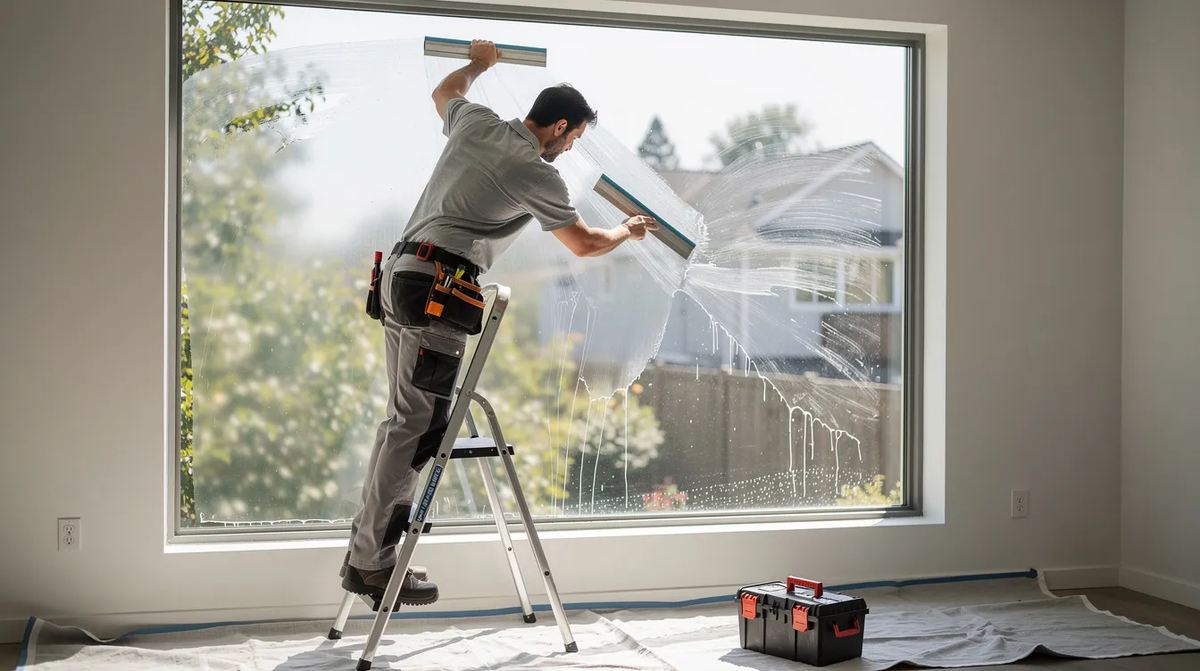
Professional window film installation involves trained technicians applying specialized films to glass surfaces using wet application methods, precision cutting, and quality inspection protocols. Window film installation can enhance energy efficiency, reduce glare, and improve comfort in residential and commercial spaces, especially when using advanced architectural window films for homes and buildings. In addition, certain privacy films provide the ability to enjoy views of the outdoors while maintaining privacy, and decorative films can offer supplementary benefits such as increased energy efficiency or added security beyond just aesthetics. Location matters because local installers understand regional climate demands, can provide timely service, and offer warranty support you can access without shipping windows or waiting weeks for assistance.
Types of Window Film Available Locally
Security and Safety Films
Safety window films can hold shattered glass in place, reducing the risk of injury from flying shards during an impact. Security window films can help prevent forced entry by holding shattered glass in place, making it more difficult for intruders to gain access. These films range from 4 mil to over 15 mil thickness and must meet standards like ANSI Z97.1 for impact resistance, and higher-threat applications may incorporate ballistic and bullet resistant window film systems as part of a layered security strategy. Security window films are designed to withstand impacts from various threats, including smash-and-grab burglaries and ballistic attacks, enhancing overall safety. Upgrading windows and glass doors with safety films from local security window film specialists can prevent shattering and other damage from impact.
Solar Control Films
Window films can reduce heat and glare, creating a more comfortable indoor environment while allowing natural light to enter, and regional specialists like CoolVu of Sacramento Northeast for window film installation focus on these performance benefits for local climates. Solar window films used for residential window tinting can block as much as 80% of the sun’s heat, dramatically lowering air conditioning costs. Spectrally selective options block up to 84% of infrared radiation while maintaining 60-70% visible light transmission—ideal for people who want heat rejection without dark tint.
Privacy Films
Privacy window films can enhance privacy by obscuring the view into rooms while still allowing natural light to enter, making them a popular choice for residential and commercial spaces. Home window tinting can provide varying degrees of privacy depending on the type of film used, with options available that allow homeowners to customize their level of visibility from the outside, and local providers such as CoolVu of Central San Diego for window tinting and privacy film offer tailored residential and commercial solutions. Many homeowners prefer window films over traditional blinds for privacy because they maintain a sleek appearance without obstructing the view or creating visual clutter.
Decorative Films
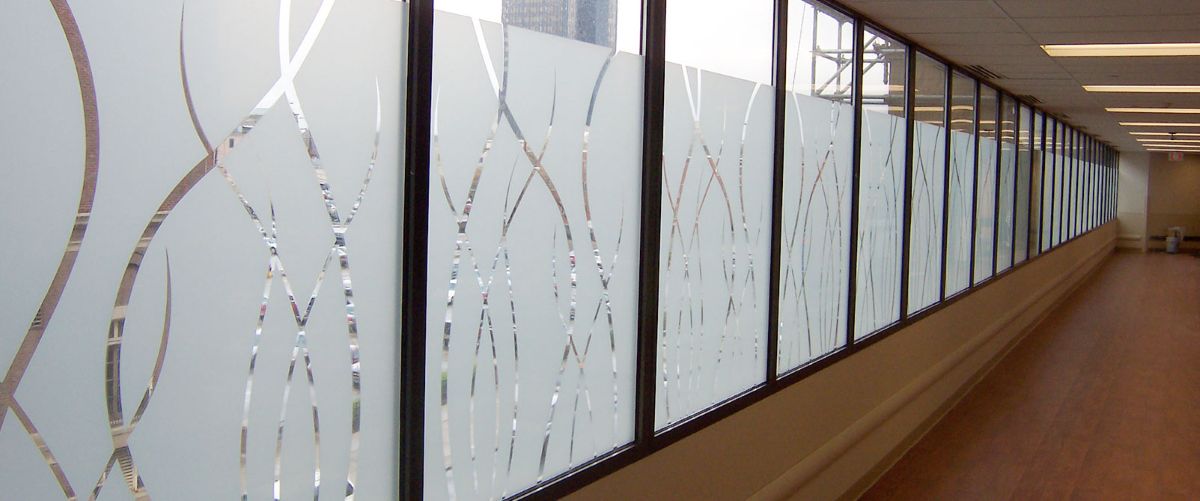
Decorative window films can enhance the aesthetic appeal of spaces without the need for additional hardware or infrastructure. These films are available in various designs and styles, and innovative options like switchable smart window films and switchable smart glass film solutions allow for on-demand privacy and light control, enabling customization based on individual preferences and decor themes. Decorative films can be used in a variety of settings, including residential homes, offices, and retail environments, to create unique visual effects and privacy solutions.
Each film type requires different installation expertise—security films need frame attachment systems, decorative films demand precise pattern alignment, and solar films require proper orientation assessment.
Professional Installation vs DIY Options
Benefits of Professional Installation
Professional installers bring access to premium film grades (ceramic, sputtered, metallized) and advanced transitional window films unavailable through retail channels. They possess specialized tools for wet application, heat forming, and edge sealing. High-quality window film shops maintain clean environments to prevent bubbles or trapped debris during installation. When choosing a professional window film installer, prioritize experience/certification, reputation, and warranty coverage.
Risks of DIY Installation
While installing window film is a manageable DIY project that requires patience, proper cleaning, and a wet application process to achieve a smooth, bubble-free finish, risks include bubbling, improper adhesion, mis-cuts, and voided warranties. DIY material costs run $1-$5 per square foot for basic films, but mistakes can damage expensive films or even crack glass through improper application on dual-pane windows.
When Professional Installation Is Essential
Professional installation is essential for safety and security films, spectrally selective films, large glass surfaces, overhead glazing, and any project requiring code compliance. Professional service ensures warranty coverage and proper performance. DIY may suffice only for basic decorative or privacy film on small, easy-to-reach windows, while more complex projects are better handled by specialists like CoolVu of Des Moines for window tinting and security film.
Understanding these distinctions prepares you to search effectively for the right local professionals.
Finding Qualified Local Window Film Installers
Knowing what films exist and why professional installation matters sets the foundation—now the practical work begins: locating, evaluating, and selecting qualified dealers and installers in your area. Choosing a company with a great reputation for customer satisfaction is essential, as it ensures you receive high-quality service tailored to your needs. Many local window film installation businesses are family-owned, bringing trust, tradition, and a personal commitment to quality. Start your search for the best window film installation near me today to experience the difference dedicated professionals can make. Before submitting a contact form, check the consent box and review any message notifications provided by the installer.
Where to Search for Local Installers
Manufacturer Dealer Locator Tools
Major manufacturers maintain searchable databases of authorized dealers. Enter your address or zip code on sites like 3M’s Preferred Installer locator, LLumar’s dealer finder, or SolarGard’s network search to find certified professionals who serve your area. These installers receive factory training and can offer manufacturer-backed warranties. Many locator tools include a search box that helps narrow results by location or service type.
Local Business Directories
Google Maps provides reviews, photos of completed work, and direct contact information. Search “window film installation near me” or “window tinting [your city]” to view local options. Industry association member directories also list certified professionals committed to quality standards.
Referrals and Recommendations
Glass companies, general contractors, and commercial buildings managers often maintain relationships with reliable film installers. Ask for referrals from people who have had successful installations—this provides real-world experience data beyond online reviews and may lead you to reputable regional providers such as CoolVu of Omaha for residential and security window film.
Evaluating Installer Credentials
Manufacturer Certifications
Look for manufacturers’ certifications and ensure the company has liability insurance to cover potential damages when hiring a window film installer. Preferred installer designations from 3M, LLumar, or similar brands indicate the team has completed hands-on and written evaluations covering installation techniques.
Experience and Reputation
Request portfolio examples of similar installations—security film on commercial buildings, solar film on residential windows, or decorative applications in office spaces from established providers like CoolVu of North Indianapolis for window tinting and film. Years of local experience matter because installers learn which products perform best in your regional climate.
Insurance and Licensing
It is important to ensure the window film installer is insured and uses high-quality materials, including a range of films. Verify liability coverage protects against installation damage. For commercial projects, confirm proper licensing for work at heights or in regulated buildings.
Getting Accurate Local Quotes
Preparation Before Requesting Quotes
Measure your windows or have approximate square footage ready. Know your goals: heat reduction, privacy, security, or decorative enhancement. Understand your budget constraints and timeline flexibility.
What Comprehensive Quotes Should Include
Obtain written estimates from multiple companies to compare pricing and ensure there are no hidden fees in window film installation. A quality window film service performs a pre-installation check on existing glass to identify glass type and ensure compatibility with the chosen film. Comprehensive quotes list specific film products, square footage, labor rates, warranty terms, and project timeline.
Red Flags in Pricing
Extremely low prices may signal inferior film materials, minimal prep work, non-certified installers, or absence of workmanship warranty. Trust installers who explain their pricing clearly and provide written documentation.
With a shortlist of qualified local professionals, understanding what happens during installation helps you prepare your space and set expectations.
The Professional Installation Process
Selecting a qualified installer marks a significant step—knowing what that installer will actually do helps you prepare your space and evaluate the quality of completed work.
Standard Installation Procedure
The installation process for window films typically involves cleaning the glass surface, measuring the film, cutting it to size, and applying it with precision to avoid imperfections. Here’s what professional service looks like:
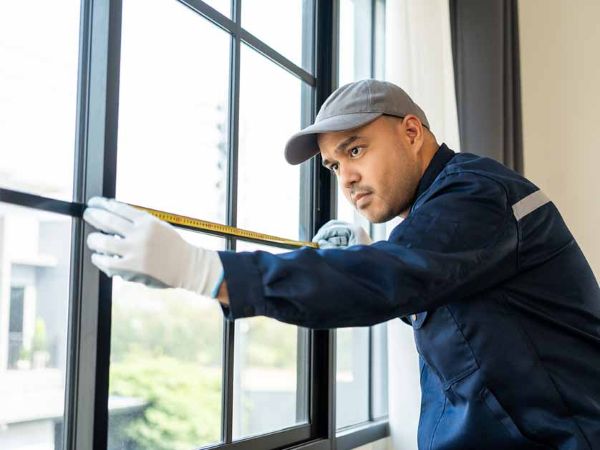
- Pre-assessment and measurement — Technicians measure each window, assess frame condition, check for existing film, and evaluate sunlight exposure patterns.
- Surface preparation — Thorough cleaning removes dirt, grit, and coatings. Existing films are removed. Edges and frames are inspected for proper sealing surfaces.
- Film cutting and shaping — Films are cut to precise measurements using professional patterning tools. For curved or sloped glass, installers may use heat forming techniques.
- Application — Using wet application with adhesive solutions, installers squeegee out air bubbles and moisture. Security films may require mechanical anchoring to frames.
- Curing and inspection — Films are allowed to dry and cure. Installers inspect for defects including wrinkles, bubbles, and visibility issues, then trim edges and clean up.
- Documentation and instructions — You receive warranty documentation covering material and workmanship, plus maintenance guidelines. A written warranty for window film work should cover both material and labor, and it is important to check if it is registered with the manufacturer. Some providers may also maintain warranty records on a secure server and send a confirmation message after registration is completed.
Installation Timeline and Costs Comparison
| Project Type | Typical Timeline | Cost Range (Installed) | Key Factors |
|---|---|---|---|
| Small residential (3-4 windows) | 2-4 hours | $500-$1,200 | Privacy or basic solar film |
| Medium residential (10-15 windows) | 1 full day | $2,500-$5,000 | Solar control or decorative |
| Large residential/whole home | 1-2 days | $5,000-$10,000+ | Premium spectrally selective |
| Commercial storefront | 1-3 days | $3,000-$15,000+ | Security, branding, heat control |
| Multi-story commercial | Days to weeks | $10,000-$50,000+ | Access equipment, scheduling |
Factors Affecting Local Pricing
Window size, shape, and accessibility significantly impact costs. Multi-story installations requiring lifts or scaffolding add expense. Removal of old film, regional labor rates, and material type (dyed vs. ceramic vs. sputtered) all influence final pricing. Premium materials for window film improve longevity, heat rejection, and UV protection—expect to pay more for these benefits.
Seasonal Considerations
Many installers offer better availability and potentially lower rates during slower seasons. However, temperature and humidity requirements may limit outdoor-facing film applications in extreme weather conditions.
Even with skilled installers, certain challenges arise—understanding these helps you plan effectively.
Common Installation Challenges and Solutions
Local installations face specific obstacles based on your region, building type, and timing. Recognizing these issues helps you select the right installer and schedule appropriately.
Weather and Seasonal Constraints
Window film adhesives cure optimally within specific temperature and humidity ranges. Cold weather slows drying and can cause adhesion failure; high humidity may trap moisture beneath films, causing bubbling. Direct sunlight during installation can dry edges prematurely, risking warping.
Solution: Schedule installations during moderate weather—spring through early fall in most U.S. regions. Professional installers may work on shaded sides of buildings or during morning hours to avoid peak sun exposure.
Access and Scheduling Issues
High-rise buildings, skylights, and difficult-to-reach windows require specialized equipment and safety protocols. Commercial projects in occupied buildings need coordination with building management and residents to minimize disruption.
Solution: Select installers experienced with your building type, such as CoolVu of The Villages for security and privacy window film. Verify they carry appropriate insurance for work at heights and can coordinate access with building schedules. Multi-phase installations may be necessary for large commercial projects.
Film Selection for Local Climate
Regions with intense summer heat and strong UV exposure (like California and southwestern states) benefit from high TSER or IR rejection films—spectrally selective or reflective options perform best. Cold climates benefit from low-e type films that also improve insulating value and reduce heat loss. Coastal areas require films with adhesives and coatings resistant to salt air corrosion.
Solution: Using window films can help protect interiors from UV damage, which can fade furniture and flooring over time, and understanding how UV rays cause furniture fading helps quantify the long-term benefits of proper film selection. Work with local installers who understand regional conditions and can recommend appropriate films. Home window tinting can block up to 80% of the sun’s heat, significantly improving comfort levels in residential spaces—but only when the right film is selected for your specific climate and installed by professionals such as CoolVu of Tucson for residential window tinting.
These challenges are manageable with proper planning and qualified professionals, especially when working with full-service window tinting and film installation providers that handle projects from consultation through installation.
Conclusion and Next Steps
Professional window film installation delivers superior results compared to DIY approaches—proper adhesion, valid warranties, optimal performance, and appearance you’ll enjoy for years. Installing safety and security window films can reduce the risk of injury from broken glass during accidents or natural disasters by keeping glass fragments contained. Upgrading your windows with energy-saving window film can yield significant savings on energy costs. Window films can enhance glass strength and durability, making it less susceptible to breakage from external forces.
Immediate action items:
- Start your search today by using manufacturer dealer locators for certified installers in your location
- Contact 3-4 local companies to request written quotes
- Verify credentials: certifications, insurance, and portfolio of local projects
- Compare quotes for film type, warranty terms, and total project cost
- Schedule installation during optimal weather conditions for your region
Timeline suggestions: Allow 2-4 weeks from initial research to completed installation for residential projects. Commercial installations may require 4-8 weeks depending on building access and project scope, especially when coordinating with full-service providers like CoolVu of Tucson for commercial window film projects.
Related topics to explore: Window film maintenance and care, warranty service procedures, calculating energy savings from solar control films, and, in addition, local utility rebate programs for energy-efficient upgrades.
Frequently Asked Questions
How long does professional window film installation take?
Small residential projects (2-4 windows) typically take 2-4 hours. Medium home installations (10-15 windows) require a full working day. Large commercial facades spanning multiple floors may take days to weeks depending on access equipment and coordination requirements.
What should I expect to pay for local window film installation?
Installed costs range from $6-$14 per square foot depending on film type. Basic decorative or privacy films cost $6-$8 per square foot installed. Premium spectrally selective or security films run $9-$14+ per square foot. Total project costs typically fall between $500-$5,000 for residential and $10,000+ for large commercial installations.
How do I verify an installer’s credentials and reputation?
Check for manufacturer preferred installer status through brand websites. Request proof of liability insurance and business licensing. Ask for photos of completed local projects similar to yours. Read reviews on Google, Angi, or HomeAdvisor. Contact references if available.
What warranty coverage comes with professional installation?
A strong warranty for window film installations should cover issues like peeling, bubbling, and color fading. Quality warranties include both material coverage (often 10-15 years or lifetime) and workmanship coverage. Confirm whether the warranty is transferable if you sell the property and whether it requires registration with the manufacturer.
Can window film be installed year-round in my area?
Professional installation is possible year-round in most regions, but environmental conditions affect results. Temperature and humidity extremes can slow adhesive curing or cause adhesion problems. Interior applications face fewer constraints than exterior-facing films. Consult local installers about optimal timing for your specific project.
How do I maintain professionally installed window film?
Wait 30 days before cleaning new installations. Use mild soap and water with soft cloths—avoid ammonia-based cleaners and abrasive materials. Don’t scrub edges. Periodically check for bubbling or edge peeling, especially near seals. Following manufacturer care instructions protects your warranty coverage.
What happens if the film needs repair or replacement?
Minor edge lifting can sometimes be resealed. Scratched, delaminated, or damaged film typically requires full replacement. Contact your installer first to determine if damage falls within warranty coverage. Security and safety films damaged by impact usually require complete replacement to maintain compliance with safety standards.
Should I choose the cheapest local installer?
Very low prices often indicate inferior materials, minimal surface preparation, non-certified installers, or absence of workmanship warranty—all reducing longevity and performance. Home window tinting can improve energy efficiency, reduce glare, and enhance privacy in your home, but only when quality materials and proper installation techniques are used. Invest in reputable professionals who explain their pricing and provide comprehensive written warranties.