Denver’s sun is great for patios, mountain views, and bright interiors. It is less friendly to overheated rooms, faded furniture, screen glare, and rising energy costs. If you are comparing window film Denver options in 2026, the right film can make your house, office, storefront, or commercial space more comfortable without the high cost of full window replacement.
Table of Contents
- Introduction
- Benefits of Window Film in Denver
- Residential Window Film
- Commercial Window Tinting
- Safety & Security Films
- Window Film and Denver’s Climate
- Neighborhood-Focused Solutions
- FAQ
- Why Choose Our Team
- Free Consultation
Why Denver Property Owners Are Choosing Window Film Now
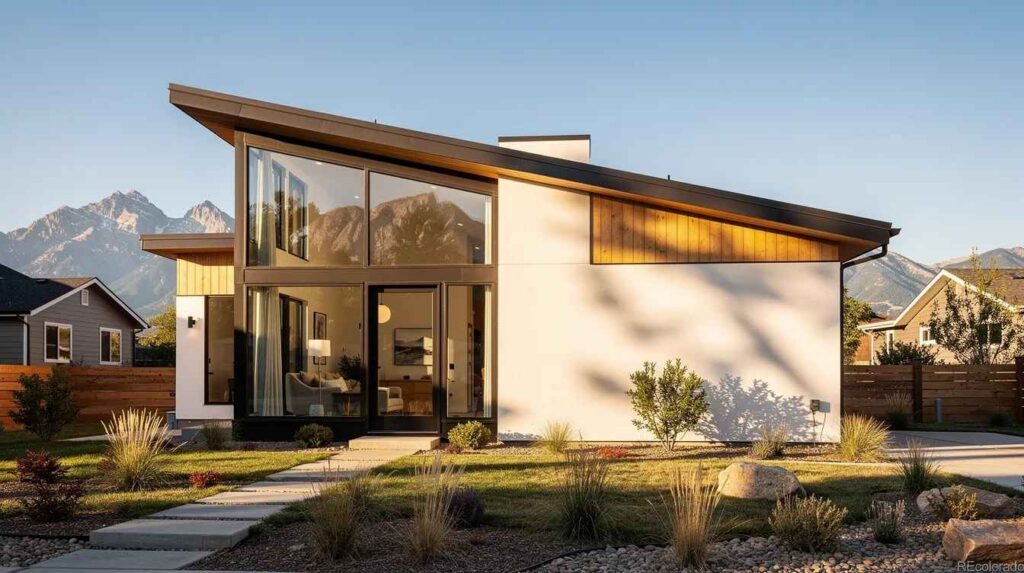
At 5,280 feet, Denver gets intense UV exposure and more than 300 sunny days in many years. That Colorado sun can push indoor temperatures up fast, especially through south- and west-facing windows, glass doors, and large open loft panes.
Property owners are also dealing with practical problems: glare on TVs and laptops, hardwood floors fading from UV rays, artwork and furniture showing sun damage, concerns about break-ins, and drafty older windows in neighborhoods like Capitol Hill and the Highlands. Window tinting can solve several of these issues at once.
Modern window film can improve energy efficiency, comfort, privacy, and security. In some cases, professional films can deliver part of the performance improvement people expect from upgraded double-pane windows, but without the disruption, waste, or cost of full replacement. Below, we’ll break down the best solutions for homes, high-rises, Denver businesses, and commercial properties.
Core Benefits of Window Film in Denver, Colorado
Window film in Denver works especially well because Colorado’s climate combines high-altitude UV, dry air, big temperature swings, and long hours of direct sun.
Energy savings are one of the biggest reasons people choose heat-blocking window film. Solar control films reduce heat and lower air conditioning costs. Window film can cut summer cooling costs by 10-30%. Window film reduces summer cooling costs by 10–30%. Window film can cut annual cooling energy use by 30–35%. Window film can reduce cooling energy use by 30-35%. In heated perimeter areas near large glass, tinting can lead to a 2-4°F reduction in heated perimeter areas.
Glare reduction is another major benefit. Window film reduces glare on screens and monitors, making it easier to work in downtown Denver offices with west-facing glass or home offices in Cherry Creek. If your blinds are always closed, the right film can reduce glare while keeping natural light.
UV protection matters at elevation. UV window film blocks up to 99% of harmful UV rays. Window films block up to 99% of harmful UV rays. Window film blocks up to 99% of harmful UV rays. That protection helps preserve flooring, retail displays, art, and fabrics.
Privacy and decorative options add comfort without blocking natural light. Reflective films create daytime privacy from outside views, while frosted and patterned products soften views into bathrooms, conference rooms, and entry areas.
Safety film adds an added layer of protection. Security and safety films help hold broken glass together during attempted break-ins, hail, wind events, and accidental impacts, reducing the risk of flying glass.
Denver Home Window Tinting: Comfort, Privacy & Energy Savings
Denver home window tinting helps older bungalows, mid-century ranches, condos, and new construction manage heat, glare, and privacy. For many residential properties, the perfect solution is not darker glass everywhere; it is selecting the right film for each exposure.
Solar control films reduce hotspots in living rooms, sunrooms, bedrooms, and loft spaces without making windows look mirrored or overly dark. Heat-blocking window film cuts up to 79% of solar heat gain, and window films can reject up to 75% to 79% of solar heat. That can improve comfort in a Denver property that gets blasted by afternoon sun.
Modern residential films are also compatible with many double-pane windows when properly specified. Correct professional installation matters because the right product reduces thermal stress instead of creating uneven glass temperatures.
Decorative window film is useful for bathrooms, street-facing bedrooms, sidelights, and glass entry doors. Decorative window film enhances privacy while allowing natural light. Decorative window film offers various patterns for privacy and style. Decorative window films come in various colors and textures, and custom patterns can be created with decorative window films.
A typical 2025–2026 project might involve a 2,000 sq ft home in Cherry Creek or the Highlands receiving neutral UV window film and solar film on the largest exposures. The result is less AC runtime, fewer hot rooms, and a more usable living space during summer afternoons.
The installation process is simple: an in-home assessment, measurements, film selection, scheduling, and clean installation. Most projects are completed with minimal disruption.
Popular Residential Film Types for Denver Homes
Here is a buyer-friendly breakdown of common choices:
| Film type | Look | Main benefit | Best uses |
|---|---|---|---|
| Solar / heat blocking window film | Clear to lightly tinted | Rejects solar heat and helps reduce glare | Living rooms, sliders, west glass |
| Low-E insulating film | Often neutral | Winter comfort and summer heat control | Older windows, cold rooms |
| Privacy window film and decorative film | Frosted, patterned, textured | Privacy and style | Baths, bedrooms, entry glass |
| Security window film | Clear or light tint | Impact resistance | Ground-level windows and doors |
Low-e window film helps retain heat during winter months. Low-e window film retains heat during winter months. Low-E films block summer heat while insulating glass in winter. Advanced architectural films help retain heat during winter and block heat in summer.
Choose visible light transmission carefully. A film that is too dark may sacrifice views; a better film rejects infrared heat while allowing only a small fraction of harsh glare through. Many homeowners mix products, such as solar film on glass doors and frosted glass films for stylish privacy solutions in bathrooms.
Denver Commercial Window Tinting & Building Film Solutions
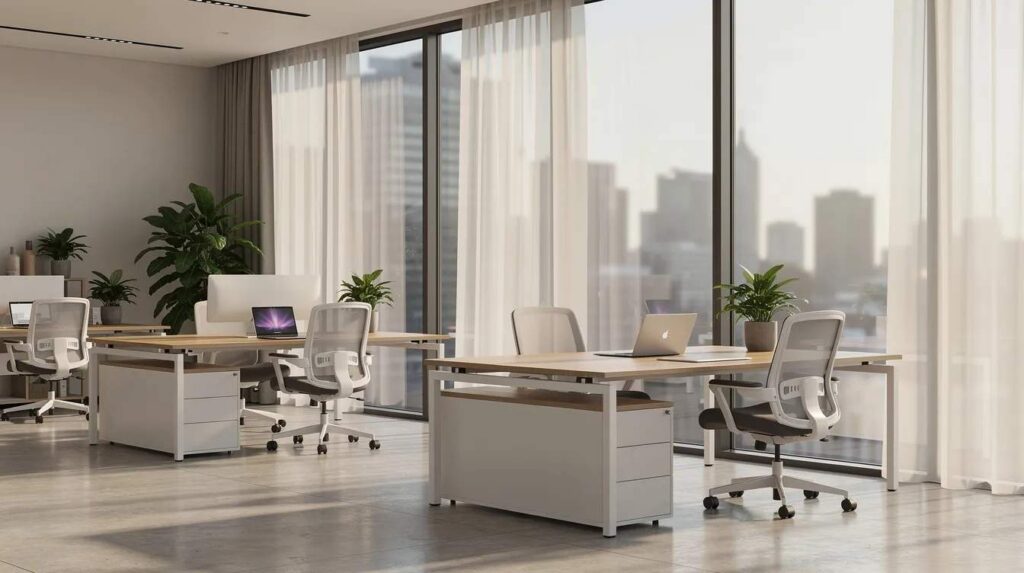
Commercial window tinting helps offices, retail, hospitality, healthcare, and educational institutions reduce discomfort and operating costs. In a commercial space with large glass, one wall of sun can create uneven indoor temperatures across the whole floor.
Common projects include reducing afternoon glare in downtown Denver high-rises, improving lobby comfort in glass-heavy storefronts, and protecting merchandise in south-facing retail windows. Commercial window film can also improve branding through decorative graphics, subtle privacy bands, or etched looks.
For facility teams and property managers, the gains can include lower peak cooling demand, reduced HVAC wear, fewer hot/cold complaints, and more stable temperatures. Window film improves energy efficiency in homes and offices.
Options include neutral solar films, reflective films, branded decorative films, anti-graffiti protection, and safety security upgrades. Anti-graffiti film protects glass surfaces from vandalism damage. Commercial window films may be installed inside or outside depending on access, glass type, and building design.
Window film can also support compliance planning under energy programs such as Energize Denver, though rebate eligibility should always be verified for each project.
Case Study: Improving Comfort in a Downtown Denver Office
Picture a 15-story building near 17th Street with wide west-facing glass. By 2 p.m., perimeter offices were overheated, interior offices felt cold, and blinds stayed closed almost every afternoon.
The solution was a high-performance commercial window film designed to cut solar heat gain by roughly 60% while preserving natural light. The film reduced glare, kept views open, and helped balance temperatures between perimeter and interior zones.
After installation, employees reported fewer glare issues, tenants kept blinds open more often, and the building team projected energy savings over the next five years. Compared with full glass replacement, the retrofit was faster, cleaner, and less expensive.
Safety & Security Window Film: Protection Against Break-Ins and Impacts
Safety and security window film uses multi-layer polyester construction bonded to glass with strong adhesive. Safety window film reinforces glass against shattering during impacts. Safety window films hold shattered glass together during impacts.
Film does not make glass unbreakable. However, security films can delay break-ins by up to three minutes. Safety window films can delay break-ins by up to three minutes. That extra time can cause intruders to give up, especially when paired with alarms, lighting, and visible cameras.
Security film is useful for storefronts, schools, homes, and ground-floor commercial buildings. Security films are primarily installed at ground-level windows for safety. It also reduces injury risk from flying glass during forced entry, hail, or accidental impact.
Some leading brands and systems are designed for demanding applications. 3M Ultra Security film increases glass resistance to shattering. K-Shield film prevents glass fragmentation during impacts. Security film can also be combined with tinted or clear solar products for energy and protection on the same pane.
Security Film for Denver Storefronts and Commercial Properties
Large display windows and glass doors in downtown Denver, Cherry Creek, RiNo, and neighborhood retail districts are vulnerable to smash-and-grab attempts. Properly installed security film, especially with mechanical anchoring, helps glass stay in the opening longer.
This matters for commercial properties because it can reduce cleanup costs, protect inventory, and maintain visibility. A typical small business upgrade might include 8–12 mil safety film on entry doors, sidelites, and large display windows after nearby incidents.
Residential Security Film for Peace of Mind
Homeowners often choose clear or lightly tinted residential security film for sliding glass doors, basement windows, and street-facing panes. It preserves curb appeal while increasing impact resistance.
Residential security film can slow intruders during attempted break-ins and help contain broken glass from hail or accidental damage. For best results, combine film with alarms, exterior lighting, reinforced locks, and smart cameras.
How Window Film Performs in Denver’s Unique Climate
Denver’s climate is a demanding test: high altitude, intense sunshine, dry winters, strong spring winds, and wide daily temperature swings. Window film mitigates intense sunshine in Denver’s high altitude.
In summer, films reflect infrared heat and reduce solar heat entering the room. In winter, low-E products help reflect interior heat back inside. That means the right installation can support year-round comfort instead of only solving one season.
UV protection is especially important in Colorado because UV exposure increases with elevation. Quality film protects interiors from fading due to UV exposure while keeping rooms bright.
Correctly chosen films should not damage compatible double-pane windows when matched to manufacturer guidelines and professionally installed by trained technicians. Stronger heat rejection is often best for west- and south-facing glass, while lighter products may be the perfect choice for shaded or north-facing windows.
Energy Performance vs. Double Pane Windows
Window film is not a cure for air leaks, rotten frames, or failed seals. Still, it can improve solar control and UV protection on sound existing glass at a small fraction of the cost of window replacement.
| Option | Cost | Disruption | Best benefit | Timeline |
|---|---|---|---|---|
| Film retrofit | Lower | Low | Heat, glare, UV, privacy | Often 1 day |
| New double pane windows | Higher | Moderate to high | Air sealing, insulation | Multi-day project |
Commercial payback often falls in the 3–7 year range, depending on exposure, glass area, and energy costs. Residential payback varies, but comfort improvement is often immediate.
Neighborhood-Focused Solutions Across the Denver Metro
Different buildings need different recommendations. That is why on-site evaluations matter.
- Downtown Denver: high-rise condos and offices often need glare control, UV protection, and safety films for large glass walls.
- Capitol Hill: older multifamily buildings and historic homes benefit from comfort upgrades that protect original wood floors without changing exterior character.
- Cherry Creek: upscale retail, galleries, and homes prioritize clear views, fade protection, discrete security, and color-neutral film.
- LoDo and RiNo: mixed-use buildings often combine decorative options, privacy, and commercial window protection.
- DTC, Aurora, and Lakewood: offices and suburban homes often focus on cooling costs, conference-room glare, and ground-floor security.
A local assessment helps create the right mix for each property’s exposure, architecture, and use.
Frequently Asked Questions About Window Film in Denver
Is window film safe for double-pane windows?
Yes, when the film is selected for the glass type. Professional window tinting includes checking pane construction, orientation, and manufacturer guidance before window film installation.
How long does window film last in Denver?
Many residential installations last 15–20 years. Commercial installations can perform for similar periods when the right product is used and maintained properly.
What does window tinting Denver service usually cost?
Standard solar film often starts around $8–$12 per square foot. Premium low-E, decorative, privacy, or security films can range from about $12–$25+ per square foot depending on complexity.
How much heat and glare reduction can I expect?
West-facing windows usually see the biggest change. Many films reduce glare by 50–80%, and premium products can reject up to about 79% of solar heat.
How do I clean window film?
Use soft cloths and non-abrasive cleaners after the adhesive cures. Avoid scrapers, harsh pads, and aggressive ammonia use.
How long does installation take?
A typical home or small office may take a few hours to a day. Occupants usually do not need to leave; installers just need clear access to the windows.
What warranties are common?
Warranties often cover peeling, bubbling, adhesive failure, and discoloration. Coverage depends on the film, glass type, and whether it was professionally installed.
Why Choose Our Denver Window Film Team
Our team focuses on residential and commercial properties across Denver, Colorado, from downtown Denver to Capitol Hill, Cherry Creek, and surrounding suburbs. Experienced contractors understand Denver’s unique climate challenges, and selecting a local contractor can enhance energy efficiency solutions.
A qualified contractor has a strong track record of successful installations. We provide clear communication, adhere to timelines, explain products clearly, and help clients compare an extensive selection from leading brands.
Professional installation ensures optimal performance and durability of window film. Our installers focus on clean edges, protected interiors, careful glass preparation, and a final walkthrough.
What clients often tell us:
- “The west rooms are finally usable in the afternoon, and we did not lose the view.”
- “The storefront feels more secure, but customers can still see the displays clearly.”
Get a Free Consultation for Window Film in Denver
Schedule a free consultation to evaluate your windows, goals, and budget. We will measure key areas, discuss heat, glare, privacy, decorative goals, break-ins, and safety concerns, then show sample films in your actual light.
Homeowners, business owners, and property managers can contact us about hot conference rooms, fading merchandise, exposed glass doors, or security upgrades.
Request your free consultation and see how professional window film can quickly improve comfort, energy efficiency, privacy, and protection across the Denver metro.