When you search for residential window tint near me, you’re looking for a local professional who can make your home cooler, more private, and more energy efficient-without tearing out your existing windows. In 2026, that search leads to far more than dark tinted windows. Modern residential window film options include nearly clear ceramic films, decorative films, safety layers, and spectrally selective coatings that block heat while keeping rooms bright. This article walks you through the benefits, film types, current technology, and what to look for in a local installer so you can make a confident decision.
Table of Contents
Use this quick guide to jump to what matters most to you.
- Why Homeowners Are Searching in 2026
- Key Benefits of Residential Window Tinting
- How Window Film Lowers Energy Costs and Improves Comfort
- Types of Residential Window Film for Different Rooms
- 2026 Residential Window Film Innovations
- How to Choose a Residential Window Tint Company Near You
- What to Expect During a Professional Home Window Tinting Project
- Care, Maintenance, and Longevity of Home Window Film
- Why Choose Our Team for Residential Window Tinting
- Frequently Asked Questions About Home Window Tinting
- Conclusion and Next Steps
Why Homeowners Are Searching “Residential Window Tint Near Me” in 2026
Energy costs have climbed steadily since 2022, summers are breaking heat records in many regions, and more homeowners work from home than ever before. Home window tinting is no longer a luxury-it’s a practical investment that delivers measurable energy savings and indoor comfort at a fraction of full window replacement cost.
Common situations driving the search:
- South- or west-facing living rooms that bake in afternoon sunlight, forcing the AC to run nonstop
- Home offices where glare on monitors causes eye strain and kills productivity
- Street-facing bedrooms that lack daytime privacy without closing shades all day
- Hardwood floors, furniture, and artwork fading from prolonged UV damage
Key Benefits of Residential Window Tinting for Your Home
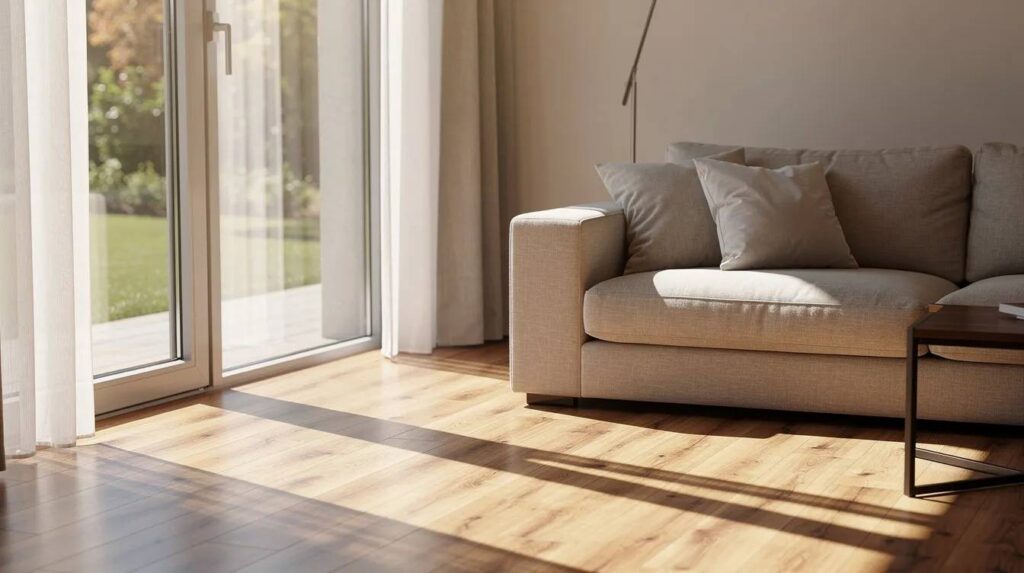
Modern home window tinting services address comfort, energy efficiency, security, and aesthetics in a single installation. Here’s what quality residential window film delivers:
- Cooler, more consistent rooms. Ceramic films can keep living rooms 5–10°F cooler on July afternoons by dramatically reducing solar heat gain. Solar heat gain accounts for roughly one third of cooling costs in many homes.
- Lower energy bills. Window tinting can reduce cooling costs by up to 30% and overall energy usage by 5 to 15%, depending on climate and glass type.
- Serious glare reduction. Window films can reduce glare by up to 94%, improving visibility on screens and making bright rooms far more comfortable.
- Daytime privacy and security. Residential window tinting can enhance privacy and security through reflective or frosted options that maintain visibility from inside while blocking the view from outside.
- UV protection. Solar control window film blocks up to 99% of harmful UV rays, which helps protect skin and extends the life of hardwood floors, artwork, and furniture from fading.
- Safety. Safety and security film strengthens glass against breakage-thick security films hold shattered glass fragments together, protecting occupants during storms or impacts.
- Works with existing window treatments. Window film complements blinds, curtains, and shades rather than replacing them. You keep full control of your décor.
How Window Film Lowers Energy Costs and Improves Comfort
Window film works by reflecting and absorbing a portion of solar energy before it passes through the glass. High-quality film blocks solar heat gain and retains indoor heat during colder months, reducing strain on your HVAC system year-round. Tinting reduces HVAC strain, extending system life and cutting maintenance costs over time.
- In peak summer months, residential window film can reduce HVAC runtime significantly-studies cite 5–30% cooling energy savings depending on orientation, climate, and film grade.
- Consider a typical 2,000 sq ft house built around 2010 with large west-facing double-pane windows. Installing ceramic film on those windows can lower peak AC load by 20–25%, translating directly to lower energy costs each month.
- Compared to full window replacement, window tinting is faster (often done in a day), far less disruptive, and costs a fraction per square foot-making it a high-ROI upgrade for most homeowners.
- Certain low-emissivity films also reduce heat loss through glass in winter, making rooms less drafty near large panes and slightly reducing heating bills.
- Installing energy-efficient window films may qualify for federal tax credits, adding another financial advantage.
Types of Residential Window Film for Different Rooms
Not every residential window needs the same tint. The right choice depends on room orientation, privacy needs, preference, and local code or HOA guidelines.
- Nano-ceramic films reject up to 97–98% of infrared heat and 99% of UV rays while allowing plenty of light through. Ideal for living rooms and home offices where you want views and comfort without a dark look.
- Dual-reflective solar control films offer heavy heat rejection and strong daytime privacy. Best for west-facing upper-floor windows hammered by afternoon sun.
- Neutral, non-reflective films maintain a natural glass appearance with moderate heat rejection. A smart pick for front-facing windows where style and curb appeal matter.
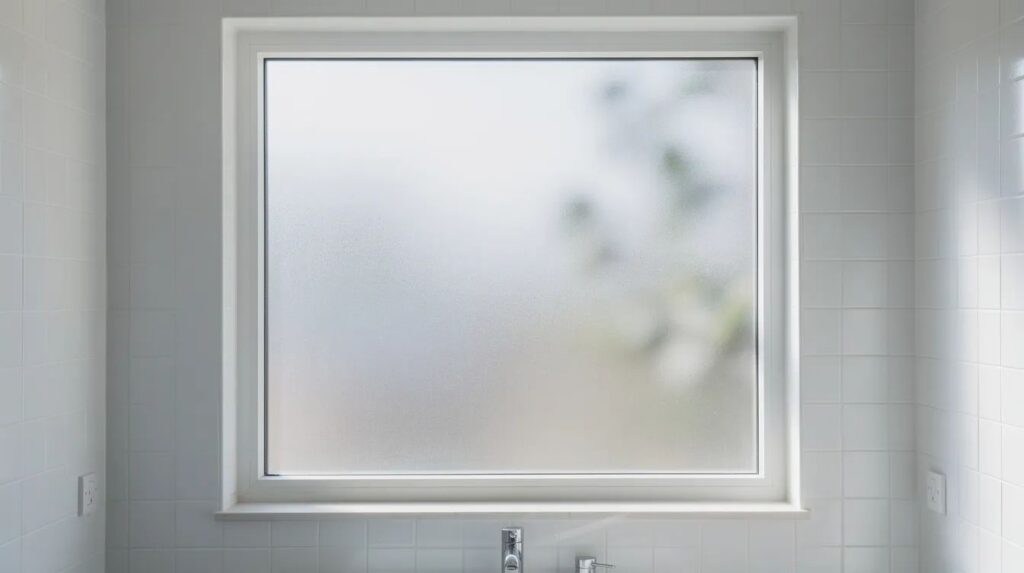
- Decorative privacy films (frosted, patterned) suit bathrooms, entry sidelights, and kitchens. Decorative window film offers various styles for privacy and aesthetics while still letting in light.
- Safety and security films are thicker, multi-ply materials manufactured to hold glass together on impact. Important for patio doors or older glass installed before modern safety standards.
A note on visible light transmission (VLT): high VLT films (60–80%) keep rooms bright and barely change the look of your windows. Medium VLT (30–50%) is noticeable but still lets in ample daylight. Very dark or highly reflective films may violate HOA rules, and certain dark or reflective films can crack dual-pane or Low-E glass if paired incorrectly-so expert installation and proper film selection are essential.
You can combine different films strategically across your house: ceramic on sun-blasted west windows, decorative in the bathroom, and leave shaded north-facing glass untreated to save cost.
2026 Residential Window Film Innovations
Today’s residential window films are a different industry from what existed even five years ago. Multi-layer nano-ceramic stacks using compounds like titanium nitride target infrared heat wavelengths while maintaining high visible light transmission-often above 60%-for bright, natural-looking rooms.
- Performance has reached new levels: premium films can reject up to approximately 88% of total solar energy and 99% of UV while keeping windows nearly clear.
- Improved scratch-resistant coatings and adhesive technologies minimize edge peeling, hazing, and distortion, even on glass manufactured in the 1990s through the 2020s. Lifespans now extend to 15–20+ years for quality materials.
- Modern low-reflective, non-metallic finishes eliminate the “mirror” look at night that older reflective films were known for-addressing a common concern among homeowners and HOAs alike.
How to Choose a Residential Window Tint Company Near You
The installer’s expertise matters as much as the film itself. A qualified professional will offer a manufacturer-backed warranty for window films, covering both product and labor. Here’s what to look for when evaluating a professional window tinting company near you:
- Years in business, a portfolio of recent residential projects, and manufacturer certifications or authorizations from major film brands. Qualified installers should hold industry certifications and manufacturer authorizations. IWFA members commit to strict visual quality standards.
- Reviews from the past 12–24 months that mention punctuality, clean work, and responsive post-installation support.
- Detailed quotes specifying the exact film brand, series, VLT, infrared rejection percentage, and total square footage-not just a vague “tinted windows” line item.
- Avoid choosing purely on price. Very cheap films often carry no real warranty and are prone to bubbling, color shift, and poor heat rejection within a few years. Costs for residential window tinting can range significantly based on film type, glass access, and region-typical ranges fall between $6 and $12 per square foot for standard grades, with premium ceramic films running higher.
What to Expect During a Professional Home Window Tinting Project
The process is straightforward and designed around your convenience:
- Consultation: Initial phone or online inquiry, followed by an in-home assessment where the installer measures every window, checks orientation, and discusses your priorities for each room.
- Recommendation and estimate: You receive a written proposal with film recommendations tailored to each area of your house, along with transparent pricing.
- Installation day: Installers protect floors and furnishings with drop cloths and temporarily move window treatments aside. Professional installation ensures a smooth application without bubbles. Most individual window films can be installed in about 15 minutes per pane, though a full home may take a half day to two days depending on scope.
- Curing: After installation, film may appear slightly hazy. Allow 3–7 days for minor haze to clear and up to 2–4 weeks for full clarity, depending on season and glass type. Wait to clean until curing is complete.
Care, Maintenance, and Longevity of Home Window Film
Quality home window film is built to last many years with minimal upkeep once installed correctly.
- Clean with soft microfiber cloths and a mild, non-ammonia glass cleaner. Avoid abrasive pads and razor blades on the film surface.
- Modern ceramic and spectrally selective films typically last 15–20+ years. Dyed films last less. West-facing windows under intense sun may age faster.
- Keep your invoice, warranty card, and installation date on file. Manufacturer warranties typically cover bubbling, peeling, discoloration, and adhesive failure.
- If you change interior décor, swap shades, or rearrange furniture down the road, the window tint continues performing-no recalibration or adjustment needed.
Why Choose Our Team for Residential Window Tinting
We specialize in residential window tinting for local homeowners who want real comfort, lasting energy savings, and films that look great for the life of their home.
- We’ve been serving homeowners in town since 2010, giving us deep expertise in local climate challenges, building codes, and HOA requirements.
- We carry only premium, name-brand window films with strong manufacturer backing and clear warranties-never unbranded or generic materials.
- Every project starts with a detailed in-home consultation: we measure each window, discuss heat, glare, and privacy room by room, and show real film samples against your glass so you can determine the best fit.
- Our pricing is transparent. You receive a written proposal with film specifications, square footage, cost, and timeline. We protect your floors and furnishings, leave clean job sites, and follow up after installation to ensure your complete satisfaction.
Frequently Asked Questions About Home Window Tinting
Here are answers to the questions homeowners most commonly ask before scheduling residential window film installation.
Is it worth it to tint house windows?
Absolutely. Home tinting delivers measurable returns through lower energy bills, UV protection that prevents fading of floors and furnishings, improved indoor comfort, and added security. Residential window tinting is a high-ROI upgrade that many homeowners recoup through energy savings alone, with the added benefit of extending the life of interior finishes.
How dark can I tint my residential windows?
That depends on local building codes and HOA rules, which may limit VLT and reflectivity. Many homeowners choose medium to high VLT films that look nearly clear while still blocking significant heat and UV rays.
Will window tint make my home too dark?
Not with modern films. Window tinting can enhance privacy while maintaining natural light; high-VLT ceramic films keep rooms bright with minimal color shift.
Can home window film be removed or replaced later?
Yes. A professional can remove film cleanly, and many homeowners upgrade to newer technology after 15–20 years as innovations improve.
Does window tint go on the inside or outside of the glass?
Most residential window films are applied to the interior surface of the glass, which protects the film from weather and extends its lifespan.
How much does residential window tinting cost?
Costs depend on film type, glass size, accessibility, and region. Expect roughly $6–$15 per square foot installed for quality films, with whole-house projects for commercial applications and larger homes running higher.
Will window film void my window warranty?
Check your window manufacturer’s documentation. Many modern films are approved when installed by certified dealers, and a consultation with your installer can clarify compatibility before any work begins.
Conclusion: Next Steps to Get Residential Window Tint Near You
Modern window films deliver improved comfort, reduced glare, lower energy costs, UV protection, and enhanced privacy-all without replacing a single pane of glass. The technology available in 2026 makes this one of the smartest home upgrades you can make.
Start by walking through your house and noting which rooms feel hottest or suffer the most glare. That simple step will help you and your installer determine priorities. When you’re ready, schedule your residential window tinting consultation with our team for a free in-home estimate. We bring local expertise, quality films, and a commitment to long-term results for every window we treat.