Table of Contents
- How Residential Privacy Window Film Works
- Daytime vs Nighttime Privacy: What You Can Realistically Expect
- Types of Residential Privacy Window Film (And When to Use Each)
- Professional vs DIY: Why Installation Quality Matters
- Care, Maintenance, and Lifespan of Privacy Films
- Frequently Asked Questions About Residential Privacy Window Film
Quick Answers for Homeowners in 2026
Residential privacy window film is a thin, professionally applied polyester film that goes on the interior surface of your existing windows and glass doors to block outside views while still letting sunlight in. Unlike blinds or curtains that you have to close – and that shut out daylight entirely – privacy window film works continuously, enhancing home privacy without sacrificing natural light.
If you’ve ever felt “on display” in your own living room, had to close curtains against afternoon glare, or worried about street-level sightlines into your bathroom, this guide is for you. We’ll focus on permanent, professionally installed privacy films – the kind that CoolVu, a national residential window film installer, provides through trained technicians with free in-home estimates and manufacturer-backed warranties.
Residential privacy window films are available in various styles including decorative and frosted, and their benefits go well beyond blocking unwanted views. Expect coverage of daytime privacy, optional nighttime privacy solutions, glare reduction, uv protection, thermal comfort, and energy efficiency. By the end, you’ll know which film types work for each room, what they cost, how installation works, and how to choose options that match your home and neighborhood.
How Residential Privacy Window Film Works
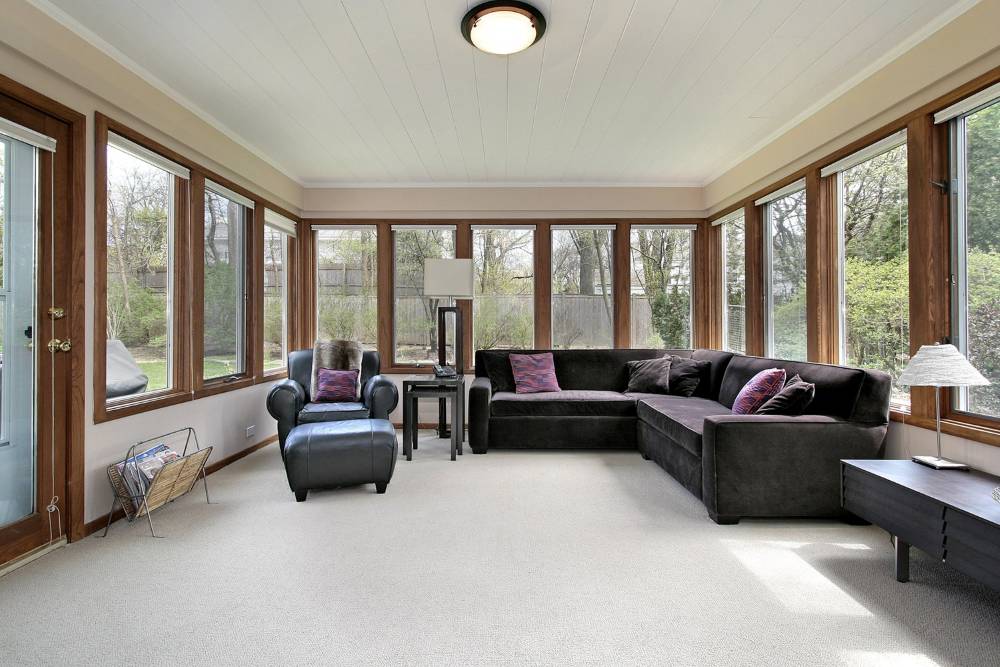
Privacy films are thin polyester glass films applied to the interior side of existing windows, sliding glass doors, and fixed panels. They use a combination of dyes, metallic coatings, ceramic particles, or opacifying agents embedded in the film to control how much visible light passes through, how much is reflected, and how much solar energy is blocked. Privacy window film allows light while blocking outside views – the core principle behind every product in this category.
Think of it like sunglasses for your windows. A basic tinted privacy tint darkens the glass to reduce visibility from outside. A reflective mirror window film bounces light back toward the viewer, creating a one way mirror effect during bright conditions. Frosted and translucent films scatter light so shapes become blurred. And decorative films combine patterns with privacy for a custom look.
Modern architectural films – like those CoolVu installs – are engineered for compatibility with double-pane, low-E, and tempered glass when specified correctly. This matters because mismatched film on insulated glass units can cause thermal stress, seal failure, or even cracking. A professional installer uses film-to-glass compatibility charts to avoid these issues entirely.
Daytime vs Nighttime Privacy: What You Can Realistically Expect
This is the single most misunderstood topic in window film. Privacy performance changes with the balance of light indoors versus outdoors, and many homeowners discover this only after installation – unless someone explains it upfront.
Reflective films provide daytime privacy by acting like a mirror. One way window film and one way mirror film depend on the exterior being significantly brighter than the interior. When sunlight floods a street-facing window, the outside surface looks like a mirror to passersby while you see out clearly from inside. A sunny west-facing living room at 3 PM is a perfect example – strong outward visibility for you, near-zero visibility for anyone outside.
At night, indoor lights can reverse the privacy effect of films. With your lamps on and the outside dark, the reflective surface now faces inward – and people outside can see in. This is physics, not a product flaw. For rooms where you need nighttime privacy, pair reflective films with shades, drapes, or blinds.
Frosted films offer constant privacy regardless of light conditions, making them the go-to for spaces like bathroom windows where 24/7 coverage is non-negotiable. A city condo with floor-to-ceiling glass might use dual-reflective film for daytime privacy on the main living area, then frosted panels in the master bath and bedroom sidelights for around-the-clock protection.
CoolVu consultants walk homeowners through “day vs night” simulations during the estimate so expectations are correct before a single inch of film is applied.
Types of Residential Privacy Window Film (And When to Use Each)
Not all privacy films behave the same. The right window film depends on your privacy level requirements, style preferences, and how much natural light you want to keep. Here’s a breakdown of the main categories.
Solar Privacy Tint (Dyed and Dual-Reflective Films)
Solar control films reduce heat and block UV rays while providing privacy by slightly or moderately darkening the glass. As a type of solar window tinting film, common visible light transmission (VLT) levels range from 15% (quite dark) to 35% (moderate tint), with darker films offering more daytime privacy but less indoor light.
These are ideal for family rooms, street facing windows, and upper-floor bedrooms where you want privacy alongside heat rejection. Solar privacy films can block up to 99% of UV, significantly slowing fading of hardwood floors, artwork, and fabrics. CoolVu installers often recommend dual-reflective versions for homes – more reflective and private on the exterior, less mirror-like when looking out.
One Way Window Film and Mirror Window Film
One way mirror films provide daytime privacy with a reflective surface – a high-reflectivity coating that makes the bright side of the glass look mirrored. Reflective films create a mirror effect during the day, giving you strong outward visibility while blocking views in.
These are a popular choice for street-level windows, ground-floor home offices, and front-facing glass doors. They also dramatically cut glare on TVs and monitors. However, they do not provide nighttime privacy alone; darker interior shades may be recommended as a companion. CoolVu evaluates local codes and HOA rules before recommending highly reflective one way film in neighborhoods with reflectivity restrictions.
Frosted and Translucent Privacy Films
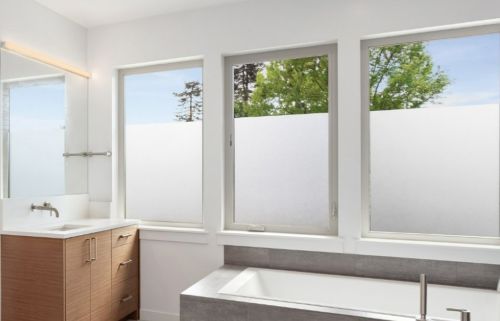
Frosted films obscure views while allowing natural light to enter – they blur shapes and details while keeping rooms bright and airy. Frosted films and other privacy and decorative window films provide total privacy while allowing natural light, making them the top choice for bathroom windows, shower doors, sidelights by the front door, and interior glass partitions where complete privacy matters day and night.
Options include solid frost, gradient frost (a clear-to-frosted transition), and patterned frost. CoolVu offers all of these for custom looks that go well beyond plain glass surfaces.
Decorative Films and Patterned Glass Finishes
Decorative films come in various designs and patterns for aesthetics, mimicking etched glass, rice paper, linen textures, geometric shapes, or even stained glass effects. Decorative films add aesthetic appeal while providing varying levels of privacy – from partial privacy with patterned gaps to full privacy with dense, opaque patterns inspired by architectural finishes.
Use cases include French doors between rooms, glass cabinet doors, nursery windows, and interior walls in live/work homes. CoolVu offers both catalog patterns and custom-printed decorative films, including personalized designs for home offices or in-law suites.
Blackout, Whiteout, and Opaque Films
Blackout films completely block visibility and light – they’re opaque glass films that eliminate views in both directions and drastically reduce or stop sunlight from entering. These work well for storage rooms, garage windows, unused side windows facing a neighbor’s wall, or rooms converted into dark home theaters.
They deliver total privacy but should be used strategically so rooms don’t feel cave-like. CoolVu consultants often combine blackout films on lower panes with frosted or tinted films on upper panes for a balanced look that still lets some indoor light through above eye level.
Static cling films are often a temporary solution suitable for rental properties. Static cling films require no glue for installation and can be easily removed without residue, making them worth mentioning – though they lack the durability and performance of professionally installed options.
Room-by-Room Guide: Matching Privacy Film to Your Space
The best residential privacy window film depends heavily on room function, window orientation, and how much you use the space at night. Walk through your house at different times of day and note where you feel exposed – then use this section to identify your options.
Bathrooms and Showers
Bathrooms usually require 24-hour privacy, making frosted or translucent privacy films the default. Full frosted coverage on lower panes – or entire windows facing neighbors and sidewalks – eliminates unwanted views while preserving soft daylight. Decorative films with rain glass, linen, or geometric line patterns add more style than plain frost. CoolVu can apply moisture-resistant films to shower doors and glass partitions that hold up to humidity and frequent cleaning.
Bedrooms and Nurseries
Bedrooms need both privacy and light control, especially for shift workers, children’s rooms, or east-facing windows that catch strong morning sun. A mix of solar privacy tint for daytime privacy and heat reduction, paired with blackout curtains or shades for nighttime privacy, covers both needs. Frosted or decorative patterns work well on sidelights and transoms where you want natural light without a clear view. CoolVu helps choose privacy films that coordinate with existing room colors so the tint doesn’t clash with décor.
Living Rooms, Family Rooms, and Great Rooms
These spaces need a balance of wide-open views, natural light, and daytime privacy from the street or backyard. Lighter solar privacy films maintain views while softening glare on TVs and reducing heat on south- and west-facing glass. For large windows or sliding glass doors, one way window films may cover lower levels while a different film handles upstairs panes. CoolVu installers split films across panels so some panes preserve views and others boost privacy – without making the façade look patchy.
Home Offices and Studios
Typical problems include screen glare, clients seeing into your space from outside, and needing a clean background during video calls. Dual-reflective or neutral privacy tint reduces glare and heat on monitors while keeping rooms bright enough for productive work. Privacy window films can reduce glare on screens, enhancing comfort and productivity. Decorative or frosted panels behind a desk create a clean backdrop for Zoom calls while hiding household activity. CoolVu can also provide printed privacy films with subtle branding or patterns for high-end home offices.
Entryways, Sidelights, and Glass Doors
Front door sidelights and full-lite glass doors often leave homeowners feeling exposed to the street. Frosted or decorative privacy films at eye level block direct views into the foyer while keeping top and bottom panes clearer for light. For sliding glass doors, solar privacy films reduce UV and heat while preserving a comfortable view. CoolVu frequently combines privacy films on lower sections of glass doors with clearer solar control films on upper sections for both safety and views.
Additional Benefits Beyond Privacy: Comfort, Safety, and Savings
Residential privacy window film is rarely just about blocking views. The additional benefits often drive homeowners to act, especially when they realize the same architectural window film that provides privacy also protects interiors and reduces energy bills.
UV Protection and Fading Control
UV light and solar heat fade hardwood floors, area rugs, artwork, and furniture over time – sometimes noticeably within two to three years on south-facing exposures, which is why understanding UV damage and furniture fading is so important. Most privacy films block up to 99% of UV rays, and premium ceramic films reach 99.9%. These films block up to 99% of harmful uv rays, significantly slowing damage. Window films help protect interiors from fading caused by UV exposure. While no product stops fading entirely, films drastically reduce the rate compared to untreated glass or sheer curtains alone. CoolVu uses performance-rated architectural films with documented uv blocking specs.
Glare Reduction and Visual Comfort
Having to close blinds mid-day because harsh sunlight washes out your TV or monitor is frustrating – and it defeats the purpose of having windows. Privacy tint films reduce glare the way polarized sunglasses do, making it easier to work, stream, or read without shutting off the view. A home office with dual monitors facing a large window is a classic case where a medium-privacy solar tint cuts glare while keeping the room bright and comfortable.
Thermal Comfort and Potential Energy Savings
Certain privacy films also act as solar control films, reflecting infrared heat energy before it enters the home. Professional window tinting and window film installation solutions can provide up to 81% heat reduction in high-performance configurations, and window films can improve energy efficiency by reducing solar heat gain, lowering cooling costs. Window films can reduce summer air conditioning costs noticeably in homes with significant south- or west-facing glass. They help maintain a comfortable indoor temperature throughout the day.
Consider a large family room with west-facing windows that previously overheated every afternoon – after installing heat-rejecting privacy tint, the room stabilizes and the AC runs less. In cooler climates, spectrally selective films with high visible light transmission and strong UV blocking improve comfort without over-darkening the space.
Safety, Security, and Glass Integrity
Standard privacy films aren’t the same as dedicated security films, but adding window film can improve safety by holding glass shards together if broken. This reduces injury risk from storms, accidents, or attempted break-ins. CoolVu also offers specialized security window films that can be combined with privacy tint on ground-floor windows and glass doors. Homeowners with young children or pets should ask about options that strengthen glass surfaces while still delivering privacy.
Professional vs DIY: Why Installation Quality Matters
Inexpensive DIY privacy films are available online, but quality, durability, and warranty differ significantly from professional-grade films installed by trained technicians backed by an experienced glass and surface solutions provider. Poor installation causes bubbles, edge lifting, contamination, and premature failure – especially on large panes and double-pane glass. Professional installation ensures a smooth, streak-free finish that lasts.
Installing privacy window film is generally a cost-effective alternative to replacing glass, and professionally installed films often last 10–20 years when properly matched to the glass and climate. CoolVu provides trained, insured technicians who follow manufacturer guidelines for glass type, climate conditions, and warranty compliance.
The CoolVu Residential Installation Process
Here’s what to expect:
- Free in-home consultation – a CoolVu tech surveys your windows, discusses priorities, and applies film samples to your actual glass so you see the effect in real time.
- Film selection and measurement – you choose options based on appearance, light level, and performance specs.
- Scheduling – installation is typically booked within one to two weeks.
- Installation day – the installer cleans each pane, precision-cuts the film, applies it with a slip solution and squeegee, and seals edges per best practices. Most residential projects finish in half a day to a full day.
- Final walk-through – you receive care instructions, warranty documentation, and contact information for follow-up.
Films generally take 30 to 60 days to fully cure. Minor haze or small water pockets may be visible during this period but gradually disappear.
Common DIY Mistakes to Avoid
- Applying film to dirty glass, trapping dust and debris under the adhesive
- Failing to remove the backing liner properly, causing creases
- Using films not designed for insulated or low-E glass, which can cause thermal stress cracks
- Mis-cutting corners on large panes, leaving gaps that lift and peel
Failed DIY attempts often cost more in the long run because old film must be removed – sometimes with chemical adhesive strippers – and the glass prepped again before professional installation. If you’re considering DIY, request a CoolVu quote first so you can compare long-term value, appearance, and warranty coverage.
Cost, Timelines, and What Affects Your Price
Residential privacy window film is typically priced per square foot installed. Expect rough ranges of $8–$15 per square foot for standard solar privacy tint, with premium ceramic, decorative, or specialty films running 50–100% higher depending on complexity. Factors that move the price include:
- Number of windows – larger projects have better per-unit economies
- Film performance level – ceramic and spectrally selective films cost more than dyed
- Access and complexity – high windows, skylights, and irregular shapes add labor
- Old film removal – stripping existing film adds time and materials
CoolVu offers free written estimates and can phase projects room by room if you’re working within a specific budget.
Timeline: From Estimate to Completed Project
Consultations are usually scheduled within a few days. Installations typically happen within one to two weeks of approval, depending on franchise location and season. Most residential projects complete in a single day, with larger homes or extensive decorative work sometimes taking two days.
Films need several weeks to fully cure. During this time, minor haze or tiny water pockets are normal and disappear on their own. CoolVu installers explain curing expectations on-site so you’re not alarmed by the initial post-install appearance.
Care, Maintenance, and Lifespan of Privacy Films
Residential privacy films are low-maintenance, but proper care extends their life and preserves warranty coverage. Most privacy films can last between 10 and 20 years – ceramic and spectrally selective films often reach 15–25 years, while basic dyed films may last 5–10. CoolVu provides specific care instructions tailored to the film type installed.
Cleaning and Everyday Care
Wait until the film has fully cured (typically 30 days) before the first cleaning. Then follow these guidelines:
- Use a mild, ammonia-free cleaner and soft microfiber cloths
- Avoid abrasive pads, razor blades, and strong solvents that can scratch or discolor the surface
- Clean a few times per year, more often in kitchens and high-touch areas like glass doors
With proper care, professionally installed films maintain clarity, color, and adhesive integrity for years. CoolVu installers can demonstrate appropriate cleaning techniques during the final walk-through.
Signs It May Be Time to Replace Your Film
Slight visual changes over many years are normal. But watch for:
- Edge lifting or peeling along seams
- Significant discoloration or purpling
- Severe haze that doesn’t resolve
- Large bubbles that weren’t present after the curing period
Well-made, professionally installed films typically don’t purple, crack, or peel prematurely – unlike cheaper DIY products. CoolVu can remove and replace older, failing films from any brand, often improving both privacy and performance in a single visit. If your film is 10+ years old or shows noticeable defects, schedule an inspection.
Legal, HOA, and Design Considerations
While interior films are generally allowed anywhere in the U.S., some neighborhoods and municipalities limit exterior reflectivity or very dark window tint on street-facing windows. HOA covenants can restrict film color and mirror level, especially in planned communities and historic districts. Professional installers like CoolVu help navigate these requirements so your privacy tint looks right and passes approvals.
Local Tint Rules and Reflectivity Limits
Some cities restrict mirror-like exterior glass surfaces or extremely dark films due to glare and neighborhood aesthetics. Although automotive-style tint laws don’t apply directly to homes, HOA design guidelines sometimes reference visible light transmission and reflectance levels. CoolVu franchises stay current on typical regional standards and suggest compliant films that still deliver strong daytime privacy. If you live in a strict neighborhood, share your HOA documents during the estimate so film choices can be aligned from the start.
Coordinating with Your Home’s Architecture and Style
Think about curb appeal, not just privacy. Mismatched film colors or mirror levels can look patchy from the street. CoolVu often recommends consistent films on front-facing windows and more flexible choices on side or rear elevations. Neutral-gray or soft bronze privacy films complement common exterior materials like brick, stucco, and modern siding. Decorative films should coordinate with interior finishes – tile, cabinetry, hardware – especially in bathrooms and kitchens where the film’s appearance and style are part of the room’s design.
Frequently Asked Questions About Residential Privacy Window Film
Does privacy window film make rooms too dark? Not if you choose the right product. Films range from nearly clear (60–70% VLT) to very dark. A CoolVu consultant applies samples to your actual glass so you can judge light levels before committing. Most homeowners are surprised at how much natural light comes through even moderate-tint privacy films.
Will I have privacy at night with one way mirror film? Not without additional window coverings. At night, when interior lights are on and outside is dark, reflective films lose their mirror effect. Pair them with blinds, shades, or curtains for nighttime privacy. Frosted films, by contrast, create privacy around the clock.
Can privacy window film be removed later? Yes. You can remove window films without leaving residue or damaging glass when the removal is done properly. Professional removal is recommended to avoid scratching, especially on coated glass.
Is window film safe on double-pane and low-E glass? It is when the film is matched correctly to the glass type. Dark or highly absorptive films on insulated glass units can cause thermal stress if not specified properly. CoolVu uses manufacturer compatibility charts to prevent issues.
How long does installation take? Most homes are completed in one day – a few rooms may take only a few hours. Larger projects or detailed decorative work may extend to two days.
What warranty should I expect? Premium residential films often carry lifetime warranties covering adhesive failure, discoloration, and bubbling. Lower-tier films typically carry 5–10 year coverage. CoolVu provides full warranty documentation at installation.
Do privacy films actually save energy? Yes. By rejecting solar heat before it enters the room, quality films reduce cooling loads. In hot climates with significant south or west glass exposure, homeowners often see meaningful reductions in summer AC costs.
What about static cling privacy films? Static cling films are a temporary solution – they use no adhesive, go on super easy, and are an excellent choice for renters or seasonal needs. However, they lack the durability, heat rejection, and warranty coverage of professionally installed or smart window films that offer on-demand privacy and advanced performance.
Why Homeowners Choose CoolVu for Residential Privacy Films
CoolVu operates a national network of trained franchise owners who specialize in residential privacy window film, decorative films, and architectural surfaces, such as the window tinting and privacy film services offered by regional CoolVu locations. Unlike big-box retailers selling generic rolls, CoolVu brings professional-grade films, personalized in-home consultations, and the expertise to match the right product to your specific glass, climate, and aesthetic preferences.
Key reasons homeowners choose CoolVu:
- Comprehensive product lines – privacy, solar control, safety, and decorative films all under one roof
- Real-world simulations – samples applied to your actual windows during the estimate
- Manufacturer-backed warranties – covering adhesive, color stability, and performance
- Cross-industry expertise – best practices from offices, schools, and hospitals brought into residential projects
- Respectful installation – clean job sites, clear communication, and post-installation support
CoolVu also works with commercial properties, and for entrepreneurs interested in the space, franchise opportunities focused on window film, security film, and surface solutions are available to own a glass and surface solutions business in their region.
How to Get Started: Schedule Your Residential Privacy Film Consultation
Ready to improve privacy, cut glare, and protect your home’s interiors? Start by walking through your house and noting every room where you feel exposed, where sunlight overwhelms your space, or where you want cooler temperatures and less fading.
Then contact CoolVu for a free in-home estimate. A trained consultant will visit your home, listen to your priorities, apply film samples to your actual glass, and recommend solutions that fit your budget and timeline. There’s no pressure – just clear information and honest guidance.
Use the CoolVu website to find your nearest franchise location, fill out a contact form, or call to schedule directly. Consultations are straightforward: you’ll see exactly how each privacy film affects your natural light and appearance before you commit to anything.
More privacy. More comfort. Better-looking glass. Stronger protection for your home and family – all from a single, lasting upgrade.