
Table of Contents
The Invisible Drain: Understanding Solar Heat Gain and Energy Loss in Commercial Properties
Many business owners overlook a significant, yet often unseen, expense: the ongoing cost of inefficient windows. Solar heat gain occurs when sunlight passes through glass, converting into heat once it enters the building. This phenomenon forces your HVAC system to work harder and longer, especially during warmer months, directly increasing your energy consumption and operational costs. Studies show that windows can account for a substantial portion of a building’s heat gain, making them a primary contributor to elevated utility bills and unnecessary expenditures. This continuous energy leakage is an invisible drain on your bottom line.
Protecting Your Assets: Beyond Just Temperature Control with UV Heat Blocking
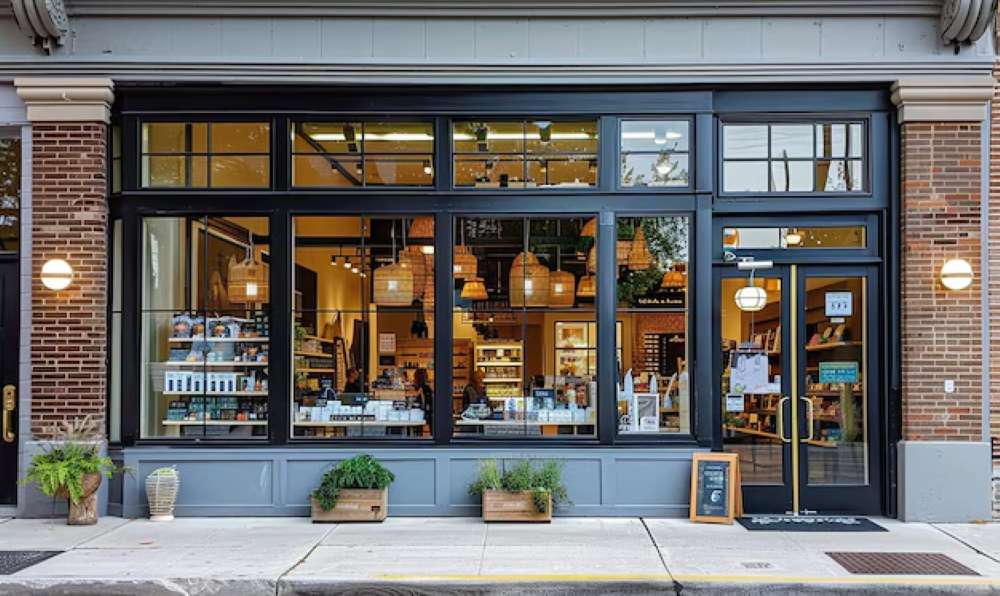
Beyond just managing internal temperatures, commercial windows are a direct conduit for damaging ultraviolet (UV) radiation. This isn’t just about human comfort; it’s about protecting your valuable assets. Unfiltered UV rays are notorious for causing fading, discoloration, and premature degradation of merchandise.
They also damage display items, office furniture, flooring, and interior finishes. Investing in a high-quality UV heat blocking film can significantly extend the lifespan of your inventory.
It also helps preserve the appearance of interior decor, safeguarding against losses that could otherwise accumulate quickly. Many advanced films block 99.9% of harmful UV radiation, offering comprehensive protection.
Elevating Comfort and Productivity: The Human Element in a Well-Regulated Environment
The impact of uncontrolled solar heat and glare extends directly to your employees and customers. Inconsistent temperatures create uncomfortable hot spots near windows. Harsh glare can cause eye strain and make screens difficult to read. These environmental factors reduce employee productivity and diminish customer comfort. They can also negatively affect overall morale. A properly regulated indoor environment is achieved through effective window film. It promotes a more pleasant atmosphere, leading to improved employee focus. This also creates a more welcoming experience for your clientele. This human element is a critical, yet often underestimated, component of a thriving business.
Beyond the Hype: What ‘Best’ Really Means for Commercial Window Film
Decades of Insight: Dispelling Common Misconceptions About Film Performance
When evaluating window film, it’s easy to fall prey to common misconceptions. Many believe that all films offer similar performance. Others assume darker films automatically provide superior heat rejection. Our decades of experience demonstrate that film technology varies dramatically. An effective solution is rarely a one-size-fits-all product. The “best” film isn’t merely the one with the highest advertised numbers. It is the film strategically chosen and expertly applied. This approach addresses your property’s specific challenges and goals. True performance comes from a tailored recommendation, not a generic purchase.
The Science of Heat Rejection: Decoding TSER, SHGC, and VLT for Business Owners
Understanding the science behind window film performance is essential for making an informed decision. Key metrics help differentiate product capabilities:
- TSER (Total Solar Energy Rejected): This figure represents the percentage of total solar energy (including visible light, infrared, and ultraviolet) that is rejected by the film and glass system. A higher TSER value indicates greater heat rejection and, consequently, more significant energy savings for your business.
- SHGC (Solar Heat Gain Coefficient): SHGC measures how much solar radiation is transmitted through a window, directly contributing to heat gain inside your building. A lower SHGC indicates less heat entering your premises, resulting in reduced reliance on air conditioning and lower HVAC costs.
- VLT (Visible Light Transmission): VLT indicates the percentage of visible light that passes through the window film. While lower VLT films can offer excellent glare reduction and privacy, higher VLT films allow more natural light into your space, which can be crucial for maintaining brightness and occupant comfort, depending on your business needs.
By decoding these metrics, business owners can align film specifications with their operational priorities, whether it’s maximizing heat rejection, maintaining natural light, or reducing glare.
The Critical Role of UV and Infrared Rejection: Safeguarding Interiors and People
Effective window films don’t just block general heat. They specifically target the components of sunlight most damaging or uncomfortable. As mentioned, superior films block upwards of 99.9% of harmful UV rays. This protects your inventory from fading. It also shields employees and customers from skin damage. These benefits contribute to a healthier indoor environment. Equally important is Infrared (IR) rejection. IR rejection targets the primary component of solar heat that you feel. Advanced films can selectively reject a high percentage of IR radiation. They maintain visible light transmission while offering significant cooling benefits. This occurs without dramatically darkening your windows. This dual protection safeguards physical assets. It also enhances the well-being of everyone within your facility.
Assessing Your Property’s Unique Needs: Orientation, Climate, and Aesthetic Considerations
Defining the “best” window film solution for your commercial property requires a comprehensive assessment that goes beyond simple product specifications. An expert evaluation considers several crucial factors:
- Property Orientation: Windows facing east and west typically experience intense direct sun exposure during morning and afternoon hours, respectively, often requiring films with higher solar heat rejection. North and south-facing windows may have different needs based on the angle and duration of sun exposure.
- Local Climate: Businesses in hot, sunny climates will prioritize maximum heat rejection to combat oppressive temperatures and high cooling costs. In contrast, businesses in cooler climates might seek solutions that balance heat rejection with some passive solar heating during winter months.
- Aesthetic Considerations: The film chosen must complement your building’s architectural style and your brand image. This includes factors like reflectivity, tint level, and the preservation of views, ensuring the film enhances rather than detracts from your property’s overall appeal.
A professional assessment synthesizes these variables to recommend a film precisely engineered for your building’s unique requirements, ensuring optimal performance and maximum return on investment.
Navigating Film Technologies: Choosing the Right Solution for Your Business
Selecting the ideal window film for your commercial property involves more than just a quick purchase. It requires an understanding of advanced material science. You must also know how different technologies align with specific business needs. The effectiveness of a UV heat blocking film is directly tied to its technical composition. That composition also depends on how it interacts with your building’s environment.
Ceramic Window Films: Advanced Performance Without Compromising View or Wireless Signals
Ceramic window films represent a significant advancement in film technology. Unlike older metallic films, they do not interfere with cellular signals. They also avoid disrupting GPS and Wi-Fi connectivity.
Ceramic films are completely non-metallic. They utilize microscopic ceramic particles to selectively block solar energy. This includes infrared radiation and ultraviolet (UV) light. They do so without sacrificing visible light transmission. This allows substantial heat rejection.
Solar heat gain is often reduced by over 50%. At the same time, businesses maintain crystal-clear views. All electronic devices continue operating seamlessly. This technology benefits businesses that rely heavily on wireless communication. It also appeals to those wishing to preserve a natural aesthetic.
Spectrally Selective Films: Precision Engineering for Optimal Light and Heat Balance
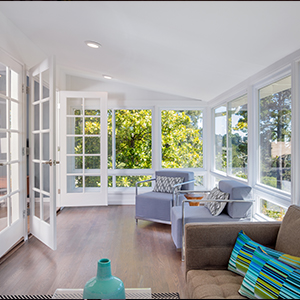
Spectrally selective films are engineered for a sophisticated balance: they maximize the entry of visible light while rejecting a high percentage of solar heat and harmful UV rays. These films are designed to target specific wavelengths of the solar spectrum, allowing desirable natural light to pass through while filtering out the invisible infrared (heat-carrying) and ultraviolet (damaging) light.
For a business, this translates into:
- Reduced heat load: Significant decrease in air conditioning costs due to lower solar heat gain.
- Enhanced natural light: A brighter, more inviting interior without the need for excessive artificial lighting, contributing to employee comfort and productivity.
- Superior UV protection: Blocking up to 99.9% of UV rays, these films provide critical protection against fading for inventory, displays, furnishings, and interior surfaces.
Understanding Low-E and Other Specialized Coatings for Enhanced Commercial Performance
Low-Emissivity (Low-E) coatings are another powerful tool in commercial window film technology, designed to improve a window’s thermal performance in both hot and cold climates. During warmer months, a Low-E coating helps reflect solar heat away from the building, preventing it from entering and reducing cooling costs. In colder months, it works in reverse, reflecting interior heat back into the room, thus minimizing heat loss through windows and lowering heating expenses. The strategic application of Low-E films can significantly impact a building’s overall energy consumption throughout the year. Beyond Low-E, other specialized coatings exist, offering benefits such as enhanced privacy, anti-graffiti properties, or even security against breakage, each designed to address a specific operational challenge or improvement opportunity.
Matching Film Type to Business Goals: Energy Savings, Glare Reduction, or Asset Protection
The “best” film is inherently subjective and entirely dependent on your business’s specific objectives and the unique characteristics of your commercial space. A professional assessment is critical in aligning the film’s technical capabilities with your desired outcomes.
- Energy Savings: If your primary goal is to drastically reduce HVAC costs, films with a low Solar Heat Gain Coefficient (SHGC) will be prioritized, as they are most effective at blocking solar heat.
- Glare Reduction: For offices or retail spaces plagued by excessive glare that impacts productivity or customer experience, films with a lower Visible Light Transmission (VLT) percentage, while still offering UV and heat control, would be recommended.
- Asset Protection: Retailers, galleries, or businesses with valuable inventory exposed to sunlight will prioritize films offering 99.9% UV rejection to prevent fading and degradation of goods, preserving their value and extending their lifespan.
- Flexible Privacy and Space Use: In conference rooms, healthcare settings, or multi-use office layouts, smart window film may be recommended to allow glass to switch between clear and frosted on demand—supporting privacy when needed without sacrificing daylighting or the open-glass design aesthetic.
A detailed consultation will consider these goals alongside factors like window orientation, existing glass type, and local climate to recommend a truly tailored solution that delivers measurable ROI.
The Unseen Difference: Why Expert Installation is Non-Negotiable for Commercial Success
Even the most advanced window film technology will underperform if not applied correctly. For commercial properties, the distinction between a DIY attempt and a professional installation is not merely aesthetic; it is fundamental to performance, longevity, and the realization of your investment’s full potential.
Beyond DIY: The Precision Required for Optimal Performance and Durability
Commercial window film installation is a specialized craft that demands precision, expertise, and specialized tools. It goes far beyond simply “sticking” film to glass.
- Meticulous Preparation: Proper surface preparation, including thorough cleaning and often razor scraping, is essential to ensure maximum adhesion and prevent blemishes.
- Precise Cutting and Fitting: Commercial windows vary widely in size and shape. Expert installers use precise measurements and cutting techniques to ensure a seamless fit, avoiding gaps or overlaps that compromise both appearance and performance.
- Flawless Application: This is where skill truly shows. Professional installers apply film smoothly, meticulously removing all air bubbles, dust particles, and creases. Improper application can lead to bubbling, peeling, or a “cloudy” appearance, significantly diminishing the film’s effectiveness and aesthetic appeal.
- Edge Sealing and Finishing: Correct edge treatment is crucial for durability, preventing premature lifting and ensuring the film performs as intended for its entire lifespan.
A poorly installed film not only looks unprofessional but also fails to deliver its advertised heat rejection, UV blocking, and glare reduction benefits, negating the entire investment.
Site-Specific Analysis: Tailoring Solutions to Your Building’s Unique Environment
Every commercial building presents a unique set of challenges and opportunities. A reputable window film expert conducts a thorough site-specific analysis, which is a critical precursor to both film selection and installation. This analysis considers:
- Window Types and Conditions: Assessing existing glass, frames, and sealants to ensure compatibility and identify any pre-existing issues.
- Sun Exposure and Orientation: Understanding how sunlight impacts different facades throughout the day and year, which informs film density and type recommendations for each specific window.
- Interior Environment: Evaluating the current indoor temperature, glare points, and items that require UV protection (e.g., artwork, merchandise).
- Structural Considerations: Taking into account building codes, potential thermal stress on glass, and access requirements for installation.
This detailed evaluation ensures that the chosen film is not only technically superior but also perfectly suited to your building’s architecture, operational needs, and climate, guaranteeing optimal performance and a maximized return on your investment.
The Long-Term Value of a Professional Application, Warranty, and Ongoing Support
Investing in professional window film installation is an investment in your business’s long-term comfort, efficiency, and asset protection.
- Maximized Lifespan: Expert application ensures the film adheres correctly and is less prone to premature failure, allowing it to perform effectively for its full warranted lifespan—typically 10-15 years or more for commercial films.
- Warranty Protection: Manufacturer warranties for high-quality commercial window films are often contingent upon professional installation. DIY or substandard installations typically void these critical protections, leaving your business exposed. A professional installation ensures your investment is backed by a comprehensive warranty, covering defects and performance.
- Consistent Performance: A properly installed film consistently delivers its specified benefits, from energy savings to UV protection, year after year. This reliability translates directly into predictable operational cost reductions and enhanced asset preservation.
- Ongoing Support and Maintenance Guidance: Professional installers often provide advice on proper film maintenance and are available for any follow-up questions or concerns, reinforcing the long-term value of your partnership.
Quantifying the Impact: Calculating the ROI of Your UV Heat Blocking Film Investment
For business owners, every investment must deliver a measurable return. Window film, when professionally selected and installed, is no exception. Its value extends far beyond mere aesthetic enhancement, directly impacting operational costs, asset longevity, and overall business environment. Understanding these tangible benefits is key to recognizing the true return on your investment.
Significant Energy Savings: Reducing Your HVAC Load and Operating Costs
One of the most immediate and substantial benefits of high-performance UV heat blocking window film is its direct impact on energy consumption. Commercial properties often face considerable heat gain through windows, especially during peak sunlight hours. This forces HVAC systems to work harder, consuming more electricity and increasing utility bills. A professionally applied window film acts as a thermal barrier, rejecting a significant portion of solar heat before it enters your premises.
Top-tier films can reduce heat gain by as much as 79%, leading to a measurable decrease in your cooling costs. For a results-oriented business owner, this translates directly into a 20-30% reduction in annual HVAC expenses, depending on climate, building orientation, and existing glass type. These are not one-time savings; they are recurring monthly reductions that compound over the film’s lifespan, freeing up capital that can be reinvested into your business.
Asset Preservation: Protecting Inventory, Furniture, and Interiors from UV Damage
Ultraviolet (UV) radiation is a silent destroyer of value within commercial spaces. It causes dyes to fade, materials to degrade, and finishes to dull.
This damage is particularly costly for businesses with storefront displays, showrooms, or offices furnished with high-quality interiors.
Retailers face the constant threat of sun-damaged inventory, leading to markdowns and lost revenue. Offices see costly furniture, artwork, and flooring deteriorate prematurely.

Professional UV heat blocking films are engineered to block up to 99.9% of harmful UV rays. This invisible shield significantly extends the life of your valuable assets, from product displays and merchandise to carpets, hardwood floors, upholstery, and critical documents. By preventing premature fading and degradation, you avoid frequent replacement costs and maintain the pristine appearance that reflects positively on your brand, directly preserving capital and reducing long-term expenses.
Enhanced Occupant Comfort and Productivity: An Often Overlooked Business Advantage
Beyond the quantifiable financial metrics, window film profoundly impacts the comfort and productivity of your employees and customers. Overheated spaces, uncomfortable hot spots near windows, and incessant glare can detract from the work environment and create an unpleasant experience for visitors. These factors, while harder to assign a precise dollar value, directly affect business performance.
By stabilizing indoor temperatures and significantly reducing glare, window film creates a more comfortable and visually appealing environment. Employees can focus better without battling sunspots on computer screens or sweating through the afternoon. Customers linger longer in pleasant, glare-free spaces. This improvement in overall ambiance can boost employee morale, reduce sick days, and enhance the customer experience, subtly but powerfully contributing to your bottom line through increased efficiency and client satisfaction.
Understanding Commercial Window Tinting Cost in Relation to Long-Term Value and Payback Periods
The initial investment in commercial window film is a crucial consideration for any business owner. However, focusing solely on the upfront cost misses the comprehensive financial picture. The true measure of this investment lies in its long-term value and the speed of its payback period. A professional window film solution is an asset that appreciates in value through continuous savings and protection.
A typical payback period for a commercial window film installation can range from 2 to 5 years, depending on energy costs, film type, and existing building characteristics. After this period, the savings continue to accrue, effectively generating profit for your business for the remainder of the film’s warranty-backed lifespan. Calculating this ROI involves balancing the installation cost against:
- Annual energy savings: Reductions in cooling and, sometimes, heating costs.
- Asset preservation: Avoided replacement costs for inventory and interior furnishings.
- Maintenance reductions: Less stress on HVAC systems, potentially reducing service calls.
- Improved productivity and sales: The harder-to-quantify but real benefits of enhanced comfort.
A tailored assessment from an expert will provide a clear, data-driven projection of these savings, allowing you to make an informed decision based on your specific operational budget and financial goals.
Your Strategic Partner: How to Secure a Professional Window Film Recommendation
Given the significant impact on your business operations and financial health, selecting and installing UV heat blocking window film demands more than a simple product purchase. It requires a strategic partnership with experts who understand both the technology and its application to your unique commercial environment. This partnership ensures that your investment yields the maximum possible return.
The Consultative Approach: Beyond Product Selection to a Tailored, Data-Driven Solution
The notion of a single “best” window film is a misconception. The optimal solution for your business is a tailored one, emerging from a consultative process designed to understand your specific challenges and objectives. This approach goes far beyond merely presenting a catalog of films. It involves a deep dive into your property’s unique characteristics and your operational needs.
Experts consider factors like the orientation of your building, the type of existing glass, local climate data, specific areas experiencing excessive heat or glare, and your primary goals—whether they are energy savings, inventory protection, or enhanced occupant comfort. This data-driven analysis ensures that the recommended film technology is precisely matched to deliver the most effective and efficient results for your investment, rather than a generic, potentially underperforming, solution.
What to Expect from a Comprehensive Commercial Assessment and Energy Audit
Engaging with a professional window film provider means gaining access to their specialized expertise, which begins with a thorough, on-site commercial assessment. This is not a sales pitch; it is a diagnostic process designed to identify the root causes of your comfort and energy inefficiencies and propose precise solutions.
During a comprehensive assessment, you should expect:
- Detailed Site Inspection: An expert will evaluate your building’s windows, assessing their condition, type of glass, and orientation relative to sun exposure.
- Heat Load and Glare Analysis: Specialized tools may be used to measure existing solar heat gain and glare levels, providing empirical data.
- Discussion of Business Needs: A key component is understanding your specific pain points—hot spots, fading merchandise, high energy bills, or employee discomfort.
- Customized Solution Design: Based on the assessment, the expert will recommend specific film technologies, explaining how each option addresses your particular issues and aligns with your budget.
- ROI Projections: You should receive clear, data-backed estimates of potential energy savings, payback periods, and overall return on investment.
This detailed evaluation ensures that your window film investment is not a shot in the dark, but a precisely calculated strategic enhancement designed to meet your business’s exact requirements.
Partnering with Experts: Ensuring Long-Term Performance, Support, and Peace of Mind
The decision to invest in commercial window film is a long-term one, and the quality of its installation directly impacts its effectiveness and longevity. Partnering with seasoned professionals ensures that your investment is protected from the outset. Expert installers possess the specialized training and tools necessary to apply films flawlessly, guaranteeing optical clarity, bubble-free adhesion, and a finish that maintains its integrity for years.
Beyond the installation itself, a professional partner offers invaluable long-term support and peace of mind. This includes comprehensive warranties covering both the film and the installation, protecting you against defects or premature failure. They provide maintenance guidance and are readily available to address any questions or concerns that may arise over the film’s lifespan.
This commitment to ongoing support minimizes risk and maximizes the life and performance of your investment, proving that the ‘best’ solution comes from a complete package of superior product, expert analysis, and unwavering professional service.

Conclusion: Key Takeaways and Next Steps
The search for the “best” UV heat blocking window film often begins with a focus on product specifications. However, as we have explored, the most effective solution for a commercial property is never a simple off-the-shelf purchase. It is a strategically integrated system where specialized film technology, meticulous environmental analysis, and expert installation converge to deliver measurable returns on investment.
The True Measure of ‘Best’ Film
Ultimately, the optimal UV heat blocking window film for your business is not defined by a single metric on a data sheet, but by its ability to perform optimally within your specific environment. This means a film that demonstrably reduces your energy consumption, protects your valuable assets from sun damage, and enhances occupant comfort, all while maintaining the aesthetic integrity of your property. Achieving this requires a professional approach, moving beyond generic product comparisons to a tailored solution.
Actionable Insights for Business Owners
For business owners prioritizing cost-effectiveness and tangible results, several key insights emerge from this discussion:
- Performance is Contextual: A film’s impressive Total Solar Energy Rejected (TSER) or UV blocking percentage is only as good as its application to your building’s unique solar exposure, window types, and internal heat loads. Generic solutions often fall short of delivering advertised benefits in real-world scenarios.
- Expert Assessment Drives ROI: Professional site evaluation by a qualified window film expert is indispensable. They will analyze sun paths, window orientation, glass types, and existing HVAC loads to recommend a film precisely engineered for your specific challenges, maximizing energy savings and asset protection.
- Installation Quality is Paramount: Even the most technologically advanced film can underperform or appear aesthetically displeasing if installed improperly. Professional installation ensures seamless application, optimal film longevity, and full realization of its performance capabilities, safeguarding your investment.
- Long-Term Value Over Initial Cost: Focusing solely on the lowest upfront product price can lead to hidden costs, including suboptimal energy savings, continued inventory damage, and potential re-installation expenses. A professionally recommended and installed film solution offers superior long-term value and predictable performance.
Your Next Steps Towards Optimal Performance
Rather than attempting to decipher complex film specifications or navigate the myriad of products independently, the most effective next step for any business owner is to seek expert consultation. Engage with a reputable commercial window film specialist who can conduct a thorough on-site evaluation of your property. This will involve an assessment of your building’s unique requirements, an in-depth explanation of suitable film technologies, and a clear projection of the energy savings and asset protection you can anticipate. This professional pathway ensures your investment in UV heat blocking window film translates directly into tangible operational efficiencies and a healthier bottom line.
MORE POSTS:
- Best Clear UV Blocking Window Film – How high-performance, invisible window films protect interiors, reduce heat, prevent fading, and maintain natural light.
- Best UV Blocking Window Film – Why effective UV protection requires a tailored strategy, expert selection, and professional installation for commercial properties.
- UV Blocking Window Film & Indoor Plants – How modern window films protect interiors while allowing plants to thrive.
- Protecting Commercial Spaces from UV Damage – How UV light harms interiors, inventory, and occupants, and how window film provides lasting protection.
- Commercial UV and Heat Blocking Window Film – How advanced window films reduce energy costs, protect interiors, enhance comfort, and boost business efficiency.
- UV Blocking Window Film Installation Explained – How professional installation protects commercial interiors, reduces energy costs, enhances comfort, and delivers long-term ROI.
- Storefront Sun Damage Uncovered – Why UV light quietly devalues merchandise and interiors, and how UV blocking window film provides a high-ROI commercial solution.
- Decorative UV Blocking Window Film for Commercial Spaces – How modern film protects interiors, enhances aesthetics, improves comfort, and boosts energy efficiency.