
Table of Contents
The Hidden Costs of Uncontrolled Sunlight
Investing in optimal solar control for your commercial property goes far beyond mere aesthetics; it’s a strategic decision with measurable financial and operational benefits. Understanding these advantages can help business owners recognize the true value of a tailored film solution.
Many business owners are familiar with the immediate discomfort caused by excessive sunlight, but the financial implications often go unnoticed. Uncontrolled solar heat gain directly translates into higher air conditioning loads and increased energy consumption. This is exactly where a professionally installed blockout film solution becomes a strategic advantage, helping you control harsh sunlight at the glass and prevent it from disrupting your space in the first place.
Glare can reduce employee productivity and deter customers, while relentless UV radiation fades and damages interiors, leading to premature replacement costs for furnishings, flooring, and merchandise. These seemingly minor issues collectively represent significant hidden costs that chip away at your business’s profitability.

Boosting Energy Efficiency and Slashing HVAC Expenses
One of the most compelling reasons to implement advanced solar control is the dramatic improvement in energy efficiency. High-performance ceramic window films are specifically engineered to reject a significant portion of solar heat without darkening your interiors. This reduction in heat gain means your HVAC systems don’t have to work as hard to maintain comfortable indoor temperatures. The result is a noticeable decrease in energy consumption, leading to substantial savings on utility bills and a healthier bottom line for your business.
Enhancing Employee Productivity and Customer Comfort
A comfortable indoor environment is crucial for both employee productivity and customer satisfaction. Excessive glare on computer screens can cause eye strain and headaches, leading to reduced focus and efficiency among your staff. Similarly, hot spots near windows can make customers feel unwelcome or uncomfortable, impacting their shopping experience or willingness to linger. By mitigating glare and maintaining a consistent, pleasant indoor temperature, solar control films create a more inviting and productive atmosphere for everyone within your commercial space.
Protecting Interiors and Valuables from UV Damage
Ultraviolet (UV) radiation is a silent but potent destroyer of interior assets. Over time, UV rays can cause significant fading, discoloration, and degradation of upholstery, carpets, artwork, retail displays, and other valuable merchandise. This damage necessitates frequent replacements and diminishes the perceived quality of your establishment. Ceramic window films are designed to block up to 99% of harmful UV rays, acting as an invisible shield that preserves the integrity and vibrancy of your interiors, extending the life of your investments and maintaining your business’s pristine appearance.
Contributing to Your Building’s Overall Sustainability and Value
In today’s market, sustainability is not just a trend; it’s a key factor in a business’s reputation and long-term viability. By significantly reducing your building’s energy consumption, solar control films contribute directly to a smaller carbon footprint, aligning your business with environmentally responsible practices. This commitment to sustainability can enhance your brand image and appeal to eco-conscious customers and partners. Furthermore, the tangible benefits of reduced operating costs and improved interior preservation add to the overall market value and attractiveness of your commercial property, representing a wise investment for the future.
Demystifying Ceramic Window Film: The Advanced Solution for Modern Businesses
Understanding the technology behind modern window films is crucial for making an informed decision. While many types of films exist, ceramic technology stands out as a leading solution for businesses seeking superior solar control without compromise.
From Traditional Tints to Cutting-Edge Ceramics: A Brief History and Evolution
The journey of window film technology has seen remarkable advancements. Early films were primarily dyed polyester, offering some glare reduction and privacy but often fading, bubbling, and providing limited heat rejection. The next evolution introduced metallized films, which embedded metallic particles to reflect solar energy effectively. While offering better heat control, these films often had a shiny, reflective appearance and could interfere with radio, GPS, and cell signals.
Today, ceramic window films represent the pinnacle of this evolution. They leverage nanotechnology to achieve exceptional performance characteristics, overcoming the limitations of their predecessors while offering a more sophisticated and durable solution for contemporary commercial buildings.
The Science Behind Ceramic Films: How Nanotechnology Works for Solar Control
The secret to ceramic film’s superior performance lies in its use of advanced nanotechnology. These films are embedded with microscopic, non-metallic ceramic particles, such as titanium nitride or tungsten carbide. Unlike metallic films that broadly reflect all forms of energy, ceramic films are engineered to selectively filter parts of the solar spectrum.
- Infrared (IR) Rejection: Ceramic particles are highly effective at absorbing and re-radiating a significant portion of the invisible infrared (heat-generating) spectrum. This means the heat is managed at the glass surface, preventing it from entering your building.
- UV Blockage: These films excel at blocking nearly all harmful ultraviolet radiation, protecting interiors and occupants.
- Visible Light Transmission: Crucially, ceramic films allow high levels of visible light to pass through, maintaining natural brightness and clarity without the dark, reflective look often associated with older technologies. This selective filtering ensures comfort and protection without sacrificing aesthetics or natural light.

Key Advantages of Ceramic Film Over Older Window Film Technologies
Ceramic films offer a host of benefits that make them the preferred choice for discerning business owners:
- Superior Heat Rejection: They block a high percentage of infrared heat, leading to significant energy savings.
- No Signal Interference: Being non-metallic, ceramic films do not disrupt cell phone signals, GPS, Wi-Fi, or radio transmissions, a critical advantage in modern commercial settings.
- Exceptional Clarity and Low Reflectivity: Ceramic films maintain natural views and provide a low-luster, aesthetically pleasing finish that doesn’t alter the building’s exterior appearance.
- Enhanced Durability: The inherent strength and stability of ceramic particles make these films highly resistant to fading, scratching, and discoloration, ensuring a long-lasting performance.
- Maximum UV Protection: They consistently block up to 99% of harmful UV rays, safeguarding interiors and occupants.
These advantages highlight why ceramic films are a cutting-edge solution, offering a balanced approach to solar control that older technologies simply cannot match.
Understanding the Manufacturing Process: Sputtering, Infusion, and Durability
The creation of high-quality ceramic window films is a testament to precision engineering. One common manufacturing method involves a process called sputtering. During sputtering, ceramic nanoparticles are precisely deposited onto ultra-clear polyester layers in a vacuum chamber. This allows for incredibly thin, uniform, and durable layers of ceramic to be created.
Another method involves infusing ceramic materials directly into the film’s layers. Both approaches ensure that the ceramic particles are uniformly distributed throughout the film structure. This meticulous process, combined with advanced adhesive technology, is what gives ceramic films their exceptional durability, optical clarity, and consistent solar control performance over many years. The result is a robust, long-lasting product capable of withstanding environmental stresses while maintaining its effectiveness.
Decoding Performance: Key Metrics for Selecting the Right Solar Control Film
Understanding the technical specifications of window film is crucial for making an informed decision, yet these numbers can often seem abstract. For a business owner, these metrics translate directly into energy savings, improved comfort, and enhanced operational efficiency. Instead of simply comparing product sheets, it’s more beneficial to grasp what each metric signifies and how it impacts your specific commercial property. This foundational knowledge empowers you to ask the right questions and evaluate tailored solutions.
Solar Heat Gain Coefficient (SHGC): Your Building’s Energy Shield Explained Simply
The Solar Heat Gain Coefficient (SHGC) is perhaps one of the most critical metrics for solar control films. It measures the fraction of solar radiation admitted through a window, either directly transmitted or absorbed and then radiated inward. Essentially, it tells you how effectively a window, or a window film applied to it, blocks heat from the sun.
A lower SHGC value indicates better heat-blocking performance. For commercial buildings, reducing solar heat gain directly translates to less reliance on air conditioning, significant energy cost savings, and a more consistently comfortable indoor environment, especially during warmer months.
Visible Light Transmission (VLT): Balancing Brightness, View, and Glare Reduction
Visible Light Transmission (VLT) measures the percentage of visible light that passes directly through a window film. This metric is about balancing your need for natural daylight, maintaining exterior views, and managing potential glare.
- High VLT (e.g., 60-70%+): Allows abundant natural light, preserving a bright interior and clear views. Often preferred where natural light is a design feature or for retail spaces.
- Medium VLT (e.g., 30-50%): A common choice that strikes a balance between light entry and glare reduction. Ideal for offices and public spaces.
- Low VLT (e.g., 15-25%): Significantly reduces incoming light, often used where maximum glare reduction or privacy is desired, or in spaces with excessive sunlight exposure.
While a higher VLT generally means a brighter space, it’s important to consider glare. Too much unfiltered visible light can cause discomfort and impact productivity, making VLT a strategic choice rather than simply a higher-is-better metric.
The Invisible Threat: Comprehensive UV Rejection for Protection
Ultraviolet (UV) light is an invisible component of sunlight that, over time, can cause significant damage. UV radiation is responsible for fading office furniture, artwork, flooring, and merchandise. More critically, prolonged exposure to UV rays is a known health risk.
Most high-quality window films, including ceramic options, offer exceptional UV rejection, typically blocking 99% or more of both UVA and UVB rays. This metric is a non-negotiable for commercial properties, protecting assets from deterioration and employees or customers from harmful exposure without impacting visible light or view.
Targeting Heat: Infrared Rejection (IRR) and Its Impact on Interior Comfort
Infrared (IR) radiation is the primary source of the heat you feel from sunlight, even if you don’t see it. Infrared Rejection (IRR) measures a film’s ability to block this heat-carrying portion of the solar spectrum.
Films with high IRR values are particularly effective at keeping interiors cooler without drastically reducing visible light. This is a significant advantage in commercial settings where maintaining a comfortable temperature is paramount for productivity and customer experience, all while potentially enjoying ample natural light and clear views.
Glare Reduction: Enhancing Workspace Functionality and Visual Comfort
Glare is the uncomfortable visual sensation caused by excessive or uncontrolled brightness. It can lead to eye strain, headaches, and reduced productivity, especially in environments with computer screens. While related to VLT, glare reduction is a distinct benefit derived from carefully engineered films.
Effective glare reduction improves visual comfort and enhances the functionality of workspaces. In some environments, switchable glass film or electrochromic glass or smart glass film may also be used to manage glare dynamically as lighting conditions change.
By diffusing harsh sunlight, films can create a more uniformly lit environment, reducing hotspots and improving screen readability without making the room feel dim. This directly contributes to a more pleasant and productive atmosphere for employees and clients alike.

The Balancing Act: Why No Single Metric Tells the Whole Story for Commercial Properties
It’s critical to understand that focusing on just one metric, such as the lowest SHGC or highest VLT, can lead to a suboptimal solution. The “best” film is rarely the one that excels in a single category but rather one that achieves the optimal balance across all relevant performance indicators for your specific building’s needs.
For instance, a film with extremely low SHGC might be ideal for heat blocking, but if it also has very low VLT, it could make an interior feel too dark. Conversely, a film with high VLT might preserve views but offer insufficient glare reduction. The orientation of your building, the climate, the type of existing glass, and the functional purpose of each space (e.g., offices, retail, common areas) all dictate the ideal balance. This complex interplay underscores why expert analysis and a consultative approach are invaluable in selecting the truly effective solar control solution.
Ceramic vs. The Rest: A Comparative Look at Commercial Window Film Technologies
When evaluating solar control films, it’s helpful to understand the fundamental differences in their construction and how these impact performance. While various technologies exist, they each present a unique set of advantages and limitations, especially in a commercial context where long-term value and energy efficiency are paramount.
Traditional Dyed Films: Aesthetics Versus Long-Term Performance
Dyed films are typically the most economical option. They are constructed by embedding dyes into one or more layers of the film to absorb solar energy and reduce visible light.
- Pros:
- Cost-effective initial investment.
- Offers basic glare reduction and some heat absorption.
- Provides a degree of privacy depending on tint level.
- Cons:
- Dyes can fade over time, leading to a purplish or brownish discoloration and reduced performance.
- Less effective at heat rejection compared to other technologies, as they primarily absorb heat rather than reflecting it.
- Shorter lifespan and warranty compared to advanced films.
For commercial applications requiring long-term consistency and performance, dyed films often fall short due to their inherent susceptibility to degradation and limited heat-blocking capabilities.
Metallized Films: Pros, Cons, and Considerations for Signal Interference
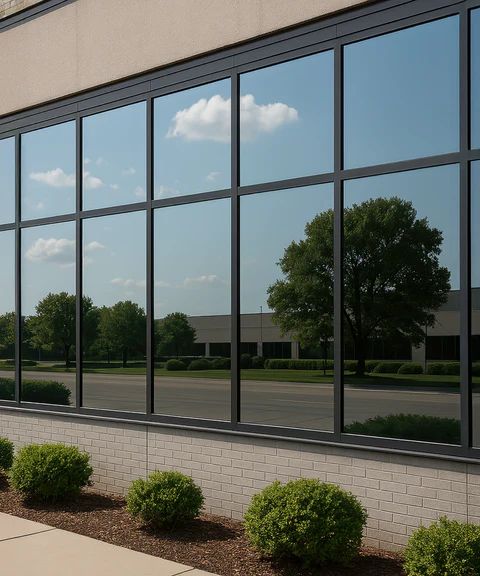
Metallized films incorporate thin layers of metal, such as aluminum, silver, or stainless steel, through a process called sputtering or vacuum coating. These metallic layers are highly effective at reflecting solar energy away from the building.
- Pros:
- Excellent solar heat rejection due to reflection.
- Good glare reduction.
- Durable and long-lasting performance without color fading.
- Cons:
- Can have a more reflective, mirror-like appearance from the exterior.
- Potential for signal interference: The metallic content can block or interfere with cellular signals, GPS, Wi-Fi, and radio frequencies within the building. This is a significant concern for modern commercial properties relying heavily on wireless communication.
- May affect the external aesthetic of certain architectural designs.
The issue of signal interference is a critical drawback for many businesses, making metallized films a less viable option in today’s connected commercial environments.
Hybrid Films: Attempting the Best of Both Worlds
Hybrid films combine aspects of dyed and metallized technologies, typically featuring an outer layer of dye and an inner layer of metal. The aim is to balance performance, aesthetics, and cost.
- Pros:
- Improved solar control compared to dyed films alone.
- Less reflective appearance than purely metallized films.
- Often offers a good balance of performance and cost-effectiveness.
- Cons:
- Still susceptible to some degree of dye fading over extended periods.
- May still cause some level of signal interference, though generally less severe than purely metallized options.
- Performance can vary significantly depending on the specific hybrid construction and quality.
While hybrid films offer a step up from basic dyed options, they often represent a compromise, potentially inheriting some limitations from both parent technologies.
Why Ceramic Often Outperforms for Long-Term Commercial Value and Building Energy Efficiency
Ceramic films represent the pinnacle of solar control technology for commercial applications. These films utilize advanced nanotechnology, embedding microscopic ceramic particles into the film layers. These particles are spectrally selective, meaning they excel at blocking infrared (heat) and UV radiation while allowing a high percentage of visible light to pass through.
- Superior Heat Rejection: Ceramic films offer exceptional infrared rejection (IRR), leading to significant cooling cost reductions.
- No Signal Interference: Unlike metallized films, ceramic particles are non-conductive, ensuring no disruption to cell phones, GPS, Wi-Fi, or other electronic signals. This is a crucial advantage for any modern business.
- Excellent Clarity and Low Reflectivity: Ceramic films maintain optical clarity and a natural, low-reflectivity appearance, preserving exterior views and the building’s aesthetic.
- Durability and Longevity: They are incredibly stable, resisting fading, corrosion, and wear, offering long-term, consistent performance. This translates to an excellent return on investment over the lifespan of the film.
- Comprehensive UV Protection: Like other quality films, ceramics block virtually all harmful UV rays, protecting interiors and occupants.
For commercial properties where consistent performance, maximum energy efficiency, unobtrusive aesthetics, and uninterrupted connectivity are paramount, ceramic films consistently deliver superior long-term value. Their advanced technology mitigates the drawbacks found in other film types, making them the preferred choice for discerning business owners seeking a durable, high-performing solar control solution.
Beyond the Film: Why Expert Selection and Flawless Installation Are Paramount
The choice of window film is a significant investment for any commercial property, impacting energy consumption, occupant comfort, and operational aesthetics for years to come. While product specifications are important, the true value of solar control film lies in its precise application and integration into your building’s specific environment. Opting for a generic solution or cutting corners on installation can severely diminish, or even negate, the intended benefits.
The Critical Role of Accurate Site Assessment and Film Matching for Optimal Results
A “one-size-fits-all” approach to window film simply doesn’t deliver optimal results for commercial properties. Every building presents a unique set of variables: its geographic location, prevailing climate, architectural design, glass type, internal heat loads from equipment, and specific operational hours all influence solar performance. An expert begins by conducting a meticulous site assessment, identifying precise challenges such as intense morning glare in a conference room or excessive afternoon heat gain in a retail display area. This comprehensive understanding allows them to match film properties—such as Visible Light Transmittance (VLT), Solar Heat Gain Coefficient (SHGC), and U-value—to the exact needs of each unique window or façade, ensuring maximum comfort and energy efficiency without compromising natural light or aesthetic appeal.
The Technical Precision Required for Professional Commercial Window Tinting Installation
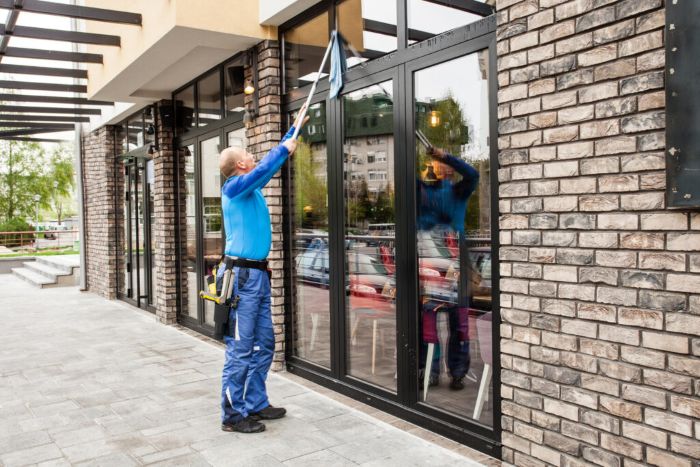
Commercial window film installation is far more complex than a simple adhesion process. It demands a high degree of technical precision, especially when dealing with large expanses of glass, varied architectural elements, and the need for seamless integration into a professional environment. Certified installers undergo rigorous training to master techniques for meticulous surface preparation, precise cutting to custom dimensions, and flawless application that prevents imperfections like bubbles, creases, or trapped debris. This technical exactitude is not just about aesthetics; it directly impacts the film’s long-term adhesion, optical clarity, durability, and its ability to perform to its advertised specifications over many years.
Avoiding Common Pitfalls: Why DIY is Not an Option for Maximizing Investment
Attempting a do-it-yourself (DIY) installation of commercial window film often leads to costly, suboptimal outcomes. The nuanced nature of commercial glass, combined with the scale and precision required, makes it a task best left to professionals. Common DIY pitfalls include misaligned film, compromised adhesion leading to bubbling or peeling, permanent streaks, and even accidental damage to the existing glass. These issues not only undermine the intended energy savings and comfort improvements but also typically void the product warranty, turning an intended investment into a wasted expenditure and necessitating premature replacement. Protecting your commercial property’s long-term value requires professional expertise from the outset.
Warranty, Longevity, and Maximizing Your Window Film Energy Savings
A high-quality solar control film, when professionally installed, is a durable and long-lasting asset for your property. Reputable manufacturers back their films with extensive warranties, typically covering product integrity and performance for many years, but these warranties are often contingent on professional application.
Correct installation ensures the film adheres properly, maintains its optical clarity, and continues to perform optimally throughout its intended lifespan. This longevity translates directly into sustained energy savings, a consistent reduction in HVAC load, and reliable interior comfort, maximizing your return on investment over the film’s entire operational period.
The Expert’s Strategic Approach: Crafting a Tailored Solar Control Solution for Your Property
Recognizing that every commercial property presents unique challenges and objectives, a true expert in solar control solutions adopts a strategic, consultative approach. This methodology moves beyond merely selling a product, focusing instead on delivering a comprehensive solution precisely engineered for your business’s specific needs.
Conducting a Comprehensive On-Site Energy Audit and Needs Analysis
The first step in crafting a truly effective solar control solution is a thorough on-site energy audit. A certified expert evaluates the building’s overall thermal envelope, taking into account its construction materials, existing window types, and the efficiency of the current HVAC system. This audit is complemented by a detailed needs analysis, which involves understanding your business’s core objectives. Whether your primary goal is to drastically reduce energy bills, eliminate uncomfortable hot spots, mitigate computer screen glare for employees, or protect valuable inventory and furnishings from UV degradation, a clear definition of these priorities guides the entire process.
Analyzing Your Building’s Unique Orientation, Sun Exposure, and Usage Patterns
The strategic assessment delves into the specifics of your building’s interaction with the sun. Different façades experience vastly different levels of solar exposure throughout the day and across seasons. A south-facing retail storefront, for instance, might require significant heat rejection, while an east-facing office could prioritize glare reduction during morning hours.
Experts also consider the distinct usage patterns of various spaces within your property. A server room’s intense cooling requirements will dictate a different film specification than a reception area that values abundant natural light and exterior visibility. This granular analysis ensures that each window or section receives a tailored treatment.

Understanding Your Specific Business Needs, Aesthetic Goals, and Budget Considerations
Beyond the technical data, a consultative approach prioritizes your specific business context. This includes understanding how the film choice will integrate with your brand identity, maintain your building’s exterior aesthetic, and comply with any specific tenant requirements. The expert collaborates with you to ensure the proposed solution enhances your operational environment without compromising the visual appeal or functionality of your space. Equally important is a transparent discussion about budget considerations, ensuring the selected films offer the optimal balance of performance, aesthetic integration, and a clear return on investment that aligns with your financial objectives.
Presenting Tailored Film Options with Transparent Performance Projections
Based on the comprehensive assessment, the expert curates a selection of tailored film options. These might include various types such as high-performance ceramic films, spectrally selective films, or specialized reflective films, each recommended with a clear explanation of why it is the most suitable choice for specific areas of your property. Crucially, these recommendations are accompanied by transparent performance projections. You will receive data on estimated energy savings, precise percentages for heat rejection and UV blockage, and details on glare reduction, empowering you to make an informed decision based on quantifiable benefits and expected outcomes.
Illustrative Scenarios: How Custom Solutions Solve Diverse Commercial Challenges
The value of a tailored approach becomes evident through diverse commercial applications:
- Scenario 1: The Sun-Drenched Retail Space. A boutique experiences rapid fading of merchandise and uncomfortable shoppers due to direct afternoon sun through its display windows. A custom solution might involve a spectrally selective film that effectively blocks heat and harmful UV rays without significantly altering the natural colors of products or obscuring exterior visibility, preserving inventory and enhancing the customer experience.
- Scenario 2: The Glare-Prone Office Environment. An office environment struggles with employee discomfort and reduced productivity due to intense screen glare and hot spots in specific zones. The expert could recommend a low-reflectivity, high-glare-reduction ceramic film for particular windows, which dramatically improves visual comfort and employee well-being without significantly dimming the overall space.
- Scenario 3: The Multi-Story Building with Varied Exposures. A large commercial building faces unique solar challenges on each side, with intense heat on the south façade and morning glare on the east. The expert designs a multi-film strategy, applying different, optimized films to North, South, East, and West façades to achieve a unified approach to energy efficiency, comfort, and aesthetic consistency across the entire structure.
The Value of Ongoing Support, Maintenance, and Partnering with Proven Experts
Selecting a solar control film is the beginning of a long-term partnership. A reputable and proven expert provides robust ongoing support that extends well beyond the initial installation. This includes comprehensive warranty coverage, professional advice on proper film cleaning and maintenance to ensure longevity, and readily available assistance for any future needs or inquiries. Partnering with seasoned professionals ensures not only the initial success of your investment but also its sustained performance, providing peace of mind and continuous value for your commercial property.
Conclusion: Key Takeaways and Next Steps
Recap: The Indispensable Value of Advanced Ceramic Solar Control Film
Throughout our discussion, we have explored the profound impact that advanced ceramic solar control films can have on a commercial property. These sophisticated films offer a transformative solution, moving beyond traditional window treatments to deliver measurable improvements in energy efficiency, occupant comfort, and the overall longevity of interior assets. By effectively managing solar heat gain and harmful UV radiation, ceramic films represent a strategic investment that contributes significantly to a more sustainable and productive business environment. Their ability to maintain optical clarity while providing superior thermal performance distinguishes them as a cornerstone technology for modern commercial buildings.
The Core Argument: Beyond Product, It’s About Expertise and Precision for Lasting Value
While the inherent qualities of advanced ceramic window films are undeniable, their true value is unlocked not merely by the product itself, but by the expertise and precision applied in its selection and installation. The notion of a singular “best” film is a simplification that overlooks the complex interplay of factors unique to each commercial structure. A film’s performance is profoundly influenced by its context.
Consider these critical variables that demand expert analysis:
- Building Orientation: The cardinal direction of each facade dictates the intensity and duration of solar exposure, requiring specific film properties.
- Existing Glass Type: Different glass compositions (e.g., clear, tinted, low-E) interact uniquely with film layers, affecting total performance.
- Local Climate Conditions: Regional temperature extremes, humidity levels, and sunlight hours influence the thermal stress on glass and the desired film characteristics.
- Interior Environment & Usage: The specific needs of your business, whether it’s glare reduction in office spaces or heat control in retail, will guide the film choice.
- Regulatory & Aesthetic Requirements: Compliance with local building codes and maintaining the architectural integrity of your property are non-negotiable considerations.
Without a thorough assessment of these factors, even a high-quality film may underperform or lead to unforeseen issues. The optimal solution is therefore a tailored one, where expert analysis ensures the film specified aligns perfectly with your building’s unique demands and your business objectives.
Partnering for Performance: Why Professional Consultation is Your Best Strategy for Success
Navigating the nuances of solar control film technology requires specialized knowledge. This is precisely why partnering with a certified professional is not merely convenient, but essential for achieving optimal results and long-term satisfaction. A professional consultation provides a comprehensive approach, transforming what might seem like a simple product purchase into a strategic decision that enhances your business operations.
An expert partner will provide:
- On-site Evaluation: A detailed assessment of your property’s specific needs, including glass analysis and solar exposure measurements.
- Tailored Recommendations: Objective advice on the most suitable ceramic film options, backed by performance data and an understanding of your goals.
- Flawless Installation: Precision application techniques that ensure maximum film longevity and performance, avoiding common pitfalls of amateur installation.
- Warranty & Support: The assurance of professional backing, providing peace of mind and protection for your investment.

This consultative approach minimizes risk, maximizes the return on your investment, and ensures that the chosen solution delivers consistent, reliable performance for years to come.
Securing Your Business’s Future Comfort, Efficiency, and Asset Protection
Ultimately, the decision to invest in advanced ceramic solar control film, guided by expert consultation, is an investment in your business’s future. It secures an environment of enhanced comfort for employees and customers, dramatically improves energy efficiency, and safeguards valuable interior furnishings and equipment from damaging UV rays. By choosing a solution customized to your property and professionally installed, you are not just applying a film; you are implementing a strategic upgrade that contributes to operational savings, environmental responsibility, and the lasting appeal of your commercial space.
Solar control isn’t just a comfort upgrade—it’s a smarter way to manage energy, protect interiors, and improve everyday work environments. CoolVu helps commercial property owners implement ceramic window film solutions that deliver real performance while supporting sustainability goals and modern building standards. Connect with our specialists today to find the best fit for your property.
MORE POSTS:
- Decorative UV Blocking Window Film for Commercial Spaces – How modern film protects interiors, enhances aesthetics, improves comfort, and boosts
- Sun Solar Window Tinting – How advanced window films improve energy efficiency, protect interiors, enhance comfort, and create high-value business opportunities.
- Commercial Solar Window Film Explained – How window film cuts heat, glare, and UV damage while boosting efficiency, comfort, and building value.
- Commercial Solar Window Film Installation – Why professional design, installation, and energy efficiency.