
Table of Contents
The Unseen Threat: Why Traditional Security Isn’t Enough
Many businesses invest heavily in security systems, yet a critical vulnerability often remains overlooked: the glass in their windows and doors. While alarms provide notification of a breach and cameras offer invaluable post-event evidence, both are inherently reactive.
They detect an intrusion after it has occurred, after a window has been shattered, and after access has been gained. This leaves valuable minutes for criminals to enter, seize assets, and escape before law enforcement can arrive.
The very nature of glass, designed for visibility and light, makes it the weakest link in a building’s envelope.
A simple brick, a crowbar, or even a determined kick can compromise an untreated window in seconds.
This fundamental flaw means that even the most sophisticated electronic security systems are often responding to an event that has already inflicted damage or loss, rather than preventing it.

Addressing Business Owner Anxiety: Proactive Protection for Peace of Mind
For business owners, the threat of property crime, vandalism, or even damage from severe weather can be a constant source of anxiety. The costs associated with repairs, lost inventory, operational downtime, and increased insurance premiums can be substantial. Traditional security measures, while necessary, do not fully alleviate the concern of immediate physical intrusion or structural failure during an unexpected event.
True peace of mind stems from knowing that your physical assets are protected proactively, reducing the opportunity for harm before it begins. This shifts the focus from simply recording an incident to actively deterring and delaying it. By fortifying the most vulnerable points of entry with solutions like commercial security film, businesses can create a more resilient environment, protecting their investments and ensuring business continuity.
Introducing the Core Solution: Beyond Detection to Deterrence
This is where advanced window security film emerges as an indispensable component of a comprehensive security strategy. Unlike systems that merely detect and alert, security film acts as a physical barrier. It transforms ordinary glass into a robust, shatter-resistant shield that actively resists forced entry attempts and mitigates damage from impacts.
By physically delaying access, this anti-burglary window film gives law enforcement more time to respond, often deterring intruders altogether who prefer quick, unhindered access. It transitions a building’s defense from a reactive detection model to a proactive deterrence and delay mechanism, creating a formidable first line of defense against a spectrum of threats.
What Exactly is Window Security Film? Defining the Unsung Hero of Property Protection
Understanding the Composition: Layers of Strength and Resilience
Professional-grade window security film is far more than a simple plastic sheet. It is an engineered material designed for superior strength. Typically, it comprises multiple micro-layers of high-tensile polyester, bonded together to create a formidable yet optically clear barrier. These layers are meticulously constructed to resist tearing, punctures, and impacts.
The thickness of these films can vary significantly, ranging from standard thicknesses for basic shatter resistance to much thicker options designed for extreme impact and blast mitigation. This layered composition is what gives security film its remarkable ability to absorb and distribute kinetic energy, maintaining the integrity of the glass it protects.
How Security Laminate Works: Turning Shards into a Secure Membrane
The primary function of security film, often referred to as security laminate, is to hold glass fragments together upon impact. When untreated glass breaks, it shatters into dangerous, disconnected shards that fall away, creating an immediate and accessible opening. Security film changes this dynamic completely.
Upon impact, whether from a projectile, an attempted forced entry, or a storm, the glass may still crack or break. However, the strong, proprietary adhesive layer of the film grips these fragments firmly, preventing them from scattering. Instead, the broken glass remains largely adhered to the film, forming a resilient membrane that continues to occupy the window frame. This membrane significantly delays, or even prevents, an intruder from gaining entry, turning what would have been a quick breach into a frustrating, time-consuming obstacle. This is why it is often called shatterproof window film.
Differentiating from Standard Window Films: A Focus on Performance
It is crucial to distinguish window security film from other types of window films, such as solar control or decorative films. While some solar films might offer a minimal degree of added strength, they are not engineered for security purposes. The key differences lie in thickness, adhesive strength, and impact performance ratings.
- Thickness: Security films are notably thicker, often measured in mils (thousandths of an inch). They typically range from 4 mil to 21 mil or more. Standard films are usually much thinner.
- Adhesive Strength: The adhesive used in security films is significantly stronger and designed for maximum bonding to glass, ensuring that fragments remain attached even under severe stress.
- Performance Testing: Security films undergo rigorous testing to meet industry standards for impact resistance, blast mitigation, and anti-intrusion capabilities, distinctions not applicable to standard films.
The Technology Behind Shatter Resistant Film: Adhesives and Polymer Science
The exceptional performance of shatter resistant film is a testament to advanced material science, particularly in the fields of polymer chemistry and adhesive technology. The multi-layered polyester construction itself is a product of polymer science, designed for strength, flexibility, and optical clarity.
Equally critical is the adhesive system. These specialized, pressure-sensitive adhesives form an incredibly strong bond with glass, often curing over time to achieve maximum adhesion. This bond is engineered not only to prevent separation but also to remain flexible enough to absorb shock without delaminating. The combination of high-strength polymers and sophisticated adhesives creates a robust, clear barrier that stands ready to protect, transforming vulnerable glass into a resilient, shatter-resistant component of your building’s security infrastructure.
The Weakest Link: Why Standard Commercial Glass Fails Under Pressure
Standard commercial glass, while designed to provide natural light and aesthetic appeal, inherently possesses vulnerabilities that can compromise a business’s security and operational integrity. Understanding these weaknesses is the first step toward implementing proactive, effective protection.
The Inherent Vulnerability of Untreated Windows: An Open Invitation to Intruders
Untreated commercial storefronts are, by their very nature, the weakest link in a building’s security perimeter. Composed of rigid yet brittle materials, standard glass offers minimal resistance against focused impact. It shatters predictably, creating an easy and rapid point of entry for those intent on gaining unauthorized access. This fundamental flaw means that what appears to be a protective barrier is often an easily overcome obstacle.
The “Smash and Grab” Reality: Exploiting Immediate Access Points
The “smash and grab” crime vividly illustrates the critical weakness of unprotected glass. Perpetrators specifically target windows because they understand that a quick, forceful impact provides almost immediate access to a building’s interior.
The objective is speed, allowing intruders to enter, seize valuables, and escape before alarms fully register or law enforcement can respond.
This method relies entirely on the rapid failure of standard glass, turning what should be a robust barrier into a convenient entry point for forced entry protection.

Beyond Burglary: Understanding Vandalism and Accidental Damage Risks
The vulnerability of untreated glass extends far beyond intentional forced entry. Businesses regularly face risks from vandalism, where a single thrown object can shatter a window, leading to significant repair costs, property exposure, and business interruption. Similarly, accidental damage, whether from a stray projectile, severe weather debris, or even a minor vehicular impact, can compromise a window’s integrity instantly. In all these scenarios, the rapid fragmentation of glass poses risks to occupants and contents, highlighting a pervasive safety concern.
The Flawed Assumption: Relying Solely on Alarms and Cameras for Physical Security
Many business owners invest heavily in advanced alarm systems and surveillance cameras, believing these tools offer comprehensive security. While alarms provide critical detection and cameras offer valuable post-incident evidence, it is a flawed assumption to believe they constitute physical security. These systems are inherently reactive. They alert you after a breach has occurred or record an event in progress. They do not physically prevent or delay entry. This leaves a critical gap in security: the time between an intrusion attempt and the arrival of help, a window of opportunity intruders are quick to exploit.
Key Benefits Beyond Burglary Prevention: A Holistic Approach to Business Security
Professional-grade window security film offers a multifaceted approach to protecting commercial properties, extending its benefits far beyond simple break-in deterrence. It transforms a building’s most vulnerable points into resilient barriers, contributing significantly to overall safety and operational continuity.
Deterring Forced Entry: Significantly Delaying Intruders and Enabling Response
The primary advantage of security film is its ability to create a robust, invisible barrier that significantly delays forced entry attempts. When standard glass is struck, the film holds the shattered fragments together within the frame. This forces intruders to exert considerably more effort and create more noise to gain access. The extended time required for a breach, often several minutes instead of mere seconds, is crucial. This delay provides vital seconds for security systems to alert authorities and allows for a quicker response, frequently causing intruders to abandon their attempts entirely, recognizing the increased risk of apprehension. This is true anti-burglary window film at work.
Glass Fragment Retention Film: Mitigating Injury and Property Damage
Beyond delaying entry, security film dramatically enhances safety by preventing glass fragments from scattering upon impact. In the event of breakage, whether from a forceful entry attempt, vandalism, or an accident, the glass fragment retention film keeps the shards adhered to its surface. This containment prevents dangerous projectiles from injuring occupants, staff, or customers, and significantly reduces damage to interior furnishings, equipment, and merchandise. It minimizes immediate hazards and simplifies the post-incident cleanup process.
Protecting Against Natural Disasters: Storm and High-Wind Resistance
For businesses in areas prone to severe weather, shatterproof window film is an invaluable asset. High winds can propel debris at incredible speeds, and standard windows are often the first point of failure, leading to building envelope breaches, water intrusion, and extensive interior damage. Window security film reinforces the glass, making it far more resistant to impact from flying objects and the immense pressure differentials of high winds. By maintaining the integrity of the window, it helps protect the building’s interior from the elements, reducing the scope and cost of disaster recovery.
Blast Mitigation: Enhancing Safety in High-Risk Environments
In environments where the risk of blast events, whether accidental or intentional, is a concern, security film plays a critical role in blast mitigation. The film’s ability to hold shattered glass together prevents it from becoming deadly shrapnel that can travel at high velocities. While it cannot prevent the initial concussive force, it can significantly reduce injuries and fatalities by containing the broken glass within the window frame, redirecting the energy, and protecting occupants from flying fragments.
Everyday Advantages: UV Rejection and Energy Efficiency
Window security film also delivers practical, everyday benefits that contribute to a healthier and more cost-efficient business environment. Many security films offer significant ultraviolet (UV) light rejection, protecting interior furnishings, merchandise, artwork, and even employees from the damaging effects of UV radiation, which causes fading and degradation. Additionally, by reducing solar heat gain in warmer months and heat loss in colder months, these films contribute to improved energy efficiency, leading to noticeable reductions in heating and cooling costs over time.
Enhancing Operational Continuity: Reducing Downtime After an Incident
Ultimately, all these benefits converge to support one critical business objective: operational continuity. By significantly reducing the damage caused by break-ins, accidents, or natural disasters, security film minimizes the downtime required for repairs and cleanup. A secure, intact window means less shattered glass to clear, less exposure for valuable assets, and a faster return to normal business operations. This reduction in disruption translates directly to saved revenue, preserved productivity, and a stronger, more resilient business.
Types of Window Security Film for Commercial Properties: Tailoring Protection to Your Needs
Window security film is not a one-size-fits-all solution. Its effectiveness as a proactive barrier against forced entry, severe weather, and accidents lies in selecting the appropriate film for specific vulnerabilities and desired outcomes. Understanding the distinct types and their applications empowers business owners to make informed decisions about their property’s defense.
Understanding Film Thickness (Mils): Matching Security Levels to Risk
The fundamental measure of a security film’s strength is its thickness, expressed in “mils” (one mil equals one-thousandth of an inch). This seemingly small detail directly correlates with the film’s ability to absorb impact, delay breach attempts, and hold shattered glass together. Thicker films offer greater resistance, transforming standard glass into a significantly more formidable barrier.
- 4-Mil Films: Often used for basic safety and accident protection, mitigating injury from shattered glass. It provides a foundational layer of protection against minor impacts.
- 8-Mil Films: A common choice for commercial properties seeking enhanced security against opportunistic smash-and-grab attempts. It significantly delays forced entry and offers robust protection in many scenarios.
- 14-Mil Films and Beyond: Reserved for high-risk areas, these films provide extreme resistance against repeated impacts, severe weather, and even blast mitigation. They are engineered to maximize the time intruders need to breach a window, often forcing them to abandon the attempt entirely.
The selection of film thickness is a critical assessment that should align with your specific risk profile, local crime rates, and the value of assets protected within your property.
Clear Security Films: Maintaining Aesthetics While Boosting Protection
For businesses prioritizing an unobstructed view and maintaining their building’s original aesthetic, clear security films are an ideal solution. These optically transparent films bond securely to the glass, providing an invisible layer of robust protection. While maintaining the window’s clarity, they significantly enhance its structural integrity. In the event of an impact, the film holds the shattered glass firmly in place, preventing dangerous shards from flying inward and creating a difficult-to-penetrate membrane that deters intruders and safeguards occupants.
Tinted and Reflective Security Films: Adding Privacy and Glare Control
Beyond their primary security function, tinted and reflective security films offer a range of additional benefits that enhance a building’s comfort, privacy, and energy efficiency.
These films reduce visible light transmission, effectively deterring prying eyes and obscuring views of valuable interiors. This added layer of privacy can be a significant deterrent for potential criminals, who often prefer targets with clear visibility.
In some environments, photochromic window tint may also be considered, adjusting light transmission based on sunlight levels while supporting privacy and comfort goals.
Moreover, their ability to reject solar heat and reduce glare contributes to a more comfortable indoor environment and can lead to notable energy savings, offering a clear return on investment.

Specialty Applications: Advanced Options for Unique Vulnerabilities
The landscape of security film extends to highly specialized applications designed to address unique and extreme vulnerabilities. These advanced options go beyond standard break-in deterrence, providing targeted protection for specific threats.
- Bomb Blast Mitigation: Engineered to absorb and dissipate the shockwaves from explosive devices, preventing glass shards from becoming dangerous projectiles.
- Ballistic Resistance: While not bulletproof, certain multi-layered film systems can provide a measure of ballistic resistance, slowing or stopping some projectiles.
- UV Protection: Many security films also incorporate advanced UV inhibitors, safeguarding interior furnishings, merchandise, and occupants from harmful ultraviolet rays.
These films represent the pinnacle of proactive defense, offering critical protection in environments where conventional security measures may fall short.
Compatibility with Glass Types: Tempered Glass vs. Laminated Glass Considerations
The effectiveness of security film is also influenced by the type of glass it is applied to. Professional installers understand the nuances of glass construction and how film interacts with each.
- Tempered Glass: Designed to shatter into small, blunt pieces upon impact, reducing injury risk. When security film is applied, it holds these pieces together, maintaining the integrity of the window opening and preventing easy access.
- Laminated Glass: Consists of two or more panes of glass with an interlayer (typically PVB) that holds the glass together when broken. Adding security film to laminated glass further enhances its resistance, creating an even more formidable barrier against forced entry, as intruders must contend with multiple layers of robust material.
A thorough assessment by a qualified expert is essential to ensure that the chosen security film is fully compatible with your existing glass, optimizing its performance and ensuring it delivers the intended level of protection.
Why Professional Installation is Non-Negotiable for Optimal Performance of Commercial Security Film
The inherent strength and protective capabilities of security film are entirely dependent on its proper application. Even the most advanced film will fail to provide its intended benefits if not installed correctly. Professional installation is not merely a recommendation. It is an absolute necessity to harness the full power of this proactive security measure.
The Critical Role of Proper Adhesion and Edge Sealing
The true strength of security film lies in its adhesive bond to the glass and, crucially, its connection to the window frame itself. A professional installation ensures meticulous surface preparation, guaranteeing optimal adhesion that prevents bubbling, peeling, or delamination. Furthermore, expert installers understand the importance of anchoring the film to the window frame through a process known as “edge sealing.” This critical step transforms the film and glass into a single, cohesive unit, preventing intruders from prying edges or pushing through the center, thereby maximizing the film’s ability to resist forced entry and remain intact under severe stress. Without proper adhesion and edge sealing, the film’s structural integrity is severely compromised, negating its protective qualities.
The Risks of DIY or Uncertified Installation: Compromising Efficacy
Attempting a do-it-yourself (DIY) security film installation or entrusting it to an uncertified individual carries significant risks that can severely compromise protective window film’s capabilities. Issues such as improper sizing, trapped air bubbles, creases, or inadequate adhesion points create weak spots that undermine the film’s designed strength. An improperly installed film cannot effectively hold glass together during an impact, rendering it largely ineffective against forced entry or shatter hazards. This not only wastes the initial investment but, more critically, leaves your property vulnerable, providing a false sense of security where none exists.
Ensuring Compliance with ASTM Standards and Building Codes
Professional security film installers are not just skilled technicians. They are knowledgeable experts who understand and adhere to critical industry standards and local building codes. Reputable firms ensure that the installed film meets or exceeds ASTM standards for impact resistance and glass retention, which are vital for determining a product’s performance under stress. Additionally, they are aware of local regulations concerning glass and window treatments, ensuring your installation is fully compliant, avoids potential fines, and meets insurance requirements. This expertise guarantees that your security investment not only performs optimally but also satisfies all necessary legal and safety mandates.
Understanding Warranties and Long-Term Performance Guarantees
One of the often-overlooked benefits of professional installation is the protection it provides through comprehensive warranties and performance guarantees. Manufacturers of high-quality security films typically offer extensive warranties that cover product defects and performance over many years, often contingent upon professional installation. When installed by a certified expert, businesses receive not only the manufacturer’s warranty but also a guarantee on the installation workmanship itself. This dual layer of protection ensures peace of mind, safeguarding your investment and assuring the long-term efficacy of your security measures, demonstrating a clear commitment to quality and lasting value.
The Foundation of Expertise: Training and Certification for Installers
The precision and technical knowledge required for effective security film application necessitate highly specialized training and certification. Professional installers undergo rigorous programs that cover everything from advanced surface preparation techniques and proper adhesive application to intricate edge sealing methods and the specific performance characteristics of various film types. This ongoing education ensures they remain abreast of the latest technologies and best practices, transforming them into true experts in their field. Their certified expertise is the foundation upon which the proactive protection of your physical assets is built, guaranteeing that every installation maximizes the film’s inherent strength and durability.
Finding a Certified Window Security Film Expert: Your Partner in Property Fortification
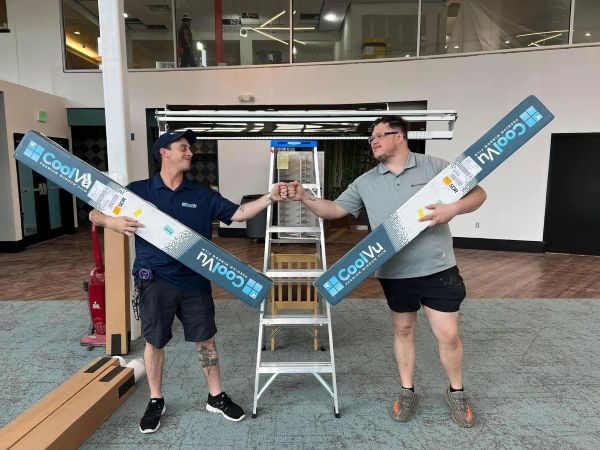
Once the understanding of security film’s critical role is established, the next crucial step for any business owner is selecting a qualified professional for its installation. The effectiveness of window security film is inextricably linked to the expertise of those who apply it. Choosing the right provider is not merely a transaction. It is forming a partnership in fortifying your property against unforeseen events.
What to Look for in a Commercial Security Film Provider
Identifying a reputable commercial security film provider requires careful consideration beyond just pricing. Look for companies that demonstrate a deep understanding of product specifications, installation techniques, and the unique security challenges businesses face. A top-tier provider will offer a comprehensive solution, not just a product.
- Certifications and Training: Ensure the provider and their installers are certified by leading film manufacturers. This indicates adherence to strict quality control and installation protocols.
- Specialization in Commercial Applications: Commercial installations often require specific film types and advanced techniques due to larger glass panes, different framing systems, and varying exposure levels.
- Quality Product Offerings: The provider should offer a range of high-performance security films from reputable manufacturers, suitable for various threat levels and aesthetic preferences.
- Insurance and Bonding: Verify that the company is fully insured and bonded. This protects your business from potential liabilities during the installation process.
The Importance of Industry Experience and Proven Track Record
Experience in the security film industry translates directly into reliable results. A provider with a long-standing presence and a robust portfolio of commercial projects has encountered and successfully resolved a variety of complex installation scenarios. This experience ensures they can accurately assess your specific vulnerabilities and recommend the most effective film solutions. Their track record reflects their ability to manage projects efficiently, minimize disruption to your operations, and deliver installations that perform as promised under pressure.
Understanding the Consultation and Assessment Process
A professional security film provider will initiate the process with a thorough on-site consultation and assessment. This isn’t just a sales call. It’s a critical evaluation of your property’s unique characteristics and security needs. The assessment should involve:
- Vulnerability Analysis: Identifying specific areas of concern, such as ground-floor windows, entryways, or windows facing secluded areas.
- Glass Type and Framing Evaluation: Determining the existing glass type, thickness, and framing material to recommend compatible film products and attachment systems.
- Threat Assessment: Discussing the primary security concerns, whether it’s smash and grab theft, vandalism, extreme weather events, or potential active threat scenarios.
- Customized Recommendations: Providing tailored film solutions, including film specifications, attachment methods, and an installation plan designed to meet your specific security objectives and budget.
Why Choosing a Certified Professional Pays Dividends in the Long Run
Opting for a certified professional ensures your investment yields long-term security benefits. Improper installation can significantly compromise a film’s effectiveness, potentially voiding warranties and leaving your property vulnerable. Certified installers adhere to manufacturer guidelines, using specialized tools and techniques to ensure maximum adhesion and integrity of the film system. This meticulous approach guarantees the film performs optimally in delaying forced entry, mitigating glass hazards, and standing up to environmental stressors, ultimately saving you from costly repairs or security breaches down the line.
The Value of a National Network and Consistent Quality
For businesses operating across multiple locations, partnering with a provider that is part of a national network offers distinct advantages. A national network often signifies standardized training, consistent quality control measures, and access to a broader range of resources and expertise. This ensures that regardless of location, your installations meet the same high standards of performance and professionalism. Such a partnership streamlines project management, maintains brand consistency, and provides peace of mind that all your properties receive the same level of robust, proactive protection.
Conclusion: Fortifying Your Future with Proactive Physical Security
The evolving landscape of security threats demands a proactive and multi-faceted approach to property protection. While surveillance systems and alarms play a vital role in detection and response, they do not inherently prevent an intrusion or mitigate immediate hazards.
Reaffirming the Thesis: Security Film as the Ultimate First Line of Defense
Professional-grade window security film is the ultimate first line of defense, transforming a building’s most vulnerable points into resilient barriers. It actively delays and deters forced entry, contains dangerous glass fragments during impacts, and significantly reduces the risk of injury or property damage from various threats. This physical hardening of your building’s envelope provides an essential layer of protection that other security measures simply cannot replicate.
Summarizing the Indispensable Value for Business Owners
For business owners, the value of window security film is indispensable. It offers a tangible, cost-effective solution that safeguards against a spectrum of threats, including:
- Break-ins and Vandalism: Creating a formidable deterrent that buys critical time for authorities to respond.
- Severe Weather: Protecting interiors from wind-borne debris and structural damage during storms.
- Accidental Impacts: Holding shattered glass together, preventing dangerous shards from causing injury or further damage.
- Business Continuity: Minimizing downtime and financial losses often associated with security breaches or property damage.
Strategic Investment: Protecting Assets, People, and Operations
Considering window security film a strategic investment, rather than merely an expense, is key. The cost of a security breach, property damage, or an injured employee far outweighs the investment in professional film installation. By hardening your building’s most vulnerable points, you are actively protecting your financial assets, ensuring the safety of your employees and customers, and preserving the continuity of your operations. It represents a commitment to a secure and resilient business environment.
Taking the Next Step Towards Comprehensive Property Protection
For business owners seeking to enhance their security posture, exploring professional window security film solutions is a logical and necessary next step. Engage with certified experts to conduct a thorough assessment of your property. Understand the advanced options available and how these solutions can be tailored to meet your specific security needs. This proactive measure will not only fortify your physical assets but also provide invaluable peace of mind, allowing you to focus on what matters most: growing your business.
Frequently Asked Questions
What is window security film and how does it work?
Window security film is a multi-layered, high-tensile polyester film that adheres to glass. Upon impact, it holds shattered glass fragments together, preventing them from scattering and forming a resilient membrane that delays forced entry, mitigates injury, and protects against various threats like severe weather and vandalism.
How does security film provide better protection than alarms or cameras alone?
While alarms and cameras provide detection and evidence after an intrusion, window security film acts as a proactive physical barrier. It delays and deters forced entry, transforming vulnerable glass into a shatter-resistant shield. This provides crucial time for authorities to respond and often causes intruders to abandon their attempts, preventing damage or loss in the first place.
What are the main benefits of installing commercial security film for my business?
Installing commercial security film offers numerous benefits, including deterring forced entry and “smash and grab” theft, mitigating injuries from broken glass, protecting against damage from severe weather, enhancing blast mitigation, and providing everyday advantages like UV rejection and energy efficiency. Ultimately, it significantly contributes to operational continuity by reducing downtime after incidents.
What thickness of window security film is right for my business?
The ideal film thickness depends on your specific risk profile and security needs. Films measured in “mils” range from 4-mil for basic safety to 14-mil and beyond for high-risk areas or blast mitigation. A professional consultation will assess your property’s vulnerabilities and recommend the appropriate film thickness for optimal protection.
Why is professional installation crucial for window security film?
Professional installation is non-negotiable for optimal performance. Certified installers ensure proper surface preparation, strong adhesion, and critical “edge sealing” to anchor the film to the window frame. This guarantees the film functions as designed, meeting ASTM standards and building codes, preserving warranties, and delivering the full protective benefits that DIY or uncertified installations often compromise.
Find your local CoolVu installer: www.coolvu.com
MORE POSTS:
- How Security Window Film Works – The science behind reinforcing glass, absorbing impact, containing shards, and turning windows into protective barriers.
- Tempered Glass Isn’t the Finish Line – Basic safety glass still leaves critical gaps in security, UV protection, and energy efficiency.
- Commercial Glass Door Risk – Why standard glass doors remain an easy, costly target for break-ins and vandalism.
- Glass Doors as a Hidden Weak Point – Why standard commercial glass creates the easiest path for break-ins and smash-and-grabs.
- Diachroic Film as a Design Tool – It delivers the look of dichroic glass with flexible, affordable applications for modern architectural design.