Table of Contents
The Entrepreneur’s Edge: Why Technical Acumen Fuels Business Growth
For any entrepreneur aiming to build a thriving business, a deep understanding of the core products and technologies at play is not just an advantage, it’s a necessity. In the specialized world of window and surface enhancement, this means mastering the nuances of glass itself. Your ability to speak with authority about different glass types, their properties, and their limitations will distinguish you as a true expert in the field. This technical acumen builds immediate trust with clients, positions you as a valuable consultant rather than just a salesperson, and ultimately fuels sustainable business growth. It’s the bedrock upon which all subsequent solutions and opportunities are built.
Understanding Client Concerns: What Drives the Inquiry for Tempered Glass?
Clients rarely ask for tempered glass without an underlying concern. Instead, their inquiries stem from a desire for specific outcomes that tempered glass often provides. Recognizing these core motivations allows you to not only meet their immediate needs but also to anticipate further requirements that advanced film solutions can address. Common client concerns often include:
- Safety: A primary driver, especially in homes with children or in commercial spaces with high traffic. Clients want to prevent injury from glass breakage.
- Durability: The need for glass that can withstand more force, whether from accidental impact or environmental stressors.
- Code Compliance: Businesses and homeowners are often driven by building regulations that mandate tempered glass in certain applications to ensure public safety.
- Peace of Mind: Knowing their glass is more resistant and, if broken, less harmful provides significant reassurance.

By understanding these root concerns, you can frame your discussions effectively and introduce a wider array of solutions, thereby expanding your market and profitability.
A Glimpse into Glass Manufacturing: The Basics of Tempering for Durability
At its heart, tempering is a process designed to significantly increase the strength and safety of ordinary annealed glass. This transformation begins by heating standard glass to extremely high temperatures, typically above 1,100 degrees Fahrenheit (600 degrees Celsius), until it softens. Immediately following this intense heating, the glass is rapidly cooled with jets of air, a process known as “quenching.” This rapid cooling causes the outer surfaces of the glass to cool and solidify much faster than the interior. As the interior then slowly cools and tries to contract, it pulls on the already solidified exterior. This creates a state where the outer surfaces are in compression, and the inner core is in tension, essentially pre-stressing the glass. This inherent stress distribution is what gives tempered glass its remarkable durability and distinctive safety properties. This glass tempering process is fundamental to its widespread use.
The Unsung Hero of Modern Architecture: Core Benefits of Tempered Glass for Safety and Durability
Tempered glass has earned its place as an indispensable material in modern construction, not just for its aesthetic versatility but, more critically, for its enhanced safety and durability. Understanding these core benefits of tempered glass is fundamental to appreciating its widespread application and, by extension, recognizing the immense potential for enhancing it further.
The Science of Strength: Unpacking the Glass Tempering Process
The unique strength of tempered glass is a direct result of its manufacturing process. As previously described, the rapid heating and cooling create a specific internal stress pattern. The glass surface is compressed, while its core is under tension. This engineered stress distribution means that any impact or force applied to the glass must first overcome the substantial compressive stress on the surface before it can cause a fracture. This dramatically increases its resistance to breakage compared to standard annealed glass, making it four to five times stronger. It’s a testament to material science, turning a brittle material into a robust barrier.
Enhanced Impact Resistance: How Tempered Glass Prevents Catastrophic Breakage
One of the most valuable attributes of tempered glass is its superior impact resistance. Due to the internal stresses created during tempering, the glass can absorb significantly more kinetic energy before fracturing. This makes it ideal for areas where there’s a higher risk of accidental impact, such as:
- Glass doors and entryways
- Shower enclosures and bathtub screens
- Vehicle windows
- Balcony railings
- Storefronts
This enhanced resilience contributes significantly to occupant safety, reducing the likelihood of breakage from everyday bumps or even more forceful impacts.
The Safety Factor: Explaining the “Crumble” Effect of Safety Glass
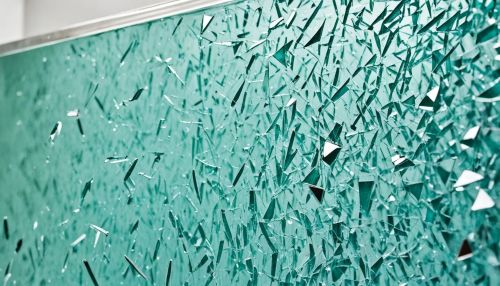
Perhaps the most recognized safety feature of tempered glass is its distinct breakage pattern, often referred to as the “crumble” effect. Unlike annealed glass, which shatters into large, jagged, and extremely dangerous shards, tempered glass, upon impact, disintegrates into thousands of small, relatively blunt, pebble-like fragments. This unique characteristic is a direct consequence of the stored internal energy. When the surface compression is compromised, the entire piece of glass shatters almost instantly into these small pieces. This significantly minimizes the risk of serious injury from sharp edges, which is why it’s legally designated as safety glass in many applications.
Resilience Against Thermal Stress: Addressing Temperature Fluctuations in Design
Beyond mechanical impact, tempered glass also offers superior resistance to thermal stress. Thermal stress occurs when different parts of a glass pane heat or cool at varying rates, causing uneven expansion or contraction. This can lead to fractures in annealed glass, especially in large windows exposed to direct sunlight or sudden temperature changes. Tempered glass, with its pre-stressed structure, can withstand temperature differentials of up to 400 degrees Fahrenheit (200 degrees Celsius), while annealed glass typically tolerates only about 100 degrees Fahrenheit (40 degrees Celsius). This makes tempered glass an excellent choice for:
- Windows in direct sun exposure
- Skylights
- Oven doors and fireplace screens
- Building facades where significant temperature gradients are common
This thermal resilience ensures greater longevity and performance in diverse environmental conditions.
Meeting Building Codes: The Mandates and Importance of Tempered Glass Applications
Adherence to building codes is not optional, it’s a legal and ethical imperative. Tempered glass plays a critical role in meeting these safety mandates, ensuring public welfare and minimizing liability for property owners. Building codes, varying by region, typically specify the use of tempered glass in “hazardous locations” where there is an increased risk of human impact. These locations commonly include:
- Doors: Glazing in all doors, whether hinged, sliding, or bifold.
- Windows Near Doors: Within a certain distance and height of a doorway.
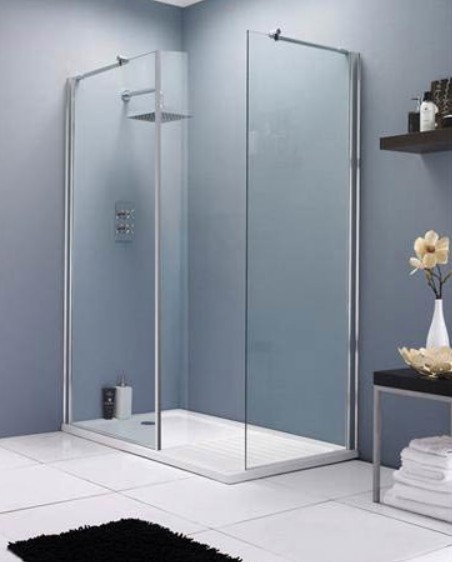
- Bathroom Areas: Shower and bathtub enclosures, and often windows within these spaces.
- Stairways and Ramps: Glass components in railings or adjacent to walking surfaces.
- Large Windows: Especially those close to the floor or within easy reach.
- Guards and Railings: Any glass used as a protective barrier.
Understanding these mandates is crucial for any business operating in construction or renovation. It ensures compliance, avoids costly penalties, and most importantly, guarantees the safety of occupants.
For entrepreneurs, this regulatory framework presents a consistent demand for tempered glass solutions, creating a baseline market opportunity that can then be significantly expanded upon with specialized enhancements.
Beyond Basic Safety: Unveiling the Hidden Vulnerabilities and Market Gaps of Tempered Glass
While the advent of tempered glass marked a significant leap forward in safety, preventing the dangerous shards associated with traditional annealed glass, its capabilities are often misunderstood. For the discerning entrepreneur, recognizing the limitations of tempered glass isn’t a criticism, it’s an insight into a vast, untapped market brimming with opportunity. Tempered glass, by itself, addresses only a fraction of modern demands, leaving critical gaps that advanced solutions are perfectly positioned to fill.
A False Sense of Security: Where Tempered Glass Alone Falls Short
The primary advantage of tempered glass lies in its safety profile: when broken, it shatters into small, relatively harmless, pebble-like pieces. This characteristic significantly reduces the risk of laceration injuries, a crucial improvement over the jagged fragments of standard glass. However, this very property, while beneficial for injury prevention, creates a false sense of security regarding other threats. The immediate fragmentation of tempered glass means that upon impact, an entire pane can be compromised instantly, offering minimal resistance against forced entry, flying debris, or even containing occupants during an emergency. It’s a safety feature for cutting hazards, not security barriers.
The UV Radiation Problem: Unprotected Interiors and Health Risks
Beyond its structural response to impact, standard tempered glass offers negligible protection against the insidious damage of ultraviolet (UV) radiation. Sunlight streaming through windows carries UVA and UVB rays, which are relentless in their ability to degrade interiors. This leads to faded carpets, upholstery, artwork, and flooring, causing significant economic loss for both homeowners and businesses. More critically, prolonged exposure to UV radiation is a known contributor to skin damage, premature aging, and increased risk of skin cancer. Many building occupants remain unaware of this persistent threat, creating a clear market demand for proactive solutions like UV protection films.
Energy Inefficiency: The Overlooked Cost of Untreated Tempered Glass
In an era defined by rising energy costs and environmental consciousness, the thermal inefficiency of untreated tempered glass represents a substantial, yet often overlooked, expense. Standard glass, whether tempered or annealed, is a poor insulator. It acts as a direct conduit for heat transfer, allowing warm indoor air to escape in winter and solar heat to penetrate easily in summer. This results in:
- Increased HVAC workload: Heating and cooling systems must work harder, consuming more electricity or fuel.
- Higher utility bills: A direct impact on operational costs for businesses and monthly expenses for homeowners.
- Uneven indoor temperatures: Creating uncomfortable hot and cold spots within a building.
- Carbon footprint: Contributing to greenhouse gas emissions.
Addressing this inefficiency presents a compelling value proposition for property owners looking to reduce costs and enhance energy efficiency.
Vulnerabilities to Forced Entry and Impact: When “Crumbling” Isn’t Enough
The safety characteristic of tempered glass—its tendency to shatter into small pieces—is paradoxically its greatest weakness when it comes to security. While it prevents large, dangerous shards, it offers virtually no resistance to a determined intruder or significant impact. A single, well-placed blow can cause an entire pane to disintegrate, creating an immediate, unimpeded entry point. This makes standard tempered glass windows vulnerable to:
- Break-ins: Offering minimal deterrence to burglars.
- Storm damage: Failing quickly under the force of high winds and flying debris.
- Accidental impact: Such as a stray golf ball or a thrown object, requiring immediate and costly replacement.
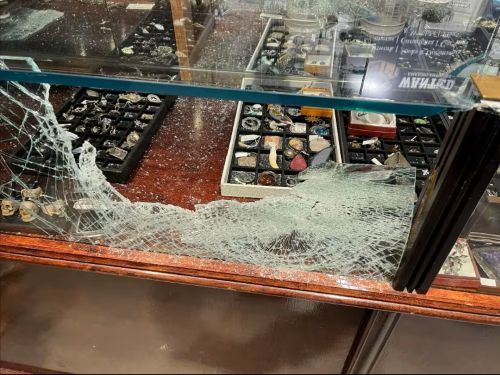
For any property where security or structural integrity is a concern, tempered glass alone simply does not suffice, highlighting the need for security film or glass strengthening film.
Addressing Vandalism: The Lack of Anti-Graffiti Properties in Standard Glass
Urban environments and high-traffic commercial zones often face the challenge of vandalism. Graffiti, acid etching, and scratching are common forms of defacement that can severely impact a business’s appearance and necessitate expensive glass replacement. Standard tempered glass, despite its other qualities, offers no inherent protection against these acts. Once vandalized, the only recourse is costly replacement, leading to:
- Significant repair expenses: Replacing an entire glass panel is far more expensive than addressing surface damage.
- Business disruption: The process of replacement can be disruptive to operations.
- Deteriorated aesthetic: Vandalized glass creates an unprofessional and uninviting impression.
This ongoing problem creates a clear demand for preventative and sacrificial solutions like graffiti shield that can protect the underlying investment in glass.
Beyond Basic Safety: Why Laminated Glass Offers Different Protection (and its limitations compared to film)
Before exploring advanced film solutions, it’s important to differentiate tempered glass from laminated glass, as the latter also offers enhanced safety and security. Laminated glass consists of two or more panes of glass bonded together by an interlayer, typically made of polyvinyl butyral (PVB). When broken, the interlayer holds the glass fragments together, preventing them from scattering. This offers superior protection against:
- Forced entry: It resists penetration, even if shattered, maintaining a barrier.
- Blast mitigation: It can absorb blast energy, keeping glass within the frame.
- Noise reduction: The interlayer dampens sound transmission.
However, despite these advantages, tempered glass vs laminated glass reveals significant limitations for laminated options, particularly when compared to retrofitting with advanced films:
- Prohibitive Cost: Installing laminated glass often involves replacing entire window units, a far more expensive and labor-intensive process than applying film to existing glass. This cost can be a major barrier for property owners.
- Installation Complexity: The weight and thickness of laminated glass can complicate installation, sometimes requiring structural modifications.
- Limited Customization: While effective, laminated glass often provides a fixed set of benefits. It might not offer the same nuanced control over solar heat gain, specific UV protection levels, or tailored security ratings that specialized films can.
- Aesthetic Constraints: Options for tinting or visual effects are more limited than the wide range of architectural finishes available with films.
For an entrepreneur, understanding that most buildings already have tempered glass, and replacing it with laminated glass is often impractical, highlights the enormous market for solutions that can enhance existing installations.
Seizing the Untapped Market: How Advanced Window Film Transforms Tempered Glass into a Comprehensive Solution
The limitations of tempered glass are not just technical specifications, they represent unaddressed needs across countless homes and businesses. For the astute entrepreneur, these gaps are precisely where opportunity thrives. The ability to transform existing, vulnerable tempered glass into a robust, multi-functional barrier is not just a service offering, it’s a high-value proposition that solves critical customer problems.
Identifying the Demand: The Entrepreneur’s Guide to Market Need for Glass Enhancement
The market demand for glass enhancement is pervasive and driven by fundamental needs for safety, comfort, and cost savings. Every vulnerability of tempered glass discussed previously translates directly into a customer pain point and, consequently, a market opportunity. Think of the potential clients who actively seek solutions for:
- Homeowners: Concerned about fading furniture, high energy bills, or protecting their families from accidental breakage or potential intruders.
- Retail Businesses: Seeking to protect merchandise from UV damage, enhance security against smash-and-grab, or mitigate graffiti with anti-graffiti film.
- Commercial Offices: Aiming for energy efficiency, employee comfort, and enhanced security film for sensitive data or assets.
- Educational Institutions: Prioritizing student safety from accidental breakage, natural disasters, or active threats.
- Healthcare Facilities: Needing privacy, UV protection for patients, and added security.
This widespread demand, coupled with the limitations of existing glass, creates a fertile ground for businesses equipped to offer advanced film solutions. It’s a constant, recurring need that is present in nearly every structure with glass.
The Evolution of Glass Solutions: From Basic Tempering to High-Performance Films
The journey of glass enhancement has moved far beyond its basic origins. What began with the simple annealing and tempering process for safety has evolved dramatically with the advent of high-performance films. Early window films were primarily for aesthetic tinting or glare reduction. Today’s advanced films are engineered composites, utilizing sophisticated technologies to deliver a multitude of benefits:
- Multi-layered Polyester: Films are constructed from multiple layers of clear, distortion-free polyester, engineered for strength and optical clarity.
- Advanced Adhesives: Specialized, pressure-sensitive adhesives form an incredibly strong bond with glass, designed to cure over time and hold shattered fragments together.
- UV Inhibitors: Integrated into the film layers to block up to 99% of harmful UVA and UVB rays, providing essential UV protection.
- Metalized & Ceramic Coatings: Applied for solar control, reflecting heat and infrared radiation without impeding visibility, greatly improving energy efficiency.
This technological evolution means that films are no longer just an add-on, they are integral components of a comprehensive glass solution, addressing complex challenges that tempered glass alone cannot.
Introducing the Concept of Glass Strengthening Film: A New Standard for Durability
At the forefront of modern glass enhancement is the concept of glass strengthening film. These are not mere tints, they are robust, optically clear, or tinted polyester films, engineered with significant tensile strength and tear resistance. When applied to existing tempered glass, these films effectively transform its performance characteristics.
- Enhanced Integrity: The film creates a microscopic bond with the glass, dramatically increasing its ability to withstand impact. Instead of immediately shattering into loose pieces, the glass remains largely intact within the frame, held together by the film.
- Impact Dispersion: The film helps to disperse the energy from an impact across a wider surface area, reducing the likelihood of immediate structural failure.
- Delayed Entry: For security applications, this means significantly delaying forced entry, giving occupants precious time to react and security forces to respond.
- Containment: In cases of severe impact, explosion, or natural disaster, the film contains the broken glass, preventing dangerous projectiles from flying inwards, protecting occupants and property.
This technology elevates standard tempered glass to a new level of durability, creating a formidable barrier against external threats and internal accidents, providing true shatterproof glass enhancement.
Window Safety Film: Elevating Protection Beyond Basic Tempered Glass Performance
Window safety film expands on the strengthening concept by specifically targeting the prevention of injury and property damage from glass breakage. While tempered glass prevents lacerations, safety film prevents containment failure. It ensures that even if tempered glass breaks, its integrity remains largely intact.
Consider the diverse applications where this enhanced protection is critical:
- Accidental Breakage: In homes with children or in high-traffic commercial spaces, safety film mitigates the hazard of broken glass from everyday accidents.
- Natural Disasters: During hurricanes, earthquakes, or severe storms, safety film helps to keep the building envelope sealed, preventing further damage from wind and water intrusion, and containing shattered glass.
- Bomb Blast Mitigation: In sensitive government or commercial buildings, specialized safety films are engineered to absorb the shockwaves of an explosion, containing glass fragments that could otherwise become deadly projectiles.
- Security Enhancements: While not bulletproof, thicker window safety film and security film dramatically increase the time and effort required for an intruder to gain entry, acting as a powerful deterrent and early warning system, for privacy windows for bathrooms and other vulnerable glass areas.
By offering this level of comprehensive protection, safety films address a fundamental human need for security and peace of mind, presenting a strong value proposition across all market segments.
The Economic Advantage: Why Retrofitting is Superior to Glass Replacement
One of the most compelling aspects of advanced window film solutions, particularly for an entrepreneur identifying a profitable business model, is the undeniable economic advantage of retrofitting over full glass replacement. For most existing structures, upgrading or solving glass-related issues often comes down to two choices: replace the entire window unit, or apply a high-performance film. The economic argument overwhelmingly favors film:
- Cost-Effectiveness: Replacing an entire window unit, especially with specialized glass like laminated or insulated units, is significantly more expensive than applying film. Film costs a fraction of replacement, making it accessible to a much broader customer base.
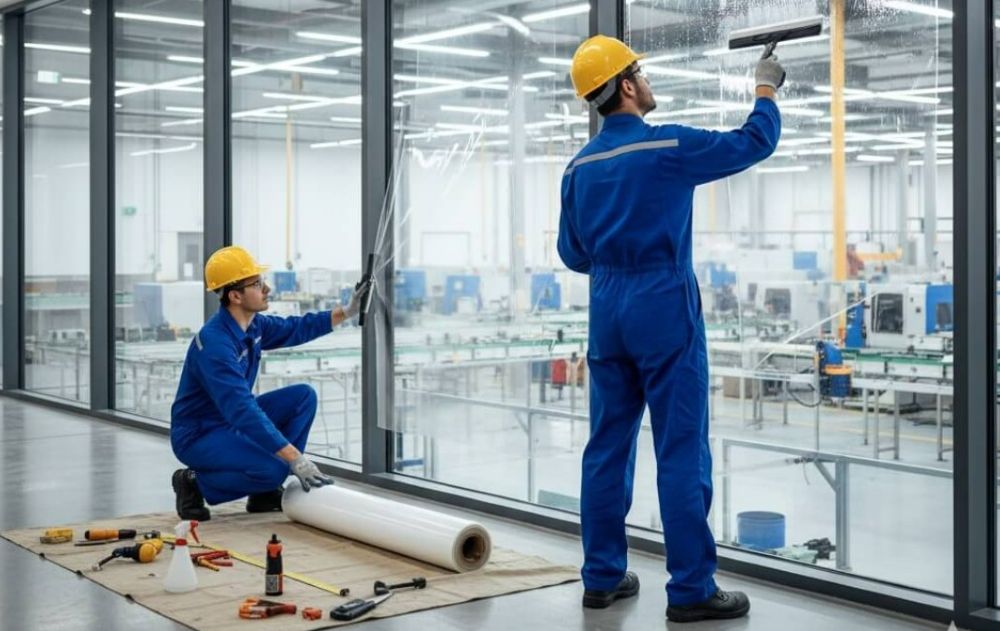
- Minimal Disruption: Window replacement involves contractors, potential structural work, and significant disruption to daily operations or home life. Film application is quick, clean, and causes minimal inconvenience, allowing businesses to continue operating and homeowners to maintain their routines.
- Rapid Installation: A team can install film on numerous windows in a fraction of the time it would take to replace just one or two windows, translating into higher project volume and efficiency for the franchisee.
- Customizable Solutions: Films offer a modular approach. A client might only need UV protection for one area, security for another, and energy efficiency for all windows. Films allow for tailored solutions without the ‘one-size-fits-all’ cost of replacement.
- Sustainability: Retrofitting with film extends the life of existing windows, reducing waste and the environmental impact associated with manufacturing and transporting new glass units.
This powerful economic argument positions advanced window films as the intelligent, practical, and highly profitable solution for enhancing virtually any tempered glass installation, creating a robust and scalable business opportunity in window film installation.
The CoolVu Advantage: Elevating Tempered Glass with Proprietary Film Technology for Unrivaled Performance
While tempered glass provides a foundational level of safety and resilience, its inherent properties often fall short of modern demands for advanced performance. This gap represents a significant market opportunity, which CoolVu addresses through its proprietary film technology. We don’t just work with glass, we transform it, enhancing its capabilities across multiple critical dimensions and creating new value propositions for property owners and a robust business for CoolVu franchisees.
CoolVu’s Scientific Edge: Applying Advanced Materials for Superior Glass Performance
CoolVu’s product development is rooted in advanced materials science, leveraging cutting-edge polymer technology, sophisticated multi-layer construction, and innovative adhesive systems. These proprietary formulations allow our films to perform tasks that standard glass simply cannot, from dynamic light control to advanced thermal regulation and impact resistance. This scientific advantage translates directly into a superior offering for customers and a competitive edge for CoolVu franchisees who can confidently present solutions backed by genuine technological innovation.
Comprehensive Protection: CoolVu Security Film and Shatterproof Glass Enhancement
Tempered glass is designed to break safely, but CoolVu security film takes that protection a significant step further. Our specialized films bond powerfully to the glass surface, holding shattered fragments securely in place upon impact.
This dramatically enhances resistance to forced entry, mitigates injury from flying glass shards during accidents or natural disasters, and provides crucial containment, turning a vulnerability into a resilient barrier. For businesses and homeowners, this translates to improved safety, security, and peace of mind, delivering true shatterproof glass capabilities.
The Invisible Shield: CoolVu Solutions for Maximum UV Protection and Fade Prevention
Harmful ultraviolet (UV) radiation is a silent destroyer of interiors, causing furniture, flooring, artwork, and merchandise to fade and degrade over time. CoolVu films act as an invisible shield, blocking up to 99% of damaging UV rays without significantly altering visible light. This critical function provides comprehensive UV protection, safeguards valuable assets within a property, extends the lifespan of furnishings, and contributes to a healthier indoor environment, presenting a clear and compelling value proposition to clients.
Smart Energy Management: Achieving Peak Efficiency with CoolVu Architectural Films
Energy costs are a perpetual concern for both commercial and residential property owners. CoolVu architectural films are engineered for smart energy management, significantly reducing heat gain during warmer months and heat loss in colder seasons. By controlling solar radiation and improving insulation, these films minimize the strain on HVAC systems, leading to substantial reductions in energy consumption and utility bills. Franchisees provide a tangible, measurable return on investment, making energy efficiency solutions a highly sought-after service.
Beyond Aesthetics: Anti-Graffiti Film and Architectural Finishes for Property Value
The benefits of CoolVu films extend well beyond performance, encompassing aesthetic enhancement and practical maintenance. Anti-graffiti film provides a sacrificial layer that protects glass surfaces from etching, scratching, and tagging, allowing for cost-effective replacement of the film rather than the entire pane of glass. Furthermore, our architectural finishes offer creative solutions for privacy, decorative accents, and branding, transforming plain glass into design elements that enhance property value and appeal without costly renovations.
CoolVu’s Installation Expertise: Ensuring Flawless Application and Lasting Results
The quality of an advanced film solution is only as good as its installation. CoolVu prides itself on meticulous window security film installation standards, ensuring every application is flawless, bubble-free, and adheres perfectly for maximum longevity and performance. Our comprehensive training programs equip franchisees with the expert techniques and specialized tools required to achieve these exacting standards. This commitment to professional installation is a cornerstone of the CoolVu brand, guaranteeing customer satisfaction and safeguarding the integrity of our advanced products.
From Technical Insight to Thriving Enterprise: Building Your Business with CoolVu’s Proven System
The sophisticated capabilities of CoolVu’s film technologies translate directly into a robust and scalable business opportunity. Our proven system bridges the gap between complex material science and profitable service delivery, empowering entrepreneurs to capitalize on the growing demand for glass enhancement solutions. This is where technical knowledge becomes the foundation of a thriving enterprise, guided by CoolVu’s comprehensive franchise model.
The CoolVu Business Model: Translating Technical Knowledge into Profitable Services
The CoolVu business model is designed to convert the intrinsic value of our advanced film technologies into tangible, profitable services. CoolVu franchisees don’t just sell products, they offer solutions to common and often costly problems faced by homeowners and businesses. This includes energy inefficiency, security vulnerabilities, UV damage, and aesthetic limitations. By understanding the science behind the films, franchisees are equipped to diagnose client needs accurately and propose targeted, high-value applications. This approach fosters trust and builds a diverse portfolio of services, from residential window tinting to large-scale commercial security film upgrades.
Empowering Franchisees: Training, Support, and Leveraging Industry Expertise
CoolVu’s commitment to franchisee success is manifested through an unparalleled system of training and ongoing support. New franchisees receive intensive hands-on and theoretical training, covering everything from product knowledge and installation techniques to sales strategies, marketing, and operational management. This foundational education rapidly transforms individuals with varied backgrounds into industry experts. Beyond initial training, franchisees benefit from continuous support, access to a network of peers, and leveraging CoolVu’s collective industry expertise, ensuring they remain at the forefront of the market.
Becoming a Solution Provider: Diagnosing Client Needs and Offering Tailored CoolVu Solutions
A key differentiator for CoolVu franchisees is their role as solution providers rather than mere product vendors. This involves developing the ability to effectively diagnose client needs through active listening and site assessments. Whether a client is struggling with excessive heat gain, security concerns, privacy issues, or fading interiors, the CoolVu franchisee is trained to identify the root cause and propose the most appropriate film solution from our diverse product line. This consultative approach builds strong client relationships and positions the franchisee as a trusted advisor in glass enhancement.
Marketing Your Edge: Positioning CoolVu as the Authority in Glass Enhancement
CoolVu provides franchisees with robust marketing tools and strategies designed to highlight their competitive edge and position them as the definitive authority in glass enhancement. This includes branding guidelines, digital marketing support, local advertising templates, and public relations guidance. By consistently communicating the unique benefits of CoolVu’s proprietary technology and the expertise of its certified installers, franchisees can effectively educate their local market, differentiate themselves from competitors, and attract a steady stream of inquiries and projects.
Scaling Your Success: Growth Strategies within the Advanced Window Film Market
The advanced window film market offers significant opportunities for growth, and CoolVu’s system is designed to help franchisees scale their success. Strategies include expanding into new service offerings such as smart home integration or specialized commercial applications, penetrating untapped geographic territories, and cultivating repeat business through exceptional service and maintenance programs. The inherent versatility of CoolVu products, coupled with ongoing innovation, ensures that franchisees have a continuous pipeline of high-demand solutions, allowing them to build a thriving and expanding enterprise within a dynamic and profitable industry.
Conclusion: Your Pathway to Expertise and Profitability in the Advanced Glass Solutions Market
Recapping the Core Argument: Tempered Glass as a Starting Point, Not the Destination
Throughout this discussion, we’ve established the fundamental role of tempered glass. Its inherent strength and safety characteristics make it a cornerstone in modern construction, providing vital protection against impacts and thermal stress. However, as valuable as tempered glass is, it represents merely a foundational layer, a starting point in addressing the full spectrum of challenges and demands placed on glass surfaces today. It offers essential safety, but it does not inherently provide comprehensive energy efficiency, advanced security, or specific aesthetic enhancements. These additional needs define the true landscape of the contemporary glass solutions market, extending far beyond the basic properties of the glass itself. The benefits of tempered glass are significant, but they are just the beginning.
The Unmissable Opportunity: Why Advanced Films are the Future of Glass Solutions
The limitations of untreated tempered glass reveal a significant market opportunity, one that advanced window and surface films are uniquely positioned to address. These innovative film technologies transform ordinary glass into high-performance assets, solving critical problems for both commercial and residential clients. This enhancement capability is why advanced films are rapidly becoming the future of glass solutions, creating a lucrative space for knowledgeable entrepreneurs.
Consider the diverse benefits these films provide:
- Enhanced Security: Beyond fragmentation prevention, certain films offer an additional layer of resistance against forced entry and ballistic impacts, crucial for protecting property and occupants. This means true security film.
- Superior Energy Efficiency: Films can drastically reduce heat gain and loss, lowering energy consumption and utility bills for building owners.
- UV Protection: They block up to 99% of harmful UV rays, protecting interiors from fading and safeguarding occupants’ health.
- Increased Privacy & Aesthetics: From decorative patterns to one-way visibility films, these solutions offer tailored privacy and design flexibility without compromising natural light.
- Glare Reduction: Films can significantly cut down on uncomfortable glare, improving comfort and productivity in offices and homes.
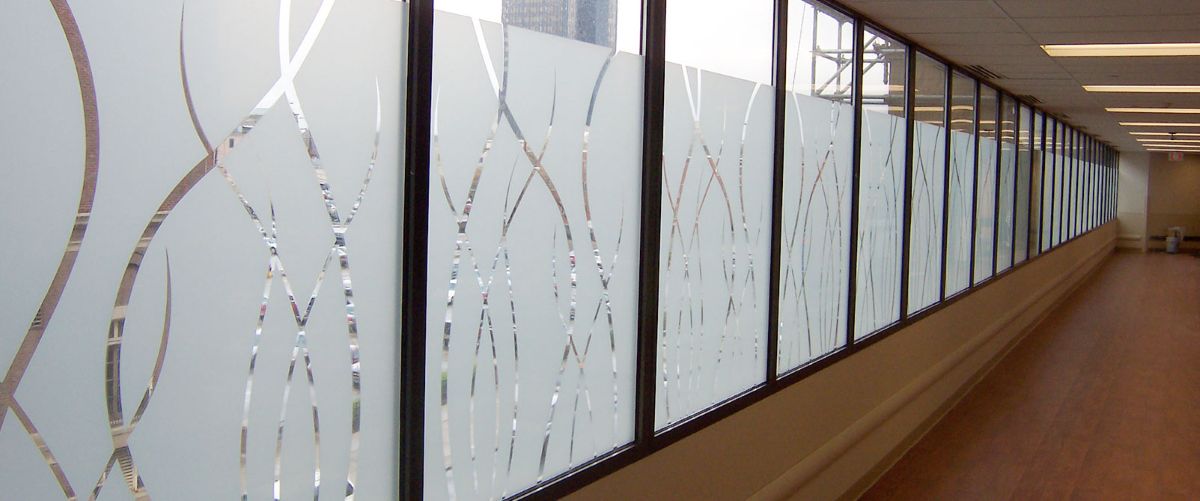
This comprehensive problem-solving capacity means advanced films convert existing glass, including tempered glass, into intelligent, multifunctional surfaces. This isn’t just about adding a product, it’s about upgrading an entire system, creating immense value and demand.
Your Next Step: Embracing the CoolVu Franchise for a Future-Proof Business
For the visionary entrepreneur, recognizing this paradigm shift from basic glass to advanced surface solutions is key. The transition from merely understanding tempered glass to mastering its enhancement with cutting-edge films marks the pathway to a truly future-proof business. This is precisely where the CoolVu franchise model offers an unparalleled advantage. CoolVu provides the proven system, the advanced product portfolio, and the comprehensive training necessary to capitalize on this expansive market. You gain access to proprietary film technologies and installation methodologies, positioning you as a leader in offering solutions that go beyond basic glass performance. This turn-key approach empowers you to meet a wide array of customer needs effectively, from enhancing security in commercial buildings to boosting energy efficiency in residential properties, all while operating within a supportive and established framework.
Final Thoughts: The Value of Vision, Expertise, and a Proven System
Ultimately, success in the modern glass solutions market hinges on more than just acknowledging material properties, it requires a strategic vision, deep expertise, and a reliable system for execution. The market demands solutions that offer more than basic safety, it seeks security, efficiency, comfort, and aesthetic refinement, all delivered through advanced surface technologies. By aligning with CoolVu, you not only gain access to these leading-edge solutions but also integrate into a business model that provides the expertise and the proven system to transform market needs into scalable profitability. This represents a significant opportunity for entrepreneurs ready to lead in an evolving industry.
Frequently Asked Questions
What are the primary benefits of tempered glass?
The primary benefits of tempered glass include its enhanced strength (four to five times stronger than annealed glass), superior impact resistance, and its unique safety characteristic of shattering into small, blunt fragments instead of sharp shards, minimizing injury risk. It also offers better resilience against thermal stress.
How does window safety film enhance the performance of tempered glass?
Window safety film bonds to the surface of tempered glass, creating a microscopic layer that dramatically increases its integrity and impact dispersion. If the glass breaks, the film holds the shattered fragments securely in place, preventing dangerous projectiles, delaying forced entry, and maintaining the building envelope during severe weather or accidents.
What are the key differences between tempered glass vs laminated glass?
Tempered glass is a single pane treated with heat to increase strength and safety (shatters into small pieces). Laminated glass consists of two or more panes bonded by an interlayer (typically PVB) that holds fragments together when broken. While both offer safety, retrofitting existing tempered glass with film is often a more cost-effective and less disruptive alternative to replacing windows with laminated glass for security and performance upgrades.
Can CoolVu films improve the energy efficiency of existing windows?
Yes, CoolVu architectural films are specifically engineered to improve energy efficiency. They control solar radiation by reflecting heat in warmer months and reducing heat loss in colder seasons, thereby minimizing the workload on HVAC systems and leading to significant savings on utility bills.
How do CoolVu anti-graffiti films protect glass surfaces?
CoolVu anti-graffiti films act as a sacrificial layer applied to glass surfaces. They protect against etching, scratching, and tagging. If the glass is vandalized, only the film needs to be removed and replaced, which is a much more cost-effective solution than replacing the entire glass pane.
The opportunity is not in replacing glass.
The opportunity is in transforming it.
Learn more at www.coolvu.com
MORE POSTS:
- Blackout Film for Business – How durable, commercial-grade films deliver reliable privacy, protection, and operational control.
- Why Standard Windows Are a Hidden Business Risk – How unprotected glass exposes businesses to theft, damage, and costly operational disruption.
- Diachroic Film as a Design Tool – It delivers the look of dichroic glass with flexible, affordable applications for modern architectural design.