Table of Contents
- Introduction to Solar Film for Windows
- Understanding Solar Window Film Technology
- Types and Applications of Solar Film
- Selection and Installation Process
- Common Challenges and Solutions
- Conclusion and Next Steps
- Frequently Asked Questions
Introduction to Solar Film for Windows
Solar film for windows is a thin laminate applied to existing glass that blocks harmful UV rays and reduces heat gain, offering a cost-effective alternative to full window replacement. This retrofit solution addresses the core concerns of high energy costs, fading interior furnishings, and uncomfortable indoor temperatures without major construction.
This guide covers residential and commercial building applications—homes, offices, and storefronts—excluding automotive tinting. The target audience includes homeowners seeking comfort improvements, building managers responsible for energy efficiency, and property developers looking to enhance occupant satisfaction while reducing operational costs. Whether you’re dealing with hot spots near south-facing windows or watching your furniture fade from sun exposure, solar film for windows provides a practical solution. A wide variety of products are available, making it important to choose the right option for your needs.
Direct answer: Quality solar film blocks 50-99% of heat and UV rays while maintaining visibility, with premium options achieving up to 80% total solar energy rejection and 99% UV protection.
Key outcomes you’ll gain from this guide:
- Understanding how different films achieve energy savings through heat rejection
- Clarity on which film type matches your specific needs and budget
- Knowledge to compare performance metrics when making your selection
- Practical solutions to common installation and performance challenges
- Confidence to take actionable next steps toward improved comfort
Understanding Solar Window Film Technology
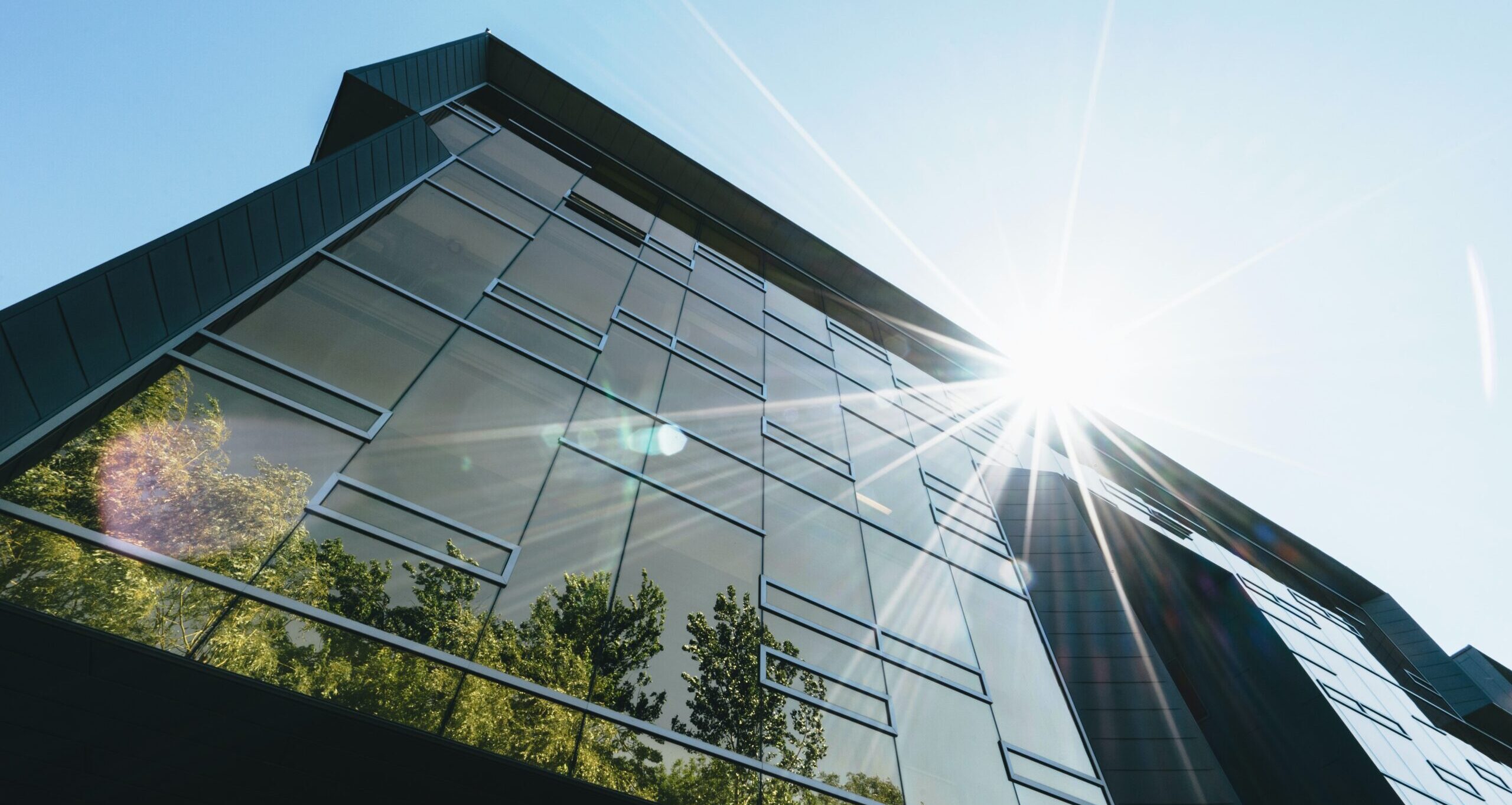
Solar window film works by controlling how solar energy interacts with your glass, using reflection, absorption, and spectral selectivity to reduce heat transfer while letting natural light pass through. Understanding these mechanisms helps you choose films that deliver the performance your space requires and stays effective over the long term.
Heat Rejection Properties
Solar radiation consists of three components: ultraviolet light (causing fading and skin damage), visible light (what you see), and infrared radiation (carrying most of the heat). Films reduce heat gain through two primary mechanisms: reflection bounces infrared energy back outside before it enters, while absorption captures heat within the film where it partially dissipates to the exterior.
Advanced films use spectral selectivity to block specific wavelengths—particularly infrared—while allowing visible light through. This technology enables high heat rejection without making rooms excessively dark. Performance metrics to compare include Total Solar Energy Rejected (TSER), which measures the percentage of all solar energy blocked, and Solar Heat Gain Coefficient (SHGC), where lower values indicate better heat blocking. Premium spectrally selective films achieve TSER values in the 60-80% range, translating directly to reduced cooling costs during summer months.
UV Protection Capabilities
High-quality solar window film blocks 99% or more of harmful UV rays, including both UVA (which penetrates deeply causing fading and skin damage) and UVB radiation. UV absorbers integrated into the film’s polyester layer provide this protection across wavelengths up to 380-400 nanometers.
This UV blocking capability protects interior furnishings—fabrics, wood floors, carpets, and artwork—from premature fading and degradation. The safety benefits extend to occupants as well, reducing UV exposure that contributes to skin damage. For rooms with valuable furnishings or significant sun exposure, this protection alone often justifies the investment.
Light Transmission Levels
Visible Light Transmission (VLT) measures the percentage of light passing through the film and glass combination, ranging from around 15% (very dark) to 80% or higher (nearly clear). Your selection significantly impacts the interior experience: higher VLT maintains natural daylighting and open views, while lower VLT increases privacy and reduces glare but creates darker spaces.
The Light-to-Solar-Heat Gain Ratio (LSG) indicates how efficiently a film balances light transmission against heat blocking. Spectrally selective films achieve LSG values above 1.0, meaning they let in more light relative to heat—a sign of advanced performance. Films with LSG around 1.2 or higher represent the premium tier, offering bright interiors without the heat penalty.
Understanding these technical foundations prepares you to evaluate the distinct film types available for your windows.
Types and Applications of Solar Film
Building on these technology basics, three main categories of solar film offer different balances of heat rejection, appearance, and functionality. Your selection depends on which trade-offs align with your priorities for comfort, aesthetics, and privacy. Each type offers a different way to manage solar heat and glare.
Reflective Solar Films
Reflective films incorporate metallized coatings—typically aluminum—that create a mirror-like exterior appearance and deliver maximum heat rejection. These films reflect infrared radiation before it penetrates the glass, achieving heat rejection rates exceeding 80% with glare reduction up to 90%.
The mirror effect provides excellent daytime privacy since the exterior appears brighter than the interior. However, this reverses at night when interior lights are on, making the inside visible from outside.
Best applications include commercial façades, large office buildings, and south or west-facing windows in hot climates where appearance restrictions don’t apply. The high exterior reflectance may conflict with homeowner association guidelines or desired aesthetics in residential settings.

Dual-Reflective Films
Dual reflective films solve the interior visibility concern by engineering asymmetric reflectivity: more reflective from the outside, less reflective inside. This design maintains exterior heat rejection and daytime privacy while providing clearer interior views without the hall-of-mirrors effect some occupants find uncomfortable.
The balanced reflectivity also improves nighttime privacy compared to standard reflective films, though it doesn’t eliminate the physics of light transmission entirely. These films work well for residential windows facing streets or neighbors, offering privacy throughout the day without sacrificing the view from inside. Heat rejection remains strong—typically moderate to high—making them versatile for various climate conditions.
Neutral and Spectrally Selective Films
Neutral films avoid pronounced tinting or mirror effects, using dyed, carbon, or ceramic materials to achieve a subtle appearance. Spectrally selective films represent the premium tier, using nano-ceramic or optical thin-film technology to block infrared and UV selectively while allowing maximum visible light transmission.
Performance specifications illustrate this capability: some spectrally selective films transmit 65-70% of visible light while rejecting 85-88% of infrared radiation. This combination delivers heat rejection comparable to darker films without the associated light loss. These films excel in spaces prioritizing natural daylighting, architectural aesthetics, or situations where darker films would require additional artificial lighting.
| Film Type | Best For | Key Trade-off |
|---|---|---|
| Reflective | Maximum heat rejection, commercial applications | Mirror appearance, nighttime privacy loss |
| Dual-Reflective | Balanced privacy with clear interior views | Moderate cost increase over standard reflective |
| Spectrally Selective | Natural light with high heat rejection | Highest cost tier |
With this understanding of options, the selection process becomes a matter of matching specifications to your specific requirements.
Selection and Installation Process
Choosing appropriate solar film requires evaluating your specific situation against available options, then ensuring proper installation to achieve the performance you expect. This process involves both technical matching and practical considerations.
Film Selection Criteria
Several factors determine which film delivers the best results for your application:
- Climate and sun exposure: Hot climates or windows receiving direct sun demand higher infrared rejection rates. Consider seasonal variation—spectrally selective films may provide better year-round performance by allowing some beneficial solar heat gain during winter while blocking excess summer heat. The size of the window area can also influence overall performance and energy savings.
- Window orientation: South and west-facing windows receive the most intense solar exposure in the Northern Hemisphere. Prioritize high-performance films for these exposures; north-facing windows may need only UV protection and glare reduction.
- Privacy requirements: Evaluate both daytime and nighttime visibility. Reflective films excel during the day but reverse at night. Dual reflective or neutral options provide more consistent privacy. Existing landscaping or window treatments may supplement film performance.
- Aesthetic preferences: Mirror-like appearances don’t suit every architectural style or neighborhood. HOA restrictions may limit exterior reflectance. Interior appearance matters too—some occupants dislike looking through tinted or reflective surfaces.
- Budget and long-term value: Basic dyed films cost less initially but may fade or degrade within 3-5 years. Ceramic and spectrally selective films carry higher upfront costs but maintain performance for 10-20 years with appropriate warranties. Calculate cost per year of effective performance, not just purchase price.
Performance Comparison
This comparison helps you evaluate options across the metrics that matter most:
| Performance Metric | Reflective | Dual Reflective | Neutral/Carbon | Ceramic/Spectrally Selective |
|---|---|---|---|---|
| Heat Rejection | Very High (70-90%) | High (55-75%) | Moderate (40-60%) | Very High (60-85%) |
| Visible Light Transmission | Low-Moderate (20-50%) | Moderate (30-60%) | Moderate-High (50-80%) | High (50-80%) |
| UV Blocking | ~99% | ~99% | ~99% | ~99%+ |
| Exterior Reflectance | High (mirror effect) | Moderate | Low | Very Low |
| Daytime Privacy | Excellent | Good | Low-Moderate | Good |
| Nighttime Privacy | Poor | Better | Good | Good |
| Signal Interference | Possible | Possible | None | None |
| Typical Warranty | 10-15 years | 10-15 years | 5-10 years | 15-20+ years |
When interpreting this data, consider that spectrally selective films often deliver the heat rejection of reflective films with the appearance and light transmission of neutral films—explaining their premium positioning. For most residential applications balancing performance, aesthetics, and longevity, ceramic or spectrally selective options offer the strongest overall value despite higher initial investment. Many homeowners around the world trust these advanced films for long-term performance.
Professional installation ensures proper surface preparation, precise cutting, complete moisture removal, and appropriate curing time. While DIY kits exist, professional installers bring experience that prevents common defects and typically offer warranties contingent on proper installation.
Common Challenges and Solutions
Even quality films installed correctly can present challenges. Understanding these issues helps you prevent problems or address them effectively if they occur.
Bubbling and Peeling
Bubbles and peeling typically result from trapped debris, inadequate glass cleaning, moisture remaining under the film, or poor-quality adhesives degrading under heat exposure. Professional installation with thorough surface preparation, controlled environmental conditions, and premium films with quality adhesives prevents most occurrences. If bubbling appears shortly after installation, contact your installer—it may indicate a defect covered under warranty. Some small bubbles during the initial curing period (1-3 weeks) are normal and should disappear as moisture evaporates.
Nighttime Privacy Loss
The physics of light transmission means any transparent or reflective film allows interior visibility when interior lighting exceeds exterior light levels.
For spaces requiring evening privacy, select dual reflective films with balanced reflectivity rather than standard reflective options. Neutral films with lower VLT provide more consistent privacy across conditions.
Supplementing film with interior blinds or curtains offers complete control—close them in the evening for full privacy while enjoying film benefits during the day.

Excessive Interior Darkness
Overly dark rooms result from selecting films with VLT too low for the space’s lighting needs. Before committing, request sample swatches to evaluate appearance in your actual windows at different times of day. Consider applying high-performance, lower-VLT films only to windows with the most severe heat or glare problems while using higher-VLT options elsewhere. Spectrally selective films specifically address this challenge, providing strong heat rejection without proportional light reduction.
These solutions demonstrate that proper film selection—matched to your specific needs and conditions—prevents most issues before they occur.
Conclusion and Next Steps
Solar window film delivers measurable benefits: energy savings of up to 30% on cooling costs, 99% UV protection for your interior furnishings, reduced glare for improved comfort, and enhanced privacy—all without the disruption and expense of window replacement. The technology has matured significantly, with ceramic and spectrally selective options now offering high performance without the drawbacks of earlier metallized films. Manufacturers continue to develop new solutions, and the industry remains proud of the advances made in film technology.
Take these immediate steps to move forward:
- Measure your windows and note their orientation to determine which receive the most sun exposure
- Assess your primary goals—heat reduction, UV protection, privacy, glare control—to guide film type selection
- Request quotes from professional installers, asking for samples you can evaluate in your actual windows
- Compare warranties, ensuring they cover the performance metrics most important to your application
- Check HOA guidelines or building codes for any restrictions on exterior reflectance
Related topics to explore include full window replacement considerations for single-pane or damaged windows, low-E glass options for new construction, and seasonal energy audits to identify additional efficiency opportunities throughout your home or building. If you found this guide helpful, subscribe for updates and comment with your questions about solar window film.
Frequently Asked Questions
How long does solar film last on windows?
Premium ceramic and spectrally selective films typically last 15-20 years with warranties to match. Quality carbon films maintain performance for 10-15 years. Basic dyed films may degrade within 3-5 years, showing fading, discoloration, or reduced effectiveness. Proper installation and maintenance significantly impact longevity.
Can I install solar film myself?
DIY installation is possible with available kits, but risks include trapped dust creating bubbles, moisture preventing proper adhesion, poor edge sealing leading to peeling, and misalignment affecting appearance. Professional installation costs more initially but typically delivers better results and includes warranty protection. For large areas or premium films, professional installation usually proves more cost-effective long-term. Watching a video demonstration before installation can help you understand the process.
Will solar film void my window warranty?
Possibly. Adding film to factory-coated glass (such as low-E windows) may increase thermal stress. Some window manufacturers specify compatible films or void warranties if film contributes to seal failure or glass cracking. Check your window warranty documentation and consider contacting the manufacturer before installation. Many film manufacturers also provide compatibility guidance.
How much can I save on energy bills?
Savings depend on climate, sun exposure, existing window performance, and building insulation. In hot climates with significant solar exposure, quality films can reduce cooling costs by 10-30%. A building with large west-facing windows in Phoenix will see greater savings than a similar building in Seattle. Professional energy auditors can estimate savings specific to your situation.
Does solar film work in winter?
Yes, though the primary benefit shifts. Films continue blocking UV rays and reducing glare year-round. Spectrally selective films allow visible light (and some solar heat) through, supporting passive solar heating while still providing protection. Heat loss through windows relates more to the glass U-value than film properties, though some films offer modest insulating benefits.
Can solar film be removed without damaging windows?
Generally, yes, when removed carefully using proper techniques. The process involves softening the adhesive (often with heat or ammonia solutions), peeling the film slowly, and cleaning residual adhesive. Film left in place for many years may become brittle, complicating removal. Tempered glass requires extra caution. Professional removal services exist for challenging situations or large-scale projects.