Summer heat, sharp glare, and rising energy bills have made ordinary windows feel like weak spots in many homes, offices, and vehicles. Photochromic technology offers a smarter way to manage sunlight without constantly reaching for blinds.
Table of Contents
- Introduction
- How Photochromic Film Works
- Key Benefits
- Limitations
- Applications
- Installation & Care
- Photochromic vs Traditional Tint
- FAQs
- Why Choose Our Photochromic Solutions
- Conclusion
Introduction: What Is Photochromic Window Film and Why It Matters Now
Between 2023 and 2025, heat waves across North America and Europe made cooling costs harder to ignore. When sunlight pours through windows, rooms can overheat, glare can make screens unusable, and air conditioning may run longer than expected.
Photochromic window film is a self-tinting window film that darkens in strong sunlight and stays clearer in low light. Photochromic window tint uses light-responsive technology to provide automatic adjustment without manual adjustments, electricity, apps, or electrical wiring.
The main benefits are simple: reduce glare, UV protection, heat control, and better energy efficiency while preserving natural light. Quality photochromic films block over 99% of harmful UV rays, and photochromic window tint blocks over 99% of UV rays for both occupants and furnishings. This article covers how it works, pros and cons, applications, installation, and care so you can decide whether it fits your home, office, or car.
How Photochromic Window Film Works
Photochromic film contains molecules that react to sunlight. Modern versions often combine photochromic molecules with nano-ceramic layers, adhesive systems, and protective coating technology developed to improve clarity, durability, and heat performance.
Photochromic window film darkens in response to UV light exposure. More specifically, ultraviolet radiation in the 380–400nm range helps trigger the chemical reaction that changes the molecular structure and increases tint. When UV exposure decreases, the tint gradually lightens.
This transition is reversible and can happen thousands of times per year. Some products can move from about 75% light at night to 20% dark during the day, or roughly 70–75% visible light transmission when clear to 15–20% when dark. The exact result depends on intensity, sun angle, glazing type, outdoor temperature, and whether the glass is single, laminated, or insulated.
Automatic Adjustment to Light Conditions
Think of photochromic tint as having a built-in sun sensor. It automatically adjusts to external light conditions, darkening on a sunny day and becoming clearer at dusk, in shade, or on cloudy days.
The transition time for darkening can take from 30 seconds to a few minutes, with a fuller transition often taking 5–15 minutes depending on the model and sun intensity. The film provides automatic adjustment based on light conditions, so visibility and more comfort are maintained throughout the daytime.
Because the film is completely passive and does not require electrical wiring, it is easy to use in various settings. For night privacy, many customers still pair photochromic tint with curtains or blinds.
Reduce Glare Without Losing Your View
Photochromic films provide glare reduction, limiting harsh sunlight and eye strain. In a west-facing home office, for example, afternoon glare that once made a laptop screen unreadable can be softened without closing blackout curtains.
This matters because photochromic window tint reduces glare, improving comfort indoors. It becomes more aggressive in harsh sun and lighter when cloudy, so the room does not feel like a cave.
It is especially useful for large south- or west-facing glass, conservatories, storefronts, and doors where visibility, product images, and outdoor views still matter.
UV Protection and Interior Preservation
Quality photochromic window film blocks over 99% of UV rays across tint states. Photochromic films can block over 99% of UV rays, not only when the film is fully dark.
That protection helps protect interiors from fading caused by UV rays. Hardwood floors, carpets, artwork, leather seating, retail displays, and other stuff exposed to sunlight are less likely to suffer sun damage and UV damage. HOHOFILM window film blocks 99% of UV rays, and high-grade photochromic tints provide UV protection for occupants and furnishings.
This also supports safety and comfort for skin and eyes, especially for people sitting near windows daily. UV blocking works year-round because UV rays can remain strong even on overcast days.
Heat Control and Energy Efficiency
Photochromic window tint reduces heat buildup indoors, and photochromic tint can reduce heat buildup significantly in bright rooms. Many mid-range solar films reject roughly 40–60% of total solar energy, though exact performance depends on the film series.
By cutting heat gain, the film helps maintain indoor temperature without excessive air conditioning. In sun-exposed rooms, users may notice the space stays cool more easily; field-style results for solar films commonly point to 3–5°C, or 5–9°F, improvements in difficult rooms. Research on adaptive films has also shown cooling-energy savings in the 10–14% range in some high-glass, cooling-dominant buildings (ScienceDirect).
In winter, some tints improve energy efficiency by reducing heating costs in winter through added insulation and better radiant heat retention. Still, energy saving works best with efficient HVAC, good insulation, and smart building habits.
Key Benefits of Photochromic Window Tint
People choose photochromic window tint because it balances comfort, privacy, protection, and appearance better than many static products. It enhances privacy by darkening windows in sunlight, and the transition properties allow for privacy without completely obstructing views.
Here are the main advantages:
- Comfort and glare control for work, reading, and TV.
- UV and heat protection for people and interiors.
- Privacy and appearance, especially because photochromic window film darkens in sunlight for daytime privacy.
- Energy savings, because photochromic window tint improves energy efficiency in buildings.
- Low-maintenance operation with no switches or sensors.
Photochromic film also reduces visibility from outside while allowing views from inside. For homeowners, that means a brighter room with less glare. For office managers, it means fewer complaints near exposed glass. For retail owners, it protects displays. For automotive drivers, it can improve the driving experience by reducing glare and heat.
Limitations and Considerations Before You Buy
Photochromic technology is useful, but it is not magic. It responds to sunlight, so shaded courtyards, deep overhangs, trees, or heavily cloudy weather may keep the film from reaching maximum dark performance.
Temperature also matters. In cold winter conditions, the transition can be slower, and the film may take longer to lighten after the sun fades.
Cost is another factor. Photochromic tint usually costs more than standard dyed or metallic window tint because the chemistry and multi-layer construction are more complex.
There may also be legal or code limits. Automotive window tint rules often restrict darkness on windshields and front side glass, and commercial facades may have requirements for reflectivity, visibility, or safety. Not every glass type is suitable either; some laminated, triple-pane, or specialty glazing should be checked first to avoid thermal stress or warranty problems.
Best Applications for Photochromic Film in 2026
Photochromic films have moved from niche to practical retrofit technology. They are applicable directly onto existing glass surfaces, making them attractive for upgrades without replacing windows.
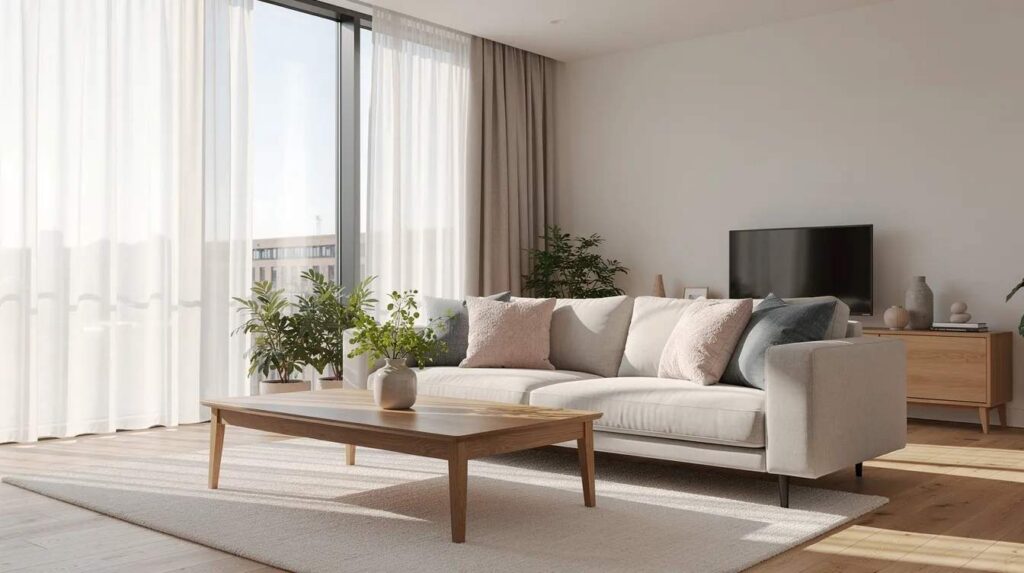
In homes, the best locations are living rooms, sunrooms, home offices, and large patio doors where people want natural light without excess heat. In offices, conference rooms, clinics, coworking spaces, and street-facing glass benefit from comfort and privacy.
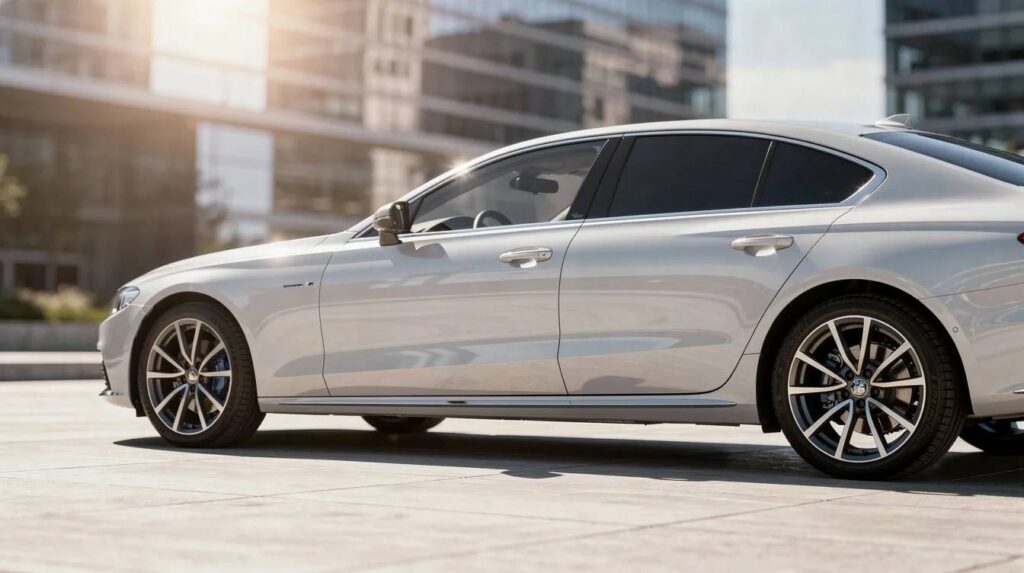
For automotive use, side and rear glass can improve comfort, visibility, and glare control, as long as local rules are followed. Photochromic film also enhances privacy in high-traffic areas. Hot-summer regions such as the U.S. Southwest, southern Europe, and coastal Australia often see the strongest return.
Installation, Maintenance, and Longevity
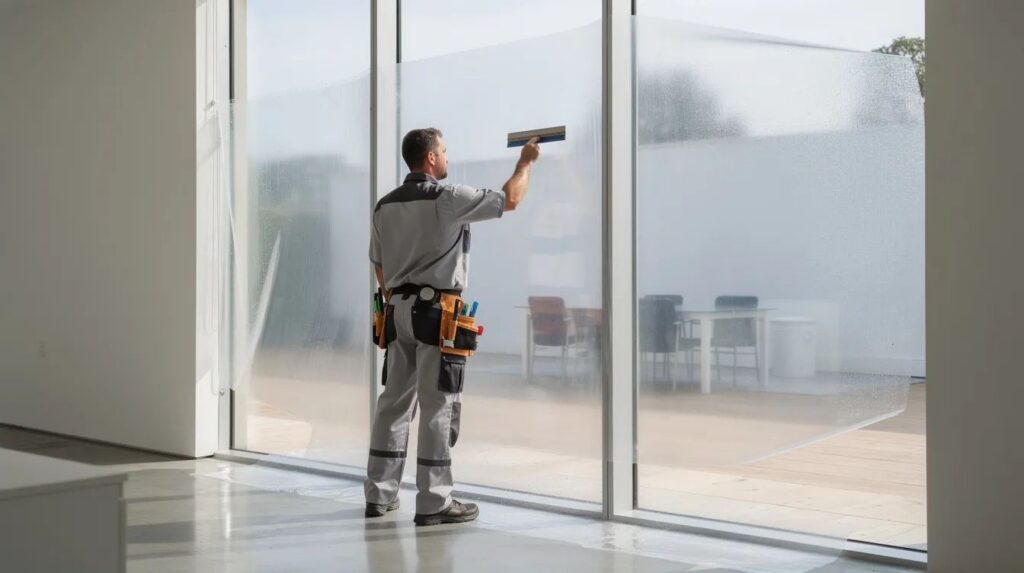
Professional film installation is recommended for optimal performance. Photochromic tints can be more challenging to install than standard tints because the film is layered, sensitive to handling, and must bond cleanly to the glass.
A proper installation usually includes:
- Site assessment and glass compatibility test
- Glass inspection for scratches, chips, or old film
- Measuring and cutting the film
- Wet application
- Squeegeeing to remove moisture and bubbles
- Edge finishing
- Curing time
DIY installation can take 1-2 hours for most windows, but improper installation can lead to bubbling or peeling. Most curing takes several days to a couple of weeks, depending on climate, room conditions, and glass size.
For care, use mild soap, water, and a soft microfiber cloth. Avoid abrasive pads, ammonia cleaners, and razor blades. Photochromic window tint can last over 10 years with proper care, and quality photochromic window tint can last 8–15 years depending on exposure, product quality, and installation. Many residential warranties are around 7–10 years.
Photochromic vs Traditional Window Tint
Both film types can provide protection, but they behave differently. Traditional tints maintain a fixed level of opacity. Traditional tints do not adjust to changing light conditions, which means they may feel too dark on cloudy days and not dark enough at noon.
Photochromic tints adjust darkness based on UV exposure. Photochromic tints provide dynamic protection and comfort because they are clearer in low light and darker in bright sun.
Decision snapshot: choose photochromic if you want automatic adjustment, privacy, and flexible comfort. Choose static tint if your budget is tight, your light conditions rarely change, or you need a specific fixed VLT for code reasons.
Frequently Asked Questions About Photochromic Window Film
How is photochromic tint different from regular window tint?
Regular tint stays the same all day. Photochromic tint changes with UV exposure, giving variable shade, glare control, and privacy.
How long does photochromic window tint last?
Photochromic window tint can last over 10 years with proper care. Better products and professional installation usually deliver longer durability.
Can it be installed on any glass?
Many windows are compatible, including tempered and some double-glazed units. Laminated, coated, or specialty glazing should be checked first.
Is it legal for automotive use?
Sometimes. Automotive laws vary, and the tint must comply in both light and dark states.
How much does it cost?
A small residential project, such as one 3×5 ft window, may cost from tens to over one hundred dollars depending on film and labor. A full car costs more because curved glass and durability demands increase installation complexity.
Can the film be removed?
Yes. Professionals use heat and adhesive removal methods to protect glass, defroster lines, and interior trim.
Does it work with smart homes?
Yes, but it does not need them. Photochromic window film is passive and can complement shades, sensors, or thermostats.
Why Choose Our Photochromic Window Film Solutions
We focus on matching the right choice of film to your glass, climate, and goals. Our process includes compatibility checks, help selecting the right VLT range, and clear upfront pricing before the project begins.
Our installers use precise cutting, clean application, careful edge finishing, and post-installation support for care and warranty questions. While photochromic film is a premium option, correct specification and installation can deliver long-term comfort, protection, and energy efficiency.
Conclusion: Is Photochromic Tint the Right Choice for Your Windows?
Photochromic window film is a strong option if you want automatic adjustment, reduced glare, UV protection, heat control, and better energy consumption without giving up daylight.
The main tradeoffs are higher upfront cost, dependence on sunlight intensity, and the need to install the product correctly on compatible glass.
For homeowners, business owners, and drivers, the next step is simple: request an expert assessment and get a tailored recommendation for your windows, climate, and comfort goals.