
- Beyond the Thermostat: The Hidden Costs of Inconsistent Office Temperatures
- Why Your HVAC Isn’t the Villain: Pinpointing Windows as the Primary Culprit
- The Science of Solar Energy: A Business Owner’s Guide to Heat Gain and Heat Loss
- Engineering Thermal Consistency: How Advanced Window Film Technology Works
- Choosing the Right Shield: Matching Window Film to Your Building’s Needs
- Calculating the ROI of a More Comfortable and Efficient Building
- Conclusion: The Clear Path to a Stable and Profitable Environment
- Frequently Asked Questions
Beyond the Thermostat: The Hidden Costs of Inconsistent Office Temperatures


As a business owner, you likely monitor your energy bills and employee output closely. Yet, a persistent and often overlooked issue could be quietly undermining both: the dramatic temperature swings near your office windows. This isn’t just a minor annoyance; it’s a significant operational problem with measurable costs that extend far beyond the monthly utility bill.
The Financial Drain of Wasted Energy
The constant battle between sunny, overheated window seats and chilly interior offices forces your HVAC system into a state of perpetual overdrive. In the summer, solar heat gain pours through untreated glass, compelling your air conditioning to work harder to compensate. According to the U.S. Department of Energy, about 76% of the sunlight that strikes standard double-pane windows becomes heat inside your building.
Conversely, in the winter, glass is a very poor insulator. It allows precious interior heat to escape, creating cold spots and drafts that trigger your heating system to run more frequently. This cycle of over-conditioning—treating air that is constantly being compromised by your windows—translates directly into wasted energy and inflated utility costs. You are essentially paying to cool and heat the outdoors.
When Employee Comfort Becomes a Productivity Issue
The link between thermal comfort and cognitive performance is well-documented. When employees are too hot or too cold, their ability to concentrate and perform complex tasks diminishes significantly. An office where some staff are using personal fans while others are wearing jackets is not just a sign of discomfort; it’s a symptom of lost productivity.
This thermal stress leads to distraction as employees constantly adjust their clothing, seek out more comfortable areas, or engage in the proverbial “thermostat wars.” A well-known Cornell University study found that chilly office workers not only felt less comfortable but also made 44% more errors and were less than half as productive as their colleagues in a warmer environment. When your team is focused on their personal comfort, they aren’t fully focused on their work, which directly impacts your bottom line.
How Temperature Swings Impact Customer and Client Perception
The physical environment of your business communicates a powerful message to anyone who walks through your doors. A lobby that feels stuffy and sun-baked, a retail space with glaring sun, or a conference room that is uncomfortably cold can create a negative first impression. It can suggest a lack of attention to detail or a disregard for the visitor’s experience.
For client-facing businesses, this perception can be particularly damaging. An uncomfortable environment can shorten meetings, distract from sales presentations, and leave a lingering feeling that your operation is less than professional. Maintaining a consistently comfortable and welcoming space is a critical component of brand reputation and customer satisfaction.
Why Your HVAC Isn’t the Villain: Pinpointing Windows as the Primary Culprit
When faced with these temperature imbalances, the natural impulse for many business owners is to question their HVAC system. They might wonder if it’s too old, too small, or in need of an expensive upgrade. While a properly functioning HVAC is essential, it is almost never the root cause of the problem. In reality, it is often the victim, fighting a losing battle against a more fundamental issue.
Understanding the Building Envelope and Its Weakest Link
Think of your building as having a protective shell, known as the “building envelope.” This envelope—comprising the roof, walls, foundation, and windows—is meant to separate the controlled, conditioned interior from the variable, unconditioned outdoors. A strong building envelope is the single most important factor in maintaining a stable indoor temperature and achieving energy efficiency.
While modern walls are packed with high-performance insulation, your windows represent the most significant thermal weakness. A standard insulated wall can have an R-value (a measure of thermal resistance) of R-13 to R-21 or more. By contrast, even a high-quality, double-pane window typically has an R-value of only R-2. This vast difference means that glass is a massive gateway for heat to enter in the summer and escape in the winter.
How Unprotected Windows Undermine HVAC System Efficiency
Unprotected windows actively work against your HVAC system through two primary mechanisms: solar heat gain and radiant heat loss.
In summer, sunlight passes through the glass and its energy is absorbed by floors, furniture, and people, radiating out as heat. This solar heat gain forces your AC to run longer and harder, but it can never truly “win” because the source of the heat—the sun streaming through the glass—is relentless.
In winter, the opposite occurs. The warm air your furnace produces heats the interior side of the window glass. This heat is then radiated outward into the cold, creating a persistent cold spot and uncomfortable drafts nearby. Your heating system must run continuously to replace the heat that is being siphoned away by the windows, leading to massive energy inefficiency.
Moving Beyond “Crank the AC”: The Limits of Mechanical Solutions
Attempting to solve a window-related problem with a purely mechanical solution is a common but flawed strategy. Simply “cranking the AC” or installing a more powerful HVAC unit is a brute-force approach that fails to address the underlying physics. It’s like trying to fill a leaky bucket by opening the faucet wider instead of just plugging the holes.
This approach has several significant drawbacks:
- Skyrocketing Energy Costs: A larger, more powerful system consumes more energy by default. When it’s also fighting the constant heat gain or loss from windows, utility bills can become unsustainable.
- Increased Wear and Tear: Forcing an HVAC system to run constantly to overcome the effects of poor window performance leads to more frequent breakdowns and a shorter operational lifespan for the equipment.
- Uneven and Uncomfortable Conditioning: A supersized HVAC system often results in new problems. Areas far from the windows may become excessively cold and drafty while the window perimeter remains too warm, failing to solve the consistency issue.
The Science of Solar Energy: A Business Owner’s Guide to Heat Gain and Heat Loss
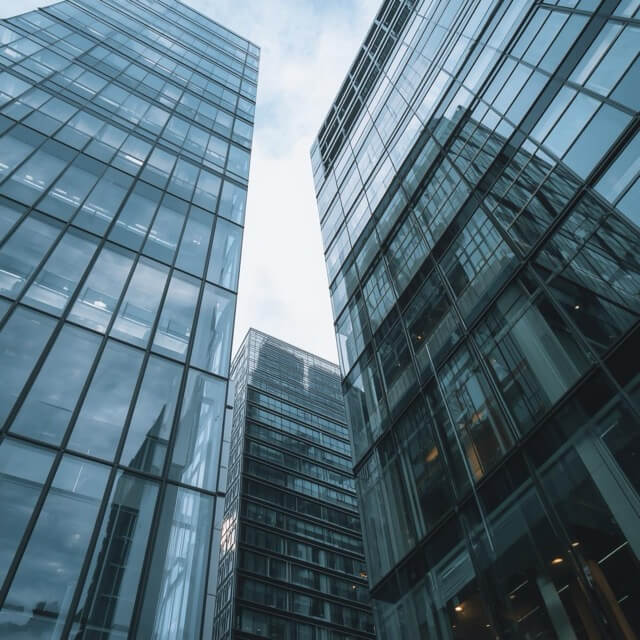

To effectively solve the problem of temperature imbalance in your commercial space, it’s helpful to understand the forces at play. The discomfort and high energy bills you experience are not random; they are a direct result of how solar energy interacts with your building’s windows. While you may not need to be a physicist, grasping a few key concepts will clarify why your HVAC system is fighting a losing battle and why treating your windows is the most logical solution.
What is Solar Heat Gain Coefficient (SHGC)?
Every window has a rating called the Solar Heat Gain Coefficient, or SHGC. This is a simple measurement, on a scale from 0 to 1, of how much solar radiation passes through a window and is released as heat inside your building. A window with a high SHGC (closer to 1) allows a large amount of solar heat to enter, while a window with a low SHGC (closer to 0) allows much less.
For a business, especially one in a climate with significant sun exposure, a high SHGC is a direct contributor to your cooling costs. It’s the reason employees in window-side offices complain about the heat even when the thermostat is set low. Your air conditioning system is forced to run constantly to compensate for the continuous influx of solar heat, leading to inflated energy consumption and premature wear on the equipment.
Explaining Heat Loss and a Window’s U-Factor
While SHGC measures the heat coming in, a window’s U-factor measures the heat going out. The U-factor indicates how well a window assembly insulates, preventing the transfer of heat from the inside of your building to the outside. Unlike the R-value you might see for wall insulation, a lower U-factor is better, signifying superior insulating performance.
In the winter, a high U-factor is just as problematic as a high SHGC is in the summer. It means the expensive warm air generated by your heating system is readily escaping through the glass, creating cold drafts and uncomfortable zones near your windows. This forces your furnace or boiler to work harder to maintain a consistent indoor temperature, again driving up your energy bills.
The Difference Between Visible Light, UV, and Infrared Heat
Sunlight is not a single entity; it is a spectrum of energy. Understanding its three main components is crucial to pinpointing an effective solution.
- Visible Light: This is the portion of the spectrum we can see. It is essential for creating a bright, welcoming, and productive environment. The goal is to preserve as much of this natural light as possible.
- Ultraviolet (UV) Light: This invisible radiation is the primary cause of fading and degradation. It damages furniture, flooring, artwork, and retail merchandise over time, leading to costly replacements. While it contributes to heat gain, its most significant commercial impact is material damage.
- Infrared (IR) Light: This is the invisible part of the spectrum that we feel as heat. Infrared radiation is the single largest contributor to solar heat gain, responsible for more than half of the heat you feel from the sun.
The core challenge for any business owner is to block the destructive UV and heat-producing IR radiation without sacrificing the benefits of natural visible light.
Engineering Thermal Consistency: How Advanced Window Film Technology Works
Understanding the science of heat transfer reveals that the window itself is the focal point of the problem. It follows, then, that the most efficient solution is one that directly enhances the performance of your existing glass. Advanced window film is not merely a tint; it’s a sophisticated technological upgrade engineered to selectively manage the solar spectrum and improve your window’s insulating properties.
Blocking Heat, Not Light: The Magic of Spectrally Selective Films
For years, the only way to block significant heat was with dark, reflective films that drastically reduced visible light and altered a building’s appearance. Modern technology has rendered that compromise obsolete. Spectrally selective films are engineered with nano-layers of metals and ceramics that are virtually invisible to the naked eye but are highly effective at targeting specific wavelengths of light.
These films can reject up to 97% of infrared radiation, the primary source of heat, while allowing a high percentage of visible light to pass through. This means you can slash solar heat gain, reduce glare on computer screens, and protect your interiors without turning your office into a cave. The result is a space that remains bright and open but is significantly more comfortable and energy-efficient.
Creating an Insulating Barrier with Low-E (Low-Emissivity) Films
To combat heat loss during colder months, low-emissivity (Low-E) films provide a powerful, year-round solution. “Emissivity” refers to a material’s ability to radiate energy as heat. By applying a film with a microscopic, transparent metallic coating, you lower your window’s emissivity, effectively transforming it into a better insulator.
This technology works in two ways:
- In the summer, the Low-E coating reflects long-wave infrared heat from the sun away from your glass, preventing it from heating your space.
- In the winter, it does the opposite. The coating reflects the long-wave heat from your building’s heating system back into the room, preventing it from escaping through the window.
By improving your window’s insulating performance, Low-E films directly lower its U-factor. This reduces your heating costs in the winter and your cooling costs in the summer, providing a comprehensive, year-round return on investment.
A Non-Disruptive Upgrade for Immediate Results
Perhaps one of the most compelling aspects of window film is the ease and efficiency of its implementation. Unlike a full window replacement project, which involves significant capital expense, construction mess, and operational downtime, window film installation is a clean and non-disruptive process.
Professional technicians apply the film directly to the interior surface of your existing windows, with minimal noise or interruption to your employees and customers. The process is fast, and the results are immediate. The moment the installation is complete, your windows begin performing at a higher level, blocking heat and glare right away. This makes advanced window film one of the fastest and most cost-effective capital improvements for boosting building performance and occupant comfort.
Choosing the Right Shield: Matching Window Film to Your Building’s Needs
Once you understand that your windows are the primary source of temperature imbalance, the solution becomes clear. However, not all window films are created equal. Selecting the right film is a strategic decision that goes beyond simply picking a product. It involves a careful diagnosis of your building’s unique characteristics to ensure the solution perfectly matches the problem, delivering maximum energy savings and comfort.
Identifying Your Primary Goal: Rejecting Summer Heat vs. Retaining Winter Warmth
The first step in any professional consultation is to define your primary objective. While many modern films serve multiple purposes, your climate will heavily influence which benefit to prioritize.
For businesses in warmer climates or with significant sun-facing elevations, the main goal is rejecting solar heat. Unprotected windows allow vast amounts of infrared radiation—the primary source of solar heat—to pour into your space. This forces your air conditioning to work overtime. High-performance solar control films are engineered to block a significant percentage of this infrared energy before it ever enters the building, keeping interiors cooler and more stable.
Conversely, for facilities in colder regions, the challenge is retaining expensive, generated heat. Heat naturally moves toward cold, and in the winter, your windows are a major escape route. Low-emissivity (Low-E) films are designed with a metallic coating that reflects radiant heat from your HVAC system back into the room, preventing it from escaping through the glass. This simple act of insulation can drastically reduce your heating costs during the winter months.
Analyzing Your Glazing, Climate, and Building Orientation
With a primary goal established, a true expert will analyze the specific conditions of your property. A one-size-fits-all approach is a recipe for underwhelming results. A proper assessment includes:
- Your Glazing System: The type of windows you have is a critical factor. Are they older single-pane glass, which offers almost no insulation? Or are they modern double-pane, gas-filled units? The existing performance of your glass dictates which films are safe to apply and which will provide the most significant improvement.
- Your Climate Zone: A building in Miami faces a very different set of challenges than one in Minneapolis. We analyze historical weather data for your specific location to determine the annual balance of heating vs. cooling days. This data informs the selection of a film optimized for your environment.
- Building Orientation: The sun’s path across the sky has a profound impact on your building. South- and west-facing windows bear the brunt of solar heat gain in the afternoon, while north-facing windows receive more indirect light. In many cases, the most effective strategy involves applying different types of film to different elevations of the same building to provide tailored protection where it’s needed most.
Solar Control vs. Low-E vs. Dual-Benefit Films: A Consultant’s View
Understanding these variables allows a professional to recommend the right category of film technology.
Solar Control Films are your first line of defense against the sun. Their primary job is to reject solar energy, measured as Total Solar Energy Rejected (TSER). They are the go-to solution for hot climates, dramatically reducing cooling costs and glare.
Low-E Films are designed for insulation. Their performance is measured by their ability to improve a window’s U-value, which represents the rate of heat transfer. In cold climates, their ability to reflect interior heat back inside makes them an essential tool for reducing heating expenses.
Dual-Benefit Films represent the most advanced technology and are often the best solution for the majority of North American climates. These films are engineered to provide strong solar heat rejection in the summer while also having Low-E properties to retain interior heat in the winter. They offer a year-round solution, adapting to the season to save you money on both your cooling and heating bills.
Calculating the ROI of a More Comfortable and Efficient Building
A window film upgrade is not an expense; it is an investment in your building’s performance and your business’s bottom line. While improved comfort is an immediate benefit, the true value is revealed when we project the long-term financial returns. This is where a professional analysis moves from a general concept to a concrete business case.
Modeling Potential Energy Savings and Reduced HVAC Load
Guesswork has no place in a sound financial decision. Using specialized energy modeling software, a window film consultant can provide a data-driven forecast of your potential savings. This process considers every key variable:
- The precise performance specifications of the recommended film.
- Your building’s square footage of glass.
- Your local climate data and building orientation.
- Your average commercial utility rates.
The result is a detailed report that projects kilowatt-hour (kWh) reductions and translates them directly into estimated annual dollar savings. This analysis clearly demonstrates how window film lightens the operational load on your HVAC system, forming the foundation of your return on investment.
The Long-Term Value of Reduced Wear and Tear on Equipment
The savings projected from energy modeling are only part of the story. Your HVAC system is one of the most expensive capital assets in your building. By significantly reducing solar heat gain and improving insulation, window film ensures your system runs less frequently and for shorter cycles.
This reduced workload has a direct, positive impact on the equipment itself. It leads to fewer breakdowns, lowers annual maintenance costs, and can substantially extend the operational lifespan of the entire system. Delaying a multi-thousand-dollar HVAC replacement by several years represents a massive, and often overlooked, component of the total ROI.
Quantifying the Intangible Benefits: Productivity, Morale, and Thermal Comfort
While harder to assign a precise dollar value, the benefits of a more comfortable environment are undeniable. Numerous studies have established a direct link between thermal comfort and employee productivity. When staff members are not distracted by being too hot or too cold, or battling intense glare on their screens, their focus and output improve.
Eliminating the hot and cold spots near windows also boosts morale. It ends the “thermostat wars” and ensures that every desk, office, or retail space is a pleasant place to be. For customer-facing businesses, this improved comfort translates directly to a better client experience, encouraging them to stay longer and view your establishment more favorably. Investing in thermal comfort is an investment in the people who drive your business forward.
Conclusion: The Clear Path to a Stable and Profitable Environment
Summary: Why Treating Windows is the Most Effective Solution
Throughout this discussion, we’ve established a critical point for any business owner grappling with inconsistent building temperatures and rising energy bills: the problem often originates not with your HVAC system, but with your windows. While it’s natural to adjust the thermostat, this action only treats a symptom. It forces your mechanical systems to work harder and consume more energy to fight a constant battle against thermal transfer happening at the glass.
This is a battle your HVAC system was never designed to win efficiently. Unprotected windows act as gateways for solar heat to flood your space in the summer and for expensive treated air to escape in the winter. The most logical, cost-effective, and impactful strategy is to address this root cause directly. Advanced window film acts as a high-performance barrier, retrofitting your existing glass to dramatically improve its insulating properties. By rejecting solar energy before it can enter and retaining indoor heat, you stabilize the environment at its source, allowing your HVAC to function as intended.
Key Takeaways for Proactive Business Owners
To effectively manage your commercial property, it’s essential to move beyond temporary fixes and adopt a proactive, strategic mindset. Here are the core principles to remember:
- Identify the True Source: Inconsistent temperatures are primarily a building envelope issue, not an HVAC failure. Your windows represent the weakest link in your building’s insulation.
- Embrace Modern Material Science: Today’s window films are not merely cosmetic tints. They are sophisticated, spectrally selective technologies engineered to filter out infrared and UV radiation while allowing natural light to pass through, delivering performance without compromising views.
- Calculate the Complete Return on Investment: The financial benefits of window film extend far beyond lower utility bills. Factoring in increased employee comfort and productivity, reduced glare on screens, and the preservation of interiors from UV fading reveals a much faster and more substantial ROI.
- Prioritize Non-Disruptive Upgrades: Unlike window replacement or major HVAC overhauls, professional window film installation is a quiet, clean, and fast process that causes minimal to no disruption to your daily business operations.
Next Steps: How to Approach a Professional Building Assessment
Taking action begins with gaining a clear, data-driven understanding of your building’s specific needs. A generic approach is ineffective; a tailored solution starts with a professional assessment that diagnoses the unique challenges of your property. This process empowers you to make an informed investment rather than a hopeful guess.
A credible and thorough assessment should always include:
- A Diagnostic Consultation: The process begins with a conversation to understand your specific pain points, from occupant complaints about heat and glare to your analysis of recent energy expenditures.
- On-Site Window Analysis: An expert will evaluate your existing glass, noting its type, thickness, and directional orientation. The needs of a south-facing glass curtain wall are vastly different from those of a smaller, north-facing office window.
- Performance Modeling: Using specialized software, a professional can model how different film technologies will perform on your specific glass type. This allows them to project energy savings, temperature reduction, and glare control with a high degree of accuracy.
- A Transparent Proposal: The final step is a detailed proposal that clearly outlines the recommended solution, the scientific basis for the recommendation, the full scope of work, and a clear breakdown of costs and projected ROI.
Look for a partner who prioritizes education and provides transparent data. The right expert will not just sell you a product; they will help you understand the problem and equip you with the best possible solution for creating a more comfortable, efficient, and profitable environment.
Frequently Asked Questions
Why shouldn’t I just upgrade my HVAC unit to fix the heat?
Upgrading the HVAC is like getting a larger heater for a house with an open front door. While a more powerful unit can force indoor temperatures down, it doesn’t stop the solar energy from pouring through the glass. You’ll end up with higher equipment costs and astronomical energy bills, whereas treating the windows stops the heat before it enters.
Will window film make my office too dark or look like a “cave”?
Not with modern technology. We use spectrally selective films that act like a high-tech filter. They are engineered to block the heat-producing infrared light while allowing maximum visible light to pass through. You can stabilize your indoor temperatures while keeping the office bright, clear, and inviting.
How does window film help during the winter months?
Standard glass is a poor insulator. Low-Emissivity (Low-E) films act as a thermal barrier that reflects the radiant heat from your furnace back into the room. This prevents expensive warmth from escaping through the glass, effectively maintaining warmer indoor temperatures and reducing your heating costs.
Can window film actually improve employee productivity?
Absolutely. Studies show that when indoor temperatures fluctuate, error rates increase as employees become distracted by physical discomfort. By eliminating “hot spots” near windows and “cold spots” from drafts, you create a consistent thermal environment that allows your team to focus on their work rather than their discomfort.
How long does the installation take, and will it disrupt my business?
Installation is remarkably fast and non-disruptive. Unlike replacing windows, which involves construction and debris, film is applied to your existing glass. Our technicians work quietly, meaning you can achieve stable indoor temperatures without any operational downtime or mess.