- What Is Earthquake Film and How Does It Work?
- Protecting What Matters Most: Applications for Every Building
- More Than Just Quakes: Everyday Benefits of Security Film
- Is This an Affordable Safety Upgrade for My Building?
- How to Choose the Right Installation Partner
- Conclusion: Taking the First Step Towards Proactive Safety
- Frequently Asked Questions
What Is Earthquake Film and How Does It Work?
For all the danger that unreinforced glass presents, the solution is remarkably elegant. Specialized earthquake film for windows, also known as seismic window film, is a passive safety system that works 24/7 to protect your building’s occupants. It’s an invisible upgrade that transforms one of your biggest vulnerabilities into a powerful line of defense.
From Simple Glass to a Shatter-Resistant Shield
At its core, earthquake film is a durable, multi-layered polyester material professionally applied to the interior surface of your existing glass. Think of it not as a simple sticker, but as a transparent, high-performance shield bonded directly to the window.
Unlike heavy storm shutters or security bars that can make a building feel like a fortress, this film is virtually invisible once installed. It doesn’t alter the appearance of your school’s beautiful glass entryway or block the natural light that fills your offices. It simply works in the background, reinforcing the glass from the inside out.
The Science of Safety: Tensile Strength and Adhesion
The “magic” of this film isn’t magic at all. It’s a product of advanced material science, built on two key principles: tensile strength and a powerful adhesive system.
The film’s incredible strength comes from its high tensile strength, which is a measure of how much force a material can withstand while being stretched. During an earthquake, as the building sways and window frames flex, the film stretches and absorbs a significant amount of seismic energy. This distributes stress across the entire surface of the glass, making it far more resistant to shattering in the first place.
Just as important is the specialized, aggressive adhesive used to apply it. This isn’t your everyday glue. It creates a powerful molecular bond with the glass, ensuring the film and glass act as a single, unified unit, even under extreme pressure.
The Critical Role of Glass Shard Retention
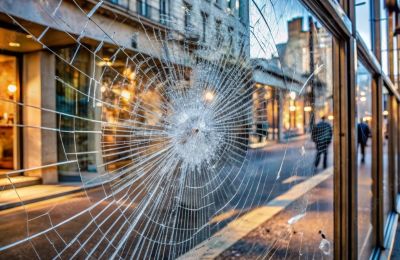
Here is where earthquake film proves its life-saving value. In a severe quake, even reinforced glass may break. With the film applied, however, the outcome is completely different.
Instead of exploding into a cloud of razor-sharp daggers, the broken glass remains firmly adhered to the film. The powerful adhesive holds thousands of deadly shards together in one piece, safely contained within the window frame. This single function, glass shard retention, is the key to preventing some of the most common and devastating injuries during an earthquake.
- It stops flying glass projectiles from harming anyone inside.
- It keeps evacuation routes like hallways and stairwells clear of dangerous, sharp debris.
- It maintains a barrier against the elements, preventing wind and rain from entering through a shattered opening.
By combining incredible strength with a powerful adhesive, earthquake film fundamentally changes the role of your windows during a disaster. The weakest point in your building’s envelope is transformed into a flexible, shatter-resistant barrier, giving you control over one of the most unpredictable dangers.
Protecting What Matters Most: Applications for Every Building
The risk of shattering glass isn’t confined to one type of structure. It’s a universal vulnerability wherever people live, learn, and work. Fortunately, the solution is just as universal. Specialized seismic window film can be retrofitted onto any glass surface, providing a critical layer of protection for every kind of building.
Securing Our Schools: Safety Without a Fortress Appearance
For school administrators, student and staff safety is the highest priority. Modern school designs often feature large glass entryways, atriums, and classroom windows to create bright, welcoming environments. But these same features become a significant liability during a seismic event. We understand the challenge: how do you protect everyone without making a school feel like a fortress and while staying within a strict budget?
This is precisely where safety film provides an ideal solution. Applied to existing glass, the film is optically clear and virtually invisible. It doesn’t change the look or feel of the building, preserving that open, positive atmosphere. In an earthquake, the film acts as a powerful safety net, holding shattered glass fragments together in the frame. This simple, cost-effective upgrade addresses one of the biggest dangers in a quake, allowing you to meet your safety goals without the prohibitive cost of replacing windows or sacrificing the welcoming aesthetic of your campus.
Safeguarding Commercial Properties and Employees
In an office, retail space, or commercial building, your duty of care extends to every employee and customer. The large panes of glass common in storefronts and office towers can instantly become a source of devastating injuries during an earthquake.
Installing security film is a proactive step that protects your people and your business. By preventing glass from becoming projectiles, you significantly reduce the risk of injury. This protection also aids in business continuity. Windows that remain intact, even if shattered, help protect your inventory and equipment from the elements and secure the premises after the event, reducing downtime so you can focus on recovery.
Peace of Mind for Homeowners and Families
Your home is your sanctuary, and keeping your family safe is what matters most. In a seismic zone, common features like sliding glass doors, large picture windows, and even glass shower enclosures can pose a hidden threat.
Earthquake film provides invaluable peace of mind by neutralizing this danger. It’s an affordable and unobtrusive upgrade that transforms these potential hazards into sources of safety. In the chaotic moments of an earthquake, you can have confidence that your home’s glass won’t add to the danger, allowing you and your loved ones to focus on getting to a safe location.

Mitigating Glass Hazards in Public and Government Buildings
Public spaces like libraries, courthouses, and municipal buildings are built to serve the community and often feature high foot traffic and expansive glass. Protecting the public and ensuring the continuity of essential services after a disaster is a core civic responsibility. Safety film is a critical and prudent measure for any public building in an earthquake-prone area, demonstrating a commitment to public safety and resilient infrastructure.
More Than Just Quakes: Everyday Benefits of Security Film
While the primary reason for installing earthquake film for windows is clear, its value extends far beyond a single disaster. This technology is a multi-purpose upgrade that enhances the safety, security, and comfort of your building every single day. You aren’t just preparing for a potential earthquake; you’re gaining a suite of powerful, round-the-clock benefits.
A Powerful Deterrent Against Forced Entry
The same strength that holds glass together during an earthquake makes it incredibly difficult for an intruder to breach. A window treated with security film can withstand repeated blows from a heavy object. Instead of shattering and providing immediate access, the glass will crack, but the film will hold the pane together in its frame. This creates a formidable barrier that deters “smash-and-grab” burglaries, buying precious time for occupants to find safety and for emergency services to respond.
Reducing Injuries from Accidental Impacts
Life is full of accidents. A stray ball in the schoolyard or a trip-and-fall in an office can lead to a dangerous encounter with broken glass. Security film provides everyday protection from these common mishaps. By containing the shards upon impact, the film dramatically reduces the risk of severe cuts and injuries.
Protection from Blasts and Extreme Weather
The film’s strength and flexibility help mitigate the effects of other hazards, including blast waves from explosions and the force of wind-borne debris during severe storms. By holding the glass in place, it helps maintain the building’s envelope, protecting people and property inside from a wider range of threats.
Added UV Protection and Energy Savings
Beyond its security functions, this film acts as a powerful shield against the sun’s damaging ultraviolet rays.
- Blocks Harmful Rays: It stops up to 99% of UV radiation, the primary cause of fading.
- Protects Your Assets: It preserves the color and condition of your flooring, furniture, merchandise, and artwork.
- Enhances Comfort: It protects the skin of occupants who work or sit near windows for extended periods.
- Improves Energy Efficiency: Many films also reject a significant amount of solar heat, which can lower your cooling costs and reduce strain on your HVAC system.
Is This an Affordable Safety Upgrade for My Building?
For any administrator or property owner, the question of cost is always front and center. You need to know that every dollar spent is making a tangible difference in protecting the people inside your building. The good news is that when it comes to glass hazard mitigation, you don’t have to choose between safety and affordability.
Analyzing the Cost-Benefit
When evaluating the cost of safety film, it’s crucial to look beyond the initial price tag and consider the immense costs it helps you avoid. The potential for serious injury from flying glass is high, and with it comes the risk of overwhelming liability. A single incident can result in costs that dwarf the price of a proactive film installation. By investing in glass hazard mitigation now, you are investing in peace of mind and shielding your organization from the devastating fallout of a preventable tragedy.
Comparing Film Installation to Window Replacement
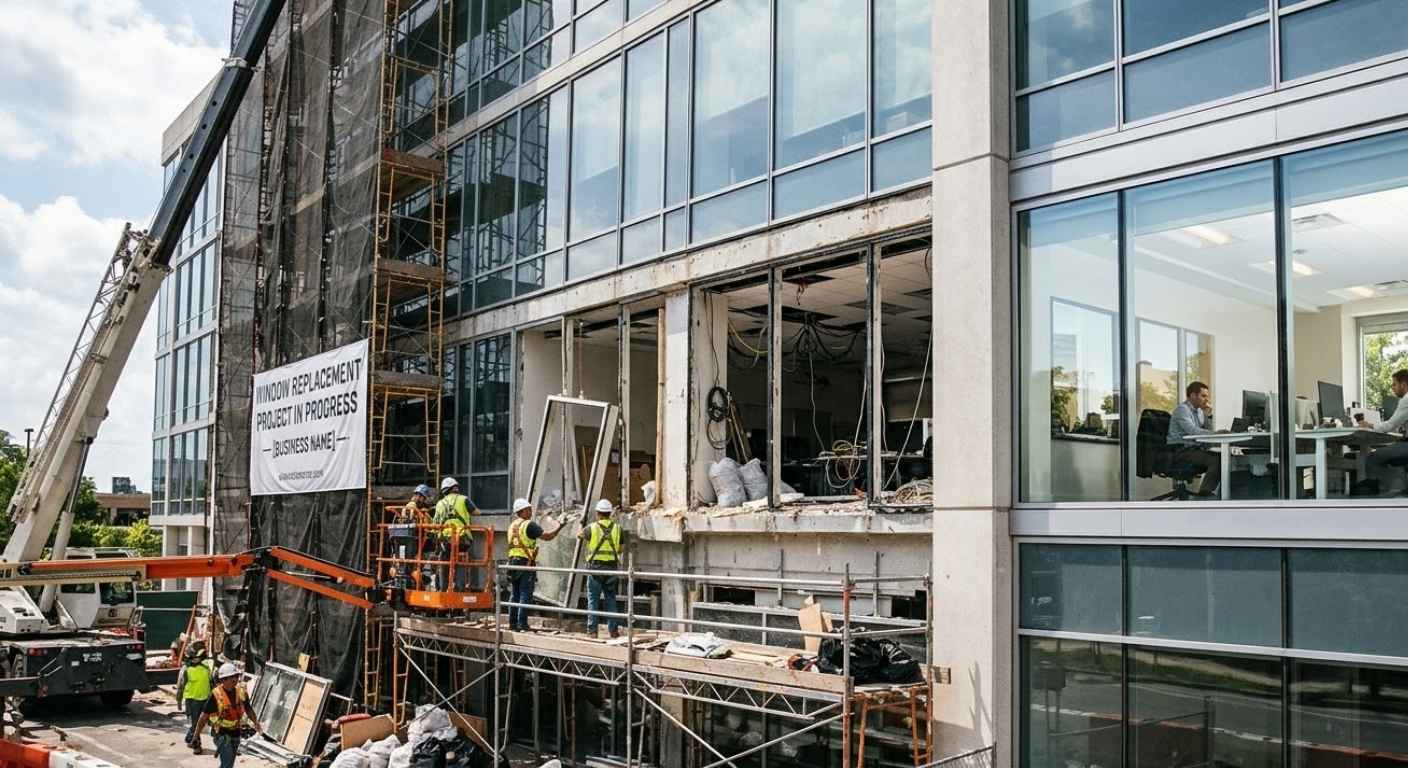
Many building managers mistakenly believe that strengthening their windows requires a full-scale replacement with laminated glass. This is a massive undertaking, involving significant material costs, lengthy construction, and a budget that can easily run into the hundreds of thousands of dollars.
Earthquake safety film offers a far more practical path. It’s a retrofit solution that is applied directly to your existing windows. This approach provides comparable shatter resistance at a small fraction of the cost of replacement. Installation is also significantly faster and cleaner, minimizing disruption to your daily operations, which is a critical factor for a school or an active business.
How a Retrofit Fits Within Existing Budgets
Because film installation is not a major capital construction project, it’s often much easier to fit into existing budgets. School superintendents find that this type of upgrade can frequently be funded through maintenance, security, or general operational budgets. This financial flexibility means you don’t have to wait for the next big bond measure to address a known vulnerability. You can take immediate, decisive action to secure your building’s weakest points.
The Long-Term Value of a One-Time Investment
Once professionally installed, seismic window film provides passive, round-the-clock protection for years with little to no maintenance. Unlike active security systems that require constant monitoring, the film is always on, silently standing guard. This one-time investment pays dividends for its entire lifespan, making it a smart, multi-faceted investment in your building’s safety and longevity.
How to Choose the Right Installation Partner
Now that you understand the effectiveness and affordability of earthquake film, the next step is finding the right team to install it. This is not a place to cut corners. The performance of the film is directly tied to the quality of the installation.
Why Professional Installation Is Non-Negotiable
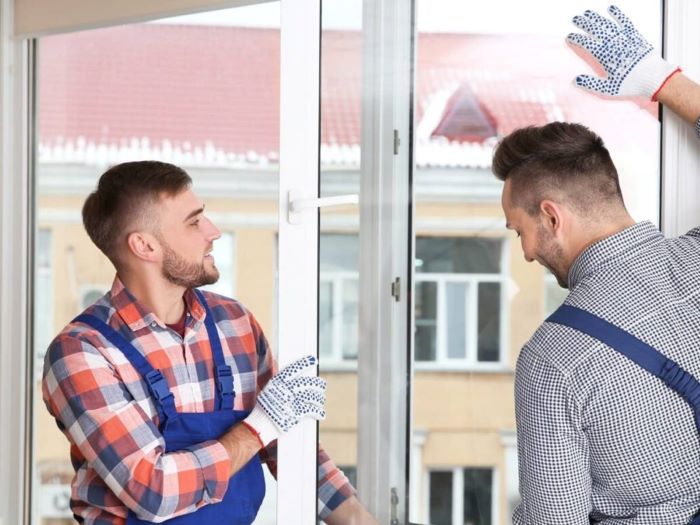
Safety film is an engineered safety system. A professional installer understands the nuances of different glass types, proper preparation, and the precise techniques required for a seamless application. More importantly, for maximum effectiveness, many systems require a special anchoring or attachment that bonds the film to the window frame itself. This critical step can only be performed by a trained technician. A DIY job or an inexperienced crew will almost certainly lead to failure when it matters most.
Key Questions to Ask a Potential Installer
To ensure you’re partnering with an expert, you need to ask the right questions. A reputable installer will welcome your diligence and provide clear, confident answers.
- What is your experience installing thick-gauge safety films for seismic mitigation?
- Which film thickness and manufacturer do you recommend for our building, and why?
- Can you explain the different anchoring options and which is right for our window frames?
- Do you have case studies or references from similar projects, like other schools or large commercial properties?
- What warranties do you offer on both the film and your installation workmanship?
The Importance of Proven Experience
When you’re dealing with public safety, you need a partner with a proven track record. Look for a company with a strong portfolio of successful safety film projects. An experienced partner brings more than just technical skill. They bring consultative expertise. They can walk your property, identify unique vulnerabilities, and recommend a comprehensive solution that meets your security goals and your budget.
Understanding Product Warranties and Reliability
Finally, a quality installation is backed by strong warranties. There are typically two: one from the manufacturer covering defects and one from the installer covering their workmanship. A long and comprehensive warranty is a powerful indicator of quality. It shows that both the manufacturer and the installer stand confidently behind their product and their work, giving you assurance that your investment will provide reliable safety for many years.
Conclusion: Taking the First Step Towards Proactive Safety
We’ve covered the undeniable risk that unprotected glass poses during a seismic event. The reality of an earthquake is unsettling, but feeling powerless is a choice. By understanding the solution, you can take decisive action to protect the people inside your building.
Shatterproof window film directly addresses this threat. It’s a micro-thin, transparent layer that holds broken pieces of glass together in the frame, preventing the catastrophic spray of shards. For a school with a large glass entryway or an office with panoramic windows, this technology transforms a major vulnerability into a protective shield, all without sacrificing an open, welcoming appearance.
When you consider the ways to improve a building’s seismic resilience, many options are complex, disruptive, and expensive. This is why earthquake film for windows stands out as one of the most powerful and accessible safety investments you can make. It’s an affordable, aesthetically neutral, and targeted solution that can be installed with minimal disruption.
By focusing on mitigating the single greatest cause of injury in an earthquake, flying glass, you neutralize a primary hazard with surgical precision. It’s a proactive measure that delivers an immediate and significant return on safety, making it an especially smart choice for budget-conscious administrators who need to achieve the highest level of protection.
Get a Professional Assessment of Your Building’s Needs
Taking the first step is straightforward. A professional consultation is designed to give you a clear picture of your building’s unique vulnerabilities and the most effective way to address them. You shouldn’t have to guess about safety.
The process typically involves a trained expert visiting your property to:
- Evaluate Your Existing Glass: They will identify the type, size, and thickness of the glass in your building.
- Assess High-Traffic Areas: The expert will pay special attention to vulnerable areas like main entrances, lobbies, and common areas.
- Understand Your Goals: You can discuss your primary concerns, whether for earthquake safety, UV protection, or enhanced security.
Based on this evaluation, you will receive a clear, no-obligation recommendation tailored to your specific building and budget. This empowers you to make an informed decision and move forward with confidence.

Protect your property with earthquake film for windows from CoolVu and connect with a local expert today.
Frequently Asked Questions
How thick does window film need to be for earthquake protection?
For effective seismic protection and glass hazard mitigation, a safety film should be at least 8 mil (mils, or thousandths of an inch) thick. Thicker films, such as 11-15 mil, offer even greater strength. A professional consultant can recommend the ideal thickness based on the size of your glass panes and the specific safety goals for your building.
Will earthquake film make my windows dark or look like a mirror?
No. High-quality earthquake safety film is optically clear and virtually invisible once installed. It’s designed to provide protection without changing the appearance of your glass. While some films have a slight tint to provide solar heat rejection, you can choose a completely clear film that won’t alter your building’s aesthetic or block natural light.
How long does seismic window film last?
Professionally installed seismic window film is extremely durable. Most leading manufacturers provide warranties for 10 to 15 years, and many installations last even longer. The film is a long-term, passive safety system that requires no ongoing maintenance beyond normal window cleaning with non-abrasive materials.
Can security film be installed on any type of window?
Yes, security and safety film can be retrofitted onto most types of existing glass, including single-pane, double-pane, tempered, and annealed glass. If you are also asking what is tempered glass, it is one of the glass types a professional installer may evaluate before applying film. A professional installer will assess your windows to ensure the glass is in good condition and will use specific preparation techniques to guarantee a strong, lasting bond.
Does this film meet any official safety recommendations?
Yes. The use of safety window film for glass hazard mitigation is recognized as a best practice by many organizations. It aligns with recommendations from FEMA for “non-structural hazard mitigation” and is often referenced in guides for natural disaster preparedness and building safety in seismic zones.