Table of Contents
- How Photochromic Glass Windows Work
- Types of Light-Adaptive and Smart Glass Technologies
- Photochromic Glass vs. Photochromic Window Film
- Energy Efficiency Benefits of Photochromic Windows
- Key Things to Know Before Choosing Photochromic Windows
- How the CoolVu Photochromic Window Film Installation Process Works
- Why Choose CoolVu for Photochromic and Smart Glass Solutions
- FAQs About Photochromic Glass Windows and Films
If you have ever worn transition lenses in eyeglasses, you already understand the core idea behind photochromic glass windows. These windows automatically change color and tint in response to the sun’s uv rays, providing passive climate control for homes and buildings without wiring, switches, or an electrical current. This guide covers how the technology works, real performance data for 2026, cost considerations, and how photochromic window film compares to electrochromic glass and other smart windows.
CoolVu specializes in photochromic window film and smart film solutions that retrofit existing glass windows, so you get dynamic sun control without replacing entire window units. Photochromic windows dynamically adjust to changing light conditions, improving energy efficiency, thermal comfort, and uv protection automatically.
How Photochromic Glass Windows Work
The technology works through a reversible chemical reaction initiated by light. Embedded molecules in photochromic glass change structure under uv light exposure, causing the glass to shift from a clear state to a darker tint. When uv radiation drops, the molecules revert, and the window lightens again. No electricity required.
Here is the cycle in simple terms:
- Strong sunlight → uv light activates photochromic molecules
- Glass darkens → transmittance values range from 15% to 30% in sunlight
- Sun fades or sets → uv exposure decreases, molecules revert
- Glass lightens → visible light transmission returns toward 60–75%
Temperature can affect the performance of photochromic glass. Cooler conditions often produce faster, deeper darkening, while very high temperatures may slightly reduce the tint depth. The transition speed of photochromic glass can take several minutes to fully adjust, which creates a gradual, non-distracting shift for occupants.
Types of Light-Adaptive and Smart Glass Technologies
Smart glass is an umbrella term covering several distinct technologies. Photochromic glass changes tint with uv light exposure and requires no power. Electrochromic glass changes tint with electrical current, offering on-demand privacy control and multiple tint levels. Electrochromic glass was first commercially available in the early 1980s and has evolved significantly since. PDLC switchable glass toggles between transparent and frosted states for privacy. Thermochromic glass responds to heat rather than uv rays, and SPD smart glass technology uses suspended particles controlled electrically.
- Photochromic → passive, uv-driven, best for sun and heat control
- Electrochromic → powered, controllable, best for on-demand tint and privacy
- PDLC/switchable → powered, best for privacy glass applications
- Thermochromic → passive, temperature-driven, suited to hot climate façades
CoolVu primarily delivers photochromic window film, smart film, and solar control window films as retrofit solutions for existing glass.
Photochromic Glass vs. Photochromic Window Film
Factory-built photochromic glass units embed dynamic layers within new insulated glass, ideal for new high end products and curtain wall construction. Retrofit photochromic window film is applied directly onto existing glass windows, delivering similar optical properties at a fraction of the cost.
Why film wins for most projects:
- No frame or glass replacement needed
- Faster installation with minimal disruption to the space
- Works on homes, offices, schools, and healthcare facilities
- Far lower cost per square foot than full dynamic glass replacement
High-quality transitional window film using advanced photochromic technology in 2026 delivers up to 99% uv rejection and can reduce solar-induced heat by up to 80%, depending on glass type and orientation.
Energy Efficiency Benefits of Photochromic Windows
Photochromic windows reduce solar heat gain, which can lower cooling costs substantially. During peak sun, the film darkens to limit heat entering the room, easing air conditioning demand. Studies show interior temperature reductions of roughly 14% compared to untreated glazing, and total building energy consumption savings up to 10% in warm climates. Photochromic windows can save up to 40% on utility costs when combined with good building design and modern HVAC controls.
Key benefits for facility managers and homeowners improving energy efficiency:
- Reduced energy use during peak cooling demand on hot days
- More natural light admitted during overcast or rainy days, cutting electric lighting needs
- Photochromic windows help achieve LEED and BREEAM compliance
- Lower lifecycle costs compared to motorized blinds or curtains
- Reduced energy and air conditioning costs compound over the film’s 10–15 year lifespan
Comfort, UV Protection, and Glare Control
The glass darkens to reduce glare and block heat during bright days, making south- and west-facing rooms noticeably more comfortable. Photochromic films block 99% of uv rays when activated, protecting hardwood floors, artwork, merchandise, and upholstery from fading while reducing uv exposure for occupants. Photochromic glass can block 99% of UV rays in both light and dark states.
Comfort benefits you actually feel:
- Cooler touch on glass surfaces, fewer indoor hot spots
- Reducing glare on screens, monitors, and medical equipment without dropping blinds
- Less eye strain in open offices and hybrid workspaces
- Consistent natural light levels throughout the day
- They enhance privacy by limiting visibility when tinted
Photochromic glass also improves comfort in automotive and aviation sectors, where the same light-responsive technology manages sunlight intensity through windshields and cabin windows, similar to how architectural window films enhance comfort and energy efficiency in buildings.
Photochromic Glass Windows in Different Settings
Residential: Large living room windows, sunrooms, and home offices with strong afternoon sun benefit most. The neutral tint preserves exterior views while managing heat. Commercial and retail: Storefronts protect inventory from fading while maintaining display visibility. Office towers achieve reducing glare on perimeter workstations. Schools: Classrooms and libraries get better daylight with less glare on projectors and laptops, improving concentration in bright climates. Healthcare: Medical spaces need accurate color rendering for skin tone assessment. Photochromic solutions preserve high color fidelity while controlling heat and uv radiation.
Photochromic Windows vs. Other Smart Window Options
| Feature | Photochromic Film | Electrochromic Windows | Thermochromic Glass | Static Tint |
|---|---|---|---|---|
| Power needed | No | Yes | No | No |
| Control method | Automatic (uv) | App/BMS | Automatic (heat) | Fixed |
| Best for | Sun/heat control | Precise tint levels | Hot façades | Consistent shading |
| Relative cost | Lower | Higher | Moderate | Lowest |
| Electrochromic glazing offers more control but requires electricity and wiring. Thermochromic glass triggers on temperature alone, which correlates less directly with glare. Static window tint is permanent, which can make rooms feel too dark on cloudy days. Photochromic window film adapts, becoming lighter when you want more light and darker when the sun is strongest-the best solution for most retrofit projects. |
Key Things to Know Before Choosing Photochromic Windows
Photochromic windows are excellent for dynamic sun control, but expectations matter. The film responds to sunlight intensity and uv light, so windows behind deep canopies or heavily shaded areas will darken less. South and west façades get the most benefit.
Pre-purchase checklist:
- Identify which rooms suffer worst from heat and glare
- Know your existing glass type (tempered, laminated, IGU, low-E)
- Discuss desired tint levels with your CoolVu representative
- Confirm warranty terms and cleaning requirements
- Establish your budget range and compare total cost of ownership
- Ask about compatibility with your current environment and building systems
Common Mistakes to Avoid with Smart and Photochromic Glass
- Expecting instant blackout privacy: photochromic glass manages light and solar heat, not full opacity. Pair with decorative privacy film for bathrooms or bedrooms.
- Ignoring glass compatibility: applying the wrong smart glass film to tempered or insulated glass can cause thermal stress or seal failure.
- Overlooking nighttime transparency: at night with interior lights on, the film is in its transparent state. Supplemental blinds, curtains, or privacy window film solutions may still be needed.
- DIY on complex glazing: large commercial panes and high elevations require trained installers for safety, performance, and warranty protection, making professional window tinting and window film installation services the better choice.
- Specifying wrong tint for the space: a healthcare facility needs different optical properties than a retail storefront—color rendering matters, and some rooms may be better suited to smart window films that switch between clear and private states.
How the CoolVu Photochromic Window Film Installation Process Works
CoolVu is a national franchise network offering consultation, measurement, product selection, and professional installation, backed by a leading glass and surface solutions team with decades of experience. The process starts with an on-site or virtual consultation to understand your glare, heat, and aesthetic goals. Installers survey your glass, identifying type, orientation, and shading conditions, then recommend a specific photochromic film series with the right visible light transmission range and color tone.
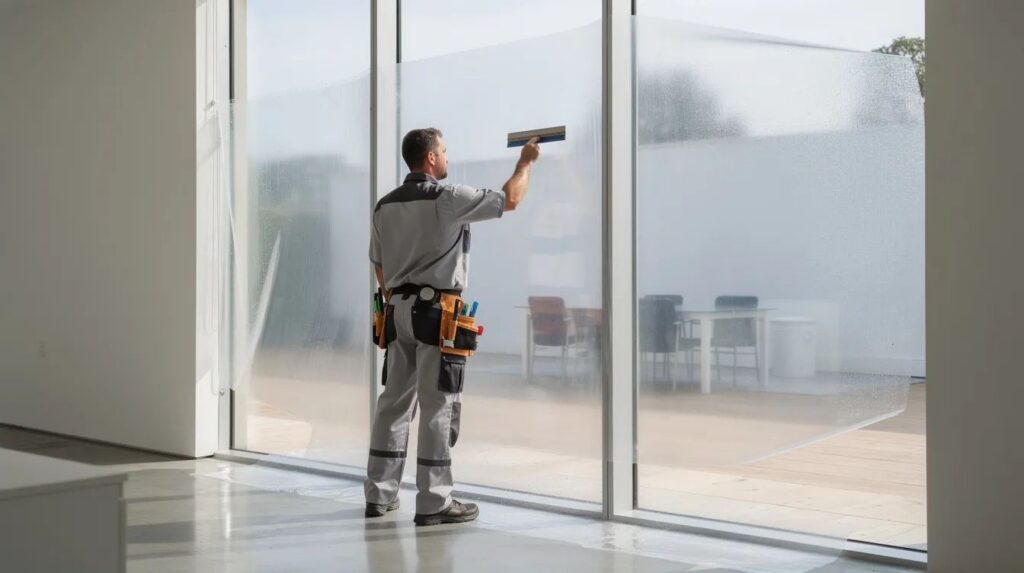
On installation day, the team cleans surfaces, controls dust, protects interior furnishings, and applies film with precision tools to avoid bubbles. Most homes are completed in a single day. Larger commercial projects may require phased scheduling, whether you are working with a local team like CoolVu of Northeast Columbus for regional installations. Every installation ends with a walkthrough, care instructions, and warranty documentation.
Cost, ROI, and Lifespan of Photochromic Glass Windows
Full electrochromic or factory photochromic glass replacement typically costs several times more per square foot than retrofit film. Photochromic window film delivers reduced energy use, extended furnishing life, and improved occupant productivity at a fraction of that investment, benefits that local providers such as CoolVu of North Milwaukee deliver for homes and businesses. Photochromic windows can save up to 40% on utility costs in favorable conditions, and the film itself is designed for 10+ years of service with proper maintenance and CoolVu warranty coverage.
When comparing options, evaluate:
- Total cost of ownership, not just price per window
- Reduced cooling and heating costs over the film’s lifespan
- Value of protecting furniture, flooring, and merchandise from fading
- Productivity and comfort gains in offices and schools, especially in sun-drenched regions served by teams like CoolVu of The Villages in Florida
Why Choose CoolVu for Photochromic and Smart Glass Solutions
CoolVu delivers window film, smart film, and architectural surface solutions across residential, commercial, institutional, and government buildings. Unlike anonymous online vendors, CoolVu provides local, trained installers through a national franchise network, free on-site estimates, and product lines combining uv blocking, energy savings, and aesthetics tailored to regional climates. From security film to decorative privacy film to photochromic window film, CoolVu matches the right technology to your space with strong manufacturer and installation warranties, delivered through local experts such as CoolVu of South St. Paul for regional window and wall solutions. As your building needs evolve, CoolVu can upgrade additional glass areas over time with the same professional standards.
FAQs About Photochromic Glass Windows and Films
How dark will my photochromic windows get in full sun?
Most photochromic films darken to roughly 15–30% visible light transmission in strong direct sun and return to around 60–75% in low light conditions. CoolVu can tailor film selection so different rooms or façades reach the right tint levels for your needs. In certain products, windows can fully darken enough to substantially reduce glare and heat entering the room.
Do photochromic windows work behind low-E or laminated glass?
Performance depends on how much uv light reaches the film. Low-E or laminated layers may filter uv, so CoolVu evaluates each glass type before recommending a compatible film formulation.
Will photochromic film give me privacy at night?
Photochromic glass primarily manages sun and heat during the day. At night with interior lights on, the window treatment behaves similarly to standard glass. Pair with blinds, shades, or CoolVu decorative privacy films for nighttime privacy.
How long does it take photochromic glass to switch from light to dark?
The transition typically takes several minutes, with noticeable change within the first minute or two under strong uv exposure. This gradual shift avoids sudden, distracting changes for occupants in the room.
Is photochromic window film safe for double-pane and tempered glass?
Properly matched films are designed for modern IGUs and tempered glass. CoolVu installers evaluate each glazing type and use manufacturer-approved combinations to prevent thermal stress and protect warranties.
How do I clean and maintain photochromic windows?
Use mild, non-abrasive cleaners with soft cloths or squeegees. Avoid harsh chemicals or sharp tools. Normal window cleaning schedules work fine for properly installed film.
Can photochromic film be removed or replaced in the near future?
Professional installers can remove and replace film without damaging the underlying glass. This flexibility is a key advantage over permanently embedded factory smart glass, making future technology upgrades straightforward.
Next Steps: Schedule Your CoolVu Photochromic Window Consultation
If rising energy bills, uncomfortable hot spots, or fading furnishings are affecting your home or building, photochromic glass windows offer a proven, cost-effective upgrade. Contact your local CoolVu franchise today for a free assessment, measurements, and a tailored proposal. Long-term comfort, reduced energy consumption, and a cooler, more beautiful space are one consultation away.