
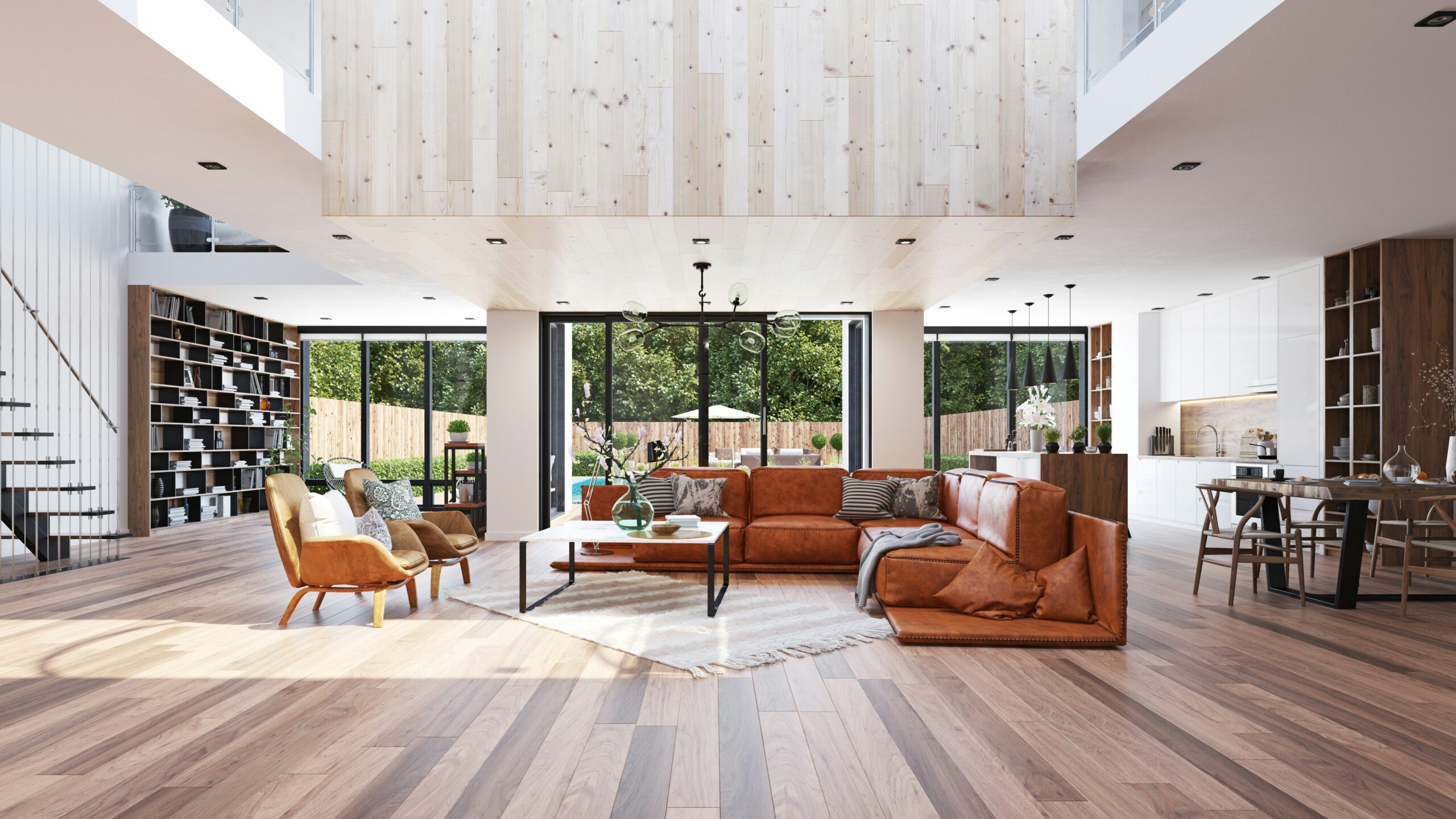
A room-by-room account of the hours between 8 AM and 6 PM
July 2026
Nobody’s watching.
The car backs out of the driveway at 7:52 AM. The front door locks. The house goes quiet.
And then the sun gets to work.
8:00 AM — The East Rooms Wake Up First
The breakfast nook catches it earliest. East-facing glass begins collecting solar radiation within minutes of sunrise, and by eight o’clock a diagonal band of direct light is moving across the kitchen floor — slowly, methodically, the way a minute hand moves when you’re not looking at it.
The hardwood in that path is already absorbing more energy than the rest of the floor. It won’t be visible today. Or next month. But the oak’s lignin — the molecular structure that gives the wood its color and depth — is responding to ultraviolet radiation the same way it does every morning. Breaking down, incrementally, in a process that compounds over years. The heat damage is slow and hard to notice.
The cat finds the warm patch and lies down in it.
Nobody’s there to close the blinds.
9:00 AM — Temperatures Begin Diverging
The thermostat reads 74°F throughout the house. That number is a lie, or at least an incomplete truth.
The thermostat is in the hallway, shaded, reporting conditions in the part of the home that receives the least solar exposure. The east-facing bedroom is already 4 degrees warmer near the window. The surface of the window glass itself — single-pane, installed when the house was built — is warm to the touch.
Standard window glass allows roughly 70-75% of solar radiation to pass through. It doesn’t block the energy — it transmits it. The radiation enters, strikes the floor and furniture, and converts immediately into heat that those surfaces then radiate into the surrounding air.
The bedroom HVAC vent is blowing 74°F air into a room that is generating its own heat from a source the system can’t address. The thermostat won’t register the problem until the hallway temperature rises — which takes time.
The room gets warmer. The AC runs a little longer than it would have yesterday.
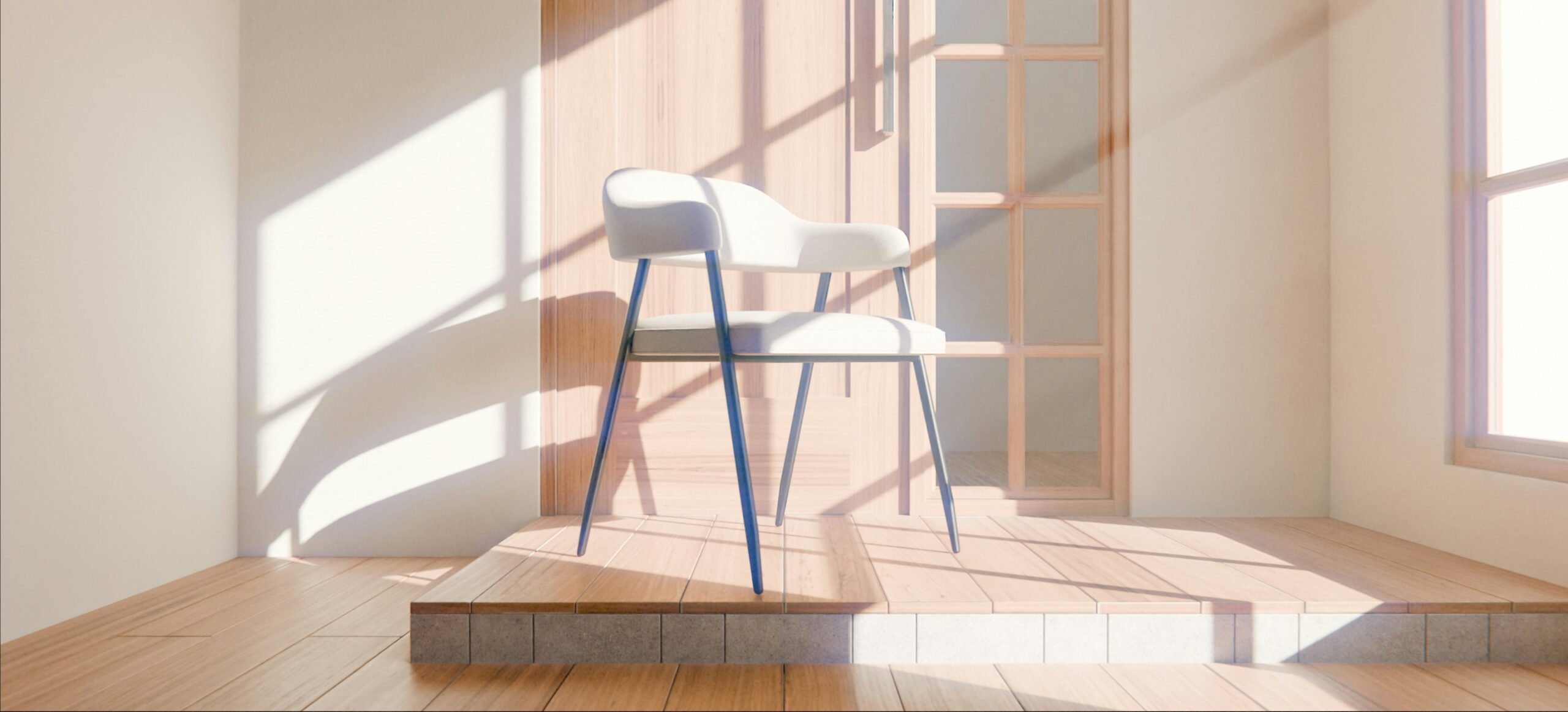
10:30 AM — The Living Room Starts
South-facing windows receive a different kind of exposure than east-facing ones. Where east light arrives at an angle and moves across the room like a projection, south light at midsummer is high and diffuse — more room-wide than directional. By mid-morning it fills the space without the dramatic diagonal beam, which is deceptive. Diffuse doesn’t mean less intense.
The sofa — positioned, as most sofas are, facing inward toward the television — has its left armrest in the light.
It has been in the light most mornings for three years.
The fabric on that armrest is a slightly different color than the right one. The homeowner noticed it last spring, assumed it was a manufacturing variation or uneven cleaning. It isn’t. It’s cumulative UV-A exposure breaking down the dye bonds in the fabric, gradually, in a way that doesn’t announce itself until the difference becomes impossible to explain otherwise.
The throw pillows on the window seat are worse. But nobody has moved them in months, so the comparison isn’t available.
12:00 PM — The Pivot
Solar noon. In July across most of the continental United States, the sun reaches its peak arc — highest in the sky, most intense radiation, though not yet at its hottest outdoor temperature.
This is the point at which east-facing rooms begin to catch a break. The angle shifts, the direct light retreats, and without new solar gain those rooms will slowly begin to cool — assuming the HVAC can overcome the heat already stored in floors, furniture, and walls from the morning.
That stored heat releases slowly. A floor that absorbed four hours of morning sun doesn’t cool the moment the direct light leaves it. The thermal mass works against comfort in summer: absorbing during exposure, radiating afterward.
The house’s hottest rooms at noon are often not the ones in direct sun at noon. They’re the ones that were in direct sun at nine.
2:00 PM — West Rooms Begin to Climb
This is where the day’s real thermal event happens.
West-facing windows in midsummer receive direct solar radiation from roughly 2 PM through sunset. Unlike the morning exposure, afternoon sun arrives when outdoor temperatures are at or near their daily peak — typically 3 to 5 PM. Solar radiation and ambient heat compound each other.
The home office, west-facing, has a desk positioned near the window for natural light. A sensible choice made in winter, when that light was welcome and the sun set early. In July, the desk is a problem.
By 2:30 PM the surface temperature of the desk — dark wood, facing west — has risen noticeably. The monitor is developing a glare on one side that wasn’t there this morning. The chair is warm. The room is warmer than the hallway by several degrees, a gap that will widen for the next two hours regardless of how hard the air conditioning runs.
The AC is running constantly. It’s not losing, exactly — the temperature isn’t climbing without limit — but it’s treading water. The system is removing roughly as much heat as the window is adding. Energy is being spent to maintain a standstill.
3:45 PM — Peak Load
The hottest moment of the day, most days, in most homes.
Outdoor temperatures peak. West-facing solar gain is at maximum intensity driving the heat damage. Thermal mass accumulated over the full day is radiating throughout every interior surface. The HVAC is at its highest runtime.
In the kitchen, the butcher block counter near the south-facing window has been warm since morning. A wooden cutting board left on it — the good one, the thick end-grain one received as a gift — has been in intermittent direct sun for portions of the day. The finish on its surface is microscopically compromised in the areas that saw the most exposure. This won’t be visible for months.
In the front bedroom, the hardwood floor has experienced a temperature cycle: cool overnight, warming through the morning, leveling through midday, radiating through afternoon. It does this every day. Wood expands and contracts with temperature. The cumulative effect on the finish, on the seams between boards, on the stain beneath — happens slowly, but it happens every single day.
In the basement, the HVAC system’s runtime log, if anyone looked at it, would tell the story of the entire day in data: baseline low in the morning, climbing through the afternoon, peaking around now, holding elevated through evening.
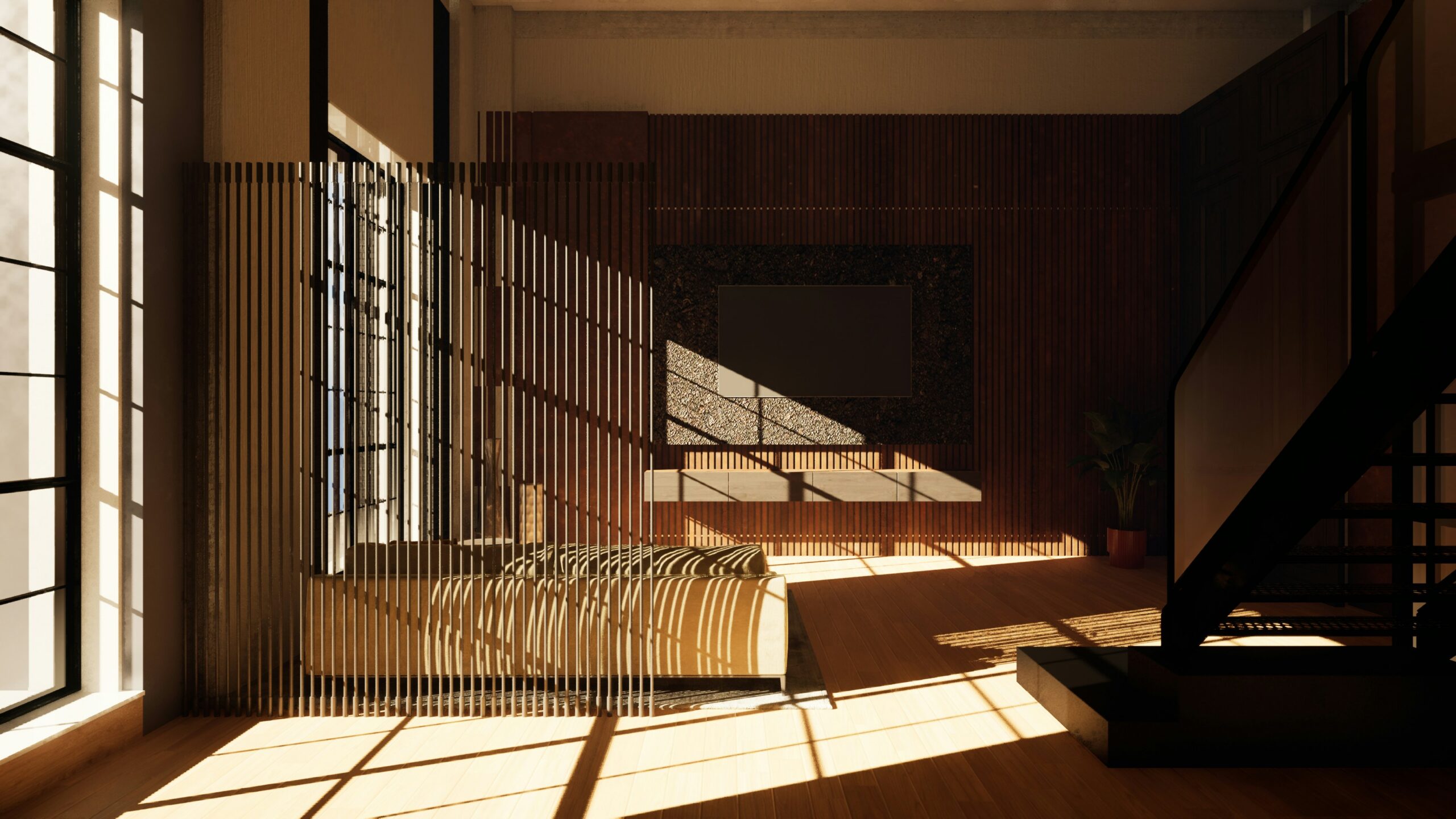
5:30 PM — The House the Family Returns To
The car pulls in.
The house is 74°F in the hallway. The thermostat has done its job.
The west-facing home office is noticeably warmer than the rest of the house — an invisible inefficiency that becomes a felt one the moment someone walks in and reaches for the thermostat.
The living room sofa looks fine. The floor looks fine. The kitchen looks fine.
None of these things are fine, in the sense that they are quietly changing at a pace that won’t register as damage until the damage is already done. The processes that began at 8 AM — UV degradation of wood and fabric, heat cycling of materials, solar heat gain driving energy cost — ran for nine and a half hours without interruption.
They will run the same course tomorrow.
And the day after.
The Point
None of what happened today is dramatic. No single day makes a difference. That’s precisely the problem.
Solar radiation doesn’t damage the way a burst pipe does — visibly, urgently, all at once. Heat damage is the way rust forms on iron: so gradually that there’s no single moment you could point to when it started, only a later moment when you can clearly see that it happened.
The UV fading on that sofa armrest represents hundreds of mornings, not one bad afternoon. The hardwood patina near the south-facing window is three years of daily solar cycling, not a single hot summer. The energy cost is 365 days of an HVAC system competing against uncontrolled solar heat gain, not one high bill.
The solution isn’t dramatic either. Solar control window film applied to existing glass intercepts radiation at the point of entry — before it reaches floors, furniture, fabrics, and the people who live with them. It doesn’t change how the house looks from outside or block the light that makes a home feel like one. It addresses the process that starts at 8 AM, quietly, while nobody’s watching.
Because nobody ever is.
Protect What You Come Home To
CoolVu specializes in residential solar control solutions that address UV damage, heat damage, and energy costs through existing windows — without replacing glass or sacrificing natural light.
Find your local CoolVu installer: www.coolvu.com/