Table of Contents
- What Is Decorative Window Film & How Does It Work?
- Key Benefits of Residential Decorative Window Film
- Types of Decorative Window Films for Homes
- Room-by-Room Ideas
- Energy, UV & Comfort Performance
- FAQs
- Next Steps
Why Decorative Window Film Belongs in Modern Homes
Picture this: it is mid-2026, you are working from your living room, and the afternoon sun turns your front windows into a two-way stage where every passing neighbor can see your screen, your couch, and your half-finished lunch. Closing the blinds solves the privacy problem but kills the natural light that makes the room livable.
Residential decorative window film is the middle ground most homeowners never consider. It is a thin adhesive laminate applied directly to existing glass that adds privacy, style, light control, and UV protection without darkening a room the way traditional window tint does. Instead of uniform shading, decorative films use patterns, frosts, textures, gradients, and custom graphics to control what people see while preserving the daylight you want to keep.
In this guide you will learn the key benefits of decorative window film, the major types available, room-by-room design ideas, how professional installation works with a provider like CoolVu, care tips, and how to choose the right product for every window in your home. CoolVu is a national window film and surface solutions provider that installs residential decorative window film across the U.S. through its franchise network, but this article is here to educate first and help you make a confident decision.

What Is Decorative Window Film & How Does It Work?
Decorative window film is a retrofit solution. It is applied directly to existing glass with no construction, no frame replacement, and no structural work. If your style preferences change in a few years, the film can be removed and swapped for a new design.
The terminology can overlap. You will hear decorative films, privacy window films, and window film used almost interchangeably, but they all fall under the same family of products designed for residential and commercial glass surfaces. Decorative window films enhance both residential and commercial spaces, though in this guide the focus is squarely on home applications.
At its core, residential decorative window film is a thin adhesive-backed polyester material applied to glass surfaces. Quality films are built from multiple layers: a durable polyester or vinyl base, a design layer (printed, etched, or patterned), a pressure-sensitive adhesive, and a scratch-resistant topcoat. When light hits the film, the design layer diffuses, filters, or color-shifts it depending on whether the finish is frosted, textured, or printed with a specific pattern.
Many decorative films also pack UV rejection and glare reduction technologies, blocking up to 98–99 percent of ultraviolet light. That means you get real functional value layered behind the beauty of the design.
There is an important gap between DIY peel-and-stick films from big-box stores and professionally specified films installed by trained CoolVu technicians. DIY options tend to be thinner, more prone to bubbles and edge lifting, and typically last three to seven years. Professionally installed interior films are matched to glass type, precision-cut, and properly cured, often lasting ten to twenty years. Decorative film can also be paired with solar control or security films when a homeowner wants both energy performance and a custom decorative look.
Key Benefits of Residential Decorative Window Film
Decorative window film solves multiple home problems at once: privacy, design, comfort, and protection, often in a single installation.
Privacy without heavy curtains. Privacy window films enhance indoor privacy without blocking light. Frosted, gradient, or patterned privacy and decorative window films blur views into bathrooms, street-facing living rooms, or entry sidelites while still transmitting generous amounts of daylight. Imagine first-floor windows along a busy sidewalk in a dense 2026 suburban neighborhood: a gradient film obscures the lower section at eye level while keeping the upper glass crystal clear. Custom window films can enhance privacy without sacrificing style, giving homeowners the freedom to choose exactly how much they reveal.
Enhanced interior design. These films can enhance home aesthetics by adding patterns, colors, or textures that mimic etched, sandblasted, or stained glass at a fraction of the cost. A dated 1990s clear shower door becomes modern, spa-like privacy glass in an afternoon. Decorative films can transform mundane windows into art pieces, bringing elegance to every corner of your home.
UV and fade protection. High-quality decorative films can block up to 99 percent of harmful UV rays, helping protect hardwood floors, rugs, artwork, and fabric from fading, especially on south- and west-facing windows.
Glare and comfort. Certain decorative films can reduce glare from bright sunlight, softening harsh reflections on TV screens and home office monitors during peak sun hours.
Safety and glass protection. Glass treated with decorative films can gain added tensile strength for security. Thicker films help hold glass together if broken by a stray baseball or storm debris, though they are not a substitute for full security window film.
Budget-friendly renovation. Decorative window films provide a cost-effective alternative to replacing glass. Installed costs typically run six to fifteen dollars per square foot, compared with fifty to two hundred dollars or more for custom etched panes. When you factor in their architectural window film performance benefits, most projects wrap up in a single day with minimal disruption.
Types of Decorative Window Films for Homes
There is no one-size-fits-all solution. The right decorative film depends on your privacy needs, your style, and how much natural light you want to keep. Decorative films are available in various styles including frosted, patterned, and stained glass, and decorative window films come in various colors and textures to match virtually any interior.
Frosted and etched-look films are the workhorses of residential privacy. They mimic sandblasted glass, diffusing light into a soft glow while obscuring detail. Ideal for bathrooms, shower enclosures, and office doors.
Patterned and geometric films bring stripes, grids, and modern motifs to mid-century or contemporary interiors. They work well on room dividers, sidelites, and French doors where you want selective privacy and a design statement.
Gradient privacy films transition from opaque at eye level to clear at the top, preserving sky views and overhead light. They are perfect for street-facing windows or balcony doors in townhomes and condos. Transitional window films that automatically adapt to changing sunlight can create stunning visual effects on windows while solving practical problems.
Textured and crystal films scatter light like rain glass, linen, or rice paper, adding depth and visual interest. Decorative window films come in various colors and textures across this category, and newer options like smart window films can even switch between clear and private states, giving you options from subtle to dramatic.
Stained glass and printed decorative films deliver full-color, custom-printed designs for transoms, entryways, and kids’ rooms. Textured stained glass window films create stunning visual effects, and custom decorative window films can emulate authentic stained glass without the lead lines or the price tag.
CoolVu can also produce custom-printed films with family monograms, house numbers, or unique patterns. Thousands of designs are available for custom window films through their broader window tinting and window film installation services, and custom window films can be tailored to specific needs and designed for any window size or shape. Editing colors and shapes of designs is free for custom films, so you can refine your vision before anything touches the glass. All of these decorative films can be installed on interior glass such as doors and partitions, or on exterior-facing windows and sliders.
Room-by-Room Ideas: Using Decorative Window Film Throughout Your Home
Thinking about decorative film as an abstract product makes it hard to commit. Here is how it works in real rooms.
Living rooms and family rooms. Large front windows are the most common pain point. A subtle pattern or gradient window film on street-facing glass retains natural light while softening roadside views and reducing TV glare. Pair decorative films with existing shades or drapes for flexible day-and-night privacy.
Kitchens and breakfast nooks. Use lightly frosted bands or patterned films on lower panes where neighbors can see in, keeping upper glass clear for sky and garden views. Smooth-finish decorative films are easy to wipe clean near sinks and prep areas.
Bathrooms and primary suites. Decorative window films are often used in bathrooms, entryways, and home offices. Fully frosting shower doors, bathroom windows, and toilet-room glass ensures privacy with bright, diffused light. Modern spa-style designs like horizontal frosted stripes or organic patterns elevate the space without a full remodel.
Home offices and dens. Decorative films on French doors or interior glass partitions create visual separation while letting daylight flow through the home. Films that cut monitor glare make afternoon work sessions far more comfortable for homeowners working remotely.
Entryways, stairwells, and transoms. Film on sidelites and door glass keeps the foyer bright but not exposed to the street. Bolder designs or stained glass effects create a memorable first impression when guests arrive, adding elegance and curb appeal to the corner of your home visitors see first.
Balancing Privacy with Natural Light and Views
The most common homeowner concern is losing natural light. The good news: well-chosen decorative window film delivers privacy while keeping your space bright.
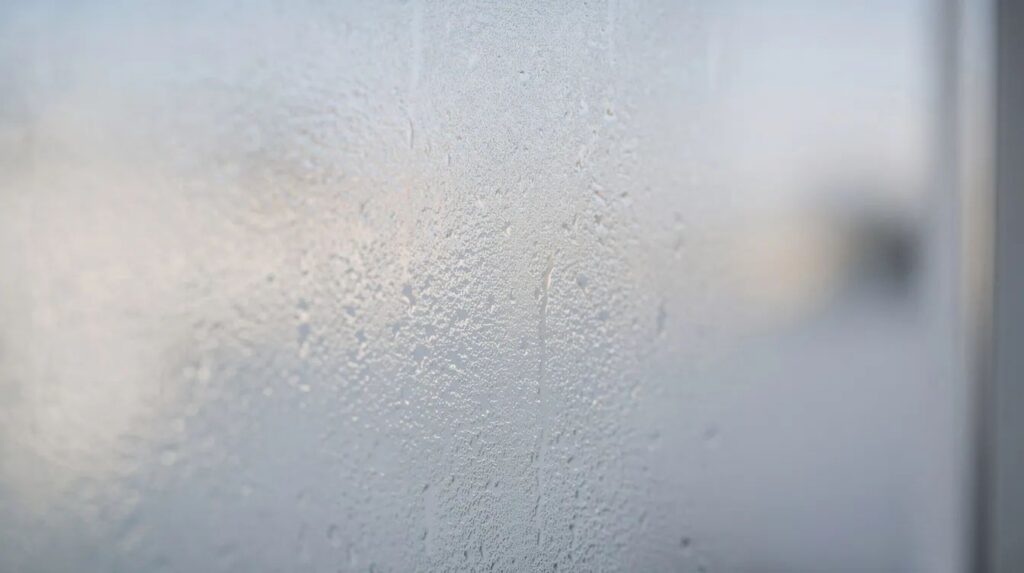
Different levels of opacity serve different purposes. Transparent films carry subtle patterns with minimal privacy, best for decorative accents. Translucent and frosted films blur shapes and faces but transmit high levels of daylight, making them the most popular residential choice. Opaque films fully block sight lines for storage rooms, closet windows, or any area where light matters less than total concealment. Frosted or textured window films can provide privacy without blocking natural light, which is why they dominate residential orders.
Directional privacy matters too. Films that rely on light imbalance (reflective tints) may offer strong daytime privacy but lose effectiveness at night when interior lights are on. True frosted and gradient films obscure views regardless of the time of day. Understand this trade-off before you choose.
To maintain outdoor views, consider partial coverage on only the lower two to three feet of glass, gradient films that clear toward the top, or subtle textures that soften but do not fully obscure the scene. Window films can provide a balance between style and function when you select the right opacity and placement for each window, and regional specialists such as CoolVu of Northeast Columbus can help you dial in that balance for local conditions.
CoolVu consultants typically evaluate sun direction, window height, and neighborhood density during on-site visits to recommend an ideal balance of privacy, light, and view for each window in your home.
Energy, UV & Comfort: Performance Advantages Beyond Decoration
While the focus is decorative, many modern residential window films are engineered to improve comfort and energy efficiency as well.
UV protection. Quality films often block up to 99 percent of UVA and UVB rays, protecting skin and reducing fading of floors, fabric, and artwork. Typical problem areas include south-facing living room windows and large two-story foyer glass common in homes built between 2000 and 2020.
Heat and glare control. Some decorative films incorporate subtle tinting or reflective layers to cut solar heat gain and lower cooling loads during hot summers. A sunroom or home office that was unbearable after noon can become fully usable again once film is in place. Decorative films can help reduce energy costs by improving energy efficiency in these high-exposure areas, especially when installed by local experts like CoolVu of North Milwaukee.
Comfort and hotspot reduction. Diffusing light across a room eliminates harsh sun patches on the floor, couch, and work surfaces, making open-plan layouts feel more comfortable and visually consistent throughout the day.
Homeowners who want maximum energy savings can pair a purely decorative interior film with a dedicated solar-control or Low-E film on the same or adjacent glass. CoolVu provides both categories and can design a combined solution tailored to your home through regional teams such as CoolVu of Northern Virginia.
Professional Installation Process with CoolVu
Professional installation ensures the film looks seamless, performs correctly, and does not damage glass, especially on insulated or tempered units.
Step 1 – Consultation and design selection. A CoolVu representative visits your home or conducts a virtual consultation, measures each glass surface, discusses your privacy and style goals, and shows physical samples in real light conditions. You can review decorative film patterns, opacity levels, and color options on the spot before any commitment.
Step 2 – Glass assessment and specification. The installer checks for glass type (tempered, laminated, double-pane, low-E) and orientation to make sure the chosen product is compatible and will not void your window manufacturer’s warranty.
Step 3 – Installation day. The process typically follows these steps: protecting floors and furnishings, cleaning glass with professional solutions, cutting film precisely, applying it with a slip solution, squeegeeing out moisture and air, and trimming edges for a clean finish. Slight haziness or small moisture pockets can be normal during curing and typically clear within days to weeks depending on film type and climate.
Step 4 – Final inspection and care instructions. The installer walks you through each treated window, reviews edges and seams, and provides written care guidelines along with warranty information.
CoolVu uses trained, insured installers across its national franchise network, creating consistent results regardless of your region.
Care, Cleaning & Long-Term Maintenance
Decorative window film is low-maintenance but does require a few simple habits to prolong clarity and adhesion.
Initial curing period. Avoid cleaning the film for the first 30 days while adhesives cure. Any remaining haziness or small water bubbles during that stage are normal and should not be poked or scraped.
Routine cleaning. Use soft, non-abrasive cloths or microfiber paired with mild, ammonia-free cleaners. Avoid razor blades, abrasive sponges, or harsh chemicals that can scratch or cloud the protective topcoat.
Longevity and replacement. The lifespan of decorative window films is typically between 5 to 10 years depending on exposure, though premium interior films with proper care often exceed 10 to 15 years. Decorative window films can be easily removed and replaced without damaging glass surfaces, making them more flexible than permanent etched glass when you want a style refresh.
Common mistakes to avoid. Do not hang suction-cup hooks directly on the film, apply tapes or stickers that could pull the film, or let pets scratch at glass doors where film is installed.
CoolVu offers guidance on safely removing old films and can handle removal and reinstallation as part of an upgrade project.
FAQs About Residential Decorative Window Film
Below are the questions CoolVu hears most often during homeowner consultations and online inquiries.
How long does residential decorative window film last?
Professionally installed interior decorative films typically last 10 to 15 years or more. Factors that influence lifespan include sun exposure intensity, cleaning habits, and film quality. DIY films generally last three to seven years. South- and west-facing windows see more UV and heat, which can shorten life compared with north-facing glass.
Will decorative window film damage or fog my windows?
When films are professionally specified and matched to the glass type, they do not cause seal failure or thermal stress. CoolVu installers check existing glass construction and window warranties before recommending any product, ensuring a safe, compatible installation.
Can I see out through decorative privacy film?
It depends on the film. Frosted and patterned films blur detail but still admit generous light; some allow vague shapes and movement to be seen, while others fully obscure the view. During a consultation, CoolVu brings samples so you can test visibility in your actual light before committing.
Is window film better than blinds or curtains for privacy?
Film preserves natural light and clean sight lines while providing consistent daytime and often full-time privacy. Blinds and curtains still serve a purpose for blackout needs and layered design, but film solves the “always-closed blinds” problem on street-facing windows. Many homeowners find they use both together for maximum flexibility.
Can decorative window film be removed later?
Yes. Quality films can typically be removed by professionals without damaging the glass. CoolVu can remove and replace films when you are updating designs, redecorating, or preparing a home for sale.
How much does residential decorative window film cost?
Pricing depends on film type, design complexity, glass size, and access. Standard frosted films often start around six to eight dollars per square foot installed, while custom graphics or gradient designs may reach twelve to fifteen dollars. Most residential projects cost far less than replacing glass. Contact CoolVu for a free, written estimate with accurate numbers for your specific windows.
Why Choose CoolVu for Decorative Window Film in Your Home
CoolVu specializes in residential and commercial window films and architectural surface finishes. As a leading provider of glass and surface solutions, this is the core of the business, not a side offering tacked onto another trade.
National reach, local expertise. CoolVu combines national product resources with locally owned franchises that understand regional climates, common home styles, and neighborhood privacy concerns. Your installer knows whether your area’s summer sun demands higher UV rejection or whether coastal humidity calls for specific adhesive formulations.
Comprehensive product lineup. CoolVu offers decorative, privacy, solar, and security window films alongside architectural surface wraps and printed graphics. That breadth means the right blend of products is recommended rather than a forced single solution.
Professional consultation and installation. Every project begins with a free estimate and on-site evaluation. Trained installers follow manufacturer guidelines, with permission to access the latest product lines and technical specifications, delivering long-lasting results backed by manufacturer and installation warranties.
Customer experience built for 2026. CoolVu focuses on neat, respectful in-home service, protecting furnishings, minimizing disruption, and leaving your space clean after installation. For homeowners living and working from home during the project, that care matters.
Ready to Transform Your Windows? Next Steps with CoolVu
With residential decorative window film, you can achieve privacy, style, and comfort without replacing a single window.
Walk through your home and note the problem areas: the bathroom window that forces you to keep blinds shut, the sidelites that expose your foyer, the glare-filled home office corner that kills your productivity every afternoon. Now imagine each one with a frosted, patterned, or gradient film instead of permanently closed curtains.
Your next step is simple. Contact your local CoolVu franchise for a free in-home or virtual consultation and personalized recommendations. Visit the CoolVu website to find the nearest location and schedule an appointment. The process is low-commitment: a no-cost estimate, sample viewing in your actual light, and professional installation typically completed in a day or less.
Enjoy brighter, more private, and more stylish rooms this season. The upgrade is faster than you think.