Table of Contents
- Introduction to Commercial Building Window Tinting
- Understanding Commercial Window Tinting Technology
- Key Benefits and Business Applications
- Implementation Process and Film Selection
- Common Challenges and Solutions
- Conclusion and Next Steps
- Frequently Asked Questions
Introduction to Commercial Building Window Tinting
Commercial building window tinting involves applying specialized window film to glass surfaces in non-residential structures, delivering measurable improvements in energy efficiency, security, and occupant comfort. This retrofit solution has become essential for business owners seeking to reduce operational costs while meeting sustainability goals. The benefits of commercial window tinting extend across multiple aspects of building performance.
This guide covers commercial window tinting applications for office buildings, retail spaces, warehouses, and institutional facilities. It addresses the specific needs of building owners, facility managers, and commercial property developers who must balance cost considerations with regulatory compliance, tenant satisfaction, and long-term return on investment. Whether you’re managing a single commercial space or overseeing a portfolio of properties, understanding window film technology helps you make informed decisions that protect both your investment and building occupants in any location.
Direct answer: Commercial window tinting reduces energy costs by 10-30% while simultaneously enhancing security, blocking harmful UV rays, and creating a more comfortable environment for occupants—with typical payback periods of 1-3 years for solar control installations.
By reading this guide, you will gain:
- Clear understanding of different window film technologies and their commercial applications
- Quantified energy savings data and ROI calculations for your business case
- Knowledge of security and safety benefits that reduce liability and protect property
- Practical implementation steps from assessment through installation
- Solutions for navigating building codes, warranties, and tenant coordination
Understanding Commercial Window Tinting Technology
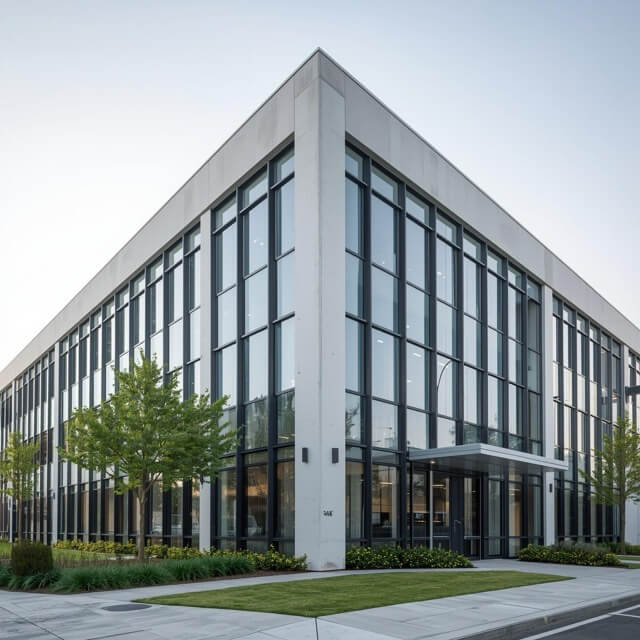
Commercial window films consist of polyester-based laminate materials applied to interior or exterior glass surfaces on buildings. These films incorporate multiple functional layers—adhesives, dyes, metallic coatings, ceramic particles, or smart technologies—engineered to control solar heat gain, enhance safety and security, and improve aesthetics. For modern commercial buildings pursuing sustainability goals and LEED certification, window film represents one of the most cost-effective retrofits available.
Solar Control Films
Solar control films focus on reducing heat gain through windows by reflecting or absorbing near-infrared radiation while managing visible light transmission. These films reject 40-80% of total solar energy depending on the technology used, with advanced spectrally selective options achieving high heat rejection while preserving natural light. This helps reduce the impact of the sun on interior spaces.
The connection to energy efficiency is direct: by reducing solar heat entering through windows, these films decrease HVAC cooling loads significantly. Case studies document cooling load reductions of up to 27.5% in optimized installations, translating to lower energy bills and reduced strain on building systems throughout summer months.
Security and Safety Films
Security and safety films utilize thicker laminate construction—typically 4-14 mil or more—designed to hold glass fragments together during impact events. These films protect building occupants from flying glass shards during break ins, natural disasters, or accidental impacts, reducing injury risk and liability exposure.
Beyond protection from forced entry attempts, security films often meet safety glazing standards (ANSI Z.97, CPSC 16 CFR 1201), helping commercial properties achieve compliance while simultaneously blocking harmful uv rays at rates exceeding 99%.
Decorative and Privacy Films
Decorative films offer aesthetic enhancement through frosting, patterns, color tints, or custom branding elements. These films enhance privacy in conference rooms, medical facilities, and glass doors without requiring blinds or curtains, while supporting corporate image through consistent architectural finishes. Anti-graffiti films protect glass surfaces from vandalism and can be easily replaced if damaged.
While decorative window film provides lower heat rejection (typically 10-30%), many products combine privacy features with UV protection, making them practical choices for commercial spaces where appearance and confidentiality matter as much as environmental control.
Key Benefits and Business Applications
The technology behind commercial window films translates directly into measurable advantages for business operations, from reduced energy consumption to improved workplace conditions that boost productivity.
Energy Efficiency and Cost Reduction
Solar control films deliver substantial energy savings by blocking solar heat before it enters your commercial space. Buildings with significant south- and west-facing glazing often see the greatest impact—a Los Angeles office tower with 11,000 windows achieved savings of 155,000 kilowatt-hours monthly after film installation, with payback under eight months. In addition to lowering cooling demands, these films assist with protecting furniture and interior finishes from long-term sun exposure.
For typical commercial applications, expect 10-30% reductions in cooling-related energy costs. Spectrally selective ceramic films can push savings toward 30-40% while maintaining high natural light levels. These lower cooling costs compound over the 15-20 year lifespan of quality films, creating long-run value that far exceeds initial investment.
Enhanced Security and Safety
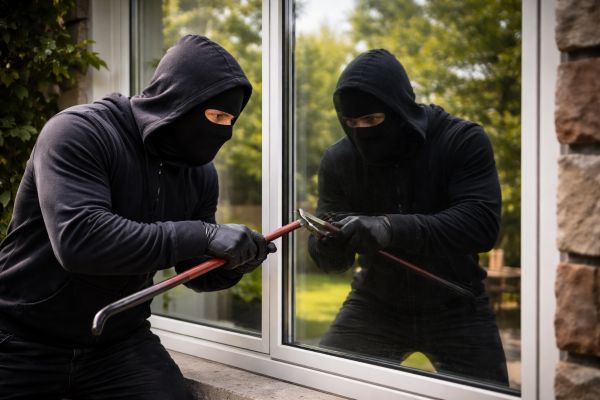
Window film adds a critical layer of protection against both criminal threats and accidental hazards. Security films delay forced entry by holding shattered glass in place, giving occupants time to respond and potentially deterring intruders altogether.
In schools, banks, and healthcare facilities, this added protection can reduce insurance premiums while meeting duty-of-care obligations and provide added peace of mind.
Protection extends to environmental events as well. During storms or seismic activity, films prevent glass from becoming potential hazards by containing fragments that would otherwise scatter through occupied areas.
Improved Workplace Comfort
Reducing glare on computer screens and evening out hot spots near windows creates a more comfortable environment that directly impacts employee productivity. UV rejection rates exceeding 99% protect building occupants from harmful exposure linked to skin cancer while simultaneously protecting furniture, carpeting, and interior furnishings from fading. Reducing glare throughout the workspace also supports employee productivity.
When occupants aren’t distracted by temperature swings or harsh glare, they can focus more effectively on work. This creates improved comfort for employees throughout the workday —an indirect benefit that often exceeds direct energy savings in total value. Added protection against fading helps preserve interior finishes over the long term.
Aesthetic and Branding Opportunities
Commercial window tinting offers opportunities to achieve consistent building appearance while reinforcing brand identity. Reflective films can create a unified, modern façade; decorative options can incorporate logos, wayfinding elements, or privacy treatments that serve multiple functions simultaneously.
For retail environments, films can create daytime privacy for sensitive information or high-value displays while maintaining visibility from inside. Professional films remain nearly invisible when desired, preserving architectural intent while delivering functional benefits.
Key section takeaways: Commercial window films deliver measurable benefits across energy costs, security, comfort, and aesthetics—typically with ROI timelines of 1-5 years depending on building characteristics and film selection.
Implementation Process and Film Selection
Professional installation ensures maximum performance and longevity from your window film investment. Understanding the process and selection criteria helps you work effectively with installers and make appropriate choices for your specific commercial building needs. Businesses researching Window Film Installation Near Me should prioritize experienced commercial installers who understand local regulations, building requirements, and long-term performance expectations.
Professional Installation Process
Schedule installation during periods of low occupancy—weekends or after-hours—to minimize business disruption. For larger projects, phased installation across different façades or floors maintains normal operations while work progresses.
- Building assessment and measurement: Technicians evaluate glass types (single/double pane, existing coatings), orientations, shading conditions, and current energy costs to model expected savings and identify potential concerns.
- Film selection and customization: Based on assessment findings, select appropriate film technology matching your priorities—whether maximizing energy efficiency, security, privacy, or aesthetic goals.
- Surface preparation and cleaning: All glass surfaces receive thorough cleaning to remove residues and contaminants that could compromise adhesion or create visible defects.
- Film application and quality inspection: Professional installation includes careful application, edge sealing, and inspection for bubbles, uniform adhesion, and optical consistency against manufacturer specifications. Installers verify that each line of film aligns correctly with adjacent sections.

Commercial Film Type Comparison
| Film Type | Heat Rejection | UV Blocking | Security Rating | Typical Lifespan | Installed Cost/sq ft |
|---|---|---|---|---|---|
| Solar Control (Ceramic) | 60-80% | ≥99% | Minimal | 15-20 years | $8-$18 |
| Solar Control (Metalized) | 40-70% | ≥99% | Minimal | 10-15 years | $6-$14 |
| Security/Safety | 20-35% | ≥99% | 4-14 mil; ANSI rated | 10-15 years | $7-$25 |
| Decorative/Privacy | 10-30% | 95-99% | Minimal | 5-10 years | $8-$30 |
| Smart/Dynamic (PDLC) | Up to 80% (active) | ≥99% | Minimal | 10-20 years | $50-$100 |
Selection synthesis: For commercial properties prioritizing energy savings, ceramic solar control films offer the best combination of performance and longevity. Buildings with ground-floor security concerns should consider combination films offering both heat rejection and impact resistance. Dynamic films suit spaces requiring flexible privacy control despite higher costs.
Common Challenges and Solutions
Commercial window tinting projects face predictable obstacles that proper planning addresses before they create problems.
Building Code and HOA Compliance
Local regulations often specify minimum visible light transmission and maximum reflectivity for commercial façades, particularly in downtown or historic districts. Work with manufacturers to obtain product data sheets and certification documentation. Engage local code authorities early in the process, and select films specifically rated for required standards. For properties in historic areas, choose neutral-appearance films that maintain architectural character.
Warranty and Maintenance Concerns
Protect your investment by specifying clear warranty terms (10-20 years for quality solar films) covering adhesion, clarity, and UV stability. Establish maintenance protocols: clean with soft cloths and mild solutions, avoid abrasive materials, inspect edges regularly for delamination. Interior films require less maintenance than exterior installations, which face environmental degradation requiring more frequent inspection.
Tenant and Occupant Coordination
In occupied commercial buildings, installation disrupts normal activities. Provide tenants advance notice of scheduled work, phase installation to avoid impacting all occupants simultaneously, ensure installers maintain cleanliness and safety throughout the process. After-hours scheduling eliminates most disruption concerns for office environments and helps maintain positive relationships with clients.
Conclusion and Next Steps
Commercial window tinting represents one of the most practical investments for reducing energy costs, enhancing safety and security, and improving occupant comfort in commercial buildings. With documented energy savings of 10-30%, payback periods often under three years, and film lifespans extending 15-20 years, the business case speaks clearly.
Take these steps to move forward:
- Commission an energy audit quantifying current costs and potential savings from window film installation
- Evaluate your building’s primary needs—energy efficiency, security, privacy, or aesthetics—to guide film selection
- Request consultations from professional installers with commercial experience and verifiable references and review the services they provide before making a final decision.
- Schedule installation during low-occupancy periods to minimize business disruption
- Establish post-installation maintenance protocols to protect your investment
For buildings pursuing broader sustainability goals, explore how window film integrates with building automation systems and contributes to green building certification programs like LEED and BREEAM.
Frequently Asked Questions
How much can commercial window tinting reduce energy costs?
Commercial window films typically reduce cooling-related energy costs by 10-30%, depending on climate, building orientation, existing glazing, and film technology. Advanced spectrally selective films can achieve savings approaching 40% in high solar exposure conditions, with documented payback periods ranging from 8 months to 5 years.
What is the typical lifespan of commercial window film?
Quality solar control films—particularly ceramic and nano-ceramic technologies—last 15-20 years with proper maintenance. Security films typically perform for 10-15 years. Exterior-mounted films have shorter lifespans (7-12 years) due to environmental exposure. Decorative films generally last 5-10 years before aesthetic degradation.
Does window tinting affect natural lighting in the building?
Yes, though impact varies significantly by film type. Spectrally selective films can reject substantial solar heat while maintaining visible light transmission of 50-70%, preserving natural light. Darker or reflective films reduce light more noticeably. Dynamic smart films allow adjustable control, switching between clear states (>70% VLT) and tinted/opaque conditions.
Can window film be removed if building ownership changes?
Yes. Professionally installed films can be removed, though the process requires care and typically professional assistance. Removal involves cleaning residual adhesive and may cause minor glass surface effects. Warranty terms often address removal procedures and any associated costs.
What maintenance is required for commercial window tinting?
Regular cleaning with soft cloths and mild solutions maintains appearance and performance. Avoid abrasive tools, ammonia-based cleaners, or harsh chemicals that can damage film surfaces. Inspect edges periodically for lifting or delamination, particularly on exterior installations. Most interior films require minimal maintenance beyond standard window cleaning.
How long does commercial window film installation take?
Installation duration depends on building size, window count, accessibility, and film type. Small retrofits may complete within days; large multi-story façades require weeks to months. Professional installers typically phase work to minimize operational disruption, completing sections systematically rather than affecting all areas simultaneously.
Are there tax incentives for energy-efficient window film installation?
Yes. In the United States, dynamic glazing installations may qualify for tax credits up to 30% of cost under the Inflation Reduction Act. Additionally, many utilities offer rebates for energy efficiency improvements, and commercial properties may benefit from depreciation schedules for building improvements. Consult with tax professionals regarding specific eligibility.
Can window tinting help with LEED certification?
Yes. Window film installations can contribute to multiple LEED credit categories including Energy & Atmosphere (improved energy performance), Indoor Environmental Quality (daylight and glare control), and Materials & Resources. Documentation demonstrating energy performance improvements and daylight access is required for credit claims. Manufacturers like Solargard provide LEED credit documentation to support certification applications.