
Table of Contents
- Key Facts About Tempered Glass
- Understanding Tempered Glass
- Types and Applications of Tempered Glass
- Tempered Glass vs Other Safety Glass Options
- Common Challenges and Solutions
- Conclusion and Next Steps
- Frequently Asked Questions
Key Facts About Tempered Glass
Tempered glass is a type of safety glass that has been heat-treated to become approximately 4 to 5 times stronger than standard glass. This manufacturing process transforms regular annealed glass into a material that, when broken, shatters into small, blunt pieces rather than dangerous jagged shards, significantly reducing the risk of serious injury.
This guide covers everything you need to know about tempered glass—from the tempering process and manufacturing details to residential and commercial applications, building codes, and how it compares to other safety options. Whether you’re a homeowner assessing tempered glass windows for a bathroom renovation, a builder ensuring compliance with safety regulations, or a business owner specifying glazing for a storefront, understanding tempered glass is essential for safety, legal compliance, and liability protection.
In simple terms: Tempered glass is heat-treated safety glass that’s 4 to 5 times stronger than regular glass and shatters into small, rounded pieces instead of sharp shards when it breaks.
By the end of this article, you’ll understand:
- How the thermal tempering process creates stronger, safer glass
- Where building codes require tempered safety glass installation
- Common applications in homes, vehicles, and commercial buildings
- How tempered glass compares to laminated glass and other alternatives
- Practical challenges and solutions for tempered glass installations
Understanding Tempered Glass
Tempered glass, often referred to as safety glass, is regular annealed glass that has undergone a specialized heat treatment process to dramatically increase its strength and change its breaking characteristics. This type of glass is engineered specifically to protect people from harm when glass breaks, making it essential for high-risk areas where human impact is possible. If you need to find tempered glass for a specific project, understanding these performance characteristics is an important first step.
The Tempering Manufacturing Process
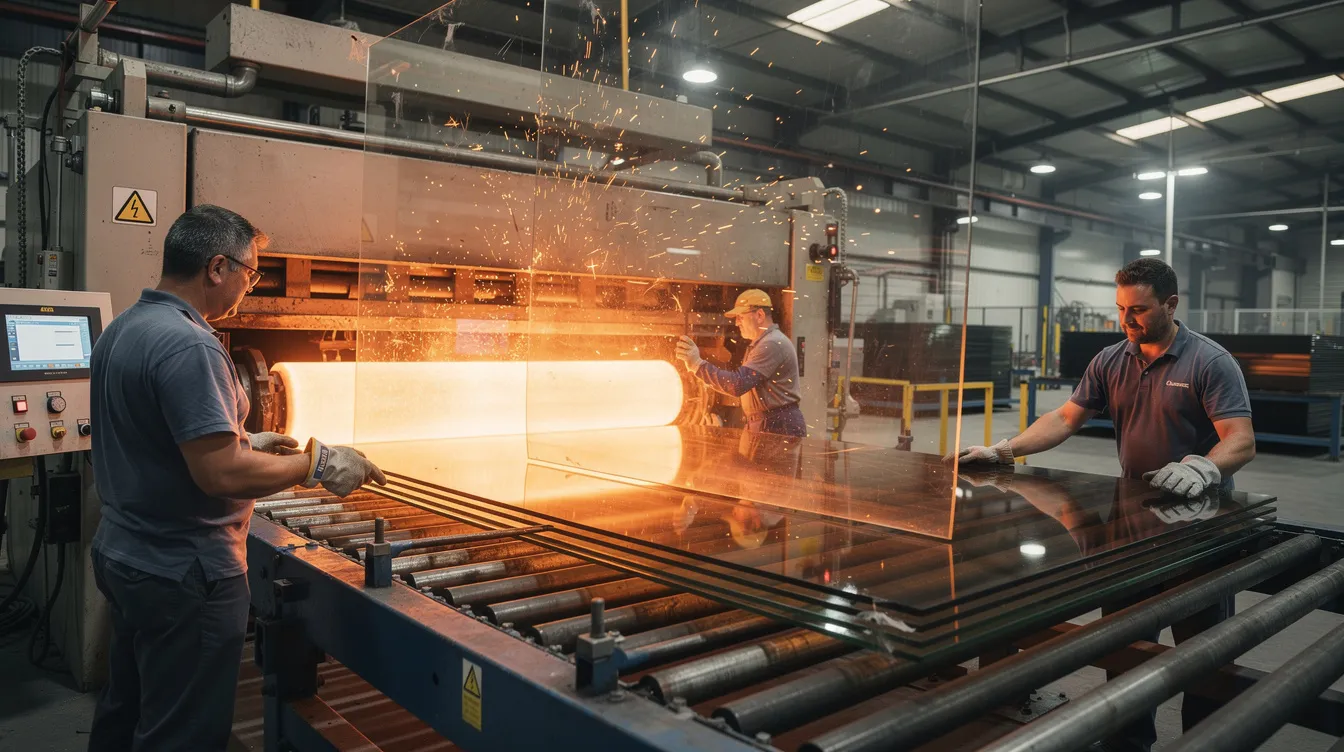
The tempering process begins with standard annealed glass that has already been cut to size, edged, and polished. Tempered glass is manufactured by heating annealed glass to temperatures around 620 °C (1,148 °F) in a specialized furnace. At this temperature, the glass reaches its softening point without losing its shape.
Immediately after heating, the glass is rapidly cooled with forced air jets in a process called quenching. The glass surfaces are cooled rapidly while the inside cools more slowly, creating a specific stress pattern throughout the material. This process induces compressive stresses in the surface and outer layers while creating internal tension in the core.
The result is a permanent state of compression on the glass surfaces balanced by internal stress in the center. The tempering process increases the mechanical strength of the glass, making it up to 5 times stronger than regular annealed glass. Fully tempered glass must achieve surface compression exceeding approximately 69 MPa (10,000 psi) to meet industry standards.
This unique stress distribution is precisely why tempered glass shatters into small, blunt pieces rather than sharp shards when broken—the stored tension releases uniformly across the entire piece.
How Tempered Glass Differs from Regular Glass
Standard, or annealed glass, has a modulus of rupture around 40 MPa, while tempered glass achieves effective tensile strengths of 165-200 MPa in surface compression. This means it can withstand significantly higher impacts and loads before breaking.
When regular glass breaks, it fractures into large shards with sharp edges that can cause serious injury. In contrast, when tempered glass shatters, it crumbles into granular chunks—small, relatively harmless pieces with blunted edges. This fundamental difference in breaking pattern is why building codes mandate tempered glass in hazardous locations.
Beyond impact strength, tempered glass offers superior thermal shock resistance. It can withstand thermal fluctuations of up to 250 °C, making it far more resistant to extreme weather, extreme temperatures and rapid temperature changes compared to regular glass. This thermal resistance makes it ideal for applications like oven doors, fireplace screens, and glass surfaces exposed to direct sunlight.
Understanding these properties helps explain why tempered glass is specified for so many safety-critical applications throughout buildings and consumer products.
Types and Applications of Tempered Glass
The combination of increased strength, thermal resistance, and safer breakage pattern makes tempered glass the preferred choice across numerous residential, commercial, and industrial applications.
Common Residential and Commercial Uses
Tempered glass is used in various applications where safety and durability are top concerns:
Bathroom Applications: Shower doors and bathtub enclosures almost universally use tempered safety glass. The combination of wet surfaces, bare feet, and the potential for slips makes this an area where tempered glass is essential to reduce the risk of injury from breakage. In residential settings, a tempered glass door is often found in showers due to its safety features.
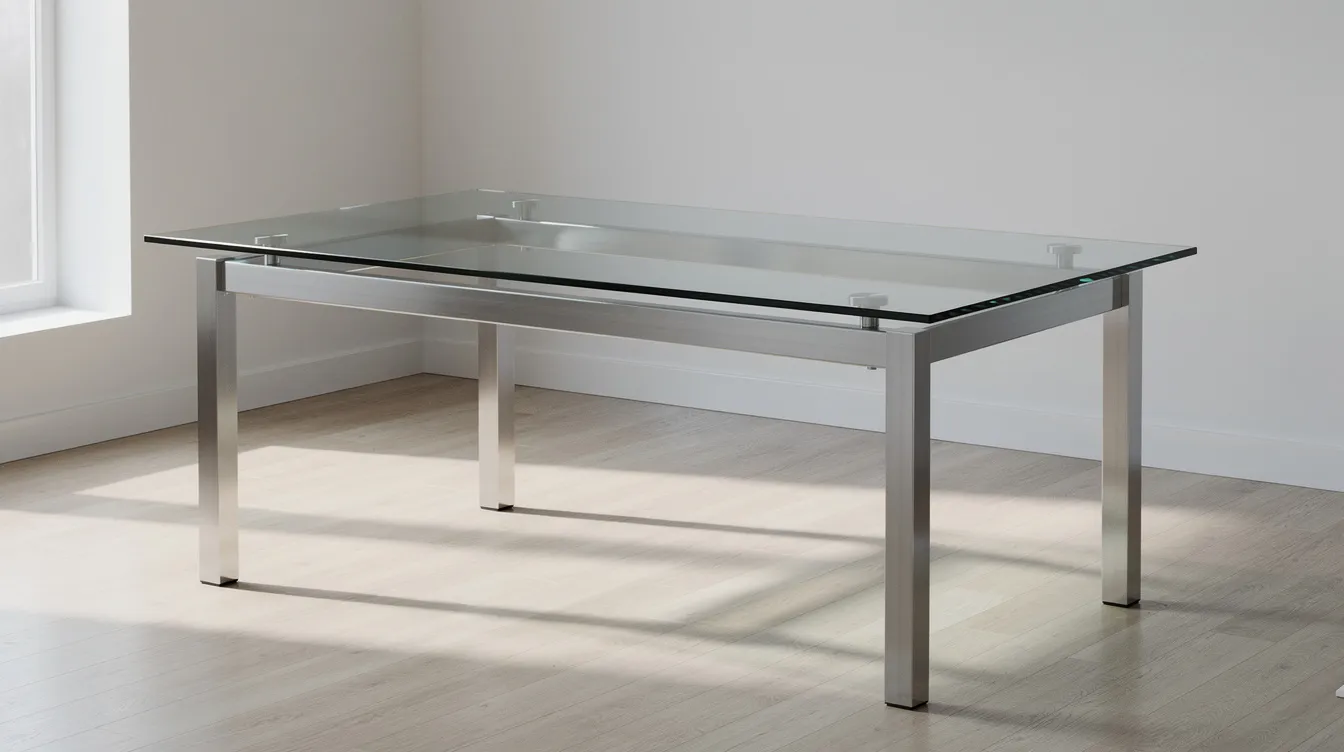
Furniture and Fixtures: Tables, shelves, and display cases frequently incorporate tempered glass to guard against everyday impact. The unique properties of this type of glass make it a preferred material in modern construction and consumer products, balancing aesthetics with durability. Tempered glass is highly resistant to scratches and abrasion, maintaining a clear appearance in high-traffic applications.
Kitchen Appliances: Oven doors, cooktop surfaces, and refrigerator shelving use tempered glass because it can withstand high temperatures and thermal cycling. Tempered glass is used in various applications including oven doors and glass shelving due to its ability to handle extreme temperatures.
Automotive Applications: Vehicle side and rear windows are made from tempered glass, ensuring that if the glass breaks in an accident, occupants aren’t harmed by sharp pieces. Windshields, however, typically use laminated glass for different safety reasons.
Electronic Devices: Tempered glass is frequently used in mobile devices and touchscreen protectors, providing enhanced durability and resistance to impact compared to standard glass.
Building Code Requirements
Building codes in the United States require the use of tempered or laminated glass in various situations to enhance safety in case of human impact. Tempered glass is commonly used in buildings for applications such as frameless glass doors, large windows, and glass installed near doorways and stairways, as required by building codes.
Key code-mandated locations include:
- Near Doorways: Glazing within 24 inches of a door in the swing path
- Stairways and Ramps: Glass panels where someone might fall into the glazing
- Low Windows: Glass within 18 inches above the floor in residential occupancy
- Wet Areas: The use of tempered glass in wet areas, such as around swimming pools and in bathrooms, is recommended due to its ability to reduce the risk of injury from breakage
- Overhead Glazing: Skylights and other overhead glass installations
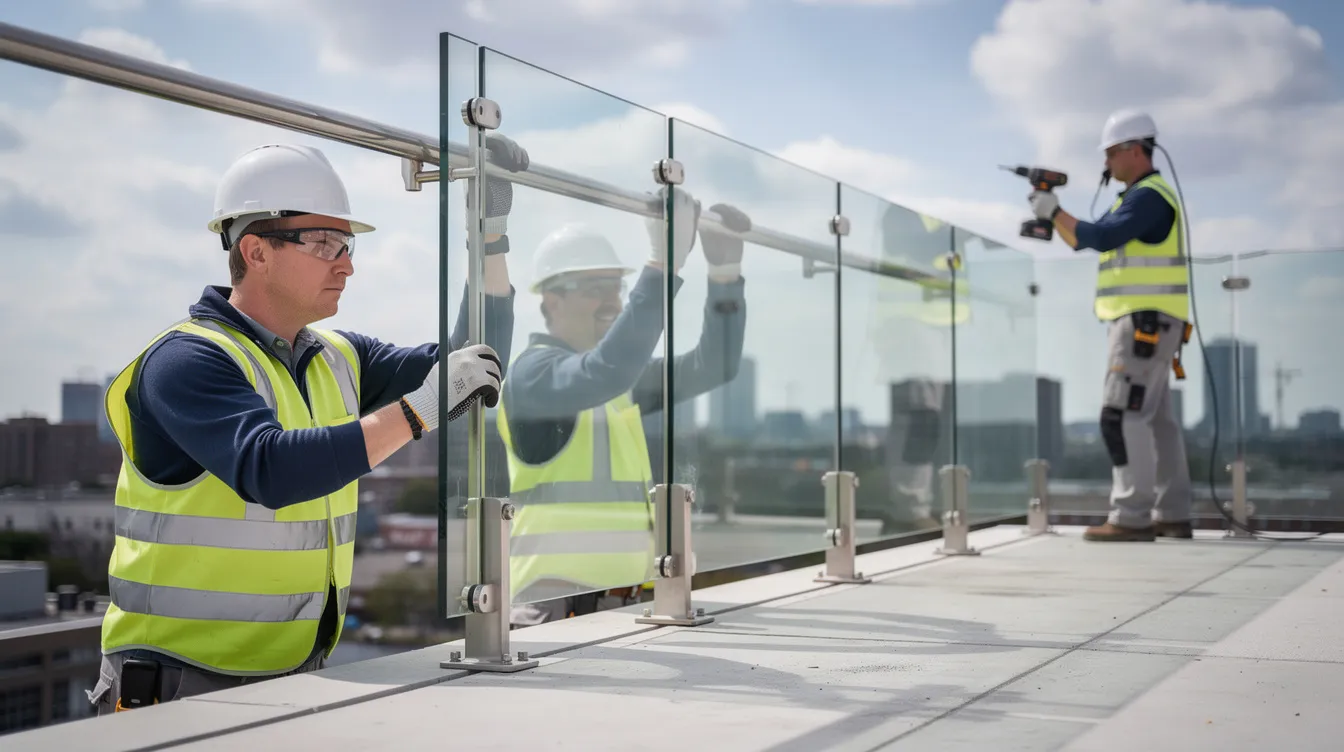
- Guardrails and Railings: Any glass functioning as a barrier or balcony enclosure
Tempered glass is often specified for use in commercial applications, including office windows and entryway doors, where safety and strength are critical. Safety glass must typically bear a permanent identifying label etched in a corner with certifications under ASTM C1048 or ANSI Z97.1.
Specialized Variants
Fully Tempered: Meets maximum strength standards with surface compression exceeding 69 MPa. Used in the most demanding structural applications where impact risk is highest.
Heat-Strengthened: A middle option between annealed and fully tempered, offering approximately twice the strength of annealed glass. It provides thermal stability for wind loads but doesn’t qualify as safety glazing in all hazardous locations.
Rim-Tempered: Tempering focused on edges or rims, commonly used in food service equipment, shelving, and smaller components where full tempering isn’t necessary.
Heat-Soak Tested: Post-tempering treatment that exposes glass to elevated temperatures to identify potential nickel sulfide inclusions before installation, reducing the risk of spontaneous breakage.
Tempered Glass vs Other Safety Options
Choosing the right safety glass requires understanding how different options compare in terms of strength, security, cost, and breaking behavior. Each type of glass serves specific purposes based on its unique characteristics.
Comparison Table of Safety Glass Types
| Criterion | Tempered Glass | Laminated Glass | Regular (Annealed) Glass |
|---|---|---|---|
| Strength | 4-5× stronger than annealed; surface compression >69 MPa | Similar to annealed when intact; strength from interlayer | Baseline strength |
| Breaking Pattern | Small, blunt granular chunks; safer breakage | Cracks in spider-web pattern; shards held by interlayer | Large, jagged shards; dangerous sharp edges |
| Security Level | Lower—glass shatters completely allowing access | Higher—glass holds together even when cracked | Lowest—breaks into large shards |
| Thermal Resistance | Excellent; withstands up to 250°C fluctuations | Moderate; interlayer may degrade with heat cycles | Poor; prone to thermal stress fractures |
| Post-Breakage Behavior | Glass falls out; barrier lost; requires full replacement | Glass remains in frame; barrier maintained | Glass falls in sharp pieces |
| Cost | Moderate (2-3× cost of annealed) | Higher than tempered; varies by interlayer type | Lowest cost |
| Modifiability | Cannot be cut or modified after tempering | Cannot be safely modified after assembly | Can be cut and drilled |
| Primary Applications | Doors, showers, stairs, appliances, vehicle windows | Windshields, overhead glazing, security applications | Standard windows in non-hazard areas |
| Laminated glass, unlike tempered glass, consists of multiple layers with an interlayer that holds the glass together when broken, providing better security against forced entry and reducing the risk of injury from sharp shards. For maximum protection, some applications combine both technologies using laminated tempered glass. |
Installation and Modification Considerations
Tempered glass must be cut to size or shaped before the tempering process, as it cannot be re-worked once it has been tempered, making precision in the initial stages crucial. Any attempt to cut, drill, or grind this glass after tempering will cause it to shatter immediately due to the release of internal stress.
This limitation means:
- All measurements must be exact before manufacturing begins
- Custom sizing and edge finishing must be completed on annealed glass first
- Holes for hardware, notches, or special shapes require advance planning
- Window frame specifications must accommodate the exact dimensions ordered
- Any mismeasurement results in scrapped material and reordering
Proper installation requires frames and mounting systems designed to accommodate tempered glass without inducing stress concentrations. Hardware, gaskets, and supports must distribute pressure evenly to prevent localized stress that could trigger breakage. In retrofit applications, security window films and window films may also be used to enhance glass performance without replacing existing glazing systems.
Common Challenges and Solutions
While tempered glass provides significant safety advantages, understanding its limitations helps ensure proper specification and installation for your specific application.
Spontaneous Breakage Risk
Tempered glass can spontaneously break due to impurities, which can create dangerous situations, especially in overhead installations. This rare phenomenon occurs when nickel sulfide (NiS) inclusions—tiny impurities formed during manufacturing—expand over time within the tensile zone of the glass.
Solution: Specify heat-soak tested tempered glass for critical applications. This post-tempering treatment exposes the glass to elevated temperatures, causing defective panels to fail before installation. Under European standard EN 14179-1, heat-soak testing reduces spontaneous breakage risk to approximately one break per 400 metric tons of glass. Additionally, working with manufacturers who maintain strict quality control during raw material sourcing minimizes contamination risk.
Security Limitations
Tempered glass poses a security risk because it shatters completely upon impact, making it easier for intruders to gain access. Unlike laminated glass that holds together when broken, tempered glass falls away from the frame entirely upon sufficient impact.
Solution: For enhanced security against forced entry, consider applying security window films to tempered glass installations. These films help hold fragments together after breakage. For high-security applications, laminated or laminated tempered glass combinations provide superior protection. Polycarbonate shields can also improve safety in extremely high-risk areas prone to break-in attempts.
Higher Cost and Customization Requirements
The cost of installing tempered glass is generally higher than other options because it must be custom manufactured for each specific application. Once tempered, it cannot be resized or reshaped, which means any damage to it requires the entire window piece to be replaced, leading to higher maintenance costs.
Solution: Proper planning and accurate measurements before ordering prevent costly mistakes. Work with certified installers who understand tempered glass requirements and can ensure correct specifications from the start. While the initial investment is higher, the safety benefits and durability often justify the cost—especially in areas where building codes require safety glazing or where the risk of human impact makes standard glass inappropriate.
Conclusion and Next Steps
Tempered glass is heat-treated safety glass that undergoes a thermal tempering process to become 4 to 5 times stronger than standard annealed glass. When it breaks, it shatters into small, blunt pieces rather than dangerous jagged shards, making it significantly safer for applications where human contact is possible. This unique combination of strength, thermal resistance, and safe breakage characteristics explains why building codes mandate tempered glass in hazardous locations throughout homes and commercial buildings.
Your next steps:
- Assess your safety glass needs: Identify areas in your home or building where tempered glass is required or would improve safety—including doors, windows near walkways, bathrooms, and glass furniture. If you need to find tempered glass, consult qualified suppliers and installers who can recommend the correct specifications for your application.
- Check local building codes: Verify specific requirements for your jurisdiction, as codes vary and may mandate tempered or laminated in particular locations
- Get professional consultation: Work with certified glass installers who can take precise measurements and ensure proper specification before manufacturing
- Consider your security requirements: Evaluate whether tempered glass alone meets your needs or if laminated glass, window film, or other alternatives provide better protection for your situation. In many cases, security window films can provide an additional layer of protection for existing tempered glass installations.
For enhanced protection beyond standard tempered glass, explore laminated glass options for security-critical applications, security films for existing installations, and polycarbonate alternatives for extreme impact resistance requirements.
Frequently Asked Questions
What does tempered glass mean in simple terms?
Tempered glass is regular glass that’s been heated to around 620°C and then rapidly cooled, making it much stronger and safer. When it breaks, it crumbles into small, rounded pieces instead of dangerous sharp shards that could cause serious injury.
Is tempered glass the same as safety glass?
Tempered glass is one type of safety glass, but safety glass is a broader category. Safety glass includes any glazing that meets specific breakage behavior or retention standards, including laminated glass, wired glass, and chemically strengthened glass. Tempered glass qualifies as safety glass due to its characteristic of breaking into harmless small pieces.
How can you tell if glass is tempered?
Look for a permanent etched stamp in one corner stating “Tempered” or referencing standards like ASTM C1048. You can also identify it by using polarized sunglasses—stress patterns appear as characteristic “bow tie” or wavy designs when viewing through polarization. You cannot determine if it is tempered by thickness or clarity alone.
Why does tempered glass shatter into small pieces?
The tempering process creates surface compression and internal tension throughout the glass. When a crack breaks through the compressed surface layer, the stored tension in the core releases rapidly, causing the entire piece to fracture uniformly into small granular chunks rather than large shards with sharp edges.
Can tempered glass be cut or drilled?
No. It cannot be cut, drilled, notched, or modified after the tempering process. Any machining relieves the surface compression and triggers immediate shattering. All cutting, drilling, and edge finishing must be completed while the glass is still in its annealed state, before tempering.
Is tempered glass worth the extra cost?
In hazardous locations required by building codes—such as near doors, stairs, bathrooms, and large windows. This glass is typically mandatory, making the question of cost secondary to compliance. Even where not required, the safety benefits often justify the investment of 2-3 times the cost of annealed glass, particularly considering liability risks, insurance implications, and injury prevention.
What are the alternatives to tempered glass?
Alternatives include laminated glass (which holds together when broken, providing better security), heat-strengthened glass (stronger than annealed but not a full safety glass), chemically strengthened glass (ion-exchange process used in electronics), wired glass (for fire safety applications), and polycarbonate or other plastic glazing for high-impact situations. Each alternative has trade-offs in cost, weight, optical clarity, and specific safety characteristics.
Where is tempered glass required by building codes?
Building codes in the United States require tempered or laminated glass in specific hazardous locations. These are glazing in and near doors, glass within 24 inches of door swing paths, windows within 18 inches of floor level, shower and bathtub enclosures, glazing near stairways and ramps. As well as guardrails and balcony barriers, overhead skylights, and areas around swimming pools. Local codes may have additional requirements, so always verify with your jurisdiction.