- More Than Glare Control: The Strategic ROI of Commercial Window Tinting
- The Financial Payback: How to Calculate Your Return on Investment
- Beyond the Balance Sheet: Enhancing Safety, Productivity, and Brand Image
- Why a National Partner is Crucial for Your Portfolio
- Your Next Step Toward a More Profitable and Secure Property
- Frequently Asked Questions
More Than Glare Control: The Strategic ROI of Commercial Window Tinting
Many business owners see window film as a simple fix for a sunny day’s glare. While it certainly solves that problem, viewing it so narrowly is like using a powerful smartphone only to make calls. The reality is that a professional commercial window tinting service provides a strategic capital improvement, one that directly impacts your company’s profitability, security, and brand perception.
It’s time to reframe the conversation. Instead of asking, “Can we afford this?” the right question is, “Can we afford to ignore the return on investment?” From slashing energy costs to protecting your people and property, modern window films offer a suite of solutions that deliver a clear and measurable return.
The Financial Payback: How to Calculate Your Return on Investment
When you’re evaluating any capital improvement, the first question is always about the ROI. It’s a fair question, and one we love to answer. Let’s break down the real, measurable value that professional window films bring to your business.
Slashing Energy Costs and Boosting Your Bottom Line
The most direct financial return comes from significant energy savings. Your building’s windows are often the biggest source of solar heat gain in the summer and heat loss in the winter. This forces your HVAC system to work overtime, driving up your utility bills.
An energy saving window film for business acts as a powerful insulating barrier. It can reject up to 84% of the sun’s heat, dramatically reducing the cooling load on your HVAC system. In a commercial setting with large expanses of glass, this translates into immediate and substantial cost reductions.
So, how can you estimate these savings for your own business case? Here’s a basic framework:
- Assess Your Glass: Start by calculating the total square footage of your exterior-facing windows.
- Analyze Your Energy Bills: Look at your electricity costs, specifically during the cooling season, to see how much you’re spending on your building’s climate control.
- Factor in Film Performance: A professional consultant can model the potential energy reduction based on a specific film’s performance data, your building’s orientation, and the local climate.
- Calculate the Payback: By comparing the project cost to the projected annual energy savings, you can determine a simple payback period. For many of our clients, this period is surprisingly short, often just a few years.
While this framework helps create an initial estimate, a professional on-site assessment will provide a more precise projection tailored to your exact circumstances.
Protecting Your Assets from Costly UV Damage
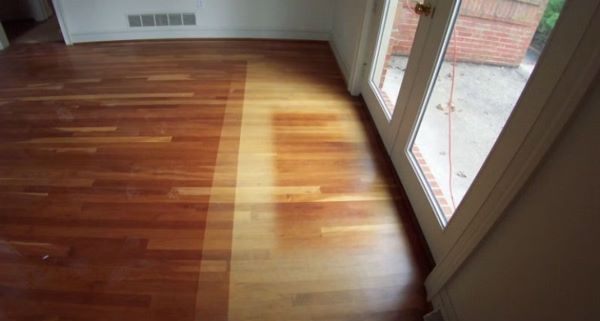
The sun’s ultraviolet (UV) rays are relentless. Over time, they cause irreversible fading and damage to almost everything they touch. For a business, this can mean thousands of dollars in premature replacement costs for flooring, furniture, and fixtures. For a retail store, it means damaged merchandise that has to be discounted or written off.
Professional window films act like a powerful sunscreen for your building, blocking up to 99.9% of harmful UV radiation. This is one of the easiest ways to protect your investments and preserve the fresh, new look of your interiors. By dramatically extending the life of your valuable assets, window film delivers a clear and easily quantifiable return.
Unlocking Rebates, Tax Credits, and LEED Points
The financial benefits don’t stop with energy savings. Many energy-saving upgrades, including the installation of high-performance window film, may qualify for financial incentives.
Depending on your location, you may be able to take advantage of utility company rebates, state and federal tax credits, and other programs for green building initiatives. If you’re pursuing LEED certification for your building, solar control window film can contribute valuable points in the Energy and Atmosphere and Indoor Environmental Quality categories. This not only shows your commitment to sustainability but can also increase your property’s value.
Beyond the Balance Sheet: Enhancing Safety, Productivity, and Brand Image
Not every return can be found on a utility bill, but that doesn’t make it any less valuable. Some of the most significant office window tinting benefits have a profound impact on your operations, people, and brand.
Fortifying Your First Line of Defense
Your windows are the most vulnerable points of entry in your building. A standard pane of glass can be shattered in seconds, granting intruders quick access. Commercial security window film transforms this weakness into a strength. These films are engineered from heavy-duty polyester and bonded to the glass with a powerful adhesive. They create a formidable barrier that holds shattered glass together.
In a break-in attempt, the film makes forced entry significantly more difficult and time-consuming, often deterring criminals who rely on speed. During severe weather or an accident, the film contains dangerous glass shards, protecting anyone inside. This simple upgrade provides priceless peace of mind and is a crucial component of any comprehensive security plan.
Boosting Employee Comfort and Productivity
An uncomfortable employee is an unproductive one. Uncontrolled sunlight causes glare on computer screens, leading to eye strain and headaches. Solar heat gain creates frustratingly hot zones near windows, forcing your HVAC system to work overtime.
By taming harsh sunlight and rejecting a significant amount of solar heat, window film creates a more consistent and comfortable temperature. When your team isn’t distracted by being too hot or unable to see their screen, they can focus on what they do best. A comfortable environment fosters better concentration and higher-quality work, directly contributing to your bottom line.

Crafting a Professional Image and Ensuring Privacy
Your building’s exterior is the first impression you make. Mismatched window treatments or sun-faded furniture visible from the outside can project an unprofessional image. A uniform tint provides a clean, modern aesthetic that enhances curb appeal. Inside, decorative films can add privacy to conference rooms or HR offices without blocking light. You can even incorporate your company logo, turning glass partitions into powerful design features.
Why a National Partner is Crucial for Your Portfolio
Upgrading a single property with window film is one thing. Ensuring consistent quality, pricing, and brand standards across an entire portfolio is a completely different challenge. You need a strategic partner who can execute flawlessly at scale.
This is where national experience becomes the most critical factor. It’s the difference between a successful, streamlined capital improvement and a logistical nightmare of managing dozens of individual vendors. With over 50,000 installations, we’ve refined our processes to ensure a consistent, high-quality result whether your property is in a dense urban high-rise or a sprawling suburban office park.
Imagine coordinating a project across 20 locations. That could mean 20 vendors, 20 contracts, and 20 points of contact. A national partner eliminates this complexity. You get a single, dedicated project manager who understands your portfolio, your goals, and your standards. It’s a one-stop-shop approach that simplifies communication and frees up your team to focus on other priorities.
Your Next Step Toward a More Profitable and Secure Property
Choosing the right window film solution and the right national partner is a strategic decision that turns your properties into higher-performing, more valuable assets. The return on investment is clear, measurable, and multifaceted.
Ready to see what a tailored solution could look like for your properties? We invite you to connect with one of our CoolVu national project consultants. It’s a straightforward, no-obligation conversation where we can help you analyze your needs and begin building the business case for an upgrade that pays for itself.
Frequently Asked Questions
How long does it take for commercial window film to pay for itself?
The payback period varies depending on factors like your local climate, energy costs, and the total square footage of glass. However, thanks to significant reductions in HVAC costs, many of our commercial clients see a full return on their investment in just 2 to 5 years.
Will the window film installation disrupt our business operations?
Not at all. A professional commercial window tinting service is designed to be minimally disruptive. Our certified installers work efficiently and cleanly, often scheduling work outside of your peak business hours to ensure your operations can continue without interruption.
What’s the difference between solar, security, and decorative films?
While some films combine features, they primarily fall into three categories. Solar control films are designed for energy efficiency, blocking heat and UV rays. Security films are thicker and designed to hold shattered glass together, enhancing safety and deterring intruders. Decorative films are used to create privacy, add custom designs, or update the aesthetic of glass surfaces.
How long does commercial window film last and how do I clean it?
Professionally installed, high-quality window film is extremely durable and comes with a manufacturer’s warranty, often for 10-15 years or more. It’s also easy to maintain. You can clean it with a soft cloth and a simple ammonia-free cleaning solution, just as you would a normal window.