- Calculating the Hidden Costs: Energy, Comfort, and UV Damage
- The ‘Glass Box’ Challenge: Why Modern Buildings with Extensive Glass Face Unique Problems
- The Engineered Solution: How Advanced Window Film Solves the Core Issues
- Choosing the Right Film: A Breakdown of Your Commercial Options
- Measuring the ROI: What to Expect from Your Window Film Investment
- Why Professional Installation is Non-Negotiable for Commercial Properties
- Conclusion: Transforming Your Building into a High-Performing Asset
- Frequently Asked Questions
Calculating the Hidden Costs: Energy, Comfort, and UV Damage
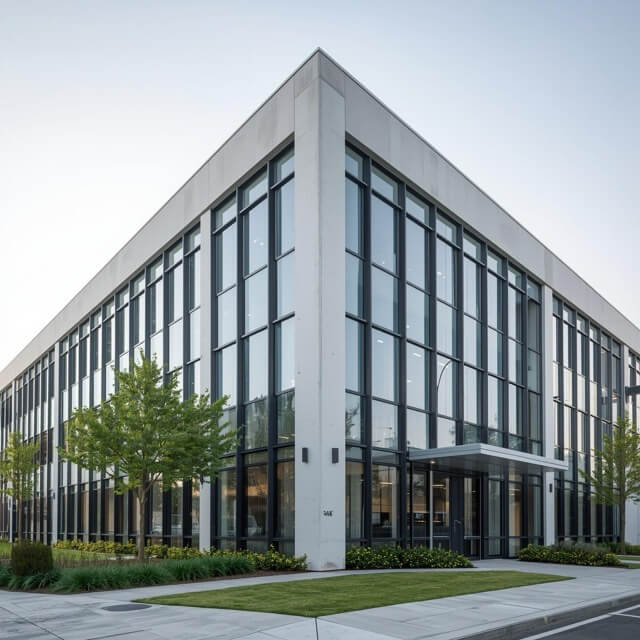
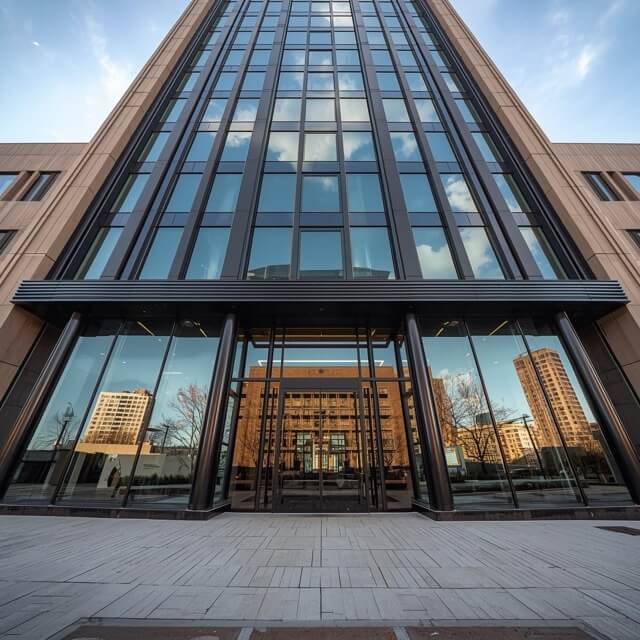
The symptoms of an underperforming building envelope—from inconsistent temperatures to visible sun damage—are more than minor annoyances. They are direct indicators of significant, often unmeasured, financial drains on your business. To truly understand the value of a solution, you must first calculate the real-world cost of the problem. These hidden expenses fall into three critical categories: escalating energy consumption, diminished human productivity and comfort, and the degradation of physical assets.
Quantifying Solar Heat Gain and Its Impact on Energy Bills
Solar heat gain is the primary driver of escalating cooling costs in buildings with extensive glass. It refers to the increase in temperature inside your building due to solar radiation passing through windows. While standard glass may seem like a passive barrier, it allows a substantial amount of the sun’s infrared heat to enter, forcing your HVAC system into a constant battle to maintain a comfortable temperature.
According to the Department of Energy, windows can account for up to 30% of a commercial building’s cooling energy needs. During peak summer months, your HVAC system isn’t just cooling the air; it’s working overtime specifically to counteract the thermal energy pouring through your glass. This results in longer run times, increased wear and tear on expensive equipment, and a direct, measurable inflation of your monthly utility bills. For every degree your system has to fight to lower, your operational budget takes a direct hit.
The Financial Drain of Employee Discomfort and Reduced Productivity
The cost of discomfort is not just anecdotal; it has a quantifiable impact on your bottom line. When employees or tenants are situated in “hot spots” near windows or in spaces with fluctuating temperatures, their ability to focus and perform efficiently deteriorates. Numerous studies have established a clear link between thermal comfort and cognitive function.
An office that is too warm leads to lethargy and a demonstrable drop in productivity. Even a minor decrease in output, when multiplied across your entire staff or tenant base over the course of a year, represents a significant financial loss. This hidden drain on productivity can easily outweigh the more visible energy costs, making employee comfort a critical factor in your building’s financial performance.
The Cumulative Cost of UV Fading on Furnishings, Flooring, and Merchandise
The same sunlight that brightens your interior spaces also carries damaging ultraviolet (UV) radiation, the leading cause of fading. Standard window glass typically blocks only a portion of these harmful rays, leaving your valuable interior assets exposed to slow but certain degradation.
Consider the long-term financial implications of this exposure:
- Office Furnishings: Desks, chairs, and fabric partitions lose their color and material integrity, requiring premature replacement.
- Flooring: Hardwood floors become discolored, and carpets fade in patches, creating an inconsistent and worn appearance that diminishes the property’s aesthetic value.
- Retail Merchandise: Products displayed near windows can become sun-damaged and unsellable, representing a direct loss of inventory.
- Artwork and Decor: Paintings, prints, and decorative elements suffer irreversible damage, reducing their value and visual appeal.
This is a cost of capital. You are not only paying to replace these items more frequently but also absorbing the depreciation of your property’s interior fit-out.
How Unmanaged Glare Impacts Screen Visibility and Tenant Satisfaction
Beyond heat and UV rays, intense, uncontrolled sunlight creates another significant problem: glare. In a modern office environment, the ability to clearly view a computer screen is not a luxury; it is a fundamental requirement for work. Excessive glare washes out screens, forces occupants to squint, and leads to eye strain and headaches.
The typical response—drawing blinds or shades—is a counterproductive compromise. It sacrifices the natural light and expansive views that are the primary benefits of the glass, while simultaneously increasing the need for artificial lighting and its associated energy costs. For tenants, persistent glare is a daily frustration that directly impacts their satisfaction with the workspace, a key factor in lease renewal decisions.
The ‘Glass Box’ Challenge: Why Modern Buildings with Extensive Glass Face Unique Problems
Modern architecture celebrates light and space, often through expansive curtain walls and floor-to-ceiling windows. While visually stunning, these glass-intensive designs present a distinct set of operational and financial challenges. Business owners and property managers are often surprised to find that their most celebrated architectural feature is also the source of their most persistent problems.
The Double-Edged Sword of Natural Light and Expansive Views
The appeal of a glass-walled office or storefront is undeniable. It promises a connection to the outdoors, abundant natural light, and premium views that can elevate a brand and justify higher lease rates. This design choice, however, creates a fundamental conflict. The very glass that provides these benefits also acts as an inefficient thermal barrier, inviting in massive amounts of solar energy and creating an environment that is difficult and expensive to control.
Identifying the Symptoms: Tenant Complaints, Hot Spots, and Unpredictable Temperatures
The problems created by unmanaged glass manifest as tangible, day-to-day issues that directly impact your tenants and your reputation as a property manager. These are not isolated incidents but symptoms of a systemic issue.
You may recognize the pattern:
- Persistent Tenant Complaints: Occupants on the south and west-facing sides of the building complain of unbearable afternoon heat, while those on the shaded side are comfortable.
- Visible Hot Spots: Employees or customers actively avoid certain tables, desks, or areas of the building that become unusable at specific times of the day due to intense heat and light.
- Inconsistent Thermostat Wars: The internal temperature fluctuates wildly, leading to constant thermostat adjustments as the HVAC system struggles to compensate for the shifting solar load, satisfying no one.
The Hidden Strain on Your HVAC System and Operational Budget
Each of these symptoms points to a larger, more expensive problem: a constant and severe strain on your building’s HVAC system. Unfiltered solar radiation passing through glass forces your air conditioning to run longer and harder to combat the heat gain. This “brute force” approach to cooling is not only inefficient but also damaging. It leads to increased wear and tear on expensive equipment, a higher frequency of maintenance calls, and a shortened operational lifespan for the entire system, all while driving your energy costs relentlessly upward.
The Engineered Solution: How Advanced Window Film Solves the Core Issues
Modern commercial buildings, with their expansive glass facades, face a fundamental conflict between design aesthetics and operational efficiency. While large windows create an open and desirable environment, they also act as massive points of thermal transfer, driving up energy costs and compromising occupant comfort. Fortunately, what was once an unavoidable trade-off can now be managed with an engineered solution: advanced window film. This isn’t a simple cosmetic treatment; it’s a high-performance material applied directly to your existing glass to fundamentally improve its properties.
From Simple Tint to Smart Technology: Three Decades of Window Film Evolution
The term “window tint” often brings to mind the dark, bubbling films of the past. Today’s commercial window films are entirely different, representing decades of advancements in materials science. Early films were little more than dyed polyester layers that absorbed light, making spaces dark and often distorting views.
Modern films, by contrast, are sophisticated, multi-layered products engineered with nanotechnology and advanced metals like titanium, silver, and gold. Using processes like sputtering and ceramic coating, manufacturers can create films that are virtually invisible yet offer incredible performance. This evolution has transformed window film from a basic privacy screen into a strategic building component that intelligently manages the sun’s energy.
Tackling Solar Heat Gain at the Source for Immediate Energy Savings
The single largest contributor to cooling costs in a glass-intensive building is solar heat gain. This occurs when solar energy passes through windows and is absorbed by interior surfaces like floors, furniture, and walls, raising the indoor temperature. Your HVAC system must then run constantly to remove this heat, resulting in significant energy consumption and high utility bills.
Advanced window films tackle this problem at its source. By applying a film to the interior surface of the glass, you create a barrier that reflects or absorbs a significant portion of solar energy before it can enter the building. High-performance films can reject up to 80% of the sun’s total solar energy. This dramatically lessens the load on your HVAC system, leading to immediate and measurable reductions in cooling costs—often by as much as 30%. This turns your windows from a financial liability into a more efficient part of your building’s envelope.
How Spectrally Selective Films Preserve Views While Rejecting Heat
A common concern for property owners is that adding film will darken rooms and obscure the valuable views that tenants and employees enjoy. This is where spectrally selective technology becomes a game-changer. The sun’s energy is composed of three main parts: ultraviolet (UV) light, visible light, and infrared (IR) light. While visible light allows us to see, UV and IR are invisible and are the primary sources of fading and heat, respectively.
Spectrally selective films are engineered to be “smart” filters. They allow a high percentage of visible light to pass through, preserving the natural brightness and clarity of the view. Simultaneously, they are designed to target and reject the vast majority of infrared heat and damaging ultraviolet rays. The result is a solution that maintains the aesthetic integrity of your building while delivering powerful heat rejection, solving the comfort problem without creating a “cave-like” environment.
Preserving Your Interior Assets with Comprehensive UV Protection
The same sunlight that brightens a room also causes irreversible damage over time. Ultraviolet radiation is the primary cause of fading and degradation for nearly all interior furnishings. Hardwood floors, carpets, office furniture, artwork, and retail inventory are all susceptible to damage, leading to premature replacement costs and a decline in your property’s appearance.
Commercial window films act as a powerful screen against this destructive force, blocking up to 99.9% of harmful UV rays. This level of protection is equivalent to an SPF of 1000, creating a safe harbor for your interior assets. By investing in UV-blocking film, you are not just managing energy costs; you are actively preserving the value of your property and its contents, extending their lifespan and maintaining a professional, high-quality appearance for years to come.
Choosing the Right Film: A Breakdown of Your Commercial Options
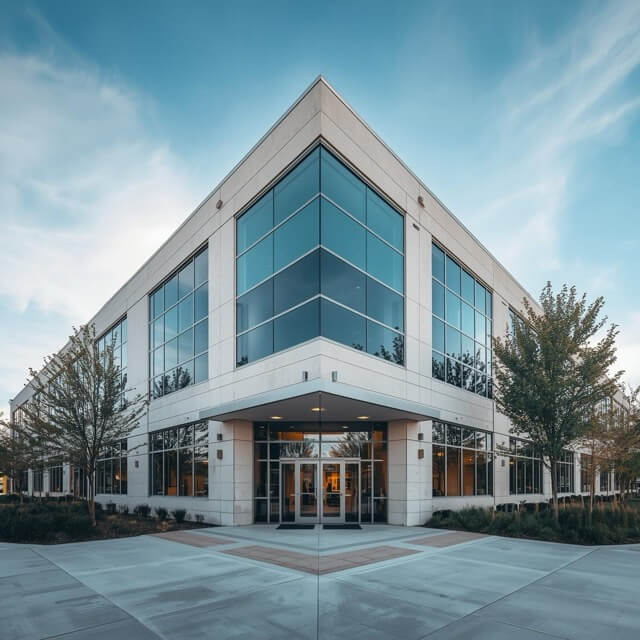
With the technology established, the next step is selecting the right type of film for your building’s specific needs. The choice depends on your climate, budget, aesthetic goals, and primary challenges, whether they are extreme heat, glare, or a need for privacy. Navigating these options is key to maximizing your return on investment.
Spectrally Selective Films: Maximum Performance with Ultimate Clarity
As discussed, these are the premier films for properties where maintaining pristine views and high levels of natural light is non-negotiable.
- Best For: High-end office buildings, retail storefronts, hotel lobbies, and any space where you need to reject maximum heat without a reflective or dark appearance.
- Key Benefit: They provide exceptional solar heat rejection while being nearly invisible, offering the best of both performance and aesthetics. They are the ideal choice for addressing heat and fading complaints without compromising the architectural design.
Low-E Films: Improving Energy Efficiency for Year-Round Climate Control
Low-emissivity, or Low-E, films are designed for superior performance throughout the year, making them an excellent investment for buildings in four-season climates. “Emissivity” refers to a surface’s ability to radiate heat energy. A low-emissivity surface reflects that heat.
In the summer, Low-E films reflect solar heat away from the glass, keeping your building cooler. In the winter, they provide an insulating benefit by reflecting the radiant heat generated by your HVAC system back into the room, preventing it from escaping through the glass. This dual-action performance reduces both cooling and heating costs, delivering year-round energy savings.
Dual-Reflective & Neutral Films: Balancing Performance, Privacy, and Aesthetics
For many commercial applications, a balance of features is required. Dual-reflective and neutral films provide effective, all-around solutions.
- Dual-Reflective Films: These films are designed with a more reflective outer layer and a less reflective inner layer. This construction provides significant heat and glare rejection along with excellent daytime privacy. The lower interior reflectivity reduces the “mirror effect” at night, preserving nighttime views from the inside.
- Neutral Films: These films offer a more subtle appearance than reflective options. They are tinted to reduce heat and glare without a shiny look, blending seamlessly with your building’s existing glass. They are a cost-effective workhorse for general office spaces where glare reduction and energy savings are the primary goals.
Beyond Energy Savings: Exploring Decorative, Privacy, and Security Films
While energy efficiency is a primary driver, window films offer a range of other solutions that can enhance the function and safety of your commercial space.
- Decorative & Privacy Films: These films come in countless styles, including frosted, etched, and custom-printed designs. They are a cost-effective way to add privacy to conference rooms and private offices, incorporate branding onto glass partitions, or update the look of an entire building without the expense of replacing glass.
- Security Films: These thick, heavy-duty films are designed to hold glass in place when it shatters. This provides a powerful deterrent against forced entry, as it makes breaking through a window far more difficult and time-consuming. It also significantly improves safety by containing glass shards during severe weather events or accidental impacts, protecting occupants from injury.
Measuring the ROI: What to Expect from Your Window Film Investment
For any capital expenditure, the central question is not just “What does it cost?” but “What does it return?”. Window film is not a decorative expense; it is a strategic investment in your building’s operational performance. Understanding its return on investment (ROI) requires looking beyond the initial quote and analyzing the tangible, calculable benefits it delivers over time.
A Framework for Calculating Your Payback Period on Energy Savings
The most immediate and quantifiable return from window film comes from reduced energy consumption. Solar heat gain through untreated glass is a primary driver of high HVAC costs in commercial buildings. By rejecting a significant percentage of this solar energy, specialized films drastically reduce the load on your cooling systems.
Calculating the payback period is a straightforward financial exercise.
- Establish Your Baseline: The first step is to analyze your property’s historical energy consumption, specifically focusing on cooling costs during peak months. This data provides the foundation for measuring improvement.
- Estimate Potential Savings: A professional consultant can model the expected energy savings based on the specific film selected, your building’s window-to-wall ratio, glass type, and geographic location. Performance metrics like Total Solar Energy Rejection (TSER) provide a precise measure of how much solar energy a film will block. For example, a film with a 60% TSER can be expected to reduce the solar energy entering through the glass by that amount.
- Calculate the Payback Period: The formula is simple: divide the total project cost by the estimated annual energy savings. Many commercial projects, particularly in sun-intensive climates, see a payback period of just two to five years. After this period, the ongoing energy savings represent a direct, positive impact on your net operating income.
Long-Term Financial Benefits: Increased Property Value and Asset Longevity
While a short payback period is compelling, the full financial picture extends far beyond immediate energy savings. Strategically applied window film enhances the fundamental value of your commercial asset in several key ways.
First, it protects your capital investments. The constant cycling of an overworked HVAC system leads to premature wear and costly repairs or replacement. By reducing the system’s workload, window film extends the operational lifespan of this critical, expensive equipment. Furthermore, by blocking up to 99.9% of damaging UV rays, it prevents the fading and degradation of interior assets like flooring, furniture, artwork, and retail merchandise, deferring replacement costs and preserving the appearance of your space.
Second, it directly impacts tenant and employee satisfaction. By mitigating glare and eliminating hot spots near windows, window film creates a more comfortable and productive environment. This is a crucial factor in tenant retention. Lower tenant turnover means fewer vacancies, reduced marketing costs, and no lost revenue during transition periods, all of which are vital to a property’s long-term profitability and market valuation.
How Window Film Can Contribute to LEED Certification and Green Building Initiatives
In today’s market, sustainability is intrinsically linked to property value. A building with recognized green credentials is more attractive to high-value corporate tenants and can command premium lease rates. Window film is one of the most cost-effective upgrades for improving a building’s environmental performance and contributing to certifications like LEED (Leadership in Energy and Environmental Design).
Window film can directly contribute points in several key LEED credit categories:
- Energy and Atmosphere (EA): By optimizing energy performance and reducing overall consumption, window film is a primary tool for achieving points in this critical category.
- Indoor Environmental Quality (IEQ): Film contributes by improving thermal comfort and managing daylight, allowing natural light in while controlling glare and heat, which are key components of a quality indoor environment.
Illustrative Scenarios: Modeling ROI for Different Commercial Properties
The specific return on investment will vary based on the building’s type and use. Consider these common commercial profiles:
- The Mid-Rise Office Building: Facing high HVAC expenses and tenant complaints about afternoon heat and glare on west-facing offices. A spectrally selective film can reject heat without significantly darkening the glass, maintaining views and natural light. The ROI here is twofold: a rapid payback from energy savings (often under 3 years) and a measurable increase in tenant retention.
- The Ground-Floor Retail Storefront: With a large glass facade, the owner is concerned about merchandise fading from UV exposure and oppressive heat near the windows driving customers away. A UV-blocking, heat-rejecting film protects inventory from damage, lowers cooling costs, and creates a more comfortable shopping experience, directly protecting both assets and sales.
- The Hospitality Property: For a hotel, guest comfort is paramount. Window film in guest rooms and common areas reduces glare and ensures a consistent, comfortable temperature without drawn curtains, preserving valuable views. The ROI is measured in improved guest satisfaction scores, reduced energy load, and the ability to market the property as a comfortable and sustainable destination.
Why Professional Installation is Non-Negotiable for Commercial Properties
Achieving the impressive ROI and performance benefits outlined above is entirely dependent on one critical factor: a flawless installation. For a commercial property owner, the decision to use a non-professional or inexperienced installer is not a cost-saving measure; it is an act that jeopardizes the entire investment. The difference between a successful project and a costly failure lies in the hands and expertise of the team applying the film.
The Difference Between a Flawless Application and a Costly Failure
A professional application is characterized by its invisibility. The film should be applied with precision, resulting in edge-to-edge coverage without gaps, contamination, or unsightly bubbles. It performs exactly as specified, delivering the full measure of heat rejection, glare control, and UV protection.
In contrast, a poor installation is immediately obvious and actively undermines your goals. Common signs of failure include:
- Bubbling, peeling, or tenting edges
- Trapped dirt, dust, or hair beneath the film
- Visible seams or uneven cuts
- Scratches on the glass or film from improper tools
These flaws are not merely aesthetic issues. They create weak points that lead to premature film failure, and worse, they compromise the film’s performance, negating any potential energy savings. A failed installation often requires costly removal and a complete re-application, effectively forcing you to pay for the project twice.
The Critical Role of an Expert Consultant in Film Selection and Planning
A true professional does more than just install film; they act as a consultant. The process begins long before a roll of film is unfurled. An expert will conduct a thorough needs analysis of your property, evaluating factors like building orientation, elevation, existing glass type, and the specific problems you need to solve in different areas.
The solution for a west-facing conference room battling afternoon glare is different from the needs of a north-facing lobby that requires light but has less direct heat gain. An expert consultant ensures you select the right product for each unique application, preventing you from over-investing in a high-performance film where it is not needed or under-investing in a critical area. This consultative approach is the foundation of a successful, cost-effective project.
Understanding Manufacturer Warranties vs. Installation Guarantees
This is a critical distinction that can leave a property owner exposed. A manufacturer’s warranty covers defects in the film itself, such as adhesive failure, discoloration, or delamination. However, virtually all manufacturer warranties are rendered void if the film is not installed according to their strict specifications.
This is where the installation guarantee becomes vital. A reputable installation company provides its own warranty on the labor. This is their promise that the application will be free of defects like bubbles, contamination, and peeling. By choosing a certified professional, you secure a comprehensive warranty that covers both the product and the labor, ensuring you are fully protected. An installation guarantee from an established company is your assurance that the job will be done right, and if any issues arise, they will be resolved.
Leveraging a Proven Track Record for a Predictable, High-Quality Outcome
When engaging a window film provider for a significant commercial project, you are not just buying a product; you are investing in a result. A company with a proven track record offers the most valuable commodity: predictability.
By choosing a partner with deep experience in projects similar to yours, you mitigate risk. They have established, refined processes for every stage, from initial consultation and measurement to site preparation and final installation. You are not their test case. You are the beneficiary of a success system proven across thousands of windows and hundreds of properties. This experience ensures the project is completed on time, on budget, and to the highest standard, locking in the financial and operational returns you expect.
Conclusion: Transforming Your Building into a High-Performing Asset
The evidence is clear. For commercial properties with significant glass, window film is not an ancillary purchase but a fundamental component of a modern, efficient operational strategy. It directly addresses the core challenges of energy consumption, occupant comfort, and asset degradation that property owners and managers face daily. Moving forward requires a shift in perspective, from viewing this as a simple expense to recognizing it as a strategic capital investment.
Key Takeaways: The Business Case for Commercial Window Film
The decision to install specialized window film is backed by a compelling, data-informed business case. The benefits extend far beyond aesthetics, creating measurable financial and operational improvements. A professionally installed film solution is a multi-faceted tool that delivers a strong return by:
- Dramatically Reducing Energy Costs: By rejecting a significant percentage of solar heat, window film lessens the load on your HVAC system. This translates directly into lower monthly utility bills and a rapid payback period on the initial investment.
- Increasing Occupant Comfort and Productivity: Film mitigates hot spots and cuts harsh glare, creating a more comfortable and productive environment for tenants and employees. This is a critical factor in tenant retention and lease renewals.
- Protecting Your Assets from UV Damage: By blocking up to 99.9% of ultraviolet rays, window film acts as a powerful shield for your interior assets. It prevents the costly fading and degradation of furniture, flooring, artwork, and merchandise.
- Enhancing Building Safety and Security: Specialized security films hold shattered glass in place, mitigating risks from break-ins, extreme weather, or accidents. This adds a crucial layer of protection for both people and property.
Shifting from a Cost-Based Mindset to an Investment-Based Strategy
It is natural for any business owner to first consider the upfront cost of a building upgrade. However, with commercial window film, a cost-only analysis is incomplete. The correct framework is one of investment, where the initial outlay is evaluated against the long-term financial returns and operational gains.
Unlike purely cosmetic enhancements, window film begins generating a return on investment from the moment of installation. The reduction in energy expenditure is immediate and continuous, appearing as a tangible line-item saving on every subsequent utility bill. When you compare this one-time investment to the perpetual and often escalating monthly cost of cooling a building, the financial logic becomes undeniable. Furthermore, the intangible value of higher tenant satisfaction and reduced turnover contributes significantly to your property’s overall profitability and marketability. This is not an expense. It is a calculated capital improvement that increases your property’s value and reduces its operating overhead.
Your Next Step: How to Initiate a Professional Building Assessment
Understanding the specific needs of your property is the first step toward unlocking these benefits. A generic solution will not yield optimal results. A professional building assessment is a crucial diagnostic process that provides the data needed to develop a tailored and effective strategy.
The process is straightforward and designed to provide you with maximum clarity. It begins with an initial consultation to discuss your primary objectives, whether they are focused on cost savings, glare reduction, or security enhancement. A trained specialist will then conduct a thorough on-site analysis, evaluating your building’s orientation, existing glass type, and specific problem areas. Following this analysis, you will receive a transparent, customized proposal that outlines the recommended film solutions, project scope, and a clear projection of your expected energy savings and return on investment.
Taking this step empowers you to make an informed decision based on the unique characteristics of your building and your specific business goals.
Frequently Asked Questions
How long does it take for a commercial window film investment to pay for itself?
Most commercial properties see a full return on investment (ROI) through energy savings within two to five years. Because the film significantly reduces the load on your HVAC system, the reduction in monthly utility bills starts immediately after installation.
Can window film help our building achieve LEED certification?
Yes, it is a highly cost-effective way to gain LEED points. By improving energy performance (EA category) and enhancing indoor environmental quality (IEQ category) through glare and thermal control, window film supports various green building initiatives.
Will adding film to my windows make the office interior too dark?
Not necessarily. While traditional tints were dark, modern “spectrally selective” films are engineered to block invisible infrared heat and UV rays while allowing high levels of natural visible light to pass through, preserving your views and brightness.
How does window film protect office furniture and flooring from fading?
Fading is primarily caused by UV radiation. Professional-grade films act as a solar shield, blocking up to 99.9% of harmful UV rays. This is equivalent to an SPF 1000 rating, significantly extending the life of carpets, wood finishes, and upholstery.
Does window film offer any benefits during the winter months?
Specifically designed “Low-E” (low-emissivity) films provide year-round benefits. In the summer, they reflect solar heat away; in the winter, they reflect interior radiant heat back into the room, reducing heating costs and improving insulation.