Table of Contents
Uncontrolled solar gain is more than just a minor inconvenience; it represents a significant and often overlooked financial drain on commercial properties. The sun’s energy, while vital for natural light, carries with it invisible costs that impact everything from operating expenses to employee morale and product longevity. Understanding these hidden burdens is the first step toward implementing a truly effective and profitable long-term solution.
The Hidden Drain on Your Business Resources
The most direct and substantial financial impact of unchecked solar gain is on a commercial property’s energy consumption. When sunlight streams through unprotected windows, it superheats interior spaces, forcing HVAC systems to work harder and longer to maintain comfortable temperatures. This constant battle against solar heat leads directly to inflated utility bills, consuming a disproportionate share of operational budgets. Beyond the immediate energy costs, the increased strain on HVAC equipment can accelerate wear and tear, necessitating more frequent maintenance and premature replacement, adding further to capital expenditures.
Impact on Occupant Comfort and Productivity
A workplace or retail environment that is too hot or experiences excessive glare significantly degrades the experience for both employees and customers. Employees struggling with heat, bright spots on screens, or uncomfortable temperature fluctuations are less focused, more prone to fatigue, and ultimately less productive.
For retail and hospitality businesses, discomfort directly translates to shorter customer visits and a less inviting atmosphere, potentially reducing sales and repeat business. Maintaining an optimal indoor climate is not merely about luxury; it is a fundamental component of fostering a productive workforce and a pleasant customer experience.

Protecting Valuable Assets and Inventory from Sun Damage
The sun’s ultraviolet (UV) rays are relentless and destructive, silently damaging valuable assets within your commercial property. Direct exposure to UV radiation causes materials to fade, degrade, and deteriorate over time. This includes:
- Retail inventory: Apparel, electronics, and packaged goods displayed near windows can lose their vibrancy and appeal, leading to markdowns or unsellable stock.
- Interior furnishings: Carpets, upholstery, artwork, and decor can fade unevenly, requiring premature replacement or costly restoration.
- Flooring: Hardwood floors and certain types of resilient flooring can warp, discolor, or become brittle with prolonged sun exposure.
Protecting these investments is crucial for maintaining a property’s aesthetic appeal and preserving the value of its contents, safeguarding the bottom line.
The Environmental and Financial Imperative of Modern Solar Control
In today’s economy, businesses face increasing pressure to operate sustainably and cost-effectively. Reducing energy consumption through advanced solar control aligns perfectly with both environmental stewardship and financial prudence. Lower energy demands translate directly into a reduced carbon footprint, contributing to corporate social responsibility goals and potentially qualifying for energy efficiency incentives. From a financial perspective, investing in modern solar control solutions is not an expense but a strategic capital improvement that delivers continuous returns through substantial energy savings, extended asset life, and enhanced operational efficiency.
Beyond Tint: Understanding the Science of Nano-Ceramic Window Film
For decades, the standard approach to mitigating solar gain involved traditional tinted window films. While these offered some relief, they often came with a significant trade-off: reduced natural light and a compromised view. The evolution of window film technology has, however, brought about a paradigm shift, culminating in advanced nano-ceramic films that redefine what is possible in solar control.
The Evolution of Window Film Technology: A Three-Decade Perspective
The journey of window film technology has seen several key advancements. Early films primarily relied on dyes to reduce visible light and some heat, often leading to discoloration over time and a noticeable darkening of interiors. The introduction of metallic films offered superior heat rejection by reflecting solar energy, but these films could also create an undesirable mirrored look from the outside, interfere with cellular and radio signals, and potentially corrode in certain environments. These earlier generations presented a choice between substantial heat reduction and maintaining clear views and signal integrity.
Introducing Spectrally Selective Technology: The Nano-Ceramic Difference
The advent of spectrally selective technology, particularly through nano-ceramic formulations, marked a revolutionary leap. Unlike older films that block all parts of the solar spectrum indiscriminately (visible light, infrared, and UV), spectrally selective films are engineered to selectively target and reject specific parts of the spectrum. This precision allows them to block the heat-generating infrared (IR) radiation and harmful UV rays, while permitting a high percentage of desirable visible light to pass through. The “nano” aspect refers to the microscopic scale of the ceramic particles, which are integrated into the film to achieve this highly efficient and optically clear performance.
How Ceramic Film Blocks Heat and UV Rays Without Sacrificing Light
Nano-ceramic window films achieve their superior performance through a sophisticated process of absorption and re-emission. The embedded ceramic particles are highly efficient at absorbing infrared radiation, which is the primary driver of heat gain. Once absorbed, this heat is then dissipated to the outside of the glass, preventing it from entering the interior space.
Simultaneously, these films are designed to block an extremely high percentage of harmful UV rays, often exceeding 99%, without significantly diminishing the amount of visible light that passes through the window.
This unique ability means occupants enjoy a cooler, more comfortable environment and UV protection for assets, all while preserving the clarity of their views and abundant natural illumination.

Key Performance Metrics Explained: TSER, VLT, and Infrared Rejection (IRR)
To truly understand and compare the effectiveness of different window films, it is essential to look beyond marketing claims and examine specific performance metrics. These standardized measurements provide a clear, data-driven picture of a film’s capabilities.
- TSER (Total Solar Energy Rejected): This is arguably the most critical metric for solar control. TSER represents the total percentage of solar energy (visible light, infrared, and ultraviolet) that is rejected by the window film and glass system. A higher TSER value indicates greater overall heat rejection and, consequently, better energy savings.
- VLT (Visible Light Transmittance): VLT measures the percentage of visible light that passes directly through the window film and glass. A higher VLT means more natural light enters the space, maintaining brightness and preserving views. Ceramic films excel here by offering high heat rejection with minimal impact on VLT.
- IRR (Infrared Rejection): This metric specifically quantifies the percentage of infrared radiation that is blocked by the film. Since infrared is the primary component of solar heat, a high IRR value indicates a film’s excellent ability to keep interior spaces cool without necessarily darkening the windows. Modern ceramic films often boast impressive IRR ratings, highlighting their spectrally selective prowess.
Transforming Commercial Spaces: The Unrivaled Benefits of Ceramic Solar Control Film
Modern commercial properties face a range of challenges from solar heat and UV radiation, impacting everything from operational costs to occupant well-being. Advanced ceramic window film provides a comprehensive solution, delivering tangible benefits that redefine how businesses manage their internal environments.
Drastically Reducing Energy Consumption and Utility Bills
One of the most immediate and significant advantages of ceramic solar control film is its profound impact on energy efficiency. Unfiltered sunlight entering a building causes substantial solar heat gain, forcing HVAC systems to work harder and consume more electricity to maintain a comfortable indoor temperature. Ceramic films are engineered to selectively block up to 80% of solar heat (infrared radiation) while allowing visible light to pass through. This translates directly into a reduced cooling load, resulting in lower energy consumption and substantially decreased utility bills, providing a consistent return on investment for property owners.
Enhancing Employee and Customer Comfort for Improved Experience
Beyond cost savings, ceramic window film dramatically improves the internal environment for everyone inside. Hot spots near windows, inconsistent temperatures, and uncomfortable glare can detract from productivity for employees and diminish the experience for customers.
By mitigating solar heat and evening out temperature fluctuations, ceramic film creates a more stable, comfortable, and inviting atmosphere throughout the space.
This enhanced comfort can lead to increased employee morale, reduced complaints, and a more pleasant experience for visitors and patrons, encouraging longer stays and repeat business.

Superior 99% UV Protection: Safeguarding Interiors and Merchandise
The damaging effects of ultraviolet (UV) radiation are often underestimated but can be highly detrimental to commercial interiors and assets. Prolonged exposure to UV rays causes irreversible fading, discoloration, and degradation of furnishings, flooring, artwork, and valuable merchandise. Ceramic films block an impressive 99% of harmful UV rays, effectively acting as a protective barrier. This superior protection safeguards investments, extends the lifespan of interior elements, and preserves the aesthetic appeal of a commercial space, reducing the need for costly replacements and renovations.
Glare Reduction: Optimizing Workspace Visibility Without Compromise
Excessive glare from sunlight can be a significant nuisance, particularly in office environments with computer screens or retail spaces where product visibility is key. This bright, distracting light can cause eye strain, headaches, and reduce overall visual comfort, hindering productivity and customer engagement. Ceramic window film reduces harsh glare significantly, creating a softer, more manageable light without making the interior appear dim or enclosed. This ensures optimal visibility for tasks, enhances the clarity of displays, and maintains the open, natural feel of a space.
Contributing to Sustainability Goals and Building Certifications
Implementing ceramic window film is a proactive step toward achieving corporate sustainability objectives. By significantly lowering energy consumption, businesses can reduce their carbon footprint and demonstrate a commitment to environmental responsibility. This commitment can also contribute valuable points toward green building certifications suchations as LEED (Leadership in Energy and Environmental Design), enhancing a property’s marketability and reputation. Investing in energy-efficient solutions like ceramic film aligns business operations with broader ecological goals, benefiting both the bottom line and the planet.
The Long-Term Durability and Low Maintenance Advantage of Ceramic Films
Unlike older film technologies that can fade, bubble, or peel over time, ceramic window films are renowned for their exceptional durability and long-lasting performance. The advanced ceramic particles are integrated directly into the film’s structure, making them highly resistant to degradation from sun exposure. This inherent robustness means ceramic films maintain their aesthetic appeal and performance for many years, often backed by extensive warranties. Their low maintenance requirements, typically just standard window cleaning, further contribute to their cost-effectiveness and hassle-free ownership, making them a smart, long-term investment for any commercial property.
The Clear Advantage: Ceramic Window Film vs. Traditional Solutions
While the benefits of solar control are clear, not all window films are created equal. Understanding the fundamental differences between ceramic film and traditional alternatives is crucial for businesses seeking the most effective and intelligent long-term solution.
Unpacking the Limitations of Dye-Based and Metalized Films
Historically, two primary types of window films dominated the market: dye-based and metalized films. Each presented inherent limitations that often forced businesses into performance compromises.
Dye-Based Films: Aesthetic Degradation and Short Lifespan
Dye-based films rely on embedded dyes to absorb solar energy and block light. While initially effective and often more affordable, these films are prone to significant fading and discoloration over time. The dyes break down under constant sun exposure, leading to a purplish or brownish tint, compromising both the aesthetic appeal and the film’s intended performance. Their lifespan is typically shorter, necessitating replacement sooner than more advanced options.
Metalized Films: Signal Interference and Mirror-Like Appearance
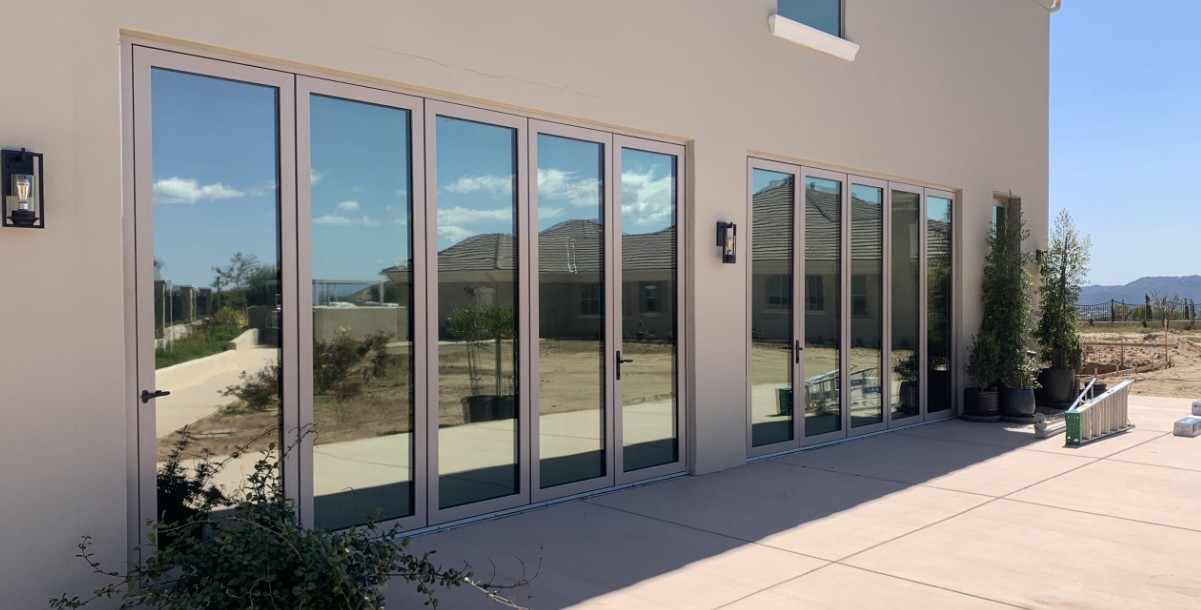
Metalized films use microscopic metal particles to reflect solar energy, offering good heat rejection properties. However, their metallic composition presents several critical drawbacks for modern commercial environments. The metal can interfere with wireless signals, including cellular, Wi-Fi, GPS, and radio frequencies, disrupting essential business operations and connectivity.
Additionally, metalized films often create a reflective, mirror-like appearance, which can be aesthetically unappealing from the exterior and distort views from the interior, impacting natural light quality and visual clarity. They can also be susceptible to oxidation or corrosion in certain environments, reducing their longevity.
Why Traditional Films Often Force a Trade-Off Between Performance and Aesthetics
The core issue with traditional dye-based and metalized films is the inherent trade-off they demand. Businesses often had to choose between effective solar control that might degrade quickly or interfere with technology, or a more aesthetically pleasing option with limited performance. Achieving a balance of high heat rejection, clear views, and long-term durability without compromise was largely unattainable with these older technologies. The choice often boiled down to sacrificing one crucial aspect to gain another.
The Spectrally Selective Superiority: Performance Without Compromise
Ceramic window film revolutionizes solar control through its spectrally selective technology. Instead of broadly absorbing or reflecting all light, ceramic films are engineered with advanced nanotechnology to specifically target and filter out undesirable wavelengths of the solar spectrum—namely infrared (heat) and ultraviolet (UV) radiation—while allowing a high percentage of visible light to pass through unimpeded. This precise filtration means businesses can achieve maximum heat and UV rejection without compromising natural light levels or the clarity of their views. This technological leap eliminates the traditional trade-offs, delivering unparalleled performance and aesthetic integrity.
Addressing Common Concerns: Signal Interference and Longevity
One of the most compelling advantages of ceramic film is its non-metallic composition. Because it contains no metals, ceramic film completely avoids the signal interference issues associated with metalized films. This ensures uninterrupted cellular service, Wi-Fi connectivity, and other wireless transmissions critical for today’s businesses. Furthermore, the inherent durability of ceramic particles means these films offer exceptional longevity. They are highly resistant to fading, discoloration, bubbling, and peeling, maintaining their pristine appearance and high-performance characteristics for decades, offering a reliable, long-term solution free from the degradation problems of dye-based films.
A Modern Solution for Modern Business Challenges
In an era where energy efficiency, occupant comfort, and technological connectivity are paramount, ceramic window film stands out as the ultimate modern solution for contemporary commercial properties. It directly addresses the most pressing challenges of solar heat gain and UV damage without introducing new problems like signal interference or compromised aesthetics. By providing superior solar control, remarkable clarity, and lasting durability, ceramic film represents not just an upgrade, but an intelligent, profitable, and future-proof investment for any business committed to optimizing its operational environment and protecting its assets.
Smart Investment, Smarter Business: Calculating the ROI of Ceramic Film Installation
Investing in commercial window film is not merely an expense; it is a strategic decision that delivers quantifiable returns. Understanding the financial benefits and how they accrue over time is crucial for any business owner considering this upgrade. Ceramic window film, specifically, offers a compelling return on investment (ROI) by addressing core operational costs and enhancing property value.
Quantifying Energy Savings: A Deep Dive into Utility Cost Reduction
The most direct and significant financial benefit of ceramic window film lies in its ability to drastically reduce a building’s energy consumption. By rejecting a substantial percentage of solar heat, ceramic films minimize the amount of heat absorbed through windows, directly alleviating the burden on a building’s heating, ventilation, and air conditioning (HVAC) systems. This translates into tangible savings on utility bills.
- Reduced Cooling Loads: During warmer months, HVAC units work less intensely and less frequently to maintain comfortable indoor temperatures.
- Minimized Heat Loss: In colder climates, some ceramic films also offer insulation properties that help retain indoor heat, further reducing heating costs.
- Lower Peak Demand Charges: For many commercial properties, electricity rates include peak demand charges. By moderating indoor temperatures and reducing the need for constant HVAC operation, ceramic films can help lower these expensive peak charges.
Businesses can often see a reduction in their overall energy costs ranging from 10% to 30%, depending on factors such as existing window efficiency, climate, and building orientation.
Understanding Payback Periods and Long-Term Value Proposition
The payback period for ceramic window film installation is typically quite favorable, often ranging from 2 to 5 years. This calculation factors in the initial investment against the ongoing, monthly energy savings. Once the initial cost is recouped, the film continues to generate savings, effectively becoming a revenue-generating asset that contributes positively to the operational budget for many years to come. Beyond the immediate energy savings, the long-term value proposition extends to:
- Extended HVAC Lifespan: Reduced workload on HVAC systems means less wear and tear, leading to fewer maintenance calls and a longer operational life for expensive equipment.
- Increased Property Value: Energy-efficient upgrades are increasingly attractive to prospective buyers and tenants, enhancing the market value and appeal of commercial properties.
- Sustainable Operations: Demonstrating a commitment to energy efficiency can bolster a company’s public image and appeal to environmentally conscious customers and partners.
Beyond Energy: The Intangible Benefits Impacting Your Bottom Line
While energy savings are easily quantifiable, ceramic window film delivers a host of other benefits that, while less direct, significantly impact profitability and operational efficiency. These “intangible” advantages contribute to a healthier, more productive, and more appealing commercial environment.
- Enhanced Employee Comfort and Productivity: By eliminating hot spots, reducing glare, and maintaining more consistent indoor temperatures, ceramic films create a more comfortable workspace. This reduction in discomfort and eye strain can lead to increased focus, fewer complaints, and improved overall employee productivity.
- Improved Customer Experience: For retail, hospitality, or client-facing businesses, comfortable interiors are paramount. Customers stay longer and are more likely to make purchases when they are not battling excessive heat or blinding glare.
- Protection of Assets: Harmful UV rays are a leading cause of fading for interior furnishings, merchandise, artwork, and equipment. Ceramic film blocks up to 99% of UV rays, preserving the value and appearance of a business’s valuable assets and inventory, reducing replacement costs.
- Increased Safety and Security: Window film adds an extra layer of protection to glass. In the event of accidental breakage or attempted forced entry, the film helps hold shattered glass together, reducing the risk of injury and potentially delaying intruders.
Exploring Potential Government Incentives and Tax Credits for Energy-Efficient Upgrades
Governments at local, state, and federal levels frequently offer incentives to encourage businesses to adopt energy-efficient technologies. These programs can significantly reduce the upfront cost of ceramic window film installation, further improving the ROI and shortening payback periods.
- Federal Tax Credits: The federal government occasionally offers tax credits for energy-efficient commercial building property.
- State and Local Rebates: Many states and municipalities provide direct rebates or grants for energy-saving improvements, often through utility companies.
- Accelerated Depreciation: In some cases, energy-efficient upgrades may qualify for accelerated depreciation schedules, offering tax benefits.
It is highly recommended for businesses to research current programs or consult with their professional window film installer, as experts in the field often have up-to-date information on available incentives.
The Importance of Professional Assessment for Accurate ROI Projections
To truly understand the specific financial benefits for a given commercial property, a professional assessment is indispensable. Generic calculations can provide an overview, but an accurate ROI projection requires a detailed, site-specific analysis. Expert installers will consider various factors that influence both the cost and the savings potential.
- Building Orientation and Sun Exposure: Different facades of a building receive varying amounts of solar radiation throughout the day, influencing film choice and potential savings.
- Existing Glass Type and Condition: The performance of ceramic film will interact with the characteristics of the existing windows, such as single-pane, double-pane, or tinted glass.
- Climate Zone: Local weather patterns and average temperatures heavily dictate cooling and heating demands.
- HVAC System Efficiency: The age and efficiency of the current HVAC system will impact how much of a difference film makes to its workload.
- Current Energy Costs: An analysis of historical utility bills provides a baseline for calculating actual savings.
A professional assessment ensures that the recommended film type is optimally suited for the specific challenges and goals of your property, guaranteeing the most effective and profitable long-term solution.
Partnering for Success: How to Choose Your Commercial Window Film Expert
The selection of a commercial window film expert is as critical as the choice of the film itself. The long-term performance, aesthetic appeal, and ultimate return on investment of your installation depend heavily on the expertise of your chosen partner. A proficient installer does more than apply film; they provide a comprehensive solution rooted in deep industry knowledge and proven methodology.
Identifying a Trusted Partner: What to Look for in a Professional Installer
Finding a reliable commercial window film installer requires due diligence. A trusted partner will exhibit specific characteristics that ensure a smooth process and a successful outcome.
- Solid Reputation: Seek out companies with strong local reputations, positive customer testimonials, and case studies of successful commercial projects.
- Commercial Specialization: Ensure the installer has significant experience specifically with commercial properties, as these projects often involve unique complexities compared to residential installations.
- Transparency: A reputable company will provide clear, detailed proposals, explain product specifications, and be upfront about costs and timelines.
- Customer Service: Evaluate their responsiveness and willingness to answer questions thoroughly from the initial inquiry through project completion and beyond.
The Value of Experience and Specialization in Commercial Solutions
Commercial window film projects are distinct from residential jobs, often involving larger surface areas, unique architectural designs, and specific operational constraints for businesses. An installer specializing in commercial solutions brings invaluable experience to the table.
- Project Management Expertise: They understand how to manage large-scale installations, coordinate schedules to minimize business disruption, and adhere to strict safety protocols.
- Diverse Product Knowledge: Commercial needs vary widely. An experienced specialist can recommend the precise ceramic film solution for diverse requirements, whether it’s glare reduction for office spaces, UV protection for retail displays, or energy efficiency for a large facility.
- Problem-Solving Acumen: Commercial buildings often present complex challenges such as difficult access points, unique window configurations, or specialized glass types. An experienced team can anticipate and effectively address these issues.
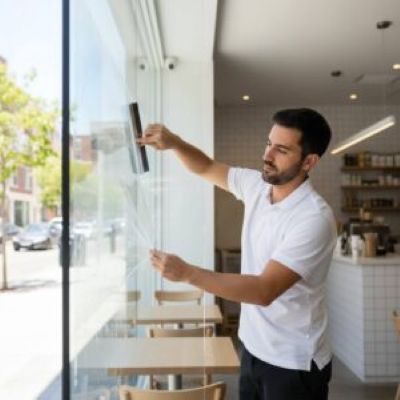
Ensuring Quality: Reputable Products, Certifications, and Warranties
The longevity and performance of your window film installation are directly tied to the quality of both the materials and the workmanship. A professional expert prioritizes these aspects above all else.
- Reputable Products: They will exclusively use high-performance films from established manufacturers, like advanced ceramic films known for their durability, optical clarity, and solar control properties.
- Industry Certifications: Look for installers whose technicians hold relevant industry certifications, demonstrating their commitment to best practices and ongoing training.
- Comprehensive Warranties: A credible company stands behind its work with robust warranties that cover both the film itself and the installation labor. This provides peace of mind and protection for your investment.
The Comprehensive Consultation Process: Custom Solutions for Your Needs
A truly professional window film expert does not offer a one-size-fits-all solution. Instead, they engage in a thorough consultation process to understand the unique challenges and objectives of your business. This bespoke approach ensures optimal results.
- Needs Assessment: They will begin by listening to your concerns regarding heat, glare, fading, privacy, security, and energy costs.
- On-Site Evaluation: A detailed assessment of your building’s windows, orientation, interior, and existing HVAC system will inform their recommendations.
- Tailored Recommendations: Based on the assessment, they will propose specific ceramic film products and installation strategies designed to meet your precise needs and deliver the highest ROI.
- Clear Communication: Throughout the process, they will provide transparent explanations of film performance specifications, estimated savings, and project timelines.
Why Expertise Matters for Optimal Performance and Lasting Results
Ultimately, partnering with an expert commercial window film installer is an investment in optimal performance and lasting results. Incorrect film selection or subpar installation can lead to a host of problems, from bubbles and peeling to disappointing performance metrics that fail to deliver the promised energy savings and comfort improvements.
A seasoned professional ensures that the advanced technology of ceramic film is applied flawlessly, maximizing its solar control capabilities and extending its lifespan. This expertise translates directly into a more comfortable, energy-efficient, and profitable commercial space for years to come, solidifying the long-term value of your investment.
Conclusion: Ceramic Film – The Intelligent Choice for Sustainable Commercial Solar Control
In the dynamic commercial landscape, where operational efficiency, occupant comfort, and long-term profitability are paramount, the choice of building materials significantly impacts a business’s bottom line. The pervasive challenge of solar heat gain and harmful UV radiation has long forced commercial property owners into a difficult compromise: sacrificing natural light and aesthetic appeal for the sake of heat rejection, or enduring high energy costs and interior degradation. However, advanced ceramic window film fundamentally redefines this equation, emerging as the undisputed intelligent choice for sustainable commercial solar control.
This innovative solution stands apart by delivering maximum solar control and heat rejection without diminishing natural light or obstructing views. Unlike older film technologies that often relied on dark tints or metallic components, ceramic films leverage cutting-edge nanotechnology to selectively filter the solar spectrum. This means businesses can significantly reduce interior temperatures, lower HVAC strain, and realize substantial energy savings, all while preserving the bright, open atmosphere that enhances employee productivity and customer experience.
The benefits extend beyond immediate energy savings. Protecting interiors from harmful UV rays safeguards valuable assets, preventing premature fading of furniture, flooring, and merchandise. This preservation of capital investments adds to the long-term profitability of a commercial property. Furthermore, by improving indoor comfort and reducing glare, ceramic film creates a more conducive environment for work and commerce, directly addressing key pain points for business owners concerned with employee well-being and customer satisfaction.
Ultimately, investing in ceramic window film is more than just an upgrade; it is a strategic decision for sustainable business operations. It aligns with modern demands for energy efficiency and environmental responsibility, while simultaneously offering a clear, measurable return on investment through reduced operational costs and enhanced property value. For businesses seeking a forward-thinking solution that prioritizes both performance and preservation, ceramic window film provides the expertise-backed answer for comprehensive solar management. Contact us at CoolVu for more information on your solar management.
MORE POSTS:
- 43% VLT Solar Control Window Film Explained – Why this balanced light transmission level reduces glare and heat while preserving natural brightness.
- Choosing the Right Solar Control Film – Why building type, climate, and expert assessment determine long-term performance, comfort, and sustainability results.
- The Power of Near-Me Searches – How hyper-local demand creates a profitable opportunity for window film entrepreneurs.
- The Overlooked Drain on Your Profits – How professional solar control window film installation stops compounding energy and comfort losses.
- Choosing Solar Control Film That Actually Performs – How building conditions, performance metrics, and goals determine real results.