
Table of Contents
The Critical Role of Glass in Commercial Security
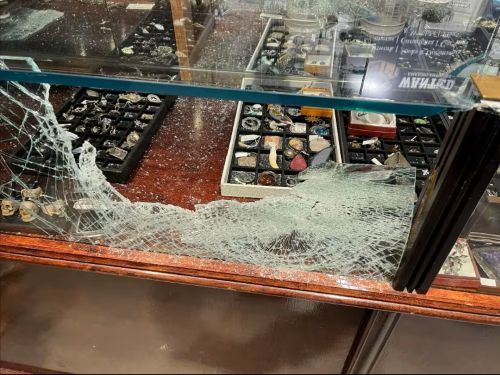
Glass is an indispensable component of modern commercial architecture. It defines aesthetics, invites natural light, offers visibility, and creates an open, welcoming environment for customers and employees alike. However, this very transparency and beauty present a fundamental security challenge. Glass, by its inherent nature, is the weakest link in a building’s perimeter. It is the primary target for forced entry attempts, the first point of failure in a severe storm, and a significant hazard during an active threat.
Beyond Alarms: Understanding the Limitations of Reactive Security
Many businesses rely on a combination of alarm systems, surveillance cameras, and robust locks for security. While these components are vital, they primarily constitute a reactive defense strategy. Alarms activate after a breach has occurred, signaling an event to authorities. Surveillance cameras record incidents, providing valuable evidence after the fact.
Locks secure doors, but they do nothing to protect the expansive glass surfaces that often surround them. None of these systems physically prevent an intruder from gaining entry or prevent glass from shattering and causing injury. They react to a problem rather than proactively mitigating the initial vulnerability.
Introducing Security Window Film as a Foundational Barrier
This is where the paradigm shifts from reactive to proactive protection. Security window film transforms your most vulnerable entry points—your glass—into a resilient barrier. It is an often-overlooked foundational layer of modern commercial security that works in concert with existing systems. By significantly increasing the resistance of glass to impact, it buys crucial time during a forced entry attempt, protects building occupants from flying glass shards, and helps maintain the integrity of the building envelope against various threats.
What Exactly is Commercial Security Window Film? Deconstructing the Technology
The Engineered Layers: Strength Through Design
Commercial security window film is not merely a thick sheet of plastic. It is a sophisticated, multi-layered polyester (PET) product, meticulously engineered for strength and flexibility. These films typically consist of several micro-thin layers of high-tensile polyester, bonded together with powerful adhesives. This unique construction allows the film to absorb and dissipate significant impact energy without tearing or puncturing, turning ordinary glass into a formidable, resilient surface.
Adhesion and Retention: The Science Behind Shatter Resistance
The core science behind security film’s effectiveness lies in its exceptional adhesion and glass retention properties. When glass protected by security film is subjected to impact—whether from an attempted break-in, an accidental collision, or extreme weather—it may still crack or shatter. However, the film’s robust adhesive layer firmly bonds the fractured glass shards together, holding them securely within the window frame. This prevents the formation of a large, accessible opening, drastically increasing the time and effort an intruder would need to gain entry. Furthermore, this critical retention prevents dangerous flying glass, significantly reducing the risk of injury to occupants and damage to interior property.
Differentiating Security Film from Standard Window Tint
It’s important to clarify that security window film is fundamentally different from standard window tint, though some security films can also incorporate tinting properties.
- Standard Window Tint: Primarily designed for aesthetic appeal, glare reduction, heat rejection, and privacy. It is typically thinner and possesses minimal tear resistance or adhesive strength to hold shattered glass.
- Security Window Film: Engineered for impact resistance, shatter retention, and barrier reinforcement. Its construction focuses on tensile strength, tear resistance, and aggressive adhesion to the glass. While some security films offer solar control or privacy, their primary function remains structural integrity and protection.
Choosing security film means investing in a specialized product designed specifically for protection, distinct from films whose main purpose is comfort or aesthetics.
How Advanced Security Film Works to Fortify Your Property
Security window film isn’t merely an adhesive layer; it’s an engineered system designed to dramatically enhance the structural integrity of your glass. Unlike alarms or cameras that react to an event, security film proactively transforms your most vulnerable entry points, making them a formidable barrier against threats. Its effectiveness lies in a combination of sophisticated properties that work synergistically to protect your assets and occupants.
Impact Absorption and Energy Dispersion
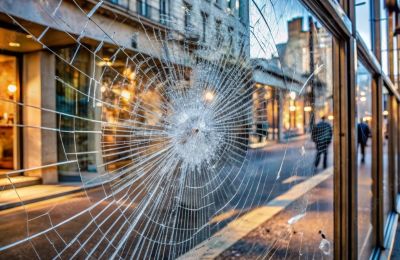
At the core of its protective capability, advanced security film excels at absorbing and dispersing kinetic energy. When an impact occurs, whether from a thrown object or an attempted forced entry, the multi-layered film flexes and stretches, absorbing the blunt force that would otherwise cause immediate and catastrophic glass failure. This energy is then distributed across a wider surface area of the film, significantly reducing the concentrated stress on any single point of the glass. This crucial mechanism prevents the glass from shattering into large, dangerous pieces, maintaining the integrity of the window pane even under severe attack.
Glass Fragment Retention: Minimizing Hazard and Deterring Intrusion
Perhaps the most visually striking function of security film is its ability to hold shattered glass firmly in place. Upon impact, while the glass itself may crack or break, the robust adhesive and tear-resistant polyester layers of the film prevent the fragments from detaching and flying inward. This serves two critical purposes.
Firstly, it drastically minimizes the risk of injury to occupants from dangerous, sharp glass shards, a primary concern in any breach or accident. Secondly, an intact, albeit spider-webbed, pane of glass acts as a significant deterrent and barrier against intrusion, far more effective than an open hole where glass once stood.

Delaying Forced Entry: Buying Critical Time for Response
The ability of security film to delay forced entry is where its strategic value truly shines, directly supporting the foundational layer of security. When an intruder attempts to smash through a filmed window, they are met with unexpected resistance. Instead of a quick, clean break, the glass remains stubbornly in its frame, requiring repeated, forceful impacts to create an opening large enough to pass through. This unexpected resistance wastes precious time, often extending the breach attempt from seconds to minutes. These critical minutes provide invaluable time for:
- Alarm systems to activate and notify authorities.
- Surveillance cameras to capture clear footage of the perpetrator.
- On-site security personnel or law enforcement to respond.
This delay is a game-changer, transforming a potential rapid intrusion into a prolonged, high-risk endeavor for the attacker, often leading them to abandon their attempt.
Comprehensive Protection: Key Benefits for Commercial Buildings Beyond Break-Ins
While deterring forced entry is a primary benefit, the robust engineering of commercial security window film extends its protective capabilities to a wide array of threats and everyday challenges, offering comprehensive safeguarding for your property.
Smashing the Threat: Deterring Smash-and-Grab Attempts
For many retail businesses, “smash-and-grab” theft represents a significant and frustrating vulnerability. These incidents rely on speed and ease of access. Security film directly counters this by preventing the immediate, clean breach required for such thefts. Even if the glass is shattered, the film holds it together, forcing the perpetrator to exert considerably more effort and time to gain entry. This increased difficulty and the heightened risk of detection often make filmed windows an unattractive target, as thieves seek the path of least resistance.
Blast Mitigation: Protecting Against Explosive Forces
In an increasingly unpredictable world, the threat of explosive forces, whether accidental or intentional, is a serious consideration for many commercial entities. Security film plays a vital role in blast mitigation. During an explosion, glass becomes a deadly projectile. The film is specifically designed to absorb the shockwave’s energy and, critically, to contain the shattered glass fragments within the window frame. This containment drastically reduces the risk of severe injuries and fatalities caused by flying debris, turning a potential disaster into a manageable incident.
Storm Damage Defense: Resisting Nature’s Fury
Commercial buildings in areas prone to severe weather, such as hurricanes, tornadoes, or hailstorms, face significant risks from flying debris and extreme wind pressure. Security film acts as a robust shield, reinforcing windows against these natural forces. By holding glass in place, even when compromised, the film prevents breaches in the building envelope, protecting interior assets from water, wind, and further damage. This proactive defense can significantly reduce post-storm recovery costs and operational downtime.
Accident Prevention: Enhancing Safety for Occupants
Beyond intentional threats and natural disasters, everyday accidents pose risks within commercial spaces. Whether it’s a child running into a storefront, an employee accidentally colliding with a glass partition, or an unforeseen impact in a high-traffic area, standard annealed glass shatters into sharp, dangerous pieces. Security film transforms this hazard by containing the broken glass, preventing shards from scattering and minimizing the potential for serious lacerations or other injuries to occupants and visitors.
Beyond Security: Exploring Ancillary Benefits Like Anti-Graffiti and Solar Control
While security is the primary driver for installing these advanced films, their multi-layered construction often provides additional, valuable benefits that contribute to the overall well-being and operational efficiency of your commercial property.
- Anti-Graffiti Properties: Some security films are specifically designed with an additional, easily replaceable sacrificial layer that protects the underlying glass from etching, spray paint, and scratches. This allows for quick and cost-effective removal of vandalism without needing to replace the entire window.
- Solar Control Integration: Many security films seamlessly integrate solar control technology. This means they can simultaneously block harmful UV rays, reduce excessive heat gain, and mitigate glare. The result is a more comfortable indoor environment, reduced fading of interior furnishings, and tangible energy savings on cooling costs.
Exterior branding solutions such as window perf can also complement security film by adding one-way visibility and messaging without compromising interior protection.
These ancillary benefits mean that investing in security window film is often a multifaceted solution, addressing several operational and safety concerns with a single, expert installation. However, realizing the full spectrum of these benefits, tailored to your specific commercial property and threat landscape, necessitates a professional assessment of your existing glass, frame integrity, and security needs.
Navigating Your Options: Types of Security Window Film and How to Choose
Selecting the appropriate security window film for your commercial property requires a nuanced understanding of product specifications and threat mitigation. It is not a one-size-fits-all solution, as the effectiveness of the film hinges on its correct application relative to your building’s unique vulnerabilities and structural characteristics.
Understanding Mil Thickness and Tensile Strength Ratings
Two fundamental metrics dictate a security film’s physical performance: mil thickness and tensile strength. Mil thickness refers to the film’s gauge, with one mil equaling one-thousandth of an inch. Generally, a thicker film provides greater resistance to impact and tearing, meaning it can hold shattered glass together more effectively and for longer under duress.
Tensile strength, measured in pounds per square inch (psi), indicates the amount of force a film can withstand before breaking or tearing. High tensile strength ensures the film maintains its integrity even when subjected to significant stress from impacts or attempts to breach. These combined properties are crucial indicators of a film’s ability to transform fragile glass into a formidable, resilient barrier, slowing down intruders and containing dangerous shards.
Specialized Films for Specific Threats: From Anti-Intrusion to Bomb Blast
The evolution of security film technology has led to specialized products designed to counter distinct threats. Understanding these distinctions is paramount for effective protection.
- Anti-Intrusion Films: These are engineered primarily to deter and delay smash-and-grab burglaries, vandalism, and opportunistic breaches. They significantly increase the time and effort required to gain entry, often frustrating perpetrators into abandoning their attempts.
- Safety Films: While all security films offer safety benefits, dedicated safety films are designed to mitigate the risks associated with accidental impacts or spontaneous glass breakage. They hold glass fragments firmly in place, protecting occupants from flying shards and preserving the building envelope.
- Bomb Blast and Severe Weather Films: These represent the pinnacle of security film technology. They are substantially thicker and possess superior tensile strength, often requiring specialized anchoring systems. Such films are designed to withstand extreme forces, such as those from explosions or hurricane-force winds, keeping large sections of glass intact and contained within the frame, thereby preventing catastrophic damage and injury.
Many films also offer combined benefits, integrating security properties with solar control, glare reduction, or privacy features. This allows businesses to address multiple operational needs with a single, high-performance solution.
Factors Influencing Selection: Assessing Your Unique Vulnerabilities
Choosing the right security film involves a comprehensive assessment of your commercial property’s specific profile and risk factors. This is where expert guidance becomes indispensable.
- Type of Glass: Different glass types—annealed, tempered, or laminated—react uniquely to impact and heat. An expert will understand how a film interacts with each, recommending solutions that enhance rather than compromise the glass’s inherent properties.
- Window Frame Condition and Material: The integrity of your window frames is as critical as the film itself. A robust film on a weak or poorly sealed frame can create a critical vulnerability. Professionals assess frame material (aluminum, wood, vinyl) and condition to ensure the entire window system can withstand threats.
- Specific Threat Profile: Is your business located in an area prone to vandalism? Are you concerned about active threats or extreme weather events? The answers to these questions will guide the selection of a film with the appropriate level of impact resistance and attachment methodology.
- Building Codes and Insurance Requirements: Local building codes or your insurance provider may mandate specific levels of glass safety or security. An expert can ensure your installation meets or exceeds these requirements.
Without a thorough understanding of these interconnected factors, businesses risk investing in a solution that provides a false sense of security or fails to perform as expected when it matters most.
The Indispensable Role of Expert Installation for True Security
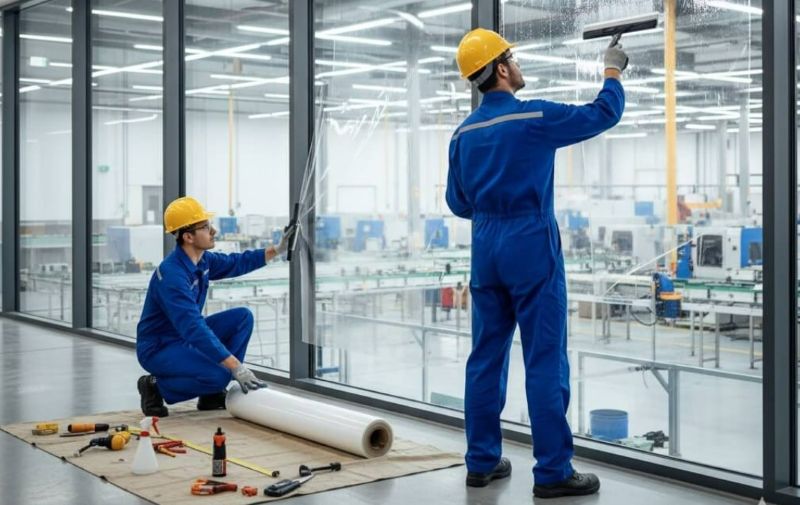
The most advanced security window film is only as effective as its installation. This critical stage transforms a high-performance material into a reliable security system, proactively fortifying your commercial property’s most vulnerable points.
The Precision Behind Performance: Why Installation Matters More Than the Film Itself
Many believe that simply purchasing a high-quality film guarantees security. However, this overlooks the intricate process of installation that dictates the film’s real-world performance. Security film, unlike standard window tint, must adhere flawlessly and seamlessly to the glass surface, often extending to or beyond the edge of the frame to create a robust, integrated barrier. Any imperfections—bubbles, creases, or improper edge trimming—can compromise the film’s structural integrity, creating weak points that can be exploited during an attempted breach. The film and the existing glass become a single, resilient unit only through precise, expert application.
Anchoring Systems and Edge Sealing: Maximizing Effectiveness
For higher levels of security and to meet stringent performance demands, simple film application is often insufficient. This is where specialized techniques like anchoring systems and edge sealing come into play.
- Anchoring Systems: For threats like sustained forced entry, bomb blasts, or severe natural disasters, the film needs to be mechanically or structurally bonded to the window frame, not just the glass. These systems, which can involve structural silicone or mechanical attachments, prevent the entire glass-and-film unit from being pushed out of the frame upon extreme impact.
- Edge Sealing: Proper edge sealing prevents the film from peeling or delaminating over time or under stress. It creates a complete, continuous bond that maximizes the film’s ability to hold shattered glass fragments within the frame, maintaining the building’s envelope and delaying entry.
These advanced methods are intricate, requiring specialized tools, materials, and training to execute correctly. They are essential components that elevate security film from a deterrent to a true protective system.
The Risks of DIY and General Contractor Installation for Critical Security
The temptation to cut costs by attempting a DIY installation or entrusting the job to a general contractor, while understandable, carries significant risks when it comes to security window film. This is not a task for the untrained or the unspecialized.
- DIY Risks: Without the necessary tools, environmental controls, or experience, a DIY installation often results in sub-par adhesion, visible imperfections, and a compromised product that will fail to perform under pressure. It also voids manufacturer warranties, leaving businesses without recourse.
- General Contractor Risks: While capable in many construction aspects, most general contractors lack the specialized training required for security film installation. They may not understand the specific glass-to-frame dynamics, the nuances of film adhesion, or the critical importance of anchoring systems. Treating security film like any other window treatment can lead to a false sense of security, where the installed film offers minimal actual protection against its intended threats.
Security window film is an engineered solution, and its installation demands the precision and expertise of professionals who understand its science and application. Anything less undermines its foundational purpose.
The Unmatched Value of Commercial Window Expertise: A Legacy of Experience
For commercial property owners, partnering with true commercial window experts offers an unmatched advantage. Their value extends far beyond simply applying film; it encompasses a holistic approach to enhancing your property’s security posture.
Experts provide a thorough, professional assessment of your building’s vulnerabilities, considering glass type, frame condition, existing security infrastructure, and specific threat profiles.
They recommend tailored film solutions, complete with appropriate anchoring and edge sealing, that genuinely transform your glass into a resilient, proactive barrier. This ensures not only that the film performs as intended but also that manufacturer warranties remain valid, protecting your investment.
By entrusting your security film installation to seasoned professionals, you are not just purchasing a product; you are acquiring a robust, reliable security system backed by a legacy of experience, ensuring your business is safeguarded against unexpected threats.
Is Commercial Security Window Film the Right Solution for Your Business?
A Proactive Layer in Your Holistic Security Strategy
Integrating security window film into your business’s defense framework is a strategic shift from merely reacting to threats to proactively mitigating them. Unlike alarms that signal a breach after it occurs, or cameras that record events for later review, security film acts as a formidable, physical barrier at your most vulnerable points: your windows and glass doors. This engineered solution transforms ordinary glass into a resilient, impact-resistant surface designed to withstand initial attacks, whether from forced entry attempts, accidental impacts, or even natural disasters. It doesn’t just deter; it fundamentally alters the physics of glass failure.
This proactive approach buys precious time during a security incident, delaying intruders and allowing emergency services to respond effectively. More critically, it holds shattered glass together, preventing dangerous shards from flying inward and protecting occupants from injury. By maintaining the integrity of your building’s envelope, even after impact, security film preserves a crucial layer of defense that reactive security measures simply cannot. It forms a foundational component of a comprehensive security strategy, working in concert with other systems to create a truly secure environment.
Assessing Your Property’s Specific Needs and Vulnerabilities
Determining the ideal security film solution for your business is far from a one-size-fits-all proposition. It requires a meticulous, professional assessment that goes beyond a superficial glance. An expert evaluation considers a multitude of factors unique to your property and the specific threats it faces. This is precisely why relying on general contractors or attempting a DIY approach can leave critical vulnerabilities unaddressed.
A true expert will analyze:
- Glass Type and Thickness: Different glass compositions (e.g., annealed, tempered, laminated) react differently to impact and require specific film types and attachment systems for optimal performance.
- Frame and Glazing System Condition: The structural integrity of your window frames and how the glass is secured within them are paramount. A robust film on a weak frame offers limited protection.
- Specific Threat Profiles: Are you primarily concerned with smash-and-grab theft, vandalism, active threat mitigation, or protection against severe weather? Each scenario dictates a different film thickness and installation method.
- Energy Performance and Aesthetics: Beyond security, experts consider how film can contribute to energy efficiency and maintain or enhance your property’s visual appeal.
This level of detailed analysis ensures that the security film installation is not just applied, but precisely engineered to meet your business’s unique requirements, maximizing its protective benefits.
Illustrative Scenarios: How Different Businesses Benefit
The versatility of commercial security window film allows it to address a wide array of security and safety concerns across various business types:
- Retail Establishments: Boutiques, jewelry stores, and electronics retailers are prime targets for smash-and-grab burglaries. Security film delays forced entry significantly, often causing frustrated perpetrators to abandon their attempts, thus protecting valuable inventory and minimizing property damage.
- Office Buildings and Corporate Campuses: Beyond deterring intruders, film enhances occupant safety by mitigating hazards from flying glass during an active threat situation or an unexpected internal explosion. It also provides an added layer of privacy and protection for sensitive data.
- Educational Institutions and Healthcare Facilities: Schools, universities, and hospitals prioritize the safety of students, staff, and patients. Security film adds a critical layer of defense against forced entry, buying time for lockdown procedures and emergency response, while also protecting against broken glass injuries during accidents or severe weather.
- Government Facilities and Critical Infrastructure: These sites require robust protection against various threats. Security film provides an essential barrier against intrusion, blast mitigation, and ensures operational continuity by safeguarding vulnerable entry points.
- Restaurants and Public-Facing Businesses: Vandalism and civil unrest can lead to costly glass replacement and business interruption. Security film helps prevent glass from shattering into hazardous pieces, reducing cleanup costs and downtime, and allowing for faster recovery.
In each scenario, the film’s core function—holding shattered glass in place—translates into tangible benefits, from preventing loss and injury to ensuring business continuity.
The Long-Term Investment in Peace of Mind and Asset Protection
Investing in commercial security window film is a strategic decision that offers substantial long-term returns beyond immediate protection. It’s an investment in your business’s resilience, stability, and the overall well-being of your employees and customers. The peace of mind that comes from knowing your property has an enhanced layer of defense against a spectrum of threats is invaluable.
Furthermore, this solution contributes to significant asset protection. By deterring theft and vandalism, it minimizes potential inventory losses, equipment damage, and the high costs associated with emergency glass replacement. It also reduces business downtime following an incident, allowing operations to resume much quicker. In the face of increasing threats, a proactive measure like security window film safeguards your physical assets and fortifies your business against potential disruptions, translating into a sound financial decision for future stability.
Conclusion: Fortifying Your Future with Smart Security Solutions
Reclaiming Your Vulnerable Entry Points: The Core Argument Revisited
In the dynamic landscape of commercial security, the inherent vulnerability of glass remains a critical concern for every business owner. While advanced alarm systems and surveillance cameras provide valuable reactive responses, they do not address the fundamental weakness of glass as an entry point. Security window film fundamentally reclaims these vulnerable spaces, transforming ordinary glass into a resilient, impact-resistant barrier. It is this proactive transformation—turning a weakness into a strength—that positions security film as an indispensable and often overlooked foundational layer within a modern security infrastructure.
Key Takeaways for Business Owners
- Proactive Defense: Security film acts as a physical barrier, delaying intruders and protecting occupants, unlike reactive alarms and cameras.
- Expert Assessment is Crucial: Effective film deployment requires a professional analysis of glass type, frame condition, and specific threats, not a generic solution.
- Diverse Applications: From retail theft deterrence to enhancing safety in schools and offices, security film offers tailored benefits across various commercial environments.
- Long-Term Value: It’s an investment that provides peace of mind, reduces costs associated with damage and downtime, and ensures business continuity.
Your Next Step: Partnering with Commercial Security Film Experts
Understanding the profound benefits of security window film is the first step toward enhancing your business’s safety. The next, and most crucial, step is to engage with certified commercial security film experts. Their specialized knowledge ensures that the right film, appropriate thickness, and proper attachment system are selected and installed to meet your property’s unique challenges and threat profiles. Partnering with professionals guarantees an expertly integrated solution that maximizes protection, providing you with the confidence that your most vulnerable entry points are fortified effectively. Contact CoolVu for a professional consultation where all your questions receive thorough, honest answers.
MORE POSTS:
- The Hidden Cost of Commercial Windows – How energy loss, glare and UV damage impact businesses and how window film solves it.
- The Value of Commercial Window Solar Film – How solar film cuts energy loss, improves comfort, and protects building assets.
- Solar Control Commercial Window Film – Turn windows into energy-saving, glare-reducing, and asset-protecting business solutions.
- Protecting Business Windows – Understanding how security window film strengthens glass, holds shards, and defends against break-ins and vandalism.
- UV Damage in Commercial Buildings – How ultraviolet radiation silently degrades interiors, inventory, building materials, and employee comfort over time.
- Antimicrobial Sprays vs. Film – Why sprays give quick disinfection but require constant reapplication, labor, and perfect contact time to work.