
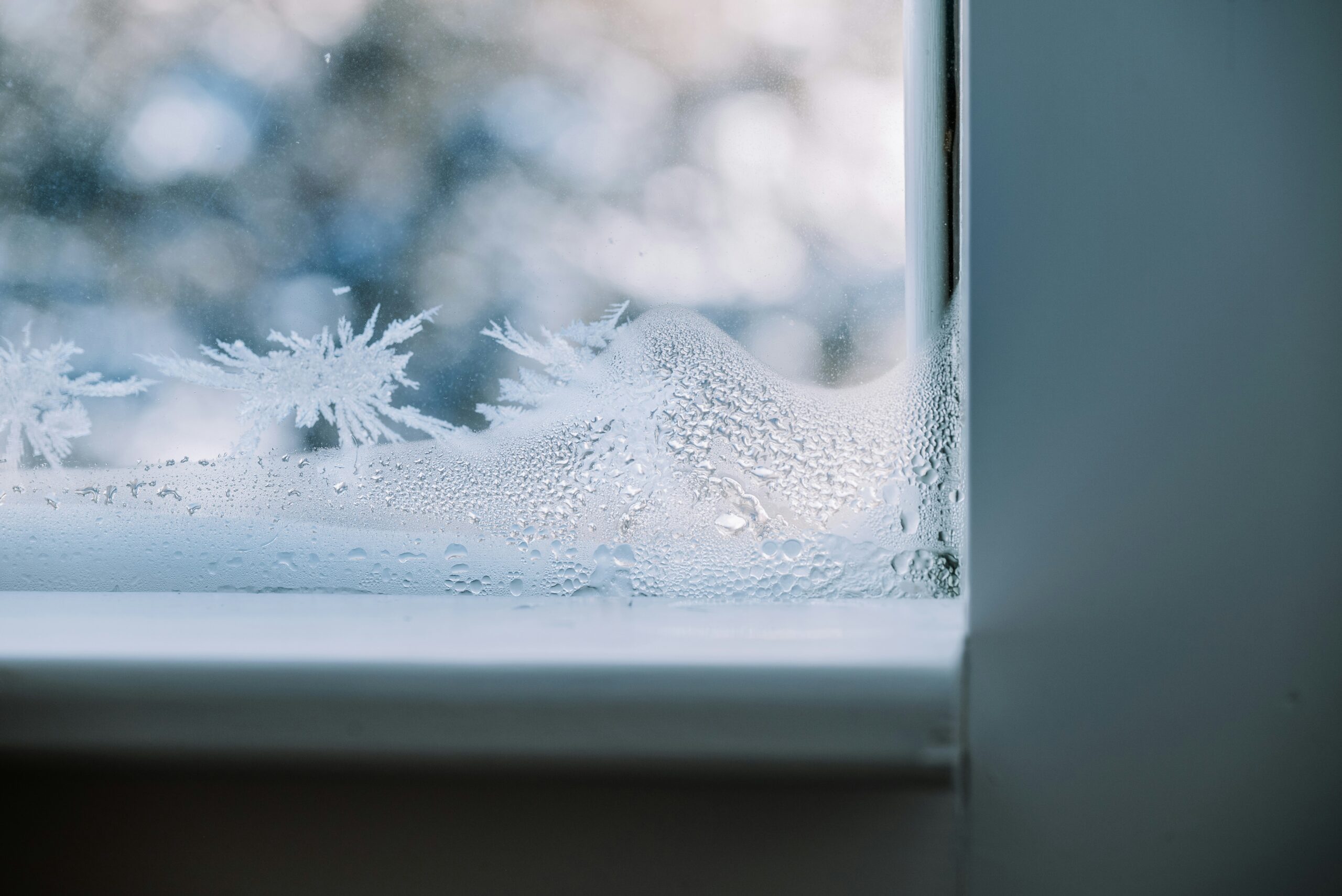
Winter transforms windows from sources of natural light and outdoor views into potential problem areas that affect comfort, energy costs, and even property condition. Condensation streaming down glass panes, cold drafts radiating from window areas, and uncomfortable temperature variations between window zones and interior spaces frustrate homeowners and property managers throughout the colder months. Understanding these winter window challenges helps property owners identify appropriate solutions while recognizing what different approaches can and cannot achieve.
The Science Behind Winter Window Problems
Windows represent the weakest thermal barrier in most buildings, conducting heat far more readily than insulated walls. During winter, warm interior air contacts cold glass surfaces, creating the temperature differential that drives both heat loss and condensation formation. These aren’t defects—they’re physical realities resulting from glass’s inherent thermal properties and the laws of thermodynamics.
Heat transfer through windows occurs through three mechanisms working simultaneously. Conduction moves heat directly through glass material from warm interior surfaces to cold exterior surfaces. Convection carries heat away as air currents flow across window surfaces. Radiation allows heat energy to pass through glass without warming it, similar to how sunlight penetrates windows during summer months.
The relative contribution of each mechanism varies based on window construction, outdoor temperature, indoor humidity levels, and air movement patterns. Single-pane windows lose heat primarily through conduction, while gaps around frames and sashes create convective losses. Even well-sealed windows allow radiative heat transfer that contributes to overall energy loss and cold sensation near window areas.
Understanding these mechanisms helps property owners evaluate solutions realistically. Approaches that address only one heat transfer mechanism provide incomplete benefits, while comprehensive strategies targeting multiple pathways deliver more significant improvements in comfort and efficiency.
Condensation: Causes, Concerns, and Context
Water droplets forming on window surfaces during cold weather represent one of winter’s most visible and concerning window challenges. Condensation occurs when warm, moisture-laden interior air contacts glass surfaces cold enough to reduce air temperature below its dew point—the temperature at which air can no longer hold its moisture content.
The amount of condensation depends on indoor humidity levels, outdoor temperatures, and glass surface temperatures. Homes with high indoor humidity, significant temperature differences between indoor and outdoor environments, and cold glass surfaces experience the most dramatic condensation. Activities like cooking, showering, and even breathing continuously add moisture to indoor air, increasing condensation potential.
Persistent condensation creates several problems beyond aesthetic concerns. Water pooling on window sills can damage wood frames, promote mold growth, and stain surrounding walls or window treatments. Freezing temperatures may cause condensation to ice over, potentially affecting window operation and creating expansion forces that stress frames and seals.
However, condensation presence doesn’t automatically indicate window defects. Modern homes built to higher air-tightness standards naturally retain more interior moisture than older, draftier structures. This improved envelope performance enhances energy efficiency but requires attention to humidity management that less efficient homes handle through uncontrolled air leakage.
Cold Transfer and the Comfort Factor
Beyond measurable heat loss and energy consumption, winter window challenges include the uncomfortable sensation of cold radiating from glass surfaces. Even in rooms maintained at comfortable temperatures, areas near windows often feel noticeably colder, making those spaces less usable and creating uneven comfort throughout buildings.
This cold sensation results partially from actual temperature differences—air near cold windows does cool as it contacts glass surfaces—and partially from radiant heat loss from occupants’ bodies to cold surfaces. Humans perceive comfort based not just on air temperature but on radiant temperature exchange with surrounding surfaces. Cold windows act as radiant heat sinks, drawing warmth from nearby occupants even when air temperature remains adequate.
The impact on space utilization can be significant. Desirable window-side seating becomes uncomfortable during winter months. Bedrooms with large windows require excessive heating to maintain sleeping comfort. Office spaces with exterior walls and windows experience comfort complaints despite adequate overall heating capacity.
These comfort challenges affect property value and tenant satisfaction as much as energy costs. Residential properties with uncomfortable window zones are less desirable and may command lower sale or rental prices. Commercial spaces where perimeter zones are uncomfortable face tenant retention challenges and may need to offer concessions to maintain occupancy.
Evaluating Window Performance Options
Property owners addressing winter window challenges have multiple approaches to consider, each with distinct characteristics, costs, and limitations. Understanding these options helps in making informed decisions aligned with specific needs and circumstances.
Window replacement represents the most comprehensive but expensive approach. Modern high-performance windows incorporate multiple glazing layers, low-emissivity coatings, insulating gas fills, and thermally improved frames that dramatically reduce heat loss compared to older windows. However, replacement costs often run $500-1,500 per window or more, requiring substantial capital investment that may not align with available budgets or payback expectations.
Storm windows installed over existing windows create additional air spaces and thermal barriers. Modern versions offer improved performance over historical storm windows, but installation remains disruptive, seasonal removal and storage creates ongoing hassle, and visual impact may not suit all architectural styles.
Window film applications provide intermediate solutions that enhance existing window performance without replacement. Films cannot match the insulating value of replacement with modern windows, but they address specific winter window challenges while requiring modest investment and minimal disruption. In addition, switchable smart glass offers a modern alternative for properties seeking dynamic light control alongside energy performance. Understanding what films can reasonably accomplish—and what they cannot—sets appropriate expectations.
Interior window treatments like cellular shades, insulated curtains, or thermal panels provide flexible options that property owners can deploy seasonally or as needed. These approaches work well for some applications but require daily operation, reduce natural light when deployed, and may not suit aesthetic preferences or functional requirements.
How Window Solutions Address Winter Challenges
Various window enhancements address winter window challenges through different mechanisms, making it important to match solutions to specific problems requiring attention.
Low-emissivity treatments reflect radiant heat back into rooms rather than allowing it to pass through glass. This radiant barrier effect can significantly reduce the cold sensation near windows even when glass surface temperature remains relatively cool. The comfort improvement often exceeds what actual energy savings calculations might suggest, as occupants perceive spaces as warmer even when air temperature hasn’t changed dramatically.
Insulating approaches that create additional air spaces or reduce conductive heat transfer address heat loss through glass more directly. Multiple glazing layers trap air that serves as insulation, while thermally improved frames reduce heat loss pathways around glass perimeters.
Air sealing addresses convective losses around window edges, between sashes, and through frame penetrations. Even high-performance windows lose significant heat if installation gaps or degraded weatherstripping allow air infiltration. Proper sealing often provides outsized benefits relative to effort and cost invested.
Humidity management through whole-house ventilation, dehumidification, or humidity-aware operation of heating systems addresses condensation at its source rather than attempting to warm glass surfaces enough to prevent formation. This approach acknowledges that condensation results from excess interior moisture as much as from cold glass.
The Role of Window Film in Winter Performance
Window film cannot transform single-pane windows into triple-pane performance equivalents, but it can meaningfully improve winter comfort and efficiency in specific ways. Setting realistic expectations ensures satisfaction with results while avoiding disappointment from unrealistic hopes.
Low-emissivity window films reduce radiant heat loss through glass, keeping interior surface temperatures slightly warmer while reflecting heat back into rooms. This effect particularly benefits rooms where radiant discomfort near windows creates the primary challenge. The perceived comfort improvement often motivates installation even when calculated energy savings alone might not justify the investment.
Low-emissivity window films reduce radiant heat loss through glass, keeping interior surface temperatures slightly warmer while reflecting heat back into rooms. This radiant barrier effect can significantly reduce the cold sensation near windows even when glass surface temperature remains relatively cool. In higher-risk properties, ballistic film builds on this same window-film technology by reinforcing the glass structure itself, adding impact resistance and retention without changing how the window looks or functions in winter conditions. The comfort improvement often exceeds what actual energy savings calculations might suggest, as occupants perceive spaces as warmer even when air temperature hasn’t changed dramatically.
Some window films provide minor condensation reduction through slightly improved glass surface temperatures, though this effect is modest. Films cannot eliminate condensation resulting from excessive indoor humidity—that requires source control through ventilation or dehumidification. However, reducing condensation severity even moderately can prevent the most problematic water accumulation.
Winter window challenges often coexist with summer cooling concerns. Window films selected primarily for summer performance still provide winter benefits through their radiant heat reflection properties. This dual-season value improves overall return on investment compared to solutions addressing only heating or cooling seasons.
Complementary Strategies for Comprehensive Results
The most effective approaches to winter window challenges typically combine multiple strategies rather than relying on single solutions. Window enhancements work synergistically with other building improvements and operational practices.
Air sealing represents perhaps the most cost-effective winter window improvement available. Addressing gaps and drafts around existing windows prevents heat loss while reducing cold air infiltration that creates discomfort and drives up heating costs. Professional air sealing often costs less than window film while delivering comparable or superior energy savings.
Humidity management through proper ventilation and controlled moisture sources addresses condensation more effectively than any window treatment. Range hood exhaust during cooking, bathroom ventilation during showers, and whole-house ventilation systems remove moisture before it condenses on windows.
Window treatment integration combines film benefits with additional insulating value from cellular shades, curtains, or other interior treatments. Films provide passive performance while shades add flexibility to increase insulation during coldest periods while allowing light entry when desired.
Heating system optimization ensures that increased window performance translates into actual energy savings rather than simply maintaining existing comfort with less effort. Programmable thermostats, zone controls, and proper system maintenance help realize efficiency gains from window improvements.
Setting Appropriate Expectations
Realistic expectations about what any winter window solution can accomplish prevents disappointment while enabling informed decision-making. No window enhancement makes single-pane windows perform like triple-pane replacements, eliminates all condensation regardless of indoor humidity, or completely eliminates cold sensation near windows during extreme weather.
However, meaningful improvements in comfort, modest reductions in energy consumption, and decreased condensation severity represent realistic outcomes from appropriate window enhancements. These incremental improvements often significantly impact daily comfort and satisfaction even when measured effects seem modest.
Property owners should also recognize that windows represent just one component of overall building thermal performance. Poorly insulated walls, inadequate attic insulation, or air leakage throughout the building envelope limit the effectiveness of any window improvement. Comprehensive building energy assessments help prioritize improvements for maximum impact.
Making Informed Decisions
Addressing winter window challenges requires understanding your specific situation, available solutions, realistic expectations, and budget constraints. . Evaluating security film for windows cost as part of this process helps ensure your investment aligns with both performance goals and financial planning. Properties in severe climates with extremely poor existing windows may justify comprehensive replacement despite high costs. Moderate climates with decent existing windows might achieve satisfactory results through more modest enhancements.
Consider how you actually use spaces when evaluating solutions. Rooms used primarily during daylight hours when window areas provide pleasant views may not require the same improvements as bedrooms where nighttime comfort matters most. In moisture-prone areas, installing privacy film for bathroom windows can address both insulation and discretion needs without major renovation, while in higher-risk areas applying ballistic glass film can enhance security without requiring full window replacement. Prioritizing improvements in most-used or most-problematic spaces often delivers better satisfaction than attempting comprehensive building-wide approaches beyond available budgets.
Contact CoolVu for professional assessment of your specific winter window challenges. Our specialists can evaluate your situation, discuss realistic solutions, and help you understand what various approaches can accomplish for your particular circumstances and needs.
MORE POSTS:
- Eco-Friendly Window Film and Energy Efficiency – Why sun control film reduces heat, cuts operating costs, and improves comfort in commercial and residential spaces.