- Understanding Visible Light Transmission (VLT) in Simple Terms
- Comparing Your Privacy Film Options: Frosted, Decorative, and Mirrored
- Selecting the Right Film: Key Factors for Your Commercial Space
- Professional Installation: The Key to a Flawless and Lasting Finish
- Finding a Commercial Window Expert You Can Trust
- What Defines a True Window Solutions Specialist?
- Cutting Annoying Glare Without Closing the Blinds
- Adding a Layer of Safety and Security to Your Glass
- The Importance of a Professional Energy Assessment and Consultation
- Why a Proven Track Record and Decades of Experience Matter
- Evaluating Product Quality and National Installation Capabilities
- Conclusion
- Frequently Asked Questions
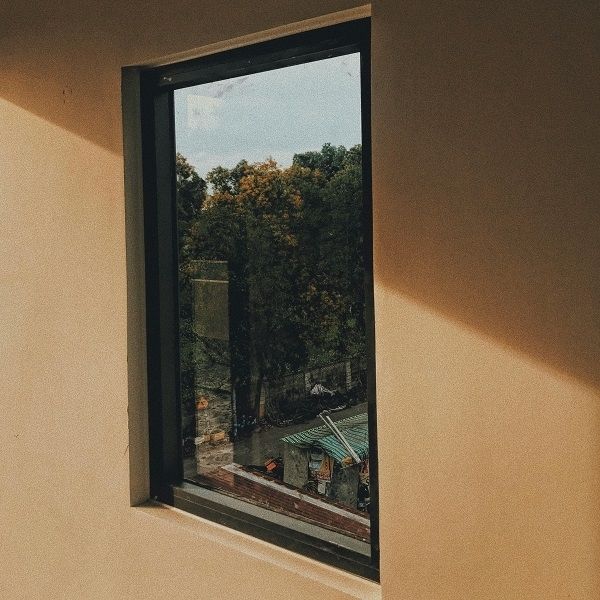
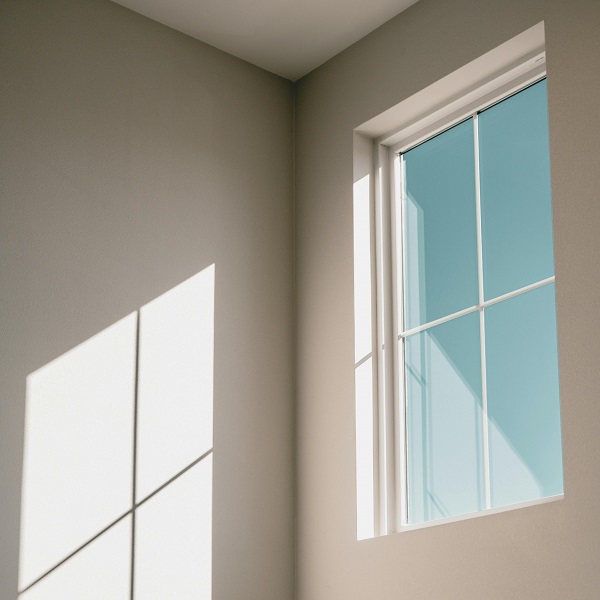
The idea that privacy requires sacrificing sunlight is a relic of the past. Modern window privacy film is engineered with sophisticated technology that manipulates light, allowing you to create secure, private spaces that remain bright and welcoming. Understanding the science behind these films reveals how this seemingly magical balance is achieved.
Understanding Visible Light Transmission (VLT) in Simple Terms
At the core of any discussion about window film is a metric called Visible Light Transmission, or VLT. VLT is simply the percentage of visible light that can pass through a window once a film has been applied. A higher VLT percentage means more natural light enters your space, while a lower VLT results in a darker, more heavily tinted appearance.
For decades, the only way to achieve privacy was with a very low VLT film, which effectively blocked both views and light. Today’s advanced films have decoupled these properties. It is now possible to have a high VLT film that lets in abundant light while still providing excellent daytime privacy or visual obscurity, completely changing the options available to business owners.
The Evolution of Window Film Technology: From Basic Tint to Smart Films
Early window films were relatively simple products, often just a layer of dyed polyester designed to darken glass. While they reduced some glare and offered a degree of privacy, they did so by brute force, blocking a significant amount of natural light and often fading or bubbling over time.
Modern window films are a world apart. They are complex, multi-layered products born from decades of material science research. Using processes like sputtering and advanced ceramics, manufacturers can embed microscopic, light-selective particles into the film. These films can precisely filter different wavelengths of light, blocking UV and infrared heat rays while allowing the majority of visible light to pass through. This evolution is what allows for a solution that is both highly effective and aesthetically pleasing.
How Light-Diffusing Films Maintain Brightness While Obscuring Views
One of the most elegant solutions for interior spaces is decorative or frosted window film. Unlike films that reflect or absorb light, these films are designed to diffuse it. Instead of acting as a solid barrier, the surface of the film scatters light in countless directions as it passes through.
The result is a soft, translucent glow that illuminates the room while completely obscuring detailed visibility from the outside. Think of it like a frosted bathroom window; you can see light and shadows, but no distinct shapes or figures. This makes frosted films a perfect choice for:
- Conference room walls
- Office partitions
- Lobby entrances
- Any area where open-concept brightness is desired alongside speech and visual privacy.
The Magic of One-Way Mirror Film and How It Manages Light
Reflective, or one-way mirror, films offer a powerful solution for daytime privacy on exterior windows. The “magic” behind this effect is not in the film itself, but in the balance of light. These films contain a micro-layer of reflective metal particles that are more reflective than the glass itself.
During the day, the bright exterior light reflects off this surface, creating a mirror-like appearance for anyone looking in. From the inside, where it’s darker, you can see out clearly. It is critical to understand that this effect is dependent on a light imbalance. At night, when the lights are on inside your building, and it’s dark outside, the effect reverses. People outside will be able to see in, while you will see a reflection. For this reason, one-way films are an exceptional daytime solution, often paired with blinds or shades for nighttime privacy.
Comparing Your Privacy Film Options: Frosted, Decorative, and Mirrored
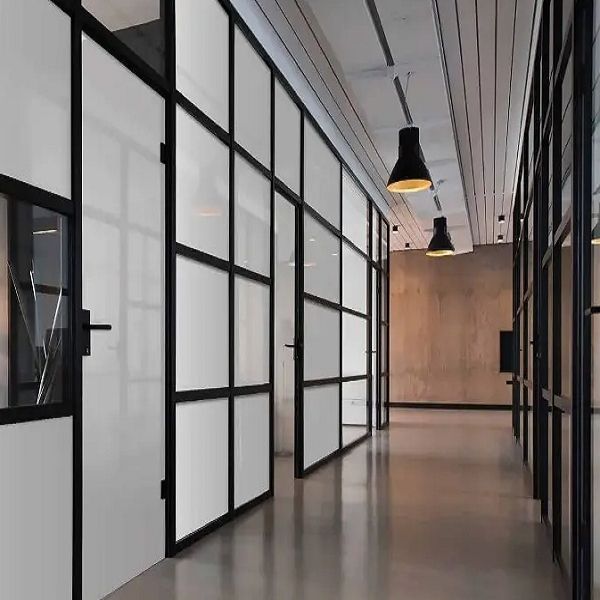
Once you decide to move beyond outdated blinds and curtains, a world of modern window film solutions opens up. Each type is engineered to solve the privacy-versus-light dilemma in a unique way, offering distinct aesthetic and functional benefits. Understanding these options is the first step toward transforming your space.
Frosted & Etched Films: Diffusing Light for Elegant, Consistent Privacy
For business owners seeking a classic, sophisticated look that provides privacy around the clock, frosted and etched films are the gold standard. These films replicate the appearance of sandblasted or acid-etched glass at a fraction of the cost.
Instead of blocking light, their primary function is to diffuse it. This process scatters the light as it passes through, obscuring direct views from the outside while allowing the interior to remain bathed in soft, natural sunlight. The result is a secure, private environment that feels open and airy, not dim and confined. Because their effect is not dependent on lighting conditions, they provide a consistent level of privacy day and night, making them ideal for offices, clinics, and restrooms.
Decorative Films: Merging Branding, Style, and Seclusion
Decorative films take privacy a step further by integrating it with design and branding. These versatile films are available in a vast array of patterns, textures, and custom-printable options. You can choose from simple geometric designs, like stripes or dots, or commission a film that features your company logo, brand colors, and unique graphics.
This approach offers several advantages:
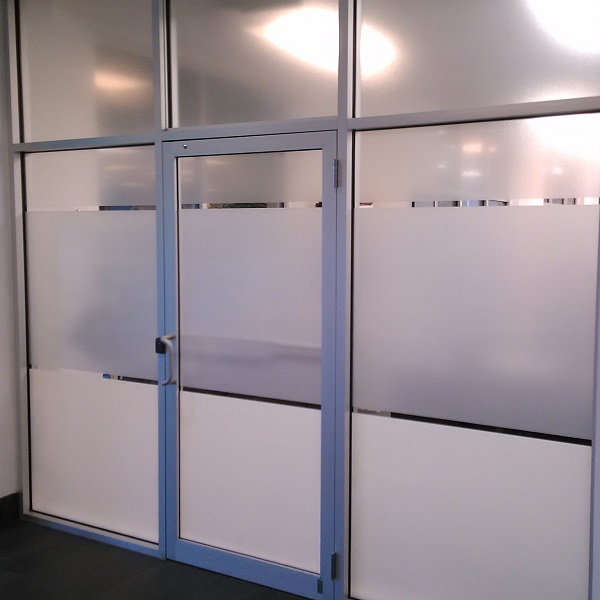
- Targeted Privacy: You don’t have to cover the entire window. A band of patterned film across the middle of a glass conference room wall can block direct sightlines while maintaining an open-concept feel.
- Branding Reinforcement: Custom films turn your glass surfaces into powerful branding assets, reinforcing your company identity for both employees and visiting clients.
- Enhanced Aesthetics: A well-chosen decorative film can serve as a key architectural element, adding visual interest and style to an otherwise plain glass pane.
One-Way Privacy Film: Maximum Daytime Privacy with an Unobstructed View
Often called mirrored film, one-way privacy film is an innovative solution that works based on the principle of light differential. The side of the film that is exposed to brighter light takes on a reflective, mirror-like appearance, preventing outsiders from seeing in. Meanwhile, those on the darker side can see out with perfect clarity.
This makes it an exceptional choice for exterior windows during daytime hours. You can maintain complete privacy from the street while enjoying an unobstructed view and ample natural light. It is crucial to understand, however, that this effect reverses when the light differential flips. At night, when your interior is lit, and it is dark outside, people will be able to see in. For this reason, these films are best suited for commercial spaces that operate primarily during the day.
Solar Control Films: Combining Privacy with Energy Efficiency and UV Protection
While their primary purpose is to reject solar heat and block harmful UV rays, many solar control films also offer significant privacy benefits. These films often have a tint or a slight reflectivity that creates a degree of daytime privacy, similar to a one-way mirror film.
Choosing a solar control film allows you to solve multiple problems with a single product. You create a more private and secure environment while simultaneously lowering energy costs by reducing the load on your HVAC system. You also protect your furniture, flooring, and merchandise from the fading caused by UV radiation. This makes it a smart, multi-functional investment for any business with sun-facing windows.
Selecting the Right Film: Key Factors for Your Commercial Space
With a clear understanding of the available film types, the next step is to match the right window film solution to your specific needs. The ideal choice depends entirely on the function of the space, your aesthetic goals, and the building’s unique characteristics.
Enhancing Privacy and Professionalism in the Modern Office
In a contemporary office, glass is often used to promote a sense of openness and collaboration. However, certain areas require visual confidentiality. Frosted and decorative films are perfect for striking this balance.
Consider these applications:
- Street-Level Windows: A full application of frosted film can prevent distractions and protect sensitive on-screen information from passersby without sacrificing daylight.
- Interior Offices: Applying a decorative band of film to glass-walled offices or partitions provides necessary privacy for managers and team leaders without isolating them.
- Collaborative Spaces: Patterned films can delineate breakout areas or huddle rooms, adding a design flourish while signaling that the space is in use.
Balancing Customer Appeal and Seclusion for Retail Storefronts
For retail businesses, windows are a critical marketing tool. The challenge is to attract customers with inviting displays while obscuring back-of-house areas or creating a more intimate shopping experience. Decorative films offer the perfect customizable solution. You can use branded graphics to draw attention to your storefront while strategically blocking the view into stock rooms. Alternatively, a gradient or patterned film can add an element of high-end design that enhances your brand image and provides partial seclusion for fitting rooms or checkout counters.
Key Considerations for Conference Rooms and Interior Glass Partitions
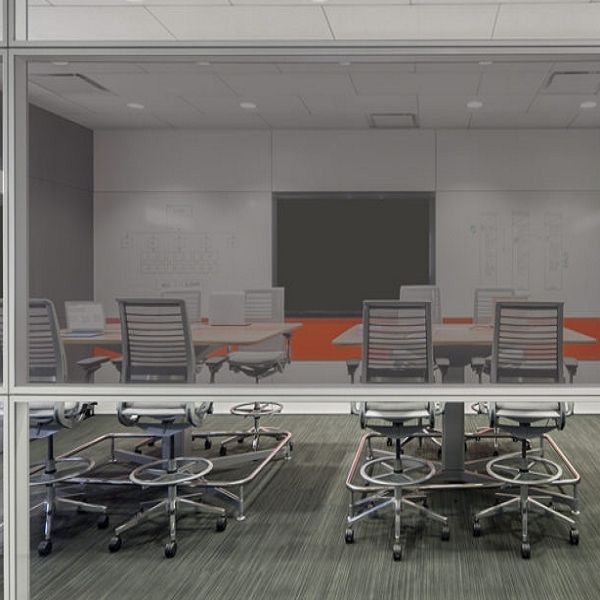
The “fishbowl effect” is a common complaint in modern offices with glass conference rooms. It can be difficult for teams to focus on sensitive discussions when they feel like they are on display. Frosted films are an excellent solution, providing total visual privacy for important meetings. For a less absolute approach, a decorative film with a pattern or a simple frosted stripe across the center of the glass offers an elegant compromise. It blocks direct eye lines of those seated at the table while still allowing light to pass through and preserving the office’s open aesthetic.
Assessing Your Building’s Orientation and Existing Light Conditions
Finally, a professional assessment of your space should always include its relationship to the sun. The amount and intensity of natural light a window receives will influence which film performs best.
- South and West-Facing Windows: These elevations receive the most intense, direct sunlight. A one-way privacy or solar control film can be highly effective here, providing daytime privacy while also mitigating heat and glare.
- North-Facing Windows: With less direct sun, the priority is often to maximize whatever natural light is available. A high-light-transmission frosted or decorative film is an ideal choice, providing privacy without any perceptible darkening of the room.
By considering these environmental factors, you can ensure your chosen window film not only looks great but also functions optimally for your specific location.
Professional Installation: The Key to a Flawless and Lasting Finish
While selecting the right type of privacy film is a critical first step, the quality of the installation is what ultimately determines its performance, appearance, and lifespan. A premium film can be rendered ineffective by a poor application. For a commercial space where professionalism and durability are paramount, professional installation is not just a recommendation; it is an essential investment in achieving the desired outcome.
The Risks and Shortcomings of DIY Window Film Application
The temptation to reduce costs with a do-it-yourself installation is understandable, but for a business, the risks almost always outweigh the potential savings. Applying architectural film is a precision craft that requires a controlled environment, specialized tools, and practiced techniques that are difficult to replicate.
Common pitfalls of DIY application include:
- Contamination: Even tiny specks of dust, hair, or debris trapped between the film and the glass become glaringly obvious imperfections.
- Bubbles and Creases: Achieving a perfectly smooth, bubble-free surface is the most challenging aspect of installation. Air and water pockets are common in amateur applications and are nearly impossible to fix once the film has set.
- Misalignment and Imperfect Edges: Crooked lines or gaps along the edges of the window frame create an unprofessional look. Trimming the film accurately requires a steady hand and specific tools that most people do not own.
- Wasted Material: A single mistake can ruin an entire sheet of film, quickly erasing any initial cost savings and leading to frustration.
For a business, a flawed installation projects an image of carelessness that can detract from your brand. It turns a sophisticated solution into a noticeable blemish.
What to Expect During a Professional Consultation and Assessment
A professional installation process begins long before any film is applied to the glass. It starts with a comprehensive consultation designed to ensure the final solution perfectly aligns with your business needs. This expert-guided assessment removes the guesswork and sets the project up for success.
During your consultation, a window film specialist will typically:
- Discuss Your Goals: They will listen to understand what you want to achieve, whether it’s one-way privacy for a ground-floor office, decorative privacy for interior conference rooms, or UV protection for a retail display.
- Assess the Environment: The specialist will evaluate your existing windows, taking precise measurements and noting factors like glass type, frame condition, and the direction of sun exposure. This information is crucial for recommending the most effective product.
- Provide Tailored Recommendations: Based on your goals and the on-site assessment, they will present you with a curated selection of film options, explaining the benefits and aesthetics of each. You can see and feel samples to make an informed choice.
- Deliver a Clear Proposal: You will receive a detailed, transparent quote that outlines the full scope of the project, including material costs, labor, and warranty details, so there are no surprises.
Ensuring Longevity, Performance, and Warranty Protection
One of the most significant advantages of professional installation is the protection it affords your investment. Reputable window film manufacturers offer extensive warranties, but these are almost always contingent on the film being installed by a certified professional according to their exact specifications. A DIY attempt immediately voids this critical protection.
Proper application is also essential for the film to perform as designed. If not installed correctly, a solar control film may not provide its stated heat rejection, or a privacy film could fail prematurely. Professionals use proven techniques and solutions to ensure the film properly bonds to the glass, guaranteeing it will deliver its full benefits for its entire expected lifespan without peeling, bubbling, or discoloring.
The Difference Between a Good Result and a Perfect, Bubble-Free Finish
Anyone can try to stick a film to a window, but a professional installer delivers a result that is fundamentally different. The final product is not just a film on glass; it’s an integrated, seamless enhancement to your space.
A professional achieves this flawless finish through a meticulous process. They prepare the work area to minimize airborne dust, use a multi-stage cleaning process on the glass to remove any surface contaminants, and employ specialized squeegees and trimming tools to ensure a perfect, edge-to-edge fit. The result is a finish so clean and smooth that it looks as though the glass itself was manufactured with the privacy effect. This pristine, bubble-free appearance communicates quality and attention to detail, reinforcing the professional image of your business.
Conclusion
The trade-off between privacy and natural light is officially a thing of the past. Thanks to innovations in Visible Light Transmission (VLT) and light-diffusing technologies, businesses no longer have to choose between a collaborative, sunlit atmosphere and necessary visual security.
Whether you opt for the 24/7 consistency of frosted films, the brand-boosting power of decorative graphics, or the high-tech utility of one-way mirrored films, there is a solution tailored to every architectural need. By choosing the right film and ensuring a professional installation, you can transform your glass surfaces into functional assets that protect your team while keeping your workspace bright and inviting.
Frequently Asked Questions
1. Will installing privacy window film make my office feel too dark? Not at all. Modern films are designed to be light-selective. While traditional tints darkened rooms, newer frosted and decorative films diffuse light rather than blocking it, maintaining a bright, “airy” feel while completely obscuring views.
2. Can people see through one-way mirror film at night? Yes. One-way film relies on a light imbalance (it’s reflective on the brighter side). During the day, the sun makes the exterior reflective. At night, if your interior lights are on and it is dark outside, the effect reverses. We recommend pairing these films with blinds for evening privacy.
3. What is the difference between frosted film and etched glass? Aesthetically, they are nearly identical. However, frosted film is significantly more affordable and versatile. Unlike permanent sandblasting or acid-etching, film can be removed or updated if your branding or office layout changes.
4. How long does professional window film typically last? When installed by a professional, high-quality commercial films typically last 10 to 15 years or more. Professional installation also ensures you are covered by manufacturer warranties against peeling, bubbling, or discoloring.
5. Is it possible to add my company logo to the privacy film? Absolutely. Decorative films can be custom-printed or cut to include logos, brand patterns, or specific geometric designs. This allows you to achieve privacy while simultaneously reinforcing your corporate identity on conference rooms or storefronts.