
- Temporary Fixes vs. Long-Term Solutions for Commercial Window Heat
- The Science of Cool: How Advanced Window Film Blocks Heat, Not Your View
- An Evolution in Technology: From Dark Tints to Spectrally Selective Films
- Rejecting Heat and UV Rays While Welcoming Natural Light
- Understanding Key Performance Metrics: SHGC, VLT, and TSER
- Three Decades of Innovation: The Expertise Behind Modern Film Performance
- Reducing Glare and Improving the Workspace Environment
- Calculating the ROI: Turning Window Upgrades into a Financial Win
- The Non-Negotiable Value of Professional Installation
- Selecting the Right Partner for Your Commercial Window Film Project
- Conclusion: Redefining Building Resilience with Architectural Integrity
- Frequently Asked Questions
Temporary Fixes vs. Long-Term Solutions to Reduce Window Heat

When confronted with soaring energy bills and uncomfortable indoor temperatures, it’s natural to seek the most immediate and seemingly affordable fix. Many business owners turn to common window coverings or do-it-yourself products, hoping for relief. However, these temporary measures often fail to address the core problem of solar heat gain, leading to wasted money and continued frustration.
Why Blinds and Drapes Merely Redirect Light, Not Block Heat
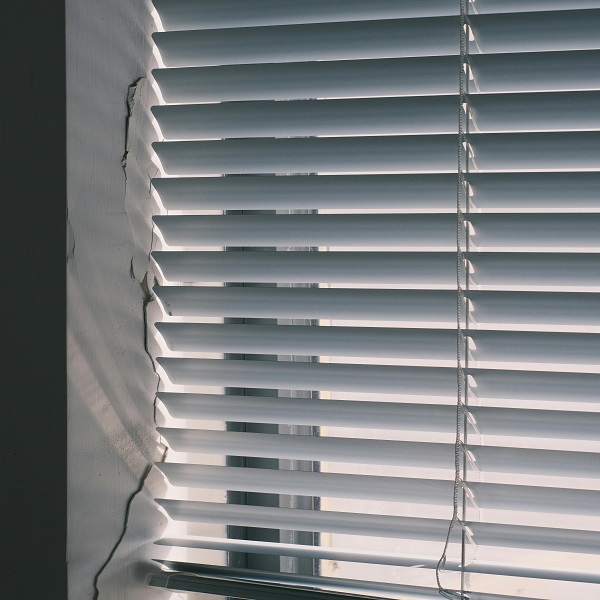
Window blinds and drapes are the most common response to excessive sun. While they are effective for providing privacy and controlling visible light, they do very little to reduce window heat. The reason is simple: these coverings are installed on the inside of the glass.
By the time solar energy reaches your blinds, it has already passed through the window and entered your space. The fabric or metal of the blinds absorbs this energy, heats up, and then radiates that heat directly into the room. In effect, your window coverings become large, inefficient radiators, still forcing your HVAC system to work overtime to remove the heat they introduce. They block the view and darken the room without providing significant thermal relief, a limitation that also applies to privacy windows for bathrooms when heat control is a concern.
The Ineffectiveness of DIY Films and Coatings
Recognizing the limitations of blinds, some managers consider do-it-yourself (DIY) window films. While the low price point at a hardware store can be tempting, these products are a false economy for any commercial application. The gap in quality and performance between consumer-grade and professional-grade film is immense.
DIY films typically lack the advanced, multi-layered construction required for significant solar heat rejection. They often rely on dark dyes that absorb heat and fade quickly, rather than spectrally-selective metals that reflect infrared energy. Furthermore, achieving a flawless, bubble-free installation is a skill that takes professional training and tools. A poor window tint application not only looks unprofessional and damages your business’s image but can also lead to peeling and cracking, negating any minor benefit the film may have provided.
Comparing Stopgap Measures on a Cost vs. Benefit Basis
When you evaluate these temporary fixes from a business perspective, their poor return on investment becomes clear. They represent an ongoing expense, not a strategic investment in your building’s efficiency. This is especially evident when compared to security film for windows cost, which reflects a long-term efficiency and protection strategy rather than a short-term patch.
- Window Blinds and Drapes: These solutions offer a moderate initial cost but deliver almost no measurable energy savings from heat reduction. The benefits are limited to light control and privacy. By blocking natural light, they can also increase the need for artificial lighting, adding another cost to your utility bill.
- DIY Window Films: The low upfront material cost is their only advantage. This is quickly offset by poor performance, a short lifespan requiring frequent replacement, and the high risk of an unprofessional appearance. They fail to generate the energy savings needed to provide any meaningful payback.
Ultimately, these stopgap measures only treat a symptom, not the cause. They may make a room feel darker, but they do not stop the relentless transfer of solar heat into your building. To achieve significant, measurable reductions in energy costs and create a truly comfortable environment, you need a solution designed to block heat before it ever gets inside.
The Science of Cool: How Advanced Window Film Blocks Heat, Not Your View
For many business owners, the idea of window film conjures images of dark, bubbling tints from decades past. Modern architectural films, however, represent a completely different class of technology. They are sophisticated, multi-layered solutions engineered to solve a specific problem: blocking solar heat gain without sacrificing natural light or your building’s aesthetic.
An Evolution in Technology: From Dark Tints to Spectrally Selective Films
Early window tints were simple, dyed materials that absorbed solar energy. While they reduced some heat, they did so by making rooms dark and gloomy, and they were prone to fading, discoloration, and peeling. These outdated products created more problems than they solved.
Today’s advanced window films are the result of decades of materials science innovation. Instead of just absorbing light, these films use spectrally selective technology. They are constructed with micro-thin layers of metals or ceramics that are engineered to be invisible to the eye but highly reflective to specific wavelengths of light, primarily infrared (heat) and ultraviolet (UV) radiation. This allows them to function as a transparent thermal shield for your glass.
Some advanced solutions also incorporate photochromic film technology, which allows the window film to respond to UV exposure by automatically adjusting its tint level as sunlight intensity changes throughout the day.
Rejecting Heat and UV Rays While Welcoming Natural Light
The sun’s energy arrives in three primary forms: visible light (what we see), infrared radiation (what we feel as heat), and ultraviolet radiation (what causes fading and skin damage). The genius of spectrally selective film is its ability to differentiate between them.
It allows a high percentage of visible light to pass through, keeping interiors bright and preserving views. Simultaneously, it acts as a barrier to the invisible energy, reflecting a significant portion of infrared heat away from the glass. This process can block up to 80% of solar heat, drastically reducing the load on your HVAC system. It also blocks over 99% of damaging UV rays, protecting your flooring, furniture, and merchandise from fading.
Understanding Key Performance Metrics: SHGC, VLT, and TSER
When evaluating window film, you will encounter technical specifications that quantify its performance. Understanding these metrics is key to choosing the right solution for your building and verifying its effectiveness.
- Solar Heat Gain Coefficient (SHGC): This is the most important metric for heat control. It measures the fraction of solar radiation admitted through a window. The lower the SHGC number, the less solar heat the window transmits, and the better the film is at keeping your space cool.
- Visible Light Transmission (VLT): This measures the percentage of visible light that passes through the filmed window. A higher VLT number means a clearer, less tinted appearance, preserving natural daylight and outdoor views. Modern films offer low SHGC with high VLT, the ideal combination for most commercial applications.
- Total Solar Energy Rejected (TSER): This value indicates the total amount of solar energy (UV, visible, and infrared) that is blocked from entering a building. A higher TSER percentage signifies better overall performance in reducing heat gain.
Three Decades of Innovation: The Expertise Behind Modern Film Performance
The development of high-performance window film has been a journey of continuous improvement. The founder of CoolVu, for example, has been at the forefront of this industry for over 30 years, contributing to the patents and manufacturing processes that define today’s best products.
This deep expertise has driven advancements in every component. Sputtering and ceramic coating techniques have become incredibly precise, allowing for the creation of films that are both powerful and virtually invisible. Adhesives have been re-engineered for stronger bonds and perfect optical clarity, eliminating the risk of peeling or distortion. The result is a durable, long-lasting product that delivers predictable performance and a reliable return on your investment.
Calculating the ROI: Turning Window Upgrades into a Financial Win
While enhanced comfort is a significant benefit, the decision to invest in window film for a commercial property is ultimately a financial one. The science of heat rejection translates directly into measurable economic advantages, providing one of the fastest paybacks of any building upgrade.
Modeling Your Energy Savings: A Clear Path to Lower Utility Bills
The primary financial benefit of window film is the immediate and substantial reduction in cooling costs. By rejecting a large portion of solar heat before it enters your building, the film dramatically lessens the burden on your air conditioning systems. This means they run less often and for shorter durations, consuming significantly less electricity.
Energy savings can be accurately modeled based on your building’s specific characteristics, including window size and orientation, glass type, local climate data, and your current utility rates. Studies by the U.S. Department of Energy have shown that in certain climates, professionally installed window film can reduce cooling costs by 30% or more. A professional consultation can provide a detailed analysis and a clear projection of your potential savings.
The Rapid Payback Period of Commercial Window Film
Unlike a full window replacement, which can take decades to pay for itself in energy savings, commercial window film offers a remarkably fast return on investment. For most businesses, the payback period is typically between two and five years.
After this point, the ongoing energy savings represent a direct addition to your bottom line for the life of the film, which is often warrantied for 10 to 15 years. This rapid ROI makes window film an intelligent capital improvement that starts generating positive cash flow quickly.
Enhancing Building Value and Tenant Retention Through Comfort
A building that is more comfortable and less expensive to operate is inherently more valuable. By solving issues like hot spots and uneven temperatures, window film directly improves the tenant or employee experience. This contributes to higher satisfaction and can be a deciding factor in tenant retention, reducing the high costs associated with vacancy and turnover.
For owner-occupied buildings, this translates to a more productive and pleasant work environment. For investors, a property with documented low utility costs and a reputation for comfort is a more attractive asset to potential buyers and commands a premium in the market.
Reducing Glare and Improving the Workspace Environment
Excessive glare is more than a minor annoyance. In a modern office, it causes eye strain, reduces employee productivity, and makes it difficult to view computer screens and other digital displays. In a retail setting, it can wash out product displays and create an unwelcoming atmosphere for customers.
Window film is exceptionally effective at taming glare without making the space feel dark. By reducing visible light transmission just enough, it softens the harshness of direct sunlight, creating a more comfortable and functional visual environment for everyone inside. This is another layer of value that contributes to a better, more productive workspace.
The Non-Negotiable Value of Professional Installation
Advanced window film is a high-performance product, but its remarkable benefits are only realized through flawless application. The difference between a professionally installed film and a flawed one is the difference between a long-term asset that reduces costs and a short-term problem that creates them. Attempting a do-it-yourself installation or hiring a non-specialist often leads to a visual and financial disappointment that undermines the entire purpose of the investment.
Why Flawless Application is Key to Film Longevity and Performance
The effectiveness of solar control window film depends on a seamless, molecular-level bond with the glass surface. This perfect bond ensures that the film’s advanced properties, like its ability to reject infrared heat and block UV radiation, perform to their maximum specifications.
A professional installation is a meticulous process. Technicians prepare the glass by removing microscopic contaminants, use a specific slip solution to position the film perfectly, and apply precise squeegee techniques to remove every pocket of air and water. This results in an application that is optically clear, looking like a natural part of the window, and is guaranteed to perform effectively for years to come.
The Risks of Improper Installation: Bubbling, Peeling, and Reduced Effectiveness
A subpar installation is not just an aesthetic issue; it’s a performance failure. When you invest in window film to solve your heat and energy cost problems, a poor application directly negates your expected return on investment. The visual signs of a bad installation are often immediate and impossible to ignore.
Key risks include:
- Bubbling and Blistering: Trapped air or water pockets create unsightly bubbles that not only look unprofessional but also create weak points where the film will eventually fail.
- Peeling and Curling Edges: If the film is not cut precisely to the window frame or if the edges are not sealed correctly, they will begin to curl and peel, catching dirt and destroying the film’s integrity.
- Contamination: Any specks of dust, hair, or debris trapped between the film and the glass become permanently sealed in place, creating distracting blemishes.
- Reduced Performance: An imperfect bond with the glass means the film cannot reject solar energy as designed. The heat rejection you paid for is compromised, and your energy savings will not materialize.
Securing Your Investment with a Professional Warranty
One of the most significant advantages of working with a reputable company is access to a comprehensive manufacturer’s warranty. These warranties are not just a piece of paper; they are a guarantee that protects your financial investment. They typically cover both the film itself against defects like fading or delaminating, and crucially, the labor.
If an issue arises due to a product flaw or an installation error, a professional firm will rectify it at no additional cost. This level of assurance is impossible to achieve with a DIY approach, where a single mistake means you bear the full cost of replacement materials and your own wasted time.
The Minimal Disruption Advantage of Professional Service
For any business owner or building manager, operational downtime is a primary concern. Major renovation projects like window replacement can take weeks or months, creating significant noise, debris, and disruption for tenants and employees.
Professional window film installation, by contrast, is a quiet, clean, and efficient process. Trained technicians can often complete an entire office or floor in a matter of days, working around your business schedule to minimize impact. There is no heavy machinery, no structural alteration, and no need to vacate the premises, allowing your business to continue operating without interruption.
Selecting the Right Partner for Your Commercial Window Film Project
Choosing the right installation partner is as important as choosing the right film. The ideal partner acts less like a contractor and more like a consultant, guiding you to the best possible solution for your building’s unique challenges and your financial goals.
Key Qualities of an Expert Commercial Window Film Consultant
When evaluating potential partners, look beyond the basic sales pitch. A true expert will demonstrate a deep understanding of not just their products, but also of building science and business operations.
Your consultant should:
- Listen First: They should start by asking detailed questions about your specific pain points, from occupant complaints about heat and glare to concerns about high HVAC operating costs.
- Be Data-Driven: They should use professional tools, like light and heat meters, to measure the actual solar energy coming through your windows, providing a baseline for calculating potential savings.
- Offer Solutions, Not Just Products: Instead of pushing a single type of film, they should explain the pros and cons of various options, tailoring a recommendation to your specific needs for heat rejection, natural light preservation, and budget.
- Focus on ROI: An expert consultant will be able to provide clear, conservative projections on energy savings and calculate a realistic payback period for your investment.
Evaluating Product Quality and Range of Solutions
The company you choose should offer a portfolio of high-quality films from established manufacturers. A limited selection is a red flag, as no single film is the perfect solution for every scenario. A quality provider will have access to a wide range of technologies, including spectrally selective films that block heat without darkening windows, dual-reflective films for superior daytime privacy, and specialty security films. Ask about the manufacturer’s reputation, history of innovation, and the rigor of their product testing.
Putting Theory into Practice: An Illustrative Scenario of Success
Consider a typical three-story office building with a west-facing facade that becomes oppressively hot every afternoon. Employees in those offices are using desk fans, blinds are constantly drawn, and the HVAC system is running at full capacity from noon until evening, driving up energy costs.
A professional consultant visits the site and identifies the problem. They use a BTUh meter to show the manager that over 200 BTUs of heat are penetrating each square foot of glass. After discussing goals, they recommend a spectrally selective film that will block 55% of the total solar energy while allowing 70% of the visible light to pass through, preserving the natural light and views.
Two weeks later, the film is installed with minimal disruption. The following month, the facility manager notes that the HVAC system is cycling on less frequently in the afternoon. Employees report a dramatic increase in comfort, and the blinds stay open. An analysis of the utility bills six months later confirms a 15% reduction in cooling costs, putting the project on track for a payback period of under three years.
What to Expect During a Professional Consultation
A professional consultation should be an informative and pressure-free experience designed to give you all the information needed to make a sound business decision. The process is straightforward and transparent.
Here is what you can expect:
- Site Survey and Needs Analysis: The consultant will walk through your building with you to understand your goals and identify problem areas.
- Glass and Window Assessment: They will inspect your windows to determine the type of glass and frame, ensuring compatibility with the proposed films.
- Performance Measurement: Using specialized meters, they will take readings to quantify the amount of heat and light currently passing through your glass.
- Product Demonstration: You will be shown physical samples of different films and see how they look on your actual windows.
- Formal Proposal: You will receive a detailed proposal that outlines the recommended solution, the total project cost, and a clear projection of your expected energy savings and return on investment.
Conclusion: The Clear Choice for a Cooler, More Efficient Business
When faced with escalating energy bills and uncomfortable indoor temperatures, the path forward can seem unclear. The analysis of available options, however, reveals a definitive and intelligent solution. The evidence consistently points away from temporary measures and expensive structural changes, leading directly to a more strategic investment.
Summarizing the Financial and Operational Benefits of Window Film
The decision to upgrade your building’s windows is not just about comfort; it’s a critical financial calculation. Professional window film installation addresses the core problem of solar heat gain with a suite of benefits that directly impact your bottom line and daily operations. Unlike other options, it provides a holistic improvement with a clear and rapid return on investment.
Key advantages include:
- Significant Energy Savings: By rejecting a high percentage of solar heat, window film dramatically reduces the load on your HVAC system. This translates into immediate and measurable savings on your monthly energy bills, often by up to 30%.
- Rapid Payback Period: The cost of a professional window film installation is typically recouped through energy savings in just a few years. This makes it one of the most financially sound capital improvements available for commercial properties.
- Enhanced Comfort and Productivity: A cooler, more stable indoor environment eliminates hot spots and reduces glare. This leads to improved employee morale and focus, as well as a more pleasant experience for customers and clients.
- Protection of Assets: By blocking over 99% of harmful UV rays, window film acts as a powerful shield for your interior. It prevents the fading and degradation of valuable inventory, office furniture, flooring, and artwork.
- Minimal Operational Disruption: Window film installation is a clean, quiet, and fast process. It can be completed during or after business hours with virtually no interruption to your daily workflow.
Why Window Film is the Premier Solution Without Costly Replacement
For any business owner focused on efficiency and return on investment, window film stands out as the premier solution. It uniquely occupies the space between ineffective temporary fixes and an expensive, disruptive full window replacement.
Blinds and drapes, while offering privacy, do little to combat heat. They absorb solar energy and radiate it into the room, effectively turning your windows into large, passive radiators. They fail to address the root cause of the problem.
On the other end of the spectrum, full window replacement is a major construction project. It involves significant capital outlay, long lead times, and substantial disruption that can impact revenue. While new windows offer benefits, they often provide only a marginal improvement in solar heat rejection compared to advanced films, but at a cost that is five to ten times higher. Window film delivers comparable or even superior solar performance for a fraction of the price and a tiny fraction of the hassle.
Your Next Step: Scheduling a Professional Building Assessment
Understanding the potential savings and performance improvements for your specific property is the final piece of the puzzle. A professional building assessment is the logical next step to transform these concepts into a concrete action plan. This is not a generic sales pitch, but a technical evaluation of your building’s unique challenges.
During an assessment, a specialist will analyze your building’s orientation, window specifications, and existing energy usage. They will identify critical problem areas and use advanced tools to quantify your potential for solar heat reduction. The result is a clear, data-driven proposal that outlines the most effective film solutions, projected energy savings, and a precise return on investment calculation. This empowers you to make a fully informed decision based on the specific financial realities of your business.
Frequently Asked Questions
What is window film, and how does it differ from traditional window glass?
Window film is a thin, adhesive-backed plastic that is applied to existing windows to improve their performance by addressing issues such as solar heat gain, glare, and security. Unlike traditional window glass, which is usually fixed and non-modifiable, window film offers a cost-effective alternative for enhancing the properties of existing windows.
In what ways can window film help businesses save money, and what are the potential ROI figures?
Window film helps businesses save money by reducing solar heat gain, which decreases the load on HVAC systems and lowers energy bills. In many cases, this leads to an annual energy savings of up to 30%. With payback periods typically within three years, window film installations offer one of the most rapid returns on investment among commercial building improvements.
Will window film tint the windows of my building, and will it affect the appearance or natural light?
Window film does not opaquely tint windows like automotive tint; instead, it offers a range of visible light transmission levels depending on the chosen type of film. This means that films can allow substantial amounts of natural light to pass through while still blocking solar heat. Businesses can choose from various types of window film, including clear, lightly tinted, or neutral-toned options that maintain aesthetics and visibility.
How do I choose the right window film for my specific commercial building needs and goals?
Selecting the right window film begins with understanding your unique goals, such as energy savings, privacy, security, or UV protection. A professional consultation is essential, as experts can assess your windows, take measurements, and provide physical samples for comparison. They can also explain how different films perform under varying conditions and budgets, ensuring an informed decision tailored to your needs.
Can window film be installed on any type of window or glass surface, and how is the installation process carried out?
Professional window film installers can apply the film to various types of windows, including single-pane, double-pane, and even triple-glazed windows, as well as different glass compositions. The installation process typically involves cleaning the windows, applying a protective strip along the edges, and using adhesive tape to attach the film. Professional installers will ensure proper bonding and alignment for optimal performance and appearance. It is crucial to work with experienced professionals to achieve successful results and warranties.
If excessive heat, glare, or rising energy costs are affecting your building, the most effective next step is a professional evaluation of your glass and solar exposure. For business owners searching for window film near me, CoolVu provides expert assessments and tailored film solutions that reduce heat, preserve natural light, and deliver measurable returns—without the disruption or expense of window replacement.
MORE POSTS:
- Protecting Commercial Glass – What is security window film and how it transforms vulnerable windows into impact-resistant security barriers.