- Introducing Window Film: The Invisible Barrier to High Energy Bills
- Blocking Damaging UV Rays to Protect Your Interiors
- The Role of Spectrally Selective Films in Maximizing Light and Minimizing Heat
- Decoding the Numbers: What Makes a Film Truly Energy Efficient?
- Understanding Solar Heat Gain Coefficient (SHGC)
- The Importance of U-Value in Colder Climates
- Balancing Visible Light Transmission (VLT) with Performance
- How Low-E (Low-Emissivity) Films Work in All Seasons
- Beyond Energy Savings: The Added Benefits of Residential Window Film
- Why Professional Installation is Crucial for Performance and ROI
- Navigating Your Options: How to Choose the Right Film for Your Home
- Conclusion: A Smarter, More Cost-Effective Path to Energy Efficiency
- Frequently Asked Questions
Introducing Window Film: The Invisible Barrier to High Energy Bills
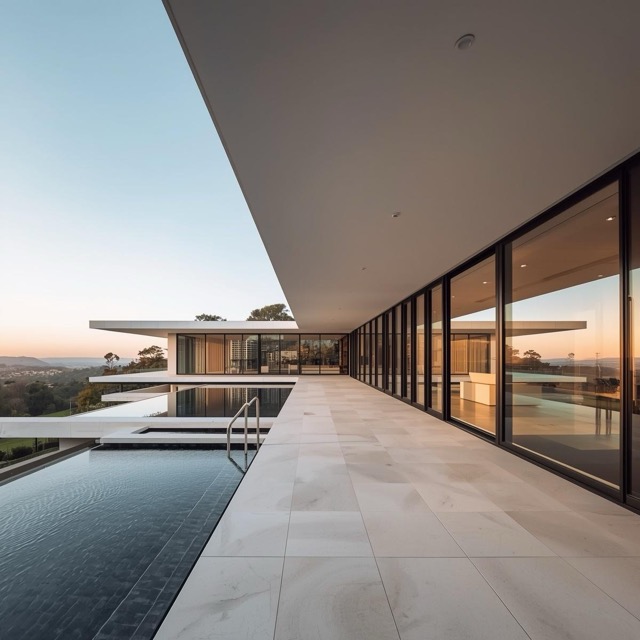

After understanding how much energy your windows can waste, the path to a solution becomes clearer. While a full window replacement is a massive undertaking, a far more accessible and high-impact solution exists. Professionally installed window film acts as an invisible upgrade, transforming your existing windows into high-performance assets.
What is Modern Residential Window Film?
At its core, modern residential window film is a sophisticated laminate, engineered with multiple micro-layers of high-quality polyester. It is designed to be professionally applied to the interior surface of your windows. But to call it a simple sheet of plastic would be a vast understatement.
Embedded within these ultra-thin layers is a world of advanced technology. Depending on the film, these layers can contain vapor-coated metals, durable ceramic nanoparticles, or specialized spectrally selective coatings. Each component is precisely engineered to manage the sun’s energy. The film works by selectively filtering which parts of the solar spectrum can pass through your glass, allowing you to control heat, glare, and damaging ultraviolet (UV) rays without sacrificing the natural light and views you love. It’s not just a tint; it’s a transparent, technological barrier that enhances your existing windows.
From Three Decades of Innovation to Today’s Advanced Technology
The window film available to homeowners today bears little resemblance to the products of decades past. Early films were often simple dyed sheets that were notorious for bubbling, peeling, and turning an unsightly shade of purple over time. While they offered some glare reduction, their performance and longevity were limited.
The industry has since undergone a technological revolution, leading to the durable, high-performance films we use now. Key innovations have completely transformed the product:
- Sputtered and Metalized Films: A major leap forward was the development of sputtering, a process that embeds microscopic metallic particles onto the film. This created a more stable and effective barrier to solar heat, offering far greater durability than older dyed films.
- Nano-Ceramic Technology: The introduction of ceramics was a game-changer. By infusing the film with non-metallic, non-conductive ceramic nanoparticles, manufacturers could create films that absorb and reject enormous amounts of infrared heat (the part of the spectrum you feel as heat) without a dark or reflective appearance.
- Spectrally Selective Films: This represents the pinnacle of modern film technology. These advanced films are engineered to be highly transparent to visible light while being virtual walls against specific, undesirable wavelengths. They can block over 99% of UV rays and a significant portion of infrared heat, all while remaining nearly invisible to the naked eye.
This evolution means you no longer have to choose between a cool home and a bright one. Today’s technology allows you to achieve powerful energy savings with crystal-clear views.
Dispelling Common Myths About Window Tinting for Homes
The legacy of older products has left behind a few persistent myths. It’s important to separate the outdated notions from the reality of today’s advanced window films.
Myth: Window film will make my house too dark.
This is perhaps the most common misconception. While very dark, privacy-style films still exist for specific applications, the vast majority of modern, energy-saving films are designed to maximize visible light transmission. Spectrally selective and light ceramic films can block a tremendous amount of heat while allowing 60% to 70% or more of visible light to pass through. The result is a reduction in harsh glare, not a loss of natural light. Your home remains bright and inviting.
Myth: The film will bubble, peel, or turn purple.
This issue is tied directly to the outdated, dyed films of the past. Today’s professional-grade films are constructed with stable, durable materials like ceramics and metals that do not degrade or change color from sun exposure. Furthermore, bubbling and peeling are almost always a result of poor installation. A proper installation by a trained professional using advanced adhesives ensures a perfect, durable bond to the glass that is warranted to last for many years.
Myth: Window film will damage my double-pane windows.
Homeowners are rightfully concerned about protecting their window investment. Reputable film manufacturers have invested heavily in research and development to ensure their products are safe for modern insulated glass units (IGUs), or double-pane windows. The key is selecting the correct film for the window type to manage thermal stress safely. Leading film companies are so confident in their products’ compatibility that they often provide warranties that cover not only the film but also the glass it’s applied to, offering you complete peace of mind.
Myth: It’s a temporary fix, not a real investment.
Professionally installed window film is a durable home improvement, not a temporary patch. High-quality films are manufactured to last for 15 years or more, providing consistent energy savings year after year. When you consider the significant reduction in heating and cooling costs, the protection of your furniture and flooring from UV fading, and the immediate improvement in comfort, window film provides a return on investment that often surpasses many other home upgrades.
How Window Film Works: The Science of Solar Control
To appreciate the impact of modern window film, it helps to understand what it’s working against: the sun’s energy. Sunlight is more than just the light we see. It’s a spectrum of energy that includes visible light, infrared radiation (which we feel as heat), and ultraviolet (UV) radiation. Untreated glass allows a significant amount of all three to pass directly into your home, forcing your HVAC system to work overtime.
Professional-grade window films are engineered with remarkable precision to manage this solar spectrum. They are not simply tinted pieces of plastic. They are sophisticated, multi-layered products designed to selectively filter sunlight, allowing you to enjoy the natural light while rejecting the undesirable heat and damaging UV rays.
Rejecting Infrared Heat to Keep Your Home Cool
The primary source of solar heat gain in a home is infrared (IR) radiation. This is invisible energy that you feel as warmth on your skin when standing in a sunny spot. It streams through your windows and is absorbed by floors, furniture, and walls, raising the ambient temperature of the room.
Advanced window films are designed to be infrared-rejecting. Using patented technologies and microscopic particles, these films act as a barrier, reflecting or absorbing a high percentage of IR energy before it can enter your home. This directly reduces the heat load on your air conditioning system, allowing it to run less often and consume significantly less electricity while still maintaining a comfortable temperature.
Blocking Damaging UV Rays to Protect Your Interiors
Ultraviolet radiation is another invisible component of sunlight, and it is the leading cause of fading and degradation. Over time, UV exposure can cause irreversible damage to hardwood floors, carpets, upholstery, artwork, and photos.
One of the most immediate and absolute benefits of residential window film is its ability to block up to 99.9% of harmful UVA and UVB rays. This level of protection acts like a powerful, transparent sunscreen for your home, preserving the color and integrity of your valuable furnishings for years to come. It’s an essential layer of defense for any homeowner concerned with protecting their investment.
The Role of Spectrally Selective Films in Maximizing Light and Minimizing Heat
A common concern for homeowners is that adding film will make their home too dark. This is where spectrally selective film technology becomes a game-changer. These are the most advanced films on the market, engineered to differentiate between the desirable and undesirable wavelengths of the sun’s energy.
Spectrally selective films can block a massive amount of infrared heat while allowing a high percentage of visible light to pass through. The result is a home that remains bright, open, and full of natural light, but without the oppressive heat gain. This technology provides a powerful, no-compromise solution, delivering exceptional energy efficiency without sacrificing the views you love.
Decoding the Numbers: What Makes a Film Truly Energy Efficient?
When evaluating window film, performance is measured by a few key industry-standard metrics. Understanding these numbers helps you move beyond marketing claims and make an informed decision based on verifiable data. A qualified consultant can help you interpret these values for your specific home and climate, but knowing the basics empowers you as a homeowner.
Understanding Solar Heat Gain Coefficient (SHGC)
The Solar Heat Gain Coefficient, or SHGC, is arguably the most important metric for measuring a window’s cooling performance. It is represented as a number between 0 and 1.
The SHGC value indicates the fraction of solar radiation admitted through a window. A lower SHGC means less solar heat is transmitted, resulting in greater shading ability and lower cooling costs in the summer. For example, a standard double-pane window might have an SHGC of 0.70, meaning it lets in 70% of the sun’s heat energy. Applying a high-performance film could lower that SHGC to 0.35, effectively cutting the solar heat gain in half.
The Importance of U-Value in Colder Climates
While SHGC measures heat gain, U-value measures heat loss. It represents how well a window or film prevents non-solar heat from escaping a room. This is a critical factor for homes in northern climates where the primary energy concern is heating cost during the winter.
Like SHGC, a lower U-value is better, as it indicates superior insulating properties. By improving your window’s U-value, window film helps keep your home’s expensive furnace heat inside where it belongs, reducing the workload on your heating system and lowering your utility bills.
Balancing Visible Light Transmission (VLT) with Performance
Visible Light Transmission (VLT) measures the percentage of visible light that passes through the window and film combination. This value is largely a matter of aesthetic preference and functional goals.
- A lower VLT percentage results in a darker tint, which can provide more privacy and reduce glare.
- A higher VLT percentage means the film is clearer and allows more natural light into the space.
Historically, achieving a low SHGC required a low VLT. However, thanks to the spectrally selective technologies mentioned earlier, modern films can offer a very low SHGC with a high VLT, giving you powerful heat rejection with minimal change to the appearance of your windows.
How Low-E (Low-Emissivity) Films Work in All Seasons
Low-emissivity, or Low-E, films provide year-round energy savings, making them one of the most popular and highest-ROI choices for any climate. Emissivity is the measure of a surface’s ability to radiate energy. A low-emissivity surface reflects radiant heat rather than absorbing and re-radiating it.
This dual-action performance works to your advantage in every season.
- In the summer, Low-E film reflects the sun’s infrared heat away from your windows, keeping your home cooler.
- In the winter, it does the opposite, reflecting the radiant heat from your furnace back into the room, preventing it from escaping through the glass.
By reducing both summer heat gain and winter heat loss, a quality Low-E film delivers a comprehensive, year-round solution that maximizes your energy savings and home comfort.
Beyond Energy Savings: The Added Benefits of Residential Window Film
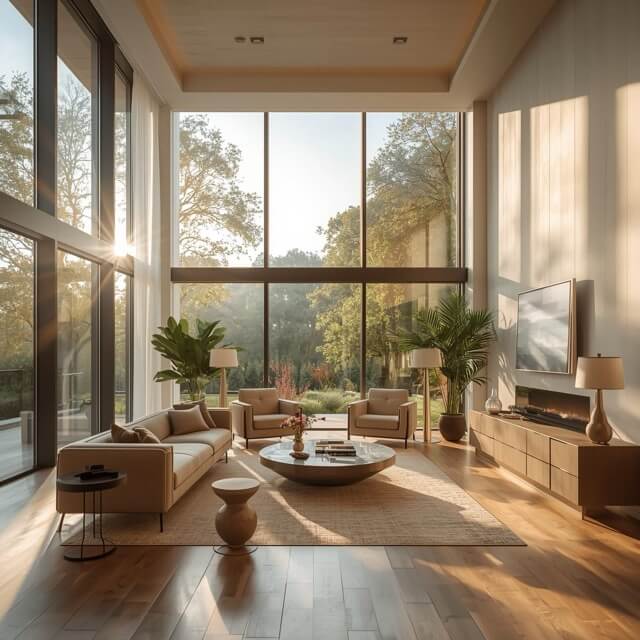
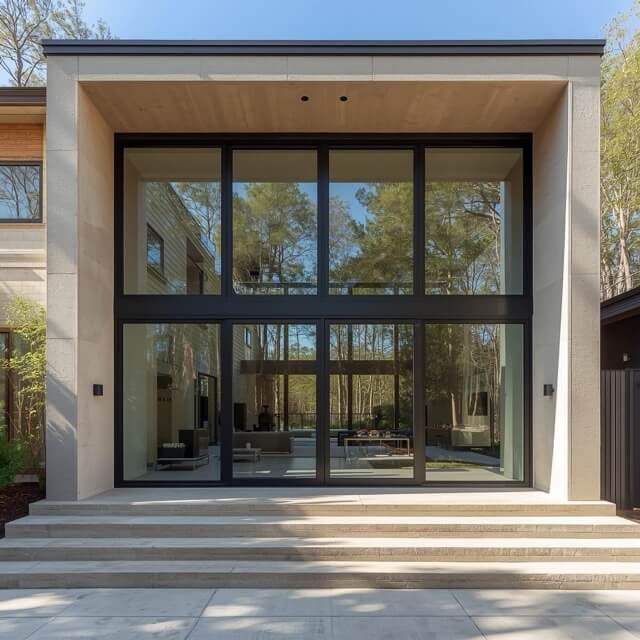
While the impact on your utility bill is often the primary reason homeowners explore window film, the benefits extend far beyond simple energy efficiency. Technologically advanced films enhance your home in ways that improve daily comfort, security, and the preservation of your interior spaces. These added advantages work in concert with energy savings to provide a comprehensive home improvement solution with a remarkable return on investment.
Enhancing Privacy Without Sacrificing Natural Light
Many homeowners struggle to balance the need for privacy with the desire for a bright, welcoming home. Traditional solutions like blinds and curtains force an all-or-nothing choice, plunging rooms into darkness to prevent prying eyes. Modern privacy window films offer a sophisticated alternative.
These films are designed to allow a high level of visible light to pass through while obscuring the view from the outside. Options range from subtle, reflective films that create a mirror-like effect during the day to elegant frosted or decorative films ideal for bathrooms, entryways, and ground-floor windows. You can enjoy sun-drenched interiors without feeling exposed, maintaining your home’s connection to the outdoors.
Reducing Glare for Improved Comfort and Screen Visibility
The harsh glare from direct sunlight can make even the most beautiful rooms uncomfortable and unusable at certain times of day. It washes out television screens, creates distracting reflections on computer monitors, and causes eye strain when you are trying to read.
Window film is engineered to tame this harsh light. It selectively filters the intensity of the sun’s rays, softening the light to a pleasant, usable level. This simple change dramatically improves the comfort of your living room, home office, or any space with large windows, allowing you to enjoy the view and use your electronic devices without squinting or drawing the shades.
Improving Home Safety and Security
Your windows are often the most vulnerable points of your home. A professionally installed safety and security film provides an invisible shield that reinforces your glass, offering powerful protection in two distinct ways.
First, in the event of accidental impact from a storm, a stray golf ball, or an indoor mishap, the film holds shattered glass fragments together. This significantly reduces the risk of injury from dangerous shards. Second, this same shatter-resistance acts as a powerful deterrent to intruders. By making the glass much more difficult and time-consuming to breach, security film can delay a forced entry, providing your family with crucial time to react and for security systems to alert authorities.
Preserving Your Furnishings, Flooring, and Artwork from Fading
Have you ever noticed how sunlight can bleach the color from hardwood floors, fabrics, and cherished artwork over time? This damage is caused by ultraviolet (UV) radiation, the same rays that cause sunburn. It is a slow but relentless process that can ruin your valuable interiors.
Professional-grade solar control films block over 99% of damaging UV rays. By applying this protection to your windows, you are effectively creating a shield for everything inside your home. This preserves the vibrant colors of your rugs and upholstery, protects your wood floors from discoloration, and safeguards your irreplaceable photos and artwork from fading, extending their life and beauty for years to come.
Why Professional Installation is Crucial for Performance and ROI
Understanding the many benefits of window film is the first step. However, realizing those benefits—from energy savings to UV protection—is entirely dependent on the quality of the installation. While a DIY approach may seem tempting, it is a path filled with risks that can compromise the film’s performance and ultimately negate your investment. The technology within the film is only as good as its application.
The Risks of a DIY Application: Bubbles, Blemishes, and Reduced Efficacy
Applying window film is a precision craft that requires a controlled environment, specialized tools, and practiced technique. Without these, a homeowner’s attempt often results in a finish plagued by frustrating and performance-killing imperfections.
Common issues with DIY installations include:
- Bubbles and Air Pockets: These are not just unsightly. Every bubble is a spot where the film is not adhered to the glass, creating a thermal gap that allows heat to pass through freely.
- Trapped Debris: Tiny specks of dust, hair, or lint trapped under the film create permanent blemishes and can compromise the adhesive bond.
- Creases and Wrinkles: Improper handling can easily crease the film, leaving a visual defect that cannot be removed.
- Peeling Edges: Achieving a perfect, micro-edge seal is critical for longevity. A poorly trimmed or sealed edge will inevitably lift and peel, leading to film failure.
These flaws don’t just look unprofessional; they directly reduce the film’s ability to save energy and block UV rays, meaning you will not achieve the results you paid for.
The Value of an Expert Consultation and Home Assessment
A professional does more than just install film. They act as a consultant to ensure you get the right solution for your home’s unique challenges. A proper assessment involves analyzing your home’s specific needs, including the orientation of your windows, the type of glass installed, and your primary goals.
An expert will help you navigate these choices. They might recommend a film with high heat rejection for a west-facing living room, a glare-reducing film for a home office, and a privacy film for a street-level bathroom. This tailored approach ensures that your investment is optimized for maximum performance and satisfaction, a level of customization that is impossible to achieve with a one-size-fits-all DIY kit.
Ensuring Warranty Validity and Long-Term Durability
Leading window film manufacturers stand behind their products with comprehensive warranties, often covering the film for the lifetime of your home. However, these powerful warranties are almost universally contingent upon installation by a certified professional.
Attempting a DIY installation immediately voids this coverage. If the film discolors, bubbles, or fails prematurely, you have no recourse. Professional installation not only guarantees a flawless application but also activates the manufacturer’s warranty, protecting your investment and ensuring the film’s performance and durability for decades to come.
Tying Installation Quality Directly to Energy Saving Results
Ultimately, the entire purpose of investing in energy-saving window film is to create a seamless, invisible thermal barrier on your glass. A professional installation achieves this by ensuring the film is perfectly bonded from edge to edge, with no gaps, bubbles, or peeling. This perfect application allows the film to perform precisely as it was engineered, rejecting the maximum amount of solar heat and blocking nearly all UV radiation.
The difference between a DIY project and a professional installation is the difference between hoping for results and guaranteeing them. To unlock the full financial and comfort benefits of modern window film, the quality of the application is just as important as the quality of the film itself.
Navigating Your Options: How to Choose the Right Film for Your Home
Understanding that window film can significantly reduce your energy costs is the first step. The next is selecting the right product for your specific circumstances. A high-performance film that is perfectly suited for a sun-drenched home in Arizona may not be the ideal choice for a residence in a more temperate climate. Making an informed decision ensures you achieve the maximum benefit in both comfort and energy savings.
Assessing Your Home’s Unique Needs: Climate, Window Orientation, and Goals
The most effective window film solution is never one-size-fits-all. A proper assessment of your home is the critical starting point, as several factors directly influence which film will deliver the best performance and value.
First, consider your regional climate. Homes in hot, sunny regions will prioritize films with a high capacity for rejecting solar heat. Conversely, homes in colder climates may benefit more from insulating films that help retain interior heat during the winter, reducing heating costs.
Next, look at the orientation of your windows. South and west-facing windows typically receive the most intense, direct sunlight, making them primary candidates for strong solar control films. North and east-facing windows may require a lighter film that balances energy efficiency with maximizing natural light.
Finally, clarify your primary goals. Are you focused exclusively on lowering your summer cooling bills? Do you also want to reduce glare on your television and computer screens? Is protecting your furniture and flooring from UV fading a top priority? Defining your objectives will help narrow the field of options to the films engineered to meet those specific needs.
Comparing Film Types: From Ceramic to Metalized and Beyond
The technology behind window film has evolved dramatically. Today’s advanced films offer remarkable performance without compromising your home’s aesthetics. Here are the primary categories you will encounter.
Ceramic Films
Considered the pinnacle of modern window film technology, ceramic films use non-metallic, non-conductive nanoparticles. This allows them to block an incredible amount of solar heat and UV rays without interfering with cell phone or Wi-Fi signals. Their key advantage is providing high performance with a virtually clear appearance, preserving your views and your home’s exterior look. They are the premium choice for homeowners seeking maximum efficiency and aesthetic subtlety.
Metalized Films
Metalized films contain microscopic metallic particles that are highly effective at reflecting solar heat away from your windows. They offer excellent solar rejection and can provide a slightly reflective appearance that enhances daytime privacy. While very effective, their metallic content can sometimes cause minor interference with electronic signals, a factor to consider during selection.
Other Film Varieties
You may also come across dyed films, which absorb solar energy but are less effective at heat rejection, and hybrid films, which combine dyes and metals. While these can be viable for certain applications, advanced ceramic films generally offer a superior, longer-lasting combination of performance, clarity, and durability for residential use.
Calculating Your Potential Return on Investment
One of the most compelling aspects of installing professional window film is its rapid return on investment (ROI). Unlike major renovations that can take decades to pay for themselves, window film begins delivering measurable savings on your very first energy bill.
The calculation is straightforward. Your ROI is determined by the total cost of installation divided by the average monthly energy savings the film provides. For example, if an installation costs $2,000 and saves you an average of $50 per month on cooling costs, your payback period is 40 months, or just over three years. After that point, the savings are a direct return into your pocket.
A professional consultant can provide a reliable estimate of your potential savings. They will use the specific performance data of the recommended film, your local utility rates, and an analysis of your home’s windows to project a realistic ROI and payback timeline.
The Importance of a Consultative Approach to Product Selection
Navigating the variables of climate, window orientation, film technology, and performance metrics can be complex. This is why a consultative approach is so crucial. A true expert will not simply present you with a catalog of products. They will act as a partner in solving your home’s specific energy challenges.
This process should involve a thorough evaluation of your home, a discussion of your goals, and a clear explanation of your options. The professional should be able to demonstrate how a particular film’s solar heat gain coefficient and U-value will translate into real-world comfort and savings for you. This collaborative selection process ensures you invest in a solution that is perfectly tailored to your needs, guaranteeing satisfaction and optimal performance for years to come.
Conclusion: A Smarter, More Cost-Effective Path to Energy Efficiency
As energy costs continue to be a significant part of household budgets, homeowners are rightly searching for effective solutions. While the conversation often defaults to a full window replacement, it is vital to recognize the powerful, immediate, and financially savvy alternative that modern window film presents.
Key Takeaways: Recapping the Power of Window Film
To summarize, professionally installed, high-quality window film delivers a multi-faceted improvement to your home:
- Significant Energy Savings: It drastically reduces solar heat gain, lessening the load on your air conditioning system and lowering cooling costs.
- Enhanced Comfort: By minimizing hot spots and intense glare, it creates a more balanced and pleasant indoor environment.
- UV Protection: It blocks over 99% of harmful ultraviolet rays, protecting your skin, furniture, floors, and artwork from fading and damage.
- Immediate Impact: The benefits are noticeable as soon as the installation is complete.
Why Film is the High-ROI Alternative to Window Replacement
The central argument for choosing window film over replacement comes down to financial intelligence. A full-scale window replacement project is one of the most expensive home improvements, often costing tens of thousands of dollars. The payback period for this massive investment can stretch to 20 years or more.
In stark contrast, professional window film installation provides many of the same energy efficiency benefits for a small fraction of the cost. Because the initial investment is so much lower, the ROI is achieved much faster, typically within 2 to 5 years. It is a targeted, efficient upgrade that addresses the primary weakness of most windows—poor solar heat control—without the cost, disruption, and long financial recovery time of a full replacement.
Taking the Next Step Towards a More Comfortable and Efficient Home
You now have a clear understanding of how window film works and why it stands out as a premier home improvement investment. The next logical step is to see how these principles apply directly to your own home. To better understand the technologies behind solar window tint and energy-efficient window films, explore our detailed guide on solar control solutions.
We encourage you to schedule a no-obligation consultation with a window film professional. This will allow you to receive a personalized assessment, see film samples, and get a precise quote. It is a simple, data-driven way to discover just how much more comfortable and energy-efficient your home can be.
Frequently Asked Questions
How exactly does window film contribute to “residential energy savings”?
Professionally installed window film acts as a thermal barrier, rejecting up to 80% of solar heat before it enters your home. This drastically reduces the “cooling load” on your HVAC system, allowing your air conditioner to run less frequently and consume significantly less electricity during peak summer months.
Will installing window film make my home too dark or ruin my view?
Not at all. Modern spectrally selective films are engineered to be nearly invisible; they target heat-producing infrared rays while allowing maximum visible light to pass through. You can achieve substantial residential energy savings while maintaining crystal-clear views and a bright, sun-filled interior.
Does window film provide any energy benefits during the winter?
Yes. Low-emissivity (Low-E) films are designed for year-round performance. In the summer, they reflect exterior heat away, but in the winter, they reflect the radiant heat from your furnace back into your living space. This dual-action technology prevents heat loss through the glass, leading to significant residential energy savings in colder climates.
How long does it take for the energy savings to pay for the cost of installation?
Window film is known for having one of the fastest ROIs in the home improvement industry. While a full window replacement can take decades to pay for itself, the residential energy savings from window film typically cover the initial investment in just 2 to 5 years, depending on your local utility rates and sun exposure.
Can window film be installed on modern double-pane (IGU) windows?
Absolutely. Leading manufacturers have developed specific films that are safe for use on modern insulated glass units. When installed by a professional, these films manage thermal stress safely, ensuring you get the full benefit of residential energy savings without risking damage to your window seals or glass.