Table of Contents
- Why Healthcare Facilities Need Window Film Now More Than Ever
- Security & Safety with Hospital Window Film
- Patient Confidentiality & HIPAA-Friendly Privacy Solutions
- Solar Control Film & Reducing Energy Costs in Healthcare Facilities
- Choosing the Right Window Films by Healthcare Zone
- Frequently Asked Questions About Window Film for Healthcare Facilities
Why Window Film Matters in Today’s Healthcare Environments
Hospitals and clinics in 2026 are navigating a difficult convergence: rising physical security threats, stricter privacy expectations under HIPAA, climbing energy costs, and the continued need for bright, welcoming spaces that support healing. The American Hospital Association and Health-ISAC issued multiple physical security alerts in 2025, while emergency department violence continues its sharp upward trend.
Window film for healthcare facilities is a retrofit solution applied directly to existing glass that enhances security, comfort, privacy, and operational efficiency without replacing entire window systems. This article is written specifically for healthcare administrators, facility managers, security directors, and practice owners evaluating hospital window film, security film, solar control film, and decorative film options. You will learn how these films strengthen physical security, support patient confidentiality, leverage natural light for healing, cut energy costs, and upgrade aesthetics with minimal disruption to active healthcare environments.
Why Healthcare Facilities Need Window Film Now More Than Ever
Untreated glass is one of the most overlooked vulnerabilities in a medical facility. It is easy to breach, uncomfortable near direct sun exposure, and often non-compliant with modern privacy expectations. Healthcare facilities face an 89% increase in related crimes over five years, making every glass surface a potential weak point.
Key pressures driving urgency in healthcare environments today:
- 24/7 operations that expose ground floor windows and entrances at all hours
- Higher rates of violence against clinical staff, especially in emergency departments
- Increasing regulatory scrutiny around protected health information visibility
- Aging building stock with single-pane, non-low-E glazing from the 1970s–1990s
Consider specific risk scenarios: pharmacy break-ins targeting controlled substances through ground floor entrances, smash-and-grab theft of laptops containing patient data, and visual exposure of treatment areas in street-level clinics. Modern window films transform existing glass into multi-function assets-enhancing safety, reducing solar heat gain, improving infection control compared to fabric curtains and blinds, and aligning with patient-centered design. These upgrades are typically far less expensive and disruptive than full glass replacement, making them attractive for multi-hospital systems watching capital budgets.
Security & Safety with Hospital Window Film
Security film is now a core layer in healthcare physical security plans. Between 2020 and 2025, workplace violence and property crime against medical buildings surged, pushing security personnel and administrators to rethink glazing as a defensive asset rather than a passive building component.
Here is how security window film works in practical terms: multiple layers of polyester are bonded to the glass surface and anchored to window frames using structural sealant. Under impact from forced entry, vandalism, or severe weather, the film holds shattered glass fragments in place. Security window film makes glass up to 40 times more shatterproof, and security film reduces successful break-in attempts by over 85 percent.
Key hospital use cases for security film installation include:
- Pharmacies and drug storage areas housing controlled substances
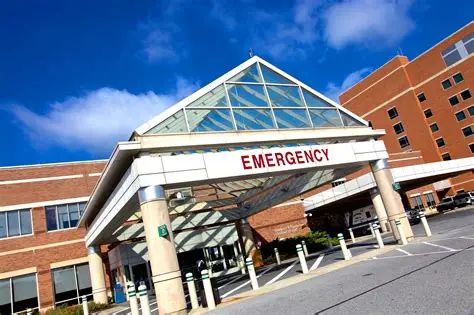
- Emergency departments and ground floor entrances open to public access
- Behavioral health units where patient safety and staff protection are paramount
- Pediatric wings, loading docks, and ground floor offices with sensitive equipment or financial records
Safety films act as a deterrent against break-ins at healthcare facilities and delay forced entry at vulnerable windows, buying critical response time for security personnel. Security window film holds shattered glass fragments in place during impacts, which also minimizes laceration injuries from flying glass shards during storms, patient incidents, or vandalism and keeps corridors passable during emergencies.
Consider a practical scenario: a small regional hospital reinforces its ED and pharmacy glazing with professional grade security films. Overnight break-in attempts drop sharply, staff confidence improves, and the building retains its welcoming professional appearance rather than looking like a fortress. Professional-grade security films last 15 to 25 years with minimal maintenance, making them a durable investment.
It is important to clarify that security film is shatter-resistant, not bullet-proof. It should be positioned as part of a layered strategy alongside access control, surveillance, and panic systems. Film thickness, frame anchoring, and glass type all influence performance, which is why a whole-system assessment matters before specification.
Patient Confidentiality & HIPAA-Friendly Privacy Solutions
HIPAA requires safeguards to protect patient information, and the physical safeguards standard under 45 CFR §164.310 specifically calls for measures that prevent unauthorized visual access to protected health information. Glass walls, partition windows, and sidelights near registration desks can all create compliance gaps if sightlines are not managed.
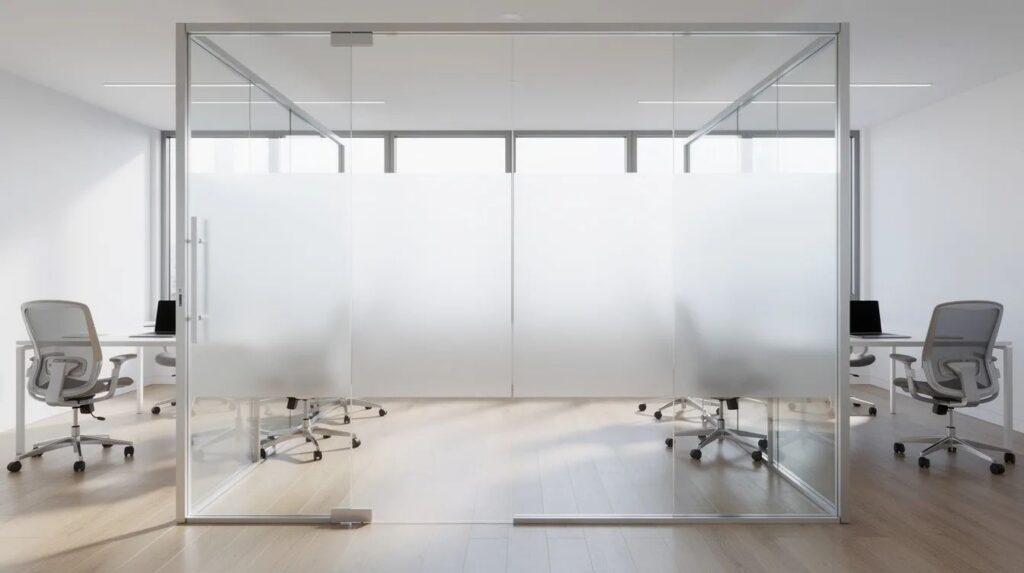
Privacy window films enhance confidentiality in patient areas without sacrificing daylight. Frosted window films block visual access while allowing natural light to pass through glass partitions in exam rooms, ICUs, nurse stations, and registration desks. Gradient films can obscure views at desk or screen height while preserving visual access above for wayfinding. Switchable smart film provides on-demand privacy in treatment rooms, toggling from clear to opaque at the touch of a switch.
Privacy films support HIPAA compliance by preventing unauthorized viewing of screens, charts, and patient encounters. Compared to curtains and blinds, privacy and decorative films are non-porous, easy to disinfect, and do not harbor dust or pathogens-a meaningful infection control advantage in medical environments. They also eliminate ligature risks from cords, making them appropriate for behavioral health units.
Patient dignity matters too. Privacy films prevent hallway views into gowned patients, reduce the “fishbowl” effect in glass-fronted rooms, and support sensitive services like oncology, behavioral health, and women’s health clinics. CoolVu can integrate branding, wayfinding, and calming biophilic patterns into decorative film to support both maintaining compliance and a reassuring identity across healthcare campuses.
Natural Light, Comfort & Healing Environments
Strong clinical evidence confirms that access to natural light in patient rooms supports better mood, circadian rhythm regulation, shorter recovery times, and lower staff burnout. Controlled natural light exposure is proven to reduce stress for patients, and patient recovery can be affected positively by controlled natural light exposure. Window film improves patient care in healthcare facilities by preserving these benefits while removing the downsides of untreated glass.
The core dilemma is familiar to every facility manager: large windows support healing, but unfiltered sun creates glare, hotspots, and thermal discomfort that lead staff to close blinds-eliminating the daylight advantage entirely. High performance window films solve this by maintaining visible light transmission while cutting infrared heat and UV exposure. Patients can read comfortably without repositioning to avoid glare, and staff can maintain natural light throughout their shifts.
Benefits healthcare teams notice after installation:
- Reduced glare on monitors and tablets at nurses’ stations
- Fewer patient and staff complaints about hot or cold spots
- Blinds stay open more often, preserving views of the outdoors
- More consistent comfort across day and night shifts
- Window films improve visibility for staff using technology like tablets for charting and medication verification
Solar Control Film & Reducing Energy Costs in Healthcare Facilities
Energy costs are a major line item for any healthcare building. HVAC systems in large acute-care facilities often account for 30 to 40 percent of total electricity use, and sun-exposed wings drive cooling loads far beyond design intent during peak summer months.
Solar control film works by reflecting and absorbing infrared heat and harmful UV rays while maintaining visible light transmission. Solar window film blocks up to 80% of infrared heat, and window films can block about 86% of the sun’s heat overall. Solar control film reduces glare intensity by up to 80 percent, making clinical spaces more functional. Window films help manage solar heat gain, enhancing comfort across entire floors.
The financial impact is measurable. Healthcare facilities see 10 to 20 percent energy savings after film installation on treated façades. Energy-efficient window films help lower HVAC costs in healthcare buildings, and most healthcare facilities report energy savings within the first billing cycle. Payback periods typically fall between two and five years depending on climate, utility rates, and existing glass type. Spectrally selective films maintain high visible light while rejecting peak infrared wavelengths, making them ideal for south- and west-facing patient rooms.
Beyond cooling savings, solar control film extends the life of sensitive equipment and medical equipment exposed to UV, reduces fading of interior finishes, and supports LEED, WELL Building Standard, and internal sustainability programs. Facilities can also couple films with building automation systems and utility rebate programs to accelerate ROI and lower energy costs even further.
Decorative Film, Branding & Calming Design in Healthcare Settings
Decorative film is more than an aesthetic upgrade. It shapes first impressions in lobbies and waiting rooms, supports wayfinding, and can measurably reduce patient anxiety. Architectural window films and decorative solutions can update the appearance of healthcare spaces without the cost or disruption of full remodels.
Specific applications of privacy window film and decorative patterns include:
- Branded logos and identifiers at entry doors and reception glass
- Subtle gradient patterns on glass partitions for privacy with openness
- Nature-inspired imagery in pediatric units and oncology infusion centers
- Color-coded films by floor or department for intuitive navigation
Decorative films can be swapped or updated far more easily than etched glass, allowing hospitals to adapt spaces after mergers, rebranding, or service line changes. From an infection control perspective, decorative film on glass is smooth, sealed, and easy to disinfect-unlike canvas art or textured wall coverings that trap pathogens.
CoolVu’s architectural surface finishes complement window film solutions, delivered through our window tinting and professional window film installation services, allowing coordinated updates to walls, doors, casework, and elevators. This means older medical buildings can achieve a modern hospital design refresh without shutting down units for months, maintaining aesthetic appeal and a professional appearance throughout renovations.
Choosing the Right Window Films by Healthcare Zone
Successful hospital window film projects are zoned. Different departments and elevations carry distinct security, privacy, and solar control requirements. Choosing the right window film means matching film type to each zone’s unique challenges rather than applying one product across an entire property.
| Healthcare Zone | Priority Films | Key Considerations |
|---|---|---|
| Emergency departments / Urgent Care | Security film + privacy film | Public access, violence risk, triage visibility |
| Pharmacies / Drug storage areas | Security film (heavy gauge) | Forced entry resistance, controlled substance protection |
| Inpatient / Patient rooms | Solar control film + UV protection | Comfort, glare control, color rendition for clinical observation |
| Behavioral health units | Security film + smooth privacy film | Ligature-free, no cords or slats, staff visual access maintained |
| Imaging / Operating suites | Clear UV film | Color accuracy critical, minimal tint or distortion |
| Admin offices / Nurse stations | Privacy + glare reduction film | Screen visibility, PHI protection, hipaa compliance |
| Waiting rooms / Lobbies / Cafeterias | Decorative film + solar control | Branding, comfort, glare reduction, patient experience |
| Special considerations include behavioral health ligature risks, observation windows that must preserve staff visibility while shielding patients from public view, and storefront-style medical office clinics needing daytime privacy from sidewalks. |
CoolVu conducts on-site or virtual glass audits to catalogue glass types, orientations, and risk levels, then builds a phased plan so large campuses can roll out architectural window films wing-by-wing. This zone-based strategy aligns film choices with budgets, healthcare regulations, and operational efficiency instead of forcing a one-size-fits-all approach.
Professional Installation in 24/7 Healthcare Environments
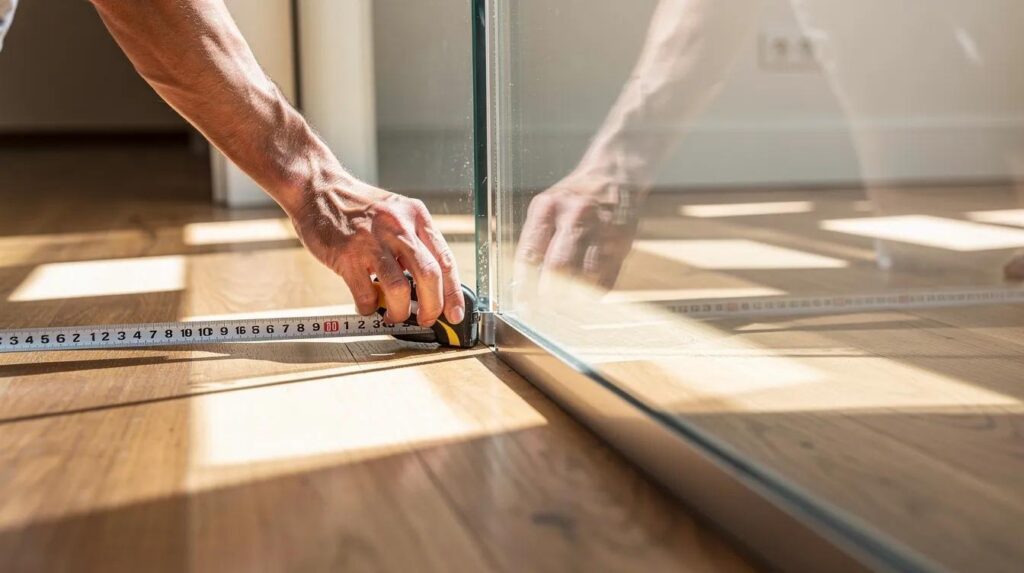
In hospitals, professional installation is as important as film selection. Work must respect infection control protocols, life safety codes, and patient schedules with minimal disruption to active healthcare environments.
A typical CoolVu healthcare project proceeds through clear phases:
- Initial consultation and on-site glass audit
- Recommendation report with performance modeling
- Mockups for stakeholder review
- Phased window film installation aligned with clinical operations
Infection-control and safety practices include low-odor adhesives, installer PPE compliance, containment measures near sterile or semi-sterile areas, and coordination with facility infection prevention teams. Scheduling strategies focus on off peak hours-nights, weekends, and low-census periods-sequencing rooms to avoid interfering with surgeries, imaging schedules, and visiting hours.
Most individual window installations require under an hour of room access with limited noise and no structural changes. Professional installation protects warranties, ensures films meet performance specs for safety glazing and solar rejection, and reduces future maintenance calls from peeling, bubbling, or edge contamination. For healthcare administrators managing multi-building campuses, phased scheduling means enhancing safety across a system without ever taking a unit offline.
Why Choose CoolVu for Healthcare Window Films
CoolVu is a national franchise network specializing in window films and architectural surface solutions for institutional clients, including hospitals, clinics, and medical office buildings, backed by over a century of combined experience and more than 50,000 installations. Our franchises provide local, trained installers backed by national-level product sourcing and technical support, combining local responsiveness with consistent quality standards, whether you partner with CoolVu of Lower Fairfield County for regional healthcare properties or another local franchise.
What sets CoolVu apart in healthcare settings:
- Healthcare-specific experience with familiarity around Joint Commission and CMS expectations for physical environments
- Ability to coordinate window film solutions across multi-site health systems
- Security film specification for high-risk areas paired with solar and energy modeling to estimate savings
- Decorative and branding design assistance integrated with broader renovation projects
- Consultative approach that starts with a risk and comfort assessment, not a sales pitch for a single product
CoolVu recommends balanced solutions that address physical security, patient confidentiality, operational efficiency, and budget realities simultaneously, with local teams such as CoolVu of North Milwaukee delivering these window tinting and surface solutions. Our warranty-backed products are selected for demanding medical environments, and our long-term relationships with commercial and institutional clients reflect years of consistent, reliable service. We understand that every healthcare building has different priorities, and we build plans accordingly.
Frequently Asked Questions About Window Film for Healthcare Facilities
These FAQs address common concerns that facility leaders raise when considering window films for hospitals, clinics, and medical offices.
How does security window film actually protect our hospital?
Security film holds shattered glass together during impact, making windows much harder and slower to penetrate. This deters opportunistic theft, slows intruders attempting forced entry, and reduces injury risk from flying glass shards. When combined with proper frames and anchoring, it supports forced-entry resistance goals. It is a cost effective solution that strengthens hospital safety without making your facility feel oppressive.
Will window film make patient rooms and corridors too dark?
Modern commercial window film options are engineered to maintain natural light while cutting heat and glare. Many hospitals actually enjoy more daylight after installation because blinds remain open once solar heat and glare are under control. Today’s spectrally selective films are nearly invisible to the eye.
Can window film help us comply with HIPAA privacy requirements?
Yes. Privacy and decorative films block sightlines into exam rooms, nurse stations, and registration areas where protected health information is visible. This directly supports HIPAA’s physical safeguards requirements. CoolVu evaluates critical sightlines and recommends specific films for zones where patient confidentiality is most at risk.
How long does hospital window film last, and what maintenance is required?
Professional-grade films in institutional settings typically last 15 to 25 years depending on exposure and product type, backed by manufacturer warranties. Maintenance is simple: clean with non-abrasive solutions compatible with standard hospital disinfectants. Inspect edges after major impact events and schedule periodic checks as part of routine facility rounds.
Can films be installed without disrupting surgeries, imaging, or patient care?
CoolVu plans installations around clinical operations, working nights, weekends, or room-by-room to protect patients and avoid interfering with sensitive procedures. Most installations require only brief room access, produce limited noise, and involve no structural changes-well-suited to enhancing patient comfort without operational disruption.
What is the typical return on investment for solar control film in medical facilities?
Many hospitals and medical office buildings see measurable cooling energy savings within the first billing cycle, with full payback commonly within two to five years. After that, the energy savings continue year after year. Energy modeling can estimate savings for specific campuses, and some utilities or state energy programs offer incentives for qualifying projects that improves energy efficiency.
Are there specialty window films for unique healthcare needs?
Yes. Options include RF/EMF shielding films for imaging or telemetry spaces, anti-glare films for diagnostic reading rooms, and easy-clean coatings for high-touch areas. CoolVu can pair specialty films with standard security and solar films to build a comprehensive glass strategy that protects patients, staff, and valuable assets across your entire facility.
Next Steps: Schedule a CoolVu Window Film Assessment for Your Healthcare Facility
Window film for healthcare facilities delivers security, patient confidentiality, comfort, UV protection, and energy savings without major construction or extended downtime. Whether you manage a single community hospital or a multi-campus health system, the right window film strategy starts with understanding your glass, your risks, and your operational priorities.
Contact CoolVu to schedule a site assessment, energy and risk review, or virtual walk-through with a local franchise specializing in hospital and clinic environments. You will receive a prioritized list of glass vulnerabilities, film recommendations by zone-security film, solar control film, privacy and decorative film-and a phased implementation plan aligned with your budgets and operational constraints.
Facility managers, security leaders, and healthcare administrators ready to plan upgrades for 2026 capital or operational improvement cycles can reach out by phone or online form. Start with a free assessment and see how CoolVu window film solutions can make your healthcare facility safer, smarter, and more efficient.